
Fire and Fertility: The Role of Controlled Burns in Indigenous Agricultural Practices

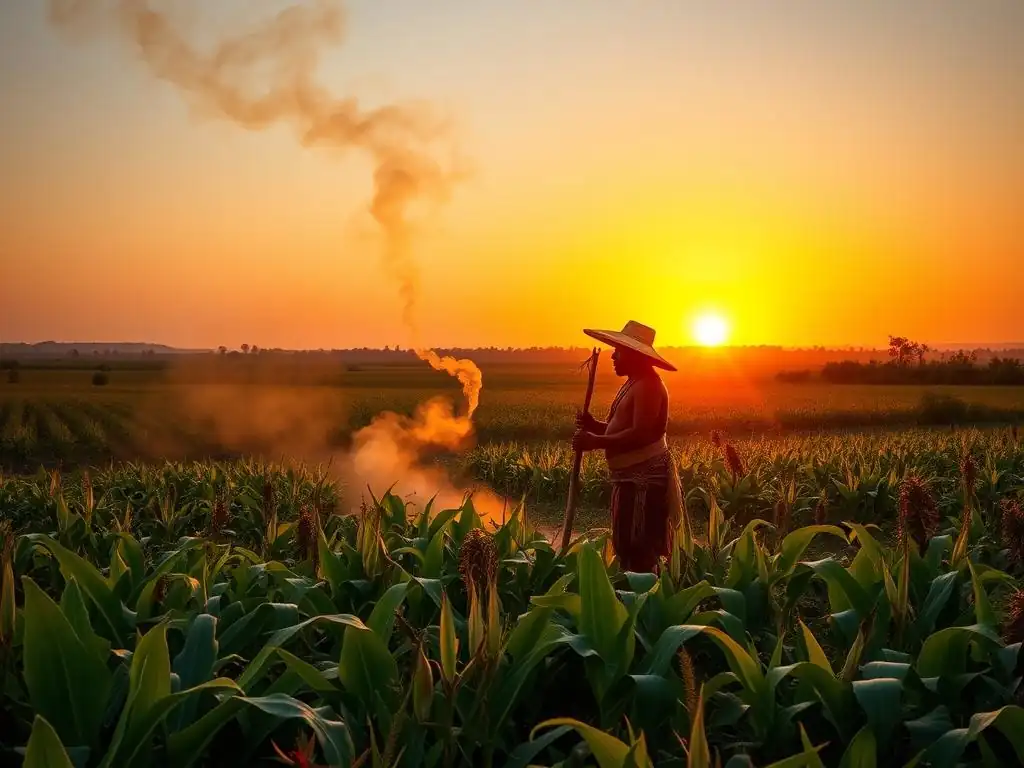
Welcome to Indigenous Civilizations of the Americas, where we embark on a fascinating journey through the rich tapestry of indigenous cultures that flourished long before European colonization. Here, we delve into the remarkable achievements and societal structures that shaped these vibrant communities. In our featured article, "Fire and Fertility: The Role of Controlled Burns in Indigenous Agricultural Practices," we uncover the innovative methods that indigenous peoples used to cultivate the land and sustain their societies.
Join us as we explore these profound connections to nature and discover how these age-old practices continue to influence modern agriculture. Get ready to ignite your curiosity and deepen your understanding of the indigenous peoples of the Americas!
- Introduction to Indigenous Agricultural Practices in the Americas
- Understanding Controlled Burns in Indigenous Agriculture
- The Role of Fire in Enhancing Soil Fertility
- Cultural Significance of Fire in Indigenous Agricultural Practices
- Comparing Indigenous Agricultural Practices with Modern Techniques
- Challenges and Misconceptions about Indigenous Agricultural Practices
- Conclusion: The Lasting Impact of Indigenous Agricultural Practices on Modern Sustainability
- Frequently Asked Questions
- Final Reflection: Embracing Indigenous Wisdom for a Sustainable Future
- 🔥 Ignite Your Journey: Embrace Sustainable Agriculture!
Introduction to Indigenous Agricultural Practices in the Americas
Indigenous agricultural practices in the Americas represent a profound and sophisticated relationship between various societies and their environments, shaped by thousands of years of adaptation and innovation. Before the arrival of European colonizers, indigenous peoples developed diverse farming techniques that not only sustained their communities but also enriched the ecosystems in which they thrived. This article delves into one of the fascinating aspects of these practices: the role of controlled burns.
By exploring how these methods were employed to enhance soil fertility and promote biodiversity, we can gain insight into the intricate knowledge systems and cultural values that underpin indigenous agricultural practices in the Americas. Understanding these practices is essential, as they not only highlight the ingenuity of these civilizations but also inform contemporary agricultural techniques in the face of climate change.
Overview of Indigenous Societies and Their Relationship with Land
Indigenous societies across the Americas exhibited a profound connection to the land, viewing it as a living entity that nurtured life and required respect and stewardship. From the arid deserts of the Southwest to the lush forests of the Pacific Northwest, these cultures developed unique agricultural strategies tailored to their specific environments.
- Diverse Ecosystems: Different regions fostered various indigenous agricultural practices. For instance:
- Milpa System: Utilized by Mesoamerican civilizations, this method involved rotating crops like maize, beans, and squash to maintain soil health.
- Terracing: Used by Andean cultures, this technique maximized arable land on steep slopes.
- Chinampas: In the Valley of Mexico, these floating gardens demonstrated innovative land reclamation and irrigation strategies.
- Spiritual Connection: For many indigenous groups, agriculture was not merely a means of sustenance but a spiritual practice. Rituals and ceremonies often accompanied planting and harvest seasons, reinforcing their bond with the land.
This intricate relationship highlights how indigenous societies viewed themselves as part of a larger ecological system, fostering sustainable practices that ensured the land’s productivity for generations.
Importance of Agriculture in Indigenous Cultures
Agriculture served as the backbone of many indigenous cultures, providing not only food but also social structure and economic stability. The significance of agricultural practices can be seen in various aspects:
- Food Security: Indigenous agricultural practices enabled communities to cultivate a wide variety of crops, ensuring a stable food supply. This diversity reduced dependency on single crops, making societies more resilient to environmental changes.
- Cultural Identity: Agriculture was deeply woven into the cultural fabric of indigenous societies. Traditional crops often held symbolic meanings and were central to rituals, festivals, and social gatherings. For example, maize was considered sacred by many cultures, representing life and sustenance.
- Sustainable Practices: Indigenous farmers employed techniques that promoted ecological balance, such as intercropping and crop rotation. These methods not only maximized yield but also preserved soil health and biodiversity, showcasing an early understanding of sustainable agriculture.
- Economic Exchange: Many indigenous groups engaged in trade networks based on agricultural products, facilitating cultural exchange and mutual support among different communities.
The agricultural practices of indigenous societies in the Americas were far more than mere survival strategies; they were integral to the identity, spirituality, and sustainability of these cultures. Understanding their methods and philosophies offers vital lessons for contemporary agricultural practices, especially in the context of climate change and ecological sustainability.
Understanding Controlled Burns in Indigenous Agriculture
Definition and Purpose of Controlled Burns
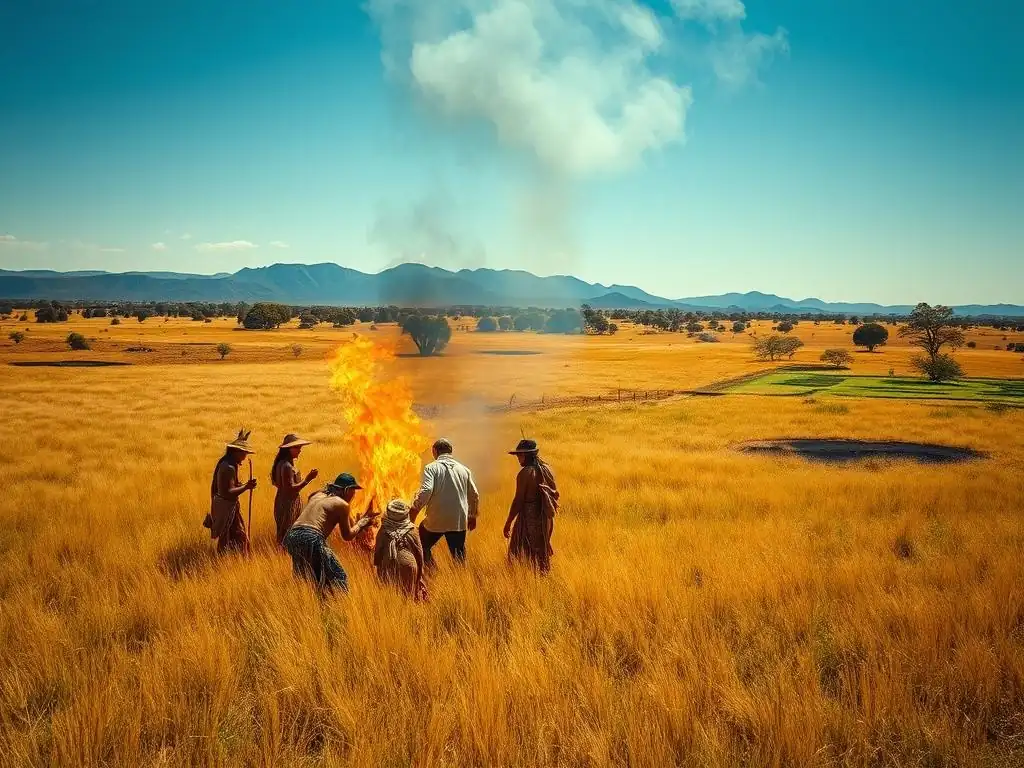
Controlled burns, often referred to as prescribed fires, are intentional fires set under specific conditions to achieve various land management objectives. In the context of indigenous agricultural practices in the Americas, these burns play a crucial role in enhancing soil fertility, managing pests, and promoting the growth of desired plant species. The primary purpose of controlled burns is to clear underbrush, reduce the risk of larger wildfires, and return nutrients to the soil, all while fostering a healthier ecosystem.
Key Purposes of Controlled Burns:
- Soil Fertility: The ash produced from burned plant material enriches the soil with essential nutrients, thereby improving its productivity.
- Pest Management: Fire can help control pest populations by destroying their habitats and reducing their numbers.
- Habitat Creation: Controlled burns promote the growth of certain plants that thrive in post-fire environments, creating a diverse habitat for various species.
- Cultural Significance: For many indigenous cultures, fire has spiritual and cultural meanings, often tied to renewal and regeneration.
Historical Context of Fire Use in Indigenous Practices
The use of fire in indigenous agricultural practices is deeply rooted in the history of the Americas, with evidence suggesting that various groups have employed controlled burns for thousands of years. Archaeological findings indicate that indigenous peoples utilized fire as a tool to manage landscapes long before European contact, demonstrating an intricate understanding of ecological relationships.
Notable Historical Aspects:
- Diverse Applications: Different tribes and cultures across the Americas adapted controlled burns to suit their unique environments and agricultural needs. For example, the Plains tribes used fire to manage grasslands for bison hunting, while the agricultural societies in the Southwest employed it to clear fields for crops like maize and beans.
- Traditional Knowledge: Indigenous knowledge systems emphasize the importance of timing, weather conditions, and local ecology when conducting burns. This traditional ecological knowledge has been passed down through generations, ensuring that fire is used responsibly and effectively.
- Colonial Disruption: The arrival of European settlers disrupted many indigenous practices, including the use of controlled burns. Colonial land management approaches often dismissed the ecological benefits of fire, leading to profound changes in landscapes and agricultural productivity.
The Ecological Benefits of Controlled Burns in Agriculture
Controlled burns offer numerous ecological benefits, making them an invaluable tool in indigenous agricultural practices. These benefits extend beyond immediate agricultural outcomes, impacting entire ecosystems and promoting biodiversity.
Key Ecological Benefits:
- Nutrient Cycling: The combustion of organic matter releases nutrients such as nitrogen and phosphorus back into the soil, enhancing its fertility and supporting plant growth.
- Biodiversity Enhancement: By creating a mosaic of different habitats, controlled burns encourage a variety of plant and animal species to thrive. This biodiversity is essential for resilient ecosystems.
- Invasive Species Control: Fire can be an effective method to manage invasive plant species that threaten native flora and fauna. By removing these competitors, indigenous agricultural systems can maintain ecological balance.
- Water Management: Controlled burns can improve water infiltration and reduce runoff, helping to maintain moisture levels in the soil, which is critical for crop production.
- Climate Resilience: By fostering diverse ecosystems and healthy soils, controlled burns contribute to climate resilience, allowing communities to adapt to changing environmental conditions.
Controlled burns are a vital component of indigenous agricultural practices in the Americas, showcasing the sophisticated relationship between indigenous peoples and their environments. Through the historical use and ecological benefits of fire, these practices not only demonstrate agricultural ingenuity but also highlight the importance of sustainable management techniques that have stood the test of time.
The Role of Fire in Enhancing Soil Fertility
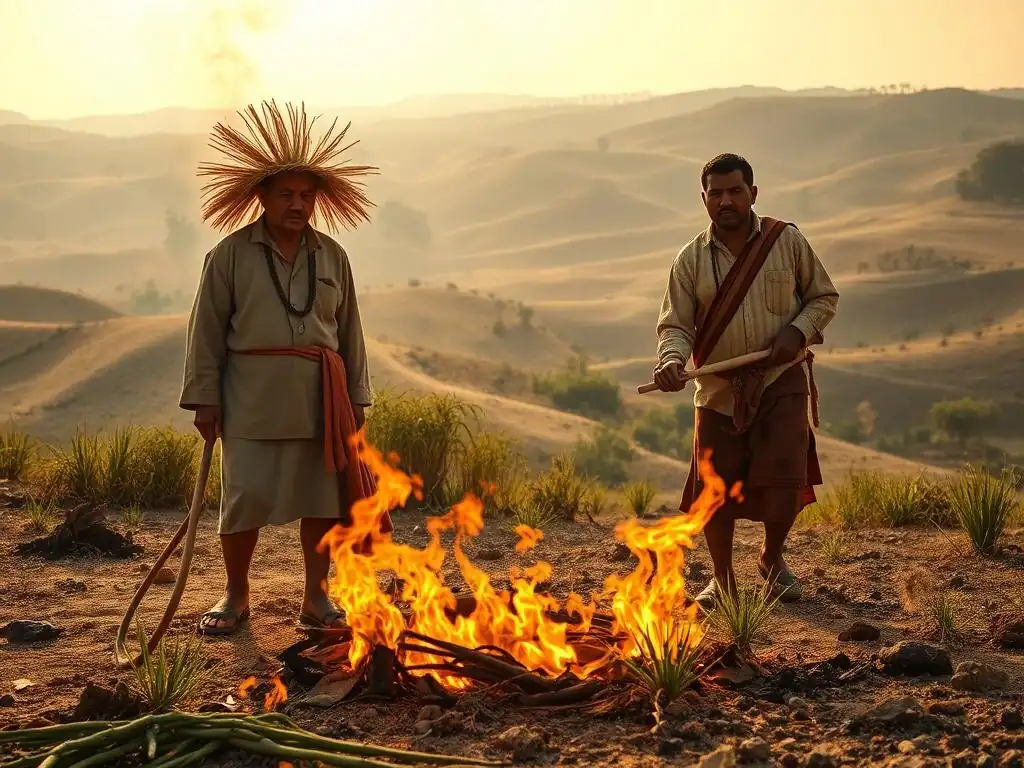
Fire has been an integral tool in the agricultural practices of many indigenous cultures across the Americas. The intentional use of fire, often referred to as controlled burns, served several purposes, most notably enhancing soil fertility. This practice has roots in the deep understanding that indigenous peoples had of their environment, recognizing the cyclical relationship between fire, soil, and plant health.
Controlled burns facilitate the release of nutrients locked within plant biomass and soil. When vegetation is burned, the combustion process transforms complex organic matter into simpler forms, allowing nutrients such as nitrogen, phosphorus, and potassium to become more readily available for uptake by plants. This nutrient cycling is essential for sustaining agricultural productivity, particularly in ecosystems where soil fertility may be limited.
How Controlled Burns Improve Nutrient Availability
The application of controlled burns in indigenous agricultural practices is a sophisticated method that enhances nutrient availability through various mechanisms:
- Ash as Fertilizer: The ash produced from burning vegetation is rich in essential minerals. When spread across fields, it acts as a natural fertilizer, enriching the soil and promoting healthy crop growth.
- Soil Aeration: The heat from fire can alter soil structure, creating air pockets that improve aeration. Better aeration allows for enhanced water infiltration and root expansion, essential for crop development.
- Weed and Pest Control: By reducing the density of weeds and pests, controlled burns create a more favorable environment for cultivated crops. This practice not only minimizes competition for nutrients but also helps in managing pest populations that can threaten yields.
- Encouragement of Beneficial Microbial Activity: The nutrients released during and after a burn stimulate microbial activity in the soil. Healthy microbial communities are critical for breaking down organic matter and further enhancing soil fertility.
- Promoting New Growth: Controlled burns can stimulate the growth of fire-adapted plants, which can serve as forage for livestock or as companion crops that support main agricultural species. This symbiotic relationship between crops and surrounding flora can lead to more resilient farming systems.
This intricate knowledge of fire's role in agriculture showcases the sophisticated environmental management practices of indigenous peoples, allowing them to cultivate diverse crops in harmony with their ecosystems.
Case Studies: Successful Use of Fire in Indigenous Farming
Several notable case studies illustrate the effective implementation of controlled burns in indigenous agricultural practices throughout the Americas:
- The Andean Cultures: In the highlands of the Andes, indigenous farmers have long utilized controlled burns to clear land for planting and to enhance soil fertility. The practice of "chacra" involves rotating crops and using fire to manage soil health, which has been essential in supporting the cultivation of potatoes and quinoa in this challenging climate.
- The Plains Indigenous Peoples: Tribes such as the Plains Sioux and Cheyenne practiced controlled burns to maintain the health of grasslands. By periodically burning sections of prairie, they promoted the growth of nutrient-rich grasses that attracted game animals, thus supporting both agriculture and hunting.
- The Amazonian Tribes: Various tribes in the Amazon Basin have historically employed controlled burns to manage their agroforestry systems. These burns help clear underbrush and stimulate the growth of fruit-bearing plants, crucial for their diet and economy. The practice aligns with the broader ecological dynamics of the rainforest, demonstrating a sustainable approach to land management.
- The Eastern Woodlands: Indigenous peoples in the Eastern Woodlands of North America, such as the Iroquois and Powhatan, utilized fire to clear fields for maize cultivation. Controlled burns were part of their agricultural cycle, helping to enrich the soil and manage pest populations, thereby ensuring successful harvests.
These case studies exemplify how indigenous agricultural practices utilizing controlled burns not only enhance soil fertility but also reflect a profound understanding of ecological balance. The legacy of these methods continues to inform modern sustainable agriculture, emphasizing the importance of integrating traditional knowledge into contemporary practices.
Cultural Significance of Fire in Indigenous Agricultural Practices
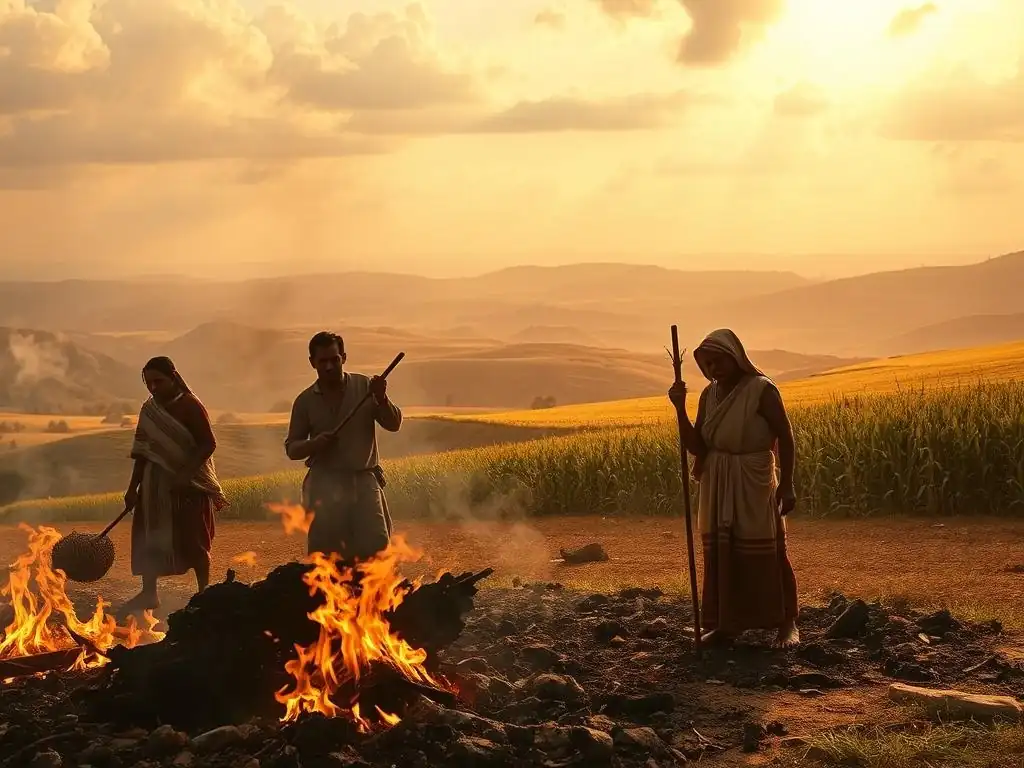
Fire has long been a vital element in the agricultural practices of Indigenous peoples across the Americas. It serves not only as a practical tool for land management but also as a symbol deeply intertwined with cultural identity and spiritual beliefs. The use of controlled burns reflects a profound understanding of the natural environment and its rhythms, which are embedded in the traditions and practices of various Indigenous communities.
Spiritual Connections to Fire and Fertility
Indigenous cultures often view fire as a sacred element, symbolizing purification, renewal, and fertility. Many tribes incorporate fire into their spiritual practices, believing that it connects them to their ancestors and the land. For instance, in some Native American traditions, fire is considered a gift from the Creator, a means to sustain life and promote growth.
- Ceremonial Uses: Fire is frequently utilized in ceremonies that celebrate planting and harvesting. Rituals involving fire can invoke blessings for fertility, ensuring a bountiful yield.
- Crops and Seasons: Some cultures associate specific crops with particular seasons, and controlled burns are timed to align with these cycles, reinforcing the connection between fire and fertility.
The act of burning land not only clears the area for planting but also enriches the soil, promoting the growth of essential crops. This cyclical relationship between fire, the earth, and agricultural fertility reflects a holistic worldview that emphasizes respect and reciprocity with nature.
Traditional Knowledge and Fire Management Techniques
Indigenous agricultural practices across the Americas showcase sophisticated fire management techniques developed over generations. These practices not only enhance crop production but also promote biodiversity and ecosystem health.
- Slash-and-Burn Agriculture: Many Indigenous communities employed slash-and-burn techniques where vegetation was cut and burned to clear land for cultivation. This method, while seemingly destructive, actually revitalizes soil by adding nutrients from the ash, creating a fertile environment for crops.
- Prescribed Burns: Controlled burns were strategically implemented to manage landscapes, reduce the risk of wildfires, and encourage the growth of specific plants. For example, the practice of using fire to stimulate new growth of grasses ensured a steady food supply for both crops and grazing animals.
Indigenous peoples possess extensive traditional ecological knowledge (TEK) that informs their use of fire. This knowledge includes understanding the ideal conditions for burning, the types of vegetation to target, and the timing of burns to maximize agricultural yields.
| Technique | Description | Benefits |
|---|---|---|
| Slash-and-Burn | Cutting and burning vegetation to clear land | Enriches soil, promotes crop growth |
| Prescribed Burns | Controlled fires to manage landscapes | Reduces wildfire risk, encourages biodiversity |
| Firebreaks | Creating barriers to slow or stop fire spread | Protects crops and communities from wildfires |
Fire, when used judiciously, demonstrates the intricate relationship between Indigenous agricultural practices and environmental stewardship. These techniques not only highlight the adaptability and resilience of Indigenous societies but also underscore the importance of preserving traditional knowledge in the face of modern agricultural challenges.
The cultural significance of fire within Indigenous agricultural practices in the Americas is profound, merging spiritual beliefs with practical land management techniques that have sustained communities for centuries.
Comparing Indigenous Agricultural Practices with Modern Techniques
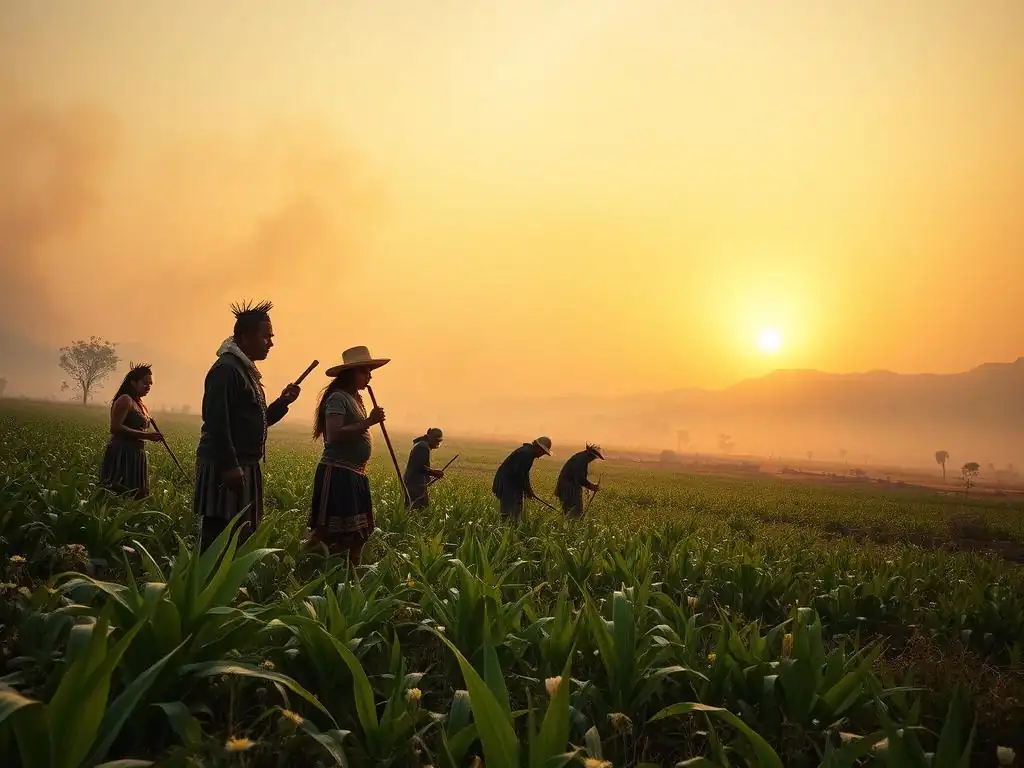
Similarities and Differences in Farming Methods
Indigenous agricultural practices in the Americas exhibit a rich tapestry of techniques honed over thousands of years, reflecting a deep understanding of local ecosystems. When comparing these methods to modern agricultural techniques, several similarities and differences emerge.
Similarities
- Sustainable Practices: Both indigenous and modern methods recognize the importance of sustainability. Indigenous farmers often utilized crop rotation, intercropping, and organic fertilizers, mirroring modern sustainable practices aimed at preserving soil health and biodiversity.
- Community Engagement: Indigenous agricultural systems are community-oriented, emphasizing collaboration and shared labor. This approach is increasingly mirrored in modern agricultural movements, such as community-supported agriculture (CSA) and cooperative farming.
- Diversity of Crops: Indigenous farmers traditionally cultivated a variety of crops to ensure food security and resilience against pests and diseases. Modern agroecological approaches advocate for crop diversity to enhance ecosystem stability and reduce dependency on single crops.
Differences
- Scale and Technology: Indigenous agricultural practices were typically small-scale and reliant on manual labor. In contrast, modern agriculture often involves large-scale operations with advanced technologies, including machinery and genetically modified organisms (GMOs).
- Chemical Use: Many indigenous practices utilized natural resources and organic inputs, while modern farming frequently relies on synthetic fertilizers and pesticides. This difference has significant implications for soil health and environmental sustainability.
- Cultural Significance: Indigenous practices are deeply intertwined with cultural beliefs and traditions, serving not only as methods of food production but also as expressions of identity and spirituality. In contrast, modern agriculture often prioritizes efficiency and profit over cultural connections.
Benefits of Integrating Indigenous Practices into Contemporary Agriculture
The integration of indigenous agricultural practices into contemporary farming offers numerous benefits that can address current environmental and social challenges.
- Enhanced Soil Health: Indigenous techniques such as controlled burns and the use of natural fertilizers contribute to improved soil fertility and structure. This can lead to greater agricultural productivity while minimizing the need for chemical inputs.
- Biodiversity Conservation: By incorporating a variety of crops and planting methods, indigenous practices help maintain biodiversity. This is crucial in combating climate change and ensuring the resilience of agricultural systems against pests and diseases.
- Cultural Revitalization: Integrating indigenous practices into modern agriculture can foster respect for indigenous knowledge and promote cultural preservation. This recognition can empower indigenous communities and strengthen their role in sustainable agriculture.
- Climate Adaptation: Indigenous agricultural practices are often well-adapted to local climate conditions. By learning from these methods, contemporary agriculture can become more resilient to climate variability and extreme weather events.
- Community Resilience: Emphasizing community-based approaches in agriculture can enhance food security and support local economies. Indigenous practices often prioritize local needs and foster community engagement, which can lead to stronger, more resilient food systems.
The integration of indigenous agricultural practices into contemporary methods not only enriches farming techniques but also promotes sustainability, cultural respect, and resilience against climate change. As we face increasing environmental challenges, looking to the past can provide valuable insights for the future of agriculture in the Americas.
Challenges and Misconceptions about Indigenous Agricultural Practices
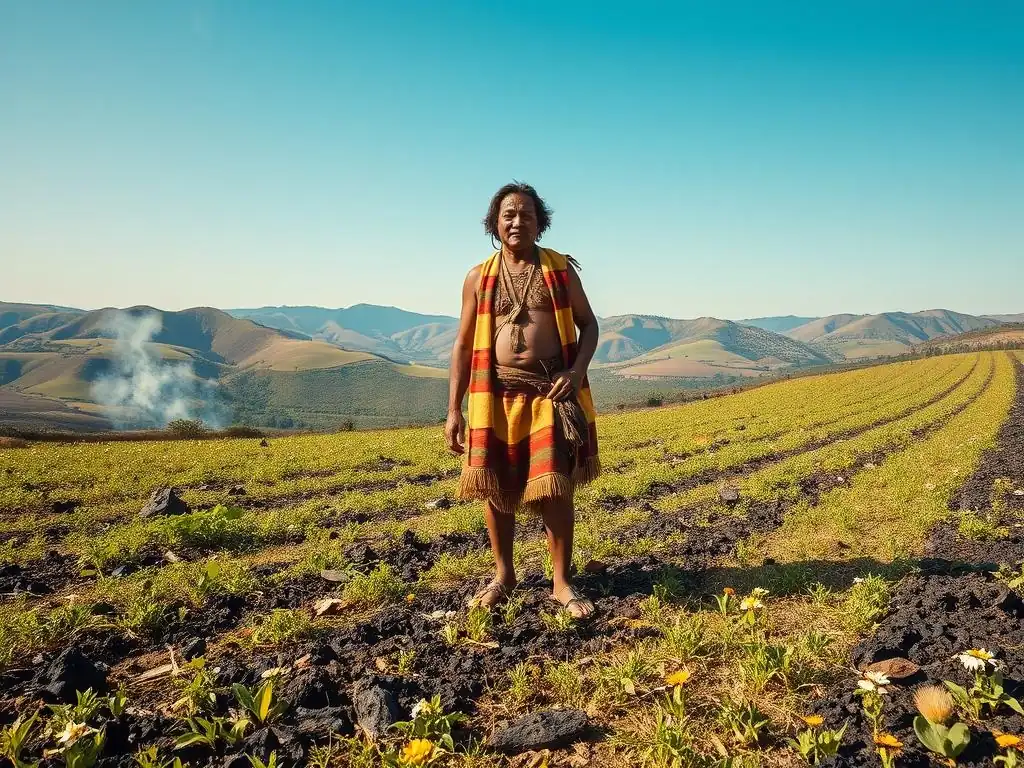
Indigenous agricultural practices in the Americas have often been misunderstood and misrepresented, particularly concerning the role of fire in farming. This section aims to debunk common myths and highlight the realities of these sustainable practices, shedding light on how indigenous communities managed their ecosystems to enhance fertility and productivity.
Common Myths Surrounding Fire Use in Agriculture
One of the most pervasive myths is that the use of fire in agriculture is destructive and harmful to the environment. Many people view fire as a tool of devastation, leading to the assumption that indigenous peoples who employed controlled burns were acting recklessly.
-
Myth 1: Fire Destroys Ecosystems
Contrary to this belief, controlled burns, often referred to as "cultural burning," were integral to managing landscapes. Indigenous peoples used fire to clear underbrush, promote new growth, and maintain diverse ecosystems.
-
Myth 2: Indigenous Farmers Were Primitive
Another misconception is that indigenous agricultural practices were less sophisticated than contemporary methods. In reality, many indigenous communities developed advanced agricultural systems that included crop rotation, companion planting, and selective breeding, all of which were enhanced through the strategic use of fire.
-
Myth 3: Fire Use is a Modern Innovation
Many assume that the idea of using fire as a land management tool is a recent discovery. However, indigenous peoples have practiced controlled burns for thousands of years, long before European settlers arrived, demonstrating a profound understanding of their environment.
The Reality of Sustainable Practices in Indigenous Communities
The reality of indigenous agricultural practices in the Americas paints a much different picture than the myths suggest. These practices were characterized by sustainability and a deep connection to the land.
-
Biodiversity Enhancement
Controlled burns helped increase biodiversity by clearing out invasive species and promoting the growth of native plants. This, in turn, supported a wider array of wildlife, creating a balanced ecosystem.
-
Soil Fertility
The use of fire to clear land not only prepared it for planting but also enriched the soil. Ash from burned vegetation added essential nutrients, enhancing soil fertility and leading to more productive harvests.
-
Climate Resilience
Indigenous communities were adept at using fire to adapt to changing climates. By managing landscapes through controlled burns, they could mitigate the effects of drought and promote resilience in their agricultural systems.
-
Cultural Significance
Fire management was more than just an agricultural technique; it was woven into the cultural and spiritual practices of many indigenous groups. These practices reflected a holistic understanding of their environment and their role within it.
By recognizing the sustainable practices employed by indigenous communities, we can appreciate the depth of knowledge and adaptability that characterized their agricultural systems. Understanding these realities not only honors their legacy but also offers valuable lessons for contemporary agricultural practices in the face of climate change.
Conclusion: The Lasting Impact of Indigenous Agricultural Practices on Modern Sustainability
Indigenous agricultural practices in the Americas, particularly the use of controlled burns, have left an indelible mark on modern sustainability efforts. These ancient techniques, honed over millennia, demonstrate a profound understanding of ecological balance and land management. The legacy of these practices informs contemporary agriculture by emphasizing sustainable methods that align with environmental stewardship. As we confront pressing challenges such as climate change and food security, revisiting these indigenous methodologies could provide innovative solutions to enhance productivity while safeguarding ecosystems.
Lessons Learned from Indigenous Fire Management
Indigenous fire management techniques, particularly controlled burns, reveal valuable lessons for contemporary agricultural practices. Here are some key insights:
- Ecological Balance: Controlled burns were used not only to clear land but also to promote biodiversity. This practice encourages the growth of specific plants that benefit both soil health and crop yields.
- Soil Fertility: The ash produced from controlled burns enriches the soil with essential nutrients, facilitating the growth of crops. Indigenous farmers understood the importance of nutrient cycling long before modern agriculture adopted similar practices.
- Pest Management: By regularly implementing controlled burns, indigenous communities effectively managed pests and diseases, reducing the need for chemical interventions. This sustainable approach promotes healthier ecosystems.
- Cultural Significance: Fire management practices were deeply intertwined with spiritual beliefs and cultural identities. The holistic approach to agriculture emphasized harmony with nature, an ethos that is increasingly relevant in today's environmental discussions.
Through these lessons, we can appreciate the sophisticated understanding indigenous peoples had regarding their environment and the sustainable practices they developed as a result.
Future Implications for Agriculture and Climate Resilience in the Americas
As the Americas face escalating climate challenges, the revival of indigenous agricultural practices offers a pathway toward greater resilience. Key implications include:
- Incorporating Traditional Knowledge: Integrating indigenous wisdom into modern agricultural systems can enhance resilience against climate extremes. This includes adapting crop varieties and implementing traditional methods like companion planting and crop rotation.
- Restoring Ecosystems: Utilizing controlled burns as a land management tool can support ecosystem restoration efforts. By mimicking natural fire regimes, these practices can reduce the risk of catastrophic wildfires while improving habitat for wildlife.
- Promoting Biodiversity: Encouraging diverse cropping systems inspired by indigenous practices can enhance food security and resilience to pests and diseases. Biodiversity within agricultural systems fosters a more adaptable food supply chain.
- Community Engagement: Engaging indigenous communities in agricultural planning can lead to more culturally appropriate and ecologically sound practices. Collaborative efforts can elevate indigenous voices and ensure that sustainable practices are tailored to local conditions.
The integration of indigenous agricultural practices in contemporary strategies can significantly contribute to climate resilience in the Americas. By learning from these time-tested methods, we can foster a more sustainable future that honors both history and ecological balance.
Frequently Asked Questions
What are indigenous agricultural practices in the Americas?
Indigenous agricultural practices in the Americas refer to the traditional farming techniques developed by Native peoples, including methods like crop rotation, intercropping, and the use of controlled burns to enhance soil fertility.
How did controlled burns impact agricultural productivity?
Controlled burns were essential for maintaining healthy ecosystems and promoting plant growth. They helped in managing weeds, pests, and enhancing the nutrient content of the soil, leading to increased agricultural yields.
What crops were commonly cultivated by indigenous peoples?
Indigenous peoples cultivated a variety of crops, including maize, beans, and squash—often referred to as the "Three Sisters." These crops played a vital role in their diet and agricultural systems.
How did indigenous agricultural practices differ across regions?
Practices varied significantly by region, influenced by local climate, soil types, and available resources. For example, the Andean peoples utilized terrace farming, while those in the Great Plains relied on bison hunting and seasonal planting.
What is the lasting impact of these practices today?
The lasting impact of indigenous agricultural practices can be seen in modern sustainable farming methods that prioritize biodiversity, soil health, and environmental stewardship, reflecting the wisdom and innovations of ancient cultures.
Final Reflection: Embracing Indigenous Wisdom for a Sustainable Future
The intricate relationship between fire and fertility in indigenous agricultural practices is more relevant today than ever. As we grapple with the challenges of climate change and food security, the ancient techniques employed by Indigenous peoples of the Americas offer invaluable insights into sustainable land management. By recognizing the importance of controlled burns, we can not only enhance biodiversity but also restore balance to ecosystems that have been disrupted by modern agricultural practices.
Cultural and social landscapes are continually shaped by the wisdom of those who have lived in harmony with the land for centuries. The practices of Indigenous communities remind us that agriculture is not merely a means to an end but a profound relationship with nature. As we witness a resurgence of interest in regenerative practices, we must honor and learn from the knowledge passed down through generations. We do not inherit the earth from our ancestors; we borrow it from our children.
This quote encapsulates the essence of stewardship that Indigenous agricultural practices embody, urging us to consider the long-term impacts of our actions on the planet.
As you reflect on the lessons drawn from these traditional practices, consider how you can incorporate sustainable methods into your own life. Whether through supporting local Indigenous farmers, advocating for policy changes, or simply educating yourself and others about the significance of these practices, every action counts. Let us embrace the wisdom of the past to cultivate a more sustainable and equitable future for all.
🔥 Ignite Your Journey: Embrace Sustainable Agriculture!
Thank you for exploring the insightful world of controlled burns and their vital role in Indigenous agricultural practices. By understanding this ancient technique, you’ve unlocked the door to more sustainable farming and the preservation of essential ecosystems.
Now, it’s time to take action and make a difference:
- Explore controlled burning practices in your own community or garden; consider implementing safe, sustainable techniques to enhance soil fertility and biodiversity.
- Join local workshops or online forums to connect with others who are passionate about Indigenous farming methods and share your findings!
- Dive deeper into the rich history of Indigenous agricultural practices by visiting a nearby museum or cultural center that showcases these invaluable traditions.
What’s one sustainable practice you’re excited to incorporate into your daily life? Share your thoughts, and let’s inspire each other!