
The Great Plains and Climate: How Weather Patterns Influenced Indigenous Lifestyles

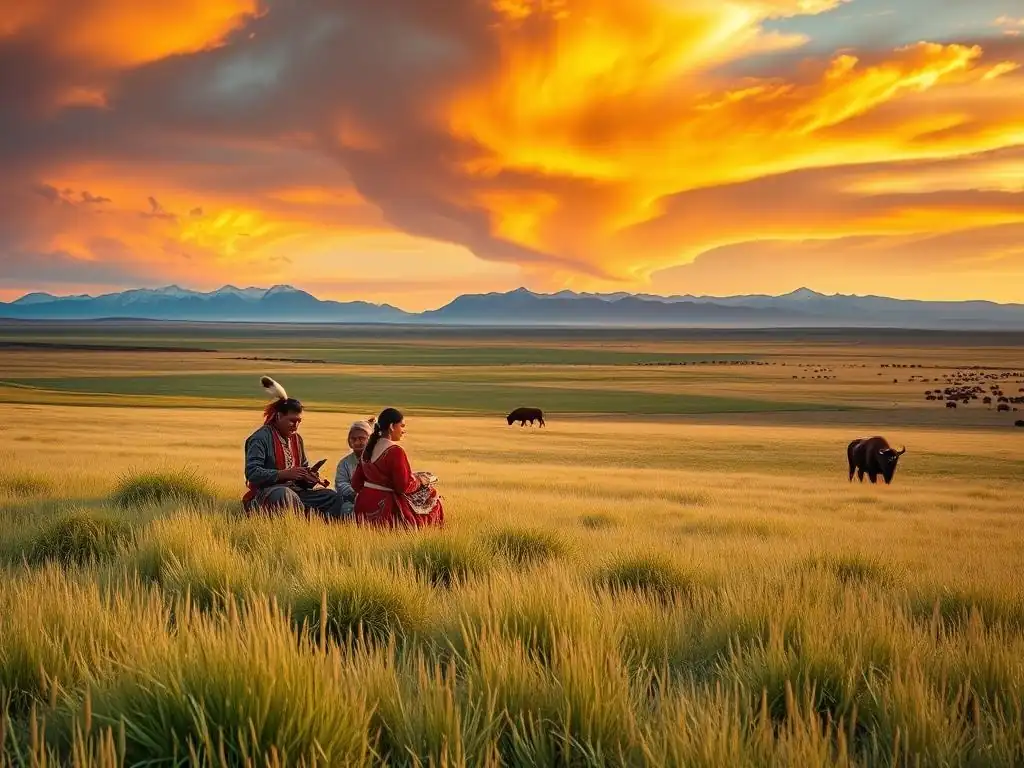
Welcome to Indigenous Civilizations of the Americas, where we delve into the rich tapestry of cultures that flourished long before European contact. Here, we invite you to uncover the fascinating indigenous lifestyles in the Great Plains—a region where the interplay of climate and environment shaped unique ways of life.
As you explore our featured article, "The Great Plains and Climate: How Weather Patterns Influenced Indigenous Lifestyles," prepare to be captivated by the resilience and ingenuity of these communities. Join us on this enlightening journey and discover how weather not only dictated survival but also inspired a vibrant cultural legacy that still resonates today.
Introduction to Indigenous Lifestyles in the Great Plains
The Great Plains region, stretching across the central part of North America, is a vast expanse characterized by diverse ecosystems and a unique climate. This area was historically home to numerous indigenous cultures, each adapting their lifestyles to the specific environmental conditions they encountered. Understanding how these weather patterns influenced indigenous lifestyles in the Great Plains is essential to grasping the intricate relationship between culture and environment. The diverse indigenous groups, including the Lakota, Cheyenne, and Comanche, developed distinct ways of life, utilizing the resources available to them while also adapting to the challenges posed by their surroundings.
Overview of the Great Plains Region
The Great Plains encompass a range of landscapes, from rolling hills and vast grasslands to river valleys and arid regions. This region covers parts of several U.S. states, including Montana, North Dakota, South Dakota, Nebraska, Kansas, Oklahoma, and Texas, as well as parts of Canada. The climate varies from semi-arid to humid continental, creating a unique set of environmental conditions:
- Grasslands: Dominated by grasses, these areas supported large herds of bison, which were crucial to the indigenous lifestyles.
- Water Sources: Rivers like the Missouri and the Platte provided essential water resources for both people and wildlife.
- Flora and Fauna: The region was rich in biodiversity, including various plant species and wildlife that indigenous peoples relied on for food, shelter, and tools.
Significance of Climate in Indigenous Cultures
Climate played a pivotal role in shaping the indigenous cultures of the Great Plains. The seasonal variations dictated agricultural practices, hunting strategies, and even social structures. Understanding the impact of climate on these cultures helps illuminate the resilience and adaptability of indigenous peoples. Key aspects include:
- Subsistence Strategies: Many tribes relied on a combination of hunting, gathering, and agriculture, with climate influencing what was available at different times of the year.
- Cultural Practices: Ceremonies and traditions often coincided with seasonal changes, reflecting the deep connection between the indigenous peoples and their environment.
- Resource Management: Indigenous cultures developed sustainable practices to manage the land and its resources, demonstrating an intricate knowledge of their surroundings.
Weather Patterns in the Great Plains
The weather patterns in the Great Plains have a significant impact on the indigenous lifestyles in this region. Understanding these patterns reveals how indigenous peoples adapted to the challenges and opportunities presented by their environment.
Seasonal Changes and Their Effects
The Great Plains experience distinct seasonal changes, with each season bringing its own set of challenges and benefits. The indigenous peoples of the region developed lifestyles that were closely aligned with these seasonal rhythms:
- Spring: Marked by the thawing of snow and the growth of new plants, spring was a time for planting crops and gathering wild edibles.
- Summer: This season brought warmth and abundant resources; however, it also posed challenges like drought. Many tribes would relocate to follow the bison herds during this time.
- Fall: The harvest season was crucial for storing food for the winter months. Indigenous groups often celebrated the bounty of the land through communal gatherings.
- Winter: Harsh cold and heavy snowfall necessitated strategic planning and resource management to ensure survival. Tribes relied on stored food and utilized winter hunting techniques.
Extreme Weather Events and Indigenous Adaptations
The Great Plains are no stranger to extreme weather events, such as blizzards, tornadoes, and droughts. Indigenous peoples developed various adaptations to cope with these challenges:
- Shelter Construction: The design of homes, such as the buffalo-hide tipi, allowed for mobility and protection against harsh weather conditions.
- Food Storage Techniques: Indigenous cultures employed sophisticated methods for preserving food, ensuring they had adequate supplies during lean times.
- Cultural Resilience: The ability to adapt to extreme weather not only demonstrated resourcefulness but also fostered a strong sense of community and cultural identity.
Understanding how weather patterns influenced indigenous lifestyles in the Great Plains reveals the resilience and ingenuity of these cultures, showcasing their deep-rooted connection to the land and climate. As we explore further, we will delve into specific examples and case studies that illustrate these concepts in greater detail.
Indigenous Lifestyles in the Great Plains
The indigenous cultures of the Great Plains, including tribes such as the Lakota, Cheyenne, and Comanche, developed unique lifestyles that were deeply intertwined with the region's climate and geography. The vast expanse of grasslands, characterized by a mix of prairie and rolling hills, provided a diverse habitat that influenced their social organization, subsistence methods, and cultural practices. The cyclical nature of the seasons dictated their movements and activities, allowing these communities to adapt efficiently to their environment.
Traditional Housing: Adaptations to Climate
Traditional housing in the Great Plains was primarily represented by the tipi, a portable dwelling made from animal hides and wooden poles. The design of the tipi was not only practical but also a direct response to the climatic conditions of the region. Its conical shape allowed for effective heat retention during the cold winters and provided ventilation during the hot summer months.
In addition to tipis, some tribes constructed earth lodges, which were semi-permanent structures made from earth and grass. These lodges provided greater insulation and stability against harsh weather. The choice of housing materials and construction techniques showcased the ingenuity of indigenous people in adapting to the Great Plains' variable climate while maintaining mobility for hunting and gathering.
Subsistence Strategies: Hunting, Gathering, and Agriculture
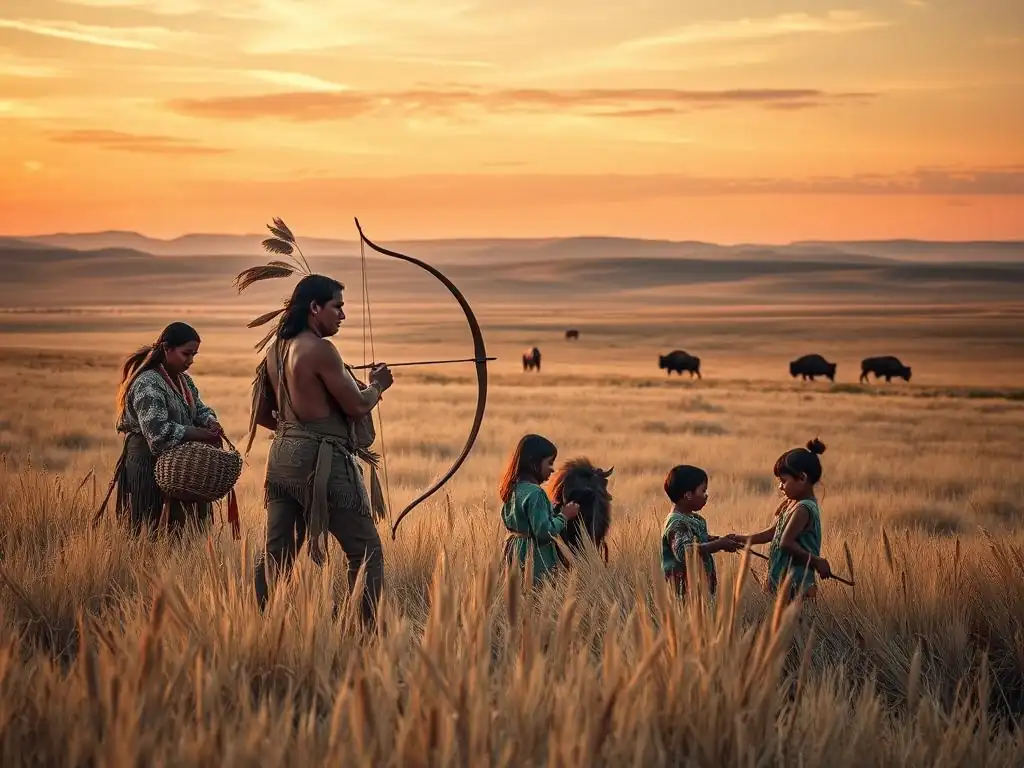
Subsistence strategies among the indigenous peoples of the Great Plains were primarily centered on hunting and gathering, with a significant reliance on the American bison as a staple resource. The seasonal migrations of the bison were closely monitored, and tribes followed these herds across the plains, utilizing every part of the animal for food, clothing, tools, and shelter.
In addition to hunting, some communities practiced agriculture, growing crops such as corn, beans, and squash during the warmer months. The agricultural practices reflected a deep understanding of the local climate, where the timing of planting and harvesting was carefully aligned with seasonal weather patterns. The combination of hunting and agriculture created a balanced diet and supported the sustainability of their communities.
Clothing and Material Culture: Responding to Weather
Indigenous peoples in the Great Plains adapted their clothing to weather conditions, demonstrating a sophisticated understanding of their environment. Animal hides, particularly from bison and deer, were transformed into durable clothing that provided warmth during the frigid winters. The use of feathers and beads in clothing not only served decorative purposes but also reflected cultural identities and social status.
During the warmer months, clothing became lighter, often made from woven grasses or other natural fibers. The choice of materials and styles was directly influenced by the available resources and seasonal changes, showcasing how indigenous lifestyles were intimately connected to the climate of the Great Plains.
The climate of the Great Plains significantly impacted social structures, dictating community organization, mobility, and resource allocation. The harsh winters and dry summers required communities to be flexible and adaptive, leading to a social structure that emphasized cooperation and communal living.
Community Organization and Seasonal Mobility
Seasonal mobility was a crucial aspect of life in the Great Plains, as indigenous tribes moved to follow bison herds and seasonal crop cycles. Community organization often revolved around these migrations, with families banding together for safety and resource sharing. This mobility allowed for the efficient use of resources, as tribes would establish temporary camps in areas abundant with food and materials.
The need for cooperation during migrations fostered strong social bonds and cultural exchange among tribes. These interactions led to the development of rich cultural practices, oral traditions, and shared knowledge that were essential for survival in the variable climate of the Great Plains.
Trade Networks Influenced by Climate Variability
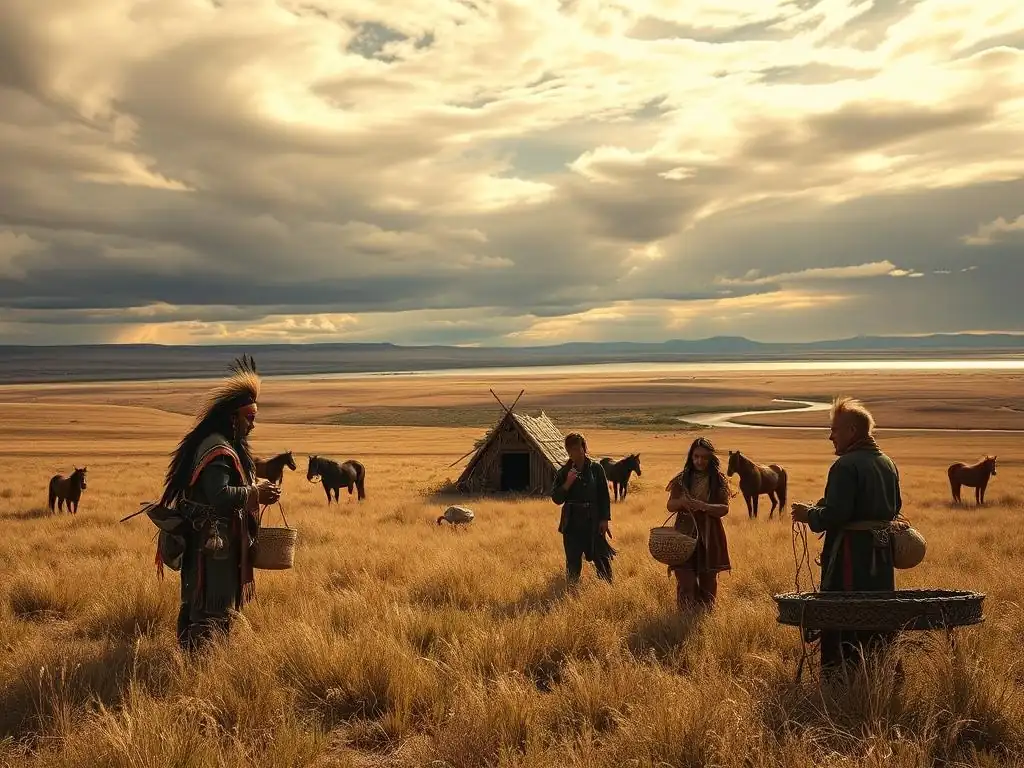
Trade networks among indigenous tribes in the Great Plains were also influenced by climate variability. As resources fluctuated due to changing weather patterns, tribes established trade relationships to exchange goods, such as bison meat, hides, and agricultural products.
These networks were essential for maintaining access to resources that were not locally available, and they facilitated cultural exchange, strengthening ties between different tribes. The adaptability of these trade routes in response to climate changes highlights the resilience of indigenous lifestyles in the Great Plains, illustrating how deeply interwoven their societies were with their environment.
Case Studies of Indigenous Tribes in the Great Plains
The Great Plains, characterized by vast grasslands and a continental climate, played a significant role in shaping the lifestyles of indigenous tribes. Each tribe developed unique ways to adapt to their environment, utilizing the natural resources available to them while responding to the varying weather patterns. Understanding these adaptations provides insight into the resilience and ingenuity of indigenous peoples in the Great Plains.
The Sioux: Adaptations to Environmental Changes
The Sioux Nation, comprising several groups including the Dakota, Lakota, and Nakota, exemplified remarkable adaptability to the Great Plains environment. This tribe relied heavily on bison for food, clothing, and shelter, engaging in seasonal migrations that followed bison herds. The Sioux constructed portable dwellings called tipis, made from animal hides and wooden poles, which allowed them to move efficiently according to the seasons.
Moreover, the Sioux developed a deep understanding of the region's climate patterns. For instance, they recognized the importance of summer storms for replenishing grasslands, which in turn supported bison populations. Their spiritual beliefs were often intertwined with their observations of nature, leading to practices that honored the balance of the ecosystem. This intimate relationship with their environment enabled the Sioux to thrive in an area where harsh winters and dry summers could pose significant challenges.
The Cheyenne: Weather-Dependent Cultural Practices
The Cheyenne people, known for their rich cultural traditions, also adapted their practices to the climate of the Great Plains. Their nomadic lifestyle was largely influenced by the availability of game and the changing seasons. The Cheyenne held ceremonies that were closely tied to weather patterns, such as the Sun Dance, which celebrated the return of summer and the renewal of life.
Additionally, the Cheyenne relied on the seasonal migration of bison, which dictated their movement and settlement patterns. Their hunting strategies were meticulously planned around the weather, ensuring that they maximized their seasonal yields. This reliance on weather also extended to their agriculture, where they cultivated crops such as corn and beans, planting them after the last frost and monitoring rainfall closely for optimal growth. The interplay between their cultural practices and environmental conditions showcases the Cheyenne's profound connection to the land.
The Pawnee: Agricultural Innovations and Climate Interaction
The Pawnee tribe, well-known for their agricultural prowess, developed innovative farming techniques that allowed them to thrive in the Great Plains. Utilizing the fertile soil of the river valleys, they cultivated crops such as maize, squash, and beans, which were often referred to as the "Three Sisters." This triadic planting method not only maximized agricultural output but also enhanced soil fertility through companion planting.
The Pawnee were keen observers of weather patterns, which directly influenced their agricultural practices. For instance, the timing of planting and harvesting was aligned with seasonal changes and lunar cycles. They developed a sophisticated understanding of climate-related phenomena, such as droughts and floods, and adapted their agricultural strategies accordingly. This resilience in farming practices reflects the Pawnee's deep-rooted knowledge of the land, allowing them to sustain their communities despite the challenges posed by the Great Plains climate.
Contemporary Reflections
The legacy of indigenous lifestyles in the Great Plains continues to influence modern practices and perspectives on climate. Indigenous communities are increasingly recognized for their contributions to climate awareness and environmental stewardship, rooted in centuries of knowledge.
Modern Indigenous Practices and Climate Awareness
Today, many indigenous tribes in the Great Plains are actively engaged in climate advocacy and environmental conservation. They draw upon traditional ecological knowledge to promote sustainable land management practices, which are essential in addressing contemporary climate challenges.
Programs focused on restoring bison populations, for example, not only aim to revive traditional hunting practices but also support biodiversity and ecosystem health. Indigenous-led initiatives often emphasize the importance of holistic approaches to land use, integrating cultural traditions with modern science to enhance resilience against climate change.
The Role of Indigenous Knowledge in Climate Change Adaptation
Indigenous knowledge plays a crucial role in climate change adaptation strategies. This knowledge encompasses a deep understanding of local ecosystems, seasonal cycles, and species interactions, which can inform effective responses to environmental changes.
Collaborative projects that combine indigenous knowledge with scientific research are emerging as effective pathways for addressing climate challenges. By valuing and incorporating indigenous perspectives, policymakers can create more inclusive and effective climate strategies that honor the historical relationship between indigenous peoples and their land. This collaboration not only empowers indigenous communities but also fosters a more comprehensive understanding of climate resilience that benefits all.
Conclusion
The indigenous lifestyles in the Great Plains were profoundly shaped by the region's climate and weather patterns. Understanding this relationship is crucial for appreciating how these societies adapted to their environment, developed unique cultural practices, and implemented sustainable methods of living that ensured their survival over generations.
Summary of the Relationship Between Climate and Indigenous Lifestyles
The climate of the Great Plains is characterized by its variability, with hot summers, cold winters, and limited rainfall. This unique weather pattern necessitated a series of adaptations among indigenous groups, influencing their agricultural practices, settlement patterns, and social structures.
- Seasonal Mobility: Many tribes, such as the Sioux and Cheyenne, were nomadic, following buffalo herds that migrated in response to seasonal changes. This mobility allowed them to optimize resource use based on climate conditions.
- Agricultural Practices: Tribes like the Pawnee engaged in farming, growing crops such as maize and beans. The irregular rainfall patterns prompted the development of innovative irrigation techniques and crop rotation strategies to maximize yields.
- Housing and Shelter: The indigenous peoples constructed shelters that were suited to the climate. For example, the use of tipis by nomadic tribes provided portable and efficient housing that could withstand the winds and temperature fluctuations of the plains.
Overall, the relationship between climate and indigenous lifestyles in the Great Plains is a testament to human ingenuity and resilience in adapting to environmental challenges.
The Lasting Legacy of Indigenous Adaptations to the Great Plains Climate
The adaptations made by indigenous peoples in the Great Plains have left a lasting legacy that continues to influence contemporary societies. Their knowledge of the land and its resources has been invaluable, particularly in the realm of sustainable practices.
- Sustainable Resource Management: Indigenous methods of managing the land, such as controlled burns and seasonal rotations, are increasingly recognized for their ecological benefits. These techniques promote biodiversity and prevent overexploitation of resources.
- Cultural Preservation: The traditions and practices developed by these societies are preserved in modern indigenous cultures, emphasizing the importance of environmental stewardship and respect for nature.
- Education and Advocacy: Current indigenous leaders often draw upon historical practices to advocate for policies that protect the environment, highlighting the importance of indigenous knowledge in contemporary climate discussions.
The legacy of indigenous adaptations to the Great Plains climate is reflected in their enduring cultural practices, sustainable resource management strategies, and the continued relevance of their knowledge in addressing today's environmental challenges. This rich heritage not only honors the resilience of these communities but also provides valuable insights for future generations.
- Introduction to Indigenous Lifestyles in the Great Plains
- Weather Patterns in the Great Plains
- Indigenous Lifestyles in the Great Plains
- Traditional Housing: Adaptations to Climate
- Subsistence Strategies: Hunting, Gathering, and Agriculture
- Clothing and Material Culture: Responding to Weather
- Impact of Climate on Social Structures
- Community Organization and Seasonal Mobility
- Trade Networks Influenced by Climate Variability
- Case Studies of Indigenous Tribes in the Great Plains
- Contemporary Reflections
- Conclusion
- What were the main indigenous lifestyles in the Great Plains?
- How did climate impact the indigenous cultures of the Great Plains?
- Which tribes are considered part of the Great Plains indigenous cultures?
- What role did the buffalo play in their lifestyles?
- How did weather patterns affect the social structures of the Great Plains tribes?
Frequently Asked Questions
What were the main indigenous lifestyles in the Great Plains?
Indigenous lifestyles in the Great Plains were primarily nomadic, relying on buffalo hunting, and gathering plants. Their way of life was closely linked to the seasonal availability of resources.
How did climate impact the indigenous cultures of the Great Plains?
The climate of the Great Plains, characterized by extreme temperatures and variable precipitation, greatly influenced shelter construction, food gathering, and movement patterns among indigenous tribes.
Which tribes are considered part of the Great Plains indigenous cultures?
Prominent tribes include the Sioux, Cheyenne, and Comanche, each with unique traditions and adaptations to the environment of the Great Plains.
What role did the buffalo play in their lifestyles?
The buffalo was central to the Great Plains indigenous cultures, providing food, clothing, and materials for shelter. It was vital for their sustenance and cultural practices.
Weather patterns dictated the mobility and social organization of tribes. Harsh winters led to more communal living in winter lodges, while warmer months encouraged mobility for hunting and gathering.
Final Reflection: Embracing the Wisdom of Indigenous Lifestyles in the Great Plains
The intricate relationship between climate and indigenous lifestyles in the Great Plains is not just a historical account; it is a vital narrative that resonates with our current environmental challenges. As we grapple with the realities of climate change and its far-reaching effects on ecosystems and communities, understanding how indigenous peoples adapted to their environment offers invaluable insights. The resilience and ingenuity of these cultures remind us that harmony with nature is not merely a choice but a necessity for survival.
Celebrating the adaptive strategies of indigenous communities highlights their profound connection to the land and weather patterns that shaped their existence. This connection is not just a relic of the past; it continues to influence contemporary conversations about sustainability and environmental stewardship. As noted by environmentalist Robin Wall Kimmerer, The land is alive, and it is our responsibility to listen to its stories.
This perspective encourages us to honor the wisdom embedded in indigenous practices, which can guide us toward a more sustainable future.
As we reflect on the lessons of the Great Plains and the indigenous lifestyles that thrived there, let us commit to integrating these teachings into our daily lives. I invite you to consider how you can foster a deeper connection with your environment, whether through sustainable practices, supporting indigenous rights, or simply taking the time to appreciate the natural world around you. By embracing these lessons, we can honor the past while paving the way for a more harmonious future, one that respects the intricate balance between humanity and nature.
Embrace the Spirit of the Plains: Take Action Today!
Thank you for joining us on this journey through the Great Plains and for gaining insights into how weather patterns have shaped Indigenous lifestyles. Your interest in these rich histories enhances the appreciation of diverse cultures and their profound connections to the land. Now, let’s turn this knowledge into meaningful action!
- Explore Indigenous Heritage: Visit a local Indigenous museum or cultural center to deepen your understanding of the Great Plains’ history and the stories of its people.
- Share Your Knowledge: Discuss what you’ve learned with friends or family, promoting awareness about the significance of climate in shaping Indigenous lifestyles.
- Engage with Nature: Spend time outdoors in a local prairie or natural reserve. Reflect on the environment and how it has influenced those who lived in harmony with it.
What new perspective on climate and culture did you discover that resonates with you the most?