
The Role of Natural Disasters in Shaping Indigenous Cultures: A Historical Perspective

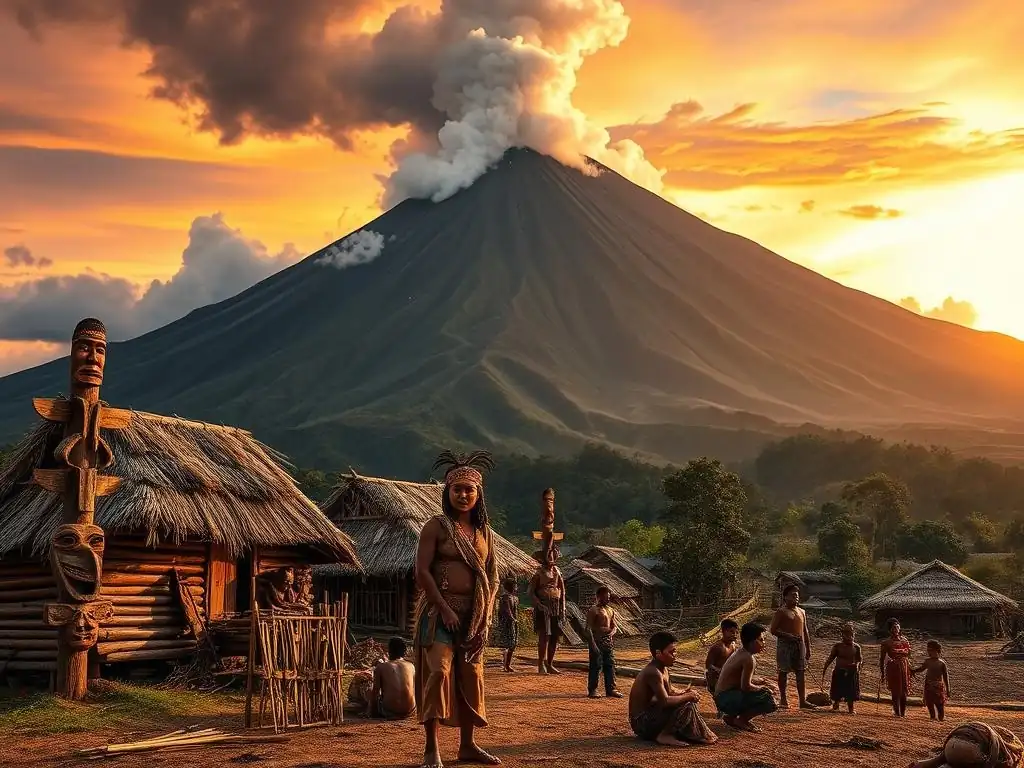
Welcome to Indigenous Civilizations of the Americas, where we embark on a fascinating journey through the rich tapestry of indigenous cultures that flourished long before European contact. In our featured article, “The Role of Natural Disasters in Shaping Indigenous Cultures: A Historical Perspective,” we delve into the profound impact of natural disasters on indigenous cultures.
Discover how these formidable forces of nature not only challenged communities but also shaped their societies, traditions, and resilience. Join us as we uncover the stories that have been woven into the very fabric of these civilizations, inviting you to explore the intricate interplay between environment and culture.
Introduction
Natural disasters have been a formidable force throughout history, influencing various aspects of human life, particularly in the context of indigenous cultures across the Americas. The impact of natural disasters on indigenous cultures is profound and multifaceted, often shaping societal structures, belief systems, and community resilience.
In this article, we delve into how these catastrophic events not only posed immediate threats to survival but also played a pivotal role in the evolution of cultural practices, social organization, and spiritual beliefs among indigenous peoples. By examining historical perspectives, we aim to provide a comprehensive understanding of how indigenous communities navigated the challenges posed by natural calamities, fostering a unique interplay between environment and culture.
Understanding the Impact of Natural Disasters on Indigenous Cultures
Natural disasters, including earthquakes, floods, hurricanes, and droughts, have historically disrupted indigenous societies, leading to significant shifts in their cultural landscapes. The immediate consequences of these disasters often included loss of life, displacement, and destruction of resources. However, the longer-term effects were equally transformative, as communities adapted their social structures, agricultural practices, and spiritual beliefs in response to these challenges. For instance, many indigenous cultures developed intricate systems of environmental stewardship and sustainable practices to mitigate the effects of future disasters.
- Adaptation Strategies:
- Modifying agricultural techniques to suit changing weather patterns.
- Building structures designed to withstand natural forces.
- Creating social networks for resource sharing and support during crises.
The resilience shown by these communities is a testament to their profound connection with the land and their ability to innovate in the face of adversity.
Importance of Historical Context in Analyzing Indigenous Responses
To fully grasp the impact of natural disasters on indigenous cultures, it is essential to consider the historical context in which these societies thrived. The varying climate conditions, geographic features, and existing cultural practices influenced how communities responded to disasters. For example, the Maya civilization developed advanced agricultural methods that allowed them to cope with periods of drought, while the coastal tribes of the Pacific Northwest adapted their fishing and hunting practices in response to changing ocean conditions.
Moreover, understanding the historical context helps illuminate the spiritual significance many indigenous cultures attributed to natural events. Disasters were often interpreted through a cultural lens, sometimes seen as signs from the gods or as opportunities for renewal. This perspective not only shaped their responses but also embedded these events within their cultural narratives, reinforcing community bonds and shared identities.
Historical Overview of Indigenous Cultures in the Americas
Indigenous cultures across the Americas were incredibly diverse, with unique languages, traditions, and social structures. From the complex urban centers of the Aztec and Inca to the nomadic tribes of the Great Plains, these societies created rich tapestries of cultural expression that were deeply intertwined with their environments.
Key Indigenous Civilizations Affected by Natural Disasters
Various indigenous civilizations experienced significant impacts from natural disasters, which shaped their cultural and societal evolution. Some notable examples include:
-
The Maya Civilization:
The Maya faced severe droughts that affected their agricultural output, leading to societal shifts and eventual decline in certain regions.
-
The Inca Empire:
The Incas dealt with earthquakes and flooding that challenged their architectural and agricultural systems, prompting innovations in irrigation and construction.
-
Native American Tribes of the Pacific Northwest:
Communities here adapted to tsunamis and seismic activity, influencing their architectural styles and community planning.
Timeline of Significant Natural Disasters in Pre-Colonial Americas
Understanding the timeline of significant natural disasters provides insight into the challenges faced by indigenous cultures. Some key events include:
| Year | Disaster Type | Region | Impact on Indigenous Culture |
|---|---|---|---|
| 312 AD | Earthquake | Central Mexico | Restructured urban planning and building techniques. |
| 800-900 AD | Drought | Mesoamerica | Changes in agricultural practices and migration patterns. |
| 1530-1535 AD | Flooding | Andean Region | Shift in social structures and resource management. |
| 1700 AD | Tsunami | Pacific Northwest Coast | Redefinition of coastal settlement strategies. |
These historical events not only illustrate the challenges faced by indigenous cultures but also highlight their remarkable resilience and adaptability in the face of adversity. Understanding this interplay between natural disasters and cultural evolution is crucial for appreciating the rich tapestry of indigenous civilizations that flourished across the Americas.
Types of Natural Disasters and Their Effects on Indigenous Societies
Natural disasters have historically played a significant role in shaping the cultural, social, and economic landscapes of indigenous societies across the Americas. The impact of these events varies depending on the type of disaster, the geographical location, and the resilience of the communities affected. Below, we explore several types of natural disasters and their specific effects on indigenous cultures.
Earthquakes and Their Cultural Consequences
Earthquakes have caused profound disruptions in various indigenous societies, particularly in regions along tectonic plate boundaries, such as the Andean civilizations. The immediate consequences of earthquakes often include the destruction of infrastructure, loss of life, and displacement of communities. However, the cultural consequences can be even more far-reaching.
For instance, the destruction of sacred sites can lead to a loss of spiritual identity and traditional practices. In regions like Peru, where ancient architectural marvels such as Machu Picchu are located, earthquakes have prompted indigenous peoples to adapt their construction techniques and incorporate more resilient materials, preserving their cultural heritage while ensuring safety. Additionally, the collective trauma from such events can foster a sense of unity and resilience, leading to a re-evaluation of community values and priorities.
Floods: Displacement and Adaptation Strategies
Flooding is another major natural disaster that has significantly impacted indigenous cultures, particularly those located near rivers and coastal areas. The immediate effects often include displacement, destruction of homes, and loss of livelihoods, particularly for communities dependent on agriculture and fishing.
Indigenous responses to floods often involve the development of innovative adaptation strategies. For example, the Iroquois Confederacy utilized raised agricultural beds known as "mound gardens" that could withstand seasonal flooding. Additionally, many communities have developed practices of flood forecasting and traditional ecological knowledge that help in managing water resources. These adaptive strategies not only mitigate the effects of floods but also reinforce cultural ties to the land and enhance community resilience.
Hurricanes and Storms: Resilience in Coastal Communities
Hurricanes and coastal storms pose significant threats to indigenous populations in coastal regions, such as the Taino of the Caribbean and the coastal tribes of the Pacific Northwest. The impact of such storms can be devastating, leading to destruction of homes, loss of crops, and significant disruption of social networks.
Despite these challenges, many indigenous communities have demonstrated remarkable resilience. For instance, the coastal tribes have a long history of building stilt houses and using materials that can withstand strong winds. Furthermore, the shared experiences of surviving hurricanes often lead to strengthened community bonds and the establishment of robust support systems, showcasing the ability of these cultures to adapt and thrive in the face of natural adversity.
Droughts: Impact on Agriculture and Social Structures
Droughts represent a unique challenge for indigenous societies that rely heavily on agriculture and natural resources. Prolonged dry periods can lead to crop failures, food shortages, and subsequent social tensions as communities compete for dwindling resources.
In response to drought, many indigenous cultures have developed intricate water management systems and drought-resistant agricultural practices. The Pueblo peoples of the Southwestern United States, for example, have traditionally employed techniques such as dry farming and the construction of check dams to conserve water. These adaptations not only ensure food security but also reinforce cultural identities tied to land stewardship and sustainable practices.
Indigenous Responses to Natural Disasters
Indigenous cultures have a rich history of resilience and adaptation in the face of natural disasters. Their responses are deeply rooted in traditional knowledge, community cohesion, and the adaptation of cultural practices.
Traditional Knowledge and Disaster Preparedness
Indigenous peoples have accumulated a wealth of traditional knowledge that informs their understanding of natural disasters and their impacts. This knowledge encompasses everything from weather patterns to ecological changes, enabling communities to prepare effectively for disasters.
For example, many indigenous groups have seasonal calendars that dictate planting and harvesting times, which are adjusted based on environmental cues. This foresight allows for better preparation and response strategies that can mitigate the effects of natural disasters. Furthermore, storytelling and oral traditions play a crucial role in passing down knowledge about past disasters and effective survival strategies, ensuring that future generations are equipped to handle similar challenges.
Community Cohesion and Mutual Support Systems
The social structures within indigenous societies often emphasize community cohesion and mutual support, which are vital during times of disaster. When faced with natural calamities, these communities typically rely on collective efforts to share resources, provide shelter, and assist with recovery efforts.
For instance, during and after natural disasters, indigenous groups often organize communal gatherings to discuss recovery plans, distribute food, and share labor for rebuilding efforts. This strong sense of community not only aids in immediate recovery but also reinforces cultural identities and social ties, highlighting the importance of solidarity in overcoming adversity.
Adaptation of Cultural Practices Post-Disaster
Natural disasters can lead to significant changes in cultural practices and societal structures among indigenous peoples. In the aftermath of a disaster, communities often adapt their rituals, traditions, and even governance structures to address new realities.
For example, some communities may incorporate new elements into their spiritual practices to honor those lost during a disaster or to seek guidance for future resilience. Additionally, traditional governance systems may evolve to facilitate more inclusive decision-making processes during recovery efforts, reflecting the lessons learned from past experiences. This adaptability not only helps in addressing immediate needs but also fosters cultural evolution, ensuring that indigenous societies remain vibrant and resilient despite the challenges posed by natural disasters.
Case Studies of Natural Disasters Shaping Indigenous Cultures
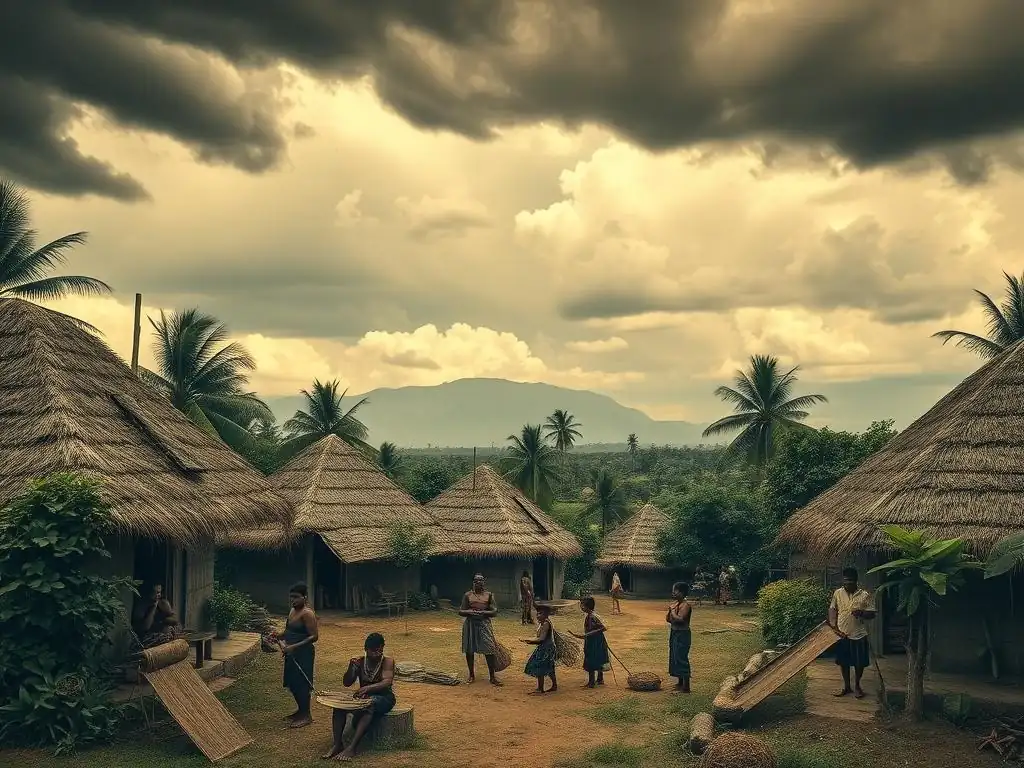
Natural disasters have long influenced the cultural development and resilience of indigenous communities across the Americas. These events, ranging from earthquakes to hurricanes, have not only caused immediate devastation but have also led to profound changes in social structures, belief systems, and community practices. By examining specific case studies, we can gain insight into how indigenous cultures have adapted and evolved in response to such catastrophic events.
Case Study 1: The 1985 Mexico City Earthquake and Its Impact on Nahua Communities
On September 19, 1985, a devastating earthquake struck Mexico City, measuring 8.1 on the Richter scale. The Nahua communities, who have deep historical roots in the region, faced significant challenges in the aftermath. Many Nahua individuals lost their homes and livelihoods, prompting a rapid response to rebuild their communities.
The earthquake ignited a sense of solidarity among the Nahua. Community leaders organized efforts to provide aid to those affected, drawing upon traditional practices of communal support. The disaster also instigated a revival of Nahua cultural expressions, as people turned to traditional rituals and ceremonies to cope with loss and to honor the spirits of their ancestors. This resurgence of cultural practices not only helped in the healing process but also reinforced a collective identity rooted in resilience and adaptability.
Furthermore, the earthquake highlighted the vulnerability of indigenous populations to urbanization and environmental instability. As Nahua communities navigated the dual challenges of modernization and disaster recovery, they began advocating for greater autonomy and recognition of their rights within the broader societal framework, leading to a renewed emphasis on preserving their cultural heritage.
Case Study 2: The 2005 Hurricane Katrina and Indigenous Creole Adaptation
Hurricane Katrina struck the Gulf Coast of the United States in August 2005, drastically altering the landscape and lives of many Creole communities, including those with indigenous heritage. The storm displaced thousands and devastated the cultural hubs of New Orleans and surrounding areas. The response of indigenous Creole populations to this disaster underscores their resilience and adaptability.
In the wake of the hurricane, indigenous Creole communities engaged in grassroots efforts to recover and rebuild. They utilized their traditional knowledge of the land and water systems to restore their environments and livelihoods. This process involved not only physical rebuilding but also the revitalization of cultural practices, such as music, dance, and culinary traditions, which were crucial for community cohesion.
Hurricane Katrina also served as a catalyst for greater visibility of indigenous issues within the broader discourse on disaster recovery. The experiences of indigenous Creole groups prompted discussions about the importance of including indigenous voices in emergency preparedness and recovery planning. This shift in perspective highlighted the unique vulnerabilities faced by these communities, as well as their adaptive strategies that blend traditional practices with modern resilience techniques.
The Lasting Impact of Natural Disasters on Indigenous Cultural Heritage
The impact of natural disasters on indigenous cultures extends far beyond immediate physical damage. Disasters can catalyze significant changes in cultural heritage, shaping beliefs, practices, and community identities for generations to come.
Evolution of Beliefs and Practices in Response to Disasters
In many indigenous cultures, natural disasters are often interpreted through a spiritual lens. Such events can lead to the evolution of beliefs surrounding the environment and the divine. For instance, some communities may develop new rituals or ceremonies that reflect their experiences with disaster, reinforcing their connection to the land and the cosmos.
These adaptations often involve reinterpretations of traditional narratives, where disasters are seen as messages from the spirits or as tests of community strength. As a result, cultural practices evolve to incorporate these new understandings, fostering resilience and a sense of agency among community members.
Influence on Art, Storytelling, and Oral Traditions
Natural disasters also significantly influence artistic expression and storytelling within indigenous cultures. The experiences of loss, survival, and resilience often find their way into songs, dances, and visual arts. These forms of expression serve not only as a means of processing trauma but also as a way of preserving history and cultural identity.
Oral traditions play a crucial role in passing down stories of past disasters and the lessons learned from them. These narratives help to educate younger generations about the importance of preparedness and adaptation, ensuring that the collective memory of the community remains alive and relevant.
Modern Implications: How Historical Disasters Shape Current Indigenous Identity
The historical experiences of natural disasters have ongoing implications for contemporary indigenous identities. Many indigenous communities today reflect on their past encounters with disasters to inform current practices and policies aimed at resilience and sustainability.
This historical awareness fosters a strong sense of identity that is intertwined with the land and its natural elements. As indigenous peoples advocate for environmental justice and climate action, their experiences with past disasters shape their understanding of vulnerability and resilience in the face of ongoing climate change. By drawing on their rich cultural heritage, they continue to assert their place in the modern world while honoring their ancestors and the lessons learned from their histories.
Conclusion
Natural disasters have played a significant role in shaping the lives, cultures, and societies of indigenous peoples across the Americas. From catastrophic events like earthquakes and volcanic eruptions to more gradual changes brought on by climate fluctuations, these occurrences have not only impacted the immediate environment but have also influenced cultural practices, social structures, and community resilience. Understanding these dynamics helps to illuminate the profound relationship between indigenous cultures and their environments, showcasing their adaptability and resourcefulness in the face of adversity.
Summary of the Impact of Natural Disasters on Indigenous Cultures
The impact of natural disasters on indigenous cultures can be observed through various lenses. Firstly, such events often led to significant demographic changes, as populations may have been displaced or decimated. For example, the eruption of Mount Mazama, which formed Crater Lake in Oregon, resulted in the migration of local tribes and a shift in their cultural practices as they adapted to new environments.
Secondly, natural disasters frequently triggered changes in economic systems. Indigenous communities often relied on agriculture, hunting, and fishing, and disasters could disrupt these practices. In some instances, such as the droughts that affected the Pueblo peoples, communities were forced to innovate by developing new agricultural techniques or diversifying their food sources.
Lastly, the spiritual and cultural dimensions of indigenous societies were also affected. Many indigenous cultures have deep spiritual connections to the land, and disasters could be interpreted as omens or messages from the spirit world. This led to shifts in rituals, belief systems, and cultural narratives that sought to explain or mitigate the effects of such events.
Reflection on the Importance of Understanding Historical Contexts in Indigenous Studies
Understanding the historical contexts of indigenous cultures, particularly in relation to natural disasters, is crucial for several reasons. It allows researchers and scholars to appreciate the resilience and adaptability of these societies over time. By examining how indigenous peoples responded to past disasters, contemporary communities can gain valuable insights into sustainable practices and disaster preparedness.
Additionally, recognizing the historical experiences of indigenous cultures with natural disasters can inform current discussions about climate change and environmental justice. Many indigenous communities are on the front lines of climate-related challenges today, and understanding their past adaptations can provide guidance on how to strengthen resilience in the face of ongoing environmental threats.
Further Reading and Resources
To deepen your understanding of the impact of natural disasters on indigenous cultures, several key resources and literature can provide valuable insights.
Suggested Literature on Indigenous Cultures and Natural Disasters
- "Indigenous Peoples and Climate Change: A Global Perspective": by J. K. M. Smith
- "Natural Disasters and Indigenous Knowledge: Adapting to Change": by M. T. Marquez
- "The Cultural Resilience of Indigenous Societies" edited by L. F. Thompson
- "Disaster Management in Indigenous Communities: A Case Study Approach": by R. H. Nelson
These works explore the intricate relationships between indigenous cultures and the natural environment, offering case studies and theoretical frameworks for understanding their responses to disasters.
Links to Relevant Studies and Articles on the Impact of Natural Disasters
- Study on the Long-Term Effects of Drought on Pueblo Societies: An analysis of how drought periods influenced agricultural practices and migration patterns.
- Article discussing the Role of Earthquakes in Shaping Coastal Indigenous Cultures: Investigating how seismic activities have redefined social structures and cultural narratives.
- Research on Cultural Adaptations in the Wake of Natural Disasters: A comprehensive review of various indigenous communities and their adaptive strategies post-disaster.
These studies and articles provide a deeper exploration of the themes discussed, offering empirical evidence and diverse perspectives on the impact of natural disasters on indigenous cultures.
- Introduction
- Historical Overview of Indigenous Cultures in the Americas
- Types of Natural Disasters and Their Effects on Indigenous Societies
- Indigenous Responses to Natural Disasters
- Case Studies of Natural Disasters Shaping Indigenous Cultures
- The Lasting Impact of Natural Disasters on Indigenous Cultural Heritage
- Conclusion
- Further Reading and Resources
- What types of natural disasters affected indigenous cultures in the Americas?
- How did indigenous cultures adapt to natural disasters?
- What is the lasting impact of natural disasters on indigenous societies?
- Can you provide examples of indigenous cultures affected by natural disasters?
- Why is it important to study the role of natural disasters in indigenous cultures?
Frequently Asked Questions
What types of natural disasters affected indigenous cultures in the Americas?
Natural disasters such as earthquakes, hurricanes, and floods significantly impacted indigenous societies, often leading to displacement and changes in their settlement patterns.
How did indigenous cultures adapt to natural disasters?
Indigenous cultures demonstrated remarkable resilience by developing adaptive strategies, including the construction of sturdy shelters and the use of natural resources to mitigate the effects of disasters.
What is the lasting impact of natural disasters on indigenous societies?
The impact of natural disasters often reshaped indigenous societies, influencing their social structures, religious beliefs, and cultural practices as they sought to understand and cope with their environments.
Can you provide examples of indigenous cultures affected by natural disasters?
The Inca civilization faced challenges from earthquakes, while the Maya experienced the effects of droughts, both of which shaped their agricultural practices and community organization.
Why is it important to study the role of natural disasters in indigenous cultures?
Studying the impact of natural disasters provides insights into the resilience and adaptability of indigenous cultures, highlighting their historical significance and contributions to the cultural diversity of the Americas.
Final Reflection: The Enduring Impact of Natural Disasters on Indigenous Cultures
The intricate relationship between natural disasters and indigenous cultures remains profoundly relevant today, as we witness the escalating frequency and intensity of such events due to climate change. The historical perspective we explored illustrates not only how these disasters have shaped cultural identities and practices but also underscores the resilience and adaptability of indigenous communities in the face of adversity. As we navigate an increasingly unpredictable world, understanding this dynamic becomes crucial for fostering empathy and support for those affected.
The impact of natural disasters on indigenous cultures is not merely a historical footnote; it continues to resonate deeply within the cultural and social fabric of these communities. The ways in which they have adapted their traditions, beliefs, and practices in response to environmental challenges highlight a profound connection to the land and a unique understanding of ecological balance. As one indigenous leader poignantly stated, Our stories are written in the land, and every storm teaches us to listen more closely.
This ongoing dialogue between culture and environment serves as a testament to the strength and wisdom of indigenous peoples, reminding us of the importance of preserving these narratives.
As we reflect on the lessons from this article, I invite you to consider your own relationship with the environment and the communities around you. How can we support indigenous voices and practices that honor the lessons learned from natural disasters? By acknowledging their experiences and integrating their knowledge into our collective approach to environmental stewardship, we can foster a more inclusive and resilient future. Let us carry forward the understanding that the impact of natural disasters extends beyond immediate destruction; it shapes identities, cultures, and ultimately, our shared humanity.
Unveil the Resilience of Indigenous Cultures!
Thank you for taking the time to explore how natural disasters have profoundly influenced the rich tapestry of Indigenous cultures. By understanding these historical connections, you can appreciate their resilience and adaptability in the face of adversity. Now, let’s take meaningful steps to further engage with these incredible stories and the communities behind them!
- Dive deeper: Explore local Indigenous history and culture through books, documentaries, or community events to gain a richer perspective on their experiences.
- Spread the word: Share this article with friends and family to ignite conversation about the significance of Indigenous histories in our understanding of resilience.
- Engage with communities: Connect with local Indigenous organizations to discover how you can support their initiatives and celebrate their unique heritage.
Which aspect of Indigenous resilience in the face of natural disasters resonates most with you, and how do you plan to share or apply that understanding in your life?