
Lessons from the Past: Indigenous Strategies for Climate Resilience Today

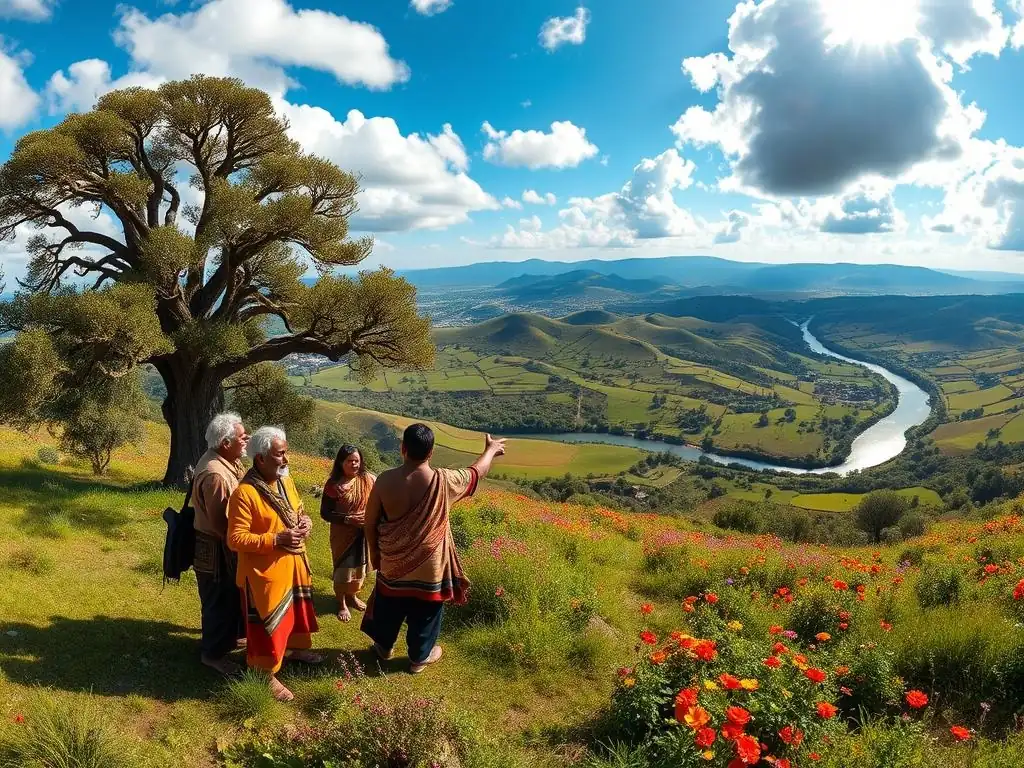
Welcome to Indigenous Civilizations of the Americas, where we embark on an enlightening journey through the rich tapestry of indigenous cultures that flourished long before European colonization. Here, we delve into the lessons from the past, uncovering remarkable indigenous climate resilience strategies that not only highlight the ingenuity of these societies but also offer invaluable insights for our contemporary world.
As we explore their achievements and enduring impact, prepare to be inspired by the wisdom that resonates through the ages. Join us as we unveil the intricate relationship between these ancient civilizations and their environment, and discover how their innovative practices can guide us toward a more sustainable future.
- Introduction to Indigenous Climate Resilience Strategies
- Historical Context of Indigenous Climate Resilience
- Indigenous Climate Resilience Strategies in Action
- Modern Applications of Indigenous Climate Strategies
- Challenges Facing Indigenous Climate Resilience Today
- Conclusion: Embracing Indigenous Climate Resilience for a Sustainable Future
-
Frequently Asked Questions
- What are indigenous climate resilience strategies?
- How have indigenous cultures contributed to climate resilience?
- Why is it important to study indigenous strategies for climate resilience?
- Can indigenous climate resilience strategies be applied today?
- How can we support indigenous climate resilience efforts?
- Final Reflection: Embracing Indigenous Wisdom for Climate Resilience
- Embrace the Wisdom of Our Ancestors!
Introduction to Indigenous Climate Resilience Strategies
The indigenous cultures of the Americas have long demonstrated an extraordinary ability to adapt to their environments, developing sophisticated strategies for climate resilience that have stood the test of time. These strategies, rooted in deep ecological knowledge and sustainable practices, provide valuable lessons for contemporary societies facing the escalating impacts of climate change.
By exploring these indigenous climate resilience strategies, we can gain insights not only into the historical achievements of these diverse cultures but also into how their wisdom can inform our current approaches to environmental challenges. This article delves into the adaptive techniques of indigenous peoples, emphasizing their relevance and potential applications in today's context.
Overview of Indigenous Cultures and Climate Adaptation
Indigenous civilizations across the Americas, from the Arctic to the Andes, have showcased remarkable ingenuity in their responses to varying climatic conditions. Each culture developed unique methods tailored to their specific environments, demonstrating a profound understanding of local ecosystems. For instance:
- The Inuit of the Arctic region optimized hunting and fishing techniques to navigate extreme cold and seasonal changes, relying on traditional knowledge about animal behavior and migratory patterns.
- The Navajo Nation utilized dryland farming methods that included crop rotation and water conservation techniques, enabling them to thrive in arid conditions.
- The Maya civilization implemented sophisticated agricultural practices, such as terracing and slash-and-burn farming, to manage their tropical rainforest environment effectively.
These examples illustrate that indigenous peoples have not only survived but thrived by aligning their practices with the rhythms of nature. Their intimate connection to the land fosters a deep sense of stewardship, ensuring that natural resources are utilized sustainably.
Importance of Learning from Indigenous Practices Today
As modern societies grapple with the challenges of climate change, the importance of learning from indigenous climate resilience strategies cannot be overstated. Here are a few reasons why these practices are crucial:
- Sustainability: Indigenous strategies often emphasize sustainable resource management, which is essential in an era where over-exploitation threatens ecological balance.
- Biodiversity: Many indigenous practices promote biodiversity, which is vital for ecosystem health and resilience against climate impacts.
- Community Engagement: Indigenous approaches typically involve community participation, fostering social cohesion and collective action in the face of environmental challenges.
By integrating indigenous knowledge and practices into contemporary climate resilience planning, we can enhance our ability to adapt to and mitigate the impacts of climate change, creating a more sustainable and equitable future for all.
Historical Context of Indigenous Climate Resilience
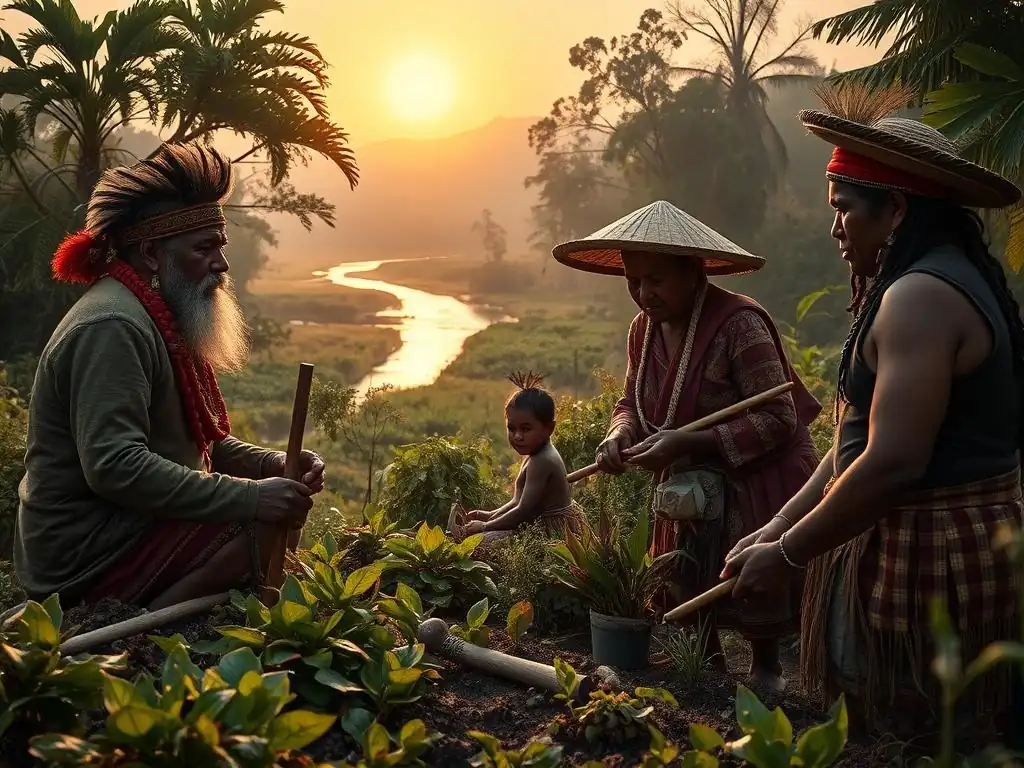
Indigenous Societies and Their Relationship with Nature
Indigenous societies across the Americas developed profound relationships with their environments, characterized by a deep understanding of local ecosystems and a respect for nature's cycles. These relationships were not only spiritual but also practical, as indigenous peoples relied on their surroundings for sustenance, shelter, and cultural practices. The interconnectedness of these societies with their environment fostered resilience to climate variations and ecological changes.
For instance, many indigenous cultures practiced kincentric ecology, a worldview that emphasizes the kinship between humans and the natural world. This perspective encouraged sustainable practices that ensured the health of ecosystems, which, in turn, supported the communities that depended on them. Indigenous peoples utilized their traditional ecological knowledge (TEK) to adapt to changing climates, manage resources effectively, and maintain biodiversity.
Furthermore, the intricate knowledge indigenous groups possessed about seasonal changes, animal migrations, and plant growth cycles allowed them to anticipate and respond to environmental shifts. This adaptability was crucial in periods of climate fluctuation, such as droughts or floods, demonstrating their capacity for climate resilience long before contemporary discussions on the topic emerged.
Key Strategies Used by Indigenous Peoples in the Past
Indigenous climate resilience strategies were multifaceted and tailored to the unique environments in which different cultures thrived. These strategies encompassed agricultural practices, water management, and biodiversity conservation. Below are some key approaches that illustrate the ingenuity and adaptability of indigenous peoples in the face of climate challenges.
Sustainable Agriculture Techniques
Indigenous peoples employed various sustainable agriculture techniques that optimized productivity while preserving the land. Some notable practices include:
- Crop Diversity: Many indigenous communities practiced polyculture, growing multiple crops in the same area. This method not only maximized yields but also reduced the risk of total crop failure due to pests or diseases. For example, the "Three Sisters" agricultural technique, which involves planting corn, beans, and squash together, exemplifies this approach. The plants support each other’s growth, enriching the soil and providing a balanced diet.
- Slash-and-Burn Agriculture: Also known as swidden agriculture, this method involved clearing small patches of forest land to cultivate crops. After a few years of farming, communities would leave the land fallow to recover its nutrients, allowing for a sustainable cycle of production. This practice maintained soil health and prevented over-exploitation of resources.
- Terracing: In mountainous regions, such as the Andes, indigenous peoples constructed terraces to create flat arable land on slopes. This technique reduced soil erosion and maximized water retention, allowing for cultivation in otherwise challenging environments.
Water Management Practices
Water management was critical for sustaining agriculture and communities, particularly in arid regions. Indigenous strategies included:
- Canals and Irrigation Systems: Many societies, such as the Hohokam in present-day Arizona, developed extensive canal systems to divert river water for irrigation. These systems allowed for the cultivation of crops in arid environments and exemplified advanced engineering and resource management.
- Rainwater Harvesting: Indigenous peoples often built structures to collect and store rainwater, ensuring a reliable water source during dry seasons. This practice not only conserved water but also fostered a sustainable approach to resource management.
- Wetland Restoration: Some tribes, such as the Makah, practiced the restoration of wetlands to enhance biodiversity and improve fish habitats. This approach not only supported food systems but also mitigated flooding and improved water quality.
Biodiversity Preservation Methods
Indigenous peoples recognized the importance of biodiversity for ecosystem health and resilience. Their methods for preserving biodiversity included:
- Traditional Land Management: Many indigenous communities used controlled burns to manage landscapes, promoting the growth of certain species while preventing larger wildfires. This practice maintained healthy ecosystems and supported diverse plant and animal life.
- Seed Saving: Indigenous farmers often saved seeds from the best crops each year, ensuring the continuation of resilient plant varieties suited to local conditions. This practice supported agricultural diversity and adaptability to environmental changes.
- Cultural Practices: Spiritual beliefs often reinforced the importance of maintaining biodiversity. Many indigenous cultures integrated rituals and teachings that emphasized respect for all living beings, fostering a community ethic of conservation.
These indigenous climate resilience strategies provide invaluable lessons for contemporary societies facing climate change. By drawing from the rich history of indigenous peoples and their sustainable practices, modern communities can develop innovative approaches to enhancing their resilience in the face of environmental challenges.
Indigenous Climate Resilience Strategies in Action
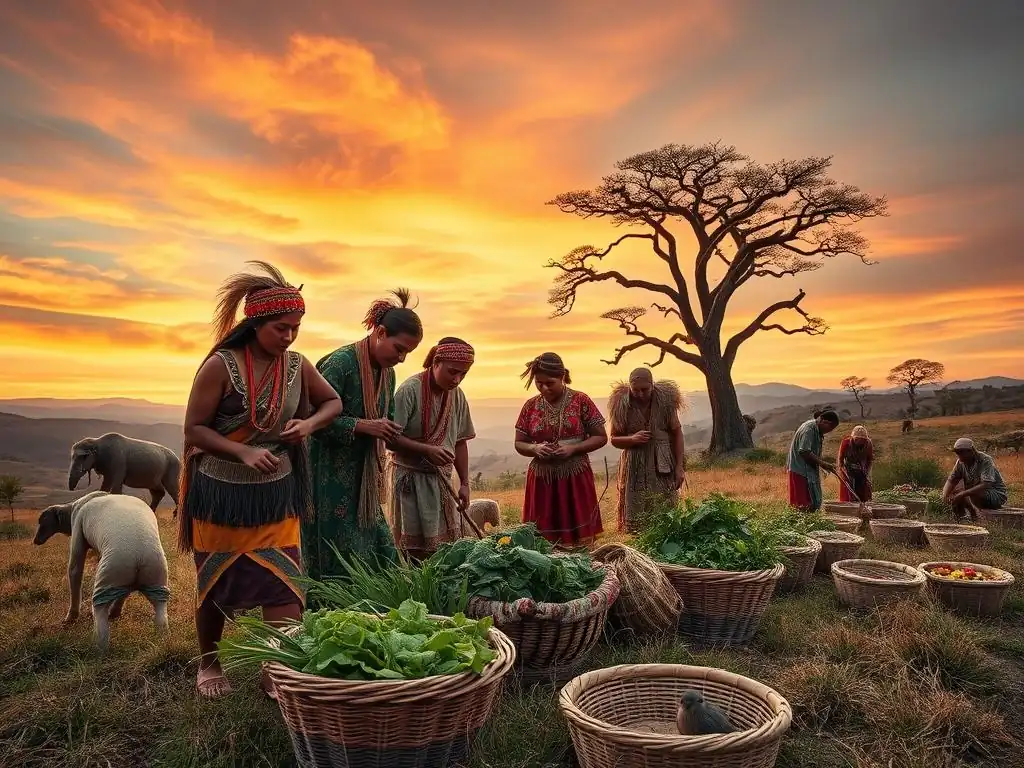
Case Studies of Successful Indigenous Practices
Indigenous communities across the Americas have developed a wide array of climate resilience strategies that have stood the test of time. These practices not only reflect a deep understanding of local ecosystems but also demonstrate innovative approaches to sustainability. Below are notable case studies from specific indigenous groups that illustrate successful climate resilience strategies.
The Hopi Tribe and Their Agricultural Innovations
The Hopi Tribe, located in northeastern Arizona, is renowned for its unique agricultural practices that have adapted to the arid climate of the region.
- Dryland Farming Techniques: The Hopi use dryland farming methods that maximize water retention in the soil. This includes the construction of contour farming terraces and the use of traditional crops like corn, beans, and squash, which are well-suited to the local environment.
- Drought-Resistant Varieties: The cultivation of drought-resistant varieties of crops enables the Hopi to sustain their agricultural practices even in periods of low rainfall. They rely on seeds that have been passed down through generations, ensuring that they maintain biodiversity.
- Cultural Significance: Agriculture is deeply intertwined with Hopi spirituality and community life. Ceremonies and rituals related to planting and harvesting reinforce the connection between the people and their land, promoting a sustainable relationship with nature.
Through these innovative practices, the Hopi have demonstrated that indigenous knowledge can offer viable solutions to contemporary challenges posed by climate change.
The Navajo Nation and Water Conservation Techniques
The Navajo Nation, spanning parts of Arizona, Utah, and New Mexico, faces significant water scarcity challenges. In response, they have implemented several effective water conservation strategies.
- Traditional Irrigation Systems: The Navajo have revitalized traditional irrigation systems known as "acequias," which are designed to capture and distribute water efficiently for agricultural use. These systems enable them to maximize the limited water resources available.
- Rainwater Harvesting: Many Navajo households have adopted rainwater harvesting systems that collect and store rainwater for domestic use. This practice not only conserves water but also reduces reliance on external sources.
- Education and Community Engagement: The Navajo Nation has prioritized education around water conservation, empowering community members to adopt sustainable practices. Workshops and community programs focus on teaching the importance of water stewardship and traditional ecological knowledge.
These techniques highlight how indigenous climate resilience strategies can effectively address modern water challenges, ensuring sustainability for future generations.
Lessons Learned from Indigenous Resilience Strategies
The exploration of indigenous climate resilience strategies reveals several key lessons that can be applied to contemporary environmental challenges:
- Integration of Traditional Knowledge: Indigenous practices often incorporate centuries of ecological knowledge that can inform modern approaches to sustainability. This integration fosters a deeper understanding of local ecosystems and promotes biodiversity.
- Community Engagement: Successful indigenous strategies emphasize the importance of community involvement. Collaborative efforts ensure that solutions are grounded in local culture and context, enhancing their effectiveness and sustainability.
- Adaptability and Innovation: Indigenous groups exemplify adaptability in the face of changing environmental conditions. Their ability to innovate within traditional frameworks provides valuable insights for developing resilience strategies in other communities.
- Cultural Connection to Nature: Recognizing the cultural significance of land and resources is crucial for fostering a sense of stewardship. Indigenous cultures often view themselves as caretakers of the earth, which can inspire broader movements towards environmental responsibility.
By examining indigenous climate resilience strategies, we can draw upon rich traditions and practices that not only address immediate climate impacts but also promote long-term sustainability and ecological balance. These lessons are vital as we confront the pressing challenges posed by climate change in today's world.
Modern Applications of Indigenous Climate Strategies
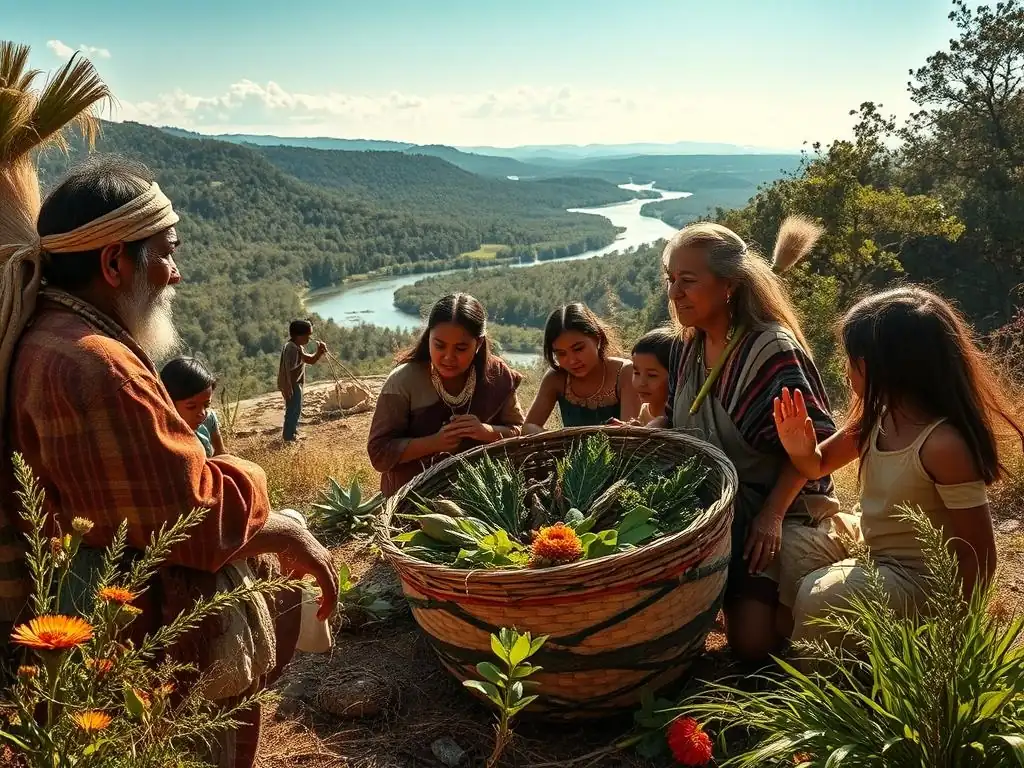
Integrating Indigenous Knowledge in Contemporary Climate Action
Indigenous climate resilience strategies have long been rooted in a deep understanding of local ecosystems and sustainable practices. These traditional approaches offer invaluable insights that can be applied to modern climate action initiatives. The integration of indigenous knowledge into contemporary environmental management is not only a recognition of the historical expertise of these communities but also a practical response to the evolving challenges posed by climate change.
One significant aspect of indigenous knowledge is its emphasis on holistic resource management. For instance, many indigenous tribes use a combination of traditional ecological knowledge (TEK) and scientific methods to maintain biodiversity. This approach is evident in practices like controlled burns, which help to prevent larger wildfires and promote healthy growth of vegetation. By melding TEK with modern scientific research, environmental agencies can enhance their strategies for land management and restoration.
A prime example of this integration can be seen in Canada, where Indigenous communities are collaborating with governmental bodies to create co-management frameworks for land use. These frameworks often include indigenous perspectives on conservation, which stress the importance of maintaining ecological balance. As a result, policies are being developed that respect traditional land rights while also addressing climate-related challenges.
Furthermore, indigenous climate resilience strategies often prioritize community involvement and local governance. By empowering local voices, these strategies foster a sense of ownership and responsibility toward environmental stewardship. This model stands in stark contrast to top-down approaches that have historically marginalized indigenous populations. By incorporating community-driven initiatives, contemporary climate action can become more effective and equitable.
Collaborations Between Indigenous Communities and Environmental Organizations
Collaboration between indigenous communities and environmental organizations has become a pivotal element in addressing climate resilience. These partnerships harness the strengths of both entities, combining indigenous knowledge with the resources and expertise of environmental NGOs.
One notable collaboration is the Indigenous Guardians program in Canada, which aims to empower indigenous communities to take active roles in the stewardship of their traditional territories. This program not only provides training and resources but also underscores the importance of indigenous-led conservation efforts. By engaging indigenous youth in these initiatives, the program fosters a new generation of environmental leaders committed to safeguarding their ecosystems.
Additionally, organizations like the World Wildlife Fund (WWF) have recognized the value of indigenous insights in biodiversity conservation. In various projects, WWF has partnered with indigenous groups to conduct ecological assessments and develop management plans that reflect both scientific data and indigenous practices. These collaborations have proven effective in creating tailored solutions that are culturally relevant and ecologically sound.
The United Nations Declaration on the Rights of Indigenous Peoples (UNDRIP) further emphasizes the necessity of respecting indigenous rights and knowledge in climate action. By adhering to these principles, organizations can ensure that indigenous communities are not only consulted but also lead the charge in creating solutions for climate resilience.
The cooperative efforts between indigenous communities and environmental organizations exemplify a path forward in combating climate change. By valuing and integrating indigenous climate resilience strategies, we can create more effective and inclusive approaches to environmental management that honor the wisdom of those who have lived in harmony with the land for generations.
Challenges Facing Indigenous Climate Resilience Today

Effects of Climate Change on Indigenous Lands and Cultures
Indigenous communities across the Americas are witnessing unprecedented changes to their lands and cultures due to climate change. These changes manifest in various ways, impacting their traditional lifestyles, ecological knowledge, and social cohesion.
- Altered Weather Patterns:
- Many Indigenous territories are experiencing shifts in weather patterns, such as increased droughts, floods, and unseasonal temperatures. For example, the Hopi tribe in Arizona has reported significant changes in precipitation, affecting their agricultural cycles and crop yields.
- Ecosystem Disruption:
- The flora and fauna that Indigenous peoples have relied on for sustenance and cultural practices are increasingly threatened. For instance, the melting of glaciers in the Andes is affecting water supply for communities that depend on glacial melt for agriculture.
- Loss of Biodiversity:
- Climate change is accelerating biodiversity loss, which directly impacts Indigenous knowledge systems that are intricately tied to local ecosystems. The loss of species can undermine traditional practices, such as medicinal plant use among the Amazonian tribes, leading to a decline in cultural heritage.
- Cultural Displacement:
- As environmental conditions change, some Indigenous groups are being forced to relocate, losing not only their homes but also their cultural ties to the land. This displacement can lead to a breakdown of community structures and the erosion of traditional knowledge.
The Impact of Colonization on Traditional Practices
Colonization has had a profound and lasting effect on Indigenous climate resilience strategies, often undermining the very systems that have sustained these communities for generations.
- Suppression of Traditional Knowledge:
- Colonial policies frequently sought to eradicate Indigenous knowledge systems, which included sustainable land management and resource use practices. For example, Indigenous fire management techniques, which are crucial in preventing wildfires, were dismissed by colonial authorities, leading to increased vulnerability to fires in many regions.
- Land Dispossession:
- The forced removal from ancestral lands has disrupted traditional practices and connections to the environment. This loss not only affects food sovereignty but also diminishes the community’s ability to engage in traditional ecological practices that enhance resilience.
- Economic Marginalization:
- Colonization has often relegated Indigenous populations to the margins of economic opportunity, limiting their access to resources needed for adaptation strategies. This marginalization can exacerbate the impacts of climate change, as these communities often lack the financial support needed to implement adaptive measures.
- Cultural Assimilation:
- Efforts to assimilate Indigenous peoples into dominant cultures have led to the erosion of traditional practices, languages, and rituals that are essential for the transmission of climate resilience knowledge. The loss of cultural identity directly impacts the community's ability to adapt to climate change effectively.
The challenges facing Indigenous climate resilience today are shaped by both contemporary climate changes and the historical impacts of colonization. Recognizing and addressing these challenges is crucial for fostering sustainable strategies that honor Indigenous knowledge and cultures.
Conclusion: Embracing Indigenous Climate Resilience for a Sustainable Future
Indigenous climate resilience strategies offer invaluable insights and solutions that can contribute significantly to global efforts in addressing climate challenges. By understanding and integrating indigenous knowledge systems, we can foster more sustainable practices that not only benefit local ecosystems but also promote cultural preservation and social equity. The lessons derived from centuries of adaptation and survival in the face of environmental changes highlight the importance of collaboration between indigenous communities and contemporary scientific approaches.
The Role of Indigenous Knowledge in Global Climate Solutions
Indigenous knowledge encompasses a wealth of information regarding local ecosystems, biodiversity, and sustainable resource management. These knowledge systems have been honed over generations, often through a deep spiritual connection to the land. Some key aspects of indigenous climate resilience strategies include:
- Traditional Ecological Knowledge (TEK): This includes practices such as controlled burns, crop rotation, and the management of natural resources that enhance biodiversity and ecosystem health.
- Community-Based Resource Management: Indigenous communities often rely on collective decision-making processes that prioritize sustainability and long-term ecological health over short-term gains.
- Cultural Practices and Adaptation: Many indigenous groups have rituals and practices that reinforce the relationship between people and nature, promoting stewardship and respect for the environment.
For instance, the Hupa tribe in Northern California employs traditional burning techniques to manage forest health and reduce wildfire risk, demonstrating how indigenous strategies can effectively mitigate climate impacts.
Furthermore, integrating indigenous perspectives into global climate dialogues can lead to more holistic approaches to sustainability. This collaborative framework not only enriches scientific understanding but also empowers indigenous communities, giving them a platform to share their experiences and solutions.
Call to Action for Recognizing and Supporting Indigenous Strategies
To harness the potential of indigenous climate resilience strategies, it is crucial for policymakers, researchers, and society at large to actively recognize and support these approaches. Here are some actionable steps:
- Policy Integration: Advocate for the inclusion of indigenous voices in climate policy discussions at local, national, and international levels. This involves recognizing their rights to land and resources and ensuring their knowledge is valued in decision-making processes.
- Funding and Resources: Allocate funding to support indigenous-led initiatives focused on climate resilience. This can include financial assistance for sustainable agriculture, conservation projects, and community education programs.
- Education and Awareness: Promote awareness of indigenous climate resilience strategies through educational programs that highlight their importance in contemporary climate action. This can involve workshops, community events, and collaborations with indigenous leaders.
- Research Collaboration: Encourage partnerships between indigenous communities and academic institutions to document and study indigenous knowledge systems and their applications in climate resilience.
By committing to these actions, we can work towards a more inclusive and effective approach to tackling climate change, ensuring that the wisdom of indigenous peoples is recognized and celebrated as a vital component of our global response to environmental challenges. Embracing these strategies is not just about learning from the past; it is about building a sustainable future together.
Frequently Asked Questions
What are indigenous climate resilience strategies?
Indigenous climate resilience strategies are traditional practices and knowledge systems developed by Indigenous peoples to adapt to environmental changes and promote sustainability in their communities.
How have indigenous cultures contributed to climate resilience?
Indigenous cultures have developed innovative agricultural techniques, land management practices, and community-based approaches that enhance adaptability to climate change, showcasing their deep understanding of local ecosystems.
Why is it important to study indigenous strategies for climate resilience?
Studying these strategies is crucial as they offer valuable insights and lessons that can inform modern approaches to sustainable development and climate action, highlighting the importance of biodiversity and cultural heritage.
Can indigenous climate resilience strategies be applied today?
Yes, many indigenous strategies are applicable today, as they emphasize sustainable resource management and community engagement, which are essential for addressing contemporary climate challenges.
How can we support indigenous climate resilience efforts?
Supporting these efforts involves respecting indigenous knowledge, engaging in collaborative projects, and promoting policies that recognize the rights of Indigenous communities to manage their lands and resources sustainably.
Final Reflection: Embracing Indigenous Wisdom for Climate Resilience
The lessons we draw from Indigenous climate resilience strategies are not just historical artifacts; they are vital blueprints for our present and future. As we grapple with the escalating impacts of climate change, it becomes increasingly clear that Indigenous knowledge systems offer profound insights into sustainable living and environmental stewardship. These strategies, honed over millennia, remind us that resilience is rooted in a deep understanding of the land and a commitment to community, making them more relevant today than ever before.
The ongoing influence of Indigenous practices on modern environmental movements is a testament to their enduring wisdom. As we witness the effects of climate change intensifying, many are turning to these age-old strategies for guidance. The integration of Indigenous perspectives into contemporary climate action not only enriches our understanding but also fosters a more inclusive approach to environmental justice. Indigenous peoples have long been the stewards of the land, and their voices are essential in the fight against climate change.
This recognition is crucial as we navigate the complexities of our ecological crises, emphasizing the need for collaboration and respect for traditional knowledge.
As we reflect on the insights shared in this article, I invite you to consider how you can incorporate these lessons into your own life and community. What steps can you take to honor Indigenous wisdom and contribute to climate resilience? Whether it's advocating for policy changes, supporting Indigenous-led initiatives, or simply educating yourself and others about these strategies, every action counts. Let us embrace the teachings of the past to forge a sustainable future, ensuring that the voices of Indigenous peoples are not only heard but celebrated in our collective journey toward resilience.
Embrace the Wisdom of Our Ancestors!
Thank you for taking the time to explore the profound insights shared in this article about Indigenous strategies for climate resilience. By integrating these time-honored methods into our modern environmental practices, we can contribute to a healthier and more sustainable planet. Now, let's put this knowledge into action!
- Dive deeper into Indigenous teachings by exploring local resources or participating in community workshops that focus on sustainable practices inspired by Native wisdom.
- Share your newfound knowledge with friends and family: initiate a conversation about climate resilience and discuss how we can incorporate Indigenous perspectives into our daily lives.
- Connect with local Indigenous groups and engage in initiatives aimed at climate justice — your involvement can amplify these vital voices in your community.
What unique Indigenous practice will you adopt today to help build a more resilient future?