
Gender and Art in Mesoamerica: Women's Contributions to Visual Culture

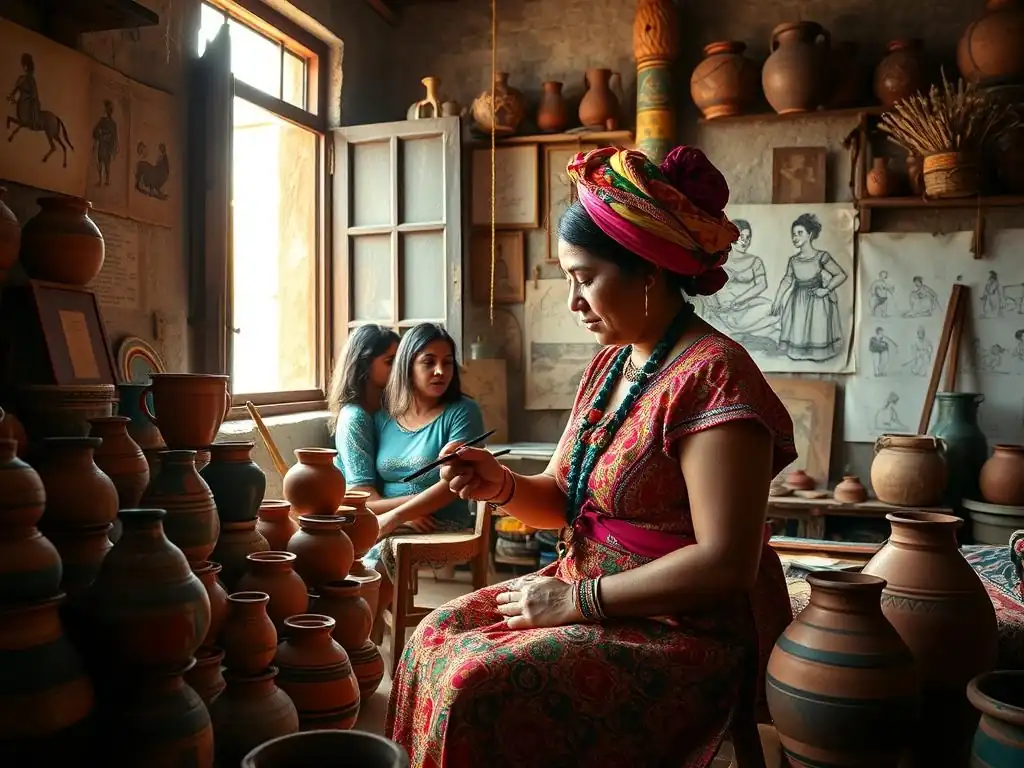
Welcome to Indigenous Civilizations of the Americas, where we invite you to embark on a journey through the rich tapestry of indigenous cultures that flourished long before European contact. Here, you will uncover the remarkable achievements and vibrant societies that shaped the continent’s history. In our featured article, “Gender and Art in Mesoamerica: Women's Contributions to Visual Culture,” we delve into the often-overlooked role of Mesoamerican women as pivotal figures in the realm of art.
What unique perspectives did they bring to their communities, and how have their contributions endured through the ages? Join us as we explore these intriguing questions and more, igniting your curiosity about the incredible legacy of indigenous artistry and culture.
- Introduction to Mesoamerican Women's Art Contributions
- Historical Context of Women in Mesoamerican Art
- Notable Mesoamerican Women Artists and Their Works
- Themes and Motifs in Mesoamerican Women's Art
- The Influence of Religion and Spirituality on Women's Art
- Challenges Faced by Women Artists in Mesoamerica
- Modern Interpretations of Mesoamerican Women's Art Contributions
- Conclusion: Celebrating Mesoamerican Women's Art Contributions
-
Frequently Asked Questions
- What is the significance of Mesoamerican women's art contributions?
- How did Mesoamerican women contribute to visual culture?
- What types of artistic expressions were predominantly created by Mesoamerican women?
- How did the contributions of women impact Mesoamerican societies?
- Are there any contemporary movements recognizing Mesoamerican women's art?
- Final Reflection: Celebrating Mesoamerican Women's Art Contributions
- Unveil the Hidden Stories of Mesoamerican Women in Art!
Introduction to Mesoamerican Women's Art Contributions
The rich tapestry of Mesoamerican culture is woven with the threads of diverse artistic expressions that have thrived for centuries. Among these, the contributions of women to visual culture stand out as both significant and transformative. This article delves into the often-overlooked roles that women played in the creation, preservation, and evolution of Mesoamerican art.
By examining their artistic achievements, we aim to shed light on the profound impact these women had on the societies they inhabited and the cultural legacies they left behind. Understanding Mesoamerican women's art contributions not only showcases their creative talents but also highlights their essential roles within their communities, challenging historical narratives that have marginalized their voices and achievements.
Overview of Visual Culture in Mesoamerica
Mesoamerica, a region that encompasses modern-day Mexico and parts of Central America, is renowned for its vibrant and complex visual culture that encompasses a variety of artistic mediums, including pottery, textiles, sculpture, and mural painting. The visual arts in this region reflect the intricate social, political, and spiritual life of its diverse civilizations, such as the Maya, Aztec, and Olmec.
Some key characteristics of Mesoamerican visual culture include:
- Symbolism: Artworks often carried deep symbolic meanings, with motifs reflecting religious beliefs, cosmology, and social hierarchies.
- Material Variety: Artists utilized a wide range of materials, from clay and stone to feathers and jade, showcasing their resourcefulness and creativity.
- Functionality: Many art forms served practical purposes, such as ceremonial objects, everyday utensils, and clothing, integrating aesthetics with functionality.
Women were not merely passive observers in this artistic landscape; they were active participants and innovators who contributed significantly to the visual traditions that defined their cultures.
Importance of Women's Roles in Artistic Expression
The contributions of women to Mesoamerican art extend beyond mere participation; they were often the driving force behind the creation of significant works and artistic movements. Women's roles in artistic expression can be understood through several key aspects:
- Cultural Preservation: Women frequently served as custodians of artistic traditions, passing down techniques and styles through generations. Their influence ensured the survival of cultural identities amid changing societal landscapes.
- Innovative Techniques: Many women were skilled artisans, particularly in textile production and pottery. They developed unique methods and styles that reflected their personal experiences and cultural narratives, enriching the artistic heritage of their communities.
- Community Engagement: Women's art often addressed communal themes, such as fertility, motherhood, and societal roles. By embedding these themes within their work, women shaped and reflected the values and beliefs of their societies.
- Representation and Identity: Through their art, women articulated their identities and experiences, challenging traditional gender roles and asserting their presence in a predominantly male-dominated artistic sphere.
The exploration of Mesoamerican women's art contributions not only enriches our understanding of the region's artistic heritage but also highlights the vital roles women played in shaping the cultural landscapes of their time. As we continue to uncover their stories and achievements, it becomes increasingly clear that Mesoamerican women's contributions to visual culture are essential to the broader narrative of indigenous civilizations.
Historical Context of Women in Mesoamerican Art
Pre-Columbian Societies and Gender Roles
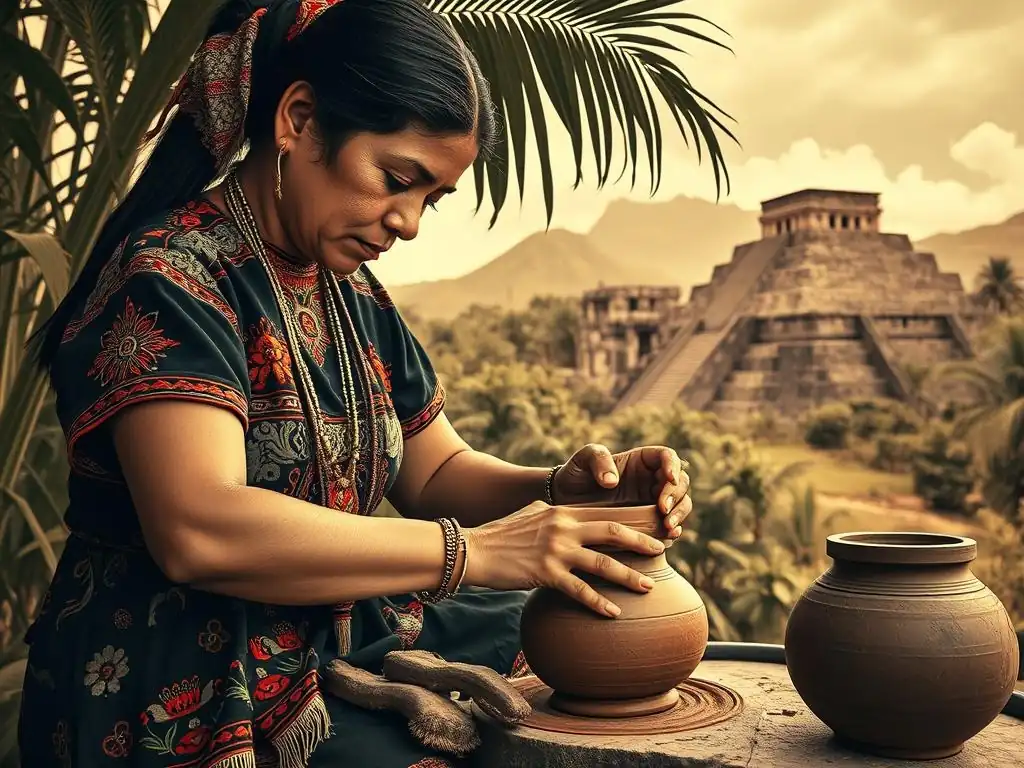
In pre-Columbian Mesoamerica, gender roles were often strictly defined, yet complex. Women played vital roles in their communities, which encompassed not only domestic responsibilities but also significant participation in religious and artistic endeavors. Among various cultures, such as the Maya, Aztec, and Zapotec, women's contributions to visual culture were both recognized and revered, albeit often overshadowed by their male counterparts.
In many Mesoamerican societies, women were responsible for creating textiles, pottery, and other forms of art that were essential to daily life and ritual practices. For instance:
- Textiles: Women were skilled weavers, creating vibrant garments not only for personal use but also for trade. These textiles often held significant cultural symbolism.
- Pottery: In communities like the Mixtec, women crafted pottery that was functional yet artistically intricate, often adorned with designs that conveyed cultural narratives.
- Ritual art: Women participated in creating ritual objects, including figurines and decorations for ceremonies, indicating their integral role in spiritual life.
Moreover, women often held positions as priestesses, which allowed them to influence artistic expression in religious contexts. Despite these contributions, historical documentation frequently attributed artistic achievements to men, creating a narrative that diminishes women's roles in Mesoamerican art.
The Evolution of Women's Artistic Contributions Over Time
As Mesoamerican societies evolved, so too did the visibility and recognition of women's contributions to visual culture. The post-classical period saw a gradual shift where women's roles began to be more documented and celebrated.
In the Aztec Empire, for example, women such as the noblewoman and poet Xochicuetl contributed to both the literary and artistic realms, producing works that blended personal narrative and cultural identity. This period also witnessed the emergence of female artists who engaged in:
- Public art: Some women began to participate in mural painting and other public art forms, a departure from the traditionally private sphere of artistic production.
- Sculpture: The creation of small figurines and sculptures by women became more prominent, often reflecting themes of fertility, motherhood, and the divine feminine.
- Ceremonial artifacts: Women's craftsmanship in producing ceremonial masks and decorations became pivotal in cultural celebrations, leading to a resurgence in the appreciation of their artistic skills.
Throughout the colonial period, the introduction of European artistic techniques and materials further transformed Mesoamerican women's art contributions. Women adapted their traditional practices, integrating new influences while maintaining cultural significance. This blending of styles can be seen in the works of female artists who navigated both local and colonial art worlds.
The lasting impact of Mesoamerican women's art contributions can still be observed today, as contemporary artists draw inspiration from their ancestral heritage, ensuring that the legacy of women in Mesoamerican art continues to thrive. Understanding this historical context is crucial for recognizing the depth and richness of Mesoamerican women's art contributions, which have shaped the visual culture of the Americas.
Notable Mesoamerican Women Artists and Their Works
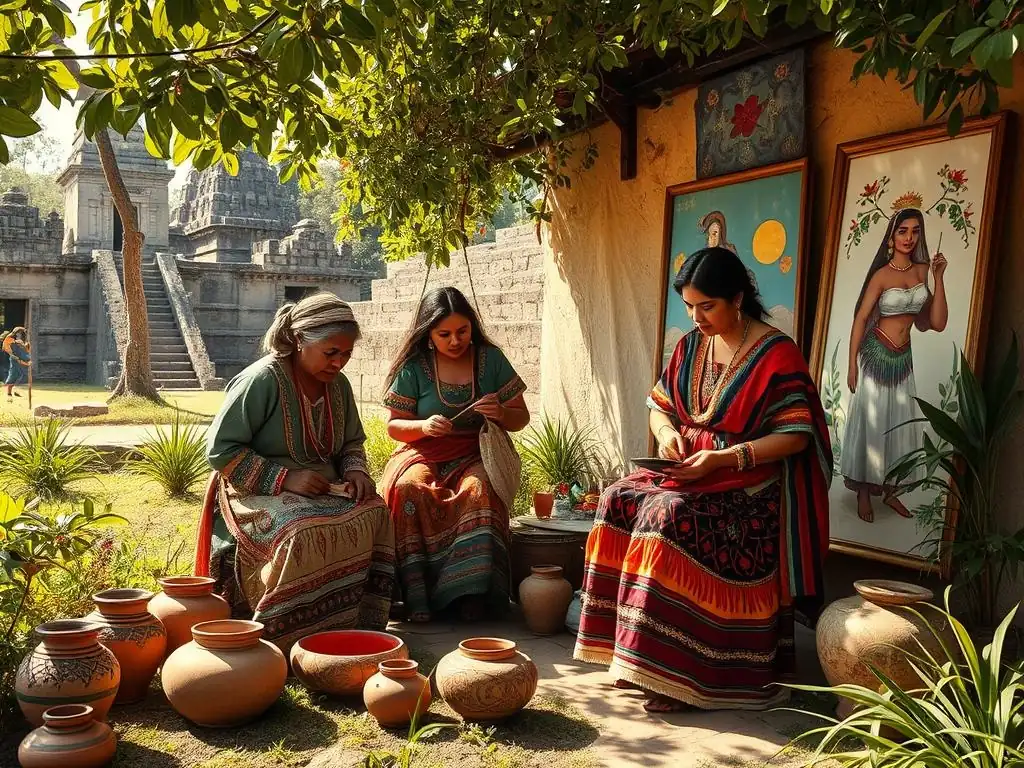
In the rich tapestry of Mesoamerican art, the contributions of women often remain underrepresented in historical narratives. However, numerous female artists played pivotal roles in shaping visual culture across various civilizations, from the Olmecs to the Aztecs. These women not only created stunning works of art but also influenced the aesthetic values and cultural practices of their societies.
Influential Female Artists in Mesoamerican History
- Xochitl: Renowned for her intricate pottery and textiles, Xochitl was a master of the art of weaving. Her works often depicted nature and mythology, serving both decorative and ceremonial purposes. It is said that her techniques were passed down through generations, making her a vital figure in preserving cultural heritage.
- Tlazolteotl: While primarily known as a goddess associated with purification and fertility, she was also revered for her artistic depictions. Artisans created numerous works inspired by her iconography, showcasing women's roles in religious and community contexts. The sculptures and murals dedicated to Tlazolteotl often highlighted the feminine divine, emphasizing women's spiritual authority.
- Cihuatl: As a historical figure and an artist, Cihuatl is celebrated for her mastery of stone carving. Her sculptures often depicted powerful female figures, reflecting the strength and resilience of women in Mesoamerican society. This not only showcased her artistic skills but also contributed to the broader narrative of women's empowerment.
- Aztec Female Artists: During the Aztec period, women engaged in various art forms, including painting and pottery. Women like Tzitzimitl created vibrant codices that documented daily life and rituals. Their contributions provided invaluable insights into the social structure and cultural practices of the time.
Analysis of Their Artistic Styles and Techniques
Mesoamerican women's art contributions were characterized by unique styles and techniques that reflected their cultural contexts. The following elements are notable:
- Material Use: Women often utilized locally sourced materials such as clay, textiles, and feathers. Their choice of materials reflected a deep connection to the land and its resources, demonstrating sustainability and respect for nature.
- Symbolism: Many female artists integrated rich symbolism into their works. For instance, floral motifs were prevalent in textiles, symbolizing fertility and life, while depictions of deities highlighted women's roles in spirituality and governance.
- Technique Variations: Techniques varied widely among regions. For example, in Oaxaca, women were known for their detailed embroidery, while in the Yucatán, intricate pottery was the hallmark of female artisans. This diversity showcased local traditions and the adaptability of women's artistic expression.
- Narrative Elements: Many works included storytelling elements, often portraying mythological tales or historical events. This narrative quality allowed women to communicate cultural values, beliefs, and social roles through their art.
Impact of Their Works on Visual Culture
The impact of Mesoamerican women's art contributions on visual culture cannot be overstated. Their works served multiple functions:
- Cultural Preservation: Through their art, women captured and preserved the traditions, beliefs, and histories of their societies. These artistic expressions became crucial in passing down knowledge and cultural identity through generations.
- Challenging Gender Norms: The presence of women as artists challenged traditional gender roles within Mesoamerican societies. Their visibility in public art and cultural events demonstrated that women were not only creators but also influential figures in their communities.
- Inspiring Future Generations: The legacy of Mesoamerican women artists continues to inspire contemporary artists. Their innovative techniques and themes resonate in modern art, highlighting the enduring influence of their contributions on current visual culture.
- Recognition and Legacy: As scholarship on indigenous art continues to grow, there is a renewed interest in recognizing the contributions of women. Their artistic achievements are increasingly acknowledged in exhibitions and academic studies, fostering a deeper appreciation for their roles in the history of Mesoamerican art.
The exploration of Mesoamerican women's art contributions reveals a rich and complex history that is essential for understanding the broader narrative of visual culture in the Americas. Their legacy endures, reminding us of the vital role women played in shaping artistic traditions and cultural identities.
Themes and Motifs in Mesoamerican Women's Art
Mesoamerican women's art contributions are marked by a rich tapestry of themes and motifs that reflect their diverse roles within society. These artistic expressions often served not only aesthetic purposes but also conveyed deeper cultural, spiritual, and social meanings. The themes found in women's art were intimately tied to the life experiences of women, their community roles, and their relationships with the cosmos.
Common Symbols and Their Significance
In Mesoamerican art, specific symbols recur frequently, each imbued with profound significance. Some of the most prevalent symbols in women's art include:
- Serpents: Often associated with fertility and the earth, serpents symbolize both life and death. They are frequently depicted in pottery and textiles, representing the duality of existence that women navigate.
- Flowers: Flowers often symbolize beauty, femininity, and the cyclical nature of life. In various Mesoamerican cultures, women used floral motifs in their artwork to celebrate fertility and the nurturing aspects of life.
- Water: Water is a vital element in Mesoamerican cosmology, often linked to life, purification, and the feminine divine. Women's art frequently features water motifs, reflecting women's roles as caregivers and nurturers.
- Animals: Various animals, such as birds and jaguars, appear in women's art, representing strength, agility, and spiritual connections. For instance, birds often symbolize the soul and the connection between the earthly and divine realms.
The use of these symbols not only reflects the personal experiences of women but also encapsulates broader societal beliefs. Women artists, through their creativity, have been able to communicate their understanding of the world, their identity, and their place within their communities.
Representation of Gender and Identity in Art
The representation of gender and identity in Mesoamerican women's art is multifaceted, providing insights into the complex roles women played in their societies. Women were not merely subjects of art; they were also creators, using their artistry to express their identities and assert their agency.
- Depictions of Women: Many artworks from ancient Mesoamerican cultures feature women in various roles, from nurturing figures to powerful deities. This nuanced representation challenges the often simplistic view of women's roles in history and showcases their importance in cultural narratives.
- Ritual and Ceremony: Women's contributions to art often intersect with rituals and ceremonies, where they played essential roles as participants and creators. Artworks produced for ceremonial purposes highlight the spiritual and communal aspects of women's identities, emphasizing their significance in maintaining cultural traditions.
- Narratives of Resistance: Mesoamerican women's art has also served as a medium of resistance, allowing women to communicate their struggles and resilience in the face of societal challenges. Through their artistic expressions, women have documented their experiences, contributing to a broader understanding of gender dynamics within Mesoamerican societies.
Mesoamerican women's art contributions are deeply intertwined with themes of identity, gender roles, and cultural significance. By examining the common symbols and the representation of gender in their art, we gain a richer understanding of the vital role women played in shaping Mesoamerican visual culture and their lasting impact on society.
The Influence of Religion and Spirituality on Women's Art
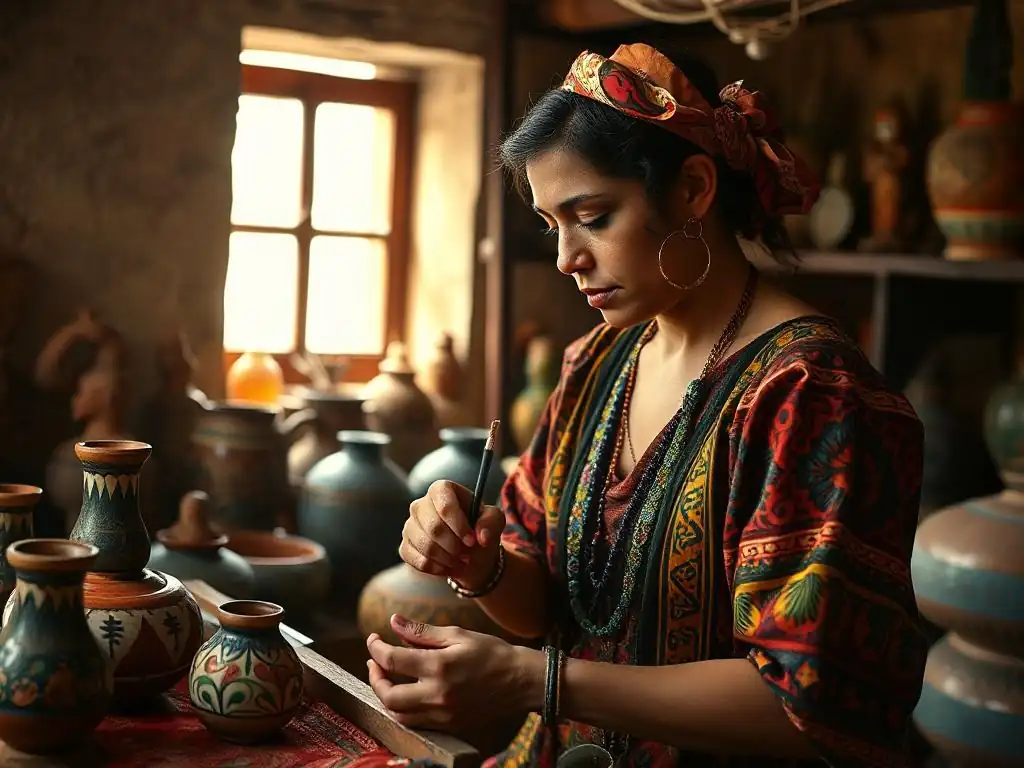
In Mesoamerica, religion and spirituality played a crucial role in shaping the artistic landscape, particularly in how women contributed to the region's visual culture. The intertwining of spiritual beliefs with daily life significantly influenced the themes, materials, and techniques employed in art. Mesoamerican women's art contributions can be seen as reflections of their spiritual practices, which were often rooted in a complex understanding of the natural world and the divine.
Spiritual Practices and Artistic Expression
The artistic expressions of Mesoamerican women were deeply embedded in spiritual practices that connected them to their communities and deities. Women often expressed their beliefs through various art forms, including pottery, textiles, and mural painting.
- Ceremonial Pottery: Many women were skilled potters, creating vessels not only for utilitarian purposes but also for ceremonial use. These vessels often featured intricate designs and symbols that held spiritual significance. For instance, the use of specific colors and patterns could represent different deities or natural elements, such as water and fertility.
- Textile Arts: Weaving was another vital form of artistic expression for women. The textiles produced often depicted mythological stories or religious symbols, serving both practical and ceremonial purposes. The act of weaving itself was sometimes viewed as a spiritual practice, with women invoking the support of deities while crafting intricate patterns.
- Mural Painting: In some cultures, women played a significant role in mural painting, particularly in temples and community spaces. These murals depicted narratives of gods, creation myths, and community history, reinforcing the spiritual beliefs of the society. Women's contributions to these murals not only showcased their artistic skills but also their deep understanding of cultural and religious narratives.
Through these practices, women were not merely creators of art; they were custodians of their culture's spiritual heritage, using their talents to convey complex beliefs and stories.
Role of Women in Ritual Art Creation
The role of women in ritual art creation was integral to Mesoamerican societies. Women often participated in the crafting of art that was used in religious ceremonies, thus solidifying their position as vital contributors to the spiritual life of their communities.
- Ritual Objects: Women were frequently responsible for creating ritual objects, such as figurines, masks, and ceremonial attire. These items were critical in religious ceremonies, serving as offerings or as part of rituals conducted to appease deities. Their craftsmanship imbued these objects with both aesthetic and spiritual significance.
- Collaboration in Ceremonies: In many Mesoamerican cultures, art creation was a communal effort, with women collaborating alongside men in the production of large-scale works for public rituals. This collaboration fostered a sense of community and shared purpose, emphasizing the importance of both genders in the spiritual and artistic realms.
- Knowledge Transmission: Women often passed down their artistic skills and knowledge through generations, teaching younger females the significance of their art forms in relation to spirituality. This transmission of knowledge ensured that spiritual practices remained alive and relevant within the community, reinforcing the role of women as cultural educators.
Mesoamerican women's art contributions were profoundly influenced by their spiritual practices and the socio-religious context in which they lived. Their involvement in the creation of ritual art not only highlights their artistic skills but also underscores their essential roles in maintaining and expressing the spiritual beliefs of their societies.
Challenges Faced by Women Artists in Mesoamerica
Societal Constraints and Historical Obstacles
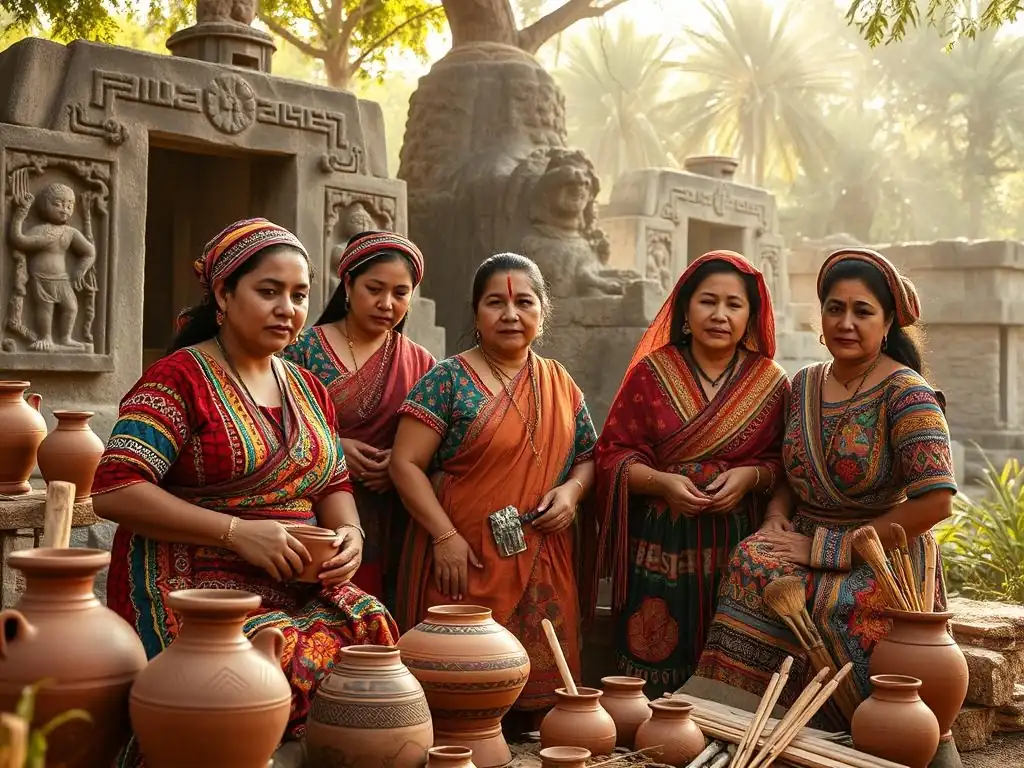
The contributions of Mesoamerican women to art and visual culture have often been overshadowed by societal constraints and historical obstacles. In many indigenous societies, gender roles were clearly defined, with women primarily occupying domestic spheres. This limitation significantly affected their access to artistic training and opportunities for public recognition.
In pre-Columbian Mesoamerica, women were responsible for various forms of artistic expression, including pottery, textiles, and mural painting. However, these activities were often considered subordinate to the larger, more prominent works produced by male artists. For instance, while women played a crucial role in the creation of intricate pottery designs and vibrant textiles, the societal perception relegated these crafts to a lesser status compared to monumental sculptures and public architecture, typically associated with male artisans.
Moreover, historical records from civilizations such as the Aztecs and the Maya often reflect a male-centric narrative, leading to the marginalization of women's contributions. Many female artists remained anonymous, their works uncredited in historical texts. This systemic exclusion not only obscured the rich artistic heritage of women but also perpetuated the notion that significant contributions to Mesoamerican art were predominantly male endeavors.
Preservation of Women's Art Contributions in Historical Records
The preservation of women's art contributions in historical records presents a significant challenge in understanding their impact on Mesoamerican visual culture. Due to the aforementioned societal constraints, the documentation of female artists and their works was limited, resulting in a fragmented historical narrative.
In many cases, art created by women was recorded in ways that emphasized their roles as artisans rather than as individual artists. For example, the intricate textiles woven by women were often categorized simply as household goods or trade items, thus stripping them of their artistic identity. Additionally, archaeological findings sometimes fail to highlight the gender of the creators, making it difficult to attribute specific works to women.
Efforts to rectify this imbalance have emerged in recent years, as scholars and researchers strive to uncover and celebrate the contributions of women in Mesoamerican art. By analyzing artifacts, revisiting historical documents, and employing interdisciplinary approaches, there is a growing recognition of women's roles as vital to the rich tapestry of Mesoamerican artistic expression.
To further support this endeavor, it is essential to create platforms where women's art can be showcased and appreciated, elevating their status in the historical narrative. This will not only acknowledge their contributions but also inspire future generations of artists and historians to explore and celebrate the diverse voices within Mesoamerican visual culture.
Modern Interpretations of Mesoamerican Women's Art Contributions
Contemporary Artists Drawing Inspiration from Historical Legacy
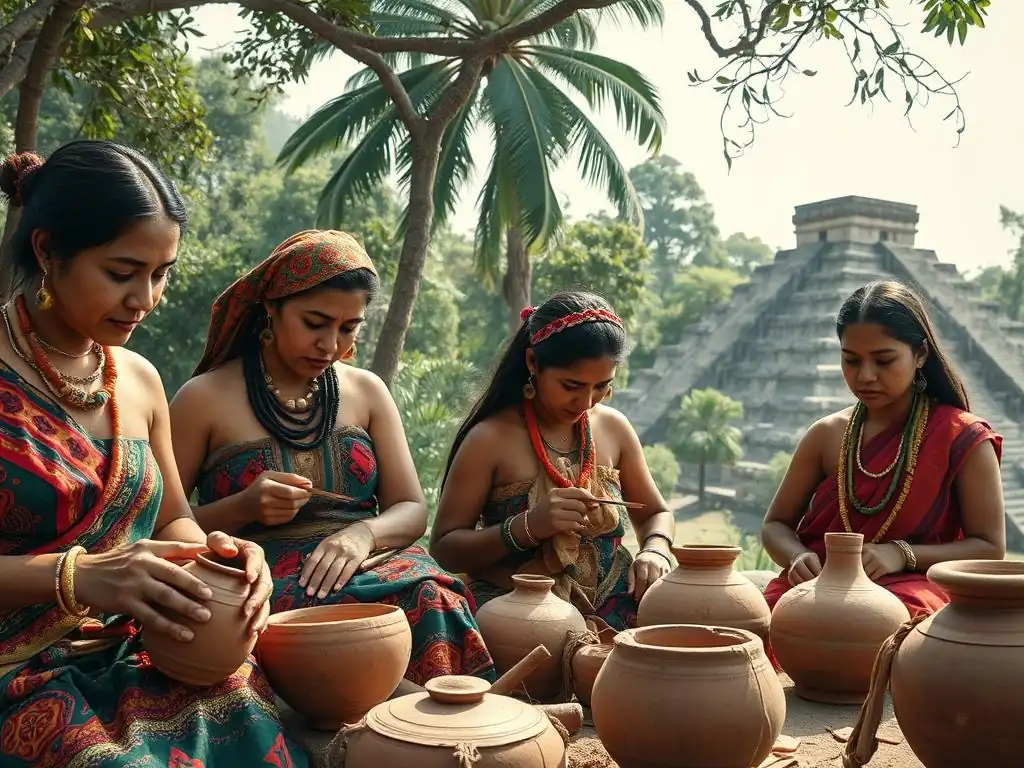
In today's art scene, many contemporary artists are drawing inspiration from the rich history of Mesoamerican women's art contributions. This revival not only honors the legacy of these women but also reinterprets their works through a modern lens, creating a dialogue between past and present.
Artists like Magdalena Fernández and Elisa García have incorporated traditional Mesoamerican motifs and techniques into their work, using materials that pay homage to their ancestors. Fernández, for instance, utilizes the ancient practice of weaving, blending it with contemporary installations that challenge the viewer's perception of space and femininity.
Similarly, Mireya Pizarro has created a series of mixed media artworks that reflect the lives of Mesoamerican women throughout history. By combining traditional symbolism with modern materials, she emphasizes the resilience and strength of women who contributed to visual culture despite societal constraints.
Moreover, many artists are now employing digital platforms to showcase their work, allowing them to reach a global audience. This shift not only preserves the narratives of Mesoamerican women's art but also ensures their visibility in contemporary discussions on gender and culture.
The Role of Mesoamerican Women's Art in Current Visual Culture
Mesoamerican women's art contributions play a vital role in shaping current visual culture. Their historical practices, ranging from pottery to textile arts, serve as a foundation for contemporary artistic expression.
- Cultural Significance: The art created by Mesoamerican women often conveys intricate stories and cultural values. These narratives are increasingly relevant as contemporary artists seek to address issues of identity, heritage, and belonging.
- Feminist Perspectives: The resurgence of interest in Mesoamerican women's art also aligns with broader feminist movements. Artists are exploring themes of gender, power dynamics, and the reclaiming of female narratives in a landscape traditionally dominated by male voices.
- Educational Impact: Exhibitions and art programs focused on Mesoamerican women's contributions are becoming more prevalent, fostering a deeper understanding of their historical significance. This educational push encourages new generations of artists to explore their roots and express their identities through their work.
Mesoamerican women's art contributions not only enrich the artistic narrative of the Americas but also resonate with contemporary issues. Their legacies are being embraced and celebrated, ensuring that the voices of these women continue to inspire and influence visual culture today.
Conclusion: Celebrating Mesoamerican Women's Art Contributions
Mesoamerican women's art contributions are a testament to the rich and diverse histories of the indigenous civilizations that flourished long before European contact. Their artistic expressions, ranging from intricate textiles to striking pottery and murals, not only reflect aesthetic values but also serve as vital narratives of their societies. These creative endeavors were often imbued with cultural significance, embodying spiritual beliefs, social roles, and historical events, thereby offering a complex understanding of gender dynamics in pre-Columbian Mesoamerica.
The Lasting Impact of Women's Artistic Expression on Culture
The artistic contributions of Mesoamerican women have left an indelible mark on their cultures and continue to resonate today. Women played crucial roles in various artistic mediums, and their work often encompassed themes of fertility, motherhood, and the natural world, which were central to their societies. For instance, the creation of textiles was not merely an economic activity; it was a rite of passage and an expression of identity that reinforced communal ties.
- Cultural Preservation: Many traditional practices and symbols found in women's art have been preserved across generations. This continuity fosters a connection to ancestral heritage and provides a means for cultural storytelling. For example, the motifs found in Zapotec weaving often carry historical significance, linking contemporary artisans to their forebears.
- Social Commentary: Women's art frequently addressed social issues, such as gender roles and power dynamics. By embedding messages within their creations, women artists challenged societal norms and contributed to dialogues surrounding women's rights and representation.
- Influence on Modern Art: Today, contemporary Mesoamerican women artists draw inspiration from their predecessors, reinterpreting traditional themes and techniques within modern contexts. This blend of old and new not only honors historical contributions but also redefines Mesoamerican identity in a globalized world.
Future Directions for Research and Exploration in Mesoamerican Art
As we look toward the future, there remains a wealth of opportunity to further explore and understand Mesoamerican women's art contributions. Continued research can illuminate the nuanced roles women played in artistic production and the implications of their work.
- Interdisciplinary Studies: Collaborative efforts between anthropologists, art historians, and gender studies scholars can yield deeper insights into the intersection of art and identity. Such interdisciplinary approaches may uncover overlooked narratives and expand the scope of existing scholarship.
- Archaeological Discoveries: Ongoing archaeological excavations in Mesoamerica may reveal new artifacts that can shed light on women's roles in artistic practices. By analyzing these findings, researchers can better understand the materials, techniques, and contexts of women's art across different cultures and periods.
- Community Engagement: Engaging with contemporary indigenous communities can provide valuable input on the significance of traditional art forms and their evolution. Workshops, interviews, and collaborative art projects can foster a renewed appreciation for women's contributions while empowering local artists.
- Digital Archiving: The use of digital platforms for archiving and showcasing Mesoamerican women's art can help preserve these contributions for future generations. Online galleries and databases can facilitate access to artworks and historical information, promoting wider recognition and appreciation of these artists' legacies.
By recognizing and celebrating Mesoamerican women's art contributions, we not only honor their past achievements but also inspire future generations to continue exploring, creating, and sharing their rich cultural heritage.
Frequently Asked Questions
What is the significance of Mesoamerican women's art contributions?
Mesoamerican women's art contributions were crucial in shaping visual culture, reflecting their roles in society and the diverse artistic practices of their communities.
How did Mesoamerican women contribute to visual culture?
Women played a vital role in the creation of ceramics, textiles, and body art, often using their skills to express cultural identity and convey social messages within their communities.
What types of artistic expressions were predominantly created by Mesoamerican women?
Mesoamerican women primarily created textiles, pottery, and ritual artifacts, showcasing their craftsmanship and the significant cultural narratives embedded in their work.
How did the contributions of women impact Mesoamerican societies?
The contributions of women in art helped to define and preserve cultural heritage, influencing societal norms and establishing their roles within both domestic and public spheres.
Are there any contemporary movements recognizing Mesoamerican women's art?
Yes, there is a growing recognition of Mesoamerican women's art in contemporary movements, highlighting their historical significance and encouraging the revitalization of traditional practices in modern contexts.
Final Reflection: Celebrating Mesoamerican Women's Art Contributions
Mesoamerican women's art contributions have long been overlooked, yet they are essential to understanding the rich tapestry of visual culture in this region. Today, as we strive for a more inclusive narrative in art history, it is crucial to recognize the profound impact that women have had on Mesoamerican art. Their creativity and resilience not only shaped the artistic landscape of their time but also continue to inspire contemporary discussions about gender and representation in the arts.
Mesoamerican women's contributions to visual culture have significantly influenced both historical and modern perspectives on art and society. The legacy of these women serves as a powerful reminder of the importance of diverse voices in shaping cultural narratives. As we explore their stories, we uncover the intricate ways in which their artistry reflects the complexities of their identities and experiences. Art is not what you see, but what you make others see.
– Edgar Degas. This quote encapsulates the essence of Mesoamerican women's art, inviting us to look beyond the surface and appreciate the depth of their contributions.
As we reflect on the lessons from this exploration, I encourage you to consider how you can champion the voices of women in the arts today. Take a moment to seek out and support the work of female artists in your community and beyond. By doing so, you not only honor the legacy of Mesoamerican women artists but also contribute to a more equitable and vibrant cultural landscape for future generations. Let us celebrate and elevate the stories and talents of women, ensuring that their contributions are recognized and cherished in the ongoing narrative of art history.
Thank you for taking the time to explore the profound contributions of women to Mesoamerican visual culture. Your interest highlights the significance of recognizing these voices in art history. Now, let’s turn that knowledge into action!
Here are some steps you can take to further appreciate and advocate for the legacy of these incredible women:
- Dive Deeper: Visit a local museum or explore an online exhibit dedicated to Mesoamerican art to discover how women's influences shaped the artistic landscape.
- Share Your Findings: Engage your friends and family by sharing what you've learned! Post on social media about a specific artwork or artist, using the hashtag #MesoamericanWomenArtists.
- Join or Create a Community: Look for forums, book clubs, or social media groups that focus on Indigenous art and culture. If you can’t find one, consider starting your own!
How can you utilize this newfound appreciation for Mesoamerican women's art to inspire others in your community?