
The Influence of Nature: How Mesoamerican Artists Captured Their Environment

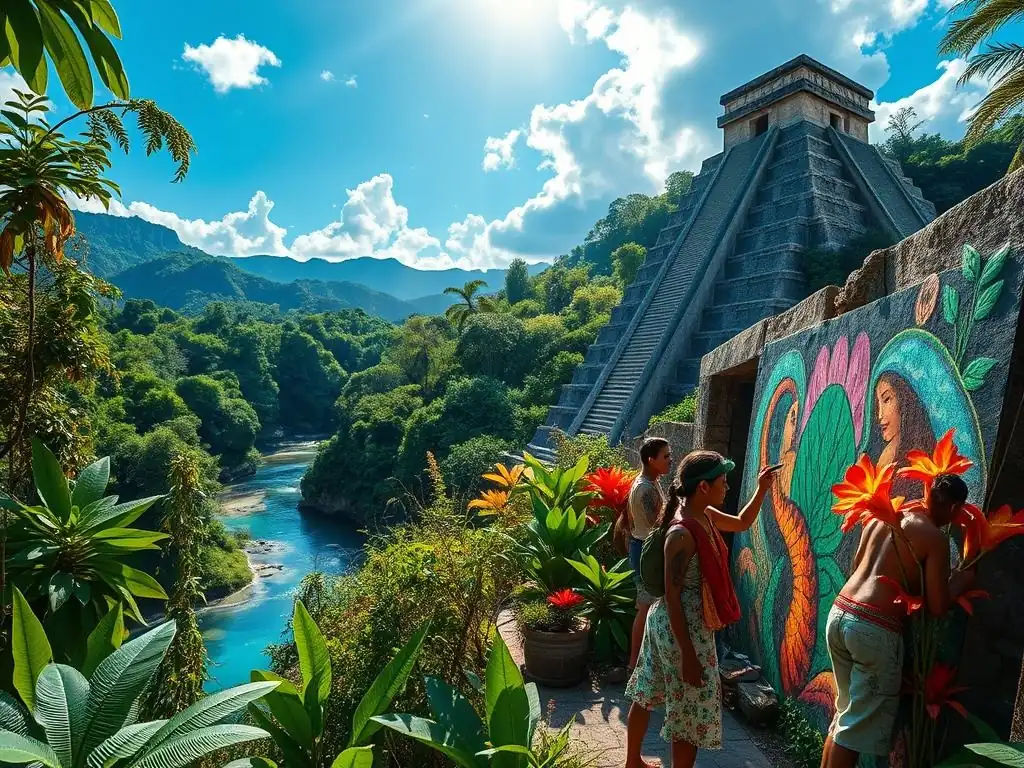
Welcome to Indigenous Civilizations of the Americas, where we invite you on a journey through the rich tapestry of cultures that flourished long before European shores were reached. Here, we delve into the fascinating world of Mesoamerican art and nature influence, unveiling how these ancient artists intricately wove the beauty of their environment into their masterpieces. What secrets do these artworks hold about the societies that created them?
As you explore our site, prepare to uncover the profound connections between nature and creativity that shaped the identity of Mesoamerican civilizations. Dive deeper with us and discover the remarkable stories waiting to be told!
Introduction to Mesoamerican Art and Nature Influence
Mesoamerican art is a vibrant tapestry of creativity and cultural expression that flourished in the region before the arrival of Europeans. This art form encompasses a wide array of artistic endeavors, including sculpture, pottery, murals, and textiles, all deeply intertwined with the natural world.
The influence of nature in Mesoamerican art is profound, reflecting not only the environment in which these civilizations thrived but also their spiritual beliefs and cultural practices. This article delves into how Mesoamerican artists captured the essence of their surroundings, weaving elements of flora, fauna, and celestial bodies into their works, thereby establishing a visual dialogue between art and nature.
Overview of Mesoamerican Art
Mesoamerican art spans several ancient cultures, including the Olmec, Maya, Aztec, and others. Each civilization brought its unique perspective to artistic expression, yet they shared common themes and techniques. Key characteristics of Mesoamerican art include:
- Symbolism: Many artworks are rich in symbols that convey deeper meanings, often related to mythology and religion.
- Materials: Artists utilized various materials such as jade, clay, stone, and organic pigments, demonstrating their resourcefulness and connection to nature.
- Functionality: Art was not merely decorative; it served religious, political, and social functions, often playing a role in rituals and ceremonies.
Mesoamerican art is characterized by its vibrant colors, intricate designs, and a profound connection to the natural world, making it a crucial area of study within the broader context of indigenous cultures.
Importance of Nature in Mesoamerican Cultures
Nature held a sacred place in the hearts and minds of Mesoamerican peoples. The environment was not just a backdrop; it was a vital part of their identity and survival. Here are some key points regarding the significance of nature:
- Spiritual Beliefs: Many natural elements, such as mountains, rivers, and animals, were revered as sacred and were often associated with deities.
- Agricultural Practices: The reliance on agriculture shaped their artistic expressions, as crops and seasonal changes were integral to their way of life.
- Cultural Narratives: Nature was a frequent subject in stories, myths, and legends, influencing the themes depicted in their art.
By understanding the importance of nature, we can appreciate how it shaped the artistic landscape of Mesoamerica and the legacies that continue to resonate today.
Key Elements of Nature in Mesoamerican Art
Mesoamerican artists captured various aspects of their environment, which can be categorized into specific themes that highlight their connection to nature.
Flora and Fauna Representations
Flora and fauna were not only essential for survival but also served as vital symbols in Mesoamerican art. Artists often depicted:
- Plants: Corn, cacao, and other plants featured prominently, symbolizing life, sustenance, and fertility.
- Animals: Creatures such as jaguars, eagles, and serpents were common motifs, representing power, strength, and divine connections.
These representations provided insight into the Mesoamerican worldview, where the natural world was imbued with spiritual significance.
Natural Landscapes and Their Symbolism
Mesoamerican artists frequently incorporated landscapes into their works, using them to convey messages about the universe and human existence. Key elements include:
- Mountains: Often viewed as sacred, mountains were depicted as the abode of gods and were integral to religious practices.
- Water Bodies: Rivers and lakes symbolized life and fertility, often appearing in murals and sculptures to convey the importance of water in agriculture and spirituality.
Through these artistic choices, Mesoamerican cultures narrated their relationship with the environment, emphasizing the interconnectedness of humanity and nature.
Celestial Bodies and Their Artistic Interpretations
The cosmos played a pivotal role in Mesoamerican societies, influencing their art profoundly. Notable celestial representations include:
- The Sun and Moon: Often depicted in various forms, these bodies symbolized life cycles, time, and the duality of existence.
- Stars and Planets: Mesoamerican artists often illustrated celestial bodies to reflect their understanding of astronomy, which was vital for agricultural calendars and religious ceremonies.
By capturing these celestial elements, Mesoamerican artists not only celebrated the natural world but also expressed their deep-seated beliefs about existence and the universe.
The influence of nature on Mesoamerican art is a testament to the rich cultural heritage of these civilizations. Through their artistic endeavors, they not only documented their environment but also conveyed intricate spiritual beliefs and societal values that continue to inspire and educate future generations.
Techniques Used by Mesoamerican Artists to Reflect Nature
Mesoamerican artists employed a variety of techniques to capture the essence of their natural surroundings. These techniques were deeply intertwined with their cultural beliefs and the environment in which they lived. The methods utilized ranged from intricate carving and painting to the use of natural materials, each contributing to the overall representation of the beauty and complexity of nature.
Materials Sourced from the Environment
Mesoamerican artists were adept at sourcing materials directly from their surroundings, which significantly influenced their work. Common materials included:
- Clay: Used for pottery and figurines, clay was often molded into shapes that reflected animals, plants, and human figures, showcasing the local fauna and flora.
- Stone: Artists utilized volcanic rock and limestone for sculptures and architectural elements, creating lasting monuments that highlighted the region's geological features.
- Wood: Carved wooden artifacts and masks reflected the biodiversity of the forests, often depicting deities or animals significant to the culture.
- Dyes and Pigments: Natural dyes derived from plants and minerals were used to color textiles and murals, allowing artists to create vibrant representations of their environment.
These materials not only provided a physical medium for artistic expression but also imbued the works with cultural significance, as they were often tied to local myths and traditions.
Artistic Styles and Methods
Mesoamerican art is characterized by distinctive styles that reflect the environment and daily life of the people. Key methods included:
- Relief Carving: Artists carved intricate designs into stone and wood, often depicting scenes from nature, mythology, and ritual practices.
- Mural Painting: Vibrant murals adorned temples and public spaces, using bold colors and stylized forms to narrate stories of creation, agriculture, and the cycles of nature.
- Sculpture: Three-dimensional sculptures of animals, gods, and natural elements were prevalent. These works often served religious or ceremonial purposes.
- Textile Weaving: Weavers created textiles that incorporated patterns inspired by their surroundings, using natural dyes that resulted in stunning visual representations of flora and fauna.
Through these artistic styles and methods, Mesoamerican artists were able to convey a deep connection to their environment, celebrating the beauty and significance of nature in their societies.
Integration of Nature into Architectural Design
Mesoamerican architecture often mirrored the natural landscape, demonstrating a sophisticated understanding of how to harmonize built environments with their surroundings. Key aspects of this integration included:
- Site Selection: Temples and cities were often built in locations that respected natural features, such as mountains, rivers, and forests, creating a sense of unity between human habitation and the environment.
- Symbolic Landscaping: Structures frequently incorporated gardens and plazas that featured native plants, allowing nature to coexist with architectural elements.
- Natural Materials: The use of locally sourced materials ensured that buildings blended into the landscape, reflecting the colors and textures found in nature.
- Alignment with Celestial Events: Many buildings were designed to align with solar and lunar cycles, emphasizing the importance of nature in religious practices and daily life.
This architectural philosophy not only showcased the artists' reverence for nature but also served functional purposes in aligning with agricultural cycles and religious observances.
Case Studies of Notable Mesoamerican Artists and Their Works
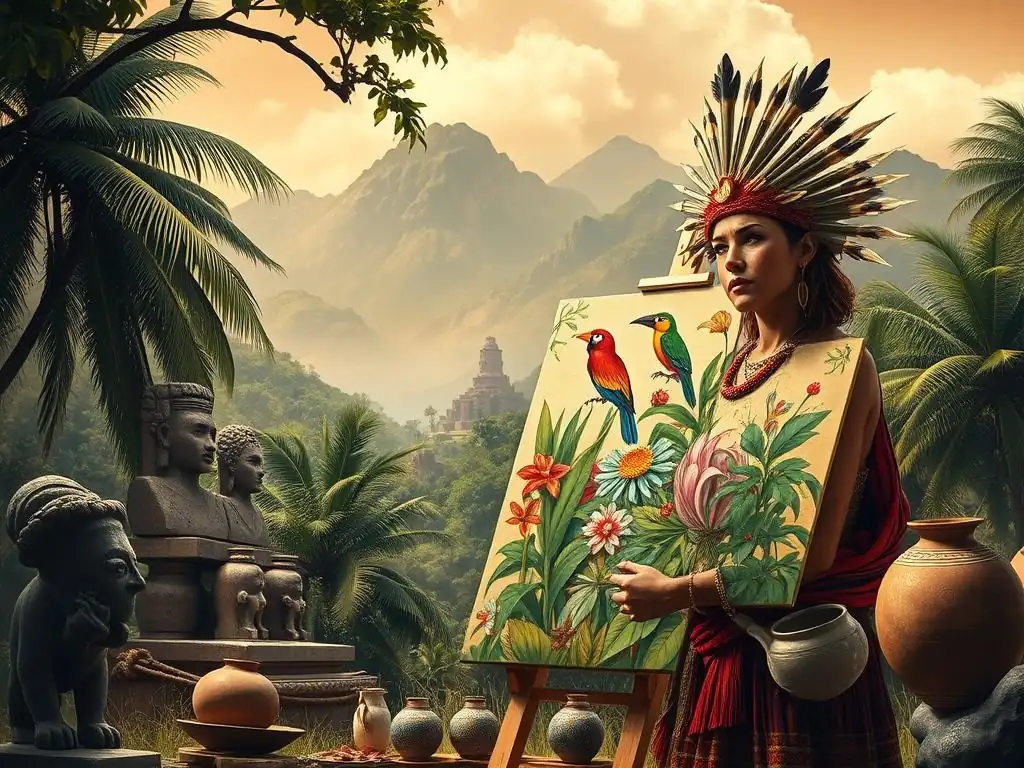
Mesoamerican art continues to be celebrated through the works of influential artists who drew inspiration from nature. Their contributions have left an indelible mark on the art world and serve as a testament to the enduring relationship between culture and environment.
Diego Rivera and His Nature-Inspired Creations
Diego Rivera, a prominent Mexican muralist, often infused his works with themes of nature, reflecting the rich biodiversity of Mexico. His murals feature lush landscapes, agricultural scenes, and the connection between humanity and the earth. For instance, in the mural "Man at the Crossroads," Rivera depicted the struggle between nature and industrialization, emphasizing the importance of preserving the environment amid societal change. Rivera's vibrant use of color and form mirrored the vitality of the natural world, making his works both visually striking and thought-provoking.
Rufino Tamayo and Symbolic Depictions of the Environment
Rufino Tamayo, known for his unique style that blends indigenous and modern elements, frequently explored themes of nature in his art. His paintings often feature bold colors and abstract forms that symbolize the relationship between humans and their environment. Works like "The Woman of Tehuantepec" showcase the beauty of the natural landscape alongside human figures, highlighting the interconnectedness of life. Tamayo's art serves as a reflection of his deep appreciation for the natural world and its impact on cultural identity.
Francisco Toledo and Usage of Natural Materials
Francisco Toledo, an influential Mexican artist and activist, is renowned for his innovative use of natural materials in his art. He often incorporated elements such as clay, wood, and paper made from indigenous plants into his works. Toledo's pieces, which include sculptures and paintings, draw inspiration from the flora and fauna of Oaxaca, his home region.
His work not only showcases the beauty of nature but also advocates for environmental conservation and the preservation of indigenous culture. By utilizing materials from the Earth, Toledo creates a dialogue between art, nature, and social issues, further cementing his legacy in Mesoamerican art.
The Role of Nature in Mesoamerican Spirituality and Beliefs
Nature played a pivotal role in the spiritual and cultural beliefs of Mesoamerican civilizations, such as the Maya, Aztec, and Olmec. These societies viewed the natural world not merely as a backdrop for human activity but as a living entity infused with spiritual significance. The mountains, rivers, and forests were seen as the abodes of gods and ancestral spirits, which shaped their worldview and artistic expressions.
Mesoamerican artists often depicted natural elements in their works to communicate the interconnectedness of the environment and human existence. This relationship is evident in their use of specific flora and fauna, which were believed to embody divine attributes and powers. For instance, the jaguar was revered as a powerful symbol of strength and fertility, often appearing in art to represent the gods and the cycle of life and death.
Nature as a Source of Inspiration
Mesoamerican artists drew profound inspiration from their natural surroundings, translating the beauty and complexity of the environment into various art forms. The lush landscapes, vibrant colors of flora, and diverse animal life influenced their choice of materials, motifs, and techniques. For example, the use of vibrant pigments derived from minerals and plants not only showcased the artists' skill but also mirrored the vividness of their environment.
Artworks often reflected seasonal changes, agricultural cycles, and the rhythms of life, emphasizing the importance of nature in sustaining their societies. The corn plant, a staple in Mesoamerican diets, frequently appeared in art, symbolizing life and sustenance. This connection to nature reinforced the idea that art was not just an aesthetic pursuit but a means to honor and reflect the world around them.
Deities and Natural Elements in Art
Mesoamerican art is rich with depictions of deities intertwined with natural elements, showcasing the reverence these cultures had for both their gods and the environment. For instance, many deities were associated with specific natural phenomena, such as rain, fertility, and agriculture. The rain god Tlaloc, central to Aztec beliefs, was often represented alongside clouds and water motifs, symbolizing his power over life-giving rain.
Artists utilized symbolism to convey these connections, employing intricate designs that blended human forms with natural elements. Such representations served not only as artistic expressions but also as religious narratives that conveyed the importance of nature in the spiritual practices of Mesoamerican peoples. This intricate relationship between deities and nature is a testament to how deeply intertwined spirituality and environmental appreciation were in these cultures.
Rituals and Ceremonies Depicted Through Art
Art in Mesoamerica often served as a medium to depict rituals and ceremonies that celebrated the cycles of nature and the gods’ influence. Murals, pottery, and sculptures frequently illustrated significant events, such as agricultural festivals, which were integral to the community's survival and prosperity. These artworks provided a visual record of the rituals performed to honor deities, request bountiful harvests, and ensure communal harmony with the environment.
For example, the famous murals at Bonampak offer a glimpse into the ceremonial life of the Maya, showcasing vibrant scenes of dances, offerings, and interactions with nature. Such depictions not only highlight the rituals themselves but also emphasize the role of nature as both a participant and a stage in these sacred events. By capturing these moments, Mesoamerican artists contributed to a cultural memory that underscored the significance of nature in their societal practices.
The Legacy of Mesoamerican Art and Nature Influence
The artistic expressions of Mesoamerican civilizations continue to resonate, influencing both indigenous and contemporary art forms. The legacy of their intricate relationship with nature remains evident in various aspects of modern artistic practices, showcasing how these ancient traditions have evolved while maintaining their core values.
Impact on Contemporary Indigenous Art
Today, many contemporary indigenous artists draw inspiration from their Mesoamerican heritage, integrating themes of nature into their work. This revival of traditional motifs reflects a deep respect for ancestry and the environment, as artists seek to reconnect with their cultural roots. The use of natural materials and techniques reminiscent of ancient practices highlights the ongoing significance of nature in their artistic expressions.
Moreover, contemporary art often serves as a platform for addressing modern environmental issues, echoing the historical reverence for nature found in Mesoamerican art. Artists convey messages about sustainability, conservation, and the intrinsic value of the natural world, demonstrating how ancient influences continue to inform present-day perspectives.
Preservation of Natural Themes in Modern Creations
The preservation of natural themes in modern Mesoamerican art is not merely an aesthetic choice but a cultural imperative. Many artists emphasize the importance of ecological awareness, using their work to advocate for the protection of the environment. This commitment to nature reflects the ancient Mesoamerican belief in the interconnectedness of all life forms, a principle that resonates strongly in today's global conversations about climate change and sustainability.
Additionally, various art forms such as textiles, pottery, and murals continue to incorporate natural elements, ensuring that the dialogue between art, culture, and nature remains vibrant. This ongoing integration serves as a bridge between the past and the present, allowing new generations to engage with their heritage through a contemporary lens.
Educational Importance of Understanding Nature in Mesoamerican Art
Understanding the influence of nature in Mesoamerican art is vital for appreciating the complexity of these cultures and their worldviews. Education in this area fosters an awareness of how deeply interconnected human life is with the environment, a lesson that is increasingly relevant in today's society.
By exploring the ways in which Mesoamerican artists captured their surroundings, learners can gain insights into the spiritual, cultural, and ecological values of these ancient civilizations. This knowledge not only enriches one’s understanding of art history but also encourages respect for indigenous perspectives on nature, promoting a more holistic view of cultural heritage that acknowledges the importance of environmental stewardship.
Engaging with Mesoamerican art through this lens allows for a greater appreciation of the artistry involved while also recognizing the enduring lessons these cultures impart regarding the relationship between humanity and the natural world.
Conclusion: The Lasting Impact of Nature on Mesoamerican Art
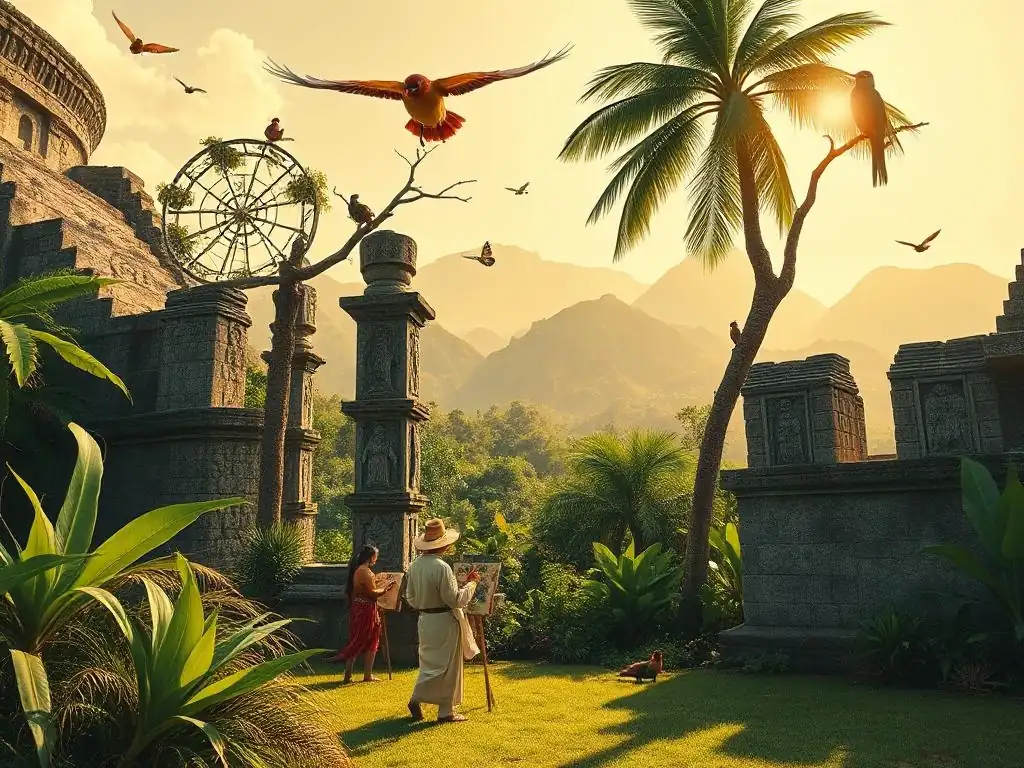
Mesoamerican art is a profound testament to the intricate relationship between the indigenous cultures of the region and their natural environment. This artistic expression transcends mere aesthetics; it embodies the spiritual, cultural, and practical aspects of life in ancient Mesoamerica. The natural world served not only as inspiration but also as a critical component of daily existence, influencing everything from the materials used in art creation to the themes depicted in various works.
The enduring impact of nature on Mesoamerican art can be seen in the diverse representations of flora and fauna, which are intricately woven into the narratives of mythology and spirituality. Artisans utilized local resources—such as jade, obsidian, and clay—reflecting their respect for the land and its offerings. This connection between nature and creativity has not only shaped Mesoamerican societies historically but continues to resonate in contemporary artistic practices within the region.
Reflection on Cultural Heritage
The legacy of Mesoamerican art is a reflection of rich cultural heritage that has been passed down through generations. In recognizing the influence of nature on their artistic expressions, we see how indigenous peoples articulated their understanding of the world around them. Through pottery, sculpture, textiles, and murals, artists captured the essence of their environment, creating a visual narrative that celebrates both their surroundings and their identity.
This cultural heritage is not static; it evolves as new generations reinterpret traditional themes and techniques. As contemporary artists draw inspiration from their ancestors, they continue to emphasize the importance of nature, ensuring that the relationship between the environment and artistic expression remains a vital part of Mesoamerican culture. This ongoing dialogue between past and present reinforces the significance of nature in the collective identity of Mesoamerican peoples.
The Ongoing Relationship Between Nature and Art in Mesoamerica
In modern Mesoamerica, the relationship between nature and art persists, demonstrating the adaptability and resilience of indigenous cultures. Contemporary artists often explore themes related to environmental conservation, sustainability, and the impacts of climate change, using their art as a medium to advocate for the protection of natural resources. This reflects a profound acknowledgment of the lessons learned from ancestral practices and the need to address current ecological challenges.
Moreover, festivals and community events often incorporate traditional art forms that celebrate the natural world. For instance, the use of natural materials in artistic endeavors not only honors ancestral techniques but also fosters a sustainable approach to art-making. Such practices highlight the ongoing commitment to maintaining a harmonious relationship with the environment, reinforcing the notion that nature remains a central source of inspiration and identity for Mesoamerican artists.
The influence of nature on Mesoamerican art is a multifaceted phenomenon that has shaped the cultural landscape of the region. By examining this relationship, we gain valuable insights into the values, beliefs, and artistic expressions of indigenous civilizations, enriching our understanding of their enduring legacy.
- Introduction to Mesoamerican Art and Nature Influence
- Key Elements of Nature in Mesoamerican Art
- Techniques Used by Mesoamerican Artists to Reflect Nature
- Case Studies of Notable Mesoamerican Artists and Their Works
- The Role of Nature in Mesoamerican Spirituality and Beliefs
- The Legacy of Mesoamerican Art and Nature Influence
- Conclusion: The Lasting Impact of Nature on Mesoamerican Art
- Reflection on Cultural Heritage
- The Ongoing Relationship Between Nature and Art in Mesoamerica
- What is the main focus of the article "The Influence of Nature: How Mesoamerican Artists Captured Their Environment"?
- How did Mesoamerican art reflect the environment?
- What are some key characteristics of Mesoamerican art?
- Why is the study of Mesoamerican art important for understanding indigenous cultures?
- How does this website contribute to the knowledge of indigenous civilizations?
Frequently Asked Questions
What is the main focus of the article "The Influence of Nature: How Mesoamerican Artists Captured Their Environment"?
The article explores how Mesoamerican artists depicted their environment through art, emphasizing the interconnection between nature and cultural expression.
How did Mesoamerican art reflect the environment?
Mesoamerican art often showcased natural elements such as plants, animals, and landscapes, demonstrating the deep respect and spiritual connection these cultures had with their surroundings.
What are some key characteristics of Mesoamerican art?
Key characteristics include the use of vibrant colors, intricate designs, and symbolism that represents natural phenomena, highlighting the influence of nature on artistic expression.
Why is the study of Mesoamerican art important for understanding indigenous cultures?
Studying Mesoamerican art provides insights into the values, beliefs, and lifestyles of indigenous cultures, revealing how nature shaped their identities and social structures.
How does this website contribute to the knowledge of indigenous civilizations?
The website offers a comprehensive exploration of various indigenous cultures, focusing on their achievements and lasting impact, enriching the understanding of their artistic heritage and relationship with nature.
Final Reflection: Embracing the Harmony of Mesoamerican Art and Nature
The intricate relationship between Mesoamerican art and the natural world is not merely a historical curiosity; it is a profound reminder of how nature shapes culture and creativity. Today, as we face environmental challenges and a growing disconnect from the natural world, the lessons embedded in Mesoamerican artistic expressions resonate more than ever. The vibrant depictions of flora, fauna, and landscapes in their art serve as a testament to the deep reverence these cultures held for their environment, urging us to rekindle our own connection with nature.
Mesoamerican artists were not just creators; they were storytellers who wove the essence of their surroundings into their work, influencing generations and shaping cultural identities. The enduring legacy of their art continues to inspire contemporary discussions about sustainability and environmental stewardship. As we reflect on the beauty and significance of these artistic expressions, we are reminded of the words of the renowned artist Frida Kahlo: I paint flowers so they will not die.
This sentiment encapsulates the urgent need to honor and preserve the natural world, echoing the sentiments of Mesoamerican artists who celebrated nature through their craft.
As we conclude this exploration of Mesoamerican art and its profound connection to nature, I invite you to reflect on your own relationship with the environment. Consider how you can incorporate the lessons of these ancient artists into your life, whether through art, conservation efforts, or simply by spending more time in nature.
Let the vibrant colors and intricate designs of Mesoamerican art inspire you to see the world around you with fresh eyes, fostering a deeper appreciation for the beauty and importance of our natural surroundings. Together, we can honor the legacy of these artists by nurturing our environment and allowing it to influence our own creative expressions.
Embrace the Beauty of Nature Through Art!
Thank you for taking the time to explore the fascinating ways Mesoamerican artists captured the essence of their environment! Your curiosity has opened a world of rich cultural expression that reflects the deep connection these artists had with nature. Now, it’s time to take that inspiration further and immerse yourself in the beauty that surrounds us.
- Transform your space: Create your own artwork inspired by nature. Grab some paint, clay, or even a camera; let your creativity flow!
- Explore local natural wonders: Visit a nearby park or nature reserve. Pay attention to the colors, shapes, and textures that capture your interest, just as the Mesoamerican artists did.
- Share your experience: Post your creations or discoveries on social media using the hashtag #NatureInspiredArt, and connect with others who are on this journey.
What elements of nature ignite your creativity and inspire your own artistic expression?