
Language and Ritual: The Importance of Sacred Texts in Mesoamerican Religions

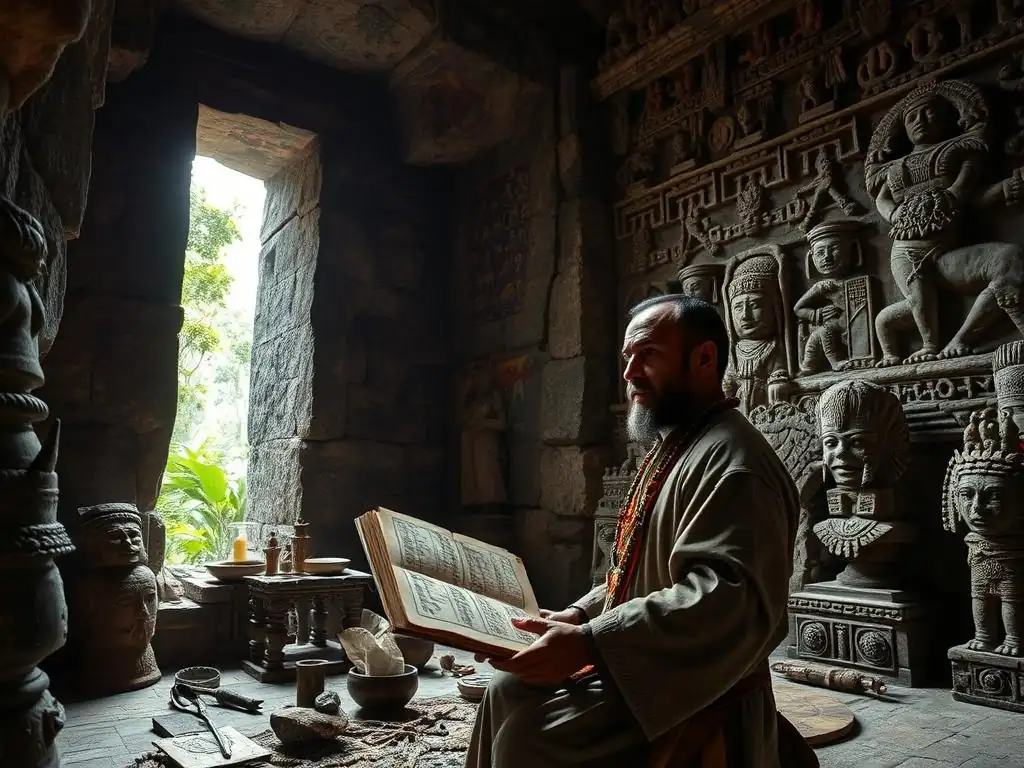
Welcome to Indigenous Civilizations of the Americas, where we invite you to embark on a journey through the rich tapestry of indigenous cultures that flourished long before European colonization. Here, you’ll delve into the profound significance of Mesoamerican sacred texts, exploring how these ancient writings shaped rituals, beliefs, and societies. In our featured article, "Language and Ritual: The Importance of Sacred Texts in Mesoamerican Religions," we unravel the layers of meaning behind these texts and their enduring influence. Prepare to be captivated as you discover the wisdom of the past and its relevance to our world today!
- Introduction to Mesoamerican Sacred Texts Significance
- Historical Context of Mesoamerican Sacred Texts
- Types of Mesoamerican Sacred Texts
- The Function of Language in Mesoamerican Rituals
- The Significance of Sacred Texts in Mesoamerican Religions
- Case Studies: Prominent Mesoamerican Sacred Texts
- The Impact of Colonialism on Mesoamerican Sacred Texts
- Contemporary Relevance of Mesoamerican Sacred Texts
- Conclusion: The Enduring Importance of Mesoamerican Sacred Texts
- Frequently Asked Questions
- Final Reflection: The Enduring Significance of Mesoamerican Sacred Texts
- Unveil the Sacred: Connect with Mesoamerican Wisdom Today!
Introduction to Mesoamerican Sacred Texts Significance
The significance of Mesoamerican sacred texts is a crucial aspect of understanding the rich tapestry of beliefs, rituals, and cultures that flourished in the Americas long before European colonization. These texts not only encapsulate the spiritual and philosophical musings of ancient civilizations but also serve as vital records of their history, societal structures, and interactions with the cosmos.
By exploring the language used in these sacred writings and the rituals they informed, we can gain a deeper appreciation for how these cultures viewed their world and their place within it. This article will delve into the intricate relationship between language and ritual practices in Mesoamerican religions, highlighting the essential role that sacred texts played in shaping spiritual life and cultural identity.
Overview of Mesoamerican Religions
Mesoamerican religions were characterized by a profound connection to the cosmos, nature, and the divine. These belief systems were not monolithic; instead, they encompassed a multitude of cultures and traditions, including the Olmec, Maya, and Aztec civilizations, each contributing unique elements to the overall spiritual landscape.
Key features of Mesoamerican religions include:
- Polytheism: A rich pantheon of gods and goddesses, with deities representing various aspects of life, such as agriculture, war, and the afterlife.
- Ritual Practices: Complex ceremonies, including offerings, sacrifices, and festivals, aimed at appeasing the gods and ensuring cosmic balance.
- Cosmology: A deep understanding of the universe, life cycles, and the interplay between the material and spiritual realms.
These elements were often documented in sacred texts, which served as both a guide for worship and a means of preserving cultural heritage. The significance of these texts cannot be understated, as they provide invaluable insight into the spiritual and social dynamics of Mesoamerican societies.
The Role of Language in Ritual Practices
Language played a pivotal role in the ritual practices of Mesoamerican cultures. Sacred texts were often composed in specific languages, such as Nahuatl or Maya hieroglyphics, which imbued the words with spiritual power and significance. The use of language in rituals served multiple purposes:
- Invocation of Deities: Prayers and chants were recited in specific forms and patterns to call upon divine entities, believed to respond to the precise wording and intonation.
- Transmission of Knowledge: Sacred texts functioned as repositories of knowledge, passing down essential teachings about cosmology, ethics, and social order from one generation to the next.
- Cultural Identity: The language used in rituals helped to reinforce cultural identity, connecting practitioners with their ancestors and their historical roots.
Through these practices, language became a vehicle for expressing spirituality, community, and continuity, highlighting its centrality to Mesoamerican sacred texts significance.
Historical Context of Mesoamerican Sacred Texts
Origins of Mesoamerican Sacred Texts
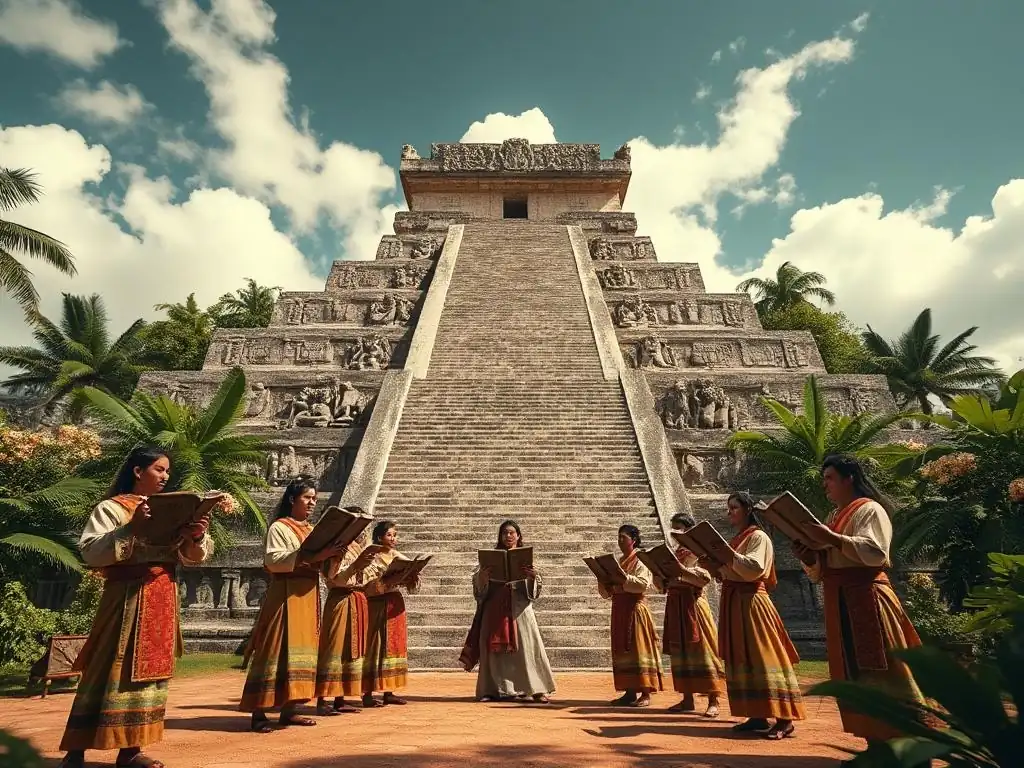
The origins of Mesoamerican sacred texts can be traced back to the early civilizations that inhabited the region, including the Olmecs, Maya, and Aztecs. These cultures developed intricate systems of writing and oral traditions that were deeply intertwined with their religious beliefs and practices.
The most notable early script is the Mesoamerican hieroglyphic writing, which emerged around 600 BCE. This writing system was employed to inscribe religious texts, historical records, and mythological narratives on monuments, pottery, and codices. The Maya civilization, in particular, excelled in this art, producing elaborate codices made of bark paper that contained astronomical, calendrical, and ritualistic information.
The sacred texts served not only as religious documents but also as a means of preserving cultural identity and knowledge across generations.
These texts were often composed in a ritualistic language that held specific meanings and connotations, making them significant in religious ceremonies and everyday life. The combination of spoken word and written language formed a vital conduit for transmitting sacred knowledge and cultural values.
Evolution of Ritual Language and Its Importance
The evolution of ritual language in Mesoamerican sacred texts reflects the dynamic interplay between language, religion, and culture. Initially, sacred texts were primarily oral, with priests and shamans responsible for their transmission. As societies became more complex, the need for written documentation grew, leading to the creation of codices and inscriptions.
Ritual language, characterized by its metaphorical and symbolic nature, played a crucial role in Mesoamerican religions. It served several purposes:
- Facilitating Communication with Deities: Ritual language was believed to invoke the presence of gods, making it essential during ceremonies. Specific phrases and intonations were used to ensure that prayers and offerings were received favorably.
- Preserving Cultural Knowledge: Sacred texts contained myths, legends, and historical accounts that were vital for cultural continuity. They provided insights into the values and beliefs of Mesoamerican societies.
- Establishing Social Hierarchies: Mastery of ritual language often conferred status upon individuals, particularly priests. The ability to interpret and recite sacred texts was a mark of prestige and power within the community.
- Facilitating Community Cohesion: Shared rituals and the recitation of sacred texts fostered a sense of belonging and identity among community members, reinforcing social bonds.
The significance of ritual language can be seen in the way it shaped not only religious practices but also the cultural fabric of Mesoamerican societies.
Key Cultures and Their Sacred Texts
Mesoamerican civilizations produced a wealth of sacred texts, each reflecting their unique beliefs and practices. Here are some key cultures and their notable sacred texts:
- Maya Civilization:
- Popol Vuh: Often referred to as the "Maya Bible," this text recounts the mythology of creation, the adventures of the Hero Twins, and the history of the K'iche' Maya. It is a cornerstone of Maya spirituality and worldview.
- Dresden Codex: One of the few surviving pre-Columbian books, it contains detailed astronomical information, prophecies, and rituals, highlighting the Maya's advanced understanding of time and celestial events.
- Aztec Civilization:
- Codex Mendoza: This document provides insights into Aztec society, including information about tribute, daily life, and rituals. It serves as a crucial historical source that reflects the importance of sacred texts in governance and religious practices.
- Florentine Codex: Compiled by the Franciscan friar Bernardino de Sahagún, this work documents Aztec beliefs, rituals, and the natural world, offering a comprehensive view of the culture just before the arrival of Europeans.
- Mixtec Culture:
- Codex Vindobonensis: This codex narrates the history of the Mixtec people, detailing their lineage, geography, and significant events. It exemplifies how sacred texts served to legitimize political power and cultural identity.
These texts underscore the Mesoamerican sacred texts significance as repositories of knowledge, spirituality, and culture, illuminating the intricate relationship between language and ritual in shaping the lives of indigenous peoples long before European contact.
Types of Mesoamerican Sacred Texts
Mesoamerican cultures produced a rich tapestry of sacred texts that served various functions within their societies. These texts not only recorded their beliefs and practices but also played a crucial role in preserving their history and identity. The types of Mesoamerican sacred texts can broadly be categorized into three primary groups: mythological texts, cosmological texts, and ritual texts. Each type holds significant importance in understanding the religious and cultural fabric of Mesoamerican civilizations.
Mythological Texts and Their Significance
Mythological texts are foundational to Mesoamerican religions, as they encapsulate the narratives surrounding creation, deities, and the human condition. These texts often feature complex stories that explain natural phenomena, societal norms, and the origins of various peoples.
- Creation Myths: Central to many Mesoamerican cultures, creation myths provide insights into how the world and humanity came into existence. For instance, the Popol Vuh, the K'iche' Maya creation narrative, outlines the gods' attempts to create human beings, culminating in the birth of the first humans from maize.
- Deity Narratives: These texts often recount the tales of gods and their interactions with humans. The stories of Quetzalcoatl, the feathered serpent god, and his role in Mesoamerican mythology illustrate the themes of life, death, and rebirth.
- Cultural Identity: Mythological texts serve as a vehicle for cultural identity, reinforcing the values, morals, and traditions of the society. They are not merely stories but a reflection of the worldview of the Mesoamerican peoples.
Cosmological Texts: Understanding the Universe
Cosmological texts in Mesoamerican traditions provide a framework for understanding the universe and humanity's place within it. These texts often include astronomical observations, calendars, and philosophical interpretations of the cosmos.
- Astronomical Records: Mesoamerican civilizations, particularly the Maya, developed advanced astronomical knowledge, which was documented in sacred texts. For example, the Dresden Codex contains detailed astronomical tables and predictions, reflecting the civilization's emphasis on celestial events.
- Calendrical Systems: Cosmological texts often detail complex calendrical systems that dictated agricultural practices, religious ceremonies, and societal events. The Tzolk'in and the Haab' calendars were crucial for synchronizing these activities with cosmic cycles.
- Philosophical Interpretations: These texts also explore the philosophical aspects of existence, addressing questions about the nature of life, death, and the universe's cyclical nature. By understanding these texts, one gains insight into Mesoamerican worldviews and their conceptualization of time and space.
Ritual Texts: Guiding Ceremonies and Practices
Ritual texts are essential for the performance of religious ceremonies and the maintenance of societal order in Mesoamerican cultures. These texts provide specific guidelines for rituals, prayers, and offerings that were integral to religious life.
- Ceremonial Instructions: Ritual texts often outline the procedures for ceremonies, including the roles of priests and participants. For instance, the Codex Borgia contains illustrations and instructions for various rituals, highlighting the importance of ritualistic precision.
- Prayers and Incantations: Many sacred texts include prayers and incantations intended to invoke the favor of deities. These texts were crucial for ensuring successful harvests, health, and protection from calamities.
- Cultural Continuity: Ritual texts play a vital role in the transmission of cultural knowledge and practices across generations. They serve to educate new priests and community leaders, ensuring that the sacred traditions of Mesoamerican religions endure.
Mesoamerican sacred texts hold immense significance across various dimensions of society, providing a window into the beliefs, practices, and cultural identity of these civilizations. Understanding the types of sacred texts—mythological, cosmological, and ritual—enables a deeper appreciation of their contributions to the rich tapestry of human history.
The Function of Language in Mesoamerican Rituals
Language as a Medium for Sacred Communication
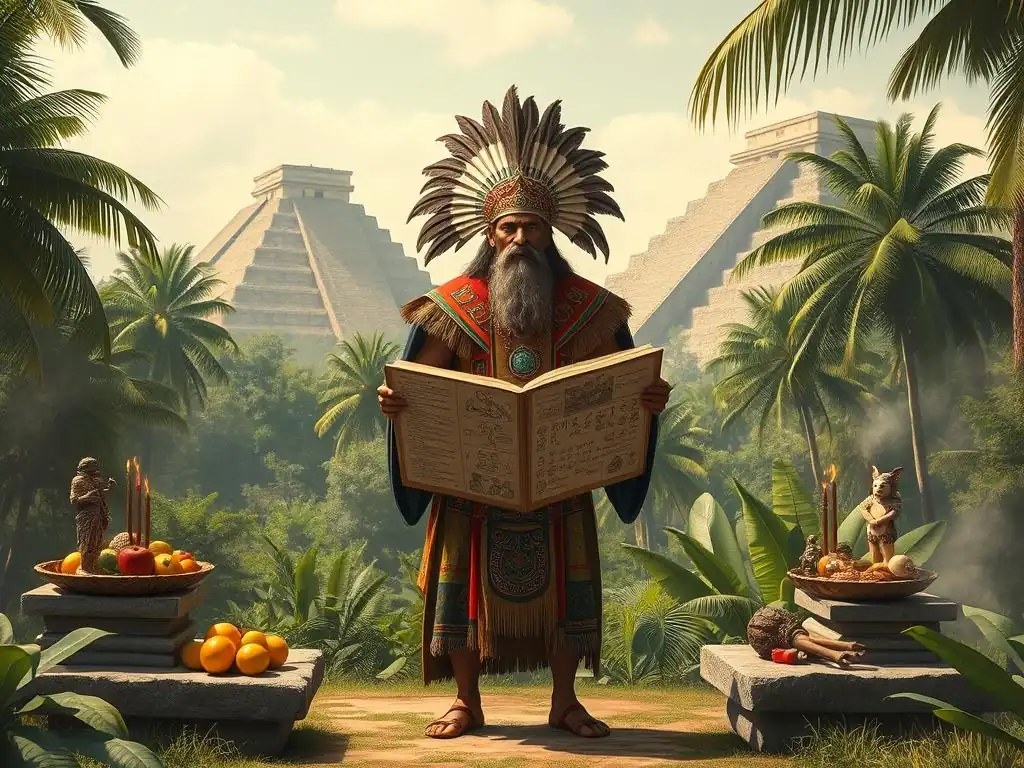
Language in Mesoamerican societies served as a vital conduit for sacred communication, acting as a bridge between the divine and the earthly realm. It was not merely a tool for everyday conversation; rather, it held profound significance in religious and ceremonial contexts. The languages spoken, including Nahuatl, Maya, and Mixtec, were often imbued with spiritual connotations and were utilized in rituals to invoke deities, mark transitions, and convey sacred knowledge.
Key Aspects of Sacred Language:
- Symbolism: The words chosen in rituals were symbolic, often representing complex ideas and cosmic relationships.
- Formulas and Incantations: Specific phrases or incantations were believed to possess inherent power, capable of influencing the spiritual world. For instance, certain Nahuatl invocations were used to call upon the gods for blessings or protection.
- Contextual Importance: The setting in which language was used amplified its significance. Rituals conducted in temples or sacred spaces heightened the spiritual atmosphere, making the language's impact more profound.
The use of language in Mesoamerican rituals highlights its dual role as both a practical means of communication and a sacred instrument for connecting with the divine.
The Power of Ritual Language in Mesoamerican Societies
In Mesoamerican cultures, ritual language was not only a means of expression but also a powerful tool for social cohesion and identity. The language used in religious practices reinforced community bonds and established a shared cultural heritage.
Functions of Ritual Language:
- Cultural Identity: The specific dialects and terms used in rituals reflected the unique identities of various Mesoamerican groups, such as the Aztecs and the Maya. This language distinction fostered a sense of belonging and pride among community members.
- Transmission of Knowledge: Ritual language played a critical role in the transmission of cultural and religious knowledge. Elders and priests often used specific terminologies and teachings passed down through generations, preserving the community's history and beliefs.
- Ritual Performance: The enactment of rituals often involved elaborate language that dictated the sequence of actions, emphasizing the importance of precision in both speech and behavior. This performance aspect reinforced the sacredness of the ritual and its intended outcomes.
The power of ritual language thus transcended mere words; it was a vital element that shaped the spiritual life and cultural fabric of Mesoamerican societies.
Oral Tradition vs. Written Texts: A Comparative Analysis
The interplay between oral tradition and written texts in Mesoamerican sacred texts reveals significant insights into the preservation and transmission of religious beliefs. Both forms of language played distinct yet complementary roles in the religious landscape.
Oral Tradition:
- Dynamic and Adaptive: Oral traditions were inherently flexible, allowing for adaptations and changes over time. This dynamism enabled communities to respond to new circumstances while retaining core beliefs.
- Community Engagement: Storytelling and oral recitation fostered communal participation, creating a shared experience among listeners and storytellers. This aspect emphasized the collective nature of Mesoamerican spirituality.
Written Texts:
- Stability and Preservation: Written texts, such as codices, provided a stable record of sacred knowledge, ensuring that religious practices and beliefs could be documented and preserved across generations. These texts often included intricate illustrations that complemented the written language.
- Access to Knowledge: While oral traditions were accessible to the community at large, written texts typically required specialized knowledge to interpret. This created a dichotomy where certain religious knowledge was reserved for the elite, such as priests and scribes.
| Aspect | Oral Tradition | Written Texts |
|---|---|---|
| Flexibility | Highly adaptive | Stable and fixed |
| Community Role | Engages community participation | Often reserved for elites |
| Preservation | Knowledge evolves over time | Provides historical records |
| Interpretation | Accessible to all | Requires specialized knowledge |
The comparison between oral tradition and written texts underscores the complexity of Mesoamerican sacred texts significance, revealing how both forms of language contributed to the richness of religious life in these ancient cultures.
The Significance of Sacred Texts in Mesoamerican Religions
Connection to Spirituality and Identity
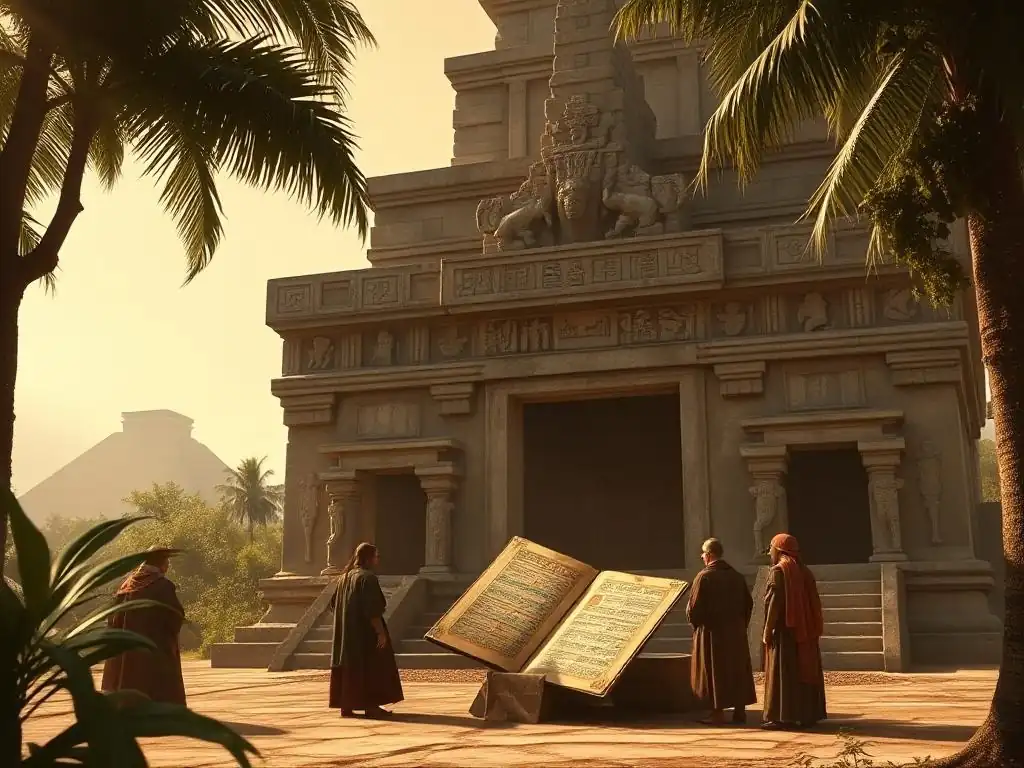
Mesoamerican sacred texts hold profound significance in shaping the spirituality and identity of indigenous cultures. These texts are not merely historical artifacts; they are vibrant expressions of cosmology, religion, and identity that resonate deeply within the communities that produced them. For instance, the Popol Vuh, the K'iche' Maya creation myth, encapsulates the philosophical and spiritual worldview of the Maya, illustrating their understanding of creation, gods, and humanity's place in the universe.
The narratives found within these sacred texts often serve as a foundation for rituals, ceremonies, and community practices. They reinforce cultural values, beliefs, and connections to ancestral heritage. As such, these texts encourage a sense of belonging and continuity among community members, fostering a collective identity that transcends generations.
Furthermore, the language used in these texts is often imbued with sacred meanings, and rituals surrounding their recitation or interpretation can enhance the spiritual experience. For example, the Nahuatl language, employed in many Aztec texts, conveys nuances and concepts that are integral to understanding their spirituality. This connection between language and spirituality underscores the sacred texts' role in affirming and sustaining cultural identities.
Sacred texts in Mesoamerica also function as pivotal tools for social cohesion within indigenous communities. They often delineate social norms, moral values, and communal responsibilities, thus guiding individual behavior in alignment with collective goals. These texts often include codes of conduct for leaders and commoners alike, ensuring that societal structures are upheld and maintained.
For instance, the Chilam Balam texts contain prophecies and laws that were crucial in guiding the social and political organization of the Maya. By providing a shared framework for understanding the world and one's role within it, these texts promote unity and social stability. Community gatherings for the recitation of these sacred texts can serve to reinforce social bonds and collective identity, creating a shared space for reflection and connection.
Moreover, the rituals associated with these texts, such as ceremonies, festivals, and communal readings, foster a sense of belonging and solidarity among participants. Such gatherings often transcend mere ritualistic practices; they become significant social events that strengthen community ties and cultural resilience.
Preservation of Knowledge and Cultural Heritage
The preservation of Mesoamerican sacred texts is critical for safeguarding knowledge and cultural heritage. These texts encapsulate a wealth of information regarding history, mythology, astronomy, agriculture, and medicine, reflecting the advanced understanding and rich traditions of Mesoamerican civilizations. The transmission of this knowledge through generations is vital for maintaining cultural continuity.
Efforts to preserve these sacred texts have been ongoing, particularly in the face of colonial encroachments that sought to erase indigenous cultures. The documentation and translation of these texts into contemporary languages serve as a bridge for younger generations, allowing them to connect with their cultural roots and historical narratives. For example, various academic and grassroots initiatives have focused on transcribing and interpreting texts like the Borgia Codex and the Maya Codices, which contain key insights into Mesoamerican cosmology and rituals.
In contemporary contexts, the revival and reinterpretation of these sacred texts can empower communities to reclaim their narratives and assert their cultural identities. This ongoing dialogue with the past not only honors the ancestors but also inspires future generations to engage with and celebrate their heritage. The significance of Mesoamerican sacred texts, therefore, extends beyond their historical context; they are living documents that continue to shape identities, beliefs, and cultural practices today.
Case Studies: Prominent Mesoamerican Sacred Texts
Mesoamerican sacred texts serve as invaluable windows into the spiritual and cultural landscapes of ancient civilizations. They encapsulate beliefs, rituals, and social structures, providing insights into the values that shaped these societies. Here, we explore three prominent sacred texts that highlight the significance of Mesoamerican religious thought and cultural identity.
The Popol Vuh: A Reflection of Mayan Beliefs
The Popol Vuh, often referred to as the "Mayan Book of Creation," is a foundational text for the K'iche' Maya people of Guatemala. This epic narrative encompasses themes of creation, mythology, and the human experience, offering a profound insight into Mayan cosmology.
- Creation Myths: The Popol Vuh recounts the story of the gods Tepeu and Gucumatz, who create the world and humankind. The text explains the attempts to create humans from mud and wood, ultimately leading to the successful creation of maize-based humans. This reflects the Mayan reverence for maize as a life-giving staple.
- Hero Twins: The narrative of the Hero Twins, Hunahpú and Xbalanqué, highlights the duality of life and death and the struggle against the Lords of Xibalba, the underworld. Their adventures symbolize resilience and the cyclical nature of existence, embodying core values of the Mayan worldview.
- Cultural Legacy: The Popol Vuh not only serves as a religious text but also as a historical document that preserves the language and traditions of the K'iche' Maya. It reflects the significance of oral traditions, which were later transcribed by Spanish missionaries, ensuring the survival of this vital cultural heritage.
The Codex Mendoza: Insights into Aztec Society
The Codex Mendoza is a rich pictorial manuscript created shortly after the Spanish conquest, commissioned by the first viceroy of New Spain. It serves as a crucial historical record of Aztec society, economy, and religion.
- Societal Structure: The Codex Mendoza provides a detailed account of the Aztec social hierarchy, including the roles of the emperor, priests, and commoners. It illustrates the interdependence between various classes and emphasizes the importance of tribute and labor in maintaining the empire.
- Rituals and Offerings: The manuscript contains illustrations depicting religious ceremonies, including human sacrifices, which were integral to Aztec cosmology. These rituals were believed to nourish the gods and ensure the continuation of the universe, showcasing the deep spiritual significance attributed to these practices.
- Cultural Resilience: Despite the disruption caused by colonization, the Codex Mendoza highlights the resilience of Aztec culture. It serves as a testament to the ways in which indigenous peoples adapted to new circumstances while preserving their identity, beliefs, and traditions.
The Chilam Balam: Bridging Past and Present
The Chilam Balam is a collection of texts originating from various towns in the Yucatán Peninsula, attributed to a legendary Maya priest and prophet. This text is a unique fusion of pre-Columbian and colonial Spanish influences.
- Historical Records: The Chilam Balam encompasses prophecies, mythology, history, astrology, and medicine. It provides valuable accounts of the Maya's historical experiences, including the impact of the Spanish conquest and colonial rule.
- Cultural Synthesis: The text illustrates how indigenous knowledge systems integrated European elements while maintaining indigenous traditions. This synthesis reflects the adaptability of Maya culture and the ongoing relevance of their spiritual beliefs.
- Contemporary Relevance: Today, the Chilam Balam is not only a sacred text but also a source of identity for many Maya communities. It underscores the importance of preserving indigenous languages and traditions in the face of globalization and cultural homogenization.
These case studies illuminate the Mesoamerican sacred texts significance, revealing how they serve as crucial repositories of knowledge and cultural identity. Through the lens of these texts, we can better appreciate the depth and complexity of Mesoamerican religions and their enduring impact on contemporary society.
The Impact of Colonialism on Mesoamerican Sacred Texts
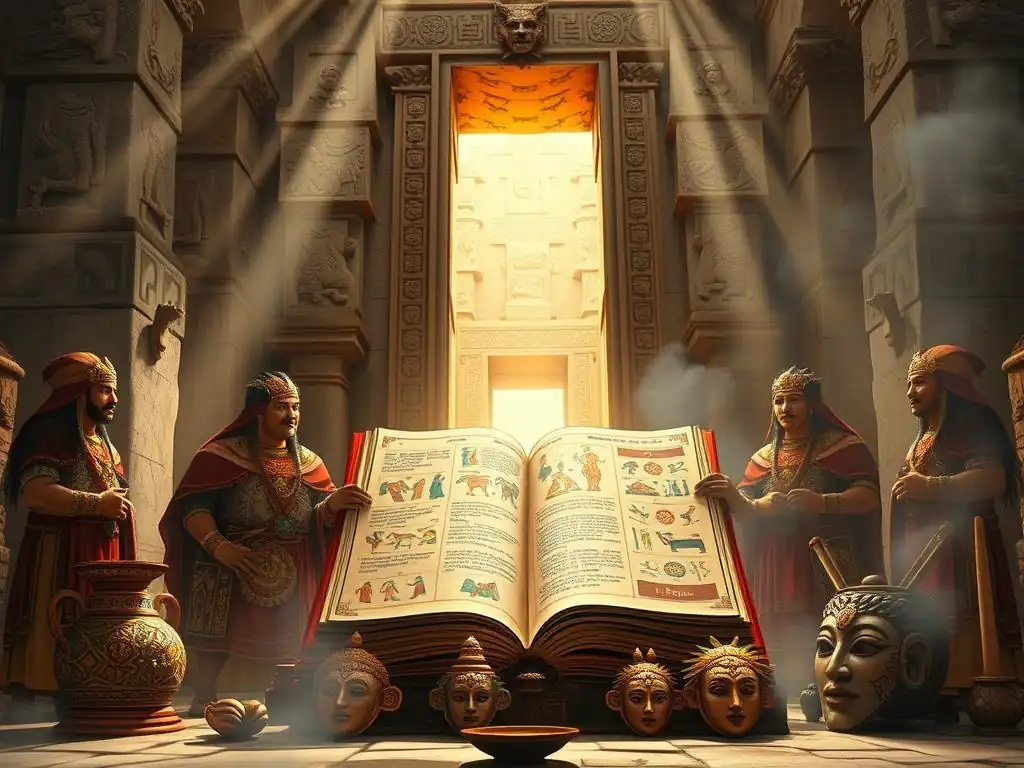
Loss and Preservation of Indigenous Knowledge
The arrival of European colonizers in the 16th century had a profound impact on Mesoamerican sacred texts, leading to both the loss of invaluable indigenous knowledge and the preservation efforts undertaken by local communities. The initial encounters resulted in the destruction of numerous codices, which were integral to understanding the cosmology, history, and rituals of the indigenous peoples. For instance, it is estimated that 85% of pre-Columbian books were lost during the Spanish conquest, as many were burned or deemed heretical by colonial authorities.
The destruction was not merely an attack on physical texts but also represented an assault on cultural identity. Many indigenous peoples relied on these sacred texts to transmit knowledge across generations, encompassing not only religious beliefs but also agricultural practices, medical knowledge, and historical accounts. The loss of such texts significantly hindered the understanding of the complex societies that existed prior to European contact.
Despite these challenges, some indigenous communities managed to preserve their sacred knowledge through oral traditions and by transcribing texts in the colonial period. For example, the Popol Vuh, a K'iche' Maya text, was recorded in the 18th century by a Christianized Maya nobleman. This act of transcription was crucial as it allowed for the preservation of the creation myth and the historical narratives of the Maya civilization, albeit through a lens that was influenced by colonial ideologies.
Key efforts in preservation include:
- Oral Traditions: Indigenous elders became the custodians of knowledge, passing down stories, songs, and rituals that reinforced cultural identity.
- Bilingual Codices: Some texts were written in both native languages and Spanish, allowing the indigenous perspective to coexist with European narratives.
- Cultural Resilience: Communities adapted their practices and beliefs while retaining core elements of their sacred texts, demonstrating a remarkable resilience in the face of colonial oppression.
The Adaptation of Sacred Texts Post-Conquest
Following the conquest, Mesoamerican sacred texts underwent significant adaptations, reflecting the complex interplay between indigenous beliefs and European influences. This period marked a transformation where sacred texts were not only preserved but also reinterpreted to fit within the colonial framework.
One of the most notable adaptations was the incorporation of Christian elements into traditional narratives. Many indigenous authors, who were educated in European religious and literary traditions, began to blend their sacred texts with Christian themes. This syncretism can be seen in texts like the Tonalpohualli, a divinatory calendar used by the Nahua, which was adapted to include Catholic saints and feasts, creating a unique fusion of belief systems.
Additionally, the Spanish colonial administration saw the potential of these texts for evangelization purposes. Missionaries often encouraged the translation of sacred documents into Spanish, allowing for a wider dissemination of religious teachings. This approach, while aimed at converting indigenous populations, also inadvertently helped preserve aspects of indigenous knowledge.
The adaptation process led to:
- Hybrid Texts: Texts that incorporated both indigenous and Christian elements, showcasing the resilience and adaptability of Mesoamerican cultures.
- Educational Institutions: The establishment of schools for indigenous elites where they learned to read and write in Spanish, enabling them to engage with and reinterpret their sacred texts.
- Cultural Identity: The modified texts became vehicles for cultural identity among indigenous peoples, allowing them to navigate their dual existence in a colonial world while maintaining a connection to their ancestral heritage.
The significance of Mesoamerican sacred texts during and after colonialism illustrates a dynamic relationship between loss and adaptation. While many texts were irretrievably lost, those that survived reflect a rich tapestry of cultural resilience and transformation, highlighting the enduring legacy of Mesoamerican civilizations.
Contemporary Relevance of Mesoamerican Sacred Texts
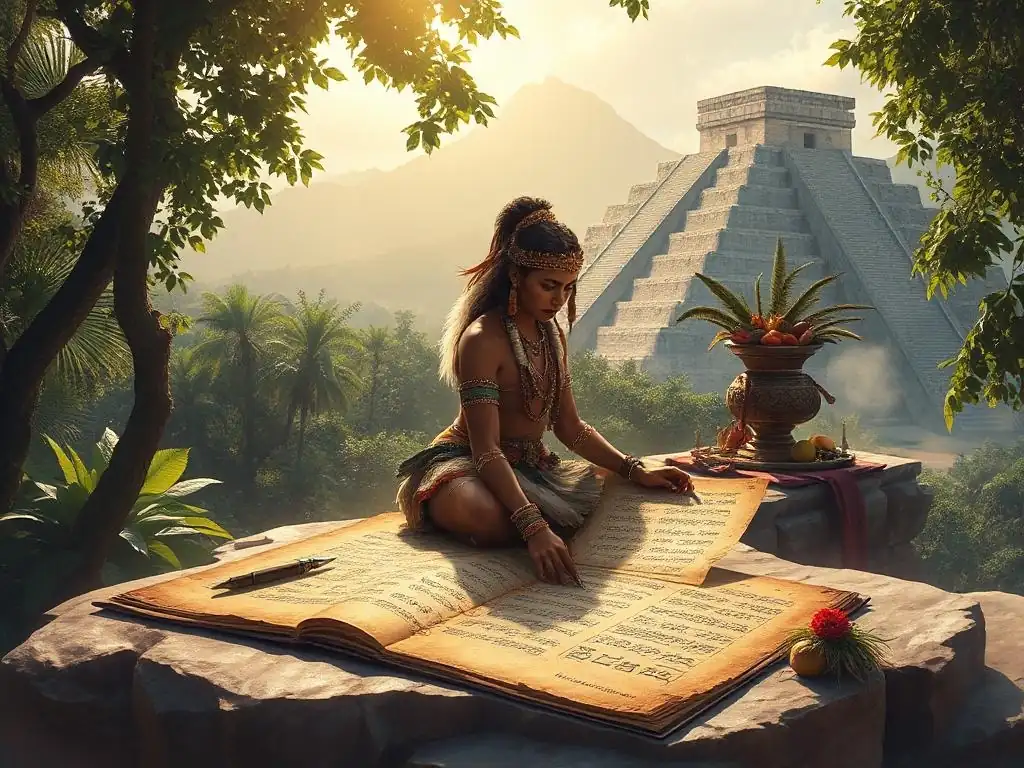
Mesoamerican sacred texts hold significant contemporary relevance, serving as vital links between past and present for many indigenous communities. These texts, which encompass a rich tapestry of myths, rituals, and historical narratives, are not merely relics of a bygone era; they continue to shape cultural identities, promote language revitalization, and inspire modern spiritual practices.
Revitalization of Indigenous Languages and Rituals
The resurgence of interest in Mesoamerican sacred texts has played a critical role in the revitalization of indigenous languages. Many of these texts are written in languages such as Nahuatl, Maya, and Mixtec, which are integral to the cultural heritage and identity of their speakers. Efforts to revive these languages often involve:
- Educational Programs: Community-led initiatives that teach indigenous languages through traditional stories and sacred texts.
- Cultural Workshops: Events where elders share knowledge of rituals and languages, allowing younger generations to connect with their roots.
- Digital Resources: Online platforms that provide access to sacred texts, translations, and language courses, making them more accessible to a global audience.
By engaging with sacred texts, individuals not only learn the languages but also the cultural contexts that accompany them, fostering a deeper understanding of their heritage.
The Role of Sacred Texts in Modern Indigenous Identity
In contemporary society, Mesoamerican sacred texts serve as powerful symbols of indigenous identity and resilience. They are often invoked in various contexts, such as:
- Cultural Ceremonies: Rituals that incorporate sacred texts reaffirm community bonds and cultural pride. These ceremonies can be both traditional and adapted to modern contexts, bridging the past with current practices.
- Artistic Expression: Artists and writers draw inspiration from sacred texts, creating new works that reflect their cultural narratives. This artistic engagement helps preserve these stories and introduces them to new audiences.
- Political Activism: Sacred texts are employed in advocacy and activism, emphasizing the importance of cultural preservation and the rights of indigenous peoples. By referencing these texts, activists can articulate their demands for recognition and respect for their ancestral knowledge.
Mesoamerican sacred texts not only reinforce traditional beliefs but also empower modern indigenous identities, fostering a sense of belonging and continuity in an ever-changing world. As communities continue to navigate the complexities of contemporary life, these texts remain a vital resource, guiding cultural practices, language revitalization, and identity formation.
Conclusion: The Enduring Importance of Mesoamerican Sacred Texts
The significance of Mesoamerican sacred texts cannot be overstated. These texts serve as vital keys to understanding the intricate tapestry of beliefs, rituals, and societal norms that shaped the lives of indigenous cultures across Mesoamerica. They encapsulate the essence of spirituality, history, and identity, providing insights into how these societies navigated their existence in a world rich with meaning and symbolism.
Mesoamerican sacred texts, such as the Popol Vuh of the Maya and the Codex Borgia of the Aztec, reflect not only religious narratives but also the philosophical underpinnings of the cultures that produced them. The preservation of these texts highlights the importance of oral traditions and the written word in transmitting knowledge across generations. They are a testament to the intellectual and artistic achievements of these civilizations, revealing their deep connection to the cosmos, nature, and the divine.
Reflections on Language and Ritual in Indigenous Cultures
Language and ritual play a pivotal role in the context of Mesoamerican sacred texts. The languages in which these texts were written are rich with metaphors and symbolism, reflecting the worldview of the cultures that created them. For instance, the use of metaphor in the Popol Vuh not only conveys spiritual concepts but also serves as a vehicle for cultural identity and continuity.
Rituals, as documented in these texts, were essential for community cohesion and the maintenance of social order. They often involved elaborate ceremonies that integrated language, music, and dance, creating immersive experiences that reinforced communal bonds. The significance of these rituals extends beyond mere tradition; they are integral to understanding the moral and ethical frameworks within which these societies operated.
- Key aspects of language and ritual in Mesoamerican cultures include:
- Symbolism: Language often embodies the cultural symbolism prevalent in Mesoamerican thought.
- Community: Rituals fostered a sense of belonging and communal identity.
- Continuity: The preservation of sacred texts ensures the continuity of cultural practices and beliefs.
Future Directions for Research on Mesoamerican Sacred Texts Significance
The exploration of Mesoamerican sacred texts' significance is an ever-evolving field, with numerous avenues for future research. Scholars are encouraged to delve deeper into the following aspects:
- Interdisciplinary Approaches: Combining anthropology, linguistics, and archaeology can provide a more nuanced understanding of how these texts were used and their impact on society.
- Comparative Analysis: Examining sacred texts from different Mesoamerican cultures can reveal shared themes and divergent beliefs, highlighting the diversity within indigenous traditions.
- Digital Humanities: Utilizing technology to analyze and preserve sacred texts can aid in accessibility and engagement with a broader audience.
- Cultural Revitalization: Researching the contemporary relevance of these texts can support indigenous communities in reclaiming and revitalizing their cultural heritage.
The significance of Mesoamerican sacred texts extends beyond their historical context. They are living documents that continue to inform and inspire indigenous communities and researchers alike, ensuring that the voices of the past resonate in the present and future. The ongoing study of these sacred texts remains crucial for appreciating the complexity and richness of Mesoamerican cultures.
Frequently Asked Questions
What are Mesoamerican sacred texts?
Mesoamerican sacred texts are ancient writings that hold significant religious, historical, and cultural importance for indigenous civilizations, providing insights into their beliefs and practices.
Why are sacred texts important in Mesoamerican religions?
These texts serve as foundational documents that outline mythologies, rituals, and laws, reinforcing the social structure and spiritual beliefs of Mesoamerican societies.
How do sacred texts influence contemporary indigenous cultures?
Many contemporary indigenous groups still reference these texts to maintain a connection with their ancestral traditions and to assert their cultural identity in a modern context.
What role did language play in Mesoamerican sacred texts?
Language was crucial as it shaped the narrative style and ritualistic language used in sacred texts, reflecting the complexity of Mesoamerican thought and spirituality.
Can you provide examples of Mesoamerican sacred texts?
Notable examples include the Popol Vuh of the Maya, which recounts creation myths, and the Codex Mendoza, which documents Aztec history and culture, showcasing their rich literary traditions.
Final Reflection: The Enduring Significance of Mesoamerican Sacred Texts
The exploration of Mesoamerican sacred texts reveals their profound impact on contemporary understanding of culture, spirituality, and identity. As we navigate a world increasingly defined by globalization and cultural exchange, the significance of these ancient texts remains a vital thread in the tapestry of human experience. The wisdom embedded within these sacred writings not only offers insights into the beliefs and practices of Mesoamerican civilizations but also invites us to reflect on our own spiritual journeys and cultural heritage.
Mesoamerican sacred texts have shaped not only historical narratives but also the ongoing dialogue about identity and spirituality in modern society. The rituals and languages captured in these texts continue to resonate, reminding us of the interconnectedness of human experience across time and space. As the renowned anthropologist Miguel León-Portilla once stated, The words of the ancients are not dead; they live on in the hearts and minds of those who seek to understand them.
This enduring legacy highlights the importance of preserving and honoring these texts, as they serve as a bridge connecting past and present.
As we conclude this exploration, I invite you to reflect on the role of sacred texts in your own life. Consider how the teachings and rituals from various cultures, including those of the Mesoamerican civilizations, can enrich your understanding of spirituality and community. Embrace the opportunity to engage with these texts, not just as historical artifacts but as living sources of wisdom that can guide your personal journey. Let us honor the significance of Mesoamerican sacred texts by integrating their lessons into our lives, fostering a deeper appreciation for the diverse tapestry of human belief and experience.
Unveil the Sacred: Connect with Mesoamerican Wisdom Today!
Thank you for diving into the profound realm of Mesoamerican religions and the significance of sacred texts! Your curiosity is a stepping stone to understanding and honoring these ancient traditions. Now is the perfect time to take action and deepen your engagement with this rich heritage.
Here are some steps you can take to continue your journey:
- Explore a local or online library for authentic Mesoamerican sacred texts and delve into their meanings.
- Join a community group or forum focused on Indigenous cultures to share insights and learn from others who share your passion.
- Attend workshops or webinars that highlight traditional rituals and languages, and invite your friends to join you in discovering these practices.
What aspects of Mesoamerican sacred texts resonate most with you, and how do you envision incorporating those teachings into your daily life?