
Festivals and Celebrations: The Cultural Tapestry of Tiahuanaco

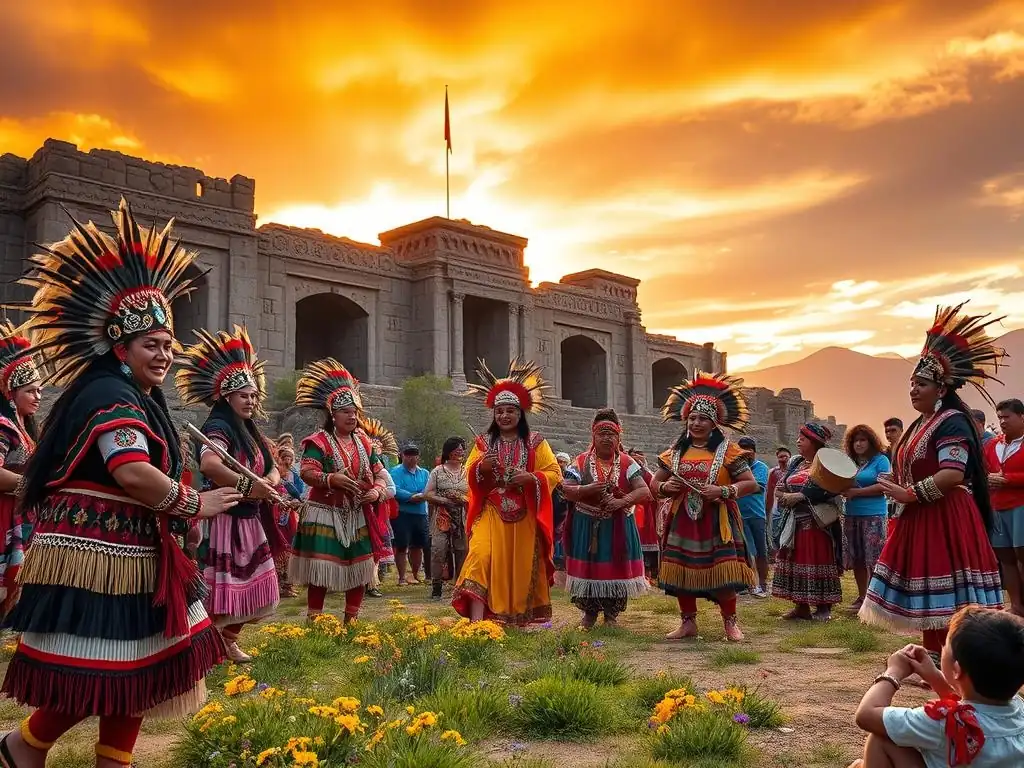
Welcome to Indigenous Civilizations of the Americas, where we invite you to journey through the rich tapestry of cultures that flourished across the continent long before European arrival. In our featured article, we delve into the history of Tiahuanaco indigenous festivals, uncovering the vibrant celebrations that encapsulated the spirit and unity of the Tiahuanaco people.
Prepare to be intrigued as we explore the profound significance of these festivities, revealing how they shaped the social fabric of a civilization that continues to inspire. Join us as we celebrate the legacy of these remarkable cultures and ignite your curiosity to learn more!
The indigenous civilization of Tiahuanaco, located near Lake Titicaca in present-day Bolivia, is renowned for its rich cultural heritage and complex societal structures. This article delves into the vibrant festivals and celebrations that played a crucial role in the daily lives of the Tiahuanaco people.
These events were not merely occasions for leisure; they were integral to their spiritual and communal identities, reflecting the values, beliefs, and traditions of a society that thrived long before European contact. By exploring the history and significance of Tiahuanaco indigenous festivals, we aim to illuminate their lasting impact on modern cultural practices and the broader narrative of indigenous civilizations in the Americas.
Introduction to Tiahuanaco Indigenous Festivals
Overview of Tiahuanaco Culture
Tiahuanaco culture flourished from approximately 400 to 1000 CE, characterized by advanced agricultural techniques, intricate stone architecture, and a deep spiritual connection to their environment. The society was marked by:
- Agriculture: The Tiahuanaco civilization utilized innovative farming methods, such as raised-field agriculture, which allowed them to thrive in the high-altitude region.
- Architecture: Monumental structures, including the famous Akapana pyramid and the Gateway of the Sun, showcase their architectural prowess and religious significance.
- Art: The artistic expressions of the Tiahuanaco people included pottery, textiles, and stone carvings, often depicting deities and mythological themes.
These cultural elements were deeply intertwined with their festivals, which served as platforms for social cohesion, expression of identity, and celebration of life cycles.
Importance of Festivals in Indigenous Societies
Festivals held a multifaceted significance within indigenous societies, including:
- Cultural Preservation: They played a vital role in transmitting cultural knowledge, traditions, and values from one generation to the next.
- Community Bonding: Festivals fostered communal ties and strengthened relationships among community members.
- Spiritual Significance: Many celebrations were linked to agricultural cycles, religious beliefs, and ancestral worship, emphasizing the connection between people and the divine.
The Tiahuanaco festivals epitomized these functions, serving as both a celebration of their achievements and a reaffirmation of their cultural identity.
Historical Context of Tiahuanaco Indigenous Festivals
Origins of Tiahuanaco Festivals
The origins of Tiahuanaco festivals can be traced back to the early agricultural practices of the civilization. As the community developed, various celebrations evolved to mark significant agricultural events, such as planting and harvest seasons. These festivals often included rituals and offerings to the gods, ensuring favorable weather and bountiful crops. Over time, the festivals incorporated elements from neighboring cultures, creating a diverse tapestry of traditions.
Influence of Geography on Festival Practices
The geographical features surrounding Tiahuanaco significantly shaped their festival practices. The high-altitude environment of the Andes influenced:
- Seasonal Variations: Festivals were aligned with seasonal changes, particularly the agricultural cycle, which determined the timing of celebrations.
- Materials and Resources: The availability of local materials, such as textiles from llamas and crops like quinoa and potatoes, played a crucial role in the types of offerings and decorations used during festivals.
These geographical factors not only influenced the logistics of festivals but also enriched their cultural expressions.
Key Historical Events Shaping Festival Traditions
Several key historical events have left a lasting impact on Tiahuanaco festival traditions, including:
- The Rise and Fall of Tiahuanaco: The expansion and eventual decline of the Tiahuanaco civilization influenced the nature and scale of festivals, as resources and population dynamics changed.
- Interactions with Other Cultures: Trade and cultural exchanges with neighboring groups introduced new elements into Tiahuanaco festivals, fostering a dynamic cultural environment.
These events contributed to the evolution of festival traditions, ensuring their relevance and adaptability through time.
Major Tiahuanaco Festivals and Their Significance
The Tiahuanaco civilization, known for its remarkable achievements in architecture and agriculture, also celebrated a rich tapestry of festivals that played a crucial role in their cultural and spiritual life. These festivals were not mere occasions for celebration; they were deeply rooted in the agricultural calendar and the natural cycles of the Andean environment. They served as a means for the community to come together, honor their deities, and reinforce social bonds.
The festivals often revolved around agricultural practices, reflecting the importance of crops like potatoes, quinoa, and maize in Tiahuanaco society. Through rituals and communal activities, the Tiahuanaco people expressed gratitude for the earth's bounty and sought blessings for future harvests. These celebrations fostered a sense of identity and continuity among the Tiahuanaco people, creating a cultural legacy that resonates even today.
The Festival of the Sun (Inti Raymi)
Inti Raymi, or the Festival of the Sun, was one of the most significant celebrations in Tiahuanaco culture. Held during the winter solstice, this festival honored Inti, the Sun god, who was viewed as a vital source of life and fertility. It marked the end of the harvesting season and the beginning of the new agricultural cycle.
During the festival, elaborate rituals were performed that included offerings of food, textiles, and other goods to the Sun. The community gathered at sacred sites, where priests led ceremonies to invoke the Sun's power. Participants dressed in traditional attire, showcasing vibrant colors and intricate designs that symbolized their connection to the earth and the cosmos. The festival's culmination often featured a grand procession, symbolizing the rebirth of the Sun and the promise of future prosperity.
The Harvest Festival (Pachamama Raymi)
Pachamama Raymi, or the Harvest Festival, celebrated the goddess Pachamama, the Earth Mother, who was revered for her nurturing role in agricultural success. This festival was typically held in late summer when the crops were ready for harvest.
During Pachamama Raymi, the Tiahuanaco people expressed gratitude for the land's fertility through various rituals. Offerings of freshly harvested produce and other goods were made to Pachamama, hoping to ensure her continued blessings for the community. The festival included communal feasting, music, and dance, fostering a spirit of togetherness and gratitude among participants.
The significance of this festival extended beyond agriculture; it reinforced the community's relationship with nature and their ancestors, reminding them of the responsibilities they held in preserving the land for future generations.
The Festival of the Dead (Mikhu)
The Festival of the Dead, known as Mikhu, was a poignant occasion that honored deceased ancestors. This festival was essential in Tiahuanaco culture, reflecting the belief in the interconnectedness of life and death.
Mikhu involved rituals that included the preparation of altars adorned with offerings such as food, beverages, and personal items of the deceased. Families would gather to remember and celebrate the lives of their ancestors, sharing stories and passing down traditions. This festival reinforced familial ties and cultural identity, as the Tiahuanaco people believed that honoring their ancestors facilitated guidance and protection from beyond.
The atmosphere during Mikhu was both somber and festive, showcasing a profound respect for the cycle of life. It highlighted the Tiahuanaco worldview, where death was seen as a transition rather than an end, and the spirits of ancestors continued to play an active role in the lives of the living.
The Role of Music and Dance in Tiahuanaco Festivals
Music and dance were integral components of Tiahuanaco festivals, serving as expressions of cultural identity, spirituality, and communal harmony. These art forms helped to create an uplifting atmosphere during celebrations, allowing participants to connect with their heritage and the divine.
Through rhythmic movements and melodic sounds, music and dance conveyed stories of the Tiahuanaco people, their beliefs, and their relationship with nature. Each festival featured unique musical elements and dance styles that reflected the significance of the occasion and the cultural nuances of the community.
Traditional Tiahuanaco Instruments
The musical landscape of Tiahuanaco festivals was enriched by a variety of traditional instruments. Some of the most prominent included:
- Charango: A small stringed instrument similar to a lute, made from wood and often with a tortoise shell back.
- Pan Flutes (Siku): A group of tubes that produce harmonious sounds, symbolizing communal unity.
- Drums (Bombo): Used to create rhythmic beats that energized dancers and marked significant moments during ceremonies.
These instruments were often crafted by local artisans and played a vital role in maintaining the cultural heritage of the Tiahuanaco civilization. The sounds produced not only enhanced the festivities but also connected participants with their ancestors and the spiritual realm.
Dance Styles and Their Cultural Meaning
Dance in Tiahuanaco festivals was not merely entertainment; it was a vital form of expression that conveyed cultural narratives and spiritual beliefs. Each dance style held specific meanings and was often performed in honor of particular deities or in celebration of seasonal cycles.
Common dance styles included:
- The Sun Dance: A vibrant and energetic dance performed during Inti Raymi, symbolizing the rejuvenation of the Sun.
- Harvest Dance: Celebrated during Pachamama Raymi, this dance mirrored the motions of planting and harvesting, embodying gratitude and respect for the earth.
- Ancestral Dance: Performed during Mikhu, this dance honored the spirits of the deceased, allowing the living to connect with their ancestors and seek their blessings.
These dances fostered a sense of community and continuity, as participants engaged with their history and cultural narratives through movement.
The Impact of Music on Festival Atmosphere
Music played a transformative role in shaping the atmosphere of Tiahuanaco festivals. The rhythms and melodies created a sense of excitement and anticipation, drawing people together and encouraging participation.
During celebrations, music facilitated the expression of emotions—joy, reverence, and gratitude—allowing participants to immerse themselves in the communal experience. The lively beats inspired movement, inviting people to dance and celebrate their shared identity.
Moreover, music acted as a bridge between the physical and spiritual realms, enhancing the rituals performed during festivals. It was believed that the sounds could resonate with the deities, bringing blessings and harmony to the community. Overall, the integration of music and dance in Tiahuanaco festivals was essential in fostering a vibrant cultural identity and maintaining the legacy of the civilization.
Symbolism and Art in Tiahuanaco Celebrations
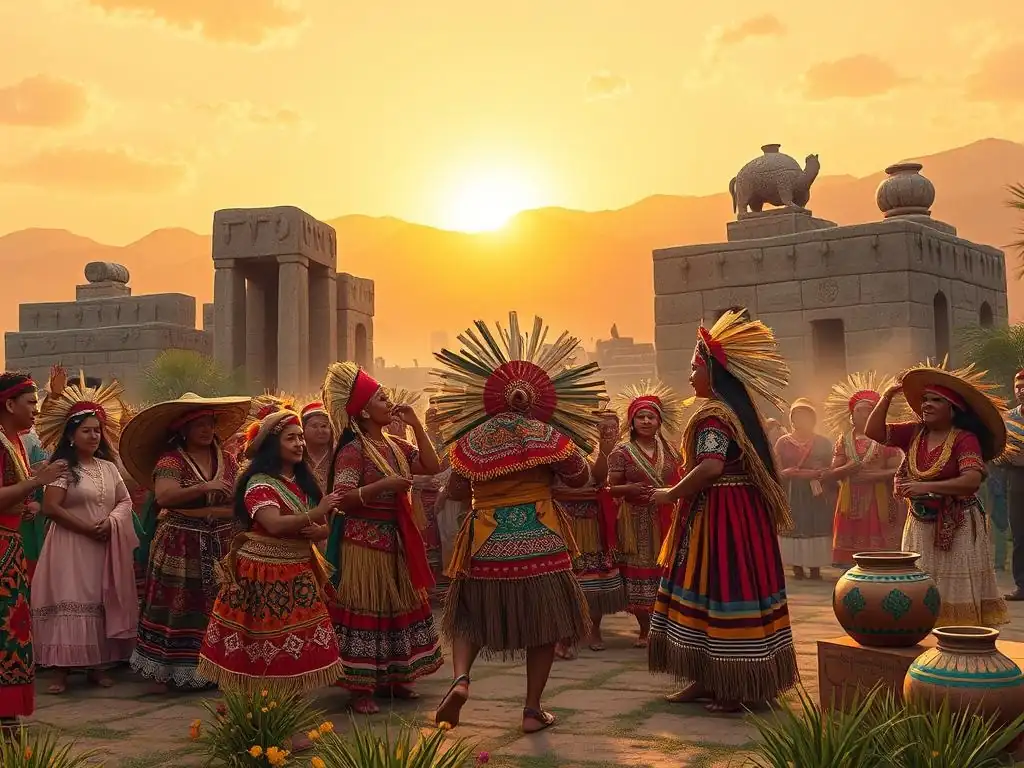
The festivals and celebrations of Tiahuanaco are rich in symbolism and artistic expression, reflecting the deep spiritual and cultural beliefs of the Tiahuanaco people. Central to these celebrations is the connection to nature and the cosmos, with many events occurring during solstices and equinoxes, which held significant meaning in their agricultural calendar. The elaborate decorations and ceremonial objects often feature motifs that symbolize fertility, abundance, and the cyclical nature of life.
Art played a crucial role in the festivals, as it was not merely for aesthetic purposes but served as a medium for storytelling and cultural transmission. Through vibrant textiles, intricate pottery, and monumental stone sculptures, the Tiahuanaco civilization expressed its worldview and maintained its cultural identity. These artistic elements were integral to the celebrations, linking the past with the present and reinforcing communal ties.
Iconography in Festival Decorations
The iconography present in Tiahuanaco festival decorations is deeply rooted in their mythology and cosmology. Common symbols include the sun, which represented life and nourishment; the condor, symbolizing power and spiritual elevation; and agricultural motifs that echoed their reliance on farming. Decorations often featured geometric patterns and designs that conveyed both aesthetic appeal and deeper meanings, signifying elements such as fertility and the connection between the earth and the heavens.
During festivals, these symbols were not only displayed but also brought to life through dance and ritual. Participants donned costumes adorned with these motifs, embodying the deities and ancestral figures that shaped their cultural narratives. This visual language helped to reinforce collective identity and continuity within the community.
The Role of Crafts and Artisans
Artisans played a pivotal role in the preparation and execution of Tiahuanaco festivals. Skilled craftsmen produced a variety of items, including ceremonial clothing, musical instruments, and decorative artifacts, all of which were essential for the celebrations. These artisans were often regarded highly within the community, as their skills were crucial for maintaining cultural practices and ensuring that the festivals were both vibrant and meaningful.
The craftsmanship involved in creating festival items was not only a reflection of individual talent but also a display of communal effort. Families and communities often collaborated to produce elaborate decorations, reinforcing social bonds and shared cultural heritage. The artisans' work thus stands as a testament to the intricate relationships within Tiahuanaco society, highlighting how art and community interwove throughout their celebrations.
Cultural Expressions Through Festival Art
Festival art in Tiahuanaco serves as a powerful medium for cultural expression. Each piece created for the celebrations carries with it the history, beliefs, and values of the Tiahuanaco people. From colorful textiles that tell stories of agricultural abundance to sculptures that honor ancestors and deities, the art produced is a vital component of the festivals.
Performances, such as dances and music, are equally important and are often accompanied by artistic representations on banners and masks. These performances embody the narratives represented in their art, allowing participants and observers to engage with their cultural heritage in a dynamic and immersive way. The integration of various art forms during festivals fosters a deep sense of belonging and continuity, as community members celebrate their shared identity and history.
Modern-Day Celebrations and Their Roots in Tiahuanaco Culture
Modern-day celebrations in the regions influenced by Tiahuanaco culture continue to carry the legacy of ancient traditions. While some aspects may have evolved or integrated new elements, the core values and practices rooted in Tiahuanaco festivals remain significant. These contemporary gatherings often feature traditional music, dance, and art forms that echo the ancient celebrations, showcasing a vibrant cultural tapestry that honors the past.
Continuation of Ancient Traditions
The continuity of ancient traditions is evident in the way modern communities commemorate their heritage through festivals. Many celebrations incorporate rituals and practices that trace back to Tiahuanaco, such as agricultural ceremonies that honor the earth and the sun. These events are often characterized by communal participation, reflecting the collective spirit that was central to Tiahuanaco culture.
In addition to agricultural festivals, there are also celebrations dedicated to honoring ancestors and spiritual beliefs, which reinforce the link between past and present. By actively engaging in these traditions, contemporary communities keep the memory of Tiahuanaco alive, ensuring that future generations remain connected to their cultural roots.
Influence of Tiahuanaco Festivals on Contemporary Indigenous Practices
The influence of Tiahuanaco festivals on contemporary indigenous practices is profound. Many indigenous groups in the Andean region have adopted and adapted elements of Tiahuanaco celebrations, incorporating them into their own cultural expressions. This blending of traditions highlights the resilience and adaptability of indigenous cultures in the face of changing social and historical contexts.
Modern festivals often showcase a fusion of traditional Tiahuanaco elements with contemporary practices, creating a dynamic cultural experience that resonates with both older and younger generations. This influence can be seen in music, dance, and art, as indigenous artists draw inspiration from Tiahuanaco motifs and themes, reinforcing a sense of identity and continuity.
Preservation of Cultural Heritage Through Festivals
Festivals serve as a vital means of preserving cultural heritage among Tiahuanaco descendants and other indigenous groups. By organizing events that celebrate their history, communities not only honor their ancestors but also educate younger generations about their cultural legacy. This educational aspect is crucial for fostering pride and awareness of their heritage.
Furthermore, festivals attract visitors and scholars alike, promoting interest in Tiahuanaco culture and its significance. This external recognition can lead to increased efforts to preserve and protect cultural sites and practices, ensuring that the rich tapestry of Tiahuanaco's indigenous festivals continues to thrive for generations to come.
Conclusion: The Enduring Legacy of Tiahuanaco Indigenous Festivals
The indigenous festivals of Tiahuanaco stand as a testament to the vibrant cultural heritage of the region. Rooted in centuries-old traditions, these celebrations not only reflect the community's historical narratives but also their spiritual beliefs, social structures, and artistic expressions. The festivals of Tiahuanaco, such as Pachamama Raymi and Inti Raymi, have transcended time, continuing to engage descendants and enthusiasts alike in a shared remembrance of their ancestors' ways of life.
These events play a crucial role in the ongoing preservation and revitalization of Tiahuanaco culture, as they foster a sense of belonging and continuity within the community. Today, the influence of these festivals can be observed not only in local celebrations but also in the broader cultural landscape of the Andes, where similar practices are often adopted and adapted by various indigenous groups. The legacy of Tiahuanaco's indigenous festivals serves as a bridge connecting past and present, ensuring that the rich traditions of this ancient civilization remain relevant and celebrated.
Reflection on Cultural Identity
Indigenous festivals in Tiahuanaco offer a profound reflection on cultural identity, acting as a medium through which community members can express their shared values, beliefs, and histories. These celebrations are steeped in symbolism, with rituals and dances that evoke the spirits of ancestors and the natural world. Participants engage in activities that reinforce their connection to the land and to each other, fostering a sense of unity and belonging.
Moreover, these festivals often feature traditional music, art, and culinary practices, which serve as crucial elements for the reinforcement of cultural identity. Through the vibrant displays of costumes and the rhythmic sounds of ancestral instruments, the people of Tiahuanaco convey their unique worldview and the significance of their heritage. The collective participation in these events empowers individuals to reclaim and celebrate their identity, particularly in a modern context where indigenous cultures face challenges of visibility and recognition.
The Importance of Festivals in Understanding Tiahuanaco History
Understanding the history of Tiahuanaco is intricately linked to its festivals, as these events encapsulate the socio-political and spiritual dimensions of the civilization. Festivals provide valuable insights into ancient agricultural practices, such as the worship of Pachamama (Mother Earth) and Inti (the Sun God), which were central to Tiahuanaco's agrarian society. The timing of these celebrations often coincided with critical agricultural cycles, highlighting the community's reliance on and reverence for natural forces.
In addition, studying the festivals allows historians and anthropologists to glean information about social hierarchies, community organization, and the role of ritual in governance. For example, elite members of society often played key roles in leading festivals, indicating their importance in maintaining social order and religious observance. These gatherings were not merely festive; they were essential to the cultural fabric of Tiahuanaco, serving as a means of reinforcing social bonds and cultural continuity.
Through the lens of these festivals, we gain a deeper understanding of Tiahuanaco's legacy, illuminating how the past informs contemporary practices and beliefs. The enduring nature of these celebrations underscores their significance as living traditions that continue to shape the identity and history of the Tiahuanaco people today.
- Introduction to Tiahuanaco Indigenous Festivals
- Historical Context of Tiahuanaco Indigenous Festivals
- Major Tiahuanaco Festivals and Their Significance
- The Role of Music and Dance in Tiahuanaco Festivals
- Symbolism and Art in Tiahuanaco Celebrations
- Modern-Day Celebrations and Their Roots in Tiahuanaco Culture
- Conclusion: The Enduring Legacy of Tiahuanaco Indigenous Festivals
- What are the key features of Tiahuanaco indigenous festivals?
- How do Tiahuanaco festivals reflect their history?
- What is the significance of Tiahuanaco festivals in modern times?
- How do Tiahuanaco festivals contribute to tourism?
- What types of rituals are commonly performed during Tiahuanaco festivals?
Frequently Asked Questions
What are the key features of Tiahuanaco indigenous festivals?
Tiahuanaco indigenous festivals are characterized by rituals, music, and dance that celebrate their rich cultural heritage. These events often reflect their spiritual beliefs and connection to the natural world.
How do Tiahuanaco festivals reflect their history?
The history of Tiahuanaco is deeply embedded in their festivals, showcasing ancient traditions and customs that have been preserved over centuries. These celebrations serve as a reminder of their cultural identity and historical significance.
What is the significance of Tiahuanaco festivals in modern times?
Today, Tiahuanaco indigenous festivals play a crucial role in cultural preservation and community cohesion. They foster a sense of pride and continuity among the Tiahuanaco people, bridging the gap between the past and present.
How do Tiahuanaco festivals contribute to tourism?
Tiahuanaco's vibrant festivals attract tourists, contributing to local economies while promoting awareness of their indigenous culture. This influx supports cultural exchange and fosters appreciation for their heritage.
What types of rituals are commonly performed during Tiahuanaco festivals?
Rituals during Tiahuanaco festivals often include offerings, prayers, and ceremonial dances that honor their ancestors and the earth. These practices are vital for maintaining their spiritual connection and cultural legacy.
Final Reflection: The Enduring Legacy of Tiahuanaco's Indigenous Festivals
The rich tapestry of Tiahuanaco's indigenous festivals is not just a relic of the past; it is a vibrant thread woven into the fabric of contemporary cultural identity. Today, as we navigate a world increasingly disconnected from its roots, the significance of these celebrations serves as a powerful reminder of the resilience and continuity of indigenous traditions. The festivals of Tiahuanaco are more than mere events; they are living expressions of history, spirituality, and community that resonate deeply with our current societal landscape.
The influence of Tiahuanaco's festivals extends far beyond their geographical boundaries, shaping cultural narratives and fostering a sense of belonging among indigenous peoples. These celebrations embody the spirit of unity and heritage, reminding us of the importance of honoring our ancestors and their customs. As the renowned anthropologist Victor Turner once said, "> Rituals are a way of transforming the ordinary into the extraordinary." This transformation is evident in the way these festivals continue to inspire not only those who participate but also those who witness and learn from them, creating a bridge between generations and cultures.
As we reflect on the lessons embedded in the history of Tiahuanaco's indigenous festivals, let us embrace the call to celebrate our own cultural identities and the diverse traditions that enrich our lives. Take a moment to consider how you can honor your heritage or engage with the cultural practices around you. Whether through participation, education, or simply sharing stories, we all have the power to contribute to the vibrant tapestry of our shared human experience. Let us carry forward the legacy of Tiahuanaco, ensuring that the spirit of its festivals continues to illuminate our paths into the future.
Celebrate and Engage with the Richness of Tiahuanaco!
Thank you for diving into the vibrant world of Tiahuanaco’s festivals and celebrations! Your interest helps keep these beautiful traditions alive and thriving. Now, let’s take the next step together and bring this cultural tapestry to life.
Here are ways you can engage:
- Plan a visit to Tiahuanaco and immerse yourself in the local festivities—experience the traditions firsthand!
- Share your favorite festival
- Join online communities or social media groups dedicated to Indigenous cultures to connect, learn, and celebrate with others.
What festival or celebration inspires you to learn more about Indigenous cultures? Your insights can spark a meaningful conversation!