
Stone Monuments of Tiahuanaco: Decoding the Messages of the Ancients

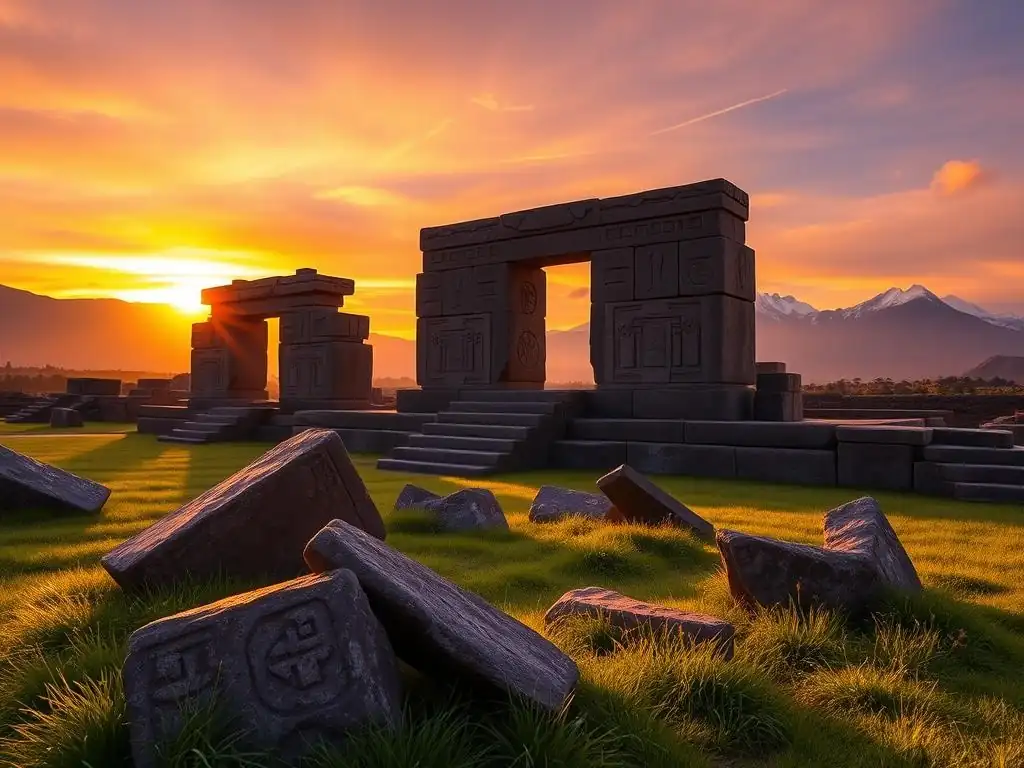
Welcome to Indigenous Civilizations of the Americas, where we invite you to embark on a journey through the rich tapestry of indigenous cultures that flourished long before European colonization. Here, you’ll uncover the remarkable achievements and intricate societies that have shaped the history of the Americas. Dive deep into our featured article, “Stone Monuments of Tiahuanaco: Decoding the Messages of the Ancients,” where we unravel the fascinating history behind the Tiahuanaco stone monuments.
What secrets do these ancient structures hold? Join us as we explore the enduring legacy of the Tiahuanaco culture and ignite your curiosity to learn more about these incredible civilizations!
- Introduction to Tiahuanaco Stone Monuments History
- The Origins of Tiahuanaco Stone Monuments
- Architectural Features of Tiahuanaco Stone Monuments
- Decoding the Messages of the Ancients
- The Cultural Significance of Tiahuanaco Stone Monuments
- Preservation and Study of Tiahuanaco Stone Monuments
- Conclusion: The Legacy of Tiahuanaco Stone Monuments
- Frequently Asked Questions
- Final Reflection: Unveiling the Wisdom of Tiahuanaco's Stone Monuments
- Unveil the Secrets of Tiahuanaco Today!
Introduction to Tiahuanaco Stone Monuments History
The stone monuments of Tiahuanaco serve as a testament to the ingenuity and artistry of the ancient cultures that flourished in the Andes region long before European contact. Located near the shores of Lake Titicaca in modern-day Bolivia, Tiahuanaco was a pivotal center of culture and innovation, where monumental architecture and intricate stonework conveyed profound messages of identity, spirituality, and socio-political organization.
This article delves into the rich tapestry of Tiahuanaco's stone monuments, exploring their historical significance, the culture that produced them, and the messages they communicate about the civilizations that once thrived in this remarkable region. By examining the architectural wonders of Tiahuanaco, we can gain insights into the beliefs, values, and achievements of its ancient inhabitants, underscoring the importance of preserving this heritage for future generations.
Overview of Tiahuanaco Culture
Tiahuanaco culture, which flourished from approximately 400 to 1000 CE, is characterized by its advanced agricultural practices, intricate social structures, and remarkable artistic achievements. This civilization is renowned for its unique architectural styles, including the use of large stone blocks expertly carved and fitted together without mortar, a technique that has intrigued archaeologists and historians alike.
- Key Features of Tiahuanaco Culture:
- Agriculture: The Tiahuanaco people developed sophisticated farming techniques, including raised-field agriculture, which allowed them to cultivate crops in the challenging high-altitude environment.
- Religion: Religion played a central role in Tiahuanaco society, with many monuments serving as ceremonial sites dedicated to their deities and ancestral spirits.
- Social Structure: The society was organized into a complex hierarchy, with a ruling elite that governed trade, agriculture, and religious practices.
The remnants of their civilization, including temples, plazas, and the iconic stone monoliths, provide valuable insights into their way of life and the intricate relationships they had with their environment and each other.
Importance of Stone Monuments in Indigenous Civilizations
The stone monuments of Tiahuanaco are not merely architectural feats; they are also rich in symbolism and meaning. These structures serve several important functions within the context of indigenous civilizations:
- Cultural Identity: The monuments symbolize the identity of the Tiahuanaco people, representing their beliefs, values, and connection to their ancestors. They acted as physical embodiments of their cultural heritage.
- Historical Record: The carvings and inscriptions found on these monuments provide historical narratives that help researchers understand the social, political, and spiritual lives of the Tiahuanaco people.
- Ceremonial Significance: Many stone structures served as venues for rituals and ceremonies, reinforcing community ties and the cultural fabric of Tiahuanaco society.
As we explore the rich history of Tiahuanaco stone monuments, we uncover layers of meaning that reflect the profound wisdom and creativity of the indigenous civilizations of the Americas. These monuments are not just relics of the past; they are enduring symbols of a vibrant culture that continues to resonate today.
The Origins of Tiahuanaco Stone Monuments
Historical Context of Tiahuanaco Civilization
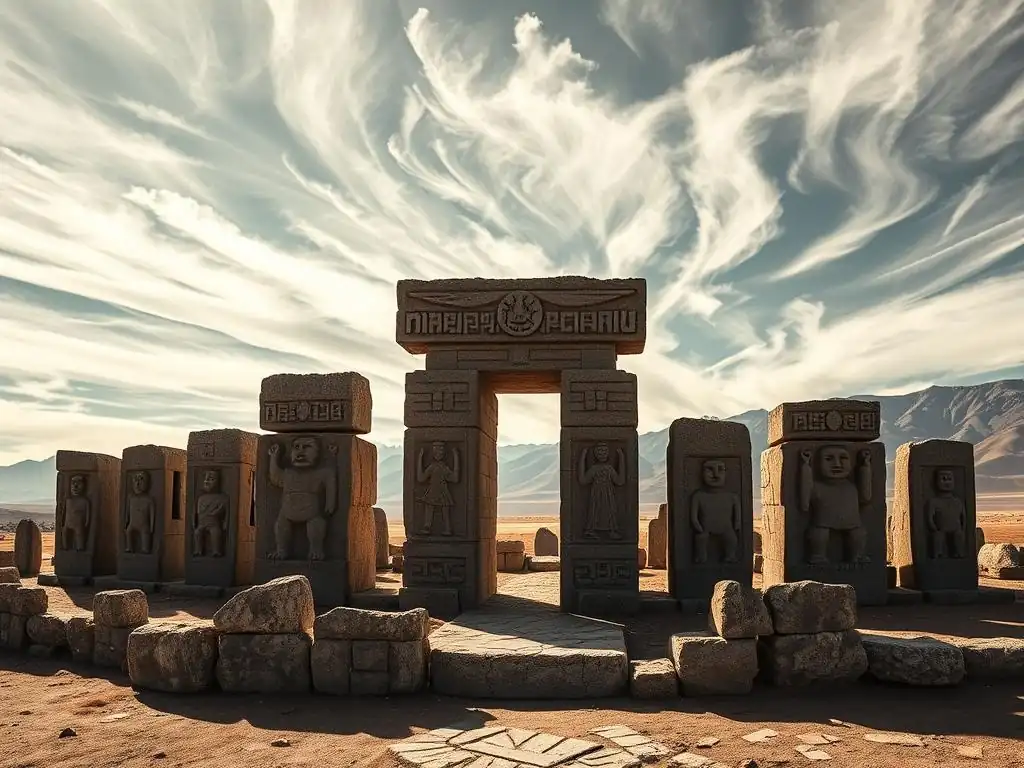
The Tiahuanaco civilization, flourishing between approximately 300 AD and 1000 AD, is one of the most significant pre-Columbian cultures in the Andes region. Located near the southern shore of Lake Titicaca in present-day Bolivia, Tiahuanaco was a cultural and political hub that exerted influence over a vast territory, including parts of modern-day Peru and Chile. The civilization is renowned for its sophisticated urban planning, monumental architecture, and intricate stonework, which reflects a highly organized society.
The stone monuments of Tiahuanaco serve as a testament to the civilization's advanced engineering skills and artistic expression. Among the most notable structures are the Pumapunku and the Kalasasaya Temple, which showcase massive stone blocks intricately cut and precisely fitted together without the use of mortar. These structures were not merely functional; they played a vital role in the spiritual and ritual life of the community.
Evidence suggests that Tiahuanaco was a melting pot of diverse cultures, as artifacts and architectural styles indicate interactions with neighboring societies, such as the Wari and the Aymara. This cultural exchange contributed to the evolution of Tiahuanaco's unique identity, merging various artistic and religious influences into its monumental works.
Dating the Stone Monuments: Techniques and Findings
Determining the age of the Tiahuanaco stone monuments has been a challenging yet fascinating task for archaeologists. Various methods have been employed to date these structures, each providing valuable insights into their construction and use.
- Radiocarbon Dating: This technique has been crucial in establishing a timeline for organic materials found in association with the monuments. For instance, charcoal remnants from ceremonial fires and organic materials from nearby archaeological layers have been dated to provide a broader context of Tiahuanaco's existence. Radiocarbon dating has helped approximate the construction of certain structures to around 300 AD, aligning with the initial phases of the Tiahuanaco civilization.
- Stratigraphy: By analyzing the layers of soil and artifacts surrounding the stone monuments, archaeologists can infer their chronological order. This method involves examining the depth and composition of stratified layers, helping to contextualize the monuments within the broader timeline of the site’s development.
- Typology and Style Analysis: The style of the stone carvings and architectural features provides clues regarding their chronological placement. Scholars have identified distinct periods within Tiahuanaco’s artistic expression, enabling them to date certain monuments based on stylistic evolution and similarities with other known artifacts from different periods.
- Historical Texts and Accounts: While direct written records from the Tiahuanaco civilization are scarce, references in later chronicles and accounts from Spanish conquistadors can provide contextual dates. These historical texts often describe the ruins and their significance, offering a timeline for the decline of the civilization and the subsequent impact on the monuments.
Recent findings suggest that the most significant monuments were constructed during the height of Tiahuanaco's power, around 500 AD to 850 AD. However, ongoing research continues to refine these dates, revealing more about the civilization's complex history and the intricate messages encoded within their stone monuments.
The stone monuments of Tiahuanaco not only reflect the architectural prowess and artistic achievements of the civilization but also serve as enduring symbols of their cultural legacy. Through various dating techniques, researchers strive to decode the history encapsulated in these ancient structures, allowing us to better understand the intricate narratives of the Tiahuanaco people.
Architectural Features of Tiahuanaco Stone Monuments
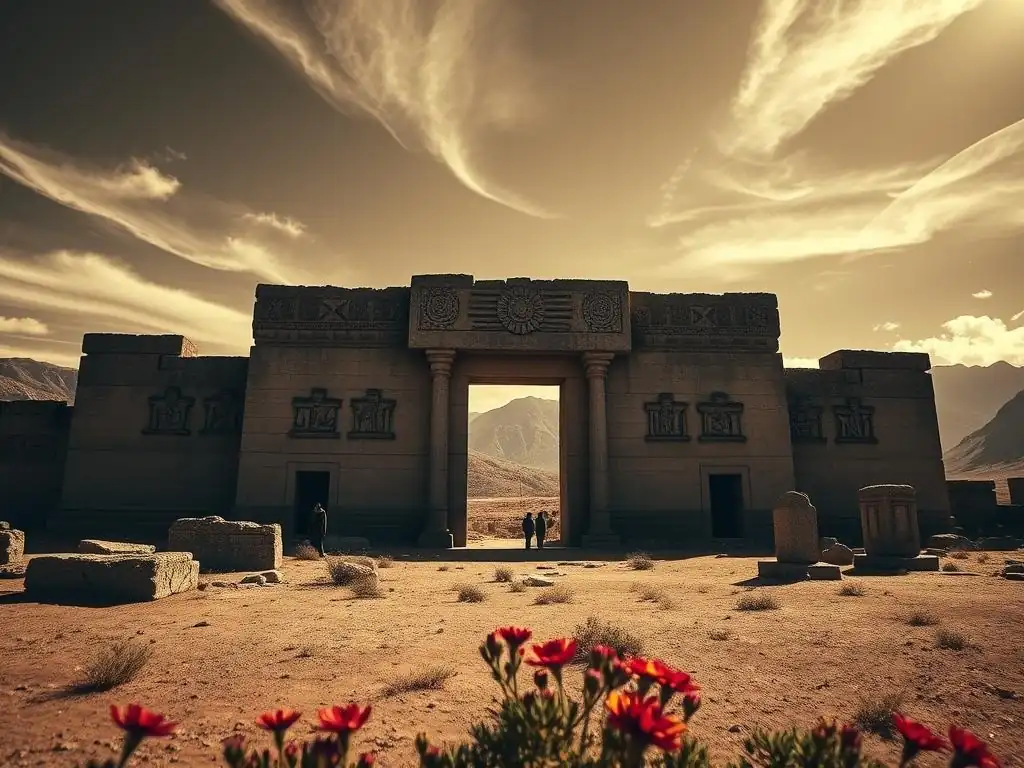
The architectural features of Tiahuanaco stone monuments reflect the ingenuity and sophistication of the ancient civilizations that inhabited the region. Tiahuanaco, located near the shores of Lake Titicaca in present-day Bolivia, showcases a remarkable blend of artistic expression and engineering prowess. The stone structures are characterized by their precise craftsmanship, monumental scale, and symbolic significance, making them a focal point for understanding the cultural landscape of pre-Columbian America.
Materials Used in Stone Monument Construction
The construction of Tiahuanaco stone monuments primarily utilized locally sourced materials, which were selected for their durability and aesthetic appeal. The most common materials included:
- Andesite: A volcanic rock abundant in the region, andesite was favored for its strength and ease of manipulation. The precision-cut stones often feature smooth surfaces and sharp edges, demonstrating advanced quarrying and carving techniques.
- Limestone: Used in some structures, limestone was carved and shaped to blend with andesite elements. Its lighter color provided a contrasting aesthetic, enhancing the visual impact of the monuments.
- Adobe and Clay Bricks: While not as prominent as stone, adobe and clay bricks were used in conjunction with stone for various structures, particularly in domestic and ceremonial contexts.
The careful selection and treatment of these materials not only emphasized the aesthetic qualities of the monuments but also ensured their longevity, allowing many structures to withstand the test of time and environmental conditions.
Distinctive Architectural Styles in Tiahuanaco Monuments
Tiahuanaco stone monuments exhibit distinctive architectural styles that reflect cultural and religious beliefs. Some notable features include:
- Monumental Platforms: Large flattened platforms, often referred to as "pyramids," served as foundations for temples and ceremonial spaces. These platforms were constructed with multiple tiers, showcasing the society's hierarchical structure.
- Intricate Carvings: The monuments are adorned with elaborate carvings that depict a variety of motifs, including anthropomorphic figures, animals, and geometric patterns. These carvings often held symbolic meanings linked to cosmology and spirituality.
- Sunken Courtyards: Many structures featured sunken courtyards, which were likely used for ceremonial purposes. These spaces were often surrounded by raised platforms, creating a dramatic contrast that emphasized the importance of rituals conducted within.
- Symmetrical Layouts: The layout of Tiahuanaco's monuments adheres to principles of symmetry and alignment, suggesting a sophisticated understanding of spatial organization. This geometry may have had astronomical significance, with structures aligning with celestial events.
These architectural styles not only highlight the artistic capabilities of the Tiahuanaco culture but also serve as a testament to their complex social and religious systems.
Notable Examples of Tiahuanaco Stone Monuments
Several stone monuments stand out as exemplary representations of Tiahuanaco's architectural achievements:
- The Kalasasaya Temple: This significant temple features massive stone walls and a central sunken courtyard. The precision of its stonework, including the famous Gateway of the Sun, is a testament to the advanced engineering skills of Tiahuanaco builders.
- Puma Punku: Renowned for its large stone blocks, some weighing over 100 tons, Puma Punku exhibits remarkable precision in stone cutting and assembly. The site is thought to have held religious significance, with its layout reflecting cosmological beliefs.
- Akapana Pyramid: This pyramid structure is characterized by its stepped design and terraced levels. It is believed to have served as a ceremonial center, showcasing the Tiahuanaco's understanding of monumental architecture.
- The Gateway of the Sun: One of the most iconic monuments, this intricately carved stone archway features depictions of the sun god and serves as a crucial symbol of Tiahuanaco's spiritual life. The gateway's alignment with the solstices indicates its astronomical significance.
These notable examples of Tiahuanaco stone monuments not only highlight the architectural skills of the civilization but also offer insights into their cultural, religious, and social complexities.
Decoding the Messages of the Ancients
Symbolism and Iconography in Tiahuanaco Stone Monuments
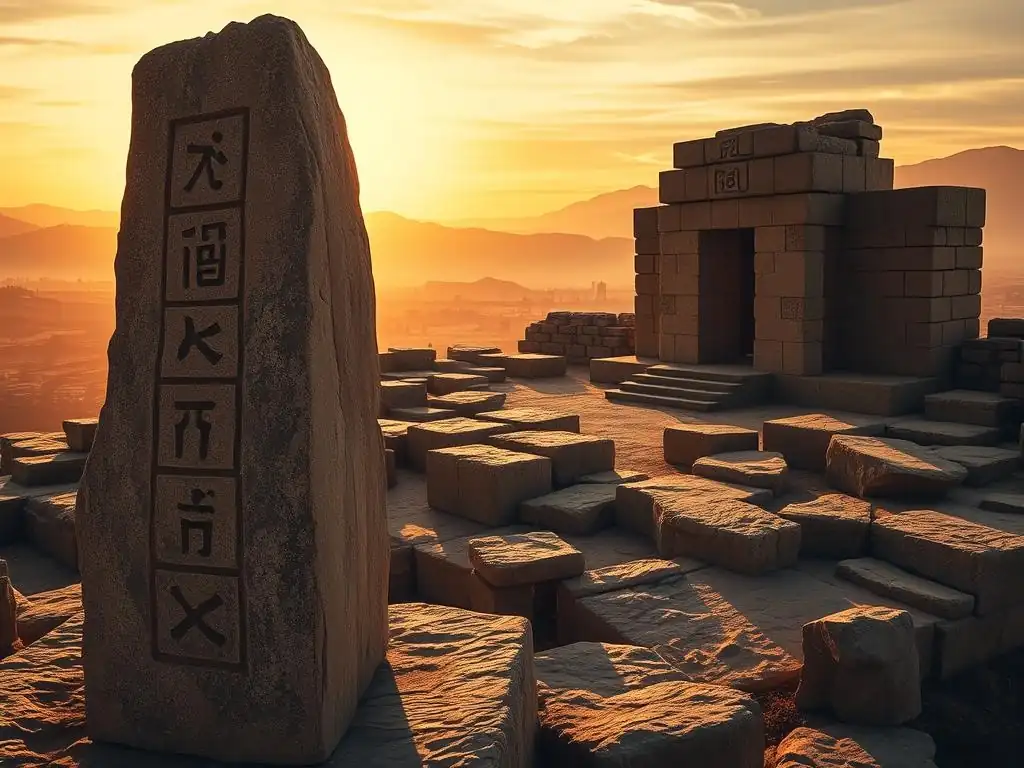
The Tiahuanaco stone monuments are rich with symbolism and iconographic representations that provide deep insights into the cultural and spiritual beliefs of the Tiahuanaco civilization. These monumental structures often feature intricate carvings and designs that convey messages about the society's worldview, cosmology, and connections to the divine.
One of the most notable symbols found in Tiahuanaco is the Andean Cross, or "Chacana," which represents the connection between the earthly realm and the spiritual world. This symbol not only reflects the society's understanding of the universe but also its agricultural practices, as it relates to the cycles of nature and the importance of fertility.
- Key Symbols and Their Meanings:
- Andean Cross (Chacana): Represents duality, the three realms (underworld, earthly, and celestial), and the importance of agriculture.
- Feline Figures: Often associated with power and the underworld, these carvings may represent the shamanistic beliefs prevalent in Tiahuanaco culture.
- Bird Motifs: Symbolic of the connection to the divine and the skies, these figures often signify communication with higher powers.
The use of these symbols is not merely decorative; they serve to encode cultural narratives and beliefs that were central to the identity of the Tiahuanaco people. By analyzing these symbols, researchers can begin to decode the complex social, religious, and political messages embedded within the stone monuments.
The Role of Mythology in Monument Design
Mythology played a crucial role in shaping the design and construction of Tiahuanaco's stone monuments. The narratives and myths of the Tiahuanaco civilization informed the architectural choices and the symbolic elements incorporated into the monuments. Key myths often revolved around creation, agriculture, and the cycles of life, which were deeply intertwined with the natural environment.
For example, the Puma Punku complex features massive stone blocks that align with astronomical events, reflecting the Tiahuanaco's understanding of celestial patterns and their significance in their mythology. This alignment suggests that the monuments were not only places of worship but also sites for astronomical observation, reinforcing the civilization's connection to the cosmos.
- Influential Myths:
- Creation Myths: Stories that explain the origins of the earth and humanity often influenced the placement and design of monuments.
- Agricultural Deities: The representation of fertility gods in the carvings signifies the society’s reliance on agriculture and the reverence for agricultural cycles.
The integration of mythology into the physical landscape of Tiahuanaco allowed the society to manifest its beliefs in tangible forms, creating a sacred space where the divine and earthly realms intersected.
Interpretation of Inscriptions and Carvings
The inscriptions and carvings found on Tiahuanaco stone monuments are vital for understanding the historical context and cultural significance of these structures. Scholars have dedicated significant efforts to deciphering these inscriptions, which often include geometric patterns and stylized representations of deities, animals, and human figures.
- Common Themes in Inscriptions:
- Deity Representations: Carvings of gods and goddesses that played central roles in Tiahuanaco mythology.
- Geometric Patterns: These patterns often symbolize specific concepts, such as fertility and duality, reflecting the civilization's complex worldview.
The challenge of interpreting these inscriptions lies in the fact that the Tiahuanaco script remains undeciphered, making it difficult to ascertain the exact meanings of many symbols and their associated messages. However, some researchers suggest that the inscriptions may have served as a form of record-keeping or storytelling, preserving the history and beliefs of the Tiahuanaco people for future generations.
The Tiahuanaco stone monuments provide a rich tapestry of cultural expression that intertwines symbolism, mythology, and inscriptions. Through careful study and interpretation, we can begin to unlock the messages of the ancients and gain a deeper appreciation for the sophisticated civilization that created these enduring legacies.
The Cultural Significance of Tiahuanaco Stone Monuments
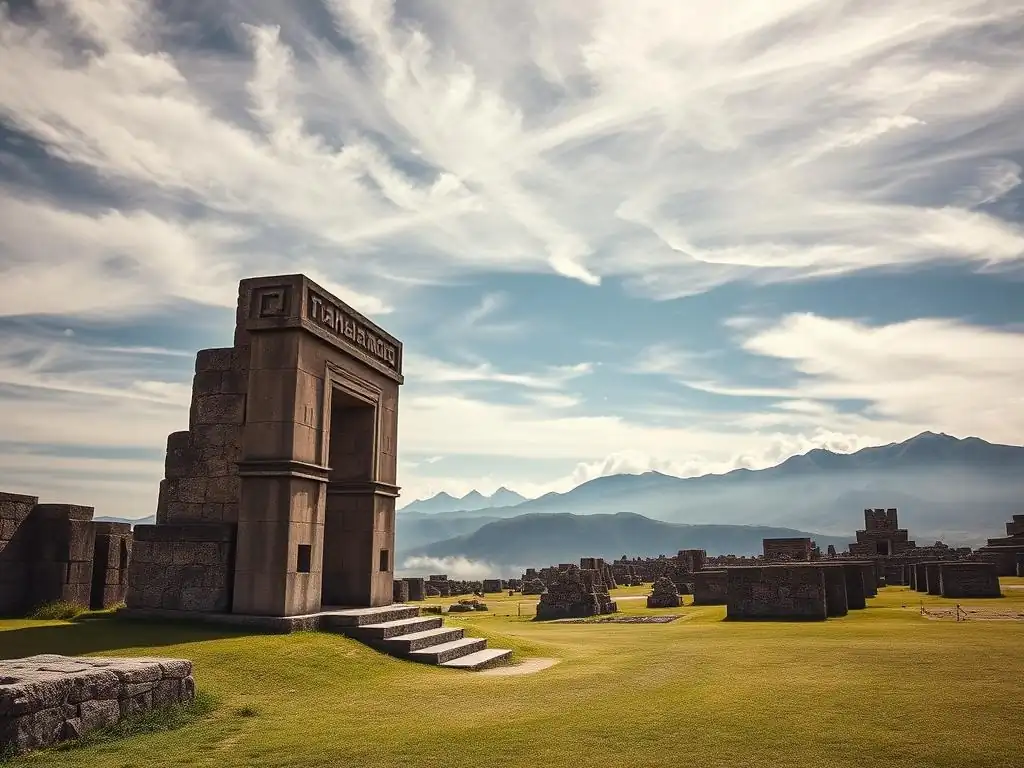
The stone monuments of Tiahuanaco, located near Lake Titicaca in present-day Bolivia, represent a profound cultural legacy of the ancient Tiwanaku civilization. These monumental structures not only served as architectural feats but also played pivotal roles in the spiritual and social life of the community. Through a combination of artistry, engineering, and cultural symbolism, the monuments encapsulate the identity and beliefs of their creators.
Stone Monuments as Centers of Ritual and Worship
The stone monuments at Tiahuanaco were not mere decorative elements; they were vital centers for ritual and worship. The most renowned of these is the Pumapunku, characterized by its precisely cut stones and intricate carvings. Archaeological evidence suggests that these sites were used for various religious ceremonies, including offerings and rites to the deities revered by the inhabitants.
- Ritual Activities: The construction of these monuments aligned with celestial events, indicating that the Tiwanaku people had a deep understanding of astronomy. Many rituals likely coincided with solstices and equinoxes, reflecting a profound connection with the cosmos.
- Iconography: The carvings found on the stones often depict gods, animals, and mythological figures, which served as a means of communication with the divine. The imagery also played a role in reinforcing social hierarchies and cultural narratives within the community.
- Ceremonial Pathways: The layout of the monuments often followed specific pathways that guided worshippers through a ceremonial experience, suggesting a well-thought-out spiritual journey that connected them to their ancestors and gods.
The monumental architecture of Tiahuanaco contributed significantly to the social structure of the Tiwanaku civilization. The spatial organization of these structures reflects a hierarchical society where power and prestige were expressed through monumental construction.
- Symbol of Authority: The sheer scale and complexity of the stone monuments served as a demonstration of the political and religious authority of the Tiwanaku elites. Structures like the Akapana Pyramid were designed to not only impress but also to consolidate power, as they were often linked to the ruling class's legitimacy.
- Community Cohesion: These monuments acted as gathering places for the community, fostering social cohesion. Public ceremonies and festivals around the monuments helped reinforce communal bonds and shared identities among the Tiwanaku people.
- Trade and Interaction: The location of Tiahuanaco as a hub for trade routes further enhanced its importance. The monumental landscape attracted visitors from other cultures, facilitating cultural exchanges that enriched Tiwanaku society.
Influence of Tiahuanaco Monuments on Subsequent Cultures
The legacy of Tiahuanaco's stone monuments extends beyond their own civilization, influencing subsequent cultures in the Andes region. The architectural and cultural practices established by the Tiwanaku served as a foundation for later societies.
- Inca Civilization: The Incas, who emerged centuries later, drew heavily from Tiwanaku architectural styles and religious practices. The use of large stone blocks and the integration of celestial alignments in their own constructions can be traced back to Tiwanaku's innovations.
- Cultural Syncretism: As the Tiwanaku civilization declined, its cultural elements were absorbed by neighboring communities. This syncretism is evident in the blending of Tiwanaku iconography with that of other indigenous groups, enriching the cultural tapestry of the Andes.
- Archaeological Legacy: The study of Tiahuanaco's stone monuments continues to inspire modern archaeological research, providing insights into ancient engineering, cosmology, and social organization. Their enduring presence serves as a reminder of the sophistication and complexity of pre-colonial indigenous civilizations in the Americas.
The Tiahuanaco stone monuments encapsulate a rich cultural narrative, reflecting the spiritual, social, and architectural innovations of the Tiwanaku civilization. Their significance resonates through history, influencing both contemporary understanding of ancient societies and the cultural evolution of subsequent Andean peoples.
Preservation and Study of Tiahuanaco Stone Monuments
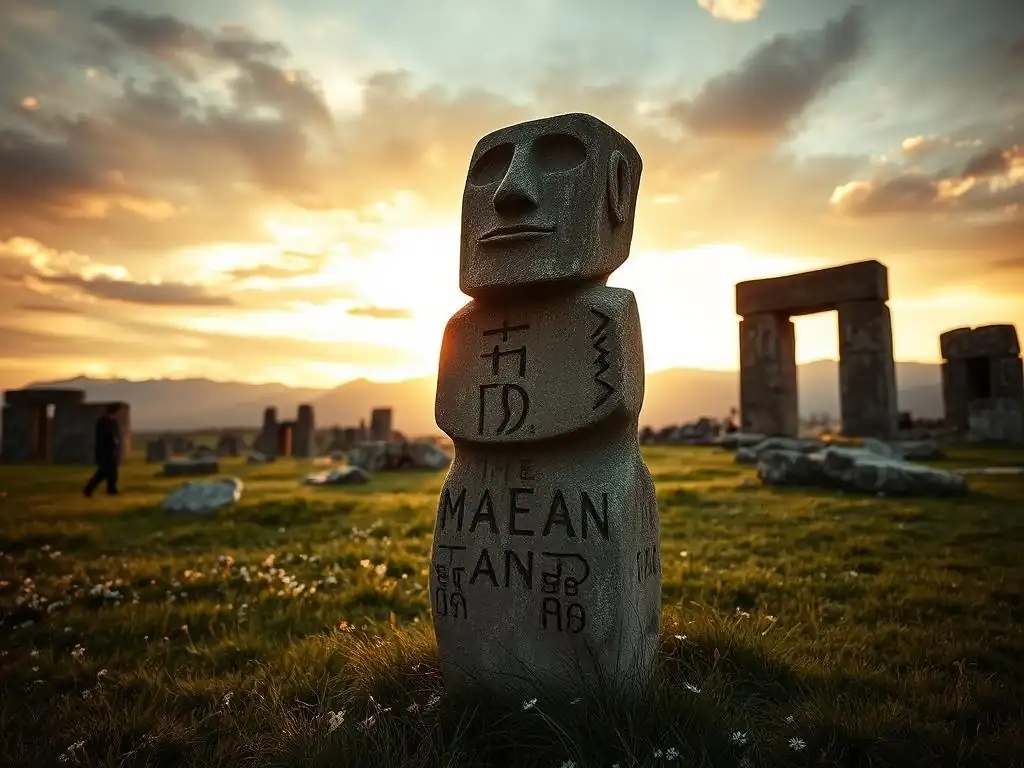
Challenges in Conserving Tiahuanaco Monuments
The preservation of Tiahuanaco stone monuments is a complex endeavor, primarily due to various environmental and human-induced challenges. These ancient structures, which include the famous Gateway of the Sun and the Akapana Pyramid, face significant threats that jeopardize their integrity and historical value.
Environmental Factors
- Erosion: The harsh climate of the Altiplano region, characterized by high winds and rainfall, has led to considerable erosion of the stone surfaces. This natural wear compromises the structural stability of the monuments.
- Earthquakes: The region is seismically active, and historical records indicate that Tiahuanaco has experienced significant earthquakes. These seismic events can cause cracks and displacements in the stonework, necessitating continuous monitoring and maintenance.
- Vegetation Growth: Over time, plants can take root in the crevices of stone structures. While some vegetation may appear harmless, roots can penetrate the stone, causing cracks and further degradation.
Human Factors
- Tourism Pressure: Tiahuanaco is a UNESCO World Heritage Site, attracting thousands of visitors annually. Increased foot traffic can lead to physical wear on the monuments, prompting the need for strict visitor management and protective measures.
- Lack of Funding: Preservation efforts often suffer from insufficient financial support. Many conservation projects rely on government budgets that may not prioritize archaeological sites, leaving monuments vulnerable to neglect.
- Urban Development: Encroaching urbanization poses risks to the surrounding archaeological context. As modern infrastructure expands into historically significant areas, the potential for disruption and damage to the monuments increases.
Modern Archaeological Techniques in Tiahuanaco Research
Advancements in technology have significantly enhanced the study and preservation of Tiahuanaco's stone monuments. Archaeologists now employ a variety of modern techniques to gather data, analyze structures, and facilitate conservation efforts.
Remote Sensing and GIS
- Remote Sensing: This technique utilizes satellite imagery and aerial photography to map the Tiahuanaco site without disturbing the ground. It allows researchers to identify features that may not be visible from the surface, facilitating a more comprehensive view of the landscape.
- Geographic Information Systems (GIS): GIS technology enables the integration and analysis of spatial data. By mapping the distribution of monuments and their archaeological context, researchers can make informed decisions about preservation strategies and site management.
3D Modeling and Digital Reconstruction
- 3D Scanning: High-resolution 3D scanning captures detailed measurements of stone monuments. This data can be used to create accurate digital models, which are invaluable for both research and educational purposes.
- Digital Reconstruction: Using computer software, archaeologists can visualize what Tiahuanaco may have looked like during its peak. Such reconstructions provide insights into the architectural and cultural significance of the site.
Material Analysis
- Stone Analysis: Advanced techniques, such as petrographic analysis, allow researchers to study the composition and origins of the stones used in the monuments. Understanding the materials can reveal insights into the construction methods and trade networks of the Tiahuanaco civilization.
- Conservation Materials: The development of new conservation materials that mimic the original stone properties is crucial for restoration efforts. These materials help ensure that any repairs are both effective and visually compatible with the original structures.
Collaborative Efforts for Preservation and Education
Preservation of Tiahuanaco's stone monuments is not solely the responsibility of archaeologists; it requires collaborative efforts involving local communities, governments, and international organizations. These partnerships are essential for fostering a sustainable approach to conservation and education.
Community Involvement
- Local Engagement: Involving local communities in preservation efforts encourages a sense of ownership and pride in their heritage. Programs that educate residents about the significance of Tiahuanaco can lead to increased advocacy for its protection.
- Traditional Knowledge: Indigenous knowledge systems can offer valuable insights into sustainable practices and the historical significance of the site, enriching modern conservation strategies.
International Collaboration
- Research Partnerships: Collaborative research projects between Bolivian institutions and international universities have led to significant advancements in understanding Tiahuanaco's history. Such partnerships can bring additional resources and expertise to local preservation efforts.
- Funding and Resources: International organizations, such as UNESCO, provide funding and technical assistance for preservation projects. These resources are vital for ensuring the longevity of Tiahuanaco's monuments.
Educational Initiatives
- Visitor Education: Informative signage, guided tours, and workshops can enhance visitors' understanding of the site's significance. By promoting responsible tourism, these initiatives help mitigate the impacts of human activity on the monuments.
- Research Dissemination: Conferences, publications, and online resources that share research findings can raise awareness of Tiahuanaco's cultural heritage and the importance of its preservation globally.
The preservation and study of Tiahuanaco stone monuments require a multifaceted approach that addresses both the challenges faced and the opportunities presented by modern technology and collaborative efforts. Through ongoing research, community involvement, and international support, the rich history of Tiahuanaco can continue to be uncovered and celebrated.
Conclusion: The Legacy of Tiahuanaco Stone Monuments
The stone monuments of Tiahuanaco stand as monumental testaments to the ingenuity and complexity of one of the most influential cultures in pre-Columbian America. These structures not only serve as architectural marvels but also embody the rich tapestry of beliefs, social structures, and technological advancements that characterized Tiahuanaco civilization. The legacy of these monuments transcends their physical presence; they continue to inspire awe and scholarly inquiry, revealing the interconnectedness of ancient societies across the Americas.
Lasting Impact on Indigenous Civilizations of the Americas
The Tiahuanaco stone monuments have had a profound influence on subsequent indigenous cultures throughout the Andes and beyond. Their architectural styles, ceremonial practices, and agricultural innovations were adopted and adapted by various groups, including the Incas, who considered Tiahuanaco a significant cultural predecessor.
- Architectural Influence: The precision and scale of Tiahuanaco's constructions, such as the Akapana pyramid and the Gateway of the Sun, set a standard for monumental architecture that resonated throughout Andean societies. The use of large stone blocks, precise stone cutting techniques, and alignment with astronomical events are hallmarks that can be seen in later Incan structures, illustrating a continuity of architectural knowledge.
- Cultural Exchange: Tiahuanaco served as a hub for trade and cultural exchange, facilitating interactions between various indigenous groups. This exchange enriched regional cultures, leading to the dissemination of agricultural techniques, religious beliefs, and artistic styles. For instance, the agricultural terraces developed at Tiahuanaco influenced farming practices in surrounding regions, promoting sustainability in the harsh Andean environment.
- Spiritual Significance: The stone monuments are imbued with spiritual meaning, serving as sites for rituals and ceremonies that reinforced community identity. Their alignment with celestial bodies highlights the advanced astronomical knowledge of the Tiahuanaco people, which was integral to their agricultural practices and cosmology.
As modern indigenous groups reclaim and celebrate their heritage, the Tiahuanaco stone monuments remain a symbol of resilience and continuity, reminding us of the rich cultural legacies that have shaped the Americas.
Future Directions in Tiahuanaco Studies and Preservation Efforts
The study and preservation of Tiahuanaco's stone monuments are critical for understanding the region's history and the broader context of indigenous civilizations in the Americas. Future research and preservation efforts are essential to ensure that these irreplaceable cultural treasures endure for generations to come.
- Archaeological Research: Ongoing archaeological investigations aim to uncover the lesser-known aspects of Tiahuanaco culture. This includes examining the socio-political structures, trade networks, and daily life of its inhabitants. Advanced technologies such as ground-penetrating radar and 3D modeling are being employed to reveal hidden features of the site and improve our understanding of its layout and functions.
- Cultural Heritage Preservation: Preservation initiatives are increasingly recognizing the importance of community involvement in safeguarding Tiahuanaco's heritage. Collaborations with local indigenous groups can enhance preservation efforts, ensuring that the cultural significance of these monuments is respected and maintained. This includes promoting sustainable tourism practices that educate visitors about the site's history while minimizing environmental impact.
- Interdisciplinary Approaches: Future studies will benefit from interdisciplinary approaches that integrate archaeology, anthropology, history, and environmental science. Such collaboration can provide a more comprehensive understanding of Tiahuanaco's legacy and its relevance to contemporary issues facing indigenous communities today.
- Educational Programs: Developing educational programs that highlight the significance of Tiahuanaco's stone monuments can foster greater appreciation and understanding among both locals and global audiences. Programs that involve storytelling, workshops, and interactive experiences can engage diverse audiences and promote awareness of indigenous cultures.
The Tiahuanaco stone monuments are not merely relics of the past; they are living symbols of indigenous resilience and cultural heritage. As we move forward, it is imperative to honor their legacy through diligent study and thoughtful preservation, ensuring that the voices of the ancients continue to resonate in the modern world.
Frequently Asked Questions
What is Tiahuanaco known for?
Tiahuanaco is renowned for its impressive stone monuments and architectural achievements, showcasing the sophisticated skills of its ancient indigenous civilizations.
How do the stone monuments of Tiahuanaco reflect ancient beliefs?
The stone monuments often depict mythological figures and cosmological symbols, revealing the spiritual and cultural beliefs of the Tiahuanaco people.
What materials were used in the construction of Tiahuanaco's monuments?
The ancient builders primarily used local stone materials, like andesite, which were meticulously shaped and fitted together to create durable structures.
What is the historical significance of Tiahuanaco's stone monuments?
These monuments are vital for understanding the socio-political structure, artistic expression, and technological advancements of the Tiahuanaco civilization prior to European contact.
How can I learn more about the stone monuments at Tiahuanaco?
For a deeper exploration, visit the Indigenous Civilizations of the Americas website, which provides detailed information on the history, cultural significance, and archaeological findings of Tiahuanaco.
Final Reflection: Unveiling the Wisdom of Tiahuanaco's Stone Monuments
The Tiahuanaco stone monuments history is not merely a relic of the past; it serves as a profound reminder of the intricate relationship between humanity and its environment. As we navigate an increasingly complex world, the messages encoded in these ancient structures resonate with contemporary issues of cultural identity, sustainability, and the quest for knowledge. The enduring legacy of Tiahuanaco invites us to reflect on our own narratives and the stories we choose to tell through our creations.
The influence of Tiahuanaco's stone monuments extends far beyond their geographical location; they are a testament to the ingenuity and resilience of a civilization that thrived in harmony with nature. These monumental structures continue to inspire awe and curiosity, prompting us to explore our own cultural heritage and the lessons it holds. As the historian David Hurst Thomas once said, "> The past is not a dead thing; it is a living part of our present." This perspective encourages us to recognize the significance of our history and how it shapes our collective future.
As we conclude our exploration of Tiahuanaco, I invite you to reflect on the messages these ancient stones convey. Consider how the wisdom of the past can guide your actions today. Whether through preserving cultural heritage, fostering community connections, or advocating for environmental stewardship, each of us has a role to play in honoring the legacies of those who came before us. Let the stories of Tiahuanaco inspire you to carve your own path, one that respects the past while embracing the possibilities of the future.
Unveil the Secrets of Tiahuanaco Today!
Thank you for exploring the fascinating world of the stone monuments of Tiahuanaco with us! We hope you found inspiration in the ancient wisdom and messages etched into these remarkable structures. Now, it's time to take that inspiration and turn it into action.
Here are a few ways you can immerse yourself deeper into the legacy of Tiahuanaco:
- Dive into research: Start by visiting your local library or utilizing online resources to uncover more about Tiahuanaco's rich history and its significance in ancient civilizations.
- Visit a museum: Explore exhibits featuring Indigenous cultures to discover artifacts that reflect the craftsmanship and ingenuity of Tiahuanaco.
- Share your insights: Discuss what you've learned with friends or in online communities, sparking engaging dialogues about the importance of preserving our ancient histories.
What insights do you have about the messages embedded within the stone monuments, and how might they resonate with our understanding of humanity today?