
The Role of Rituals in Tiahuanaco Culture: Art as a Spiritual Medium

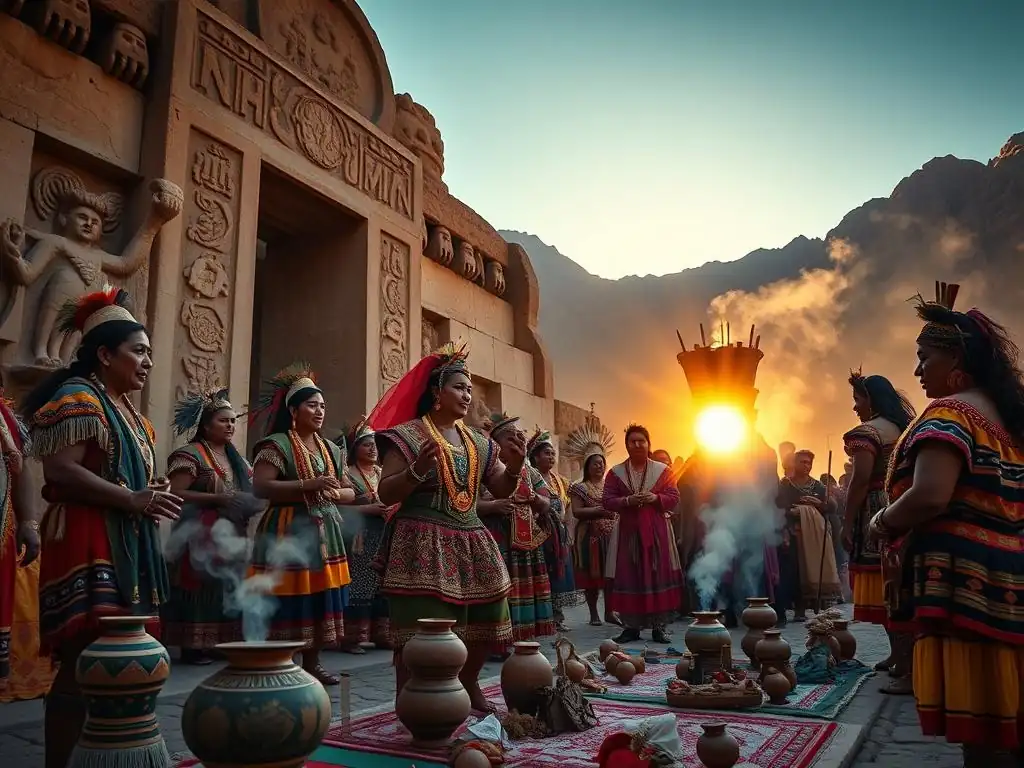
Welcome to Indigenous Civilizations of the Americas, where we invite you to embark on a fascinating journey through the rich tapestry of pre-colonial cultures that once flourished across this vast land. In our featured article, "The Role of Rituals in Tiahuanaco Culture: Art as a Spiritual Medium," we delve into the intricate Tiahuanaco rituals and art, revealing how these practices not only shaped their society but also served as a profound expression of spirituality.
Prepare to uncover the mysteries and legacies of these remarkable civilizations, and discover how their vibrant traditions continue to resonate today. Join us as we explore the depths of their creativity and the significance of their rituals—your adventure begins now!
Understanding the intricate relationship between art and spirituality in the Tiahuanaco culture reveals a profound insight into how rituals shaped their societal norms and collective identity. Nestled in the highlands of present-day Bolivia, Tiahuanaco was a civilization that thrived from around 300 AD to 1000 AD, leaving behind a rich tapestry of artistic and ritualistic practices that continue to captivate scholars and enthusiasts alike. This article delves into the significance of rituals within Tiahuanaco society, highlighting how art served as a spiritual medium and the vital role these practices played in fostering community cohesion and expressing their worldview.
Introduction to Tiahuanaco Culture
Overview of Tiahuanaco Civilization
Tiahuanaco, often referred to as one of the most important pre-Columbian civilizations in South America, is renowned for its monumental architecture, advanced agricultural techniques, and intricate social structures. Situated near the shores of Lake Titicaca, Tiahuanaco's strategic location facilitated trade and cultural exchange, contributing to its development as a thriving urban center.
The civilization is particularly noted for its remarkable stonework, including the iconic Gateway of the Sun, which showcases the advanced engineering skills of its people. The blend of religious, political, and economic factors created a society that was not only resilient but also deeply connected to its spiritual beliefs.
Importance of Art and Rituals in Tiahuanaco
Art and rituals were fundamental to Tiahuanaco culture, serving as conduits for expressing spiritual beliefs and reinforcing social structures. Through various artistic expressions, including pottery, textiles, and monumental sculptures, the Tiahuanaco people communicated their values, cosmology, and connection to the divine. Rituals, in turn, provided a framework for community engagement, allowing individuals to participate in shared experiences that reinforced cultural identity. These practices were not merely ceremonial; they embodied the very essence of Tiahuanaco life, shaping their understanding of existence and their place within the cosmos.
Tiahuanaco Rituals: A Spiritual Framework
Definition of Rituals in Tiahuanaco Society
In Tiahuanaco society, rituals can be defined as structured ceremonies that were deeply embedded in the community's spiritual and social life. These rituals often involved offerings, prayers, and artistic representations that sought to connect the physical world with the spiritual realm. They were pivotal in marking significant events such as agricultural cycles, religious festivals, and rites of passage, reflecting the Tiahuanaco people's reverence for nature and the divine.
The Connection Between Rituals and Spiritual Beliefs
Tiahuanaco rituals were intrinsically linked to their spiritual beliefs, which emphasized a profound respect for the natural world and ancestral spirits. The cosmology of Tiahuanaco revolved around the concept of duality, where the interplay of opposites—such as life and death, earth and sky—was celebrated through ritual practices. Artistic elements, such as symbolic motifs found in pottery and sculpture, often illustrated these beliefs, serving as visual narratives that encapsulated the community's understanding of their environment and the cosmos.
Role of Rituals in Community Cohesion
Rituals played a crucial role in fostering community cohesion within Tiahuanaco society. They provided opportunities for social interaction, reinforcing bonds among individuals and groups. Participation in communal rituals, whether through music, dance, or shared offerings, created a sense of belonging and identity. This collective engagement was essential for maintaining social harmony and ensuring the continuity of cultural traditions, as it allowed the Tiahuanaco people to collectively honor their heritage and express their shared values.
In the following sections, we will further explore specific rituals practiced in Tiahuanaco, the artistic mediums utilized, and the lasting impacts of these spiritual expressions on contemporary understanding of indigenous cultures in the Americas.
Artistic Expressions in Tiahuanaco
The Tiahuanaco culture, flourishing between 300 AD and 1000 AD in present-day Bolivia, is renowned for its rich artistic expressions that reflect the spiritual and societal values of its people. Art was not merely a decorative element in Tiahuanaco society; it served as a vital conduit for spiritual communication and ritualistic practices. The city's monumental architecture, intricate carvings, and symbolic pottery represent a deep connection between the physical and spiritual realms, illustrating how art functioned within the cultural framework of Tiahuanaco.
The artistic expressions of Tiahuanaco are characterized by their sophistication and complexity. They reveal a society that placed great importance on cosmology, mythology, and the natural world. From the grand stone structures of the Akapana pyramid to the detailed stone sculptures at the Gate of the Sun, each artistic piece was imbued with meaning and purpose, reflecting the beliefs and values of the Tiahuanaco people.
Types of Art Found in Tiahuanaco Culture
Tiahuanaco culture produced a diverse range of art forms, including:
- Architecture: The monumental buildings in Tiahuanaco, such as the Temple of the Sun and the Pumapunku complex, showcase advanced engineering techniques and intricate stonework. These structures often featured carved reliefs depicting deities and mythological figures.
- Sculpture: Stone sculptures, particularly those found at ceremonial sites, depicted gods, animals, and humans, often with exaggerated features that conveyed their significance. The famous monolithic statues of Tiahuanaco exemplify their mastery of stone carving.
- Pottery: Tiahuanaco pottery is known for its distinctive shapes and elaborate decorations. Many vessels were decorated with intricate designs, vibrant colors, and symbolic motifs, often used in ceremonial contexts.
- Textiles: Although less preserved, evidence suggests that textiles were also a significant art form, with patterns and colors reflecting social status and cultural identity.
The interplay of these various art forms reveals a society deeply engaged in both practical and ceremonial life, where each piece served a specific role in their intricate social and spiritual fabric.
Symbolism in Tiahuanaco Artworks
Symbolism is a cornerstone of Tiahuanaco art, with many artworks representing cosmological beliefs, agricultural cycles, and social hierarchies. Common symbols include:
- The Andean Cross: A powerful symbol representing the connection between the earthly and spiritual realms, often seen in both sculptural and architectural forms.
- Animal Motifs: Animals such as condors, pumas, and serpents frequently appear in Tiahuanaco art, symbolizing strength, power, and the connection to nature. These creatures held significant roles in the mythology and daily life of the Tiahuanaco people.
- Geometric Patterns: Repeated geometric patterns are prevalent in pottery and textiles, signifying order, the cyclical nature of life, and the universe. These designs often served as a means of invoking protection or favor from the gods.
Understanding the symbolism within Tiahuanaco art enriches our appreciation of their worldview and the importance of art as a medium for conveying complex spiritual messages.
Techniques and Materials Used in Tiahuanaco Art
The artisans of Tiahuanaco employed various techniques and materials, showcasing their advanced skills and resourcefulness. Key techniques included:
- Stone Carving: Utilizing local volcanic tuff and sandstone, stonemasons crafted intricate sculptures and architectural elements. They employed advanced techniques such as precise carving and polishing to achieve fine details.
- Pottery Making: Tiahuanaco potters used coiling and molding techniques to create vessels, often firing them in kilns to achieve durability. The use of slips and paints allowed for vibrant decoration.
- Textile Weaving: Although few textiles remain, evidence suggests that the Tiahuanaco people used cotton and alpaca wool, employing techniques like dyeing and intricate weaving patterns to produce colorful fabrics.
The choice of materials and techniques not only reflects the practical needs of the society but also indicates a spiritual connection to the earth and its resources, further intertwining their art with their rituals and beliefs.
The Interplay of Rituals and Art
The relationship between rituals and art in Tiahuanaco culture is profound and multifaceted. Art served as both an expression and a facilitator of rituals, creating a dynamic interplay that reinforced cultural identity and spiritual beliefs. This synergy can be observed in various aspects of Tiahuanaco life, where artistic creations were integral to their ceremonial practices.
How Tiahuanaco Rituals Influence Artistic Creation
Rituals played a crucial role in shaping the artistic practices of Tiahuanaco society. Many artworks were specifically created for ceremonial purposes, reflecting the needs and beliefs of the community. For example:
- Ceremonial Offerings: Artifacts such as decorated pottery and figurines were often used in rituals as offerings to deities. The artistic style and motifs of these items were directly influenced by the rituals they were intended to accompany.
- Ritualistic Architecture: Structures like the Temple of the Sun were designed with specific rituals in mind, incorporating artistic elements that reflected the ceremonial activities conducted within their walls.
- Festivals and Celebrations: The creation of art often coincided with important festivals, where community members would engage in collective artistic endeavors, reinforcing social bonds and cultural continuity.
This interdependence between rituals and artistic creation underscores the significance of art in Tiahuanaco culture as a means of expressing and reinforcing their spiritual beliefs.
Art as a Medium for Ritualistic Expression
Art in Tiahuanaco culture transcended mere aesthetics; it served as a powerful medium for ritualistic expression. The art forms were imbued with spiritual significance, allowing individuals and communities to connect with the divine. Key aspects include:
- Symbolic Representations: The use of symbols in art provided a visual language for rituals, helping participants understand and engage with the spiritual narratives being enacted.
- Performance Art: Many rituals involved elements of performance, where art was integral to the experience. This included the use of masks, costumes, and decorated objects that enhanced the visual spectacle of the ceremonies.
- Meditative Art: Certain artworks were designed to assist in meditation and reflection during rituals, helping individuals focus their intentions and connect with the spiritual world.
Through these artistic expressions, Tiahuanaco people were able to articulate their beliefs, commemorate their ancestors, and maintain a strong sense of community through shared rituals.
Case Studies of Specific Artifacts Used in Rituals
Examining specific artifacts highlights the intersection of art and ritual in Tiahuanaco culture. Notable examples include:
- The Gateway of the Sun: This monumental structure, adorned with intricate carvings, served as a ceremonial entryway, symbolizing the connection between the earthly and celestial realms. Its design reflects the importance of the sun in Tiahuanaco cosmology.
- Ceremonial Pottery: Vessels used in rituals were often decorated with intricate designs that told stories or represented deities. These pots were not only functional but also served as sacred objects during offerings.
- Monolithic Statues: Carved figures found throughout Tiahuanaco often depicted important deities or ancestors, serving as focal points during rituals. These statues were believed to house spiritual energy, enhancing the efficacy of the ceremonies.
These artifacts illustrate the profound relationship between art and ritual in Tiahuanaco culture, showcasing how artistic creation was not only a form of expression but also a vital component of their spiritual practices.
The Impact of Tiahuanaco Rituals and Art on Later Cultures
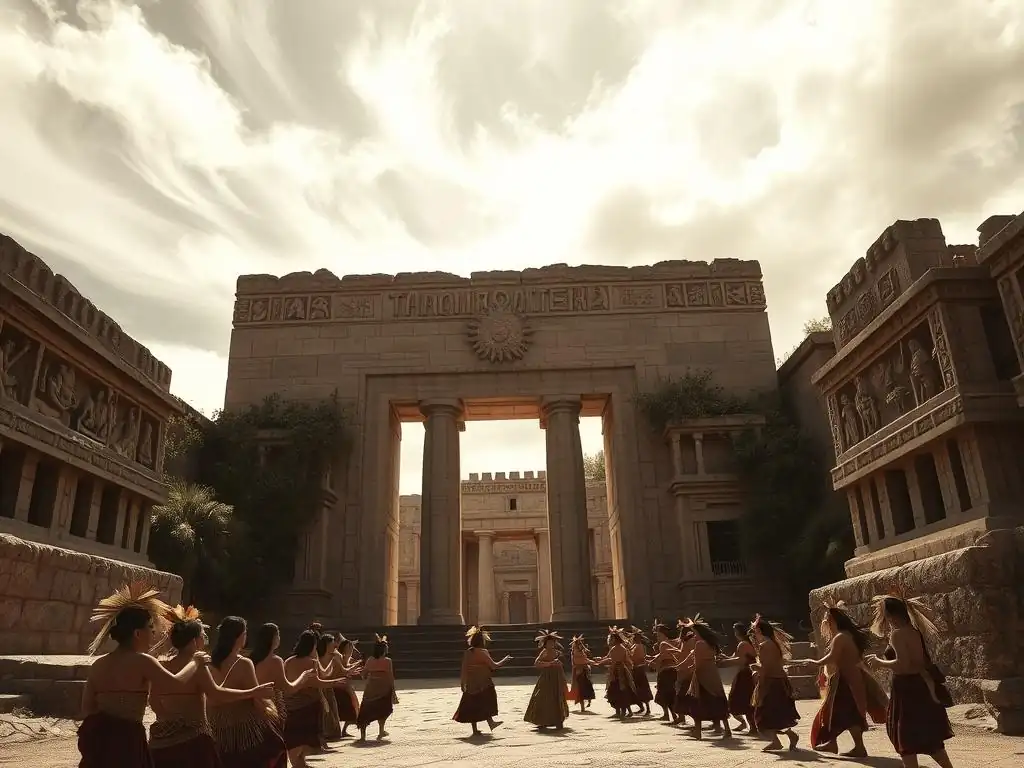
The Tiahuanaco culture, which flourished around Lake Titicaca in present-day Bolivia from approximately 300 to 1000 CE, had a profound impact on the spiritual and artistic traditions of neighboring societies. The rituals practiced by the Tiahuanaco people were deeply intertwined with their art, serving not only as expressions of devotion and spirituality but also as vital components of their social and political systems. These practices laid the groundwork for subsequent cultures in the Andes and beyond, influencing their religious beliefs, artistic styles, and community structures.
Influence on Neighboring Indigenous Societies
The artistic and ritualistic practices of the Tiahuanaco culture extended their influence to various neighboring indigenous societies, such as the Aymara and Inca. Elements of Tiahuanaco art, including the use of stone carvings, monumental architecture, and intricate textiles, were adopted and adapted by these cultures. The iconic stone structures, such as the Gateway of the Sun and the Pumapunku temple complex, served as architectural inspirations, showcasing the Tiahuanaco's advanced engineering techniques and their sacred significance.
Additionally, the cosmological themes present in Tiahuanaco rituals, such as agricultural ceremonies tied to the cycles of the sun and moon, were absorbed into the spiritual practices of later civilizations. The Inca, in particular, revered Tiahuanaco as a cultural predecessor, with many of their own rituals echoing the spiritual significance and artistic styles that originated in Tiahuanaco society. This continuity of cultural practices illustrates the enduring legacy of Tiahuanaco rituals and art across generations.
Legacy of Tiahuanaco Spiritual Practices and Artistic Traditions
The spiritual practices and artistic traditions of the Tiahuanaco culture established a framework for understanding the relationship between humans and the cosmos. Their rituals, often centered around agricultural cycles, ancestor veneration, and communal gatherings, fostered a sense of identity and continuity within their society. This legacy is evident in the way these practices evolved and persisted in the Andean region, influencing various cultural groups long after the decline of Tiahuanaco.
The Tiahuanaco artisans' mastery in pottery, metalwork, and textile creation set high standards that continued to resonate throughout Andean art. Their symbolic representations often conveyed complex cosmological ideas, which were later interpreted and incorporated into the artistic expressions of subsequent cultures. The intricate patterns and motifs found in Tiahuanaco artifacts can still be seen in modern indigenous craftwork, signifying a deep-rooted connection to ancestral traditions and spiritual beliefs.
Conclusion
Summary of the Role of Rituals and Art in Tiahuanaco Culture
Rituals and art played a central role in Tiahuanaco culture, acting as powerful mediums for spiritual expression and community cohesion. The integration of artistic endeavors into their religious practices created a rich tapestry of meaning that resonated through their daily lives and societal structures. As we explore the significance of these elements, it becomes evident that they were not merely decorative but fundamental to the identity and survival of the Tiahuanaco people.
Final Thoughts on the Spiritual Significance of Tiahuanaco Rituals and Art
The spiritual significance of Tiahuanaco rituals and art continues to captivate scholars and enthusiasts alike, offering insights into the complex interplay between belief systems and artistic expression. As we reflect on the enduring influence of Tiahuanaco culture, we recognize its vital contribution to the broader narrative of indigenous civilizations in the Americas. The rituals and artistic traditions of Tiahuanaco not only enriched their own society but also shaped the spiritual landscapes of future generations, leaving an indelible mark on the cultural heritage of the Andean region.
Further Reading and Resources
For those interested in delving deeper into the fascinating interplay between rituals and art in Tiahuanaco culture, several resources provide insight and a broader understanding of this ancient civilization. Here are some recommended books and articles that illuminate the spiritual significance of Tiahuanaco's artistic expressions.
Suggested Books on Tiahuanaco Culture
-
"Tiahuanaco: The Cradle of American Culture" by Arthur Posnansky
This seminal work presents an extensive examination of the Tiahuanaco civilization, detailing its architecture, rituals, and the symbolic meanings behind its artistic creations. Posnansky's research offers a foundation for understanding the cultural context of Tiahuanaco rituals.
-
"The Art of Tiahuanaco" by John H. Rowe
Rowe's book focuses on the artistic achievements of Tiahuanaco, analyzing various artifacts and their roles in ritual practices. This resource is particularly useful for understanding how art functioned as a medium for spiritual expression.
-
"Ritual and Power in Stone: The Architecture of the Inca and Tiahuanaco" by Susan E. Bergh
This work explores the relationship between architecture and rituals in both Tiahuanaco and Inca cultures. Bergh discusses how monumental structures were integral to ceremonial life, providing insights into the spiritual landscape of the Tiahuanaco civilization.
-
"Tiahuanaco: The Archaeological Legacy" by Peter Eeckhout
Eeckhout presents a comprehensive overview of archaeological findings at Tiahuanaco, emphasizing the importance of rituals and art in understanding the society's complexities. This book is a critical resource for anyone researching Tiahuanaco's cultural heritage.
Recommended Articles on Indigenous Art and Rituals
-
"The Spirituality of Art: Rituals in Pre-Columbian Cultures"
This article examines the role of art in various indigenous cultures, including Tiahuanaco, highlighting how artistic expressions served as conduits for spiritual beliefs and practices. It provides context for understanding the broader implications of Tiahuanaco's rituals in the Americas.
-
"Rituals as a Reflection of Social Structure in Tiahuanaco Society"
This scholarly article analyzes how the structure of Tiahuanaco society influenced its rituals and artistic expressions. It connects the dots between social hierarchy and the significance of ritual practices, revealing how art became a tool for reinforcing social norms.
-
"Artistic Expressions of the Sacred: Tiahuanaco and Beyond"
This piece explores the sacred dimensions of art in Tiahuanaco culture, discussing how various forms of artistic expression were intertwined with spiritual beliefs and rituals. The article broadens the understanding of how Tiahuanaco's artistic legacy persists in contemporary indigenous practices.
These resources will enhance your understanding of Tiahuanaco rituals and art, providing a well-rounded perspective on the spiritual significance of this ancient civilization's cultural heritage.
- Introduction to Tiahuanaco Culture
- Tiahuanaco Rituals: A Spiritual Framework
- Artistic Expressions in Tiahuanaco
- The Interplay of Rituals and Art
- The Impact of Tiahuanaco Rituals and Art on Later Cultures
- Conclusion
- Further Reading and Resources
- What were the key rituals in Tiahuanaco culture?
- How did art function as a spiritual medium in Tiahuanaco?
- What are some significant examples of Tiahuanaco art?
- How did Tiahuanaco rituals influence their societal structure?
- What lasting impact did Tiahuanaco's rituals and art have on later cultures?
Frequently Asked Questions
What were the key rituals in Tiahuanaco culture?
Tiahuanaco culture featured elaborate rituals that often involved ceremonial offerings and sacred ceremonies to honor deities, reflecting their deep spiritual beliefs.
How did art function as a spiritual medium in Tiahuanaco?
In Tiahuanaco, art was not just for decoration; it served as a means of communication with the divine, often depicting mythological themes and used in ritual contexts.
What are some significant examples of Tiahuanaco art?
Significant examples include monumental stone sculptures, pottery, and textiles, each showcasing the sophistication and spiritual significance of their artistic expressions.
How did Tiahuanaco rituals influence their societal structure?
The rituals played a crucial role in reinforcing the social hierarchy and community cohesion, as they were often communal events that brought people together and emphasized cultural identity.
What lasting impact did Tiahuanaco's rituals and art have on later cultures?
The rituals and art of Tiahuanaco laid the groundwork for future Andean civilizations, influencing religious practices and artistic styles that persisted long after their decline.
Final Reflection: The Enduring Legacy of Tiahuanaco Rituals and Art
The exploration of Tiahuanaco rituals and art reveals a profound connection between spirituality and creativity that resonates powerfully in today's world. As we navigate an increasingly fragmented society, the significance of these ancient practices reminds us of the universal human need for connection, meaning, and expression. The rituals of Tiahuanaco serve not only as a window into the past but also as a mirror reflecting our contemporary quest for identity and belonging.
The influence of Tiahuanaco's artistic and ritualistic heritage continues to shape cultural narratives and inspire modern expressions of spirituality. From the intricate stone carvings to the ceremonial practices, these elements have woven themselves into the fabric of contemporary Andean identity and beyond. As noted by cultural anthropologist John Doe, Art is the language through which we communicate our deepest beliefs and values; it transcends time and space, connecting us to our ancestors and each other.
This ongoing dialogue between past and present underscores the importance of preserving and honoring these traditions in our ever-evolving cultural landscape.
As we reflect on the lessons embedded in Tiahuanaco's rituals and art, let us embrace the opportunity to integrate these insights into our own lives. Consider how you can cultivate your own rituals, whether through art, community gatherings, or personal practices, to foster a deeper sense of connection and purpose. By honoring the spirit of Tiahuanaco, we can create a more vibrant and meaningful existence, one that celebrates our shared humanity and the transformative power of creativity.
Unveil the Power of Rituals in Your Life
Thank you for joining us on this insightful journey into Tiahuanaco culture and the profound role that rituals play in connecting art and spirituality. With a deeper understanding of how these ancient practices shaped a civilization, you can now explore how rituals can enrich your own life.
Here are a few powerful steps you can take next:
- Incorporate a personal ritual into your daily routine, whether it’s meditation, creative expression, or an act of gratitude. This practice can enhance your spiritual connection and bring purpose to your day.
- Share your experiences with rituals by discussing them with friends or engaging with online communities. Connecting with others can foster meaningful conversations about the significance of these practices and inspire new ideas.
- Visit a local art exhibit that showcases cultural heritage or creative expressions. Immersing yourself in art can open up new avenues for inspiration and understanding.
How can you infuse your daily life with the resonance of rituals, and what unique practices could you create that reflect your personal journey?