
The Role of Religion in Tiahuanaco's Political Governance: A Dual Authority

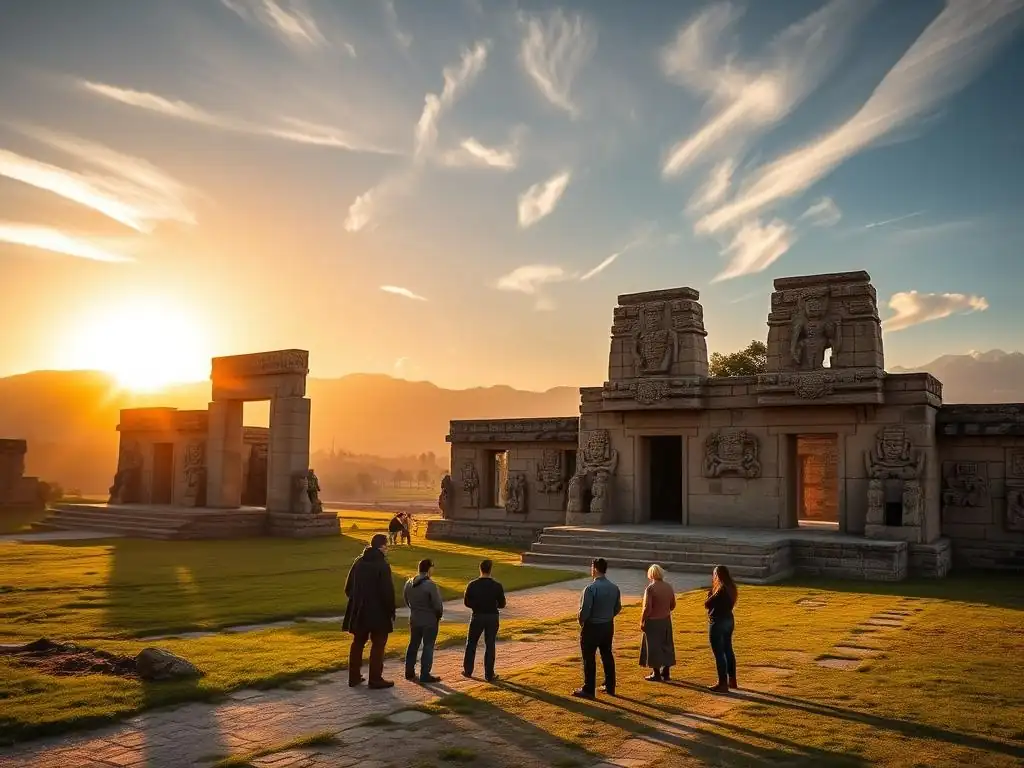
Welcome to Indigenous Civilizations of the Americas, where we invite you on a fascinating journey through the rich tapestry of pre-colonial cultures that shaped the Americas. In this corner of our site, we delve into the intricate world of Tiahuanaco, exploring the profound influence of religion on political governance—a captivating dual authority that defined its society.
Discover how spiritual beliefs intertwined with governance to create a unique framework that not only sustained the Tiahuanaco civilization but left a lasting legacy. Prepare to uncover the secrets behind their achievements and the enduring impact of their cultural practices as you read on!
The ancient city of Tiahuanaco, located near the southern shore of Lake Titicaca in modern-day Bolivia, stands as a testament to the rich and complex civilization that flourished in the Andes long before European contact. This site, recognized as a UNESCO World Heritage Site, offers profound insights into the intricate interplay between religion and governance in Tiahuanaco society. Central to its political structure was a unique dual authority system where religious and political leadership were deeply intertwined.
Understanding the role of religion in Tiahuanaco's governance not only reveals the mechanisms of power within this civilization but also highlights the enduring legacy of its spiritual beliefs on contemporary indigenous cultures. In this article, we will explore how Tiahuanaco's religious practices shaped its political landscape and contributed to the cohesion of its society, providing a framework for analyzing the broader implications of indigenous governance systems in the Americas.
The Interconnection of Religion and Politics in Tiahuanaco
In Tiahuanaco, religion was not merely a set of beliefs but a fundamental aspect of social organization. The ruling elite, often viewed as intermediaries between the divine and the people, utilized religious authority to legitimize their power. The society operated on the principles of reciprocity and mutual obligation, where religious ceremonies reinforced political authority and community solidarity.
- Religious Leaders as Political Figures: The priests and shamans held substantial influence, often participating in governance alongside political leaders. Their roles included:
- Conducting rituals to ensure agricultural fertility.
- Interpreting omens and divine will.
- Directing communal labor for large-scale construction projects, which were often linked to religious sites.
The elaborate rituals performed in Tiahuanaco served not only religious purposes but also reinforced social cohesion and political stability. These ceremonies often involved:
- Community Participation: Engaging the populace in rituals helped foster a sense of belonging and shared identity.
- Ceremonial Centers: Structures such as the Kalasasaya and the Gateway of the Sun were not only religious sites but also focal points for political gatherings and decision-making.
The integration of religious practices into daily life and governance ensured that the populace remained unified under a common belief system, which was crucial for maintaining order in a society that faced various environmental and social challenges.
The Legacy of Tiahuanaco's Governance Model
As we delve deeper into Tiahuanaco's religious and political systems, it becomes clear that their dual authority model offers valuable lessons for understanding indigenous governance. The fusion of spiritual and political power not only allowed for effective governance but also preserved the cultural heritage that continues to influence contemporary Andean societies.
In the following sections, we will examine specific aspects of Tiahuanaco religion and governance, including the roles of key figures within the society, the impact of religious beliefs on political decisions, and the lasting influences on modern indigenous cultures. Through this exploration, we aim to illuminate the intricate tapestry of Tiahuanaco's political structure and its enduring significance in the study of indigenous civilizations of the Americas.
- The Interconnection of Religion and Politics in Tiahuanaco
- Religious Rituals and Social Cohesion
- The Legacy of Tiahuanaco's Governance Model
- What was the significance of religion in Tiahuanaco's governance?
- How did the Tiahuanaco religion influence daily life?
- What were the main deities worshipped in Tiahuanaco?
- How did Tiahuanaco's political structure reflect its religious beliefs?
- What impact did the Tiahuanaco civilization's religion have on later cultures?
Introduction to Tiahuanaco Religion and Governance
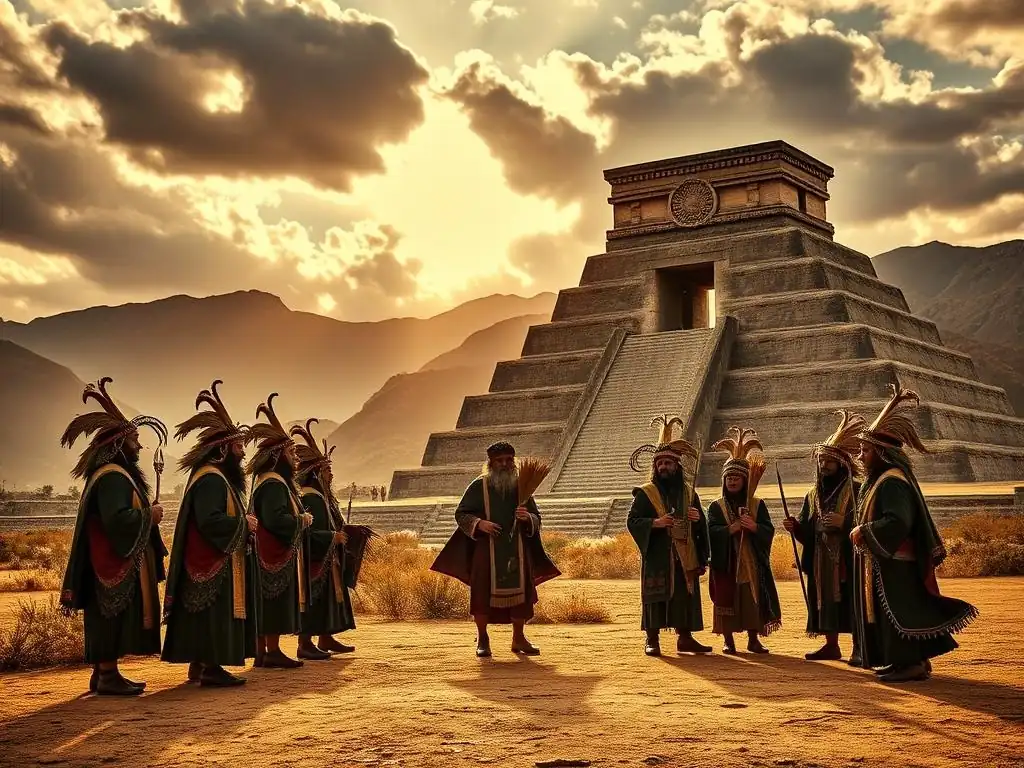
Tiahuanaco is a prominent archaeological site located near Lake Titicaca in modern-day Bolivia, renowned for its unique contributions to the cultural and political landscape of pre-Columbian societies. The intertwining of religion and governance in Tiahuanaco is a fascinating area of study that reveals how spiritual beliefs influenced political authority and societal organization. This dual authority system, where religious leaders played a pivotal role in governance, shaped the structure and functioning of Tiahuanaco society. Understanding this relationship provides insights into how the Tiahuanaco civilization operated and the lasting impact of its cultural practices.
Overview of Tiahuanaco Culture
Tiahuanaco flourished between approximately 400 and 1000 CE, becoming a cornerstone of Andean civilization. The culture was marked by remarkable achievements in architecture, agriculture, and political organization. Key features of Tiahuanaco culture include:
- Architecture: Tiahuanaco is famous for its monumental architecture, including the Gateway of the Sun and the Akapana pyramid. These structures served both religious and administrative purposes, symbolizing the power of the ruling elite.
- Agriculture: The society developed advanced agricultural techniques, including raised-field farming, which maximized land use in the highland environment. This innovation supported a growing population and complex social hierarchy.
- Societal Structure: The Tiahuanaco society was organized into a complex hierarchy, with a ruling elite that likely included both political and religious leaders. This dual authority system emphasized the importance of religious legitimacy in governance.
The cultural achievements of Tiahuanaco reflect a society deeply connected to its spiritual beliefs, which were intricately woven into every aspect of life, from governance to daily activities.
Importance of Religion in Pre-Columbian Societies
Religion played a crucial role in shaping the political landscape of many pre-Columbian societies, including Tiahuanaco. The following points highlight the significance of religion in these cultures:
- Legitimization of Authority: Religious beliefs often provided a framework for legitimizing political power. Rulers were frequently seen as divine or semi-divine figures whose authority was sanctioned by the gods, which reinforced their control over the populace.
- Social Cohesion: Shared religious practices and beliefs fostered a sense of community and identity among the people. Rituals and ceremonies not only served spiritual purposes but also reinforced social hierarchies and collective values.
- Conflict Resolution: Religious leaders often played mediating roles in conflicts, providing a neutral ground for negotiation. This helped maintain social order and stability within the community.
- Cultural Transmission: Through religious narratives, traditions, and rituals, knowledge and cultural practices were passed down through generations, preserving the unique identity of the society.
In Tiahuanaco, the integration of religious authority with political governance helped sustain the civilization for centuries, influencing both internal dynamics and external relations.
Objectives of the Article on Tiahuanaco Religion and Governance
This article aims to explore the intricate relationship between religion and governance in the Tiahuanaco civilization. The specific objectives include:
- Examining the Dual Authority System: Analyze how political and religious leaders coexisted and collaborated to maintain societal order and influence governance.
- Investigating Religious Practices: Highlight the significant religious practices that were integral to political life and how they shaped the decision-making processes within the society.
- Understanding the Impact on Society: Assess the impact of Tiahuanaco's unique governance structure on the broader Andean region and its legacy in indigenous cultures.
- Providing Contextual Insights: Offer a contextual understanding of Tiahuanaco's political structure within the larger framework of pre-Columbian civilizations, drawing comparisons with other cultures in the Americas.
Through this exploration, the article will contribute to a deeper understanding of how Tiahuanaco's religion and governance shaped its political landscape and influenced the development of indigenous societies in the Americas.
The political structure of Tiahuanaco, a significant pre-Columbian civilization located near Lake Titicaca, was characterized by a unique system known as dual authority. This concept is essential for understanding how Tiahuanaco religion and governance intertwined to shape its society and maintain order. Dual authority refers to the coexistence of two distinct but complementary sources of power: secular and religious. In Tiahuanaco, this meant that political leaders, often referred to as "kurakas," shared power with religious leaders, who played a pivotal role in the cultural and spiritual life of the community.
In the context of Tiahuanaco, dual authority can be defined as the collaborative governance model where political decisions were influenced by religious beliefs and practices. This system ensured that both the spiritual and material needs of the people were addressed.
- Political Leaders (Kurakas): These individuals were responsible for the administration of the state, overseeing agricultural production, resource distribution, and conflict resolution within the community.
- Religious Leaders (Priests): They held authority over religious practices and ceremonies, interpreting the will of the gods and ensuring communal harmony through spiritual guidance.
The interplay between these two authorities created a balance that reinforced the legitimacy of governance. Leaders derived their power not only from social or military might but also from their religious standing, which emphasized the importance of divine approval in political matters.
Historical Context of Political Governance in Tiahuanaco
To grasp the significance of dual authority in Tiahuanaco, it's essential to consider the historical context in which this governance model emerged. Tiahuanaco flourished between 400 and 1000 CE, during a period marked by agricultural innovation, urban development, and extensive trade networks.
- Agricultural Advancements: The introduction of raised-field agriculture allowed for increased crop yields, supporting a growing population and enabling the rise of a complex society.
- Urbanization: The construction of monumental architecture, such as the Akapana pyramid and the Gateway of the Sun, exemplifies the civilization's advanced engineering capabilities and reflects the socio-political organization of the time.
- Trade Networks: Tiahuanaco was strategically located, allowing it to become a hub for trade between various cultures in the Andes. This economic prosperity contributed to the consolidation of political power and the significance of religious authority.
The dual authority system facilitated effective governance by ensuring that both economic and spiritual needs were met, fostering a sense of unity and identity among the diverse groups within Tiahuanaco.
Role of Religious Leaders in Governance
Religious leaders in Tiahuanaco played a crucial role in the governance system, acting as intermediaries between the divine and the secular. Their influence extended beyond mere spiritual practices, as they were deeply embedded in the political fabric of the society.
- Ceremonial Functions: Religious leaders conducted rituals and ceremonies that were believed to ensure the favor of the gods, which was essential for the agricultural cycles and the community's overall well-being.
- Mediators of Conflict: In times of strife or social unrest, religious leaders often mediated disputes, leveraging their spiritual authority to promote peace and reinforce societal norms.
- Legitimization of Power: The political power of kurakas was often legitimized through their association with religious leaders. This symbiotic relationship allowed political leaders to claim divine endorsement, which was pivotal for maintaining social order and authority.
- Cultural Continuity: Religious practices and beliefs were integral to Tiahuanaco's identity. The preservation of these elements through the governance structure helped maintain cultural continuity, even as external influences began to encroach upon Tiahuanaco.
The dual authority model in Tiahuanaco illustrates the intricate relationship between religion and governance, highlighting how the civilization's political structure was deeply influenced by spiritual beliefs and practices. This interplay not only shaped Tiahuanaco's internal dynamics but also left a lasting impact on the broader cultural landscape of the Americas.
The Intersection of Religion and Politics in Tiahuanaco
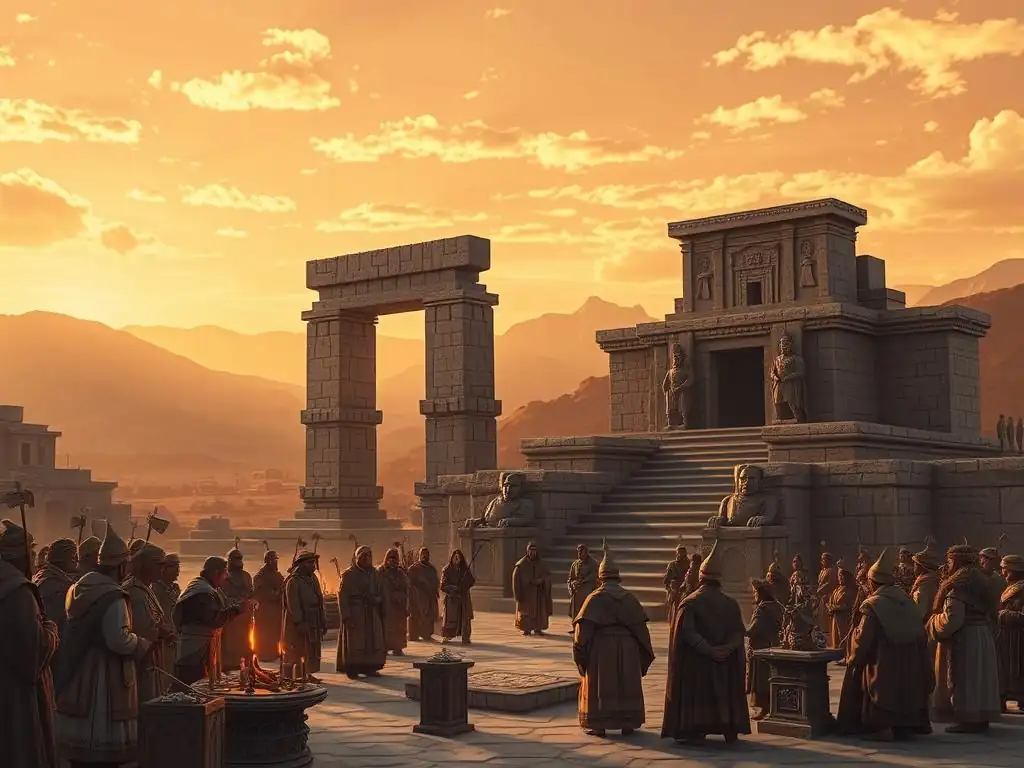
The political landscape of Tiahuanaco was intricately intertwined with its religious practices, where the two spheres influenced each other significantly. Religion was not merely a personal belief system; it served as a foundation for governance and societal structure. In Tiahuanaco, religious rituals and ceremonies reinforced the authority of political leaders, creating a dual authority system where the spiritual and temporal powers were closely linked.
The Tiahuanaco civilization, which flourished around 400 to 1000 CE in the high Andean region of present-day Bolivia, showcased a complex relationship between governance and religion. This relationship was reflected in their monumental architecture, ceremonial centers, and the integration of religious ideologies into political governance. The ruling elite often claimed divine sanction for their authority, thereby legitimizing their governance through religious means.
In this context, it becomes essential to explore the specific religious practices and their implications for political authority in Tiahuanaco.
Religious Practices and Their Political Implications
Religious practices in Tiahuanaco were deeply embedded in the daily lives of its people and played a critical role in shaping the sociopolitical framework. Central to these practices was the worship of deities associated with agriculture, fertility, and natural elements, which were crucial for the agrarian society.
- Ritual Ceremonies: Elaborate ceremonies, often involving sacrifices, were conducted to appease the gods and ensure the prosperity of the community. These events not only served spiritual purposes but also acted as platforms for political leaders to demonstrate their power and gain communal support.
- Cosmology and Governance: The Tiahuanaco worldview emphasized a strong connection between the cosmos and earthly affairs. Political leaders were often viewed as intermediaries between the divine and the people, tasked with maintaining cosmic order. This belief reinforced their authority and justified their governance.
The implications of these practices were profound. They established a social hierarchy where religious leaders and political figures often overlapped, leading to a system where the legitimacy of political decisions was often derived from religious endorsement.
Influence of the Priesthood on Political Decisions
The priesthood in Tiahuanaco held significant power, directly influencing political decisions and governance structures. The priests were not only custodians of religious knowledge but also acted as advisors to political leaders. Their roles can be categorized into several key functions:
- Advisory Roles: Priests provided counsel on matters of state, utilizing their understanding of religious omens and rituals to guide political leaders in decision-making processes.
- Legitimization of Authority: Political leaders often relied on the priesthood to legitimize their rule through religious ceremonies. This endorsement was crucial for maintaining social order and public support.
- Control of Resources: The priesthood played a role in managing agricultural and economic resources, which were vital for sustaining the political structure. Their influence over resource distribution often intertwined with political power.
The interconnectedness of the priesthood with political authority exemplifies how Tiahuanaco religion and governance were not separate entities but rather two sides of the same coin, reinforcing each other continuously.
Case Studies of Religious Leaders as Political Figures
Throughout Tiahuanaco's history, several prominent religious leaders emerged as significant political figures, illustrating the dual authority system in action. These leaders were pivotal in shaping both religious and political landscapes:
- The Great Priest-King: One of the most notable figures was the Great Priest-King, who symbolized the fusion of religious and political authority. This leader not only presided over important rituals but also made key political decisions, demonstrating the absolute power held by individuals who embodied both roles.
- Regional Priests: Local priests often played critical roles in governance at the community level. Their influence extended beyond spiritual guidance; they participated in local councils and decision-making processes, ensuring that religious considerations were included in political governance.
- Ceremonial Leaders: Ceremonial leaders who conducted major rituals also held sway in political matters. Their ability to mobilize the population during ceremonies allowed them to exert considerable influence over public opinion and political outcomes.
These case studies highlight how Tiahuanaco religion and governance were interwoven, with religious leaders occupying significant positions of power and shaping the civilization's political landscape. The dual authority model not only maintained social order but also facilitated the longevity of Tiahuanaco's political structures through a shared belief in divine governance.
The Symbolism of Religion in Tiahuanaco Governance
Religious Symbols and Their Political Significance
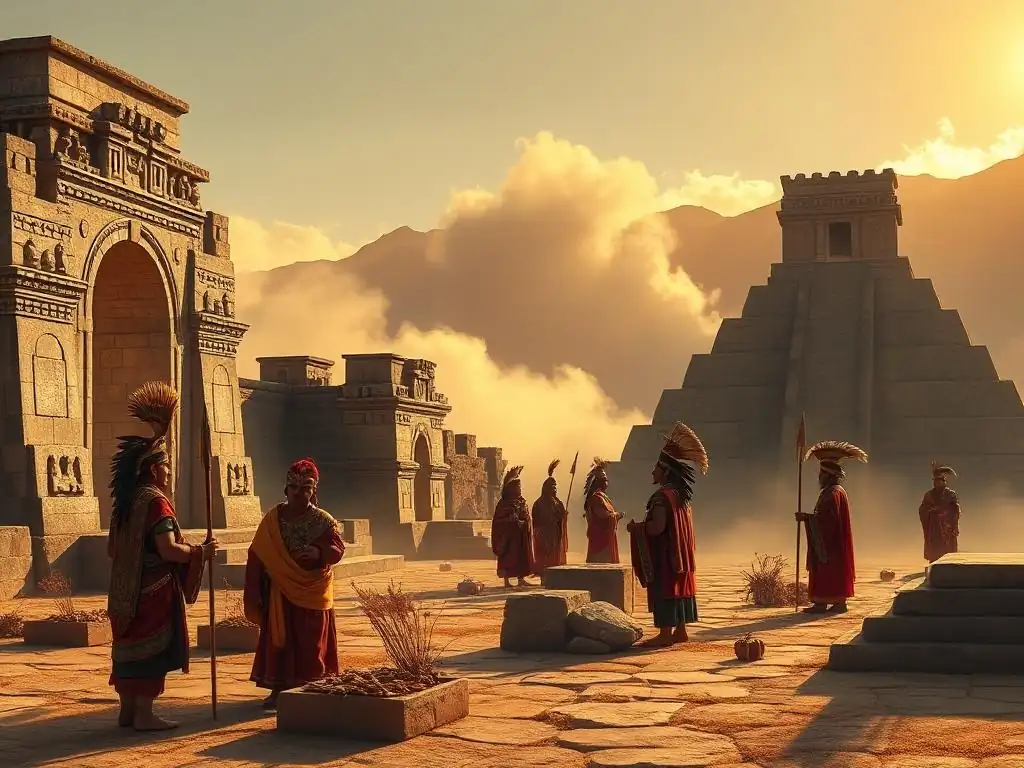
In Tiahuanaco, religion was intricately woven into the fabric of political governance, with various symbols playing a crucial role in legitimizing authority. The puma, for instance, emerged as a powerful emblem representing strength and the earthly realm, while the condor symbolized the spiritual world and was associated with the heavens. Both animals reflected the duality of existence that was central to Tiahuanaco belief systems.
The Staff God, a prominent deity in Tiahuanaco religion, served not only as a religious icon but also reflected the political hierarchy. Rulers often depicted themselves alongside this deity, signifying their divine right to govern. This relationship between the divine and the earthly realm reinforced the political structure, as leaders were seen as intermediaries between the people and the gods.
Moreover, the use of ceremonial attire adorned with religious symbols during public appearances further solidified the connection between governance and religion. Leaders donned elaborate garments that featured intricate designs, often representing deities and cosmological elements, to invoke divine favor and assert their authority.
Architectural Representations of Religion in Governance
The architectural landscape of Tiahuanaco is a testament to the profound influence of religion on governance. The Akapana, a massive pyramid structure, served not only as a religious site but also as a political center where important decisions were made. Its design reflects the Tiahuanaco belief in the sacredness of the earth and the cosmos, establishing a physical space where the divine and political spheres converged.
Additionally, the Kalasasaya Temple, with its impressive stone constructions and ritual platforms, was integral to both governance and religious practices. This site was likely used for ceremonies that involved political leaders and high priests, emphasizing the collective authority that religious rituals held in the governance framework. The alignment of structures with astronomical events also highlights the importance of celestial phenomena in both religious observance and political decision-making.
The presence of carved stone monoliths, often depicting deities and ancestors, further illustrates how architecture functioned as a medium to convey religious beliefs intertwined with political power. These monuments served to remind the populace of their leaders' divine endorsement and the sacred responsibilities they held.
Rituals and Ceremonies Connecting Governance and Religion
Rituals and ceremonies in Tiahuanaco were fundamental in connecting the realms of governance and religion. Festivals such as the Pachamama celebration involved both rulers and common people, reinforcing the idea that the health of the state was linked to the appeasement of the earth goddess. These gatherings not only served to honor deities but also acted as platforms for rulers to display their piety and reinforce their legitimacy.
The sacrificial practices performed by political leaders were significant in demonstrating their commitment to the gods and their role as intermediaries. By offering sacrifices, rulers sought divine favor for their governance, ensuring prosperity and stability within their society. This practice underscored the belief that political authority was not merely human but divinely sanctioned.
Moreover, the initiation ceremonies for new leaders often included religious rites that symbolized the transfer of power. By incorporating spiritual elements, these ceremonies reinforced the idea that governance was a sacred responsibility, deeply rooted in the cultural and religious identity of the Tiahuanaco people.
The interplay between Tiahuanaco religion and governance was marked by rich symbolism, architectural significance, and ceremonial practices that collectively underscored the dual authority inherent in their political structure. The integration of religious elements into governance not only shaped their political landscape but also ensured the continuity of their cultural identity.
Tiahuanaco Religion and Its Impact on Political Structures
Tiahuanaco religion played a pivotal role in shaping its political structures, intertwining spiritual beliefs with governance. This dual authority model, where religious leaders and political figures often overlapped, created a unique system that reinforced the power of the ruling elite while maintaining social cohesion among the populace. The religious framework provided legitimacy to political actions, establishing a divine right that leaders could invoke to justify their decisions and maintain control.
How Religion Shaped Political Hierarchies
In Tiahuanaco, the political hierarchy was deeply influenced by religious beliefs. The ruling class, often seen as intermediaries between the gods and the people, derived their authority from religious traditions. This hierarchy can be understood through the following elements:
- Divine Kingship: Leaders were often viewed as descendants or representatives of deities, which allowed them to claim a higher status in society. This connection to the divine was essential for maintaining their power.
- Ceremonial Roles: Religious ceremonies played a crucial role in governance, where leaders participated in rituals that affirmed their authority and connection to the divine. The performance of these rituals was a public display of their power and a means to unify the community.
- Sacred Spaces: The architecture of Tiahuanaco, particularly structures like the Akapana pyramid and the Kalasasaya temple, served as religious and political centers. These spaces were not only places of worship but also venues for political gatherings, reinforcing the link between religion and governance.
The integration of religion into political life in Tiahuanaco created a system where political decisions were often shrouded in religious significance, ensuring that the populace adhered to the established order.
The pantheon of Tiahuanaco deities played an essential role in legitimizing political authority. Several key aspects highlight this relationship:
- Apu Qhapaq: Often considered the principal deity, Apu Qhapaq was associated with the earth and agriculture. Leaders invoked this deity to promote agricultural prosperity and ensure the welfare of the community, thereby strengthening their political legitimacy.
- Sun and Moon Worship: The worship of celestial bodies was significant in Tiahuanaco religion. Rulers used solar and lunar cycles to time their political activities and agricultural practices, aligning themselves with divine forces that dictated the rhythms of life.
- Mythological Narratives: Political leaders often referred to mythological stories that depicted the gods as benevolent rulers to justify their own authority. These narratives fostered a sense of continuity and connection between the divine and the earthly realm.
By intertwining their authority with the worship of deities, Tiahuanaco leaders could justify their rule and maintain societal order, using religious beliefs as a means to reinforce their power.
Comparison with Other Indigenous Civilizations' Governance Structures
When comparing Tiahuanaco's religiously influenced governance with other indigenous civilizations, distinct patterns emerge:
| Civilization | Governance Style | Role of Religion |
|---|---|---|
| Tiahuanaco | Dual authority with religious leaders | Leaders seen as divine intermediaries; rituals enhance political legitimacy |
| Inca Empire | Centralized monarchy | Worship of Inti (Sun God) justified imperial expansion and authority |
| Maya Civilization | City-state model | Rulers acted as intermediaries; elaborate ceremonies linked political power to divine favor |
| Mississippian Culture | Chiefdoms | Political leaders were often priests; spiritual and political roles intertwined |
While Tiahuanaco's dual authority system is distinctive, similarities can be seen in how other civilizations used religion to justify governance. The integration of spiritual beliefs with political authority is a common theme across many indigenous cultures, highlighting the profound impact of religion on governance in pre-Columbian societies.
The Tiahuanaco religion and governance model illustrates the intricate relationship between spiritual beliefs and political authority, showcasing how indigenous civilizations navigated the complexities of leadership and societal cohesion through divine legitimization.
The Legacy of Tiahuanaco Religion and Governance
Lasting Effects on Indigenous Governance in the Andes
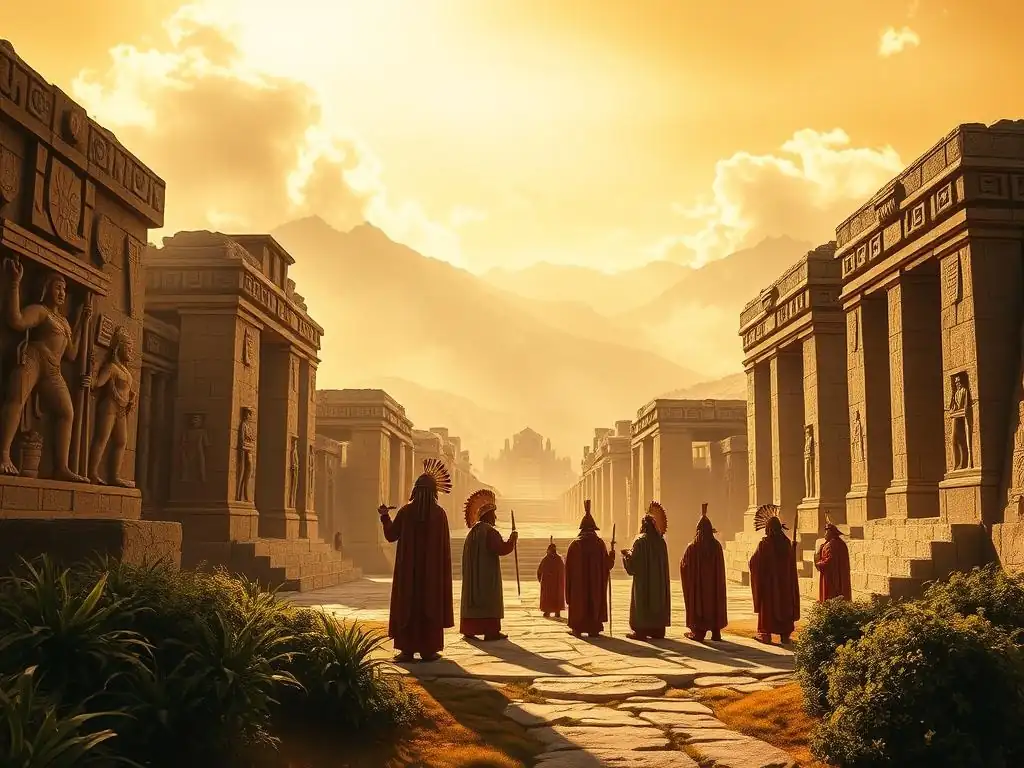
The Tiahuanaco civilization, flourishing between 300 and 1000 CE, significantly influenced the political structures and governance models of subsequent Andean cultures. One of the most notable legacies of Tiahuanaco religion and governance is the integration of spiritual authority into political leadership. This dual authority model, where religious leaders wielded political power, became a foundational element for later states, such as the Inca Empire.
- Spiritual Legitimacy: The rulers of Tiahuanaco were often seen as divine intermediaries, a belief that established their authority over the people. This perception of leadership persisted in Andean societies, where rulers were expected to maintain a connection with the gods, ensuring societal stability and prosperity.
- Religious Practices and Governance: Rituals and religious ceremonies were central to governance in Tiahuanaco. For instance, the monumental architecture, such as the Temple of Kalasasaya, served as both a religious site and a political center. The blending of these functions reinforced the idea that governance was divinely ordained, a concept that resonated in later Andean civilizations.
- Cultural Continuities: The intricate agricultural systems and social organization established by Tiahuanaco set precedents for land management and resource allocation in subsequent Andean cultures. The emphasis on communal work and reciprocity, derived from Tiahuanaco governance, became ingrained in Andean societal norms.
Modern Interpretations of Tiahuanaco's Political and Religious Systems
In contemporary scholarship, Tiahuanaco's political and religious systems are revisited through various lenses, revealing insights into how these ancient practices inform modern indigenous governance and identity.
- Anthropological Perspectives: Researchers emphasize the need to understand Tiahuanaco through the context of its time, highlighting the synergy between religion and governance. This perspective fosters a deeper appreciation for indigenous knowledge systems and their relevance today.
- Political Symbolism: Modern interpretations often explore how symbols from Tiahuanaco, such as the Staff God, continue to resonate within Andean communities. These symbols serve not only as a reminder of ancestral heritage but also as a basis for contemporary political movements advocating for indigenous rights and autonomy.
- Cultural Revitalization: There is a growing movement among indigenous groups to revive and adapt Tiahuanaco’s governance models, emphasizing the importance of traditional practices in contemporary political discourse. This revitalization reflects a broader trend of reclaiming indigenous identities and asserting cultural sovereignty in the face of globalization.
Importance of Understanding Tiahuanaco Religion and Governance Today
Understanding Tiahuanaco religion and governance is crucial for several reasons:
- Cultural Heritage: Knowledge of Tiahuanaco’s complex systems enriches our understanding of indigenous heritage in the Americas. It highlights the sophistication of pre-Columbian societies and challenges misconceptions about their political and social structures.
- Indigenous Rights: Insights gained from Tiahuanaco's governance can inform current discussions on indigenous rights and self-determination. By recognizing the historical foundations of indigenous governance, contemporary movements can draw on these legacies to advocate for political representation and cultural preservation.
- Interdisciplinary Research: The study of Tiahuanaco encourages interdisciplinary approaches, incorporating history, archaeology, anthropology, and political science. This holistic understanding fosters collaboration among scholars and indigenous communities, promoting shared knowledge and respect for diverse perspectives.
The legacy of Tiahuanaco religion and governance extends far beyond its historical context, influencing modern indigenous identities and governance systems. Understanding this legacy is vital for fostering respect for cultural diversity and promoting the rights of indigenous peoples today.
Conclusion
Summary of Key Points on Tiahuanaco Religion and Governance
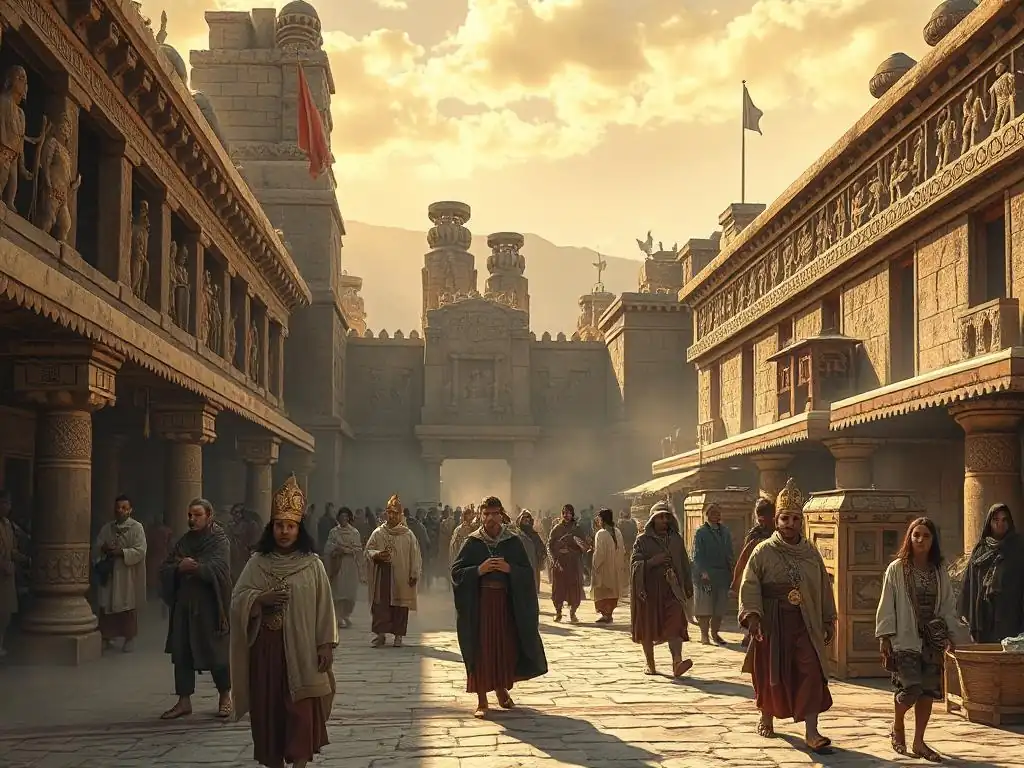
The intricate relationship between Tiahuanaco religion and governance reveals a unique dual authority system that shaped the political landscape of this ancient civilization. Key points include:
- Religious Authority: The spiritual leaders played a crucial role in governance, often regarded as intermediaries between the gods and the people. This authority was not merely ceremonial; it held significant political power, influencing decision-making processes.
- Political Structure: Tiahuanaco's governance was characterized by a blend of theocratic and secular elements. While the religious leaders guided spiritual practices, political leaders were tasked with the administration of the state. This duality ensured a balance of power, reinforcing the legitimacy of both religious and political institutions.
- Cultural Integration: The integration of religious beliefs within political governance fostered a sense of unity among the populace. Rituals, ceremonies, and festivals were essential in promoting social cohesion and reinforcing the state's political ideologies.
- Impact on Society: The intertwining of religion and governance in Tiahuanaco led to the establishment of a well-organized society that thrived on communal values and shared beliefs, which were crucial in times of crisis and conflict.
The dual authority concept in Tiahuanaco culture serves as a remarkable example of how religion can influence political governance. This system not only provided stability but also facilitated the construction of monumental architecture and the development of advanced agricultural practices.
The symbiotic relationship between spiritual and political leaders allowed Tiahuanaco to thrive for centuries, leaving a lasting legacy on the indigenous civilizations of the Americas. Understanding this dual authority sheds light on the complexities of governance in Tiahuanaco and highlights the significant role that religion played in shaping its political landscape.
In exploring Tiahuanaco religion and governance, we gain valuable insights into the intricate tapestry of beliefs and practices that defined this remarkable civilization, offering a deeper appreciation for the sophistication of indigenous cultures prior to European colonization.
References
Suggested Readings on Tiahuanaco Culture
-
"Tiahuanaco: The Cradle of Andean Civilization"
This book explores the architectural and cultural achievements of Tiahuanaco, shedding light on how religion influenced their societal structures and governance.
-
"The Archaeology of Tiahuanaco: A Study of the Tiwanaku Kingdom"
A detailed examination of archaeological findings in Tiahuanaco, focusing on the interplay between religious practices and political governance.
-
"Andean Cosmologies Through Time: Persistence and Emergence"
This source provides insights into the cosmological beliefs of the Andean cultures, including Tiahuanaco, and their implications for governance and societal organization.
-
"Religion and Politics in the Ancient Andes"
This book discusses the role of religious authority in shaping political structures in ancient Andean societies, with case studies including Tiahuanaco.
Academic Sources on Religion and Governance in Indigenous Societies
-
"The Role of Religion in the Political Structures of Pre-Columbian Societies"
This scholarly article analyzes various indigenous societies in the Americas, focusing on how religious beliefs were interwoven with governance practices, including a section dedicated to Tiahuanaco.
-
"Sacred Rulers: The Interplay of Religion and Governance in Ancient Civilizations"
An academic paper that discusses the concept of dual authority in indigenous governance, particularly in the context of Tiahuanaco’s political and religious leadership.
-
"Indigenous Governance and Spirituality: The Case of the Tiahuanaco"
This research study explores the specific governance models of Tiahuanaco, illustrating how religious beliefs underpinned political authority and social cohesion.
-
"Myth, Ritual, and Power in the Ancient Andes"
An in-depth exploration of how mythological narratives and rituals reinforced political power among ancient Andean civilizations, with a focus on Tiahuanaco’s unique contributions.
These references and readings provide a comprehensive foundation for understanding the intricate relationship between religion and governance in the context of Tiahuanaco, offering valuable insights for further exploration of the topic.
Frequently Asked Questions
What was the significance of religion in Tiahuanaco's governance?
Religion played a central role in Tiahuanaco's political system, where the spiritual authority of leaders often reinforced their political power, creating a dual authority structure.
How did the Tiahuanaco religion influence daily life?
The Tiahuanaco religion was intertwined with daily life, affecting everything from agricultural practices to community rituals, thereby shaping the social order and governance.
What were the main deities worshipped in Tiahuanaco?
Tiahuanaco worshipped several deities, including the Pachamama (Earth Mother) and Viracocha, who were believed to govern aspects of life and the natural world, influencing both spiritual and political matters.
How did Tiahuanaco's political structure reflect its religious beliefs?
The political structure of Tiahuanaco mirrored its religious beliefs through leaders who were seen as divine intermediaries, combining spiritual leadership with governance, thus maintaining social cohesion.
What impact did the Tiahuanaco civilization's religion have on later cultures?
The religious practices and governance models of Tiahuanaco influenced later civilizations, particularly in the Andean region, contributing to the cultural heritage of future indigenous groups.
Final Reflection: The Intertwining of Faith and Power in Tiahuanaco
The exploration of Tiahuanaco's political governance reveals a profound truth: the interplay between religion and governance is not merely a historical curiosity but a lens through which we can understand contemporary societies. As we navigate our own political landscapes today, the echoes of Tiahuanaco's dual authority remind us that the foundations of power are often built upon shared beliefs and cultural narratives. The significance of religion in shaping governance is more relevant than ever, as we witness the ongoing influence of faith in political discourse around the globe.
The legacy of Tiahuanaco serves as a poignant reminder of how deeply intertwined belief systems and political structures can be. The dual authority model, where religious leaders and political figures collaborated, illustrates a unique governance approach that fostered social cohesion and stability. This historical example encourages us to reflect on our own societal frameworks, as we grapple with the complexities of secularism and faith in governance today. Religion is the opium of the people,
Karl Marx famously stated, yet in Tiahuanaco, it was the very essence that united them, guiding their governance and societal norms.
As we conclude this exploration, I invite you to reflect on the role of belief in your own life and community. Consider how the principles of Tiahuanaco's governance can inspire us to foster dialogue and understanding among diverse belief systems today. In a world often divided by ideology, let us strive to create spaces where faith and governance can coexist harmoniously, promoting unity and collective well-being. Your engagement in this dialogue can contribute to a more inclusive future, where the lessons of the past illuminate the path ahead.
Unleash the Power of Understanding Tiahuanaco!
Thank you for diving into the fascinating world of Tiahuanaco's political governance and its intertwined relationship with religion! Your exploration of these ancient dynamics not only enriches your knowledge but also connects you to the enduring legacy of indigenous civilizations. Now, it's time to take action and deepen your understanding.
Here are a few steps you can take next:
- Explore Further: Delve into additional resources about the cultural and spiritual practices of Tiahuanaco. Consider checking out books or documentaries that showcase this civilization's profound impact.
- Engage with Community: Share your insights from this article with friends or online communities. Start a discussion on social media or forums about the significance of dual authority in governance.
- Reflect Creatively: Write a short essay or create a visual project that illustrates what you’ve learned about the role of religion in political structures.
What aspect of Tiahuanaco's governance intrigues you the most, and how do you believe it resonates with today's understanding of leadership?