
Tiahuanaco's Leadership: How Rulers Shaped a Thriving Civilization

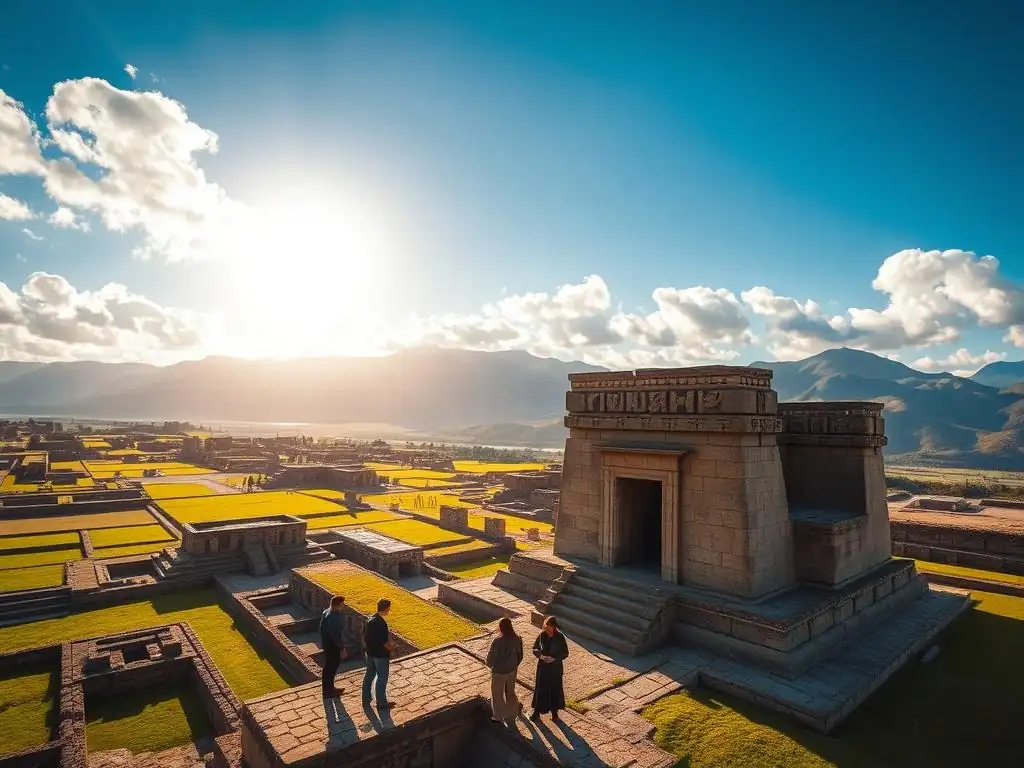
Welcome to Indigenous Civilizations of the Americas, where we invite you to delve into the rich tapestry of cultures that flourished long before European contact. In our featured article, “Tiahuanaco's Leadership: How Rulers Shaped a Thriving Civilization,” we uncover the remarkable insights into the leadership dynamics of the Tiahuanaco civilization. How did their rulers influence not only governance but also the very fabric of society? Join us on this enlightening journey as we explore the legacies of these extraordinary leaders and the profound impact they had on their world. Your adventure into the past starts here!
The Tiahuanaco civilization, located near Lake Titicaca in present-day Bolivia, is a remarkable example of how leadership played a pivotal role in the development and sustainability of a thriving society. Flourishing between 300 and 1000 CE, this pre-Columbian culture is renowned for its advanced architecture, agricultural innovations, and intricate social structures.
A deep dive into Tiahuanaco's leadership reveals not only the political dynamics of the time but also how these rulers influenced the civilization's cultural and economic achievements. Understanding the intricacies of Tiahuanaco civilization leadership insights allows us to appreciate the sophisticated governance systems that enabled this society to thrive amidst the challenges of their environment.
Leaders in Tiahuanaco were not just political figures; they were also spiritual guides and cultural custodians, integrating governance with religious practices and community welfare. Their authority was derived from a combination of hereditary succession, military prowess, and influence over trade networks, which were vital for the civilization's prosperity. This article will explore the various aspects of Tiahuanaco's leadership, the structure of its political system, and how these elements contributed to the civilization's enduring legacy.
The Political Structure of Tiahuanaco
The political organization of Tiahuanaco was complex and multifaceted. At its core, the leadership was centralized around a ruling elite, often referred to as the Aymara nobility. This hierarchy established a system of governance that was both effective and adaptable to the changing needs of the civilization.
- Central Authority:
- The Kapaq (king or chief) held the highest authority, often believed to be a direct descendant of the sun god, reflecting the dual role of religion and politics.
- A council of nobles assisted the Kapaq in decision-making, ensuring that various regions and communities were represented.
- Regional Governance:
- Local leaders, or Kuraka, managed specific territories, implementing the Kapaq's policies and maintaining order within their jurisdictions.
- This decentralized approach allowed for efficient administration across the vast Tiahuanaco territory.
Leadership and Its Impact on Society
The leadership of Tiahuanaco not only influenced political stability but also had profound effects on social structures and cultural practices.
- Cultural Integration:
- Rulers promoted cultural cohesion by supporting religious ceremonies that united various ethnic groups under the Tiahuanaco umbrella.
- They fostered artistic expression, leading to the creation of distinctive pottery, textiles, and stone carvings that became emblematic of Tiahuanaco culture.
- Economic Development:
- Leaders implemented agricultural innovations, such as raised field farming, which maximized crop yields and supported a growing population.
- Trade routes established under their guidance facilitated economic exchanges with neighboring cultures, enriching Tiahuanaco's resources and influence.
Conclusion
The leadership of the Tiahuanaco civilization was instrumental in shaping a society that thrived through its complex political structure, cultural integration, and economic innovation. By examining the insights into their governance, we gain valuable knowledge about how leadership can influence the trajectory of a civilization. As we delve deeper into the specifics of Tiahuanaco's rulers and their decisions, we uncover the legacy of a culture that continues to inform our understanding of indigenous governance systems in the Americas.
Introduction to Tiahuanaco Civilization Leadership Insights
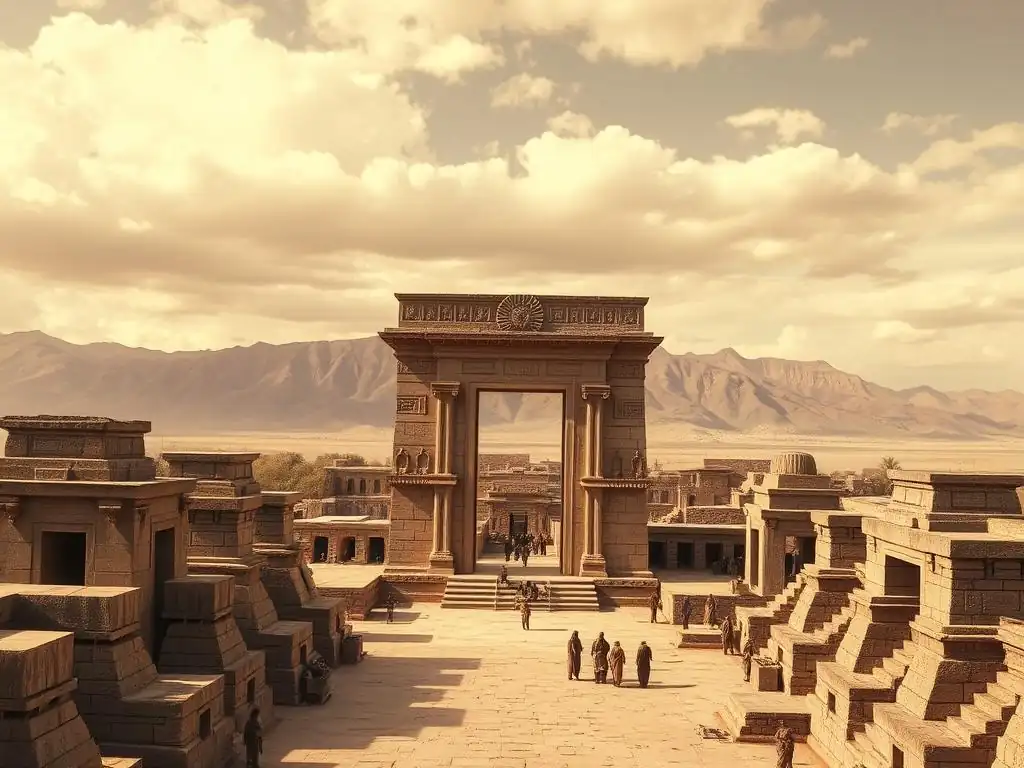
The Tiahuanaco civilization, which flourished between 300 and 1000 CE in the Andean region of modern-day Bolivia, presents a fascinating study of leadership dynamics and governance. Understanding the leadership structures of this ancient society is crucial for grasping how they managed to build one of the most sophisticated urban centers in pre-Columbian America. Through a combination of political, religious, and economic leadership, the rulers of Tiahuanaco not only influenced their immediate surroundings but also left a lasting legacy that would resonate throughout the Andes.
Overview of Tiahuanaco Civilization
The Tiahuanaco civilization is renowned for its monumental architecture, advanced agricultural practices, and rich cultural traditions. Situated on the shores of Lake Titicaca, Tiahuanaco served as a major cultural and political hub in the region. The civilization's most notable achievements include:
- Architectural Marvels: Structures like the Akapana Pyramid and the Gateway of the Sun exemplify the civilization's architectural prowess, characterized by their precise stonework and grand scale.
- Agricultural Innovation: The Tiahuanaco people developed advanced agricultural techniques, such as raised-field farming, which allowed them to thrive in the challenging altiplano environment.
- Cultural Synthesis: The civilization was a melting pot of various cultural influences, contributing to a rich tapestry of art, religion, and social organization.
The political structure of Tiahuanaco was characterized by a centralized authority, likely led by a ruling elite who held significant power over various aspects of society, including economic control and religious practices. The leadership was not merely administrative; it was deeply intertwined with the spiritual and cultural life of the community.
Importance of Leadership in Ancient Societies
Leadership in ancient societies like Tiahuanaco was essential for maintaining order, promoting social cohesion, and ensuring the prosperity of the civilization. Here are several key aspects of the importance of leadership in Tiahuanaco and similar ancient cultures:
- Centralized Authority: Strong leadership allowed for the efficient management of resources and manpower. The rulers were responsible for mobilizing labor for large construction projects and agricultural initiatives, critical for sustaining the population.
- Religious Integration: Leaders often held religious authority, serving as intermediaries between the gods and the people. This connection was vital for maintaining societal harmony and legitimizing their rule. Rituals and ceremonies organized by the leaders reinforced communal identity and cultural values.
- Conflict Resolution: Effective leadership provided mechanisms for resolving disputes within the community. By establishing laws and regulations, leaders helped maintain peace and order, which was crucial for societal stability.
- Cultural Advancement: Leaders were patrons of the arts and sciences, promoting advancements in architecture, astronomy, and agriculture. Their support enabled the civilization to thrive creatively and intellectually, fostering a rich cultural legacy.
- Adaptation and Resilience: In the face of environmental challenges, strong leadership was essential for adapting strategies and ensuring the survival of the civilization. Rulers who could navigate crises effectively helped secure the longevity of their societies.
By examining the leadership structures of the Tiahuanaco civilization, we gain valuable insights into how governance shaped the social, economic, and cultural fabric of one of the most significant pre-Columbian civilizations in the Americas. The legacy of Tiahuanaco leadership continues to influence modern understandings of indigenous governance and community organization.
The Political Structure of Tiahuanaco
The political structure of the Tiahuanaco civilization was marked by a sophisticated hierarchical organization that governed its society effectively. This structure allowed for the centralization of power and the coordination of resources, which was essential for the civilization's expansion and sustainability. The leadership system in Tiahuanaco was instrumental in establishing a cohesive society that thrived through agricultural innovation, trade, and religious practices.
Hierarchical Organization of Tiahuanaco Leadership
The leadership hierarchy in Tiahuanaco was distinctly organized, with a clear delineation of roles and responsibilities. At the apex of this hierarchy was the Supreme Leader, often regarded as a divine figure with both political and religious significance. This leader was believed to be a conduit between the gods and the people, legitimizing their authority through spiritual means.
Below the Supreme Leader were various nobles and regional governors, who played critical roles in local governance and administration. This tier included:
- Warlords: Responsible for military affairs and defense.
- Priests: Charged with overseeing religious ceremonies and maintaining the spiritual well-being of the society.
- Craftsmen and Merchants: Facilitated trade and economic prosperity, ensuring the flow of goods and resources.
This hierarchical organization not only maintained order but also facilitated the effective mobilization of labor for large-scale projects, including the construction of monumental architecture and agricultural systems.
Roles of Rulers in Tiahuanaco Society
Rulers in Tiahuanaco were multifaceted figures whose roles extended beyond mere governance. They were integral to the social fabric of the civilization, embodying the values and beliefs of the people. The rulers fulfilled several key functions:
- Political Leadership: They directed political affairs, made crucial decisions on resource allocation, and established laws.
- Economic Stewardship: Rulers ensured that trade routes were secure, and agricultural practices were optimized, which helped sustain the population.
- Cultural Patronage: They were often patrons of the arts and architecture, commissioning monumental works that showcased the civilization's achievements and religious beliefs. For instance, the construction of the Gateway of the Sun is attributed to the rulers' vision of uniting the people through shared cultural heritage.
The rulers' effectiveness in these roles was critical for maintaining stability and fostering loyalty among the populace.
In Tiahuanaco, religion played a pivotal role in shaping political authority. The intertwining of political and religious spheres created a unique governance model where rulers derived legitimacy from their spiritual status. Key aspects of this relationship included:
- Divine Mandate: Leaders were believed to be chosen by the gods, which reinforced their authority and justified their decisions.
- Religious Ceremonies: Rulers participated in elaborate rituals to appease deities, ensuring the prosperity of the community and the favor of the divine.
- Cultural Identity: Religion helped to forge a strong cultural identity among the people, uniting them under a common belief system that was inextricably linked to the rulers' governance.
This interplay of religion and politics not only solidified the rulers' power but also fostered a sense of community and shared purpose among the Tiahuanaco people. The civilization's ability to integrate these elements was a key factor in its success and longevity, leaving a lasting impact on the region's history.
Key Figures in Tiahuanaco Leadership
Prominent Rulers and Their Contributions
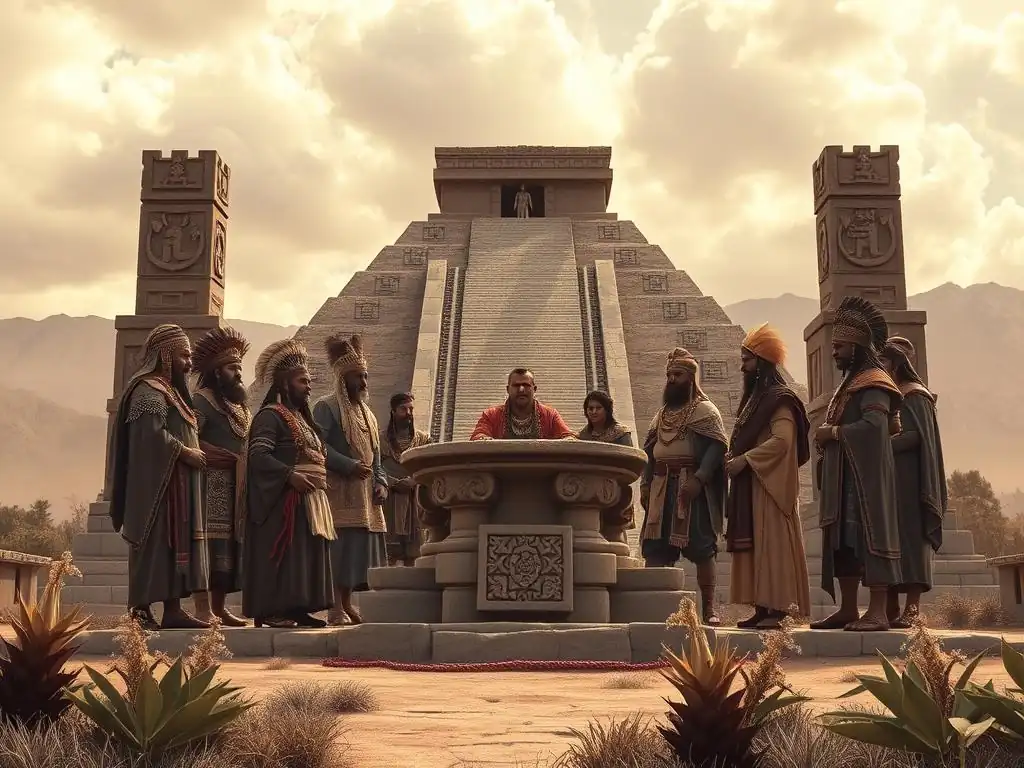
The Tiahuanaco civilization, a major pre-Columbian culture centered around Lake Titicaca in present-day Bolivia, was marked by powerful leadership that played a crucial role in its development and influence. The rulers of Tiahuanaco were not merely political figures; they were also religious leaders and cultural icons who guided their society through complex challenges.
One of the most recognized figures is Pachacuti, often credited with transforming Tiahuanaco into a significant power. Under his leadership, Tiahuanaco expanded its territorial reach, establishing control over surrounding areas and facilitating trade networks. Pachacuti is known for:
- Architectural Innovations: He oversaw the construction of monumental structures, including the Kalasasaya and the Gateway of the Sun, which showcased the civilization's advanced engineering skills.
- Religious Centralization: Pachacuti emphasized the importance of religion by constructing temples that served both as religious centers and as symbols of the state’s power.
Another notable leader is Tiwanaku Kori, who is believed to have fortified Tiahuanaco's defenses against external threats. His contributions included:
- Military Organization: He developed a structured military approach that enabled the civilization to protect its borders and assert dominance.
- Diplomatic Relations: Tiwanaku Kori established alliances with neighboring cultures, fostering trade and cultural exchange, which enriched the Tiahuanaco economy.
The Impact of Leadership on Tiahuanaco's Growth and Expansion
The leadership in Tiahuanaco was pivotal in shaping the civilization's trajectory and ensuring its prosperity. The rulers implemented strategic policies that not only promoted internal stability but also facilitated growth and expansion.
- Economic Development: Leaders focused on enhancing agricultural productivity through advanced irrigation systems. They introduced innovative farming techniques that allowed for efficient use of the high-altitude environment, leading to surplus production. This surplus was crucial for trade, enabling Tiahuanaco to engage economically with distant regions.
- Cultural Flourishing: The rulers were instrumental in promoting arts and crafts, leading to a distinctive Tiahuanaco style that influenced neighboring cultures. The emphasis on cultural identity helped unify the populace, fostering a sense of belonging and community that was essential for social cohesion.
- Urban Planning: Under the guidance of its leaders, Tiahuanaco evolved into a well-organized urban center. The rulers implemented rigorous planning that included the construction of roads and plazas, which facilitated trade and communication. This infrastructure supported the movement of goods and people, enhancing the connectivity of the civilization.
- Religious and Political Integration: The intertwining of religious and political authority established a theocratic governance model. Leaders often held dual roles, acting as both spiritual and temporal figures. This integration reinforced their power, as citizens viewed leadership as divinely sanctioned, thereby ensuring loyalty and compliance.
The leadership of the Tiahuanaco civilization was characterized by visionary rulers whose contributions significantly influenced the growth, stability, and cultural richness of the society. Their insights into governance and societal organization laid the foundation for one of the most remarkable civilizations in the Americas.
Governance Practices in Tiahuanaco Civilization
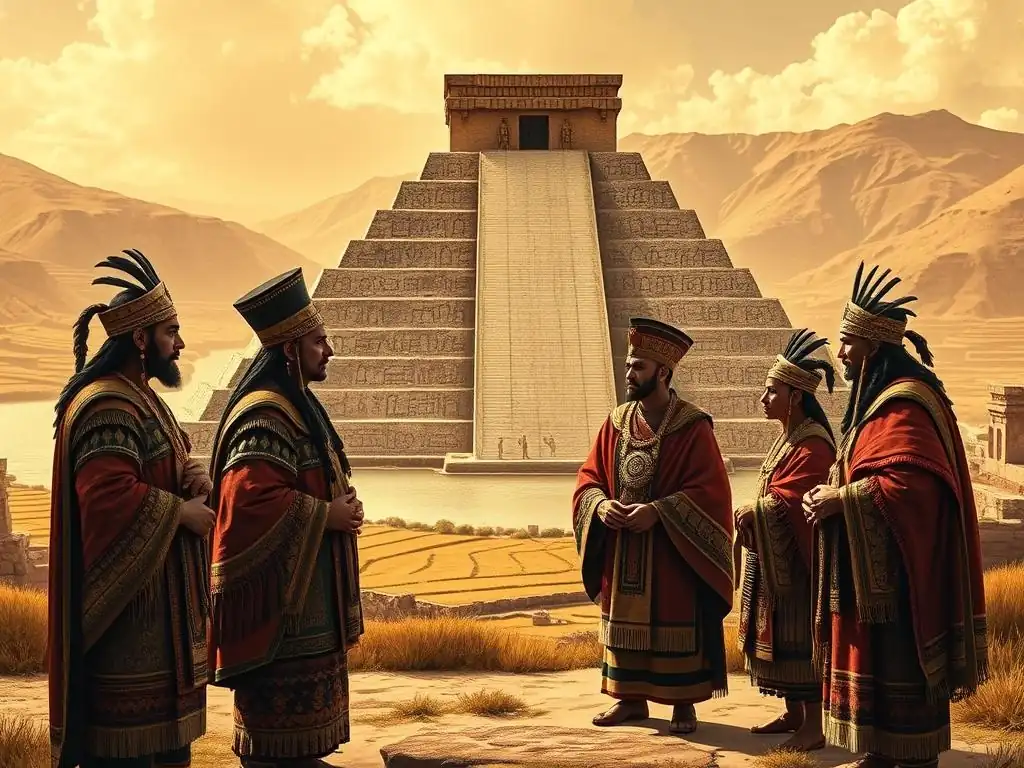
The governance structure of the Tiahuanaco civilization, which flourished around Lake Titicaca in present-day Bolivia, was characterized by complex practices that reflected their social hierarchy and cultural values. Understanding these governance practices provides valuable insights into the leadership dynamics that shaped one of the most influential pre-Columbian civilizations in the Americas.
Decision-Making Processes among Tiahuanaco Leaders
The decision-making processes in Tiahuanaco were influenced by both traditional customs and the necessity of effective governance. Leaders, often viewed as semi-divine figures, held significant authority; however, their power was not absolute.
- Consensus-Based Governance:
- Leaders typically sought consensus among their advisors and community elders before making significant decisions. This practice fostered a sense of unity and cooperation within the community, ensuring that various perspectives were considered.
- Important decisions, such as land distribution or the organization of labor for monumental projects, likely involved discussions within a council of nobles or elders, reflecting a communal approach to governance.
- Ritual and Authority:
- Decision-making was often intertwined with religious and ritualistic elements. Leaders would consult oracles and engage in ceremonies to divine the favor of the gods before undertaking major initiatives. This not only legitimized their decisions but also reinforced their connection to the divine.
- Hierarchy of Leadership:
- The leadership structure included a hierarchy, where the top ruler held the most power, but was supported by lesser leaders who governed different sectors of society. This stratification ensured that various administrative functions were handled efficiently, allowing for a more organized approach to governance.
The Role of Councils and Advisors in Governance
Councils and advisory groups played a crucial role in the governance of Tiahuanaco, providing leaders with the necessary support and insight to manage their civilization effectively.
- Composition of Councils:
- Councils typically comprised nobles, religious leaders, and respected elders. Their diverse backgrounds allowed for a broad spectrum of ideas and solutions to be presented during decision-making processes.
- These councils were essential for addressing local issues, mediating disputes, and overseeing community projects, thereby facilitating a more responsive governance model.
- Advisors' Influence:
- Advisors wielded significant influence, often acting as the voice of the people or specific sectors of society. Their counsel was vital for maintaining social harmony, as they could mediate between the ruler's vision and the populace's needs.
- The ability of advisors to sway decisions underscored the importance of having a well-informed and respected advisory body, which was integral to the legitimacy of the rulers’ decisions.
- Checks and Balances:
- The presence of councils acted as a form of checks and balances within Tiahuanaco’s governance, where leaders were held accountable to their advisors and the broader community. This system helped prevent the abuse of power and encouraged a more equitable distribution of resources.
Mechanisms of Control and Administration
Tiahuanaco's leaders employed various mechanisms to maintain control and effectively administer their civilization, ensuring stability and prosperity.
- Centralized Administration:
- A well-organized administrative structure was established to oversee various aspects of daily life, including agriculture, trade, and labor. This centralization allowed for efficient resource allocation and the implementation of large-scale projects, such as the construction of temples and roads.
- The use of record-keeping systems (such as quipus, a system of knotted strings) facilitated the management of resources and population, enabling leaders to make informed decisions.
- Taxation and Labor Systems:
- The Tiahuanaco civilization implemented a form of taxation that included both labor contributions and agricultural surplus. This system not only supported the state’s monumental projects but also promoted a sense of shared responsibility among the populace.
- Leaders organized communal labor for public works, such as irrigation systems and ceremonial sites, which fostered a collective identity and allegiance to the ruling elite.
- Military Organization:
- The enforcement of leadership and governance was also supported by a military organization that ensured the protection of Tiahuanaco from external threats. A strong military presence helped to maintain internal order and exert influence over neighboring regions.
- Leaders often commanded loyalty through a combination of military strength and social legitimacy, reinforcing their power and promoting stability within the civilization.
The governance practices of the Tiahuanaco civilization reveal a sophisticated system that combined traditional authority with strategic decision-making. The interplay between leaders, councils, and administrative mechanisms highlights a civilization that valued collaboration and communal responsibility, providing rich insights into the leadership dynamics that contributed to Tiahuanaco's enduring legacy.
Tiahuanaco Leadership and Economic Development
How Rulers Fostered Trade and Economic Prosperity
The rulers of the Tiahuanaco civilization played a pivotal role in fostering trade and economic prosperity, which were essential for the growth and sustenance of their society. Central to this leadership was the establishment of a robust trade network that connected Tiahuanaco with various regions across the Andes and beyond.
- Strategic Location: Tiahuanaco was strategically located near Lake Titicaca, one of the largest lakes in South America. This placement facilitated trade routes that allowed the exchange of goods such as textiles, ceramics, and agricultural products between different cultures.
- Trade Partnerships: The leadership cultivated alliances with neighboring cultures, such as the Aymara and the Tiwanaku. These partnerships enabled them to negotiate favorable trade terms, enhancing the flow of resources and goods. For instance, they traded highland products like potatoes and quinoa for lowland resources such as tropical fruits and fish.
- Infrastructure Development: The rulers invested in infrastructure, such as roads and canals, which improved transportation and communication. This enhanced trade significantly. The well-maintained roads allowed merchants to travel efficiently, while canals facilitated the movement of goods via water routes.
- Standardization of Goods: By implementing standards for the production and quality of goods, the Tiahuanaco leaders ensured that traded items were recognized and valued across different regions. This standardization helped in establishing a reputation for Tiahuanaco products, further encouraging trade.
Rulers not only facilitated trade but also regulated it, ensuring that it contributed to the overall economic stability of the Tiahuanaco civilization. Their foresight in creating a vibrant economy laid the groundwork for the society’s long-term success.
The Relationship Between Leadership and Agricultural Innovations
Agricultural innovations were a cornerstone of the Tiahuanaco civilization, directly linked to the vision and governance of its leaders. Through a series of strategic initiatives, Tiahuanaco's rulers transformed agricultural practices, thereby ensuring food security and supporting population growth.
- Terracing Techniques: The Tiahuanaco civilization is renowned for its advanced terracing techniques. Under the guidance of their leadership, they constructed extensive terraces on the hillsides, which maximized arable land and minimized soil erosion. This innovation allowed for more effective farming in the challenging Andean environment.
- Irrigation Systems: The rulers recognized the importance of water management in agriculture. They developed complex irrigation systems, including canals and reservoirs, to control water supply. This not only improved crop yields but also allowed for the cultivation of diverse crops, such as maize and potatoes, which were crucial for their diet.
- Crop Diversification: Leadership in Tiahuanaco encouraged the diversification of crops, which contributed to a resilient agricultural system. By cultivating a variety of plants, they reduced the risk of crop failure due to diseases or climatic changes. This practice ensured a stable food supply, which was critical for the population's growth and the stability of the civilization.
- Cultural Practices: The Tiahuanaco rulers integrated agricultural practices with cultural and religious beliefs, promoting farming as a community effort. Festivals and rituals centered around planting and harvest times fostered a sense of unity among the people, reinforcing the importance of agriculture in their daily lives.
The leadership of Tiahuanaco was instrumental in driving agricultural innovations that not only sustained the civilization but also enhanced its economic prosperity. By prioritizing agriculture and promoting technological advancements, the rulers ensured that Tiahuanaco thrived in a challenging environment, laying the foundations for a complex society that would endure for centuries.
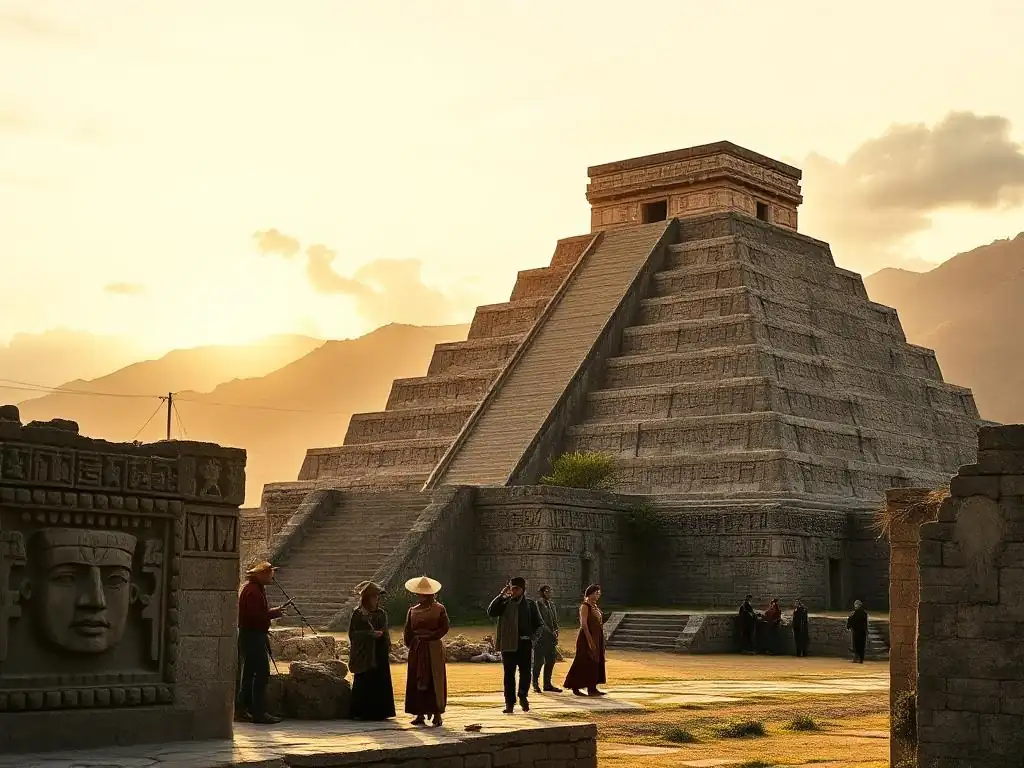
Influence of Leadership on Religion and Rituals
The leadership of the Tiahuanaco civilization was deeply intertwined with the religious practices and beliefs of its people. Rulers not only governed but also acted as spiritual leaders, guiding the populace in their religious observances and rituals. This dual role created a cohesive social structure where religious authority and political power were inseparable.
- Centralized Religious Practices: Tiahuanaco leaders implemented a centralized approach to religion, which ensured that rituals were consistent across the region. This included the establishment of key religious sites that served as focal points for worship and gatherings. The most notable of these is the Temple of Kalasasaya, which featured intricate stonework and was aligned with astronomical events, reflecting the civilization's advanced understanding of celestial movements.
- Rituals and Ceremonies: The rulers organized and conducted ceremonies that reinforced their authority and the social hierarchy. For instance, during significant agricultural events, leaders would perform rituals to ensure bountiful harvests, thereby linking their leadership to the prosperity of the community. Such ceremonies often involved offerings to deities, symbolizing the reciprocal relationship between the rulers and the divine.
- Integration of Religion and Governance: Leadership in Tiahuanaco was characterized by a blend of political and religious duties. The rulers were believed to be intermediaries between the gods and the people, which legitimized their power. This belief system fostered loyalty among the populace, as they viewed their leaders not only as political figures but also as protectors of their spiritual well-being.
- Cultural Transmission: The rituals and religious practices promoted by Tiahuanaco leaders played a crucial role in the cultural transmission of values and beliefs. Through festivals and ceremonial events, the rulers disseminated knowledge and traditions that shaped the identity of the civilization, ensuring continuity and cohesion within the society.
The Role of Leaders in Promoting Art and Architecture
Art and architecture flourished under the auspices of Tiahuanaco leadership, reflecting both the aesthetic values and the technological advancements of the civilization. Leaders played a pivotal role in fostering an environment that encouraged artistic expression and monumental construction.
- Patronage of the Arts: Tiahuanaco rulers served as patrons of artisans and craftsmen, commissioning works that showcased the civilization's wealth and sophistication. The leaders’ support enabled the creation of intricate pottery, textiles, and metalwork, which not only served functional purposes but also conveyed social status and cultural identity.
- Monumental Architecture: The construction of monumental structures such as the Akapana Pyramid and the Gateway of the Sun exemplifies how leadership directly influenced architectural achievements. These structures were not only religious centers but also symbols of political power, showcasing the rulers' ability to mobilize resources and labor for large-scale projects.
- Symbolic Representation: The art and architecture of Tiahuanaco often contained symbolic representations that reflected the civilization's cosmology and social hierarchy. Leaders utilized these symbols to communicate their authority and divine connection, reinforcing their status within the community.
- Cultural Legacy: The artistic and architectural innovations of the Tiahuanaco civilization under its leaders have left a lasting legacy in the Andes. The styles and techniques developed during this period influenced subsequent cultures, establishing a tradition of high artistic achievement that persisted long after the civilization's decline.
Through their influence on religion, art, and architecture, Tiahuanaco leaders not only shaped the cultural landscape of their civilization but also ensured its enduring impact on the history of the Americas.
Decline of Tiahuanaco Civilization and Leadership Challenges
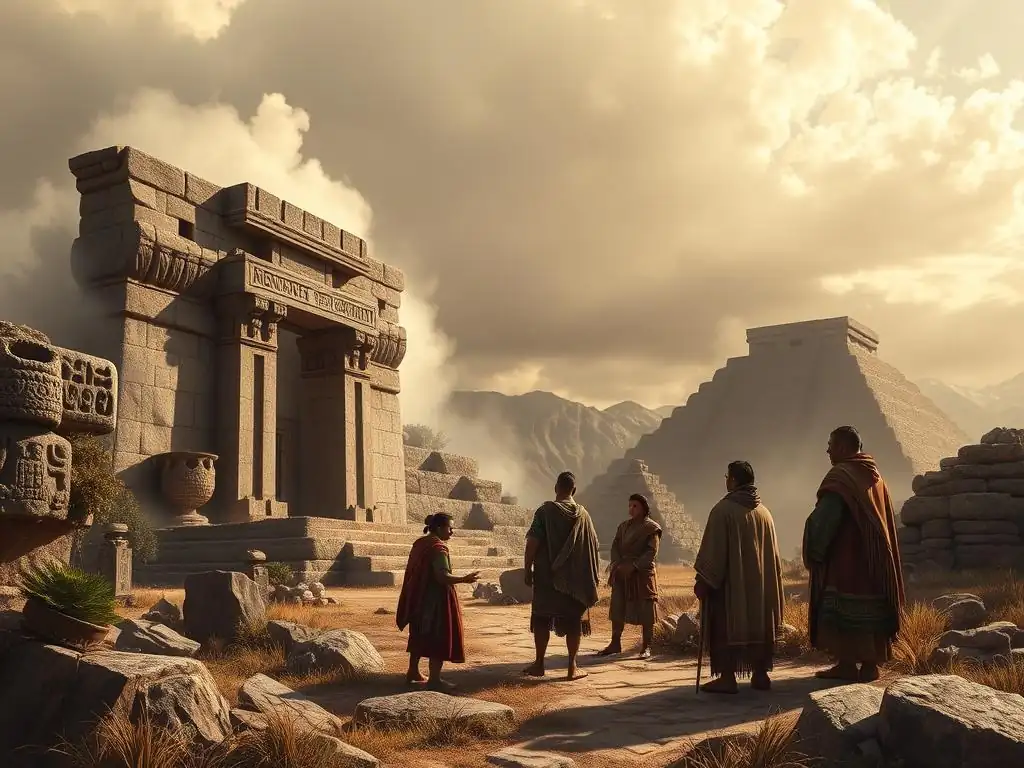
The decline of the Tiahuanaco civilization, which thrived from approximately 300 to 1000 CE, can be attributed to a multitude of factors that collectively undermined the authority of its leadership. Understanding these factors is crucial for gaining insights into the dynamics of leadership in this ancient society.
- Environmental Changes:
- Climate Variability: Evidence suggests that the region experienced significant climatic shifts, including prolonged droughts that severely impacted agriculture. The reliance on farming meant that any disruption in agricultural output would challenge leadership authority, as leaders were often judged by their ability to provide for the populace.
- Resource Depletion: Overuse of local resources, such as deforestation for construction and agriculture, may have led to soil degradation and reduced agricultural yield, further destabilizing the economy.
- Socioeconomic Strife:
- Inequality and Discontent: As Tiahuanaco expanded, discrepancies in wealth and status likely grew, leading to social stratification. Discontent among lower classes and marginalized groups could have eroded leaders' legitimacy and support, making it more difficult to maintain order.
- Trade Disruptions: The Tiahuanaco civilization was reliant on extensive trade networks. Disruptions in these networks, possibly due to external conflicts or environmental factors, could have led to economic decline and weakened the leadership's ability to command loyalty.
- Political Fragmentation:
- Loss of Central Authority: As challenges mounted, the once-cohesive political structure may have fragmented, leading to the rise of local chieftains or factions that undermined the centralized authority of the Tiahuanaco leadership.
- Conflict and Warfare: Evidence of conflict with neighboring groups may indicate that leaders were unable to maintain peace and security, leading to a loss of confidence in their ability to govern effectively.
Lessons Learned from Tiahuanaco's Leadership Dynamics
The leadership dynamics of the Tiahuanaco civilization offer several important lessons for contemporary governance and societal organization. By examining how leadership was both established and challenged, we can derive insights that remain relevant today.
- Adaptability is Crucial:
- Tiahuanaco's leaders faced significant environmental and social changes. Their inability to adapt to these shifts highlights the importance of flexible leadership that can respond to new challenges. Modern leaders can learn from this by fostering resilience and adaptability within their governance structures.
- Engagement with Diverse Populations:
- The growing discontent among various social strata in Tiahuanaco underscores the necessity for inclusive leadership that engages diverse groups. Leaders should prioritize communication and representation to cultivate trust and prevent disenfranchisement.
- Sustainable Resource Management:
- Environmental degradation played a key role in the decline of Tiahuanaco. This serves as a reminder of the need for sustainable practices in resource management to ensure that leadership can meet the needs of their populations without compromising future generations.
- Conflict Resolution and Unity:
- The fragmentation of Tiahuanaco's political structure reveals the importance of conflict resolution mechanisms. Leaders should strive to build unity through dialogue and cooperation, particularly in times of crisis, to maintain authority and stability.
Through these lessons, we gain valuable insights into the complexities of leadership as demonstrated by the Tiahuanaco civilization, offering guidance for contemporary leaders in navigating their own governance challenges.
Conclusion: Lasting Legacy of Tiahuanaco Leadership
The Tiahuanaco civilization, nestled high in the Andes, is often hailed for its remarkable achievements and innovations, particularly in the realm of leadership and governance. The legacy of Tiahuanaco's leadership is not merely historical; it continues to resonate in contemporary discussions about political structure and community organization. Understanding how Tiahuanaco rulers shaped their society provides valuable insights into the complexities of power dynamics and societal governance.
One of the most significant aspects of Tiahuanaco leadership was its emphasis on collective decision-making and the integration of religious beliefs into governance. Leaders were not just political figures; they were also spiritual guides, which created a cohesive bond between the rulers and the populace. This intertwining of governance and spirituality fostered a sense of unity and purpose among the Tiahuanaco people, ensuring that decisions were made with the community’s welfare in mind.
Moreover, Tiahuanaco's political structure, characterized by a hierarchical organization, allowed for effective administration and resource allocation. Rulers were responsible for overseeing agricultural production, trade, and social welfare, demonstrating a multifaceted approach to governance that prioritized the needs of the civilization. The legacy of such a system can be seen in modern governance models that emphasize the importance of leadership being accountable to the community.
Reflections on Tiahuanaco Civilization Leadership Insights
The insights gained from Tiahuanaco's leadership offer a profound understanding of how rulers can shape civilizations. The Tiahuanaco leadership model was marked by a few key characteristics that can inform current leadership practices:
- Integration of Religion and Politics: Leaders were seen as intermediaries between the divine and the people. This connection fostered legitimacy and trust, crucial elements for effective governance. Modern leaders can learn the importance of establishing a strong ethical framework that resonates with their constituents.
- Collective Decision-Making: Unlike many autocratic systems, Tiahuanaco leaders often consulted with community elders and representatives. This practice encouraged collaboration and ensured that diverse voices were heard. The contemporary relevance of this approach can be seen in movements advocating for participatory governance.
- Resource Management: Tiahuanaco rulers adeptly managed resources, particularly in agriculture and trade, which were vital for the civilization’s prosperity. This highlights the necessity for leaders today to prioritize sustainable practices and responsible resource allocation.
- Civic Responsibility: The emphasis on the welfare of the community reflects a broader understanding of civic duty. Effective leaders today must recognize their role in enhancing the quality of life for their constituents, not merely as political figures but as community stewards.
The Impact of Tiahuanaco's Political Structure on Modern Governance
The political structure of the Tiahuanaco civilization has left an indelible mark on governance models today. Various elements of their system can be observed in contemporary democratic frameworks:
| Tiahuanaco Feature | Modern Governance Equivalent |
|---|---|
| Collective Leadership | Participatory Democracy |
| Spirituality in Governance | Ethical Leadership |
| Hierarchical Administration | Bureaucratic Systems |
| Community Welfare Focus | Social Contract Theory |
The hierarchical structure of Tiahuanaco facilitated effective administration while still prioritizing community input. In modern governance, similar approaches can be observed in the formation of local councils and advisory committees that engage citizens in decision-making processes.
Furthermore, the focus on community welfare mirrors current trends in public policy that emphasize social equity and environmental sustainability. As we study Tiahuanaco's political structure, it becomes evident that their insights into governance offer valuable lessons on community engagement, ethical leadership, and the importance of balancing power with responsibility.
The leadership of the Tiahuanaco civilization provides profound insights that extend beyond their time, influencing modern governance and offering a framework for addressing contemporary societal challenges. As we reflect on their legacy, it is essential to recognize the relevance of these principles in shaping a more inclusive and effective political landscape today.
Frequently Asked Questions
What was the Tiahuanaco civilization known for?
The Tiahuanaco civilization was renowned for its architectural achievements, including monumental structures and advanced agricultural practices that supported a thriving society.
How did leadership influence the Tiahuanaco civilization?
Leadership in Tiahuanaco played a crucial role in shaping social organization and maintaining political stability, fostering a culture that prioritized community and cooperation.
What were the key characteristics of Tiahuanaco rulers?
Tiahuanaco rulers were often seen as spiritual leaders and political figures, emphasizing their connection to the gods and the importance of rituals in governance.
How did Tiahuanaco's leadership impact its society?
The leadership structure allowed for efficient resource management and infrastructure development, which were essential for the growth and sustainability of the Tiahuanaco civilization.
What legacy did Tiahuanaco leadership leave behind?
The leadership of Tiahuanaco contributed to a legacy of cultural influence and technological innovation that is still evident in the Andean region today, impacting subsequent civilizations.
Final Reflection: The Enduring Legacy of Tiahuanaco's Leadership
The insights gleaned from the leadership of the Tiahuanaco civilization remain profoundly relevant today, illustrating how effective governance can foster innovation and resilience in society. The rulers of Tiahuanaco not only shaped their civilization's immediate success but also laid the groundwork for a legacy that continues to inspire contemporary discussions about leadership and community building. Their ability to navigate challenges and harness collective strength serves as a powerful reminder of the impact that visionary leaders can have on the trajectory of a civilization.
The influence of Tiahuanaco's leadership extends beyond its historical context, resonating within our modern cultural and social landscapes. As we navigate the complexities of today's world, the principles of collaboration, adaptability, and strategic foresight exemplified by Tiahuanaco's rulers remain vital. Leadership is not about being in charge. It is about taking care of those in your charge.
This quote encapsulates the essence of Tiahuanaco's approach, reminding us that true leadership is rooted in service and community welfare.
As we reflect on the lessons from Tiahuanaco's leadership, I invite you to consider how these insights can be applied in your own life. What kind of leader do you aspire to be, and how can you contribute to the thriving of your community? Embrace the opportunity to cultivate a leadership style that prioritizes collaboration and innovation, ensuring that the legacy of Tiahuanaco continues to inspire future generations. Let us all strive to be leaders who shape not only our own paths but also the futures of those around us.
Unveil the Legacy of Tiahuanaco: Join the Journey!
Thank you for diving into the fascinating world of Tiahuanaco and discovering how its remarkable rulers shaped a thriving civilization. Your interest helps preserve the rich histories of Indigenous cultures, and we hope you feel inspired to continue exploring this vital heritage.
Ready to take the next step? Here’s how you can engage further:
- Dive deeper: Explore additional articles on other influential Indigenous civilizations and their unique leadership dynamics.
- Share your insights: Discuss your thoughts on Tiahuanaco’s impact with friends or on social media—help spread awareness about this incredible civilization.
- Join our community: Subscribe to our newsletter for more enlightening content and updates on Indigenous history.
What aspect of Tiahuanaco’s leadership do you find most compelling, and how do you think it can inform our understanding of modern governance?