
Social Classes and Political Power: Understanding Tiahuanaco's Societal Structure

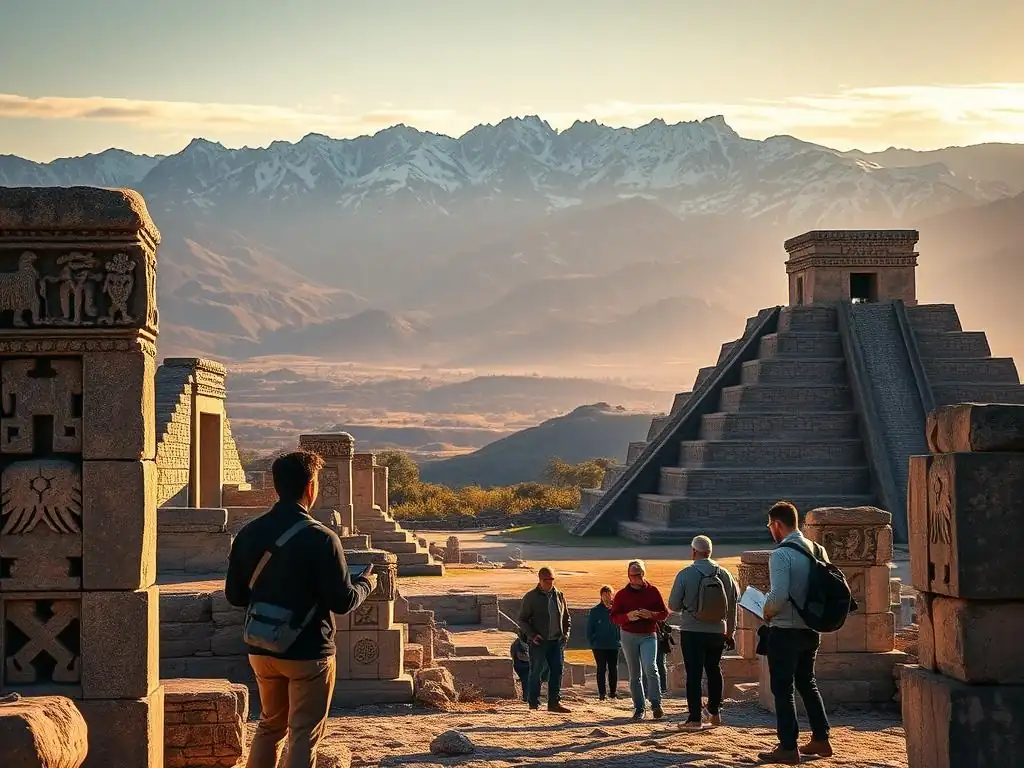
Welcome to Indigenous Civilizations of the Americas, where we invite you to delve deep into the rich tapestry of cultures that flourished long before European shores were reached. Today, we focus on a fascinating topic: the Tiahuanaco societal structure analysis. Uncover the intricate social classes and political dynamics that defined this remarkable civilization and learn how their achievements continue to resonate through history. Are you ready to explore the complexities of Tiahuanaco's society? Join us as we embark on this enlightening journey that promises to broaden your understanding of the indigenous peoples of the Americas.
- Introduction to Tiahuanaco's Societal Structure
- Historical Context of Tiahuanaco Society
- Key Features of Tiahuanaco Societal Structure
- Social Classes in Tiahuanaco: An In-Depth Analysis
- Political Power Dynamics in Tiahuanaco
- The Role of Religion in Tiahuanaco's Societal Structure
- Tiahuanaco's Societal Structure Compared to Other Indigenous Cultures
- Conclusion: The Legacy of Tiahuanaco's Societal Structure
- References and Further Reading on Tiahuanaco Societal Structure Analysis
- Frequently Asked Questions
- Final Reflection: Understanding the Layers of Tiahuanaco's Societal Structure
- Unveil the Mysteries of Tiahuanaco's Society!
Introduction to Tiahuanaco's Societal Structure
The Tiahuanaco civilization, flourishing around 400 to 1000 AD in the Andean highlands of modern-day Bolivia, represents a remarkable example of pre-Columbian societal complexity. Known for its advanced agricultural practices, monumental architecture, and intricate social hierarchy, Tiahuanaco was not merely a settlement but a thriving city-state that influenced many surrounding cultures. Understanding the Tiahuanaco societal structure is essential for appreciating the civilization's political power dynamics, social classes, and cultural achievements. This article delves into the various facets of Tiahuanaco's societal organization, exploring the interplay between its social classes and the governance mechanisms that defined this influential Andean society.
Overview of Tiahuanaco Civilization
The Tiahuanaco civilization is often heralded as one of the most significant cultures in ancient South America. Situated near the shores of Lake Titicaca, Tiahuanaco was a hub of innovation and cultural exchange. Its people demonstrated remarkable skills in architecture, agriculture, and astronomy, which contributed to the city’s grandeur and sustainability.
Key aspects of Tiahuanaco civilization include:
- Urban Planning: The city was meticulously planned, featuring a grid layout, extensive ceremonial complexes, and monumental structures such as the Akapana pyramid and the Gateway of the Sun.
- Agriculture: Utilizing advanced farming techniques, including raised-field agriculture, Tiahuanaco managed to sustain a large population despite the challenging highland environment.
- Cultural Influence: The civilization's artistic and architectural styles influenced subsequent cultures in the region, such as the Inca, showcasing the enduring legacy of Tiahuanaco's innovations.
Importance of Analyzing Tiahuanaco Societal Structure
Analyzing the societal structure of Tiahuanaco offers invaluable insights into how power and resources were distributed within this ancient civilization. Understanding the roles of various social classes reveals the complexities of governance and the interactions between the ruling elite and the common populace.
Some critical reasons for this analysis include:
- Power Dynamics: Examining the hierarchical organization helps us understand how political power was exercised and maintained in Tiahuanaco.
- Social Mobility: Insights into social classes provide a glimpse into the possibilities for social mobility and the criteria for status elevation within the society.
- Cultural Cohesion: Understanding societal structure highlights how social classes contributed to the cultural identity and cohesion of Tiahuanaco, impacting everything from religious practices to economic activities.
By exploring these aspects, we can better appreciate the intricate web of relationships that defined Tiahuanaco's societal structure and its implications for the broader context of indigenous civilizations in the Americas.
Historical Context of Tiahuanaco Society
Timeframe and Geographic Location
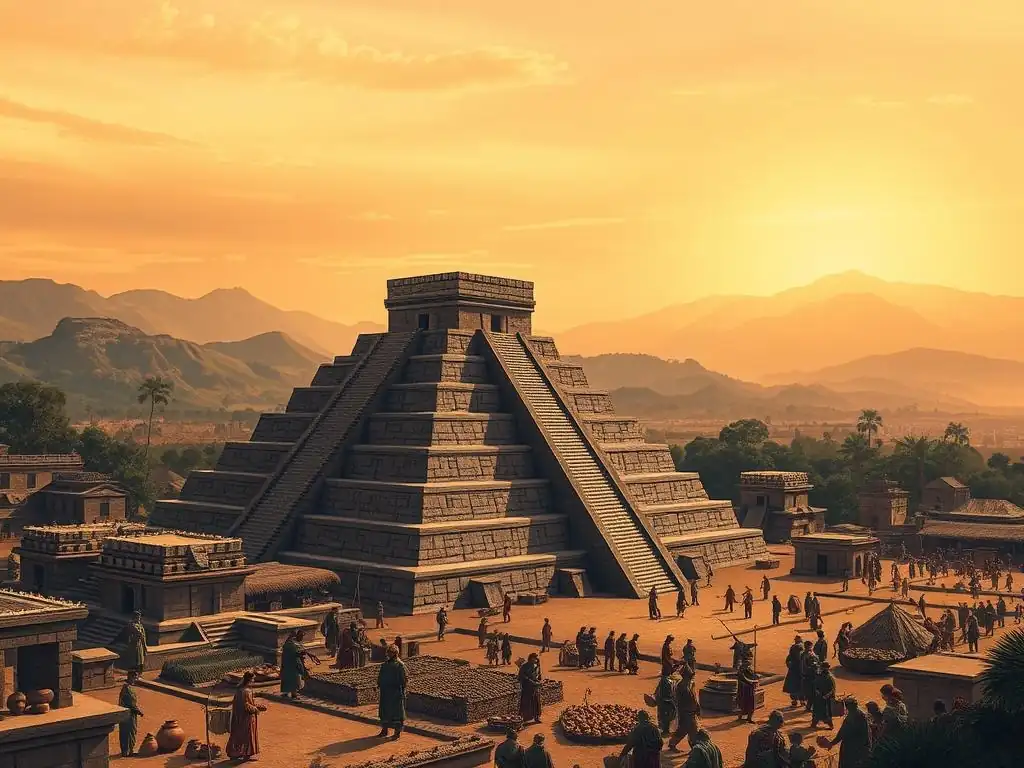
Tiahuanaco, an ancient civilization located near the southern shores of Lake Titicaca in present-day Bolivia, flourished between approximately AD 300 and AD 1000. This timeframe marks a significant period in the pre-Columbian history of the Americas, during which Tiahuanaco became a vital cultural and political center. The geographic location of Tiahuanaco played a crucial role in its development, as it was strategically positioned at a crossroads of trade routes connecting the highlands of the Andes with the lowland regions of the Amazon Basin.
The site itself is characterized by impressive architectural feats, including the Pumapunku and the Akapana Pyramid, which showcase advanced engineering techniques that reflect the society's organizational capabilities. The high-altitude environment of Tiahuanaco, coupled with its proximity to natural resources such as clay, stone, and agricultural land, allowed the civilization to thrive.
The influence of surrounding cultures, particularly the Wari and Aymara, also contributed to the societal structure of Tiahuanaco. The integration of diverse cultural practices led to a rich tapestry of traditions, which can be seen in their art, religion, and governance.
Influences on Tiahuanaco’s Political Structure
The political structure of Tiahuanaco was shaped by a combination of social stratification, economic control, and religious authority. At the apex of this societal hierarchy was a ruling elite that exercised significant power, likely composed of a priestly class or noble lineage. This elite was responsible for decision-making, resource allocation, and the enforcement of social norms.
Social Stratification
- Ruling Class: Comprised of leaders and priests, this class held political and religious authority, shaping the laws and rituals that governed daily life.
- Artisans and Merchants: Skilled laborers produced goods and engaged in trade, contributing to the economic stability of the society.
- Farmers and Laborers: The backbone of Tiahuanaco’s economy, these individuals sustained the civilization through agriculture, particularly the cultivation of potatoes and quinoa.
Economic Control
The Tiahuanaco civilization practiced intensive agriculture, which was crucial for its sustenance and growth. The use of raised-field agriculture allowed for effective land management and increased food production. Surplus agricultural goods likely facilitated trade with neighboring regions, reinforcing Tiahuanaco's economic influence.
Religious Authority
Religion played a pivotal role in legitimizing political power. The ruling class was often seen as divinely chosen, and ceremonies conducted at monumental sites served to reinforce their authority. The worship of deities associated with agriculture and fertility was prevalent, reflecting the society's reliance on natural resources.
The intricate blend of these factors created a unique political landscape in Tiahuanaco, characterized by a centralized power structure that governed a diverse population. This Tiahuanaco societal structure analysis reveals the complexity of their governance and the lasting impact it had on subsequent Andean civilizations.
Key Features of Tiahuanaco Societal Structure
Hierarchical Organization of Tiahuanaco Society
The societal structure of Tiahuanaco was characterized by a complex hierarchy, reflecting a system that organized individuals based on their roles, responsibilities, and social status. This hierarchical organization allowed for efficient governance and resource management, which was essential for the thriving of this ancient civilization.
- Top Tier: The Elite Class
- At the pinnacle of Tiahuanaco's societal hierarchy were the elite, often referred to as the nobility or priestly class. This group held significant power and influence, managing religious, political, and economic activities.
- The leaders of Tiahuanaco were believed to be descendants of gods, which reinforced their authority and legitimacy. Their positions were often hereditary, cementing the power of certain families over generations.
- Middle Tier: The Artisan and Merchant Class
- Below the elite class was the artisan and merchant class. Artisans were essential for creating the intricate stonework and textiles that Tiahuanaco is renowned for, while merchants facilitated trade with neighboring regions.
- This class played a crucial role in the economy, enabling the exchange of goods and ideas, thereby fostering cultural connections and advancements.
- Lower Tier: The Laborers and Farmers
- The largest segment of Tiahuanaco society was composed of laborers and farmers. These individuals were responsible for agricultural production, which was vital for sustaining the population.
- Despite their lower status, their contributions were essential, as they provided the necessary food supplies that supported the elite and artisan classes. Their labor often included communal efforts, which strengthened community bonds.
- Social Mobility
- While the Tiahuanaco societal structure was predominantly hierarchical, there were instances of social mobility. Individuals could improve their status through exceptional achievements, particularly in trade or craftsmanship.
The hierarchical organization of Tiahuanaco society not only facilitated effective governance but also established a framework for social interaction and cultural development, allowing this civilization to flourish for centuries.
The governance of Tiahuanaco was deeply intertwined with its social classes, each contributing in distinct ways to the political landscape and societal stability. Understanding the role of these classes provides insight into how Tiahuanaco managed its complex society.
- The Political Power of the Elite Class
- The elite, comprising both political leaders and priests, wielded considerable authority in decision-making processes. They were responsible for enacting laws and overseeing various aspects of governance, including military strategies and diplomatic relations.
- Their religious roles also played a significant part in governance, as they were believed to mediate between the gods and the people, thus legitimizing their authority and decisions.
- Influence of Artisans and Merchants
- While artisans and merchants were primarily seen as an economic force, they also held a degree of influence in governance through their economic contributions. Their ability to generate wealth and resources often allowed them to gain favor with the elite.
- The economic stability provided by this class enabled the elite to maintain power and invest in monumental architecture and infrastructure, which further solidified Tiahuanaco's political power.
- Laborers' Essential Role
- The labor class, despite their lower social status, formed the backbone of Tiahuanaco's agricultural and construction efforts. Their collective labor was crucial for the maintenance of public works and infrastructure, which were critical for societal cohesion and governance.
- The leaders often relied on the labor class to enforce laws and maintain order within the community, showcasing how governance was a collective effort that involved all social classes.
- Community Governance
- Tiahuanaco's society also included mechanisms for local governance, where community leaders from the lower classes could partake in localized decision-making. This system allowed for a degree of representation and a voice for those typically excluded from higher political discourse.
- Such practices not only fostered loyalty among the lower classes but also ensured that governance was responsive to the needs of the broader community.
The Tiahuanaco societal structure analysis reveals a sophisticated interplay between social classes and governance. Each class played a vital role in maintaining the political stability and cultural richness of Tiahuanaco, illustrating the complexity of its ancient civilization.
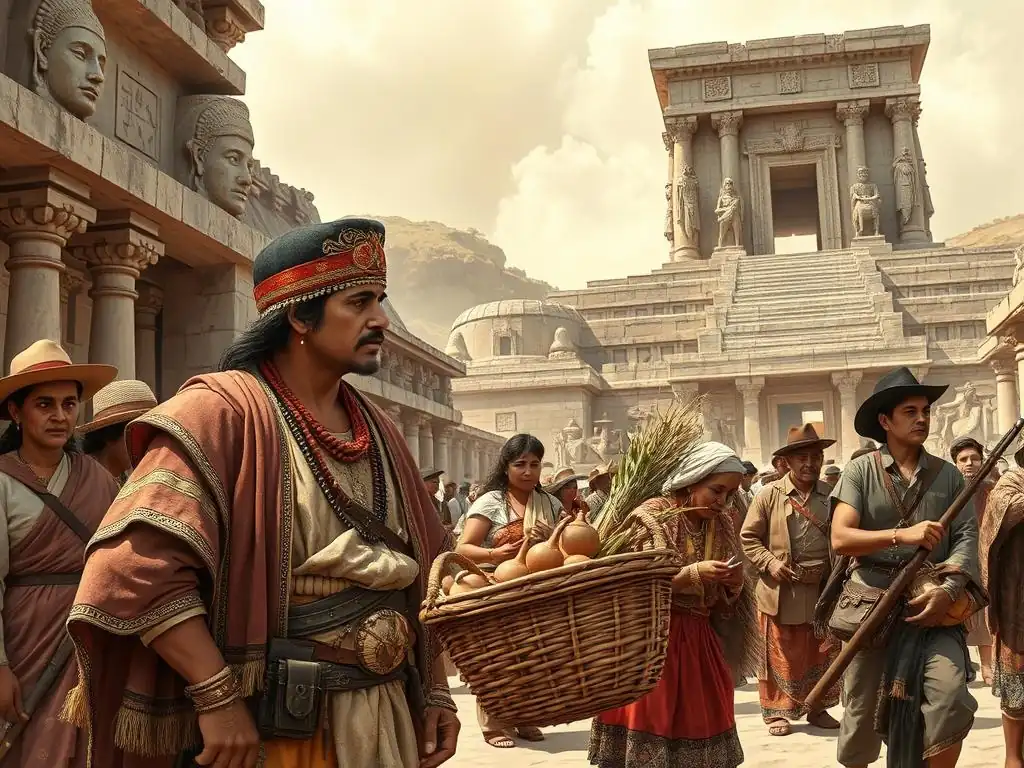
The societal structure of Tiahuanaco, a pre-Columbian civilization located near Lake Titicaca in present-day Bolivia, is characterized by a complex hierarchy that influenced its political, economic, and cultural systems. The social classes within Tiahuanaco were integral to the functioning of this civilization, each contributing uniquely to its development and sustainability. Understanding the nuances of these classes provides valuable insights into Tiahuanaco's societal structure analysis.
The Elite Class: Power and Influence
The elite class in Tiahuanaco was composed of a small group of individuals who wielded significant power and influence over both governance and religious practices. This class included priests, nobility, and high-ranking officials who were responsible for making critical decisions that affected the entire society.
- Political Role: Members of the elite class played a crucial role in the political governance of Tiahuanaco. They were responsible for the administration of laws, organization of labor, and management of resources. The elite maintained control over the economic surplus generated by agricultural production, which allowed them to fund large construction projects and religious ceremonies.
- Religious Authority: Religion was deeply intertwined with political power in Tiahuanaco. The elite class often served as religious leaders, mediating between the deities and the common people. This connection to the divine was essential for legitimizing their authority and maintaining social order.
- Cultural Influence: The elite were also the patrons of art and architecture. They commissioned monumental structures, such as the famous Gateway of the Sun, which not only served religious purposes but also symbolized their power and prestige.
The Artisan Class: Crafts and Contributions
The artisan class in Tiahuanaco was vital for the production of goods that sustained both the elite and common classes. This class consisted of skilled craftsmen and women who specialized in various trades, including pottery, textiles, metallurgy, and stone carving.
- Craftsmanship: Artisans in Tiahuanaco were known for their exceptional skills and creativity. They produced intricately designed pottery and textiles that were not only functional but also held cultural significance. The use of vibrant colors and complex patterns reflected the society's artistic values.
- Economic Role: The contributions of artisans were essential for trade. Their products were highly sought after, facilitating exchanges with neighboring cultures. This trade network helped bolster Tiahuanaco’s economy and allowed for the accumulation of wealth, which further supported the elite class.
- Cultural Legacy: Many artifacts created by Tiahuanaco artisans have survived, providing insights into their daily lives, beliefs, and social practices. These artifacts continue to be studied for their historical significance and artistic merit.
The Agricultural Class: Foundation of Society
Agriculture was the backbone of Tiahuanaco's economy, and the agricultural class played a critical role in sustaining the civilization. This class comprised the majority of the population and was responsible for food production.
- Farming Techniques: The agricultural class utilized advanced farming techniques that allowed them to cultivate crops in the challenging highland environment. They developed terracing methods and irrigation systems that maximized arable land and ensured a stable food supply.
- Social Dynamics: While the agricultural class was often seen as lower in the social hierarchy, their contributions were indispensable. They provided the food that supported the entire population, including the elite and artisans. This interdependence created a complex social dynamic where each class relied on the others for survival.
- Ritual Significance: Agriculture was not merely an economic activity; it was also tied to the spiritual beliefs of Tiahuanaco. Agricultural practices often included rituals meant to honor the earth and the deities, reflecting the deep connection between the land and the people.
The societal structure of Tiahuanaco was a multifaceted system where the elite, artisans, and agricultural classes each played distinct yet interconnected roles. This hierarchy not only shaped the political landscape of Tiahuanaco but also influenced its cultural and economic practices, providing a rich tapestry for understanding Tiahuanaco societal structure analysis.
The Labor Class: Role in Construction and Economy
The labor class in Tiahuanaco played a pivotal role in both the construction of monumental architecture and the overall economy of the civilization. This class was primarily composed of skilled and unskilled workers who undertook various tasks essential for the societal development of Tiahuanaco. Their contributions were instrumental in transforming the landscape and establishing Tiahuanaco as a center of cultural and religious significance.
Construction of Monuments and Infrastructure
One of the most notable contributions of the labor class was their involvement in the construction of Tiahuanaco's iconic structures, such as the Akapana pyramid and the Gateway of the Sun. These monumental works required a vast workforce, including:
- Stone Carvers: Expert artisans who meticulously shaped and polished the stone used in construction.
- Laborers: Individuals responsible for transporting heavy stone blocks from quarries located several kilometers away, often using rudimentary but effective methods such as sledges and ramps.
The labor class not only built impressive structures but also created a network of roads and canals that facilitated trade and communication across the region. This infrastructure was crucial for the movement of goods and people, thereby enhancing economic activities.
Economic Contributions
The labor class significantly impacted Tiahuanaco's economy through various agricultural and artisanal activities. Agriculture was the backbone of Tiahuanaco's economy, with farmers forming a substantial part of the labor force. They cultivated crops such as potatoes, quinoa, and maize, using advanced agricultural techniques, including terracing and irrigation.
Moreover, artisans within the labor class produced a range of goods, from textiles to pottery and metalwork. These products were essential not only for local consumption but also for trade with neighboring cultures. The vibrant exchange of goods helped establish Tiahuanaco as an economic hub in the Andean region.
Social Mobility and Status
While the labor class was primarily seen as lower in the societal hierarchy, there were instances of social mobility. Skilled artisans, especially those whose work was highly valued, could gain status and influence within the community. This dynamic reflects a more complex societal structure in Tiahuanaco, where merit and skill could elevate an individual's standing.
Conclusion
The labor class was foundational to the societal structure of Tiahuanaco, significantly contributing to both construction and economic activities. Their efforts not only resulted in the creation of monumental architecture that is still admired today but also supported a thriving economy that allowed Tiahuanaco to flourish as a significant cultural center in pre-Columbian America. The interplay between labor, construction, and economic productivity illustrates the complex social fabric of Tiahuanaco and its enduring legacy.
Political Power Dynamics in Tiahuanaco
Mechanisms of Power Distribution
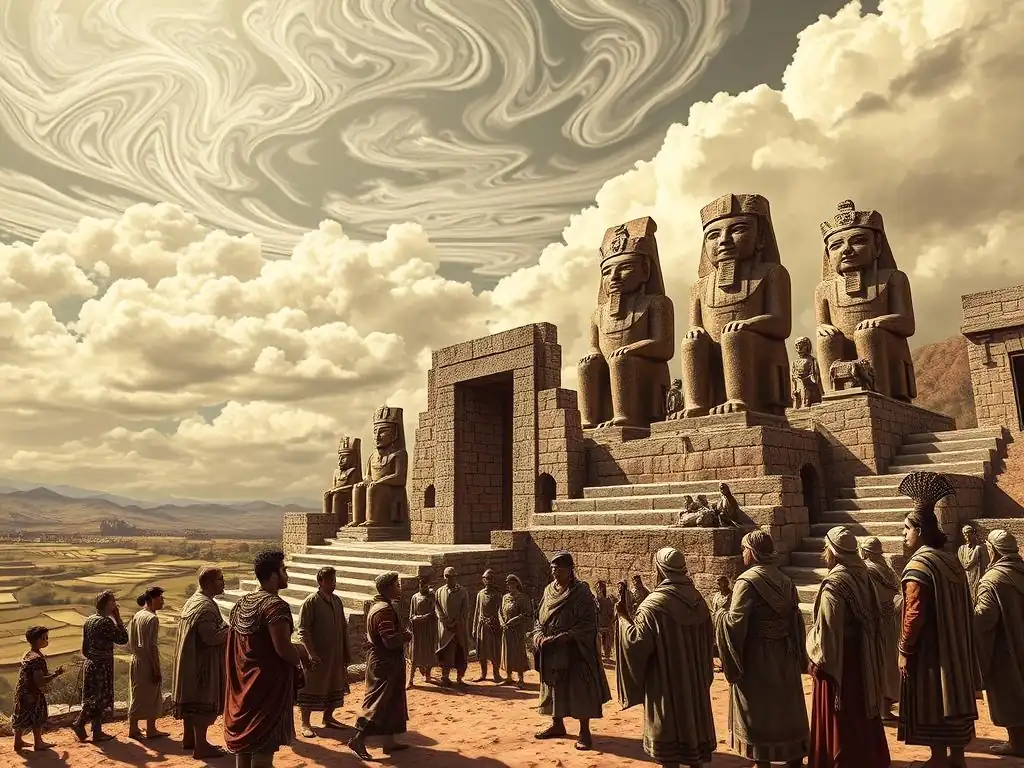
The societal structure of Tiahuanaco was characterized by a complex interplay of power mechanisms that governed the distribution of authority among its citizens. At the core of Tiahuanaco's political dynamics was an elite class, often referred to as the "nobility," who wielded significant influence over both governance and societal norms. This elite was primarily composed of religious leaders, military commanders, and high-ranking officials, forming a ruling class that maintained control over resources, land, and political decision-making.
Key mechanisms of power distribution included:
- Centralized Authority: The Tiahuanaco civilization featured a centralized political authority, likely embodied by a ruling figure or council of elites. This centralization allowed for coordinated decision-making and effective management of resources, particularly in large-scale projects such as agriculture and monumental architecture.
- Religious Influence: Religion played a pivotal role in legitimizing power. The ruling elite often held religious titles that allowed them to intertwine governance with spiritual authority. This connection fostered societal compliance and unity, as the populace viewed their leaders as divinely ordained.
- Economic Control: The management of agricultural production and trade routes was a crucial aspect of power distribution. The elite controlled the distribution of surplus resources, which not only enhanced their wealth but also ensured loyalty from lower classes who depended on the nobility for their livelihoods.
- Military Organization: The military was instrumental in maintaining order and expanding Tiahuanaco's influence. Commanders from the elite class would lead military expeditions, reinforcing their status and authority through successful conquests and territorial expansion.
In Tiahuanaco, social classes were distinctly stratified, creating a hierarchical structure that shaped political authority. Understanding this interplay is essential for a comprehensive Tiahuanaco societal structure analysis.
Social classes in Tiahuanaco typically included:
- Elite Class: This group comprised the ruling elite, including priests and high-ranking officials. They held significant political power and dictated societal norms. Their decisions often reflected the interests of the upper echelons, emphasizing the importance of maintaining their privileged status.
- Artisan and Merchant Class: Below the elite, artisans and merchants played a vital role in economic activities. They produced goods and facilitated trade, contributing to the overall wealth of the civilization. While they enjoyed a degree of status, their influence was limited compared to the elite.
- Commoners: The majority of the population fell into the commoner category, made up of farmers and laborers. This class was heavily reliant on the elite for protection and sustenance. Despite their critical role in agriculture and labor, their political voice was minimal, often leaving them at the mercy of the ruling class's decisions.
- Slaves and Servants: At the bottom of the social hierarchy were slaves and servants. Often captured during military campaigns or born into servitude, this class had no political power and was subjected to the will of their masters.
The interactions between these classes were governed by a system of reciprocity and obligation. The elite provided protection and resources to commoners, who, in return, were expected to support the ruling class through labor and loyalty. This mutual dependence reinforced the existing power structures, ensuring the stability and continuity of Tiahuanaco’s political authority.
The Tiahuanaco societal structure was marked by a sophisticated mechanism of power distribution that intertwined with distinctly defined social classes. The resulting dynamics not only shaped the governing practices of the civilization but also left a lasting impact on the cultural legacy of the region.
The Role of Religion in Tiahuanaco's Societal Structure
The societal structure of Tiahuanaco was deeply intertwined with religious beliefs and practices, which played a crucial role in shaping the political and social dynamics of this ancient civilization. Religion was not just a spiritual framework but also a powerful tool that influenced governance and social stratification. The integration of religious authority with political power created a unique societal environment where leaders were seen as intermediaries between the divine and the people.
Religious Leaders as Political Figures
In Tiahuanaco, religious leaders held significant political power, often acting as both spiritual guides and political authorities. These leaders were typically part of a ruling elite, which included priests and shamans who were believed to possess divine knowledge and the ability to communicate with the gods. Their dual role allowed them to maintain social order and legitimacy in governance.
- Priestly Authority: The priests were responsible for conducting rituals and ceremonies that were pivotal for agricultural success and societal stability. Their control over religious practices gave them considerable influence over the populace, as people believed that the priests could affect the natural world and ensure prosperity.
- Political Decision-Making: Religious leaders often participated in decision-making processes, advising rulers on matters that required divine insight. This blending of religious and political authority meant that a ruler’s legitimacy was reinforced through religious endorsement. For example, major political events, such as the selection of leaders or the declaration of war, were closely tied to religious ceremonies.
- Symbolism and Ritual: The architecture of Tiahuanaco, including monumental structures like the Akapana pyramid and the Temple of Kalasasaya, served as both religious centers and political symbols. These sites were often the venues for important rituals that reinforced the leaders’ power and their connection to the divine.
The hierarchical nature of Tiahuanaco's society was significantly shaped by religious beliefs, which established a clear distinction between different social classes. The intertwining of religion and social structure created a system where status and privilege were often determined by one’s connection to religious authority.
- Nobility and Priesthood: The highest social class included the nobility and the priesthood, who were directly involved in religious rituals and governance. This elite class enjoyed privileges that were not accessible to commoners, including access to resources and decision-making power. The nobility’s close ties to religious institutions allowed them to maintain control over the lower classes.
- Commoners and Laborers: At the bottom of the hierarchy were the commoners and laborers, who were primarily responsible for agricultural production and manual labor. Their status was often viewed as less significant in the religious context, limiting their influence in political matters. However, the reliance on these groups for sustaining the economy meant that their role was essential, albeit undervalued.
- Religious Festivals and Social Mobility: Certain religious festivals provided opportunities for social mobility. Participation in these events could elevate an individual's status, particularly if they were recognized for their contributions to the community or their devotion to the gods. This aspect of Tiahuanaco’s societal structure highlights how religion was not just a tool for control but also a means of fostering community cohesion and potential upward mobility under specific circumstances.
The role of religion in Tiahuanaco's societal structure was multifaceted, influencing both political authority and social hierarchy. The integration of religious leaders into political roles and the hierarchical implications of religious beliefs underscore the complexity of Tiahuanaco's culture, revealing how deeply interwoven religion was with every aspect of life in this remarkable civilization.
Tiahuanaco's Societal Structure Compared to Other Indigenous Cultures
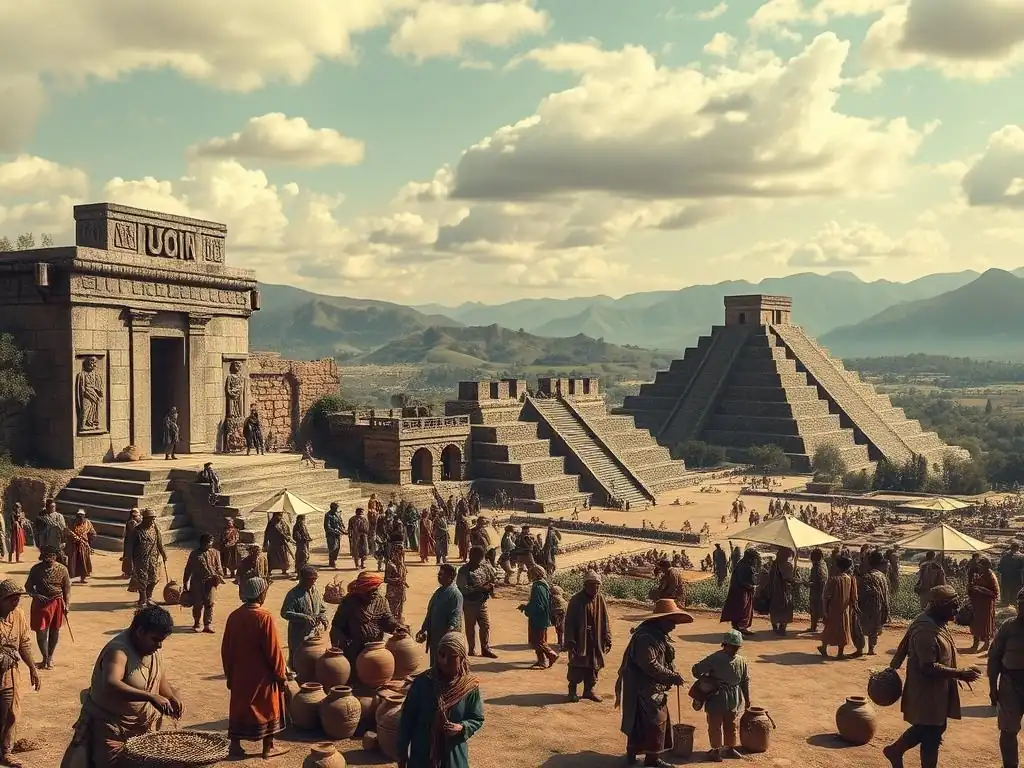
The societal structure of Tiahuanaco presents a fascinating case study when compared to other indigenous cultures across the Americas. This ancient civilization, which thrived in the highlands of present-day Bolivia between 300 and 1000 CE, exhibited unique characteristics in its social organization and governance that both reflected and diverged from the structures of neighboring cultures, particularly those within the Andean region.
Similarities and Differences with Andean Societies
Tiahuanaco's societal structure shares several similarities with other Andean societies, particularly the Inca Empire that emerged later. Both civilizations were characterized by a hierarchical social organization, but the nuances in their structures reveal important distinctions.
- Hierarchical Social Structure:
- Tiahuanaco: At the top of the hierarchy were the elite classes, likely composed of priests and nobility who wielded significant religious and political power. The society was stratified, with artisans and farmers forming the middle and lower classes.
- Andean Societies: Similar to Tiahuanaco, the Inca Empire established a class system where the Sapa Inca, considered a divine ruler, reigned supreme, supported by a class of nobles and local leaders. However, the Inca system emphasized a more centralized bureaucracy.
- Economic Practices:
- Tiahuanaco: The economy was primarily based on agriculture, with the use of advanced irrigation techniques and terracing to maximize crop yields. The society also engaged in extensive trade networks.
- Andean Societies: The Incas similarly relied on agriculture but expanded their economy through state-controlled trade and tribute systems that enforced economic integration across their empire.
- Religious Influence:
- Tiahuanaco: Religion played a pivotal role in governance, with the ruling elite often linked to deities. Temples and ceremonial sites, such as the famous Akapana Pyramid, were central to Tiahuanaco’s culture.
- Andean Societies: Inca rulers also claimed divine ancestry and used religion to legitimize their authority, exemplified by the worship of Inti, the sun god.
- Cultural Exchanges:
- Tiahuanaco: This civilization influenced surrounding cultures through its architectural styles and agricultural techniques, which were adopted by neighboring societies.
- Andean Societies: The Incas absorbed and adapted many elements from earlier cultures, including Tiahuanaco, particularly in ceremonial practices and agricultural innovations.
While Tiahuanaco and other Andean societies share foundational aspects of hierarchical structures and religious significance, the differences lie in the degree of centralization, economic integration, and the specific cultural practices that evolved in response to their environments.
Impact of Tiahuanaco on Neighboring Civilizations
The impact of Tiahuanaco on neighboring civilizations is a testament to its role as a cultural and political hub in the Andean region. As a center of innovation and influence, Tiahuanaco's societal structure fostered developments that resonated throughout the region.
- Architectural Influence:
- The monumental architecture of Tiahuanaco, characterized by precisely cut stone constructions and grand ceremonial sites, set a precedent for subsequent cultures. This influenced the architectural styles of later civilizations, including the Incas, who adopted similar construction techniques.
- Agricultural Advancements:
- Tiahuanaco's innovations in agriculture, particularly its sophisticated irrigation systems and terracing methods, were crucial for the sustenance of the surrounding populations. Neighboring tribes learned from these practices, enhancing their agricultural productivity and contributing to population growth.
- Trade Networks:
- The establishment of trade routes by Tiahuanaco facilitated the exchange of goods and ideas across the region. Items such as textiles and ceramics were traded, leading to cultural exchanges that enriched the societies involved.
- Cultural Exchange and Integration:
- Tiahuanaco acted as a melting pot, where different ethnic groups interacted and exchanged cultural practices. This cultural synthesis had a lasting effect on the development of Andean identity and societal structures in the region.
Tiahuanaco's societal structure not only defined its internal governance and social organization but also left an indelible mark on neighboring civilizations. The legacy of Tiahuanaco can be seen in the continued evolution of Andean culture, architecture, and agricultural practices, illustrating the interconnectedness of indigenous societies in pre-Columbian America.
Conclusion: The Legacy of Tiahuanaco's Societal Structure
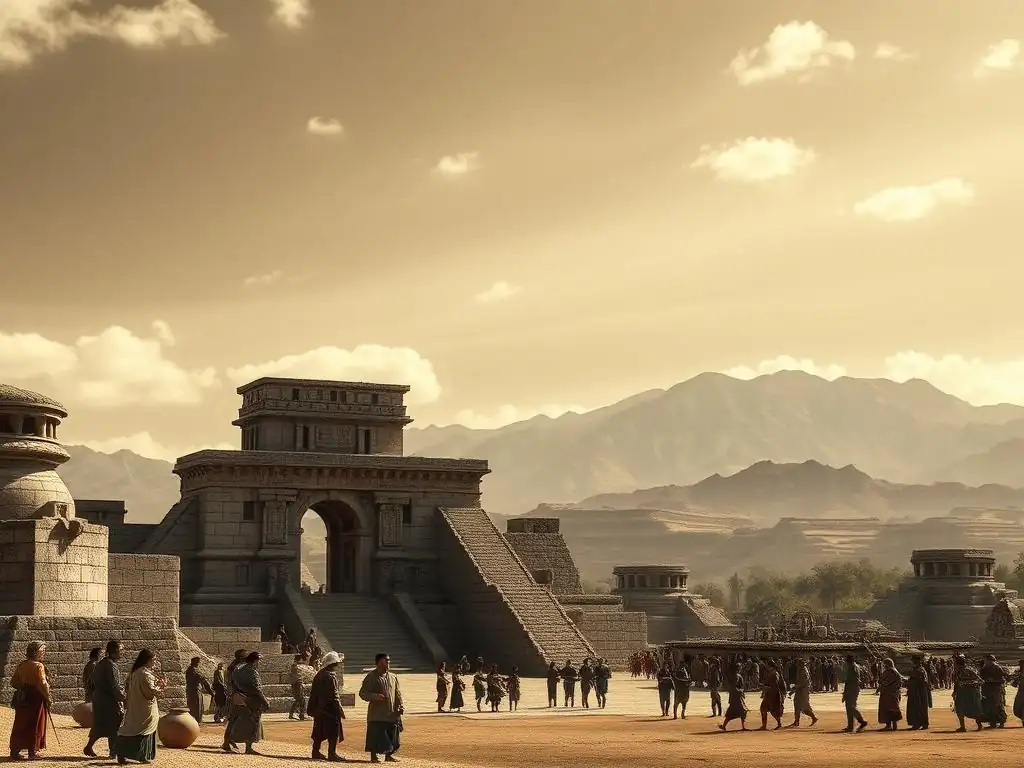
The societal structure of Tiahuanaco, a prominent pre-Columbian civilization located near Lake Titicaca in present-day Bolivia, has left a profound legacy that continues to influence modern understanding of indigenous governance and social organization. This analysis not only highlights the complex hierarchy and roles within Tiahuanaco but also emphasizes how these structures informed the governance models of subsequent cultures in the Andes and beyond.
Tiahuanaco's societal organization was characterized by distinct social classes, including elites, artisans, farmers, and laborers, each playing a crucial role in the civilization's success. The elite class, often composed of priests and rulers, wielded significant political power and religious authority, overseeing the construction of monumental architecture and the administration of resources. This centralized power facilitated the coordination of large-scale agricultural and construction projects, which were vital for the sustainability of the society.
Lasting Impact on Indigenous Governance Models
The governance models established by Tiahuanaco have had a lasting impact on various indigenous cultures throughout the Americas. The emphasis on hierarchical structures, combined with the integration of religious and political roles, influenced subsequent civilizations such as the Inca Empire.
- Centralization of Power: The centralization seen in Tiahuanaco's governance provided a framework for later societies to build upon. The ability to mobilize labor and resources for monumental projects, such as the famous Akapana pyramid, set a precedent for subsequent rulers who sought to demonstrate power through similar means.
- Cultural Integration: Tiahuanaco's societal structure promoted cultural integration among diverse groups, fostering a sense of shared identity. This approach can be observed in the Inca Empire, which expanded upon Tiahuanaco’s practices by incorporating various cultures into their governance, creating a more unified political entity.
- Religious Influence: The intertwining of governance and religion in Tiahuanaco’s society underscores the role of spirituality in legitimizing authority. Religious rituals and beliefs were often used to justify the elite's power, a practice that persisted in many indigenous cultures across the Americas.
Reflections on Tiahuanaco Societal Structure Analysis in Modern Context
In contemporary discussions about governance and social organization, the analysis of Tiahuanaco's societal structure provides valuable insights. Modern indigenous movements often draw upon traditional governance models to advocate for autonomy and representation within national frameworks.
- Revival of Traditional Governance: There is a growing recognition of the importance of indigenous governance models, which prioritize communal decision-making and respect for the environment. These principles echo the practices seen in Tiahuanaco, where the well-being of the community was central to political decisions.
- Social Hierarchies and Equity: The study of Tiahuanaco's class structure prompts reflections on social equity today. Understanding how power dynamics functioned in ancient societies can inform current efforts to address inequality and promote inclusivity in governance.
- Cultural Heritage: The legacy of Tiahuanaco serves as a reminder of the rich cultural heritage of indigenous peoples. It encourages a deeper appreciation for their contributions to political thought and social organization, emphasizing the need to preserve and respect these traditions in modern contexts.
Tiahuanaco's societal structure analysis offers critical perspectives on the evolution of governance models among indigenous peoples in the Americas. Its impact resonates through history, informing contemporary discussions on power, representation, and cultural identity. The study of Tiahuanaco is not merely an exploration of the past; it is a key to understanding the ongoing narratives of indigenous resilience and adaptation in today's world.
References and Further Reading on Tiahuanaco Societal Structure Analysis
Understanding the societal structure of Tiahuanaco is crucial for grasping the complexity of its political power and cultural achievements. The following sources provide valuable insights into Tiahuanaco's societal dynamics, governance, and the broader context of indigenous political structures in the Americas.
Key Sources for Understanding Tiahuanaco
- "Tiahuanaco: The Cradle of American Civilization" by Arthur Posnansky
- This seminal work explores the archaeological significance of Tiahuanaco, offering a detailed analysis of its architectural and societal features. Posnansky's research provides a foundation for understanding the complex governance systems that operated within the city.
- "The Tiahuanaco Culture: A Comprehensive Study" edited by Janice L. Pizarro
- This compilation features contributions from various scholars who examine Tiahuanaco's social classes, economic systems, and political organization. The diverse perspectives presented in this book enhance the understanding of Tiahuanaco's societal structure.
- "Ancient Andean Civilization: A History of Tiahuanaco" by David L. Browman
- Browman's historical analysis delves into the rise and fall of Tiahuanaco, emphasizing its political and social hierarchies. The book discusses the interactions between Tiahuanaco and neighboring cultures, shedding light on its influence in the region.
- "The Archaeology of Tiahuanaco" by William H. Isbell
- Isbell focuses on archaeological findings to provide insights into the daily lives, religious practices, and political organization of Tiahuanaco society. The book is rich with illustrations and data that support the analysis of its societal structure.
- "Power and Politics in Tiahuanaco" by Alan L. Kolata
- This work examines the political organization of Tiahuanaco, exploring how power was distributed among different social classes. Kolata's analysis is essential for understanding the governance mechanisms that sustained the civilization.
Suggested Literature on Indigenous Political Structures
- "Indigenous Governance: A Global Perspective" by Michael A. O’Brien
- This book provides a comparative analysis of indigenous governance systems across the Americas, including Tiahuanaco. O’Brien discusses the principles of leadership, authority, and community participation that were prevalent in various cultures.
- "Social Hierarchies in Pre-Columbian Societies" by Elizabeth A. Newsome
- Newsome's work highlights social stratification in pre-Columbian civilizations, including Tiahuanaco. The examination of social classes, roles, and their implications for governance offers valuable context for Tiahuanaco's societal structure.
- "The Political Organization of the Tiahuanaco State" by Roger S. C. W. G. Turner
- This scholarly article presents a focused study on Tiahuanaco's political organization, outlining the roles of various leaders and how their authority was legitimized. Turner's research emphasizes the complexity and adaptability of Tiahuanaco's governance.
- "Indigenous Politics and Power Structures" by Sofia T. Zuniga
- Zuniga explores the broader implications of indigenous political systems, drawing parallels with Tiahuanaco. The discussion includes the impact of external factors, such as colonization, on indigenous governance.
- "Comparative Studies of Indigenous Societies in the Andes" by Jorge A. Flores
- This work offers a comparative perspective on various indigenous societies in the Andes, including Tiahuanaco. Flores analyzes how societal structures influenced political power and cultural exchange.
These references are essential for anyone interested in conducting a Tiahuanaco societal structure analysis. They provide a solid foundation for understanding the complexities of governance and social organization within one of the most significant pre-Columbian civilizations in the Americas.
Frequently Asked Questions
What was the societal structure of Tiahuanaco?
The societal structure of Tiahuanaco was hierarchically organized, with a clear distinction between nobility and commoners, reflecting the complexity of their political power.
How did religion influence Tiahuanaco's societal organization?
Religion played a crucial role in Tiahuanaco, as spiritual leaders often held significant power, intertwining ritual practices with the governing structure and societal norms.
Tiahuanaco society comprised several classes, including the elite (nobles and priests), artisans, and farmers, each contributing to the community's economic and cultural life.
How did trade impact Tiahuanaco's political power?
Trade was vital for Tiahuanaco, enhancing its political power by establishing economic relationships with neighboring regions, leading to increased influence and wealth.
What lasting impacts did Tiahuanaco's societal structure have?
The societal structure of Tiahuanaco influenced later civilizations in the region, laying the groundwork for complex social hierarchies and governance models in the Andes.
Final Reflection: Understanding the Layers of Tiahuanaco's Societal Structure
The exploration of Tiahuanaco's societal structure reveals not only the intricate dynamics of ancient civilizations but also their enduring relevance in today's discussions about social classes and political power. As we navigate a world still grappling with issues of inequality and governance, the lessons drawn from Tiahuanaco remind us that the foundations of societal organization are deeply rooted in history. Understanding these historical frameworks can illuminate our contemporary challenges and inspire us to seek more equitable solutions.
The societal structure of Tiahuanaco has profoundly influenced our understanding of cultural hierarchies and power dynamics. This ancient civilization serves as a mirror reflecting the complexities of social stratification that persist in modern societies. As we analyze the roles of various classes within Tiahuanaco, we can draw parallels to our own social systems, where power often remains concentrated in the hands of a few. History is not a burden on the memory but an illumination of the soul.
This quote encapsulates the importance of learning from the past, as we strive to create a more just and inclusive future.
As you reflect on the insights gained from Tiahuanaco's societal structure, consider how these lessons can be applied to your own life and community. What steps can you take to challenge existing power dynamics and promote equity? Embrace the opportunity to engage in conversations about social justice and advocate for change, drawing inspiration from the resilience and ingenuity of ancient civilizations. Let the analysis of Tiahuanaco inspire you to contribute to a future where every voice is heard, and every individual has the opportunity to thrive.
Unveil the Mysteries of Tiahuanaco's Society!
Thank you for diving into the fascinating world of Tiahuanaco and its complex social classes! Your interest in understanding the societal structures that shaped this ancient civilization reveals your curiosity about the world. Now, let's take that knowledge a step further!
Here are some actionable steps you can take to explore this intriguing topic even more:
- Dive Deeper: Read scholarly articles or books on Tiahuanaco to broaden your understanding of its political power dynamics.
- Join the Conversation: Engage with fellow history enthusiasts in our forum. Share your insights or ask questions about Tiahuanaco’s societal structure.
- Visit: Plan a trip to museums or archaeological sites related to Tiahuanaco to see artifacts and learn firsthand about this remarkable culture.
What aspect of Tiahuanaco's societal structure intrigues you the most, and how do you see its impact on contemporary social classes?