
The Enigmatic Origins of the Toltec Civilization: Unraveling the Mysteries

Welcome to Indigenous Civilizations of the Americas, where we embark on a captivating journey through the rich tapestry of indigenous cultures that flourished long before European contact. In this exploration, we delve into the Origins of the Toltec Civilization, a society shrouded in mystery and brilliance. What secrets lie behind their remarkable achievements and societal structures?
As you navigate through our content, prepare to uncover the intriguing narratives and enduring legacies that continue to shape our understanding of the Americas. Join us as we unravel the enigmatic past of the Toltecs and discover how their influence resonates to this day.
Introduction to the Toltec Civilization
The Toltec Civilization stands as one of the most intriguing and enigmatic cultures in the pre-Columbian Americas, captivating historians and archaeologists alike. Flourishing from approximately the 10th to the 12th century CE, the Toltecs are often regarded as a pivotal cultural force, influencing subsequent civilizations, including the Aztecs.
The quest to understand the origins of the Toltec Civilization is not merely an academic pursuit; it opens a window into the complexities of social organization, artistic expression, and technological advancements of the time. Through this exploration, we will delve into the foundational aspects of the Toltec culture, their historical significance, and the broader context of their existence.
Overview of the Toltec Culture
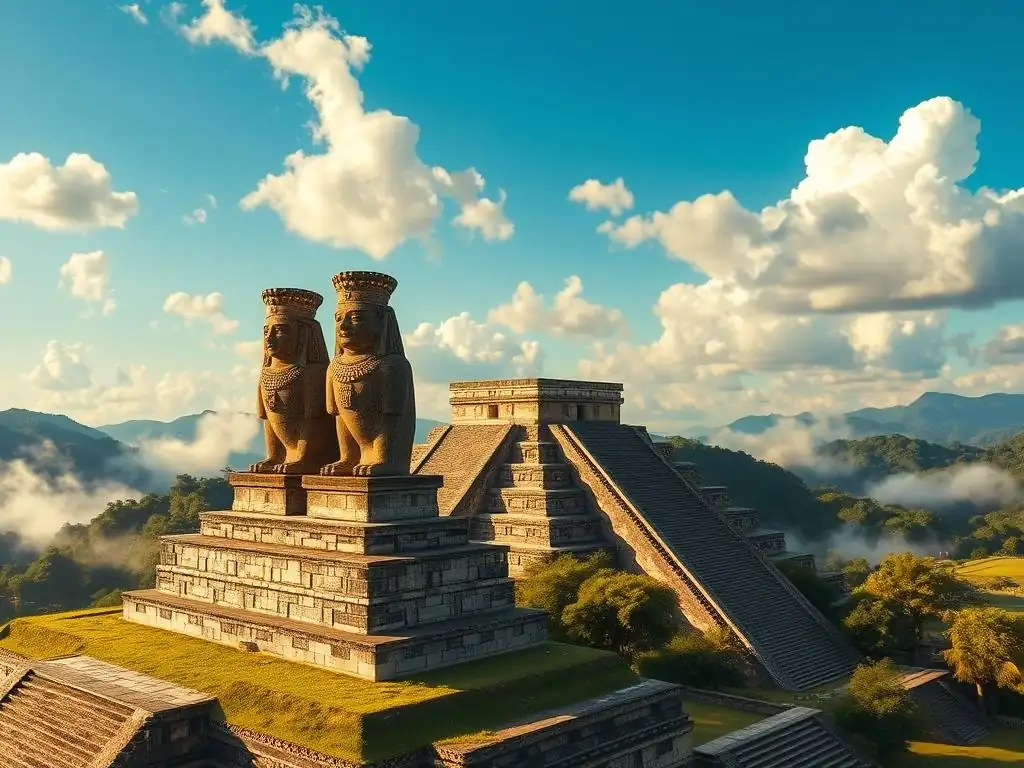
The Toltecs were more than just a singular group; they represented a collection of diverse peoples united by shared beliefs, artistic endeavors, and technological innovations. Their capital, Tula, located in present-day Hidalgo, Mexico, emerged as a vibrant urban center known for its impressive architectural feats, such as the iconic Atlantean figures—towering statues that embodied the strength and divinity of their rulers.
Key characteristics of Toltec culture include:
- Religion: The Toltecs worshipped a pantheon of gods, with Quetzalcoatl (the Feathered Serpent) being one of the most revered deities. Their religious practices often intertwined with their agricultural cycles.
- Art and Architecture: They are known for their intricate stone carvings and monumental architecture, which served both ceremonial and residential purposes.
- Trade Networks: The Toltecs engaged in extensive trade networks, facilitating cultural exchanges and the dissemination of their art and innovations across Mesoamerica.
Importance of Understanding the Origins of the Toltec Civilization
Grasping the origins of the Toltec Civilization is crucial for several reasons. Firstly, it allows us to trace the continuity and change in indigenous cultures of the Americas. By examining the roots of the Toltecs, we can better understand how earlier civilizations, such as the Teotihuacan, influenced their development.
Secondly, the Toltecs played a significant role in shaping the subsequent Aztec Empire, making their study vital for comprehending the broader historical narrative of Mesoamerica. Finally, understanding the origins of the Toltecs contributes to the recognition and appreciation of indigenous knowledge systems, helping to preserve the cultural heritage that continues to influence modern societies.
Historical Context of the Toltec Civilization
To unravel the mysteries surrounding the Toltec Civilization, it is essential to examine the historical context in which they emerged. This involves exploring the cultures that preceded them and understanding the timeline of their rise to prominence.
Predecessor Cultures Influencing the Toltecs
The Toltecs did not arise in isolation; they were profoundly influenced by previous civilizations. The Teotihuacan, known for its massive city layout and impressive pyramids, played a significant role in shaping the Toltec worldview. Elements such as urban planning, religious practices, and artisan techniques were inherited from Teotihuacan, reflecting a continuity of cultural practices.
Other significant influences included:
- The Olmecs: Often called the "mother culture" of Mesoamerica, their art and religious iconography found echoes in Toltec expressions.
- The Mixtecs and Zapotecs: Cultures from the Oaxaca region also contributed to the socio-political fabric that the Toltecs would later weave into their own society.
The Timeframe of the Toltec Civilization's Rise
The rise of the Toltec Civilization can be traced back to the aftermath of the Teotihuacan collapse around the 7th century CE. By the 10th century, the Toltecs began to establish their dominance in central Mexico. Their civilization reached its zenith between the 10th and 12th centuries, characterized by significant urban development, military expansion, and cultural flourishing.
Understanding this timeframe is essential for analyzing not only the internal dynamics of the Toltec society but also their interactions with neighboring cultures, which helped shape the trajectory of Mesoamerican history. The fall of the Toltec Civilization in the 12th century left a lasting legacy that would influence the Aztec Empire and subsequent indigenous cultures, emphasizing the importance of their historical context in the broader narrative of the Americas.
Theories on the Origins of the Toltec Civilization
The origins of the Toltec civilization remain a subject of scholarly debate, with various theories attempting to explain how this influential society emerged in Mesoamerica. The Toltecs are often recognized for their advanced culture that thrived from approximately 900 to 1168 CE in central Mexico, particularly in the region of Tula. Several hypotheses regarding their origins focus on migration patterns, trade networks, and the influence of neighboring cultures, each offering a unique perspective on this enigmatic civilization.
Migration Theories: Where Did the Toltecs Come From?
One prominent theory suggests that the Toltecs were the descendants of earlier Mesoamerican cultures, particularly the Teotihuacan civilization. Archaeologists and historians have proposed that after the decline of Teotihuacan around the 7th century CE, groups of its inhabitants migrated to the northern regions of central Mexico, where they established the Toltec society. This migration could have been driven by various factors, including resource scarcity, warfare, or social upheaval.
Another migration theory posits that the Toltecs originated from the north, possibly from regions inhabited by nomadic tribes. This perspective is supported by the evidence of cultural practices and architectural styles that suggest influences from northern Mesoamerican traditions. The oral histories of some indigenous groups also recount tales of migration from northern territories, further substantiating this theory.
The Role of Trade in Establishing the Toltec Civilization
Trade played a pivotal role in the establishment and growth of the Toltec civilization. The Toltecs were strategically located along key trade routes that connected various Mesoamerican cultures, facilitating the exchange of goods, ideas, and cultural practices. Their access to vital resources such as obsidian, cacao, and textiles allowed them to become important trade intermediaries.
The flourishing trade networks not only contributed to the economic stability of the Toltec society but also promoted cultural interactions with other civilizations, such as the Maya and the Zapotecs. This exchange of materials and ideas was instrumental in shaping Toltec society, evident in their art, architecture, and religious practices.
Influence of Other Mesoamerican Civilizations on the Toltecs
The Toltecs were significantly influenced by earlier Mesoamerican civilizations, notably the Olmecs and Teotihuacan. The architectural styles found in Tula, such as the use of elaborate stone carvings and monumental sculptures, reflect the artistic traditions of these earlier cultures. The Toltecs adopted and adapted various aspects of their predecessors’ religious beliefs, urban planning, and craftsmanship.
Furthermore, the Toltec civilization is often viewed as a cultural successor to Teotihuacan, as they inherited and transformed many of the spiritual and societal norms of this influential urban center. This synthesis of ideas and practices from various Mesoamerican cultures contributed to the rich tapestry of Toltec civilization and its lasting impact on subsequent societies.
Archaeological Evidence Supporting the Origins of the Toltec Civilization
Archaeological findings have been crucial in piecing together the origins and development of the Toltec civilization. These discoveries provide insights into their societal structure, cultural practices, and interactions with other Mesoamerican peoples.
Key Sites and Discoveries Related to the Toltecs
Tula, located in the modern state of Hidalgo, Mexico, serves as the primary archaeological site associated with the Toltec civilization. Excavations at Tula have uncovered impressive structures, such as the Pyramid of Quetzalcoatl and the famous Atlantean figures, which serve as monumental representations of Toltec identity and religious beliefs.
Other significant sites, such as Xochicalco and Cholula, also contain artifacts and architectural remnants that link them to the Toltecs, indicating a broader influence throughout central Mexico. These sites reveal the extent of Toltec trade networks and cultural exchanges, providing a clearer picture of their societal reach.
Artifacts That Illuminate the Toltec Origins
Numerous artifacts have been unearthed at Toltec sites that offer valuable insights into their origins and daily life. Among these artifacts are intricately carved stone sculptures, pottery decorated with complex designs, and ceremonial objects that reflect their religious practices.
The presence of obsidian tools and trade goods from distant regions indicates that the Toltecs were not only skilled artisans but also active participants in Mesoamerican trade networks. Such artifacts demonstrate the amalgamation of influences that shaped their civilization and highlight their role in the broader cultural landscape of pre-Columbian America.
Interpretations of Hieroglyphs and Inscriptions
Hieroglyphs and inscriptions found at Toltec archaeological sites provide crucial information about their history, mythology, and social organization. Scholars have deciphered numerous inscriptions that reference important deities, historical events, and societal norms, shedding light on the beliefs and values of the Toltec people.
These inscriptions often draw connections to other Mesoamerican writing systems, indicating a shared cultural heritage and the exchange of ideas between civilizations. The study of Toltec hieroglyphs not only enhances our understanding of their origins but also illustrates the complexity of Mesoamerican societies and their interconnectedness.
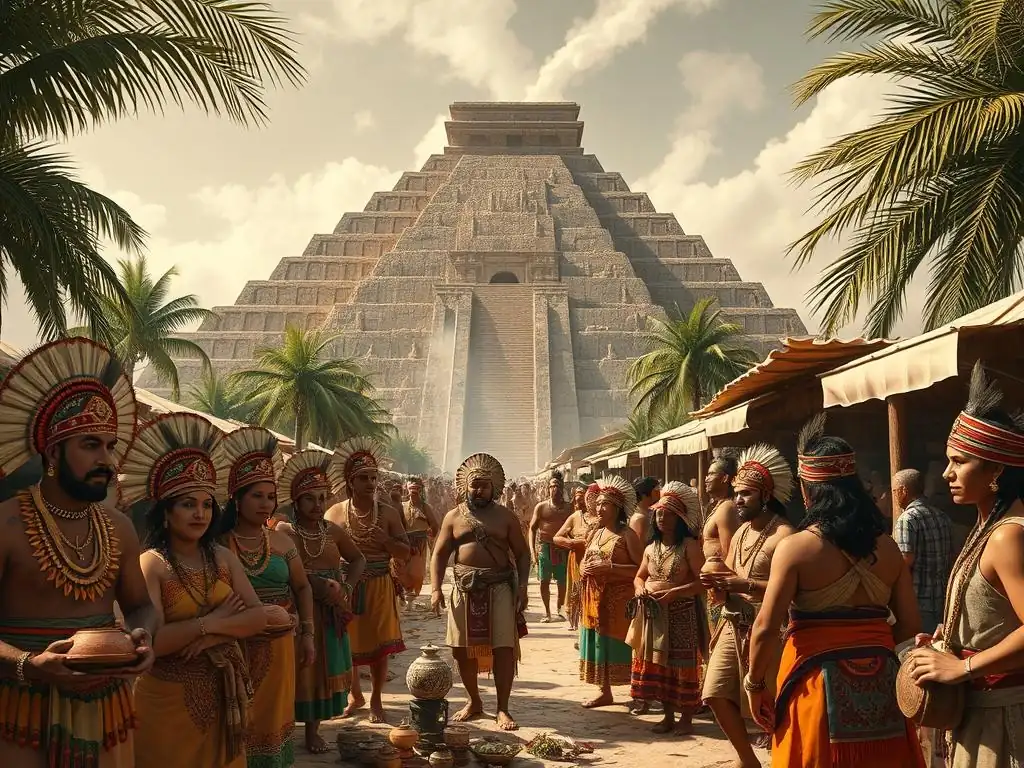
The Toltec civilization, which flourished in Mesoamerica from around 900 to 1168 CE, exhibited a complex social structure that significantly influenced its cultural and political life. At the apex of this hierarchy were the nobility and the ruling elite, who held substantial power and wealth. This class was responsible for governing, administering justice, and overseeing religious ceremonies. The elite were often seen as intermediaries between the gods and the common people, which reinforced their authority.
Beneath the nobility were the priests, who played a crucial role in maintaining the religious practices and traditions of the Toltecs. They were responsible for conducting rituals, including human sacrifices, which were believed to appease the gods and ensure prosperity. This connection to the divine granted them considerable influence within society.
The majority of the population consisted of commoners, who were primarily engaged in agriculture, crafts, and trade. Farmers cultivated staples such as maize, beans, and squash, while artisans produced intricate textiles and pottery. The commoners were essential to the economy, yet they had limited political power and were often subject to the demands of the elite class.
The Role of Religion in Shaping Toltec Identity
Religion was a cornerstone of Toltec identity, interweaving with every aspect of their daily lives. The Toltecs practiced a polytheistic belief system, worshiping numerous deities associated with nature, war, and fertility. The most significant among these was Quetzalcoatl, the feathered serpent god, who symbolized wisdom, arts, and culture. His veneration not only unified the Toltec people but also served as a source of inspiration for many of their achievements in art and architecture.
Rituals and ceremonies were integral to Toltec society, often involving elaborate festivals that celebrated agricultural cycles and honored the gods. The Toltecs believed that these practices ensured the favor of the deities and the continued prosperity of their civilization. Additionally, the use of symbolism in their religious practices—such as the construction of temples adorned with intricate carvings—demonstrated their artistic prowess and reinforced their cultural identity.
Political Organization and Leadership in Toltec Society
Toltec political organization was characterized by a centralized leadership structure, often led by a single ruler or a council of nobles. This governance system facilitated the implementation of laws and regulations across the civilization, ensuring that the interests of the elite were upheld. The rulers were seen not just as political leaders but also as spiritual guides, often claiming divine lineage to justify their authority.
The Toltec capital, Tula, served as the political and religious center of the civilization. This city was strategically located, allowing for control over trade routes and facilitating economic prosperity. The political organization incorporated military elements, with rulers often leading campaigns to expand their territory and influence. Warfare was not only a means of securing resources but also a way to demonstrate power and assert dominance over rival groups.
Daily Life and Cultural Practices of the Toltecs
Daily life in the Toltec civilization was rich and varied, reflecting their complex social structure and cultural values. Most citizens engaged in agriculture, cultivating crops that were fundamental to their diet. The cultivation of maize was particularly significant, as it was not only a staple food but also held religious importance.
Art and craftsmanship flourished in Toltec society, with artisans creating stunning works in stone, ceramics, and textiles. The iconic Toltec sculptures, often depicting warriors and deities, reflect their artistic sophistication and the importance of religion in their lives. Additionally, the Toltecs practiced various forms of music and dance, which were integral to their cultural expression and religious ceremonies.
The social gatherings and communal activities fostered a sense of community and identity among the Toltecs. Festivals and ritual observances provided opportunities for people to come together, reinforcing social bonds and cultural heritage.
The Legacy of the Toltec Civilization
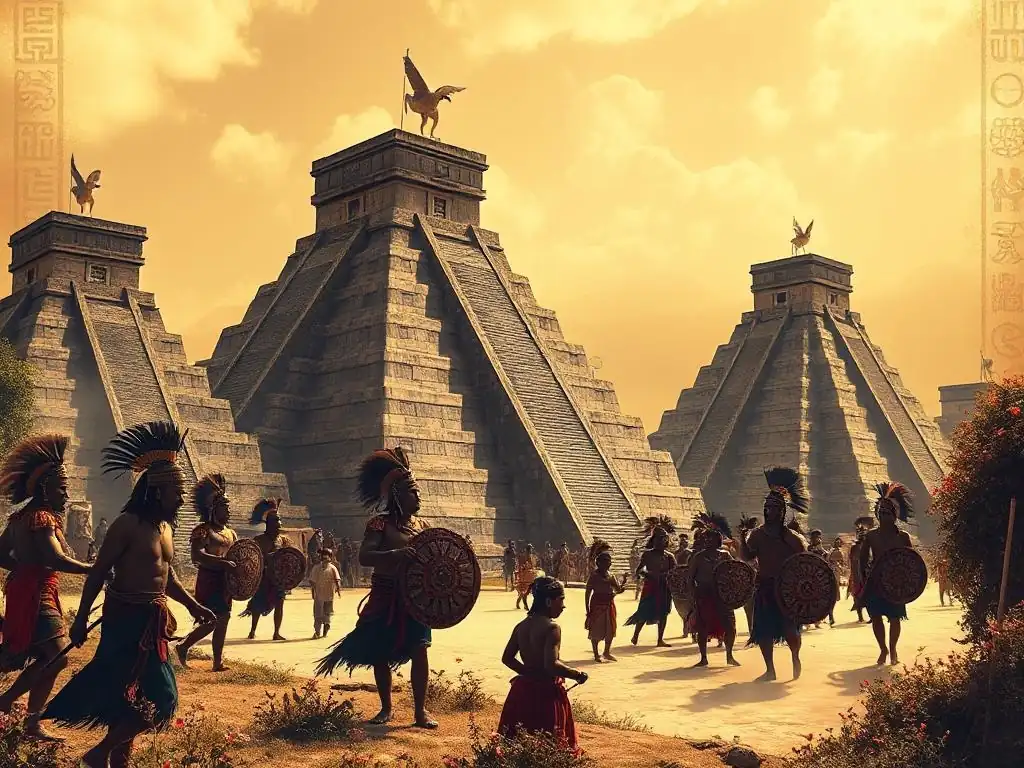
The legacy of the Toltec civilization is deeply embedded in the cultural fabric of Mesoamerica, influencing subsequent societies long after their decline. The artistic styles, architectural innovations, and religious practices of the Toltecs left a lasting imprint on later civilizations, particularly the Aztecs. Their pyramidal structures, intricate stone carvings, and urban planning techniques were adopted and adapted by future cultures, showcasing the enduring nature of their contributions.
Lasting Impacts on Subsequent Mesoamerican Cultures
The Toltec civilization served as a cultural bridge between the earlier civilizations of Mesoamerica, such as the Olmecs and Teotihuacan, and the later Aztec Empire. Their religious practices, particularly the worship of Quetzalcoatl, permeated Aztec mythology, highlighting the Toltecs' role as cultural forerunners. Additionally, the Toltec emphasis on art and architecture influenced the aesthetic sensibilities of later societies, as seen in the monumental pyramids and elaborate temples constructed by the Aztecs.
The societal structures established by the Toltecs also set precedents for governance, trade, and military organization that continued to be relevant throughout Mesoamerican history. Their legacy is evident in the ways that later cultures navigated social hierarchies and political dynamics.
How the Origins of the Toltec Civilization Influence Modern Understanding
Understanding the origins of the Toltec civilization is crucial for comprehending the broader narrative of Mesoamerican history. As scholars continue to unravel the complexities of Toltec society, their influence on modern perspectives is becoming increasingly clear. The examination of archaeological sites, artifacts, and historical records provides insights into the social, political, and religious dynamics that shaped the Toltecs.
Moreover, the study of the Toltec civilization encourages a reevaluation of indigenous contributions to world history. By recognizing the sophistication of Toltec culture, contemporary society can gain a deeper appreciation for the achievements of indigenous peoples and their enduring impact on modern civilization. This understanding challenges stereotypes and misconceptions, fostering a more nuanced view of the rich tapestry of human history.
Conclusion: The Mysteries Still Surrounding the Origins of the Toltec Civilization
The origins of the Toltec civilization remain shrouded in mystery, a captivating enigma that continues to intrigue historians, archaeologists, and enthusiasts alike. Despite significant advances in research and understanding, many questions persist regarding their beginnings, cultural influences, and the factors that contributed to their development.
The lack of comprehensive historical records and the ambiguous nature of available evidence contribute to the complexities surrounding the Toltecs' rise and fall. As we delve into the remnants of their society, from monumental architecture to intricate artifacts, it becomes apparent that the Toltecs were a civilization of profound significance, whose legacy still resonates today.
The Importance of Continued Research on the Toltecs
Continued investigation into the Toltec civilization is vital for several reasons. Firstly, it allows us to uncover more about their societal structures, religious practices, and daily life, providing a fuller picture of their contributions to Mesoamerican history. Additionally, ongoing archaeological projects and advancements in technology, such as ground-penetrating radar and DNA analysis, hold the potential to reveal new insights into their origins and migrations.
Moreover, studying the Toltecs contributes to broader discussions about the interactions between different civilizations in ancient Mesoamerica. Understanding their influence on later cultures, such as the Aztecs, can illuminate patterns of cultural exchange and adaptation that shaped the region. As researchers continue to piece together the puzzle of the Toltecs, the importance of interdisciplinary collaboration becomes evident, merging archaeology, anthropology, and even modern technology to enrich our understanding of this remarkable civilization.
Final Thoughts on the Enigmatic Origins of the Toltec Civilization
The Toltec civilization stands as a testament to the complexity and richness of indigenous cultures in the Americas. While the origins of the Toltecs remain elusive, their impact on subsequent societies is undeniable. The exploration of their history not only enhances our appreciation for their achievements but also fosters a deeper understanding of the resilience and adaptability of indigenous peoples in the face of change.
Ultimately, the mysteries surrounding the Toltec civilization invite us to remain curious and engaged, to seek out new knowledge, and to honor the contributions of those who came before us. As we continue to unravel the threads of their existence, we are reminded of the importance of preserving indigenous histories and recognizing their lasting legacies in our contemporary world.
- Introduction to the Toltec Civilization
- Historical Context of the Toltec Civilization
- Theories on the Origins of the Toltec Civilization
- Archaeological Evidence Supporting the Origins of the Toltec Civilization
- The Social Structure and Society of the Toltec Civilization
- The Role of Religion in Shaping Toltec Identity
- Political Organization and Leadership in Toltec Society
- Daily Life and Cultural Practices of the Toltecs
- The Legacy of the Toltec Civilization
- Lasting Impacts on Subsequent Mesoamerican Cultures
- How the Origins of the Toltec Civilization Influence Modern Understanding
- Conclusion: The Mysteries Still Surrounding the Origins of the Toltec Civilization
Frequently Asked Questions
What were the key achievements of the Toltec Civilization?
The Toltec Civilization is renowned for its impressive architectural structures, advanced artistic expressions, and significant contributions to Mesoamerican culture, particularly in sculpture and ceremonial practices.
How did the Toltec Civilization influence later cultures?
The Toltecs had a profound impact on subsequent civilizations, notably the Aztecs, who adopted many religious practices, artistic styles, and political structures, thereby ensuring the Toltec legacy endured through time.
What are the theories about the origins of the Toltec Civilization?
Several theories exist regarding the origins of the Toltec Civilization, ranging from their emergence as a distinct group in central Mexico to possible links with earlier cultures such as the Teotihuacan civilization.
What role did trade play in the Toltec Civilization?
Trade was vital for the Toltec Civilization, facilitating the exchange of goods, ideas, and cultural practices with neighboring societies, which helped them to prosper and spread their influence.
Why is the Toltec Civilization considered enigmatic?
The Toltec Civilization is deemed enigmatic due to the scarcity of historical records and the mystical nature of their mythology, making it challenging for historians to fully understand their societal structures and cultural practices.
Final Reflection: Unveiling the Mysteries of the Toltec Civilization
The exploration of the origins of the Toltec civilization is not merely an academic pursuit; it resonates profoundly with our contemporary quest for identity and understanding. As we delve into the enigmatic past of the Toltecs, we uncover not only the foundations of a remarkable culture but also the timeless human desire to connect with our roots. The mysteries surrounding the Toltecs remind us that history is a living narrative, continuously shaping our present and future.
Culture and identity are inextricably linked, and the Toltec civilization serves as a powerful testament to this relationship. The ongoing fascination with the Toltecs reflects our collective yearning to comprehend the complexities of cultural heritage and the lessons it imparts. As we navigate a world increasingly defined by globalization, the wisdom of ancient civilizations like the Toltecs can guide us in fostering a sense of belonging and purpose. To know the past is to understand the present and shape the future.
As we conclude this exploration, I invite you to reflect on your own origins and the cultural narratives that have shaped your identity. Consider how the lessons from the Toltec civilization can inspire you to embrace your heritage while forging new paths forward. Let the mysteries of the past ignite your curiosity and drive you to seek deeper connections with both history and the world around you. Together, we can honor the legacies of those who came before us while crafting a future enriched by their wisdom.
Unveil the Mysteries of the Toltec Civilization!
Thank you for diving into the intriguing world of the Toltec civilization! You’ve uncovered fascinating insights that broaden our understanding of ancient cultures. Now, let’s take the next step to explore further and make these discoveries truly impactful.
Here are some actions you can take right now:
- Join a local historical society or online forum dedicated to indigenous cultures to connect with fellow enthusiasts and share your newfound knowledge.
- Visit a museum or exhibition that showcases artifacts and narratives from the Toltec civilization to experience their legacy firsthand.
- Spread the word! Share this article with friends or on social media to spark conversations about the rich history of the Toltecs.
What aspect of the Toltec civilization resonates with you the most, and how can it enrich your understanding of cultural heritage today?