
Toltec Art and Symbolism: A Window into Their Cultural Identity

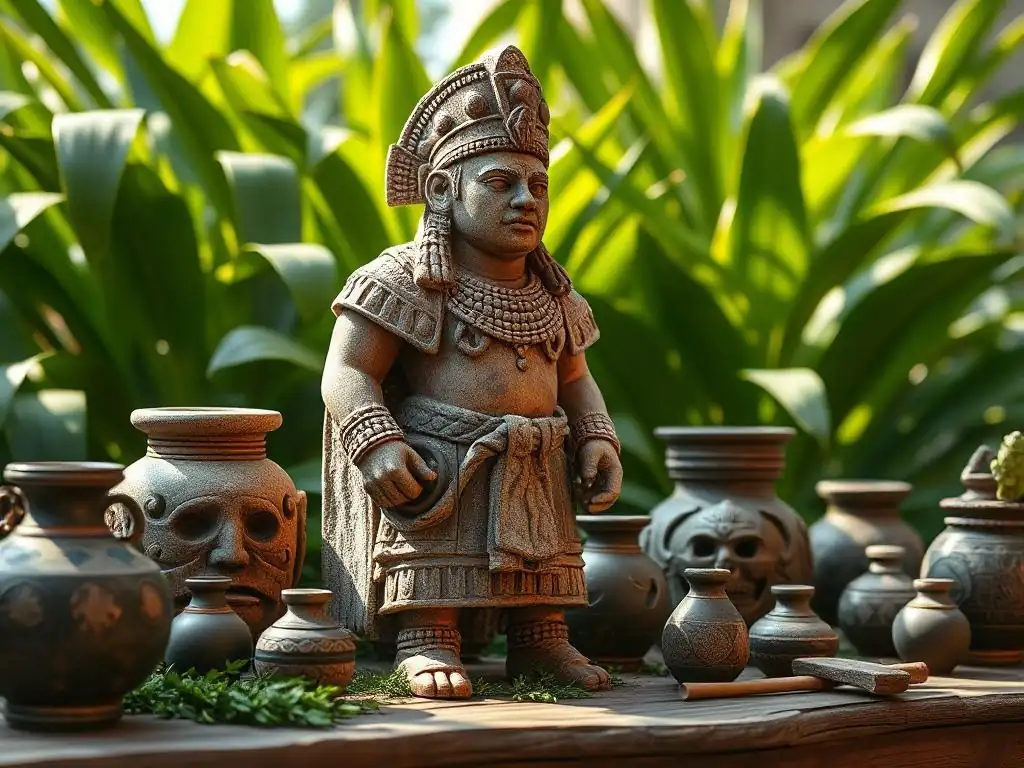
Welcome to Indigenous Civilizations of the Americas, where we embark on a captivating journey through the rich tapestry of indigenous cultures that flourished long before European contact. Here, we invite you to delve into the mesmerizing world of Toltec art and cultural identity. Discover how the intricate symbolism and artistic expressions of the Toltec civilization not only reflect their societal values but also illuminate their profound connection to the past.
Join us as we unravel the mysteries of this remarkable culture, sparking your curiosity and inviting you to explore the enduring legacy of the Toltecs. Ready to uncover the artistry that shaped a civilization? Let’s dive in!
- Introduction to Toltec Art and Cultural Identity
- Historical Context of the Toltec Civilization
- Elements of Toltec Art
- Symbolism in Toltec Art and Its Cultural Implications
- Case Studies of Notable Toltec Artworks
- The Influence of Toltec Art on Later Cultures
- Preservation and Legacy of Toltec Art
- Conclusion
-
Frequently Asked Questions
- What is the significance of Toltec art in understanding their cultural identity?
- How did Toltec art influence other Mesoamerican cultures?
- What are the main themes represented in Toltec art?
- How does the study of Toltec symbols contribute to our understanding of their society?
- What materials and techniques were commonly used in Toltec art?
- Final Reflection: Embracing the Legacy of Toltec Art and Cultural Identity
- Unlock the Secrets of Toltec Art Today!
Introduction to Toltec Art and Cultural Identity
The Toltec civilization, flourishing in central Mexico from approximately 900 to 1168 CE, is renowned for its rich artistic heritage and profound cultural identity. As one of the prominent indigenous cultures of the Americas, the Toltecs left an indelible mark on the region's history through their artistry, architecture, and societal structures.
This article delves into Toltec art and cultural identity, exploring the intricate symbolism and aesthetic principles that define their artistic expressions. By examining the artifacts and art forms they produced, we gain insights into their beliefs, values, and social organization, illuminating how these elements contributed to a cohesive cultural identity that resonates even today.
Understanding the Significance of Toltec Art
Toltec art is characterized by its distinct styles and themes, which often incorporate a mix of realism and abstraction. The significance of this art extends beyond mere aesthetic appeal; it serves as a vital link to understanding the Toltec worldview. Key aspects include:
- Symbolism: Many Toltec artworks are imbued with symbolic meanings, often depicting deities, animals, and cosmic elements that reflect their spiritual beliefs. For instance, the use of jaguars in their art symbolizes strength and the connection to the underworld, while eagles often represent the heavens.
- Materials and Techniques: The Toltecs employed diverse materials such as stone, clay, and textiles, showcasing advanced craftsmanship. The use of color, texture, and form in their art not only displayed their artistic skills but also conveyed cultural narratives and historical events.
- Architectural Art: The Toltec architectural style, evident in structures like the Pyramid of Quetzalcoatl at Tula, is a testament to their artistic ingenuity. The intricate carvings and sculptures found in these sites offer profound insights into their societal hierarchy and religious practices.
Through these artistic expressions, we can appreciate the depth of Toltec culture, which emphasizes not just survival, but also the importance of artistic legacy as a reflection of their identity.
The Role of Art in Reflecting Cultural Identity
Art plays a pivotal role in shaping and expressing cultural identity, and the Toltecs were no exception. Their art functions as a narrative device, telling stories of their past, beliefs, and social structures. Key points to consider include:
- Cultural Narratives: Toltec art serves to communicate the civilization's myths, legends, and historical narratives. For instance, murals and sculptures often depict scenes of ceremonial rituals, which are integral to understanding their societal norms and values.
- Community and Identity: Artistic practices were communal activities, reinforcing social bonds and collective identity. The creation of art was often tied to religious ceremonies, festivals, and communal events, highlighting the interconnectedness of art and daily life.
- Legacy and Influence: The artistic contributions of the Toltecs have influenced later civilizations, including the Aztecs, who adopted and adapted many Toltec artistic traditions. This continuity of style and symbolism illustrates the enduring nature of Toltec cultural identity, which has left a lasting impact on the broader Mesoamerican artistic landscape.
Toltec art is not merely a collection of beautiful objects; it is a profound expression of cultural identity that encapsulates the beliefs, values, and experiences of the Toltec people. By exploring these artistic manifestations, we gain a deeper appreciation for their civilization and the enduring legacy they have imparted to future generations.
Historical Context of the Toltec Civilization
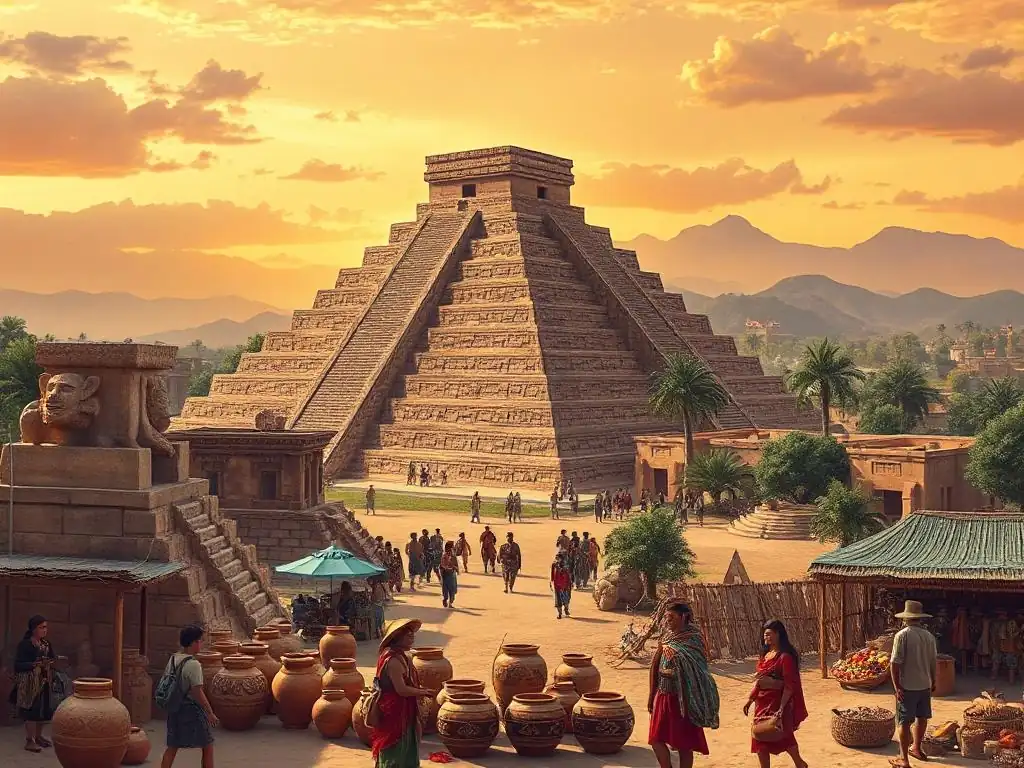
The Toltec civilization emerged as a significant cultural force in Mesoamerica, primarily between the 10th and 12th centuries CE. Situated in what is now central Mexico, the Toltecs are often regarded as the cultural successors to the Teotihuacan civilization. They played a pivotal role in the history of the region, influencing later cultures, especially the Aztecs. The term "Toltec" itself translates to "artisan" or "craftsman," reflecting their emphasis on art and skilled craftsmanship.
Overview of the Toltec Civilization and Its Timeline
The Toltec timeline can be delineated into several key phases:
- Formation (circa 900 CE): The Toltec civilization began to take shape when groups of central Mexico migrated to the Valley of Mexico, establishing the city of Tula as their capital. This era marks the transition from the Teotihuacan dominance to a new cultural entity.
- Cultural Flourishing (circa 950-1150 CE): During this period, Tula thrived as a political and religious center. The Toltecs developed a unique architectural style characterized by large stone sculptures, including the famous Atlantean figures that guarded the Temple of Tlahuizcalpantecuhtli.
- Decline (circa 1150-1350 CE): Following internal strife and external pressures, including invasions by nomadic groups, the Toltec civilization began to decline. By the 1350s, Tula was largely abandoned, though its cultural influences persisted in subsequent Mesoamerican civilizations.
- Legacy (Post-1350 CE): The legacy of the Toltecs lived on, particularly through the Aztecs, who regarded them as cultural forebears. Elements of Toltec art, mythology, and religious practices were integrated into Aztec society, cementing their place in Mesoamerican history.
Key Achievements and Contributions of the Toltecs
The Toltecs made significant contributions to various aspects of Mesoamerican culture, which can be categorized as follows:
- Artistry and Craftsmanship: Toltec art is renowned for its complexity and symbolism. They excelled in stone carving, pottery, and metalwork, often utilizing iconography that reflected their beliefs and societal values. The massive stone warriors at Tula exemplify their skill and artistic vision.
- Architectural Innovations: The architectural style of the Toltecs is marked by the use of large platforms, colonnaded halls, and ceremonial ball courts. The intricately designed structures at Tula served both functional and ceremonial purposes, integrating art into the very fabric of their society.
- Cultural Syncretism: The Toltecs were instrumental in merging various cultural elements from earlier civilizations, particularly the religious and artistic practices of the Teotihuacans. This syncretism laid the groundwork for future cultural developments in Mesoamerica.
- Religious Practices: The Toltecs had a rich spiritual life, characterized by a pantheon of gods and elaborate rituals. Their religious beliefs often emphasized duality and balance, as seen in their mythology of creation and the importance of gods like Quetzalcoatl.
- Political Organization: The Toltec civilization was organized into city-states, each governed by a ruler who was often seen as a divine figure. This political structure allowed for the consolidation of power and resources, fostering a sense of unity among the Toltec people.
The Toltecs significantly shaped Mesoamerican history through their artistic achievements, architectural innovations, and cultural practices. Their contributions to Toltec art and cultural identity remain evident in the rich tapestry of indigenous cultures that followed.
Elements of Toltec Art
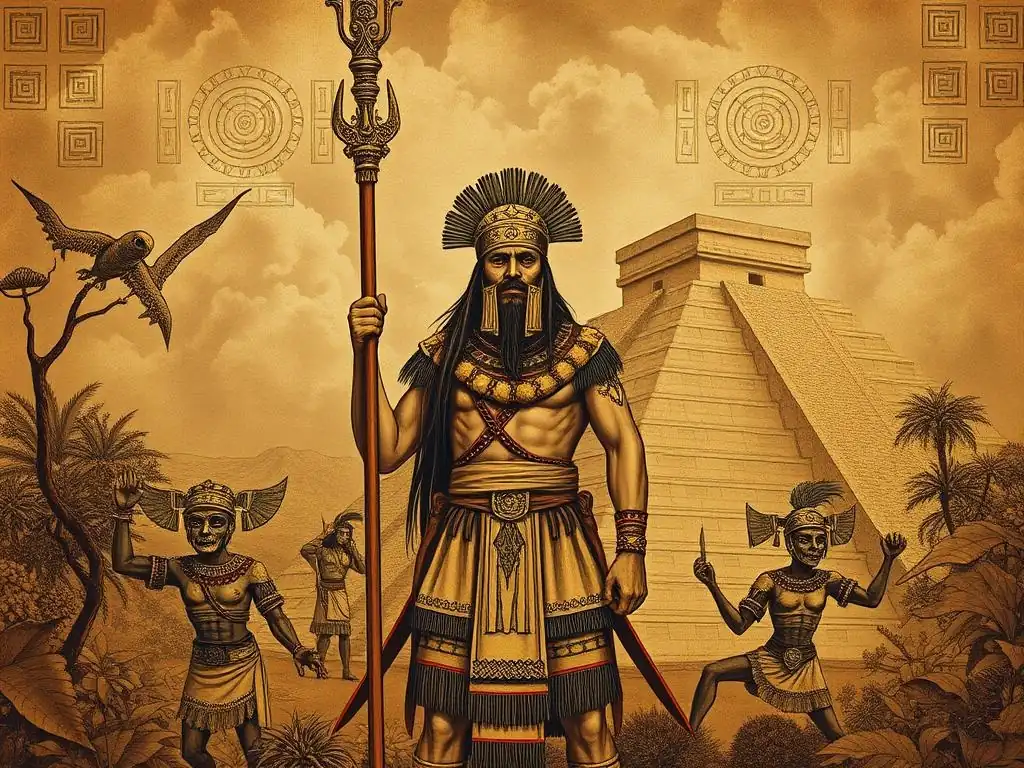
Toltec art is a profound reflection of the civilization's cultural identity, showcasing a unique blend of creativity, spirituality, and social structure. This artistry emerged as a significant marker of the Toltec civilization, which flourished in central Mexico between the 10th and 12th centuries. The elements of Toltec art encompass various materials, styles, techniques, and rich iconography that convey deeper meanings and insights into their societal values.
Common Materials Used in Toltec Artistry
Toltec artisans utilized a diverse array of materials to create their art, each chosen for its availability and symbolic significance. The most common materials included:
- Stone: Often used for monumental sculptures, such as the famous Atlantean figures that adorned the Tula pyramids. These sculptures were crafted from volcanic stone, symbolizing strength and permanence.
- Clay: Utilized in the creation of pottery and figurines, clay was an essential medium for domestic use and ritualistic practices. Toltec pottery often featured intricate designs and was used in both practical and ceremonial contexts.
- Wood: Carved wooden artifacts, including ceremonial masks and ritual objects, demonstrated the Toltecs' skill in woodworking. These pieces often depicted deities or important cultural symbols.
- Textiles: While fewer examples have survived, textiles were likely an important art form, incorporating vibrant dyes and intricate weaving techniques. These textiles often featured patterns that conveyed mythological or historical narratives.
- Metals: Gold and other metals were used in ornamental jewelry and ceremonial items, showcasing the wealth and sophistication of Toltec society. The use of metalwork was also indicative of trade relationships with neighboring cultures.
Distinctive Styles and Techniques in Toltec Artwork
The artistry of the Toltecs is characterized by distinctive styles and techniques that set them apart from other Mesoamerican cultures. Key features include:
- Monumental Sculpture: The creation of large-scale sculptures, such as the famous warrior figures, is a hallmark of Toltec artistic expression. These sculptures often served both decorative and functional purposes, embodying the civilization's ideals of power and warrior culture.
- Relief Carving: Toltec artists excelled in relief carving, particularly on stone monuments and buildings. This technique allowed them to create detailed scenes and narratives that conveyed their history and mythology.
- Geometric Patterns: The use of geometric designs in pottery and textiles reflects a sophisticated understanding of aesthetics and balance. These patterns often held spiritual significance, embodying the cosmos and the natural world.
- Symbolic Color Use: Toltec art frequently employed a palette that included earthy tones and vibrant colors. Each color carried specific meanings, often associated with deities, natural elements, or social status.
Iconography and Symbolism in Toltec Art
Toltec art is rich in iconography, with symbols that reveal the civilization's beliefs, values, and worldview. Key elements include:
- Deities and Mythological Figures: Many artworks feature representations of gods such as Quetzalcoatl, the feathered serpent, symbolizing wisdom and the duality of life. These figures were central to Toltec religion and cultural identity.
- Animals as Symbols: The depiction of animals in Toltec art often carried significant meaning. For instance, the jaguar symbolized strength and power, while the eagle represented freedom and divinity. These animals were frequently used in rituals and as totems.
- Human Figures and Rituals: Many artworks included human figures engaged in ceremonies or rituals, emphasizing the importance of community and spirituality in Toltec life. These representations often depicted themes of sacrifice, reverence, and social hierarchy.
- Cosmic and Natural Elements: Symbolism in Toltec art often reflected the relationship between humans and the cosmos, with motifs representing celestial bodies, agricultural cycles, and the natural environment. This connection underscored the Toltecs' deep respect for nature and the universe.
Toltec art serves as a vital window into their cultural identity, capturing the essence of a civilization that valued creativity, spirituality, and societal structure. Through their artistry, the Toltecs communicated their beliefs, history, and the intricate relationship between their society and the environment.
Symbolism in Toltec Art and Its Cultural Implications
The Toltec civilization, flourishing between the 10th and 12th centuries in what is now central Mexico, is renowned for its rich artistic expression, deeply intertwined with its cultural identity. The symbolism in Toltec art serves not only as a decorative element but also as a crucial vehicle for conveying their beliefs, values, and societal structures. Each piece of art, whether it be sculpture, pottery, or mural, is laden with meaning that provides insight into the minds of the Toltecs and their understanding of the world around them.
The Meaning Behind Iconic Toltec Symbols
The Toltecs employed a variety of symbols in their art, each carrying profound significance. Below are some of the most iconic symbols and their meanings:
- The Feathered Serpent (Quetzalcoatl): Often depicted as a serpent adorned with feathers, Quetzalcoatl symbolizes duality—earth and sky, the material and the divine. This god represents knowledge, creativity, and the cycle of life and death.
- Jaguar: A powerful symbol in Toltec art, the jaguar represents strength, the underworld, and the warrior spirit. It was often associated with various deities and is frequently depicted in ceremonial contexts.
- Skulls: Seen in various forms, skulls in Toltec art symbolize mortality and the cyclical nature of life. They serve as reminders of the transient nature of existence and the importance of honoring ancestors.
- Tlaloc: The rain god is represented with intricate motifs that signify fertility and sustenance. Tlaloc’s depictions often include elements that connect to agricultural abundance.
These symbols were not merely decorative; they held spiritual and political significance, often reflecting the Toltecs' relationship with their environment and the cosmos.
How Symbolism Reflects Toltec Beliefs and Values
The artistic symbols of the Toltecs provide a window into their belief system and societal values. Central to their worldview was the concept of balance, which is evident in their art. The duality of existence—life and death, nature and civilization—was a recurring theme.
- Cosmology: The Toltecs believed in a complex cosmology that intertwined the natural and spiritual worlds. Artworks often depicted celestial bodies, emphasizing their reverence for the universe.
- Warrior Culture: The emphasis on symbols like the jaguar and warrior motifs highlights the importance of strength and courage in Toltec society. Art served as a means to exalt the warrior class and their role in protecting the community.
- Ritual and Community: Symbolism was also a means of fostering community identity. Artifacts used in rituals often featured specific symbols that aligned with the community's shared beliefs, reinforcing social bonds.
The interplay of these values in Toltec art demonstrates how cultural identity was expressed through symbolic representation, allowing for a deeper understanding of their social fabric.
The Connection Between Art and Rituals in Toltec Society
In Toltec society, art and ritual were inextricably linked. Art was not merely for aesthetics; it played a pivotal role in religious and social rituals that were central to Toltec life.
- Ceremonial Artifacts: Objects such as pottery, figurines, and altars were intricately designed with symbolic motifs that were integral to rituals. These artifacts were often used in ceremonies to honor deities or commemorate significant events.
- Ritualistic Practices: Art was a key component in rituals that sought to connect the community with the divine. For instance, the use of murals in temples often depicted mythological scenes that narrated the stories of gods and heroes, reinforcing cultural narratives.
- Communal Identity: The collaborative nature of creating art for rituals fostered a sense of communal identity and purpose. Artists and craftsmen worked together to produce pieces that reflected shared values and beliefs, further solidifying the collective identity of the Toltec people.
The connection between art and rituals in Toltec society underscores the significance of artistic expression as a means of cultural identity. Through their art, the Toltecs conveyed complex ideas about existence, spirituality, and community, providing a profound legacy that continues to be studied and appreciated today.
Case Studies of Notable Toltec Artworks
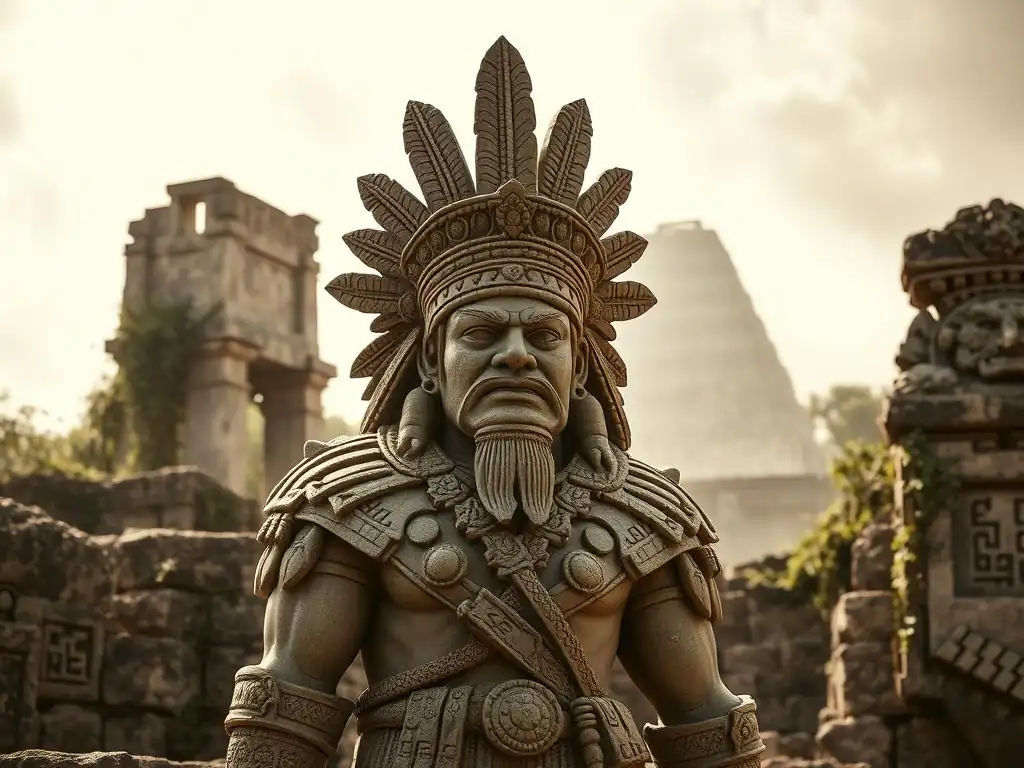
The Toltec civilization, renowned for its artistic prowess, left behind a rich legacy of artworks that reflect their cultural identity and social structure. By analyzing specific pieces, we can gain insights into the values, beliefs, and everyday life of the Toltecs. This section delves into two significant examples: the colossal heads of San Lorenzo and the murals at Tula.
Analysis of the Colossal Heads of San Lorenzo and Its Cultural Impact
The colossal heads of San Lorenzo, created between 1200 and 900 BCE, are among the most iconic representations of Toltec art. These monumental sculptures, carved from basalt, stand approximately 3 to 4 meters high and showcase distinctive facial features, including thick lips, broad noses, and large eyes.
- Cultural Significance:
- The colossal heads are believed to represent rulers or important figures within Toltec society, signifying their power and status.
- Their placement in ceremonial centers suggests a role in public rituals, reinforcing the connection between leadership and divine authority.
- Artistic Techniques:
- The artisans employed advanced methods for quarrying and transporting the heavy stone, highlighting their engineering skills.
- The attention to detail in the carving process reflects a deep understanding of human anatomy and facial expressions, indicative of the artistic sophistication of the Toltecs.
- Impact on Later Cultures:
- The monumental heads influenced subsequent Mesoamerican civilizations, particularly the Aztecs, who revered the Toltecs as cultural predecessors.
- Their legacy persists in modern interpretations of indigenous identity, emphasizing the importance of recognizing and honoring ancestral achievements.
Examination of the Murals at Tula and Their Symbolism
The murals at Tula, dating back to the early 11th century, serve as a vibrant testament to Toltec artistry and cultural values. These wall paintings, adorned with intricate designs and vivid colors, depict a range of themes that are central to understanding Toltec life.
- Symbolic Imagery:
- The murals often feature deities and mythological scenes, reflecting the Toltecs' spiritual beliefs and their relationship with the divine.
- Iconography such as serpents and eagles symbolizes transformation and power, underscoring the significance of nature in Toltec cosmology.
- Societal Reflections:
- Scenes depicting warriors and ceremonial rituals highlight the martial culture of the Toltecs, illustrating the importance of warfare and sacrifice in their society.
- The depictions of daily life and communal gatherings offer a glimpse into social structures, showcasing the interconnectedness of community and spirituality.
- Artistic Techniques and Preservation:
- The use of natural pigments and the techniques employed in mural creation demonstrate an advanced understanding of color and composition, with many murals retaining their vibrancy centuries later.
- Ongoing preservation efforts are critical for maintaining these artworks, as they are invaluable resources for understanding Toltec history and identity.
Through these case studies, we can appreciate how Toltec art and cultural identity are intertwined, revealing the sophisticated world of a civilization that thrived long before European contact. Each artwork serves as a window into the past, offering insights into the values, beliefs, and achievements of the Toltecs that continue to resonate today.
The Influence of Toltec Art on Later Cultures
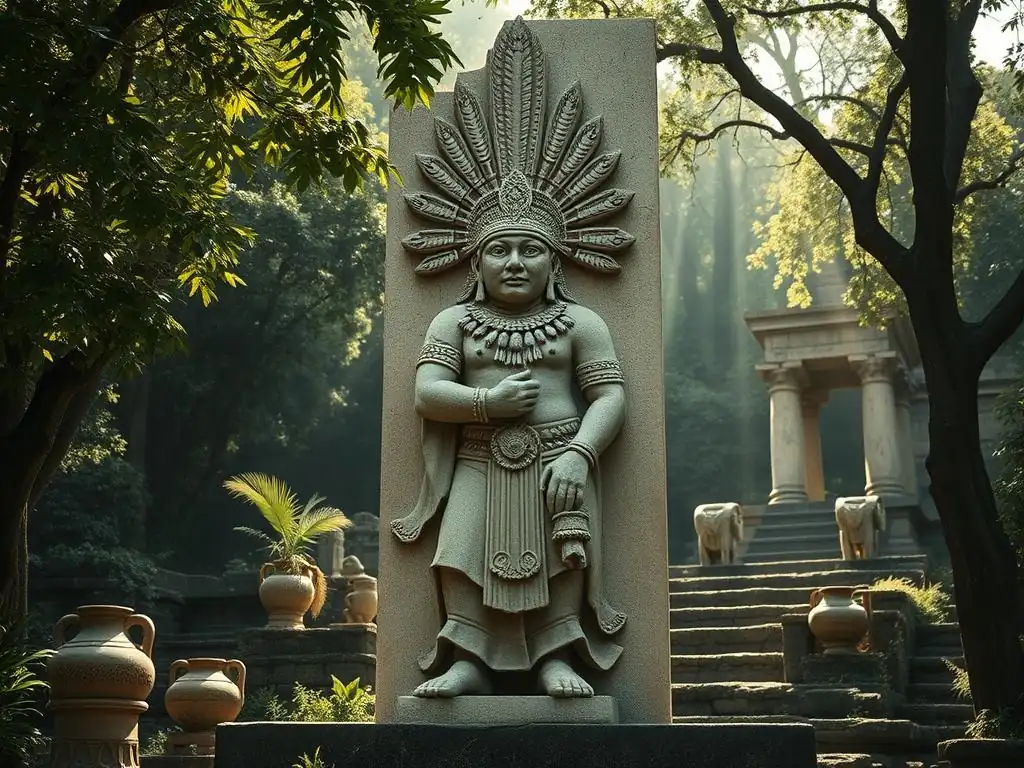
Toltec art holds a significant place in the historical narrative of Mesoamerican civilizations, acting as a bridge between the earlier cultures and the later societies that flourished in the region. The distinctive styles, techniques, and themes present in Toltec art not only reflect the cultural identity of the Toltec people but also left an indelible mark on subsequent civilizations, particularly the Aztecs. Understanding this influence provides insight into the continuity and evolution of artistic expression in pre-Columbian America.
Continuation of Toltec Artistic Traditions in Post-Toltec Societies
The artistic traditions established by the Toltecs persisted long after their civilization began to decline around the 12th century. Many elements of Toltec art were absorbed and adapted by the societies that followed, particularly in areas such as sculpture, pottery, and mural painting. The hallmark of Toltec artistry was characterized by its intricate designs and symbolic representations, which often drew upon themes of duality, warfare, and the natural world.
- Sculptural Techniques:
- Stone Carving: The precision in stone carving seen in Toltec monuments influenced later artisans. For instance, the stone figures at Tula, such as the famous Atlantean figures, served as a template for the monumental sculptures that would emerge in later cultures.
- Reliefs and Inscriptions: The use of reliefs to convey narratives and historical events was a technique that was carried over into later Mesoamerican art, notably by the Mixtec and Aztec cultures.
- Symbolism in Art:
- Iconography: The motifs used in Toltec art, such as the serpent and jaguar, became emblematic of power and divinity, influencing the iconography of later cultures. These symbols were reinterpreted in the art of the Aztecs, who integrated them into their own religious and cultural narratives.
- Ceremonial Objects: The creation of ceremonial objects, such as figurines and masks, continued to reflect Toltec influences. These objects often carried spiritual significance and were utilized in rituals, maintaining the cultural connections established by the Toltecs.
Impact of Toltec Art on Aztec Civilization
The Aztec civilization, which rose to prominence in the 14th century, was profoundly influenced by Toltec artistic traditions. The Aztecs, who revered the Toltecs as cultural predecessors, incorporated many of their artistic elements into their own practices, resulting in a rich tapestry of art that combined both Toltec and indigenous innovations.
- Architectural Influences:
- City Planning: The layout and architectural styles of Aztec cities, such as Tenochtitlán, exhibited similarities to the urban designs seen in Toltec cities. The use of ceremonial centers and pyramid structures showcased a continuity of architectural thought.
- Pyramid Construction: The design of pyramidal structures, such as the Pyramid of the Sun in Teotihuacan, reflects the influence of Toltec architecture, emphasizing the importance of these structures in religious and political life.
- Artistic Techniques:
- Mural Painting: The intricate mural painting style of the Aztecs can be traced back to Toltec techniques, with both cultures utilizing vibrant colors and complex designs to convey stories and religious themes. The murals of the Aztecs often depicted elaborate scenes of mythology and history, paralleling those found in Toltec art.
- Ceramics: The Aztecs adopted and adapted Toltec ceramic styles, creating their own unique forms while still paying homage to the artistic traditions laid down by the Toltecs. The use of specific motifs and glazing techniques in pottery illustrates this artistic lineage.
The interplay between Toltec art and the subsequent Aztec civilization underscores the importance of cultural continuity in Mesoamerican history. By examining these artistic influences, we gain a deeper understanding of how Toltec art not only shaped its own cultural identity but also contributed to the rich tapestry of Mesoamerican heritage that followed.
Preservation and Legacy of Toltec Art
Efforts in Preserving Toltec Art and Cultural Identity
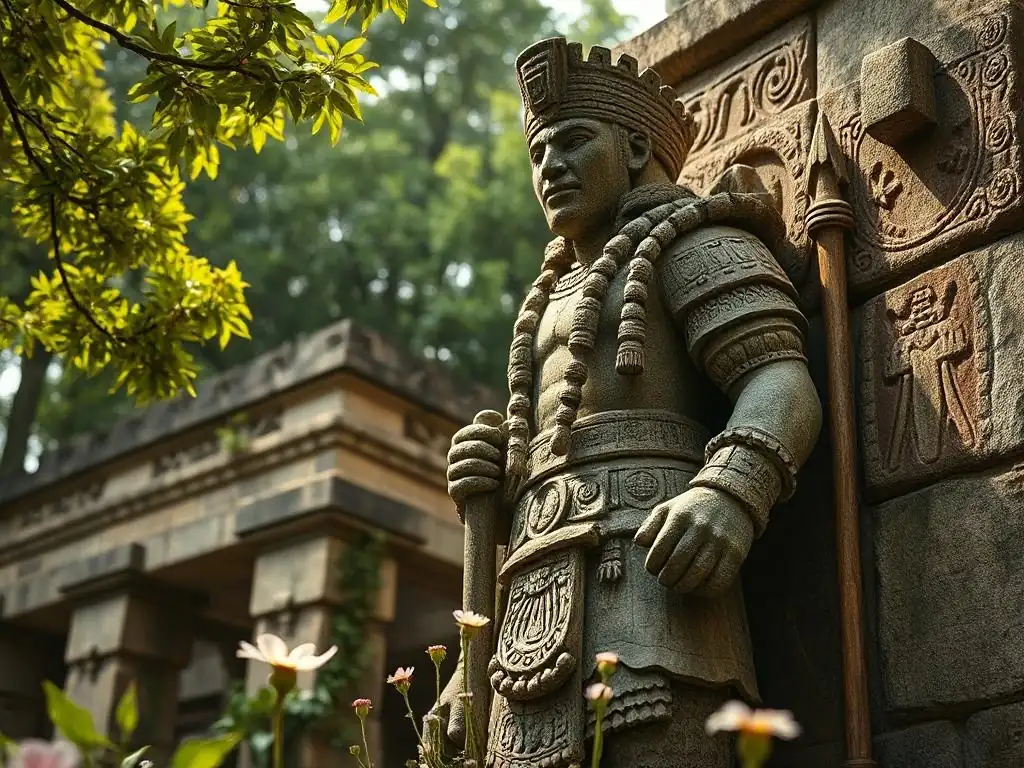
The preservation of Toltec art is vital not only for understanding the artistic achievements of this civilization but also for maintaining a connection to cultural identity among modern Indigenous communities. Various organizations and institutions have dedicated efforts to safeguard Toltec artifacts and sites, ensuring that the rich legacy of this civilization is not lost to time.
- Archaeological Initiatives:
- Numerous archaeological projects have been launched to excavate and study Toltec sites such as Tula, the primary urban center of the Toltec civilization. These projects often involve collaboration with local Indigenous groups, ensuring that the historical context is respected and that modern interpretations consider cultural significance.
- Advanced technologies, such as 3D scanning and digital reconstruction, have been employed to create accurate representations of Toltec art, which can be shared globally without risking damage to the original artifacts.
- Cultural Institutions and Museums:
- Museums in Mexico and abroad frequently host exhibitions dedicated to Toltec art, showcasing sculptures, pottery, and codices. These exhibitions are designed not only to educate the public about Toltec achievements but also to foster a sense of pride and identity among Indigenous peoples.
- Educational programs and workshops are often organized to engage younger generations in the appreciation and understanding of their heritage, facilitating a connection to their ancestral cultures.
- Community Involvement:
- Local communities play a significant role in the preservation of Toltec art through traditional practices, storytelling, and art-making. These activities not only keep the art alive but also reinforce cultural identity and continuity.
- Initiatives that promote traditional crafts, such as weaving and pottery, help maintain the techniques and aesthetics rooted in Toltec heritage.
The Importance of Toltec Art in Contemporary Indigenous Identity
Toltec art extends beyond mere aesthetics; it serves as a profound symbol of cultural identity for contemporary Indigenous peoples. The intricate designs, motifs, and symbols found in Toltec artwork resonate with many who seek to reconnect with their ancestral roots.
- Symbolism and Meaning:
- The motifs used in Toltec art, such as the jaguar and the serpent, are deeply embedded in the belief systems and cosmologies of various Indigenous groups. These symbols often represent strength, transformation, and the interconnectedness of life, providing a spiritual foundation for many contemporary Indigenous identities.
- Understanding these symbols can enhance cultural pride and foster a sense of belonging among Indigenous peoples, as they navigate the complexities of modern life while honoring their heritage.
- Cultural Revival Movements:
- In recent years, there has been a resurgence of interest in Indigenous cultures, leading to movements that promote the revival of traditional practices and art forms. Toltec art, as a significant component of this cultural landscape, is often reinterpreted in contemporary works, bridging past and present.
- Artists today draw inspiration from Toltec aesthetics, creating new forms of expression that reflect both traditional values and modern realities. This fusion creates a dynamic cultural landscape that honors history while embracing contemporary influences.
- Educational Outreach:
- Educational initiatives that highlight the significance of Toltec art are crucial for building awareness among younger generations. These programs often include workshops, lectures, and community events that explore the historical context and artistic techniques of the Toltecs.
- By engaging with Toltec art, contemporary Indigenous peoples can reclaim narratives that have been historically marginalized, reinforcing their identity in a broader socio-political context.
The preservation of Toltec art is essential for maintaining cultural identity among modern Indigenous peoples. Through various efforts—ranging from archaeological research to community-driven initiatives—Toltec art continues to inspire and resonate, serving as a vital link to ancestral heritage and a source of pride for contemporary Indigenous communities.
Conclusion
Recap of the Significance of Toltec Art and Cultural Identity
Toltec art serves as a profound reflection of the cultural identity of the Toltec civilization, which flourished between the 10th and 12th centuries in what is now central Mexico. Characterized by its intricate craftsmanship and symbolic richness, Toltec art provides valuable insights into the values, beliefs, and societal structure of this indigenous group. Key features include:
- Sculpture and Architecture: The monumental sculptures, such as the Atlantean figures at Tula, showcase not only artistic skill but also the societal hierarchy and religious beliefs of the Toltecs.
- Symbolism: Many Toltec artworks are imbued with symbolism, including representations of deities and mythological narratives that illustrate their worldview and cosmology.
- Materials and Techniques: The use of stone, clay, and precious materials highlights the technological advancements of the Toltecs and their connection to the surrounding environment.
These artistic expressions are not merely aesthetic; they encapsulate the essence of Toltec identity, demonstrating how their art was intertwined with social and spiritual life.
Final Thoughts on the Legacy of Toltec Art in Indigenous History
The legacy of Toltec art extends far beyond its immediate cultural context, influencing subsequent Mesoamerican civilizations, such as the Aztecs. This enduring impact can be observed in various dimensions:
- Cultural Continuity: Elements of Toltec art and symbolism were adopted and adapted by later cultures, providing a thread of continuity in Mesoamerican artistic traditions.
- Cultural Heritage: Today, Toltec art is celebrated as an essential component of Mexico's rich indigenous heritage, contributing to national identity and pride.
- Archaeological Significance: Ongoing archaeological discoveries continue to shed light on the complexities of Toltec society, affirming their place in the broader narrative of indigenous civilizations in the Americas.
Toltec art is not only a window into their cultural identity but also a testament to the sophisticated and interconnected nature of indigenous histories in the Americas. Its study enriches our understanding of the past and fosters appreciation for the diverse legacies that indigenous cultures have left for future generations.
Frequently Asked Questions
What is the significance of Toltec art in understanding their cultural identity?
Toltec art serves as a window into their beliefs, values, and social structures, reflecting their cultural identity and the importance of symbolism in their daily lives.
How did Toltec art influence other Mesoamerican cultures?
The Toltecs significantly influenced later societies, especially the Aztecs, by integrating their artistic styles and symbolic motifs into broader Mesoamerican traditions, showcasing their lasting impact.
What are the main themes represented in Toltec art?
Toltec art often features themes of warfare, religion, and nature, with a focus on deities and warriors, emphasizing their spiritual beliefs and social hierarchies.
How does the study of Toltec symbols contribute to our understanding of their society?
Analyzing Toltec symbols helps researchers decode their mythologies, social structures, and the interconnectedness of their cultural practices, providing deeper insights into their way of life.
What materials and techniques were commonly used in Toltec art?
Toltec artists utilized materials such as stone, ceramics, and feathers, employing techniques like carving and painting to create intricate works that reflect their cultural sophistication.
Final Reflection: Embracing the Legacy of Toltec Art and Cultural Identity
The exploration of Toltec art and cultural identity reveals a profound connection between creativity and the essence of a civilization. Today, as we navigate a world increasingly defined by globalization and cultural homogenization, the significance of understanding and preserving unique cultural identities has never been more crucial. The intricate symbols and artistic expressions of the Toltecs serve as a powerful reminder of the importance of heritage and the stories that shape our identities. In a time when many cultures face the threat of erasure, the legacy of the Toltecs stands as a testament to the resilience of human expression.
The influence of Toltec art extends beyond mere aesthetics; it resonates deeply within the cultural and social landscape, inspiring contemporary artists and thinkers alike. The rich symbolism embedded in Toltec creations invites us to reflect on our own identities and the narratives we carry. As we engage with these ancient artworks, we are reminded of the words of the renowned artist Frida Kahlo: I paint my own reality. The only thing I know is that I paint because I need to.
This sentiment echoes the enduring relevance of Toltec art, as it encourages us to embrace our unique stories and express them through our own creative endeavors.
As we conclude this exploration of Toltec art and cultural identity, I invite you to reflect on your own relationship with your cultural heritage. Consider how the lessons from the Toltecs can inspire you to celebrate your identity and the identities of others. Let us honor the past while actively engaging in the present, ensuring that the vibrant tapestry of human culture continues to thrive. Remember, every piece of art tells a story—what will your story be?
Unlock the Secrets of Toltec Art Today!
Thank you for diving into the fascinating world of Toltec art and symbolism with us! Through this exploration, you've uncovered how these intricate designs reflect the rich cultural identity of the Toltecs. Now, let's put that newfound knowledge into action!
Here are some ways you can engage further:
- Begin your own artistic journey! Try creating a piece inspired by Toltec symbolism using materials such as clay or paint, and let your creativity shine.
- Join a local art club or online forum to share your creations and learn from other artists who are passionate about indigenous art forms.
- Explore more: Read literature about various indigenous civilizations or visit a museum exhibition showcasing Mesoamerican artifacts to deepen your understanding of their rich history.
What piece of Toltec art or symbol resonates with you the most, and how do you think it reflects our shared human experience? Let’s discuss in the comments!