
The Written Records of the Toltecs: Analyzing Codices and Artifacts


Welcome to Indigenous Civilizations of the Americas, where we embark on a fascinating journey through the rich tapestry of indigenous cultures that flourished long before European contact. In our featured article, "The Written Records of the Toltecs: Analyzing Codices and Artifacts," we delve into the remarkable world of Toltec written records artifacts, uncovering the stories and knowledge that these ancient texts reveal.
Prepare to be captivated by the achievements and enduring legacies of the Toltec civilization, as well as the profound impact they have had on the cultural landscape of the Americas. Join us as we explore the past and illuminate the voices that shaped history!
The Toltecs, a remarkable civilization that flourished in Mesoamerica from around the 10th to the 12th centuries, left behind a rich legacy that continues to intrigue historians and scholars today. Through their artistic expressions and written records, the Toltecs contributed significantly to the cultural tapestry of ancient Mexico.
This article delves into the nature of the Toltec written records by analyzing various codices and artifacts, shedding light on their societal structures, religious beliefs, and everyday life prior to European colonization. By examining these primary sources, we can gain a deeper understanding of the Toltecs and appreciate their lasting impact on subsequent civilizations.
Introduction to Toltec Civilization
The Toltec civilization is often characterized by its impressive architectural achievements, intricate artistry, and complex societal organization. Centered in what is now central Mexico, particularly around the city of Tula, the Toltecs are regarded as cultural predecessors to the later Aztec society. Their influence is evident in the art, mythology, and governance of subsequent civilizations.
Overview of the Toltec Society
- Social Structure: The Toltec society was hierarchical, with a ruling elite that governed the commoners. This elite often included priests and military leaders who played crucial roles in both governance and religious practices.
- Economy: The economy was primarily agrarian, relying on the cultivation of maize, beans, and other crops. Trade networks extended across Mesoamerica, facilitating the exchange of goods and cultural ideas.
- Religion: The Toltecs practiced a polytheistic religion, worshiping a pantheon of deities, including Quetzalcoatl, the feathered serpent, who was central to their cosmology and cultural identity.
- Artistic Expression: Renowned for their monumental stone carvings, pottery, and metalwork, Toltec art reflects both their spiritual beliefs and everyday life, often depicting scenes of mythology and warfare.
Importance of Written Records in Understanding Toltecs
Written records are invaluable in reconstructing the history and culture of the Toltecs. These records provide insights into:
- Historical Events: Documentation of significant events, such as wars and treaties, which shaped their civilization.
- Cultural Practices: Detailed accounts of rituals, ceremonies, and daily life, enriching our understanding of Toltec society.
- Language and Literature: The evolution of the Nahuatl language and the oral traditions that were eventually transcribed, revealing the literary heritage of the Toltecs.
The Nature of Toltec Written Records
The written records of the Toltecs are primarily found in codices—folded books made from bark paper or deerskin. These codices serve as critical sources for historians and archaeologists.
Definition and Types of Toltec Written Records
The Toltec written records can be classified into several categories:
- Codices: Illustrated manuscripts that contain pictograms, hieroglyphs, and narratives, often used for religious or administrative purposes.
- Inscriptions: Carvings on stone monuments or artifacts that convey important messages, dates, and events.
- Ceramic Texts: Pottery featuring glyphs or symbols that may provide context about the social or political status of the owner.
The Role of Codices in Toltec Culture
Codices were not merely records; they were integral to the cultural and religious life of the Toltecs. They served multiple purposes:
- Education: Codices functioned as educational tools, teaching the younger generation about their history, mythology, and cultural practices.
- Religious Rituals: Many codices contained prayers, hymns, and instructions for ceremonies, highlighting their spiritual significance in Toltec life.
- Political Governance: These records played a crucial role in administration, documenting laws, taxes, and alliances, thereby maintaining order and governance within the society.
By analyzing the codices and artifacts of the Toltecs, we can uncover the complexities of their civilization and appreciate their contributions to the broader narrative of indigenous cultures in the Americas.
Key Codices of the Toltecs
The Toltecs, a prominent civilization in Mesoamerica, left behind a rich tapestry of history captured in various codices. These ancient texts are pivotal in understanding Toltec culture, spirituality, social structure, and historical narratives. The codices serve as essential sources that provide insights into their worldviews, religious practices, and daily life. Notably, three key codices stand out for their significance: the Codex Chimalpopoca, the Codex Telleriano-Remensis, and the Codex Borgia. Each of these codices offers a unique perspective on the Toltec civilization, highlighting their achievements and enduring legacy.
The Codex Chimalpopoca: Insights and Significance
The Codex Chimalpopoca is one of the most crucial codices associated with the Toltecs, believed to have been compiled in the 16th century. This codex serves as a historical narrative that blends mythology with history, recounting the origins of the Mexica people and their connection to the Toltecs. It includes tales of gods, legendary figures, and significant events like the creation of the world and the migrations of various groups.
One of the notable aspects of the Codex Chimalpopoca is its rich iconography, which provides a visual representation of important cultural beliefs. The codex is divided into sections that discuss various deities, rituals, and the significance of certain periods in the Mesoamerican calendar. Scholars have emphasized its importance in understanding the religious and cosmological views of the Toltecs, showcasing how their beliefs were deeply intertwined with their daily lives and societal structures.
Moreover, the codex serves as a vital link between the Toltecs and later civilizations, including the Aztecs, who revered the Toltecs as cultural predecessors. Through the Codex Chimalpopoca, we gain insights into the continuity of Mesoamerican traditions and the ways in which these ancient narratives were preserved and adapted over time.
The Codex Telleriano-Remensis: A Window into Toltec Life
The Codex Telleriano-Remensis is another essential artifact that offers a glimpse into the daily life and customs of the Toltecs. Created in the early colonial period, this codex is unique due to its detailed illustrations and text that depict various aspects of Toltec society, including agriculture, warfare, and religious ceremonies.
One of the most intriguing features of the Codex Telleriano-Remensis is its representation of rituals and ceremonies that were significant to the Toltec people. The illustrations vividly depict religious festivals, including the rituals associated with the agricultural calendar, which were crucial for their sustenance and community cohesion. Additionally, the codex contains genealogies of important rulers and deities, emphasizing the political and religious hierarchy that was prevalent in Toltec society.
Furthermore, the codex is instrumental in understanding the socio-political dynamics of the Toltecs. It provides evidence of their interactions with neighboring cultures and the influence of trade and warfare in shaping their society. By analyzing the details within this codex, researchers can better comprehend the complexities of Toltec civilization and its impact on Mesoamerican history.
The Codex Borgia: Illustrations and Interpretations
The Codex Borgia is renowned for its striking visual artistry and intricate symbolism, making it one of the most celebrated Mesoamerican codices. While its exact origins are debated, it is often associated with the Toltecs due to its thematic content and stylistic elements.
This codex is distinguished by its colorful illustrations that depict various deities, cosmological events, and ritual practices. The imagery is believed to convey deep spiritual meanings, often intertwined with the cyclical nature of life, death, and rebirth—a central theme in Toltec cosmology. The Codex Borgia also features a series of divinatory rituals, indicating the significance of astrology and prophecy in Toltec society.
In addition to its artistic value, the Codex Borgia serves as a critical resource for understanding the religious practices of the Toltecs. Scholars have interpreted the codex as a guide for rituals and ceremonies that were essential for maintaining harmony with the gods and the natural world. Its illustrations not only reflect the aesthetics of the time but also the philosophical and spiritual beliefs that guided the Toltec way of life, making it an invaluable artifact for historians and archaeologists alike.
Analysis of Toltec Artifacts
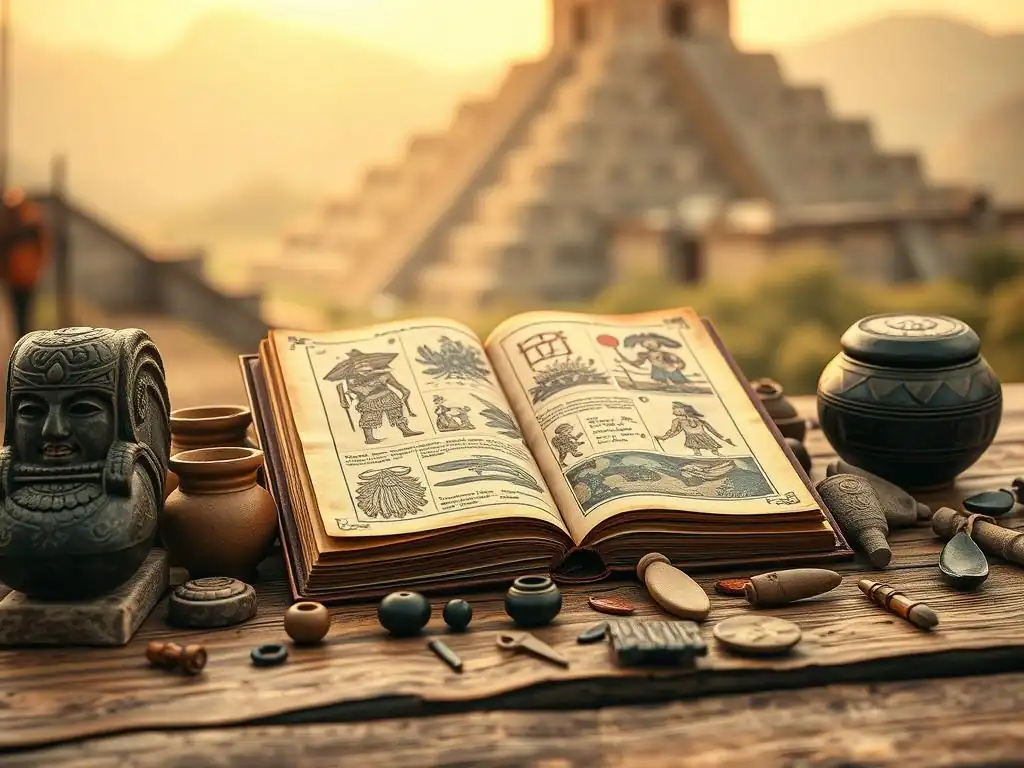
Toltec artifacts encompass a wide array of objects, including sculptures, pottery, and tools, that reflect the cultural and artistic achievements of this civilization. Analyzing these artifacts provides important insights into the daily lives, social structures, and spiritual beliefs of the Toltecs. The relationship between these artifacts and the written records found in codices is vital for constructing a comprehensive understanding of Toltec civilization.
Overview of Significant Toltec Artifacts
Among the most significant artifacts from the Toltec civilization are the monumental sculptures found at archaeological sites such as Tula. These sculptures, often depicting warriors and deities, are characterized by their detailed craftsmanship and distinct style, showcasing the artistic prowess of Toltec artisans. Additionally, pottery fragments unearthed from various sites illustrate the functional and decorative aspects of their daily life, often adorned with intricate designs that convey cultural narratives.
Another notable category of artifacts includes tools and weapons, which provide insights into the technological advancements of the Toltecs. The presence of obsidian blades, for instance, indicates a sophisticated understanding of materials and craftsmanship. These artifacts not only reveal the practical aspects of Toltec life but also their involvement in trade networks, as obsidian was a highly sought-after material in Mesoamerica.
The analysis of these artifacts is crucial for piecing together the social, political, and economic fabric of Toltec society. They serve as tangible links to the past, allowing scholars to investigate the complexities of Toltec culture and its influence on subsequent civilizations.
The Relationship Between Artifacts and Written Records
The interplay between Toltec artifacts and written records is essential for a holistic understanding of the civilization. While codices provide narrative accounts and insights into the ideological framework of the Toltecs, artifacts offer concrete evidence of their lived experiences. Together, they form a multidimensional view of Toltec life, revealing how cultural practices, religious beliefs, and social structures were manifested in both written and material forms.
For instance, the ceremonial objects found alongside depictions in codices can illuminate the specific rituals that were integral to Toltec spirituality. Similarly, the iconography present in artifacts often mirrors the themes found in codices, reinforcing the interconnectedness of their artistic and literary expressions. This synergy allows researchers to construct a more nuanced understanding of how the Toltecs perceived and interacted with their world.
The analysis of Toltec written records and artifacts is pivotal for unraveling the complexities of this ancient civilization. By examining both the codices and the material remains, scholars can gain deeper insights into the achievements, beliefs, and societal structures that characterized the Toltecs and their lasting impact on Mesoamerican history.
Deciphering Toltec Writing Systems
The Toltecs, an influential civilization in Mesoamerica, developed a unique writing system that serves as an invaluable resource for understanding their culture, history, and societal structure. The deciphering of Toltec writing systems involves analyzing various codices and artifacts that provide insights into their symbolic communication. These records, while not as extensive as those of other Mesoamerican cultures like the Maya, still reflect a sophisticated system of writing that incorporated both pictorial elements and ideographic symbols.
Researchers have identified several key characteristics of Toltec writing, including its reliance on glyphs that represent objects, concepts, or sounds. The writing is often intertwined with artistic expressions, making it challenging yet intriguing to decode. Scholars use a comparative approach, examining similarities and differences with other Mesoamerican scripts to enhance understanding. The process of decipherment not only aids in interpreting historical narratives but also sheds light on the artistic and cultural priorities of the Toltec civilization.
Understanding the Symbols and Glyphs Used by the Toltecs
Toltec symbols and glyphs are integral to the understanding of their written records. Unlike the phonetic scripts used by some neighboring cultures, the Toltecs utilized a combination of pictographs and logograms. These glyphs often depicted deities, animals, and significant cultural artifacts, reflecting the civilization's cosmology and daily life.
For instance, the image of the feathered serpent, associated with the god Quetzalcoatl, frequently appears in Toltec iconography. Each symbol not only conveyed meaning but also held cultural significance, representing concepts like life, death, and fertility. Scholars have documented over a hundred distinct glyphs attributed to the Toltecs, each serving as a gateway to understanding their worldview and societal norms.
The use of color and design in the codices also played a crucial role. For example, red often symbolized warfare and sacrifice, while green was associated with agriculture and fertility. By analyzing these symbols, historians can reconstruct narratives and rituals central to Toltec life, providing a richer context for their achievements and beliefs.
Comparison of Toltec Writing with Other Mesoamerican Cultures
When comparing Toltec writing systems with those of other Mesoamerican cultures, several distinctions and similarities emerge. The Toltecs, who flourished between the 10th and 12th centuries CE, shared the Mesoamerican tradition of using a combination of pictographic and ideographic elements. However, their writing style was more succinct and focused on specific themes, particularly relating to their religious practices and political affairs.
In contrast, the Maya civilization developed a more complex and extensive writing system, which included a greater number of glyphs and a more elaborate syntax. The Maya script was capable of conveying detailed historical accounts, royal lineages, and astronomical knowledge. This complexity allowed for a broader range of expression compared to the Toltec glyphs, which were often more symbolic and thematic in nature.
Despite these differences, there are notable similarities. Both cultures utilized codices made from bark paper or deerskin, and they shared iconographic motifs that indicate a cultural exchange in the region. The influence of earlier civilizations, particularly the Olmecs and Teotihuacan, is evident in both the Toltec and Maya writing systems, highlighting a continuum of development within Mesoamerican writing traditions.
The Historical Context of Toltec Written Records
The historical context of Toltec written records is crucial for understanding their place within Mesoamerican history. The Toltec civilization emerged in central Mexico after the decline of Teotihuacan, around the 10th century CE. Their influence extended throughout Mesoamerica, particularly in areas such as the Valley of Mexico and parts of the Yucatán Peninsula. The codices and artifacts produced during this period serve as a testament to their cultural and political significance.
Timeline of the Toltec Civilization
The timeline of the Toltec civilization can be outlined as follows:
- 900 CE: Emergence of the Toltec culture in central Mexico, following the decline of Teotihuacan.
- 950-1150 CE: Peak of the Toltec civilization, characterized by advances in art, architecture, and trade.
- 1100 CE: Construction of the major urban center at Tula, which became the heart of Toltec power, featuring significant architectural achievements.
- 1200 CE: Decline of the Toltec civilization due to factors such as internal strife and external pressures from invading groups.
- 1350 CE: The Toltec influence wanes, paving the way for the rise of the Aztec Empire, who revered the Toltecs as cultural predecessors.
This timeline illustrates the dynamic nature of the Toltec civilization and its interactions with neighboring cultures, providing context for their written records.
Influences on Toltec Codices and Artifacts
The influences on Toltec codices and artifacts are multifaceted, stemming from earlier Mesoamerican cultures and the socio-political landscape of their time. The Toltecs were heavily influenced by the artistic styles and religious practices of Teotihuacan, evident in the architectural designs and iconography found in their monuments and codices.
Additionally, the political landscape played a role in shaping Toltec written records. As they expanded their territory, the Toltecs incorporated elements from the cultures they came into contact with, including the Mixtecs and Zapotecs. This resulted in a fusion of artistic styles and religious symbols, which enriched the content and aesthetics of their codices.
Moreover, the Toltecs placed significant importance on their mythology and history, often depicted through intricate carvings and paintings that accompanied their written records. These artifacts served not only as historical documentation but also as a means to reinforce social hierarchy and cultural identity, ensuring the endurance of their legacy long after their decline.
Challenges in Interpreting Toltec Written Records
Interpreting Toltec written records presents several challenges that scholars and researchers must navigate. The complexities arise from the nature of the artifacts, the languages used, and the historical context in which these records were created. Understanding these challenges is essential for a comprehensive analysis of Toltec civilization and its contributions to Mesoamerican culture.
Preservation Issues and Their Impact on Research
One of the most significant challenges in studying Toltec written records is the preservation of the artifacts themselves. Many codices and inscriptions have suffered damage over time due to natural degradation, human activity, and environmental factors.
- Environmental Factors: The humid climate of Mesoamerica can lead to mold and deterioration, while exposure to sunlight can fade pigments and ink.
- Human Activity: Looting and vandalism have further compromised the integrity of many artifacts. The destruction of sites during the colonial period and the subsequent disregard for indigenous history have resulted in the loss of invaluable records.
These preservation issues directly impact research, as damaged artifacts may lack critical information necessary for interpretation. Scholars often have to rely on fragmented pieces of text or incomplete images, making it difficult to derive accurate meanings or establish connections between different records.
Misconceptions and Myths Surrounding Toltec Artifacts
Misinterpretations of Toltec artifacts have led to a range of misconceptions about their culture and history. Some common myths include:
- Overemphasis on Warfare: Many depictions in Toltec art emphasize militaristic themes, leading some to conclude that warfare was the sole focus of their civilization. However, this overlooks the complexity of their societal structures, which included significant achievements in art, architecture, and philosophy.
- Uniformity of Culture: It is often assumed that Toltec culture was monolithic; however, archaeological evidence suggests a diversity of practices and beliefs within different regions and periods.
Addressing these misconceptions is crucial for a more nuanced understanding of Toltec civilization. Scholars are increasingly advocating for a more holistic approach that considers the multifaceted nature of Toltec society, rather than relying solely on artifacts that may not represent the entirety of their culture.
The Lasting Impact of Toltec Written Records
The written records of the Toltecs have significantly shaped the historical narrative of Mesoamerica. Their influence extends beyond their immediate geographic area, impacting neighboring cultures and civilizations long after the decline of their own society.
Contributions to Mesoamerican History and Culture
Toltec written records serve as critical primary sources for understanding the broader context of Mesoamerican history. These records provide insights into:
- Political Structures: Codices detailing the lineage of rulers and governance systems reveal the complexity of Toltec political organization.
- Religious Practices: Texts documenting rituals, deities, and cosmology highlight the spiritual life of the Toltecs, influencing later cultures, such as the Aztecs, who adopted many Toltec religious elements.
The codices not only preserve the history of the Toltecs but also offer a lens through which researchers can view the interconnectedness of Mesoamerican cultures.
Influence on Later Indigenous Cultures
The Toltecs' written records have left a profound legacy on subsequent indigenous cultures in the Americas. Their influence can be seen in various aspects:
- Art and Architecture: The stylistic elements found in Toltec artifacts have been echoed in the architecture of later civilizations, notably the Aztecs, who revered the Toltecs as cultural predecessors.
- Language and Literature: The linguistic patterns and symbols used in Toltec writings contributed to the development of writing systems in the region, influencing how future societies documented their histories and cultures.
Overall, the Toltec written records represent not only a historical account of a remarkable civilization but also a foundation upon which later Mesoamerican cultures built their identities. Their enduring impact is a testament to the Toltecs' significant role in the tapestry of indigenous history in the Americas.
Conclusion
The exploration of Toltec written records and artifacts provides a window into a civilization that has significantly shaped the cultural and historical landscape of Mesoamerica. The codices and various artifacts discovered offer invaluable insights into the societal structures, religious practices, and artistic expressions of the Toltecs. By analyzing these records, researchers can reconstruct the complexities of Toltec life and their interactions with neighboring cultures, including the Aztecs, who revered them as ancestors.
Summary of the Importance of Toltec Written Records and Artifacts
Toltec written records and artifacts serve as crucial primary sources for understanding this enigmatic civilization. They reveal not only the linguistic and artistic capabilities of the Toltecs but also their philosophical and religious beliefs. Key artifacts, such as the famous Toltec stone carvings and sculptures, depict deities and rituals that reflect the society’s values and worldview. Additionally, the few surviving codices contain illustrations and texts that document historical events, social hierarchies, and the significance of warfare, contributing to our understanding of how the Toltecs perceived their place in the world.
The importance of these records extends beyond mere historical interest; they also play a vital role in the cultural identity of contemporary Indigenous communities in Mexico. By reclaiming and interpreting these artifacts, modern descendants of the Toltecs can connect with their heritage and promote a sense of pride in their ancestry. Furthermore, the ongoing study of these materials allows for a more nuanced understanding of pre-Columbian history, challenging Eurocentric narratives and highlighting the sophistication of Indigenous civilizations.
Future Research Directions on Toltec Civilization
The study of Toltec civilization is still in its early stages, and numerous avenues for future research remain open. One promising direction is the technological analysis of artifacts, including multispectral imaging and 3D modeling, which can reveal details not visible to the naked eye and offer new interpretations of existing materials.
In addition, interdisciplinary approaches that combine archaeology, anthropology, and linguistics could lead to more comprehensive insights into Toltec society. For instance, researchers might explore the connections between Toltec codices and those of other Mesoamerican cultures to identify patterns of influence and exchange.
Moreover, as more artifacts are discovered and techniques for analyzing them evolve, there is potential to uncover new narratives about the Toltecs, particularly regarding their interactions with other Indigenous groups and their legacy in the post-Toltec period. Engaging with Indigenous scholars and communities in this research process will also be vital, ensuring that their perspectives and traditional knowledge are integrated into the narrative of Toltec history.
Overall, the future of Toltec studies is bright, with the promise of revealing deeper understandings of a civilization that continues to fascinate scholars and enthusiasts alike.
- Introduction to Toltec Civilization
- The Nature of Toltec Written Records
- Key Codices of the Toltecs
- Analysis of Toltec Artifacts
- Deciphering Toltec Writing Systems
- The Historical Context of Toltec Written Records
- Challenges in Interpreting Toltec Written Records
- The Lasting Impact of Toltec Written Records
- Conclusion
- What are the Toltec written records artifacts?
- Why are codices important to understanding Toltec culture?
- How did the Toltecs influence later civilizations?
- What challenges do researchers face in studying Toltec written records?
- Are there any significant discoveries regarding Toltec artifacts recently?
Frequently Asked Questions
What are the Toltec written records artifacts?
Toltec written records artifacts refer to the codices and other materials created by the Toltec civilization that provide insights into their culture, history, and achievements prior to European contact.
Why are codices important to understanding Toltec culture?
Codices are essential as they contain historical narratives, religious texts, and mythologies that reveal the complexities of Toltec society and their contributions to the broader indigenous cultures of the Americas.
How did the Toltecs influence later civilizations?
The Toltecs served as a cultural foundation for later civilizations, particularly the Aztecs, who adopted many of their artistic styles, religious practices, and political structures.
What challenges do researchers face in studying Toltec written records?
Researchers often encounter decay, fragmentation, and limited access to original artifacts, making it difficult to fully decipher and understand the Toltec written records and their context.
Are there any significant discoveries regarding Toltec artifacts recently?
Recent archaeological findings have uncovered new Toltec artifacts that enhance our understanding of their society, including ceramics, tools, and sculptures, contributing to a growing body of knowledge about their cultural legacy.
Final Reflection: The Enduring Legacy of Toltec Written Records
The exploration of Toltec written records and artifacts is not merely an academic pursuit; it is a vital connection to understanding the complexities of ancient civilizations and their influence on contemporary culture. In a world increasingly driven by technology and fleeting digital communication, the permanence of written records reminds us of the power of storytelling and the importance of preserving our histories. The Toltecs, through their codices and artifacts, offer a glimpse into a rich cultural tapestry that continues to resonate today.
The impact of Toltec written records extends beyond mere historical interest; they shape our cultural identity and inform our understanding of indigenous heritage. As we delve into these ancient texts and artifacts, we uncover not just the practices and beliefs of the Toltecs, but also the threads that connect us to our past. This ongoing dialogue with history is beautifully encapsulated in the words of historian Miguel León-Portilla: The past is not dead; it is not even past.
This sentiment underscores the relevance of the Toltecs in our modern context, reminding us that their narratives still hold lessons for us today.
As we reflect on the significance of the Toltec written records, I invite you to consider how these ancient voices can inspire your own journey. What stories are you preserving in your life, and how do they shape your identity? Embrace the lessons of the Toltecs by honoring your own history and the histories of those around you. Let their legacy encourage you to document your experiences and share your narrative, for in doing so, you contribute to the rich tapestry of human experience that transcends time and connects us all.
Unveil the Mysteries of the Toltecs!
Thank you for diving into the captivating world of the Toltecs with us! We hope this exploration of their written records, codices, and artifacts has sparked your curiosity and inspired a greater appreciation for indigenous civilizations. Now, it’s time to take that newfound knowledge further!
Here are some actionable steps you can explore:
- Dive Deeper: Visit a local museum or an online exhibit showcasing Toltec artifacts to witness their history firsthand.
- Join the Conversation: Engage with fellow enthusiasts in our community forum—share your thoughts, favorite artifacts, or insights about the Toltecs!
- Spread the Knowledge: Share this article with friends or on social media to encourage a broader discussion about indigenous history.
What aspect of Toltec culture fascinates you the most, and how do you think it influences our understanding of indigenous civilizations today?