
The Impact of Geography on Trade Routes Among Indigenous Civilizations

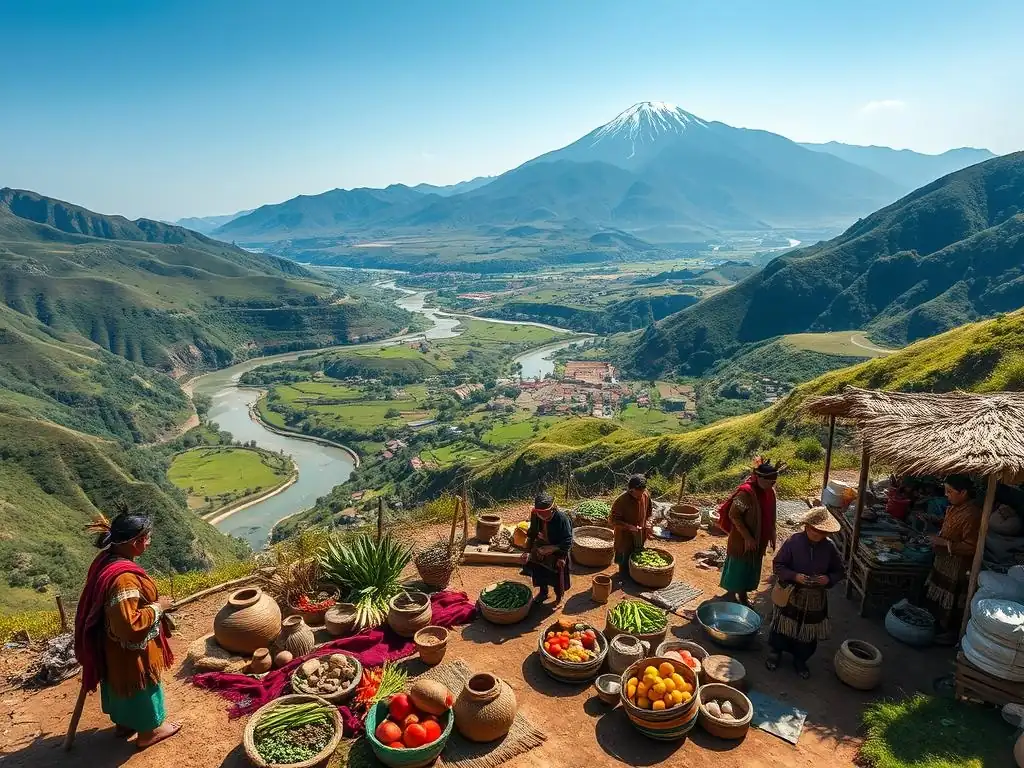
Welcome to Indigenous Civilizations of the Americas, where we invite you to embark on a fascinating journey through the rich tapestry of indigenous cultures that flourished long before European contact. Our exploration begins with a deep dive into the indigenous trade routes geography, revealing how the landscape shaped economic exchanges and cultural connections among these vibrant societies. Prepare to uncover the intricate networks that not only facilitated trade but also wove the very fabric of community life.
Join us as we unravel the enduring legacy of these civilizations and their profound influence on the world today. Curious to learn more? Read on to discover the remarkable stories behind these ancient pathways!
Introduction to Indigenous Trade Routes and Geography
Understanding the intricate relationship between geography and trade routes among indigenous civilizations is crucial to appreciating the economic systems that flourished in the Americas prior to European colonization. Indigenous trade routes were not merely pathways for exchanging goods; they were vital arteries of cultural connection, social interaction, and economic stability.
These routes were shaped by the diverse landscapes of the Americas—from vast mountain ranges and dense forests to expansive plains and winding rivers—each influencing the movement of people and resources. This article will explore how geography dictated the establishment and evolution of these trade networks, revealing the remarkable adaptability and ingenuity of indigenous societies.
Definition of Indigenous Trade Routes
Indigenous trade routes refer to the established pathways used by native populations to facilitate the exchange of goods, services, and cultural practices. These routes were often intricate systems woven through various terrains, enabling access to different resources, such as:
- Food and Crops: Items like maize, beans, and squash were commonly traded.
- Crafts and Tools: Artifacts made from stone, bone, and wood were exchanged for practical or ceremonial purposes.
- Cultural Artifacts: These included textiles, pottery, and artwork that represented the unique identities of different tribes.
The significance of these trade routes extended beyond mere commerce; they served as conduits for the spread of ideas, customs, and technologies among diverse indigenous groups.
Importance of Geography in Shaping Trade
Geography played a pivotal role in determining the locations and routes of indigenous trade networks. Key geographical features that influenced trade include:
- Natural Resources: Regions rich in specific resources, such as gold, salt, or obsidian, became central hubs of trade.
- Topography: The presence of mountains, rivers, and plains dictated the ease or difficulty of travel, influencing trade routes' accessibility.
- Climate: Variations in climate affected agricultural practices and the types of goods produced, thereby shaping trade dynamics.
By understanding these geographical factors, we can better appreciate how indigenous civilizations adapted their trade practices to maximize their economic potential.
Historical Overview of Indigenous Trade Routes
Pre-Columbian Trade Networks
Long before European explorers set foot on the American continents, indigenous peoples established extensive trade networks that connected diverse cultures across vast distances. These networks facilitated the exchange of not only goods but also knowledge and cultural practices. For instance, the Mississippian culture, known for its earthen mounds, developed trade routes that reached as far as the Gulf of Mexico, allowing for the exchange of agricultural products and luxury items like copper and shells.
Additionally, the Ancestral Puebloans maintained trade connections with neighboring tribes, exchanging items such as turquoise and pottery, indicative of their intricate social and economic structures. These pre-Columbian trade networks laid the groundwork for the rich tapestry of indigenous interactions that characterized the Americas long before colonization.
Key Indigenous Civilizations and Their Trade Practices
Several key civilizations exemplified the diverse trade practices shaped by geography across the Americas:
- The Aztecs: Located in central Mexico, their trade networks expanded throughout Mesoamerica, facilitated by their capital, Tenochtitlán, which was strategically positioned on Lake Texcoco. They traded goods like cacao, textiles, and ceramics with various tribes.
- The Incas: With their vast empire stretching along the Andes mountains, the Incas developed a sophisticated system of roads and relay runners known as the Chasqui, enabling efficient trade of goods such as potatoes, textiles, and gold.
- The Plains Tribes: Nomadic tribes in the Great Plains relied heavily on bison hunting. They traded bison products for agricultural goods with neighboring tribes, showcasing a dynamic exchange system adapted to their geography.
Through these examples, we can see how indigenous civilizations utilized their geographical contexts to create robust trade networks, thus enriching their cultures and economies.
Geographic Factors Influencing Trade Routes
The geography of the Americas played a significant role in shaping the trade routes of indigenous civilizations. Various geographic factors, including natural resources, topography, and climate, influenced how these societies interacted with one another, exchanged goods, and established economic systems. Understanding these geographic influences helps to illuminate the complexity and sophistication of indigenous trade networks.
Natural Resources and Trade
Natural resources were pivotal in determining trade routes among indigenous civilizations. Different regions of the Americas were rich in specific resources, which dictated the flow of trade. For instance, the Pacific Northwest was abundant in fish and timber, which were highly sought after by inland tribes. Similarly, the Great Plains were known for their bison herds, which provided meat, hides, and tools.
Trade networks often developed around the availability of unique resources. For example, obsidian, a volcanic glass used for tools and weaponry, was traded extensively in Mesoamerica, particularly from regions like present-day Mexico. The demand for these resources led to well-established trade routes that connected distant communities, facilitating not only the exchange of goods but also cultural interactions.
Topography and Its Effects on Trade Routes
The diverse topography of the Americas greatly influenced trade routes. Mountain ranges, such as the Rockies and the Andes, created natural barriers that dictated the paths traders could take. In many instances, indigenous groups adapted their trade practices to navigate these obstacles, utilizing valleys and river systems to facilitate movement.
For instance, in the Andes, high-altitude trade routes were established, connecting different cultural groups despite the challenges posed by rugged terrain. Additionally, the presence of rivers served as vital trade arteries. The Mississippi River, for example, provided a navigable route that linked various indigenous cultures, allowing for the transportation of goods over long distances.
Climate and Seasonal Variations in Trade
Climate also played a crucial role in shaping trade routes among indigenous civilizations. Seasonal variations affected the availability of resources and influenced when and how trade occurred. For example, in regions with harsh winters, trading activities would often peak in the warmer months when food and other resources were abundant.
Moreover, climatic conditions could dictate the types of goods exchanged. In arid regions, communities might trade for water-intensive crops, while coastal tribes often exchanged marine resources. Understanding these climatic patterns allowed indigenous traders to time their movements effectively, ensuring successful exchanges.
Major Indigenous Trade Routes and Their Geographic Contexts
Exploring major indigenous trade routes reveals the intricate connections among different cultures and the geographic contexts that facilitated these interactions. Each route was influenced by local geography, resources, and the needs of the communities involved.
The Mississippi River Trade Network
The Mississippi River was a central artery for trade among various indigenous groups in North America. Spanning over 2,300 miles, it connected diverse cultures from the Great Lakes down to the Gulf of Mexico. This trade network allowed for the exchange of goods such as pottery, agricultural products, and furs.
The river’s accessibility enabled tribes like the Cahokia to thrive as trading hubs, where goods flowed in and out, fostering economic interdependence. The geographic advantages of the Mississippi’s floodplain also supported agriculture, further enhancing the trade system.
The Great Lakes Trade Routes
The Great Lakes region featured a complex network of trade routes that connected communities through waterways and land paths. These lakes served as a critical resource for fishing, transportation, and trade. Indigenous groups utilized canoes to navigate the lakes and rivers, facilitating the movement of goods like furs, fish, and agricultural products.
The interconnection of lakes and rivers allowed for the establishment of trading posts and seasonal markets, where diverse tribes could gather to exchange goods and culture. The geographic setting provided abundant resources, making the Great Lakes a vital area for indigenous trade.
The Andes Trade Network
The Andes mountains hosted one of the most sophisticated trade networks in pre-Columbian America. This mountainous region, rich in minerals, textiles, and agricultural products, saw the emergence of trade routes that connected highland and lowland communities.
The Inca Empire is a prime example of how geography shaped trade. The Incas developed an extensive road system that traversed diverse terrains, facilitating trade between different ecological zones. This allowed for the exchange of goods such as potatoes, maize, textiles, and precious metals, creating a robust economic system that thrived amidst challenging geography.
Cultural Exchange Along Trade Routes
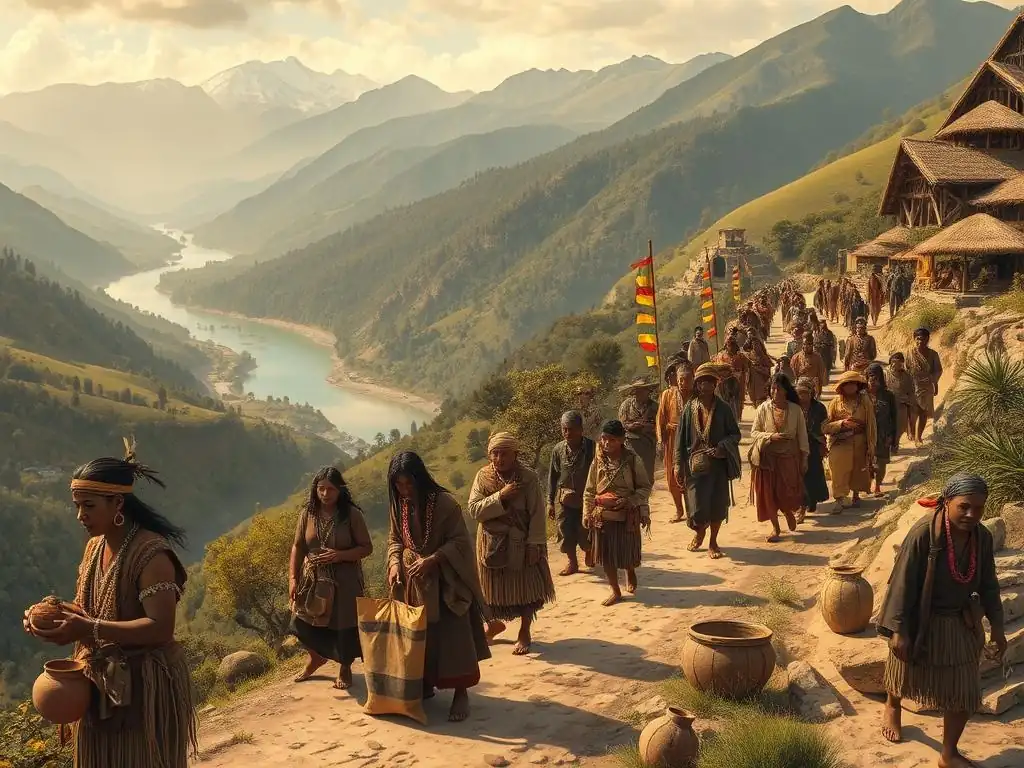
Trade routes among indigenous civilizations were not merely conduits for goods; they were vital arteries of cultural exchange. As various groups interacted along these routes, they shared not only commodities but also ideas, customs, and technologies that enriched their societies. This cultural exchange facilitated the spread of agricultural techniques, religious beliefs, artistic styles, and linguistic elements, which helped to strengthen ties between disparate communities.
For instance, the trade networks connecting the Pueblo peoples of the Southwest with tribes from the Great Plains allowed for the exchange of crops such as maize and beans, alongside tools and pottery. This exchange fostered a deeper understanding of agricultural practices suited to varying environments, which was crucial in enhancing food security. Additionally, the sharing of spiritual beliefs and practices often occurred in these interactions, leading to a fusion of religious customs that characterized the diverse spiritual landscape of the Americas.
The geographic diversity of trade routes also played a role in the types of cultural exchanges that occurred. For example, coastal routes facilitated maritime cultural interactions, while inland routes often led to more terrestrial exchanges. This geographical context influenced the nature of contact between different indigenous groups, with some areas becoming melting pots of various cultures over time.
Trade Goods and Their Geographic Origins
The goods traded among indigenous civilizations were deeply influenced by geography, with certain regions specializing in specific products due to their unique environmental conditions. For example, the rich forests of the Pacific Northwest produced an abundance of salmon, cedar wood, and various berries, which were essential trade items for coastal tribes. These goods were exchanged for agricultural products from the interior regions, such as corn and squash.
In the arid regions of the Southwest, the cultivation of crops like maize and the crafting of pottery became highly developed, resulting in trade goods that were not only functional but also artistically significant. The geographic conditions directly influenced the types of goods available for trade and consequently shaped the economic interactions between different groups.
Moreover, the movement of goods such as obsidian from volcanic regions of the West to the plains was crucial for tool-making, demonstrating how geography dictated the availability and demand for specific trade items. Understanding the geographic origins of trade goods provides insight into the economic systems and interdependencies of indigenous civilizations.
The Role of Geography in Cultural Interactions
Geography was a fundamental factor in shaping cultural interactions between indigenous civilizations. Natural barriers, such as mountains, rivers, and deserts, influenced the routes taken for trade and communication. For instance, the Andes mountains presented both challenges and opportunities for the Inca Empire, leading to the development of sophisticated road systems that integrated diverse cultural groups.
Rivers, as vital waterways, served as important trade routes, allowing for the exchange of goods and cultural practices. The Mississippi River, for example, was a significant artery for trade among various tribes, fostering interactions that contributed to shared cultural traits and practices.
Furthermore, the geographic layout of regions affected the accessibility of certain goods and the resulting trade relationships. Coastal areas often had access to marine resources, which not only enriched local diets but also facilitated trade with inland tribes, leading to a broader cultural exchange.
The interplay between geography and cultural interactions is evident in the way indigenous societies adapted their economic systems and social structures in response to their environments, highlighting the profound impact of geography on indigenous trade routes.
Case Studies of Geographic Impact on Trade
Case Study 1: The Inca Empire and Mountain Geography
The Inca Empire, located in the Andean region of South America, exemplifies how mountainous geography shaped trade routes and cultural exchanges. The Incas developed an extensive network of roads that traversed the rugged terrain, facilitating trade between diverse ecological zones. This network, known as the Qhapaq Ñan, enabled the movement of goods such as textiles, agricultural products, and metals across vast distances.
The Incas utilized the geography of the Andes to their advantage, allowing them to exchange items like potatoes and quinoa from highland areas for tropical fruits and maize from the lowlands. This trade not only supported the empire's economy but also promoted cultural interactions, leading to the spread of agricultural techniques and religious practices across different regions.
The mountainous landscape also necessitated the use of pack llamas for transportation, which further influenced the trade dynamics within the empire. The strategic placement of administrative and storage centers along the trade routes allowed for efficient control and distribution of goods, showcasing the integral role of geography in the Inca economic system.
Case Study 2: The Plains Tribes and River Trade
The tribes of the Great Plains relied heavily on river systems, such as the Missouri and Mississippi Rivers, to facilitate trade and cultural exchange. These rivers served as vital transportation routes for the movement of goods, including buffalo hides, tools, and agricultural products. The rivers provided not only a means of transport but also a rich source of fish and other resources that sustained the communities along their banks.
As tribes engaged in trade, they established networks that connected various indigenous groups across vast distances, leading to significant cultural exchanges. For example, the introduction of horses, which spread rapidly among Plains tribes, transformed their economies and lifestyles, enabling more extensive hunting and trade practices.
The geographic features of the Plains also encouraged seasonal migrations, as tribes followed the herds of buffalo and adapted their trade practices to the availability of resources. This adaptability was crucial for survival and contributed to the development of a complex economic system based on trade routes established along the rivers.
Case Study 3: The Mesoamerican Trade and Coastal Geography
In Mesoamerica, the coastal geography had a profound influence on trade networks and cultural interactions. The civilizations of this region, such as the Maya and the Aztec, utilized their coastal access to engage in extensive maritime trade. Coastal trade routes connected these civilizations with other indigenous groups, facilitating the exchange of goods like cacao, obsidian, and jade.
The geographic advantages of coastal areas allowed for the development of seafaring technologies, enabling traders to traverse long distances across the ocean. This maritime trade not only provided access to exotic goods but also facilitated cultural exchanges, as different societies interacted along these routes.
The coastal geography also influenced the agricultural practices of Mesoamerican civilizations, as they cultivated crops suited to the tropical climate, which were then traded with inland communities. This integration of maritime and terrestrial trade routes exemplifies how geography shaped the economic systems and cultural interactions among indigenous civilizations in Mesoamerica, highlighting the importance of geographic context in understanding indigenous trade routes.
Conclusion: The Lasting Impact of Geography on Indigenous Trade
The intricate interplay between geography and trade routes among indigenous civilizations significantly shaped their economic systems and cultural exchanges. The diverse landscapes of North America, Central America, and South America provided both opportunities and challenges that influenced trade dynamics. Geographic features such as mountains, rivers, deserts, and coastlines dictated the pathways traders could use, the goods exchanged, and the interactions among various cultures. This historical context illustrates how geography did not merely serve as a backdrop but actively molded the economic frameworks and social relationships of indigenous communities.
Indigenous trade routes were often established along natural features, with rivers and mountain passes serving as conduits for goods and cultural exchanges. These routes facilitated the movement of not only material goods but also ideas, technologies, and cultural practices. As a result, many indigenous civilizations developed rich and complex societies, with trade at the heart of their interactions. The legacy of these trade routes continues to influence modern economic systems and cultural identities, highlighting the enduring significance of geography in shaping human endeavors.
Summary of Geographic Influences on Trade Routes
Geographic factors played a crucial role in determining the trade routes utilized by indigenous civilizations. Here are some key influences:
- Natural Barriers: Mountain ranges and deserts often limited movement, leading societies to develop localized economies and trade networks.
- Waterways: Rivers acted as vital highways for trade, facilitating the transportation of goods and fostering interaction between communities. For instance, the Mississippi River was a major trade route for various tribes in North America.
- Climate Zones: Different climates influenced the types of crops grown, which in turn affected trade. Fertile lands allowed for surplus production, enabling trade with neighboring regions.
- Resource Distribution: The availability of natural resources such as minerals, timber, or precious stones dictated trade patterns. For example, the Andes civilizations engaged in extensive trade of metals and textiles, thriving on their geographic advantages.
Overall, these geographic influences created a rich tapestry of trade networks that interconnected various indigenous cultures across the Americas.
The Legacy of Indigenous Trade Routes in Modern Context
The impact of indigenous trade routes is still felt today, as many modern communities continue to honor the historical pathways forged by their ancestors. These routes have laid the groundwork for contemporary economic practices and cultural exchanges, demonstrating a continuity of tradition and resilience.
In modern contexts, indigenous peoples are increasingly reclaiming and revitalizing their historical trade practices, often integrating them with contemporary economic systems. This resurgence not only helps in preserving cultural heritage but also fosters sustainable practices that align with ecological stewardship.
Additionally, the recognition of indigenous trade routes contributes to a greater understanding of how geography shapes economic relationships. By studying these historical trade networks, scholars and policymakers can gain insights into sustainable practices and community-building strategies that emerged from indigenous knowledge systems. The legacy of these routes underscores the importance of geography in shaping social and economic landscapes, encouraging a deeper appreciation of indigenous contributions to global history.
References and Further Reading on Indigenous Trade Routes and Geography
- Books:
- "Trade and Exchange in the Pre-Columbian Americas" by Sarah A. V. R. T.
- "Indigenous Trade Networks in the Americas" by John H. D. A.
- "Geography and Culture in Native North America" by Maria L. A. R.
- Articles:
- "The Role of Geography in Indigenous Economic Systems" in the Journal of American History.
- "Cultural Exchange and Trade Among Indigenous Peoples" in the International Journal of Indigenous Studies.
- Online Resources:
- Indigenous Peoples' Trade Route Map – an interactive resource detailing historical trade routes.
- The Smithsonian Institution’s resources on Indigenous Economic Practices.
These references provide further insights into the complex interplay of geography and trade among indigenous civilizations, offering a comprehensive understanding of their rich histories and lasting impacts.
- Introduction to Indigenous Trade Routes and Geography
- Historical Overview of Indigenous Trade Routes
- Geographic Factors Influencing Trade Routes
- Major Indigenous Trade Routes and Their Geographic Contexts
- Cultural Exchange Along Trade Routes
- Case Studies of Geographic Impact on Trade
- Conclusion: The Lasting Impact of Geography on Indigenous Trade
- References and Further Reading on Indigenous Trade Routes and Geography
- What is the main focus of the article "The Impact of Geography on Trade Routes Among Indigenous Civilizations"?
- How did geography affect trade routes among indigenous cultures?
- What are some examples of indigenous trade routes mentioned in the article?
- How did indigenous trade routes contribute to cultural exchange?
- Why is understanding indigenous trade routes geography important today?
Frequently Asked Questions
What is the main focus of the article "The Impact of Geography on Trade Routes Among Indigenous Civilizations"?
The article explores how geographical factors influenced the development of trade routes among indigenous civilizations in the Americas, highlighting their economic interactions and cultural exchanges.
How did geography affect trade routes among indigenous cultures?
Geography played a crucial role in determining trade routes by influencing the location of resources, the layout of terrain, and the climate, which impacted the ease of travel and the types of goods exchanged.
What are some examples of indigenous trade routes mentioned in the article?
The article provides examples of notable trade routes, such as the Inca road system in the Andes and the Mississippi River trade networks, showcasing how these routes facilitated cultural exchange and economic prosperity.
How did indigenous trade routes contribute to cultural exchange?
Indigenous trade routes enabled the exchange of ideas, languages, and traditions, fostering a rich tapestry of cultural interactions that shaped the identities of various civilizations across the Americas.
Why is understanding indigenous trade routes geography important today?
Understanding indigenous trade routes geography is vital for appreciating the historical significance of these networks and their impact on contemporary discussions about cultural heritage, land rights, and sustainable practices among indigenous communities.
Final Reflection: The Enduring Legacy of Indigenous Trade Routes and Geography
The intricate relationship between geography and trade routes among indigenous civilizations remains profoundly relevant today. As we navigate a world increasingly defined by globalization, understanding how geography shaped the economic and cultural exchanges of these early societies offers invaluable insights into our current trade dynamics. The lessons learned from the past remind us that geography is not merely a backdrop but a powerful force that influences human connections and interactions.
The impact of indigenous trade routes on cultural exchange and economic development continues to resonate in our modern society. These ancient pathways were not just conduits for goods; they were vital links that fostered relationships, shared knowledge, and cultivated diversity. As we reflect on this, we can appreciate the words of historian Charles Mann: The Americas were a tapestry of cultures, woven together by trade and geography long before European contact.
This perspective invites us to recognize the rich history that informs our present and shapes our future.
As we conclude, I encourage you to reflect on how the geography of your own surroundings influences your connections and interactions. Consider the pathways you traverse daily—both physical and metaphorical—and how they shape your relationships and opportunities. Let the legacy of indigenous trade routes inspire you to forge new connections, embrace diversity, and appreciate the profound impact of geography in your life. Together, we can honor the past while building a more interconnected future.
Unleash Your Curiosity About Indigenous Trade!
Thank you for taking the time to explore the fascinating intersection of geography and trade among Indigenous civilizations. Your interest is key to understanding the intricate networks that shaped cultural exchange and prosperity. Now it's time to jump into action and deepen your connection with this vibrant history!
Here are a few ways you can engage further:
- Dive Deeper: Visit local museums or browse online exhibitions that highlight Indigenous trade practices and cultural artifacts unique to your region.
- Connect and Share: Participate in community discussions or social media groups focused on Indigenous history—share your discoveries and inspire others to join the conversation.
- Visit Unique Sites: Plan a trip to historical locations associated with these trade routes and immerse yourself in the geography firsthand!
As you reflect on the significance of geography in shaping these trade routes, consider this: How do you think modern trade may still be influenced by geography in our global society today? Your insights could ignite valuable discussions!