
The Legacy of Indigenous Economic Systems: Lessons for Modern Economies

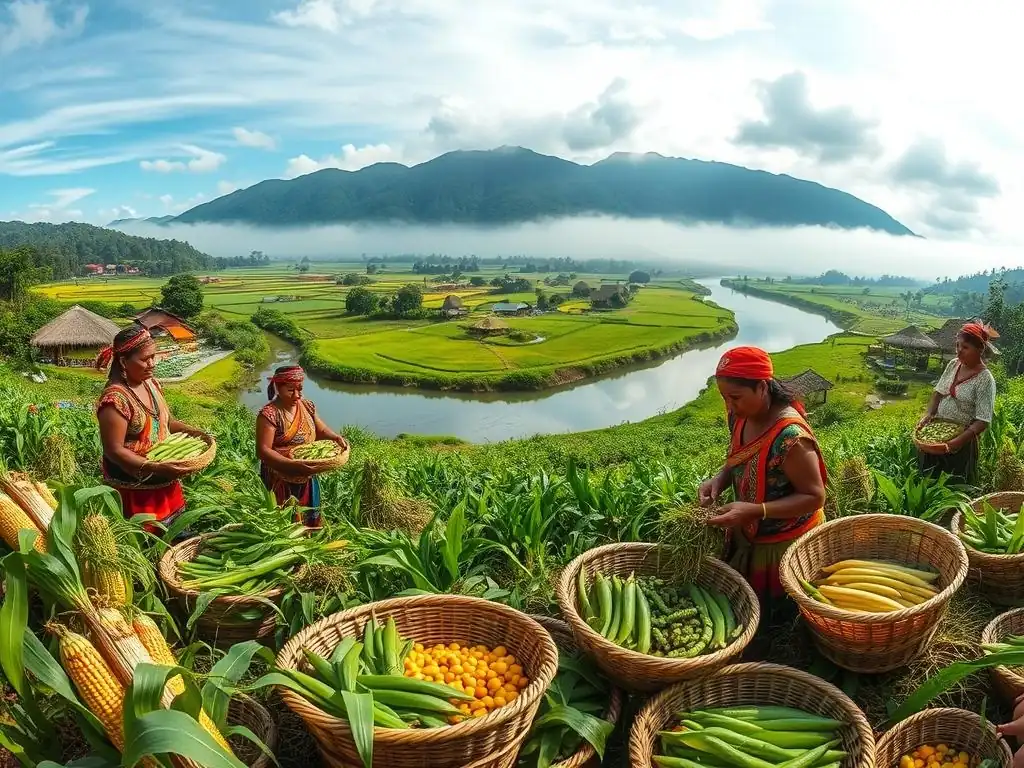
Welcome to Indigenous Civilizations of the Americas, where we embark on a journey through the rich tapestry of indigenous cultures that flourished long before European footprints graced this land. Here, we delve into the remarkable economic systems that not only shaped vibrant societies but also left an indelible mark on the modern world. In our featured article, “The Legacy of Indigenous Economic Systems: Lessons for Modern Economies,” we uncover the profound impact these systems had on trade, sustainability, and community well-being.
Prepare to be inspired and enlightened as we explore the intricate connections between past and present, revealing insights that are more relevant today than ever. Join us as we uncover the legacies that continue to resonate throughout our economies!
- Introduction to Indigenous Economic Systems and Their Impact
- Historical Context of Indigenous Economic Systems
- Core Principles of Indigenous Economic Systems
- Case Studies: Successful Indigenous Economic Models
- Lessons from Indigenous Economic Systems for Modern Economies
- Challenges Faced by Indigenous Economic Systems Today
- Conclusion: The Lasting Impact of Indigenous Economic Systems
- References and Further Reading on Indigenous Economic Systems
-
Frequently Asked Questions
- What are Indigenous economic systems?
- How did Indigenous economic systems impact their societies?
- What lessons can modern economies learn from Indigenous economic systems?
- What achievements are associated with Indigenous economic systems?
- How do Indigenous economic systems influence contemporary discussions on economics?
- Final Reflection: Embracing the Wisdom of Indigenous Economic Systems
- Embrace the Wisdom of Indigenous Economies Today!
Introduction to Indigenous Economic Systems and Their Impact
The economic systems of indigenous civilizations across the Americas represent a profound legacy that has shaped not only their societies but also the contemporary understanding of sustainable practices and community-focused economies. Before European colonization, these diverse cultures developed intricate systems of trade, resource management, and social organization, which were deeply intertwined with their environments and cultural beliefs.
This article explores the impact of indigenous economic systems on modern economies, highlighting lessons that can be gleaned from their practices and philosophies. By examining these systems, we aim to uncover the rich tapestry of economic thought that existed long before the advent of modern capitalism, offering insights that remain relevant in today's economic discourse.
Overview of Indigenous Economic Systems
Indigenous economic systems varied widely across different regions and cultures, yet they shared some common principles centered around sustainability, reciprocity, and communal well-being. For instance:
- Subsistence Farming: Many indigenous groups practiced subsistence agriculture, cultivating crops such as maize, beans, and squash, which were often referred to as the "Three Sisters." This method not only ensured food security but also promoted biodiversity and soil health.
- Trade Networks: Extensive trade routes connected various tribes, facilitating the exchange of goods, ideas, and cultural practices. The use of resources was often governed by the principles of reciprocity and respect for the land, ensuring that trade benefited all parties involved.
- Resource Management: Indigenous economies often emphasized sustainable resource management. Practices like controlled burns and rotational hunting were used to maintain ecological balance, demonstrating a sophisticated understanding of environmental stewardship.
These systems were not just economic; they were also embedded within cultural and spiritual frameworks, making the indigenous approach to economy holistic and deeply connected to their identities.
Importance of Studying Indigenous Economic Systems
Understanding indigenous economic systems is crucial for several reasons:
- Cultural Preservation: Studying these systems helps preserve the histories and cultures of indigenous peoples, ensuring that their contributions are recognized and valued.
- Sustainable Practices: As modern economies face challenges such as climate change and resource depletion, indigenous practices can provide valuable insights into sustainable living and environmental management.
- Economic Diversity: Indigenous economies offer alternative models to mainstream capitalism, showcasing how community-oriented approaches can lead to resilience and social equity.
- Policy Development: By learning from indigenous economic systems, policymakers can create more inclusive and effective economic strategies that honor indigenous rights and knowledge.
To fully appreciate the impact of indigenous economic systems, it is essential to understand some key concepts and terminology:
- Reciprocity: The practice of exchanging goods and services in a way that builds relationships and community bonds, rather than merely for profit.
- Sustainable Development: An approach that seeks to meet the needs of the present without compromising the ability of future generations to meet their own needs, often rooted in indigenous wisdom.
- Cultural Capital: The non-economic resources that enable social mobility, including education, intellect, style of speech, and cultural knowledge, which play a vital role in indigenous economies.
- Traditional Ecological Knowledge (TEK): The understanding and beliefs regarding the relationship of living beings (including humans) with their environment, developed through generations of interaction with the ecosystem.
By exploring these concepts, we can gain deeper insights into how indigenous economic systems operate and their lasting impact on both past and present economies.
Historical Context of Indigenous Economic Systems
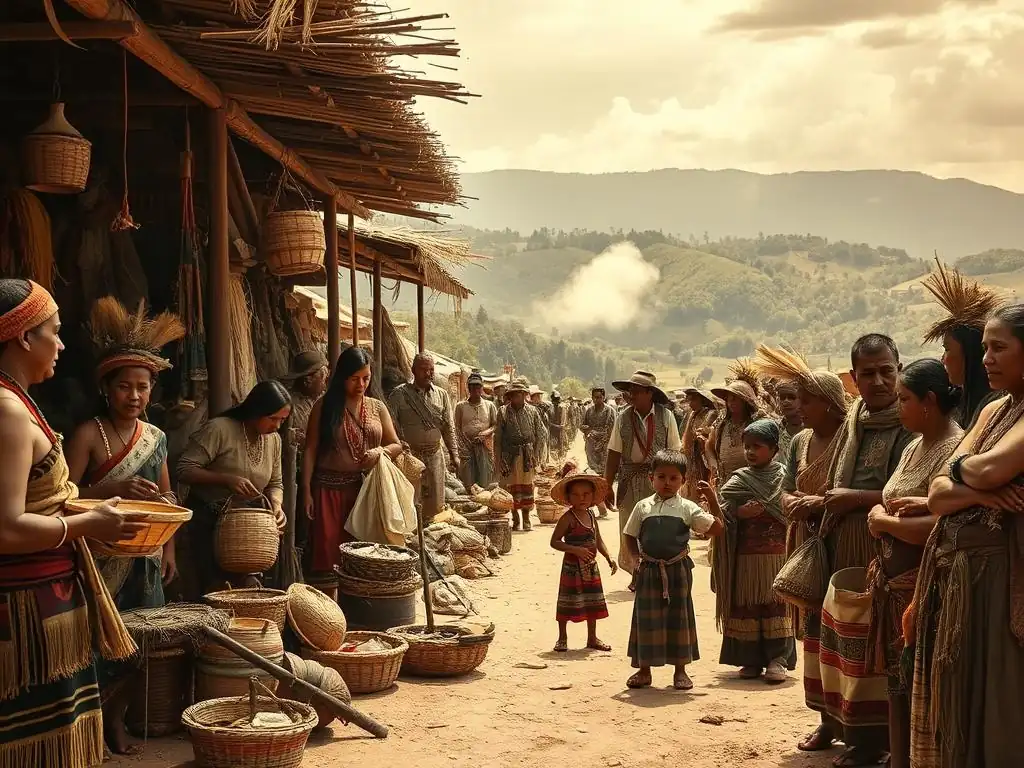
Evolution of Economic Practices Among Indigenous Peoples
Indigenous economic systems in the Americas evolved over thousands of years, adapting to the unique environments and resources available in various regions. These systems were not static; they transformed in response to changing conditions, such as climate fluctuations, population growth, and interactions with neighboring tribes.
- Subsistence Economies: Initially, most indigenous communities operated on subsistence economies, where the primary focus was on meeting basic needs. Hunting, gathering, and agriculture were the mainstays of these systems. For example, the Navajo people engaged in a mix of agriculture and livestock herding, while the Iroquois developed sophisticated agricultural techniques, cultivating crops like corn, beans, and squash.
- Trade Networks: As communities grew, trade networks emerged, facilitating the exchange of goods and resources. This not only allowed for access to items not locally available but also fostered relationships among different tribes. For instance, the Great Lakes tribes traded furs for tools and other goods with tribes from the Plains.
- Specialization: Over time, some communities began to specialize in certain crafts or resource extraction, leading to a more complex economic structure. The Maya, known for their advanced agricultural practices, also developed intricate trade systems, exchanging goods such as cacao and textiles with other cultures across Mesoamerica.
The evolution of these economic practices highlights the adaptability and ingenuity of indigenous peoples in creating sustainable systems that balanced environmental stewardship with economic viability.
Diverse Economic Models in Different Regions
The diversity of indigenous economic systems across the Americas reflects the varying environments, resources, and cultural practices of different regions. Below are some notable economic models:
- Northwest Coast Economies:
- Fishing and Trade: Coastal tribes, such as the Tlingit and Haida, relied heavily on fishing, particularly salmon. They developed intricate trade networks, exchanging fish, shellfish, and crafted goods.
- Resource Management: These tribes practiced sustainable harvesting techniques, ensuring the preservation of fish populations and other natural resources.
- Plains Economies:
- Bison Hunting: Tribes such as the Lakota and Cheyenne centered their economies around bison hunting. The bison provided not only food but also materials for clothing, shelter, and tools.
- Seasonal Mobility: The economic model was characterized by seasonal migrations following bison herds, demonstrating a deep understanding of ecological patterns.
- Mesoamerican Economies:
- Agricultural Innovations: The Aztecs and Mayans employed advanced agricultural techniques, including chinampas (floating gardens), to support large populations.
- Market Systems: Urban centers like Tenochtitlan featured marketplaces where goods were exchanged, illustrating a complex trade economy.
- Andean Economies:
- Terracing and Irrigation: The Inca developed extensive terracing and irrigation systems to cultivate crops in the mountainous terrain.
- State-Controlled Economy: The Inca economy was centrally managed, with labor and resources allocated for community projects, demonstrating a different approach to economic organization.
These diverse models illustrate how indigenous peoples adapted their economic practices to their environments, utilizing local resources and establishing intricate social and trade networks.
Comparison of Indigenous Economic Systems Pre- and Post-Colonization
The arrival of Europeans in the Americas marked a significant turning point in the economic systems of indigenous peoples. The impact of colonization was profound and multifaceted, leading to both disruption and adaptation.
Pre-Colonization Economic Systems
- Sustainability: Indigenous economies were primarily sustainable, relying on local resources and practices that maintained ecological balance.
- Community Orientation: Economic practices were often communal, with an emphasis on shared resources and collective well-being.
Post-Colonization Changes
- Resource Exploitation: European colonizers exploited natural resources, leading to environmental degradation and the depletion of vital resources that indigenous peoples relied upon.
- Displacement and Disruption: Many indigenous communities were forcibly displaced, disrupting traditional economic practices and access to ancestral lands.
- Introduction of New Goods and Markets: The introduction of European goods, such as metal tools and livestock, altered traditional practices, leading to a blend of indigenous and European economic models.
- Shift to Market Economies: Over time, indigenous economies increasingly integrated into the broader colonial market economies, often at a disadvantage, resulting in a loss of autonomy and traditional practices.
The comparison of indigenous economic systems before and after colonization reveals a dramatic shift from sustainable, community-oriented practices to systems heavily influenced by external forces. The legacy of these changes continues to impact indigenous communities today, highlighting the importance of understanding their historical economic systems and their resilience in adapting to ongoing challenges.
Core Principles of Indigenous Economic Systems
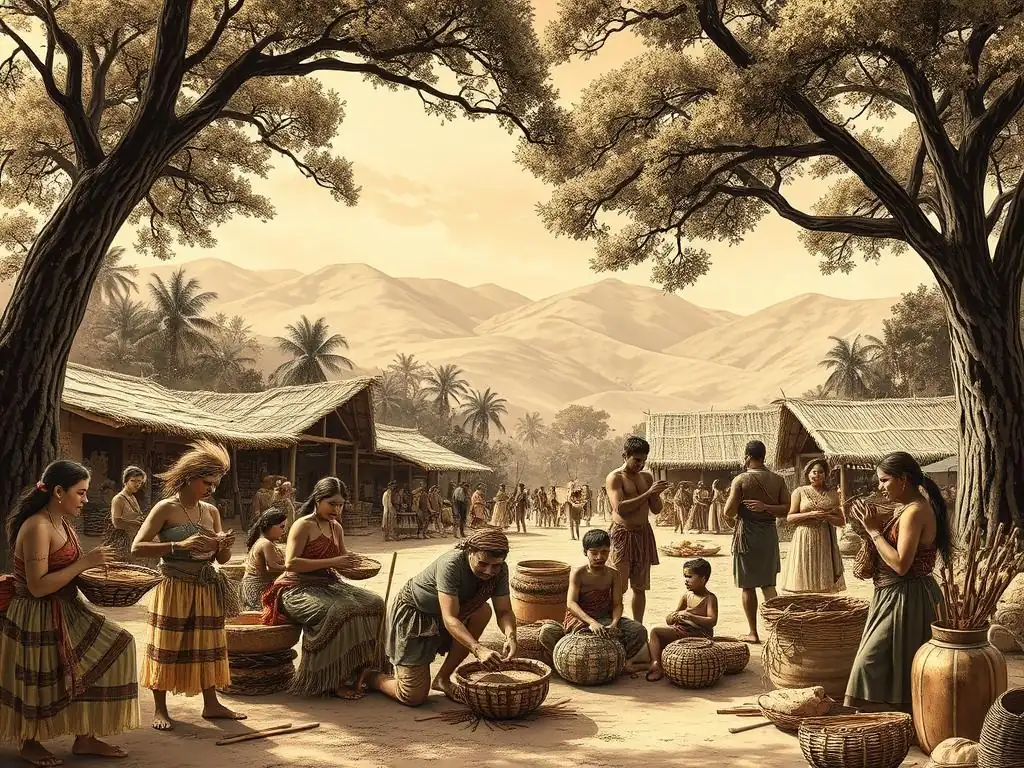
Indigenous economic systems are characterized by a unique set of principles that prioritize sustainability, community welfare, and collective ownership. These systems were intricately tied to the cultural, spiritual, and environmental contexts of Indigenous peoples. Understanding these core principles provides valuable insights into their lasting impact on modern economies.
Sustainability and Resource Management in Indigenous Economies
One of the most significant elements of Indigenous economic systems is their focus on sustainability and resource management. Indigenous communities have long practiced a holistic approach to resource use, ensuring that natural ecosystems are preserved for future generations. This approach can be exemplified through the following practices:
- Traditional Ecological Knowledge (TEK): Indigenous peoples possess extensive knowledge about local ecosystems, which has been passed down through generations. This knowledge informs sustainable practices such as crop rotation, controlled burns, and seasonal harvesting.
- Adaptive Management: Indigenous economies often employ adaptive management techniques, allowing communities to respond dynamically to environmental changes. For example, the seasonal migration patterns of certain tribes align with the availability of resources, ensuring that they do not over-exploit any single area.
- Cultural Practices and Rituals: Many Indigenous economies integrate cultural rituals that promote respect for nature. These practices reinforce the belief that humans are part of a larger ecological system, fostering a sense of responsibility towards environmental stewardship.
Community and Collective Ownership Principles
In stark contrast to capitalist notions of individual ownership, Indigenous economic systems prioritize community and collective ownership. This principle is fundamental to their social structure and economic functioning:
- Shared Resources: Land, water, and other resources are often viewed as communal properties rather than individual assets. This collective ownership fosters a sense of belonging and mutual responsibility among community members.
- Decision-Making Processes: Economic decisions are typically made through consensus, ensuring that all voices are heard. This democratic approach strengthens social bonds and enhances community resilience.
- Intergenerational Equity: Indigenous economic systems emphasize the importance of future generations. Decisions regarding resource use are made with consideration for the long-term impacts, ensuring that subsequent generations inherit a healthy environment and thriving community.
The Role of Trade and Barter in Indigenous Economic Systems
Trade and barter systems were integral to Indigenous economic interactions, facilitating the exchange of goods and services without the need for currency. These systems had several key features:
- Local and Regional Trade Networks: Indigenous communities established extensive trade networks that spanned vast geographical areas. Goods such as food, textiles, pottery, and tools were exchanged, enhancing cultural interactions and economic resilience.
- Value Beyond Monetary Exchange: In Indigenous economies, the value of goods is often tied to cultural significance rather than mere market price. For instance, certain items may hold spiritual or ceremonial importance that transcends their economic worth.
- Reciprocity and Gift-Giving: The principles of reciprocity and gift-giving underpin many Indigenous trade practices. These practices foster social ties and reinforce community cohesion, as they emphasize relationships over transactions.
The impact of Indigenous economic systems on modern economies is profound. By embracing principles of sustainability, community ownership, and trade, contemporary societies can learn valuable lessons from these resilient and adaptive systems. Such insights not only honor the legacy of Indigenous cultures but also contribute to the development of more equitable and sustainable economic practices today.
Case Studies: Successful Indigenous Economic Models
The Navajo Nation, one of the largest Indigenous nations in the United States, provides a compelling case study of effective economic practices rooted in traditional values. Historically, the Navajo economy revolved around agriculture, animal husbandry, and weaving. Today, they have adapted these traditional practices to create a robust economic framework that blends cultural heritage with modern business strategies.
Key Economic Features:
- Livestock and Agriculture: The Navajo people maintain a strong connection to their lands through sheep herding and crop cultivation. They produce traditional crops like corn, beans, and squash, which not only sustains their diet but also preserves cultural practices.
- Handicrafts and Arts: The Navajo are renowned for their intricate woven rugs and silver jewelry. These handcrafted goods are sold at markets and online, providing a significant source of income while promoting cultural heritage.
- Tourism: The stunning landscapes of the Navajo Nation attract tourists, leading to the development of eco-tourism and cultural tourism initiatives. This sector has created jobs and opportunities for local artisans to showcase their work.
- Renewable Energy Projects: In recent years, the Navajo Nation has invested in renewable energy, particularly solar power. This not only addresses energy needs but also provides a sustainable revenue source.
The integration of traditional practices with modern economic strategies has enabled the Navajo Nation to build a resilient economy, demonstrating the lasting impact of Indigenous economic systems.
Example 2: The Maori and Sustainable Trade
The Maori, the Indigenous people of New Zealand, have developed a distinctive approach to trade that emphasizes sustainability and community welfare. Their economic model reflects a deep understanding of their environment and a commitment to preserving resources for future generations.
Core Elements of Maori Economic Practices:
- Kaitiakitanga (Guardianship): Central to Maori economic practices is the concept of kaitiakitanga, which embodies stewardship of natural resources. This principle guides their fishing, forestry, and agricultural practices, ensuring that these activities are sustainable.
- Collective Ownership: The Maori often engage in collective ownership models, particularly in land and resources. This empowers communities and promotes equitable distribution of profits derived from natural resources.
- Cultural Tourism: Maori culture attracts global interest, leading to the development of cultural tourism initiatives. These initiatives not only provide economic benefits but also foster greater understanding and appreciation of Maori traditions.
- Innovation in Agriculture: Maori farmers are increasingly adopting innovative farming techniques that integrate traditional knowledge with modern practices, leading to sustainable agricultural production.
The Maori model illustrates how Indigenous economic systems can offer valuable lessons in sustainability and community-focused practices, highlighting their impact on modern economies.
Example 3: The Sami and Community Resilience
The Sami people, Indigenous to the northern regions of Norway, Sweden, Finland, and Russia, exemplify resilience through their economic systems, which are closely tied to reindeer herding and traditional crafts.
Distinctive Economic Aspects:
- Reindeer Herding: Central to Sami culture, reindeer herding is not only a livelihood but also a vital part of their identity. The Sami manage their herds in a sustainable manner, balancing the needs of the herds with environmental considerations.
- Craftsmanship: Sami artisans produce traditional handicrafts, such as duodji (Sami handicrafts), which are sold locally and internationally. This practice preserves cultural identity while contributing to the economy.
- Partnerships and Collaborations: The Sami have formed partnerships with governmental and non-governmental organizations to promote sustainable practices in tourism and agriculture, ensuring that their voices are heard in economic decision-making.
- Cultural Education and Awareness: The Sami actively engage in educational initiatives to raise awareness about their culture and economic practices, fostering respect and understanding among broader society.
The Sami's economic resilience is rooted in their ability to adapt to changing circumstances while maintaining a strong connection to their cultural heritage, showcasing the enduring impact of Indigenous economic systems on contemporary society.
Lessons from Indigenous Economic Systems for Modern Economies
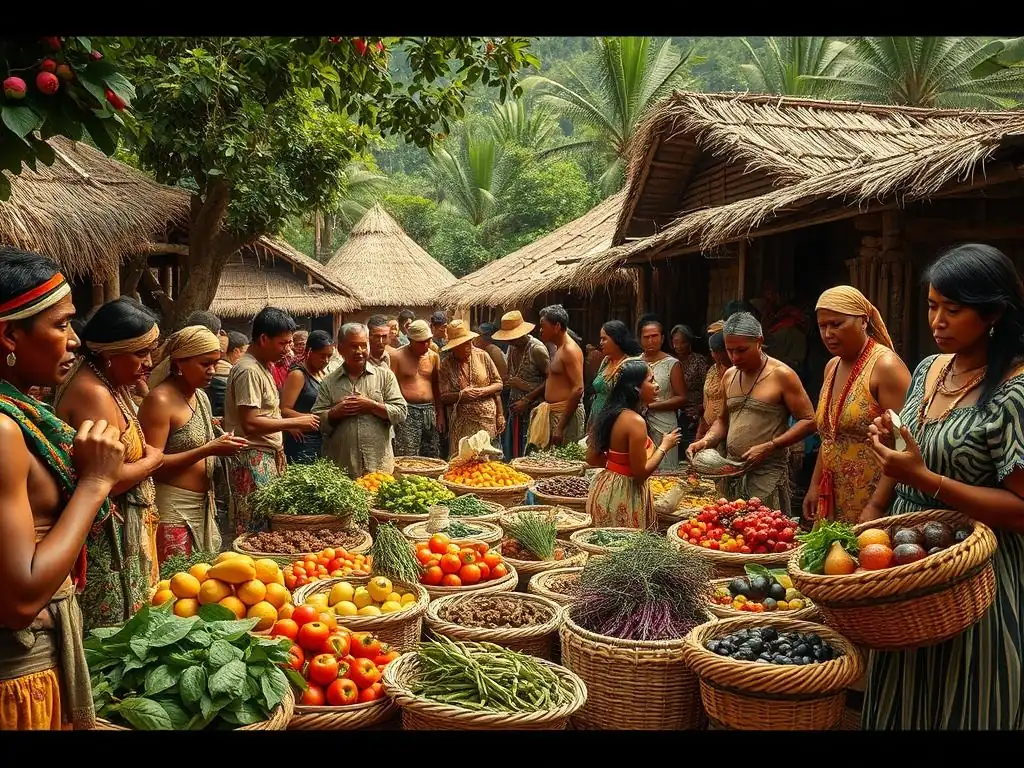
Adaptation of Indigenous Principles in Contemporary Economic Practices
Indigenous economic systems offer a wealth of insights that can be adapted to contemporary economic practices. These systems, deeply rooted in the cultural and environmental contexts of their societies, prioritize harmony with nature and community well-being. One key principle is the circular economy, which emphasizes using resources efficiently and minimizing waste. This concept can be observed in traditional practices such as:
- Resource sharing: Many Indigenous communities engaged in communal resource management, ensuring that natural resources were used sustainably and preserved for future generations.
- Seasonal harvesting: Indigenous communities often practiced seasonal harvesting techniques that aligned with ecological cycles, promoting biodiversity and ecosystem health.
By integrating these principles into modern economies, businesses can foster a more resilient and sustainable economic model. For instance, companies adopting circular economy strategies can reduce their environmental footprint while enhancing profitability.
The Importance of Sustainability and Ecological Balance
Sustainability is a cornerstone of Indigenous economic systems, which often emphasize a relationship of respect and reciprocity with the environment. Understanding this relationship can provide valuable lessons for current economic frameworks. Key aspects include:
- Holistic resource management: Indigenous cultures often viewed land, water, and air as interconnected. This perspective encourages policies that consider environmental impacts across various sectors.
- Traditional ecological knowledge (TEK): Indigenous peoples possess deep knowledge of local ecosystems, which can inform sustainable practices. For example, TEK can guide agricultural methods that promote soil health and biodiversity.
Incorporating sustainability and ecological balance into modern economic systems not only enhances resilience but also addresses pressing challenges such as climate change and resource depletion. By learning from Indigenous practices, economies can shift towards models that prioritize long-term ecological health over short-term gains.
Emphasizing Community and Cooperative Models in Business
Indigenous economic systems often prioritize community well-being over individual profit. This cooperative approach can inspire modern business practices that focus on collective success and social equity. Important elements include:
- Cooperative ownership: Many Indigenous communities utilize cooperative models where profits are shared among members, fostering a sense of collective responsibility and investment. This contrasts sharply with traditional capitalist models that often emphasize competition.
- Local economies: Indigenous economic systems often prioritize local production and consumption, which strengthens community ties and supports local businesses. This approach can be mirrored in modern economies by encouraging local sourcing and reducing reliance on global supply chains.
By embracing these community-oriented models, modern businesses can enhance their social impact and create more equitable economic systems. The focus on collaboration over competition can lead to healthier communities and more sustainable economic growth.
The impact of Indigenous economic systems resonates profoundly in contemporary contexts. By adapting their principles of sustainability, community focus, and cooperative models, modern economies can cultivate a more equitable and resilient future. The lessons drawn from these systems not only serve as a blueprint for economic practices but also foster a deeper connection to the environment and each other.
Challenges Faced by Indigenous Economic Systems Today
Impact of Colonization on Indigenous Economies
The colonization of the Americas brought profound changes to the indigenous economic systems that had developed over thousands of years. Before European contact, these systems were characterized by sustainable practices, trade networks, and communal ownership of resources. However, colonization disrupted these economies in several significant ways:
- Disruption of Trade Networks:
- Indigenous trade routes were often dismantled or redirected to serve colonial interests.
- The introduction of European goods altered consumption patterns, undermining traditional economic exchanges.
- Resource Exploitation:
- Colonizers prioritized resource extraction over sustainable use, leading to environmental degradation.
- Indigenous lands were seized for agriculture, mining, and other commercial uses, displacing many communities and cutting them off from traditional livelihoods.
- Cultural Erosion:
- The imposition of European economic values led to the devaluation of indigenous knowledge and practices.
- Cultural practices related to land stewardship and economic management were often suppressed, resulting in a loss of traditional skills and knowledge.
- Dependency on Colonial Economies:
- The establishment of colonial economies created dependency, as indigenous communities were often forced to engage with European markets on unfavorable terms.
- This dependency has continued to affect indigenous economies, leading to cycles of poverty and marginalization.
Modern Economic Pressures on Traditional Practices
In contemporary society, indigenous economic systems continue to face challenges from various modern pressures. These pressures can stifle the revitalization of traditional practices and the adaptation of economic systems:
- Globalization:
- Indigenous communities are often integrated into global markets that can undermine local economies and cultural practices.
- Competition with multinational corporations can make it difficult for traditional practices to thrive, as indigenous products may be overshadowed by cheaper, mass-produced alternatives.
- Urbanization:
- Migration from rural to urban areas has disrupted traditional economic practices, as younger generations seek opportunities in cities.
- This shift can lead to a loss of cultural identity and traditional knowledge, as communities become fragmented.
- Climate Change:
- Environmental changes threaten the sustainability of traditional practices, such as agriculture and fishing.
- Indigenous peoples often find themselves on the front lines of climate impacts, which can exacerbate economic vulnerabilities.
- Market Exclusion:
- Many indigenous communities face barriers to accessing markets, including lack of infrastructure and capital.
- As a result, traditional economic activities may become less viable, leading to increased reliance on external economic systems.
Legal and Political Barriers to Economic Development
Legal and political issues significantly hinder the development of indigenous economic systems today. These barriers can limit the ability of indigenous communities to leverage their resources and pursue economic autonomy:
- Land Rights Issues:
- Many indigenous communities lack formal recognition of land rights, which hampers their ability to manage natural resources sustainably.
- The ongoing struggle for land title recognition can create uncertainty and deter investment in traditional economic activities.
- Limited Access to Capital:
- Indigenous entrepreneurs often face difficulties in accessing financial resources necessary for starting or expanding businesses.
- Discriminatory lending practices and lack of collateral can further marginalize indigenous economic initiatives.
- Bureaucratic Obstacles:
- Complex regulatory frameworks can impede indigenous businesses from operating effectively.
- Navigating governmental systems can be challenging, often requiring resources and knowledge that are not readily available to many communities.
- Political Marginalization:
- Indigenous voices are frequently underrepresented in political discussions that affect their economic systems.
- Without political representation, it becomes difficult for indigenous communities to advocate for policies that promote their economic interests.
- Inadequate Support from Governments:
- Many governments fail to provide sufficient support for the economic development of indigenous communities.
- Programs designed to assist indigenous economic growth are often underfunded or poorly implemented, limiting their effectiveness.
The challenges facing indigenous economic systems today are deeply rooted in historical injustices and ongoing socio-economic pressures. Addressing these challenges requires a concerted effort to recognize and empower indigenous knowledge and practices while ensuring that legal and political frameworks support their economic autonomy.
Conclusion: The Lasting Impact of Indigenous Economic Systems
The legacy of Indigenous economic systems is profound and extends far beyond the historical context. As societies grapple with modern economic challenges such as inequality, environmental degradation, and unsustainable practices, the lessons learned from these ancient systems become increasingly relevant.
Indigenous economic systems were often characterized by a deep connection to the land and a holistic view of community well-being. They emphasized sustainability, reciprocity, and the importance of social relationships, which are critical components for fostering resilient economies today. Recognizing the impact of these systems offers valuable insights into creating equitable and sustainable economic practices for the future.
Summary of Key Lessons from Indigenous Economies
Indigenous economic systems offer a wealth of knowledge that can inform contemporary practices. Here are some key lessons derived from these systems:
-
Sustainability and Stewardship:
Indigenous peoples often viewed land as sacred, promoting practices that ensured environmental sustainability. This perspective can guide modern economies toward more sustainable resource management.
-
Community-Centric Approaches:
Economic activities in Indigenous cultures frequently prioritized the well-being of the community over individual profit. This model underscores the importance of collective welfare in contemporary economic strategies.
-
Diverse Economic Practices:
Indigenous economies were not monolithic; they encompassed a variety of practices tailored to local environments. This diversity can inspire modern economies to adopt multifaceted approaches rather than one-size-fits-all solutions.
-
Trade and Reciprocity:
Many Indigenous cultures engaged in extensive trade networks based on mutual benefit and trust. This highlights the potential for cooperative economic relationships in today’s globalized economy.
-
Cultural and Spiritual Integration:
Economic activities were often intertwined with cultural and spiritual practices, suggesting that integrating cultural values into economic decision-making can enhance community resilience.
Future Implications for Global Economic Practices
The implications of integrating Indigenous economic wisdom into modern practices are significant. As we face global challenges such as climate change, inequality, and economic instability, the following aspects emerge:
-
Adopting Holistic Models:
By embracing holistic models that consider ecological, social, and economic factors, policymakers can develop more comprehensive approaches to sustainability.
-
Strengthening Local Economies:
Encouraging local production and consumption can reduce reliance on global supply chains and increase community self-sufficiency, mirroring Indigenous practices.
-
Promoting Equity:
An emphasis on equity and social justice in economic policies can help address systemic inequalities, drawing inspiration from the communal values inherent in Indigenous economies.
-
Innovative Resource Management:
Sustainable resource management strategies, informed by Indigenous practices, can be crucial in mitigating environmental impacts and promoting biodiversity.
Call to Action for Integrating Indigenous Economic Wisdom
To fully harness the potential of Indigenous economic systems, it is vital for modern economies to take actionable steps:
-
Engage with Indigenous Communities:
Establish partnerships with Indigenous peoples to learn from their experiences and insights, ensuring their voices are integral to economic planning.
-
Support Indigenous Economies:
Invest in Indigenous-led businesses and initiatives that promote traditional practices and sustainable development.
-
Educate and Advocate:
Raise awareness about the importance of Indigenous economic systems through educational programs and advocacy efforts, emphasizing their relevance in contemporary discussions.
-
Policy Reform:
Advocate for policies that respect and incorporate Indigenous rights and knowledge systems into national and local economic frameworks.
By actively integrating these lessons and practices, modern economies can not only honor the legacy of Indigenous cultures but also pave the way for a more sustainable and equitable future.
References and Further Reading on Indigenous Economic Systems
Suggested Books and Articles on Indigenous Economies
Indigenous economic systems have played a crucial role in shaping the societies and cultures of the Americas long before European colonization. Here are some essential readings that delve into various aspects of these economic systems and their lasting impact:
-
"1491: New Revelations of the Americas Before Columbus" by Charles C. Mann
This book challenges the Eurocentric narrative of pre-Columbian America, presenting evidence of advanced and complex Indigenous societies with sophisticated economic systems. Mann explores agricultural practices, trade networks, and the rich cultural landscapes that existed prior to European contact.
-
"The Indigenous Peoples of North America: A History" by John R. Swanton
Swanton’s comprehensive overview provides insights into the diverse economic practices of various Indigenous groups across North America, emphasizing their adaptability and resilience in the face of environmental and social challenges.
-
"Trading with the Enemy: The Making of the American Indian Economy" by Judith N. Shapiro
This text examines how Indigenous economies were impacted by trade with European settlers and how these interactions transformed traditional practices. Shapiro emphasizes the importance of understanding these historical contexts in evaluating modern Indigenous economic systems.
-
"Indigenous Knowledge and the Integration of Knowledge Systems: A Comparative Study of the Americas" edited by John M. E. Tully and Linda A. C. C. Tully
This edited volume presents various case studies that explore the integration of traditional Indigenous knowledge with contemporary economic practices. It highlights the significance of Indigenous economic systems in developing sustainable practices today.
Online Resources for Learning More About Indigenous Economic Practices
The digital age has made it easier to access a wealth of resources on Indigenous economic systems. Here are some valuable online platforms where one can further explore Indigenous economic practices:
-
National Museum of the American Indian
The museum's website offers a plethora of resources, including articles and interactive exhibits that showcase Indigenous cultures and their economic systems. It provides insights into traditional practices and their relevance in today’s world.
-
Indigenous Economic Development Council (IEDC)
The IEDC is dedicated to promoting economic development within Indigenous communities. Their website includes reports, case studies, and best practices that highlight successful Indigenous economic initiatives.
-
Native American Rights Fund (NARF)
This organization provides a wealth of resources focused on legal issues affecting Indigenous economies. Their publications address the impact of legislation on Indigenous economic systems, including land rights and resource management.
-
Indigenous Corporate Training Inc.
This platform offers various online courses and resources focused on Indigenous cultural awareness and economic practices, enabling learners to understand the nuances of Indigenous economic systems and their societal impacts.
By engaging with these texts and resources, readers can gain a deeper understanding of the Indigenous economic systems impact and how these historical frameworks can inform modern economic strategies.
Frequently Asked Questions
What are Indigenous economic systems?
Indigenous economic systems refer to the diverse methods of trade, resource management, and production that indigenous cultures developed to sustain their societies prior to European colonization.
How did Indigenous economic systems impact their societies?
These systems fostered self-sufficiency, community cohesion, and adaptability, enabling indigenous societies to thrive and manage resources sustainably in harmony with their environments.
What lessons can modern economies learn from Indigenous economic systems?
Modern economies can benefit from the sustainable practices and community-oriented approaches of Indigenous systems, promoting environmental stewardship and resilience in today's economic challenges.
What achievements are associated with Indigenous economic systems?
Indigenous peoples achieved significant advancements in agriculture, trade networks, and craftsmanship, which contributed to their societies' prosperity and cultural richness before European contact.
How do Indigenous economic systems influence contemporary discussions on economics?
Indigenous economic systems encourage a re-evaluation of capitalism by emphasizing sustainability, equity, and the importance of community well-being, offering valuable insights for modern economic practices.
Final Reflection: Embracing the Wisdom of Indigenous Economic Systems
The lessons drawn from Indigenous economic systems are not just historical artifacts; they resonate profoundly in our contemporary world. As we grapple with the complexities of modern economies, the sustainable practices and community-oriented principles of Indigenous systems offer a blueprint for resilience and harmony. The urgency to integrate these time-tested methods into our economic frameworks is more pressing than ever, as we face environmental degradation and social inequality.
The impact of Indigenous economic systems extends far beyond their communities, influencing global conversations about sustainability and equity. These systems remind us that economies can thrive when they prioritize collective well-being over individual profit. As we witness a growing movement toward ethical consumption and sustainable practices, we must acknowledge the foundational wisdom of Indigenous peoples. Indigenous economies are not merely about trade; they are about relationships—between people, land, and resources.
As you reflect on the insights shared in this article, consider how you can incorporate the principles of Indigenous economic systems into your own life. Whether it’s supporting local businesses, advocating for sustainable practices, or fostering community relationships, every action counts. Let us honor the legacy of Indigenous economic systems by embracing their lessons and striving for a future where economic success is measured not just by wealth, but by the health of our communities and the planet.
Embrace the Wisdom of Indigenous Economies Today!
Thank you for diving into the profound lessons of Indigenous economic systems. By exploring these timeless principles, you've taken the first step towards a more sustainable and equitable future. Now, let's put that knowledge into action!
Here’s how you can keep the momentum going:
- Reflect on Your Consumption: Evaluate your purchasing habits and consider supporting local and Indigenous-owned businesses in your community.
- Share Your Insights: Discuss the lessons you've learned with friends and family; initiate conversations about how these principles can reshape modern economies.
- Engage with the Community: Join or support local initiatives that advocate for Indigenous rights and promote economic empowerment in your area.
What’s one specific action you’re ready to take to honor and integrate the wisdom of Indigenous economic systems into your life?