
The Incan Road System: An Engineering Marvel Supporting Economic Prosperity

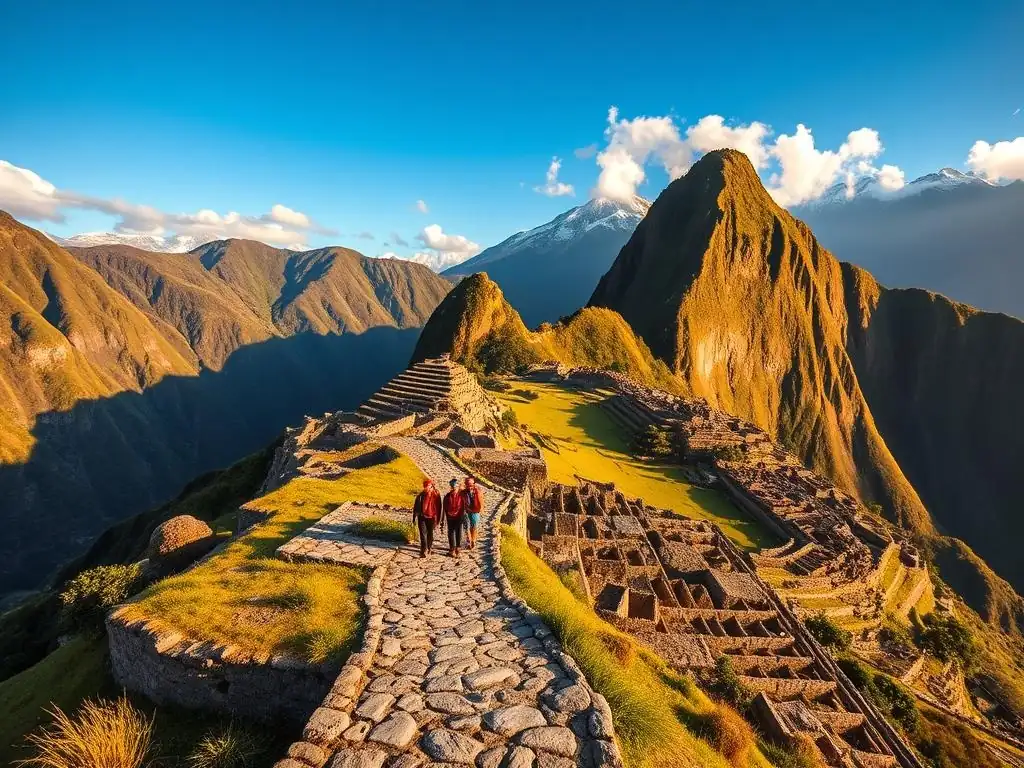
Welcome to Indigenous Civilizations of the Americas, where we invite you to embark on a captivating journey through the rich tapestry of pre-colonial cultures that shaped the continent. Here, we delve into the remarkable achievements and societal structures of these diverse civilizations, each leaving an indelible mark on history. In our featured article, we uncover the significance of the Incan road system, an engineering marvel that not only revolutionized transportation but also played a crucial role in supporting economic prosperity across the vast Incan Empire.
Join us as we explore how this intricate network of roads facilitated trade, communication, and cultural exchange, sparking curiosity and inspiring a deeper appreciation for the ingenuity of indigenous peoples. Dive in and discover the stories that have long shaped our world!
Introduction to the Incan Road System
The Incan road system stands as one of the most remarkable achievements of pre-Columbian engineering, intricately woven into the fabric of Incan society. Spanning approximately 25,000 miles, this extensive network of roads facilitated not only the movement of people but also played a crucial role in the empire's economic prosperity.
The significance of the Incan road system transcends mere transportation; it was a lifeline that connected diverse regions, enabling efficient trade, administrative control, and cultural exchange across the vast expanse of the Andes. This article delves into the details of the Incan road system's significance, highlighting its profound impact on trade, economic development, and cultural integration.
Overview of the Incan Road System
Constructed primarily between the 15th and 16th centuries, the Incan road system was meticulously designed to navigate the challenging Andean terrain. The roads were built using a variety of materials, including stone, dirt, and grass, and were engineered to withstand the region's diverse weather conditions. Key features of the road system included:
- Paved paths for easier travel
- Suspension bridges made of natural fibers, allowing the crossing of rivers and ravines
- Way stations (tambos) that provided rest and supplies for travelers and messengers
This infrastructure not only connected major urban centers such as Cusco, the capital, but also linked remote villages, facilitating a cohesive empire.
Importance of Infrastructure in Incan Society
The Incan road system was vital for maintaining the empire's administrative structure and ensuring the swift movement of resources. Effective infrastructure allowed for:
- Efficient communication among different regions, promoting governance and military coordination
- Transportation of goods, including agricultural products and luxury items, essential for economic stability
- Cultural cohesion, as roads enabled the spread of Incan customs and traditions across diverse populations
The emphasis on infrastructure highlights the Incas' advanced understanding of engineering and its crucial role in sustaining their civilization.
The Significance of the Incan Road System
The significance of the Incan road system extends far beyond its engineering marvel; it served as a cornerstone for the empire's economic and cultural framework.
Incan Road System Significance for Trade
The Incan road system was instrumental in establishing and enhancing trade networks throughout the empire. By connecting various regions, it allowed for:
- Exchange of goods: Local products could easily reach markets in distant areas, broadening trade opportunities.
- Standardization of trade practices: The roads facilitated the establishment of trading protocols, promoting economic uniformity across the empire.
The integration of diverse goods, from textiles to agricultural produce, enriched the economy and solidified the Incas' control over trade routes.
Role in Economic Growth and Development
The road system significantly contributed to the economic growth of the Incan Empire by:
- Enhancing resource distribution: The efficient movement of resources ensured that regions could access what they needed for development.
- Supporting agricultural expansion: Roads enabled farmers to transport surplus crops to urban centers, fostering urbanization and economic diversification.
Economic prosperity was thus closely tied to the effectiveness of the road system, which served as a backbone for the Incan economy.
Impact on Cultural Exchange and Integration
Beyond trade and economics, the Incan road system played a pivotal role in fostering cultural exchange and integration among diverse groups. It allowed for:
- Cultural diffusion: Ideas, traditions, and technologies spread more easily, enriching the cultural landscape of the empire.
- Social mobility: The roads facilitated movement, enabling individuals to migrate, settle, and contribute to various communities.
This cultural integration ultimately strengthened the unity of the Incan Empire, allowing it to thrive amid its vast diversity.
The Incan road system is a testament to the ingenuity of a civilization that understood the fundamental importance of infrastructure in supporting its economic and cultural aspirations. Its legacy continues to resonate, reflecting the interconnectedness of trade, society, and culture in shaping the history of the Americas.
Engineering Innovations of the Incan Road System
The Incan road system is often hailed as one of the most sophisticated engineering feats of its time. Spanning over 25,000 miles, it was meticulously designed to connect the vast expanse of the Inca Empire, which stretched from modern-day Colombia to Chile. The road system not only facilitated movement but also showcased remarkable engineering innovations that allowed the Incas to effectively manage their resources and people.
One key innovation was the construction of suspension bridges, which utilized natural fibers like ichu grass. These bridges allowed for safe passage over deep gorges and rivers, significantly enhancing connectivity between regions. Furthermore, the Incas implemented a system of way stations (tambos) that provided rest and resupply points for travelers and messengers. This network ensured that goods and information could be transported swiftly across the empire.
The integration of drainage systems into the roads was another remarkable feature. The Incas constructed roads with a slight incline, preventing water accumulation and erosion, which is particularly crucial given the varying climates and terrains in which they were built. These innovations collectively demonstrate the Incas' advanced understanding of their environment and engineering principles.
Construction Techniques Used in the Incan Road System
The construction of the Incan road system involved a variety of sophisticated techniques that reflected the empire's engineering prowess. One of the primary methods was the use of local terrain to dictate road design. The Incas carefully mapped the landscape, following natural contours and avoiding unnecessary elevation changes, which minimized construction difficulties.
In areas where steep inclines were unavoidable, the Incas employed terracing techniques. This involved creating flat steps on the hillside, allowing for a more gradual ascent that facilitated the movement of goods and people. The roads were often paved with stones and featured a cambered surface, which allowed for effective drainage while providing a stable walking surface.
Moreover, the Incas utilized manual labor organized into community workforces, known as mita, which demonstrated their collective effort in road construction. The use of hand tools, combined with the labor of skilled workers, enabled the creation of durable and lasting roads that have survived centuries of environmental impact.
Materials and Resources Utilized
The materials used in the construction of the Incan road system were chosen based on availability and suitability for the terrain. Stone was the primary material, particularly in regions where it was abundant. The Incas skillfully shaped large stones to create durable surfaces that could withstand heavy traffic.
In places lacking natural stone, the Incas utilized earth and vegetation. They compacted soil and incorporated plant matter to create stable pathways. Additionally, for bridge construction, they used natural fibers, such as ropes made from plant materials, showcasing their resourcefulness and understanding of local ecosystems.
The empire's efficient resource management ensured that materials were sourced sustainably. The Incas also employed quarries and managed timber resources to create structures alongside the roads, such as rest houses and storage facilities, further enhancing the functionality of the road system.
Geographic Challenges and Solutions
The vast and varied geography of the Inca Empire presented numerous challenges to road construction. The Incas faced obstacles such as high mountain ranges, dense forests, and arid deserts. However, they developed innovative solutions to overcome these geographic barriers.
In mountainous regions, the Incas implemented zigzagging paths to navigate steep inclines, reducing the gradient and making it easier for pack animals to traverse. In areas prone to landslides, they built retaining walls to stabilize the roadbed and protect it from erosion.
For regions with heavy rainfall, the Incas designed drainage channels along the sides of the roads to direct water away from the pathways, minimizing damage during storms. Additionally, they constructed culverts to manage water flow under the roads, ensuring they remained passable throughout the year.
These solutions not only highlight the Incas' adaptability but also their commitment to maintaining the road system in the face of challenging environmental factors, contributing to the network's longevity and effectiveness.
The Incan Road System and Economic Prosperity
The Incan road system was a pivotal factor in the economic prosperity of the empire. By facilitating trade, enhancing agricultural production, and supporting administrative operations, the roads played a crucial role in the integration of diverse regions within the empire.
Facilitating Trade Across Diverse Regions
The extensive network of roads enabled the Incas to engage in extensive trade across various regions. Merchants could transport goods such as textiles, pottery, and agricultural products with remarkable efficiency. The road system connected major urban centers, allowing for the exchange of local specialties and resources.
Trade routes were strategically planned to maximize access to diverse resources. For example, coastal regions could trade fish and salt with highland communities that provided crops and livestock. This interdependence fostered economic growth and stability across the empire, as communities relied on one another for essential goods.
Moreover, the Incas established a relay system for runners (chasquis) who could quickly convey messages and goods along the roads. This not only expedited trade but also allowed for swift communication between the central government and distant provinces, ensuring efficient economic management.
Enhancing Agricultural Productivity
The Incan road system also had a profound impact on agricultural productivity. By providing access to various ecological zones, the roads enabled farmers to transport their products to markets more easily. This accessibility encouraged increased agricultural output, as communities could specialize in crops suited to their local environments.
The Incas developed terraced farming techniques in the highlands, which were supported by the road network. The roads facilitated the transport of tools, fertilizers, and even water management systems, enhancing the productivity of agricultural lands. Furthermore, surplus crops could be efficiently moved to urban centers, where they supported growing populations.
The ability to distribute agricultural products across the empire contributed to food security, allowing the Incas to sustain large urban populations and maintain stability throughout their territories.
Supporting Administrative Efficiency
The Incan road system was essential for the administration of the vast empire. It allowed officials to travel quickly between regions, ensuring effective governance and oversight. The roads facilitated the movement of military forces, enabling rapid response to threats and maintaining order within the empire.
Additionally, the road system supported the collection of tribute from various provinces. As part of the Incan economic system, local communities were required to provide resources to the central government, and the roads enabled the efficient transport of these goods to the capital, Cusco.
The administrative efficiency supported by the road system played a critical role in maintaining the cohesion of the empire. By ensuring that local leaders could communicate and collaborate effectively with the central authority, the Incas were able to manage their extensive territories and promote economic prosperity throughout the region.
Comparison with Other Ancient Road Systems
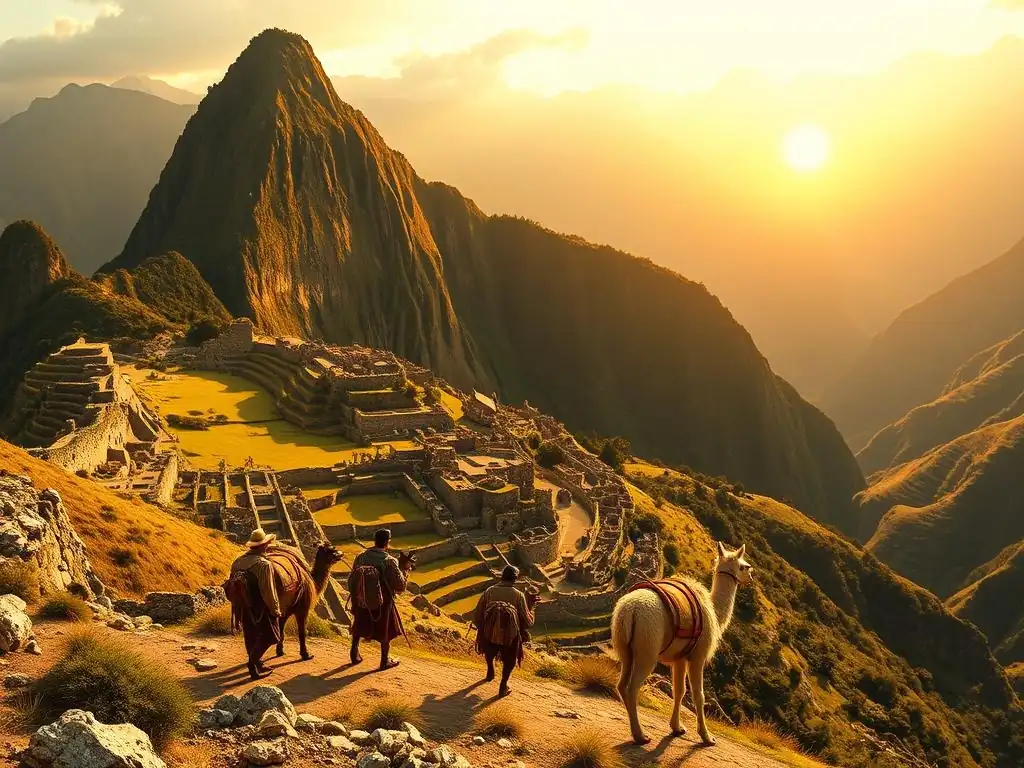
The Incan road system stands out not only for its extensive reach but also for its unique engineering and organizational features. When compared to other ancient road systems, such as those of the Romans, it becomes evident that while there are similarities in purpose—facilitating trade, military movement, and communication—there are also distinct differences in construction techniques, cultural significance, and geographical adaptability.
Similarities and Differences with Roman Roads
Both the Incan and Roman road systems were crucial for their respective empires, providing routes for trade and military logistics. However, several key differences highlight their unique characteristics:
- Construction Techniques:
- Roman roads were often built using layered materials, including gravel and large stones, laid out in a straight line to provide durability and ease of travel.
- In contrast, the Incan roads adapted to the rugged Andean terrain by using locally available materials and techniques suited for the landscape, such as stone-paved paths and suspension bridges.
- Geographical Adaptability:
- Roman roads prioritized direct routes and efficient travel, often leading to the establishment of towns and cities along the way.
- The Incan road system, however, embraced the diverse topography of the Andes, weaving through mountains, valleys, and plateaus, often with steep ascents and descents. This adaptability allowed for connections between remote communities that were not feasible in the Roman model.
- Cultural Significance:
- Roman roads were emblematic of imperial power, serving as a means of control and administration.
- For the Incas, roads were not only vital for trade but also had spiritual significance, often connecting sacred sites and facilitating pilgrimage.
The Unique Features of the Incan Road System
The Incan road system is characterized by several unique features that contributed to its significance:
- Extensive Network: Spanning over 25,000 miles, it connected diverse regions of the empire, enabling efficient trade and communication across vast distances.
- Way Stations (Tambos): These were strategically placed along the routes to provide rest, food, and supplies for travelers. They played a crucial role in supporting the movement of goods and people.
- Inca Chasquis: The road system facilitated a relay system of runners known as Chasquis, who could deliver messages and goods quickly across great distances, enhancing communication within the empire.
- Engineering Innovations: The Incas constructed sophisticated suspension bridges, terraces, and tunnels, showcasing their advanced understanding of engineering principles and environmental management.
Legacy of the Incan Road System
The legacy of the Incan road system is profound, influencing not only the Incan Empire but also the regions that followed. Its design and functionality have left a lasting mark on infrastructure development in the Andes and beyond.
Lasting Impact on Modern Infrastructure
Today, remnants of the Incan road system can still be seen in modern infrastructure throughout the Andes. Many contemporary roads and pathways are built upon the ancient Incan routes, reflecting their strategic importance and suitability for the terrain. The principles of road construction, such as adapting to the landscape and creating way stations for travelers, continue to inform modern engineering practices in mountainous regions.
Additionally, the Incan approach to road maintenance, which involved communal responsibility for upkeep, has influenced local governance and community engagement in infrastructure projects, fostering a sense of shared ownership and stewardship.
Influence on Contemporary Economic Systems in the Andes
The Incan road system laid the foundation for economic interactions in the Andes that persist today. By facilitating trade, the roads enabled the exchange of goods, ideas, and cultures across diverse communities. This legacy continues in modern economic systems, where regional trade networks thrive, often retracing the paths established by the Incas.
Furthermore, the cultural significance of these routes endures, as they are used not only for economic activities but also for social and ceremonial purposes, reinforcing the interconnectedness of communities. The Incan road system, therefore, remains a vital element in understanding the historical and contemporary economic landscape of the Andes.
Conclusion
The Incan road system stands as a monumental testament to the ingenuity and engineering prowess of the Inca civilization. Its complex network not only facilitated the movement of people and goods but also played a critical role in the integration and administration of the vast Incan Empire. By connecting remote regions with the capital, Cusco, and enabling swift communication, the road system significantly enhanced trade, cultural exchange, and military mobilization.
The significance of this infrastructure extended beyond mere transportation; it fostered economic prosperity, strengthened societal ties, and promoted a shared identity among diverse indigenous communities. The roads were more than just pathways; they were a lifeline that empowered the economy and contributed to the stability and longevity of the Incan civilization. Thus, understanding the Incan road system provides crucial insights into how effective infrastructure can shape economic systems and societal structures.
Summary of the Incan Road System Significance
The Incan road system is significant for several reasons:
- Economic Integration: The roads allowed for efficient trade across the vast empire, connecting agricultural regions with urban centers and facilitating the exchange of goods and resources.
- Cultural Exchange: The extensive network promoted interaction among diverse cultural groups, fostering a sense of unity and shared identity among the Inca and their subjects.
- Military Efficiency: The road system enabled rapid movement of troops and resources, allowing the Inca to maintain control over their territories and respond quickly to threats.
- Administrative Control: The roads facilitated communication between distant regions and the central government, allowing for effective governance and the implementation of Incan policies.
The Incan road system was a cornerstone of the empire’s economic success and societal cohesion, demonstrating the profound impact of infrastructure on civilization.
The Road Ahead: Lessons from Incan Engineering for Future Economies
The legacy of the Incan road system offers valuable lessons for modern economies striving for growth and sustainability. Key takeaways include:
- Investment in Infrastructure: As evidenced by the Inca, robust infrastructure can significantly enhance trade and economic development. Investing in modern transportation networks can similarly boost economic opportunities in contemporary societies.
- Sustainability and Adaptability: The Incan road system was designed to work harmoniously with the geography and climate of the Andes. Future infrastructure projects should prioritize environmental sustainability and adaptability to local conditions.
- Community Engagement: The Inca engaged with various communities in the administration of their road system, fostering cooperation and shared benefits. Modern economies can learn from this by involving local populations in infrastructure planning to ensure that projects reflect the needs and priorities of the communities they serve.
- Cultural Preservation: The integration of cultural heritage into infrastructure development can promote tourism and enhance local economies. Understanding the significance of cultural identity, as demonstrated by the Inca, can lead to more inclusive and resilient economic systems.
The Incan road system serves as an enduring model for how strategic infrastructure can not only drive economic prosperity but also create cohesive and resilient societies. By learning from the engineering marvels of the past, contemporary economies can pave the way toward sustainable growth and development.
- Introduction to the Incan Road System
- The Significance of the Incan Road System
- Engineering Innovations of the Incan Road System
- The Incan Road System and Economic Prosperity
- Comparison with Other Ancient Road Systems
- Legacy of the Incan Road System
- Conclusion
Frequently Asked Questions
What was the Incan road system?
The Incan road system was an extensive network of roads that connected the vast Incan Empire, facilitating trade and communication across diverse terrains.
Why is the Incan road system considered significant?
The significance of the Incan road system lies in its role in promoting economic prosperity, enabling efficient transport of goods, and enhancing integration within the empire.
How did the Incan road system support the economy?
By improving accessibility to different regions, the road system allowed for the swift movement of resources, contributing to trade and economic stability in the Incan Empire.
What engineering techniques were used in the construction of the roads?
The Incas employed advanced engineering techniques, including the use of stone-paved paths, suspension bridges, and terracing, to adapt to the challenging Andean geography.
What lasting impacts did the Incan road system have?
The Incan road system set a precedent for future infrastructure development in South America, influencing modern transportation routes and highlighting the importance of connectivity in societal growth.
Final Reflection: The Enduring Significance of the Incan Road System
The Incan road system is not just a relic of the past; it is a testament to the ingenuity and foresight of a civilization that understood the profound connection between infrastructure and economic prosperity. Today, as we navigate our own challenges of connectivity and resource distribution, the lessons from the Incan road system resonate more than ever. The intricate network of roads that spanned the Andes Mountains was not merely a means of transportation; it was a lifeline that facilitated trade, communication, and cultural exchange, illustrating how vital infrastructure is to societal advancement.
Culturally and socially, the Incan road system has left an indelible mark on our understanding of engineering and community development. Its influence can be seen in modern infrastructure projects that prioritize connectivity and accessibility. As we reflect on the legacy of the Incas, we are reminded of the words of historian John Hemming: The Inca road system was the backbone of the empire, enabling the movement of armies, goods, and ideas across vast distances.
This observation highlights how the road system was not only a physical structure but also a catalyst for cultural integration and economic growth, shaping the very fabric of society.
As we look to the future, let us draw inspiration from the Incan road system's significance and apply its lessons to our own lives and communities. Consider how you can contribute to building connections—be it through fostering relationships, supporting local economies, or advocating for sustainable infrastructure. The spirit of the Incan road system lives on in our collective efforts to create pathways that unite us, drive progress, and promote prosperity for all. Embrace this call to action and reflect on how you can be a part of a legacy that values connection and collaboration in our ever-evolving world.
Uncover the Secrets of the Incan Road System!
Thank you for investing your time in exploring the incredible legacy of the Incan Road System. You've just unlocked insights into how this engineering marvel shaped economic prosperity and connected diverse cultures. Now, it's time to take that knowledge even further!
Here are some engaging ways to deepen your connection with the Incan legacy:
- Embark on a virtual journey by exploring online exhibitions dedicated to Incan infrastructure and its historical significance.
- Join a local history or cultural group to discuss and delve into Indigenous engineering achievements and their impact on society.
- Share this article with friends to spark a conversation about how ancient innovations continue to influence our lives today.
What aspect of the Incan Road System fascinates you the most? How do you believe it enhances our understanding of connectivity in the modern world?