
Indigenous Economic Resilience: Surviving Colonization and Preserving Traditions

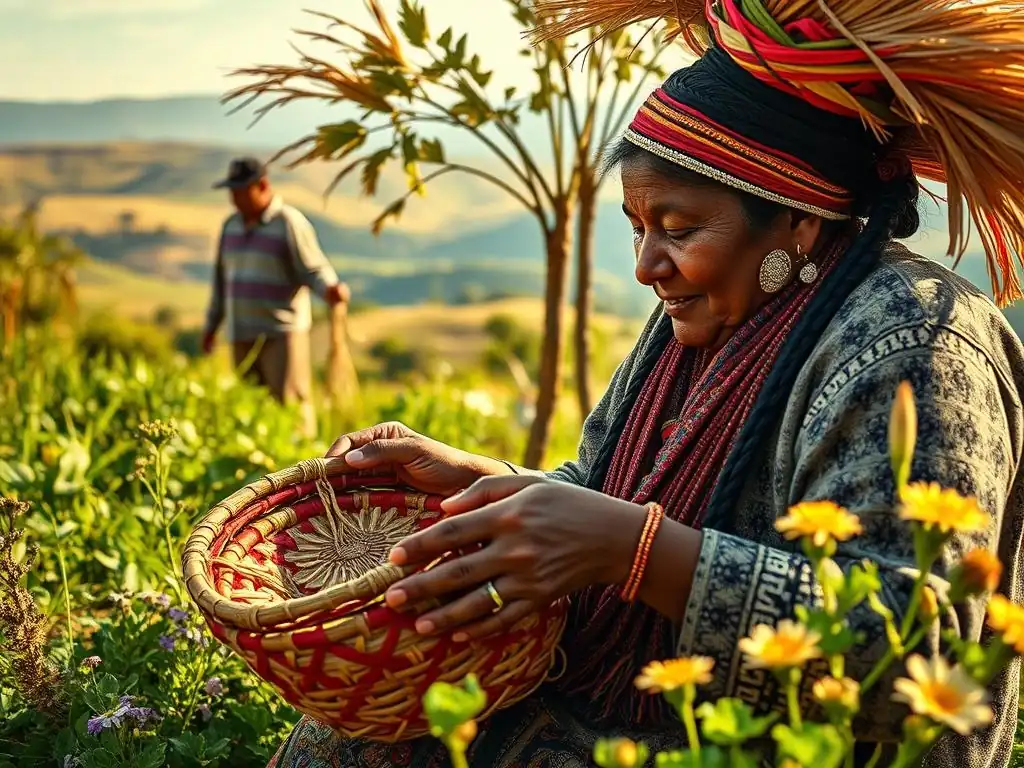
Welcome to Indigenous Civilizations of the Americas, where we embark on a captivating journey through the rich tapestry of indigenous cultures that flourished long before European contact. This site is dedicated to uncovering the remarkable achievements and intricate societies that shaped the Americas. In our featured article, "Indigenous Economic Resilience: Surviving Colonization and Preserving Traditions," we delve into the profound ways indigenous communities adapted and thrived economically despite the challenges of colonization.
Prepare to be inspired as we explore the enduring legacy of these resilient cultures and invite you to discover the untold stories that continue to influence our world today. Dive in and uncover the wealth of knowledge waiting for you!
-
Indigenous Economic Resilience in America: An Overview
- The Concept of Indigenous Economic Resilience
- The Impact of Colonization on Indigenous Economies
- Strategies for Indigenous Economic Resilience
- Adaptation of Traditional Practices in Modern Contexts
- Community-Based Economic Initiatives
- The Role of Indigenous Knowledge in Economic Sustainability
- Case Studies of Indigenous Economic Resilience
- Preserving Traditions While Building Economic Resilience
- Balancing Modern Economic Practices with Traditional Values
- The Role of Cultural Heritage in Economic Resilience
- Community Engagement and Empowerment Strategies
- The Future of Indigenous Economic Resilience in America
- Conclusion: The Importance of Indigenous Economic Resilience
-
Frequently Asked Questions
- What is Indigenous economic resilience?
- How did Indigenous cultures demonstrate economic resilience before colonization?
- What role do traditions play in fostering economic resilience among Indigenous peoples?
- How has colonization impacted Indigenous economic systems?
- In what ways are Indigenous communities today working towards economic resilience?
- Final Reflection: The Enduring Spirit of Indigenous Economic Resilience
- Embrace Indigenous Resilience and Take Action Today!
Indigenous Economic Resilience in America: An Overview
Indigenous economic resilience in America encompasses the myriad ways in which Indigenous communities have adapted, survived, and thrived despite the profound disruptions caused by European colonization. This article aims to delve into the multifaceted approaches that Indigenous peoples employed to maintain their economic systems, cultural practices, and social structures in the face of colonial pressures.
By examining the historical context, the challenges encountered, and the strategies employed for resilience, we can better understand the rich tapestry of Indigenous economies and their ongoing legacy. This exploration highlights not only the struggles faced by Indigenous communities but also their remarkable ability to preserve traditions and adapt economically, ensuring their survival and continuity.
The Concept of Indigenous Economic Resilience
Definition of Economic Resilience in Indigenous Contexts
Indigenous economic resilience refers to the capacity of Indigenous communities to withstand and adapt to economic changes, challenges, and disruptions while maintaining their cultural identity and social structures. This resilience is rooted in a deep understanding of the land, traditional practices, and community solidarity. It is characterized by:
- Cultural Preservation: Upholding traditional practices, languages, and customs that form the foundation of community identity.
- Adaptive Strategies: Developing new methods of resource management and economic engagement that align with both contemporary realities and traditional values.
- Community Cohesion: Strengthening social ties and collaborative efforts to support sustainable practices and mutual aid.
Historical Importance of Economic Resilience Among Indigenous Peoples
Historically, Indigenous communities exhibited remarkable economic resilience long before European contact. They developed sophisticated trade networks, agricultural practices, and resource management strategies that were tailored to their environments. For example:
- Trade Networks: Many Indigenous groups engaged in extensive trade systems that connected diverse geographical regions, facilitating the exchange of goods such as maize, textiles, and pottery.
- Sustainable Practices: Traditional ecological knowledge enabled communities to cultivate crops and manage resources sustainably, ensuring long-term viability and food security.
By understanding these historical foundations, we can appreciate how Indigenous economic resilience has been integral to their survival and cultural continuity.
The Impact of Colonization on Indigenous Economies
Economic Disruption and Resource Exploitation
The arrival of European colonizers marked a significant turning point for Indigenous economies across the Americas. Colonization brought about:
- Resource Exploitation: The extraction of natural resources, such as minerals and timber, often disregarded Indigenous land rights and traditional practices.
- Forced Labor: Many Indigenous peoples were subjected to forced labor systems, which disrupted traditional economic practices and community structures.
These factors contributed to a dramatic shift in economic dynamics, leading to widespread poverty and loss of autonomy.
Effects of Colonization on Traditional Economic Systems
Colonization severely impacted the traditional economic systems of Indigenous peoples, leading to:
- Disruption of Trade Networks: The imposition of colonial trade regulations undermined established trade routes and relationships, isolating communities and limiting their economic opportunities.
- Cultural Erosion: The introduction of European economic models often conflicted with Indigenous values and practices, leading to a loss of cultural identity and traditional knowledge.
These changes not only affected economic stability but also contributed to a broader cultural disintegration.
Loss of Land and Its Consequences on Indigenous Economies
The loss of land remains one of the most significant consequences of colonization for Indigenous economies. The implications of this loss include:
- Displacement: Many Indigenous communities were forcibly removed from their ancestral lands, disrupting their access to vital resources and traditional livelihoods.
- Economic Marginalization: Land loss has led to economic marginalization, limiting opportunities for self-sufficiency and economic development.
Despite these challenges, Indigenous communities continue to demonstrate remarkable resilience, striving to reclaim their rights and revitalize their economies through innovative and culturally grounded approaches.
Strategies for Indigenous Economic Resilience
Indigenous economic resilience in America manifests through various strategies that have evolved over generations, enabling communities to adapt to changing circumstances while preserving their cultural identities. These strategies encompass a blend of traditional practices and innovative approaches, fostering sustainable economic development. Here are key strategies employed by indigenous communities:
- Strengthening Cultural Identity: Economic activities are often intertwined with cultural practices, ensuring that as communities engage in trade and production, they also promote their heritage and traditions.
- Diversification of Income Sources: Many indigenous groups have diversified their economic activities beyond traditional practices, engaging in tourism, crafts, and agriculture to create multiple income streams.
- Collaboration with Non-Indigenous Entities: Strategic partnerships with governmental and non-governmental organizations can provide indigenous communities with resources, training, and access to broader markets.
- Sustainable Resource Management: Utilizing traditional ecological knowledge, many indigenous groups focus on sustainable practices that not only benefit the economy but also preserve the environment for future generations.
Adaptation of Traditional Practices in Modern Contexts
As indigenous communities navigate the complexities of modern economies, the adaptation of traditional practices has become essential. This evolution allows them to maintain their cultural integrity while engaging effectively with contemporary markets. Here are several ways in which traditional practices are adapted:
- Integration of Technology: Communities are employing technology to enhance traditional crafts and agriculture. For example, using social media platforms to promote handmade goods has expanded market reach significantly.
- Innovative Marketing Approaches: Indigenous artisans are rebranding traditional products to appeal to modern consumers, emphasizing authenticity and sustainability.
- Cultural Education and Workshops: By offering workshops that educate others about their traditional practices, indigenous groups not only preserve these customs but also create additional revenue streams.
- Collaborative Ecosystems: Many communities are forming cooperatives that blend traditional knowledge with modern business practices, enhancing both productivity and community cohesion.
Community-Based Economic Initiatives
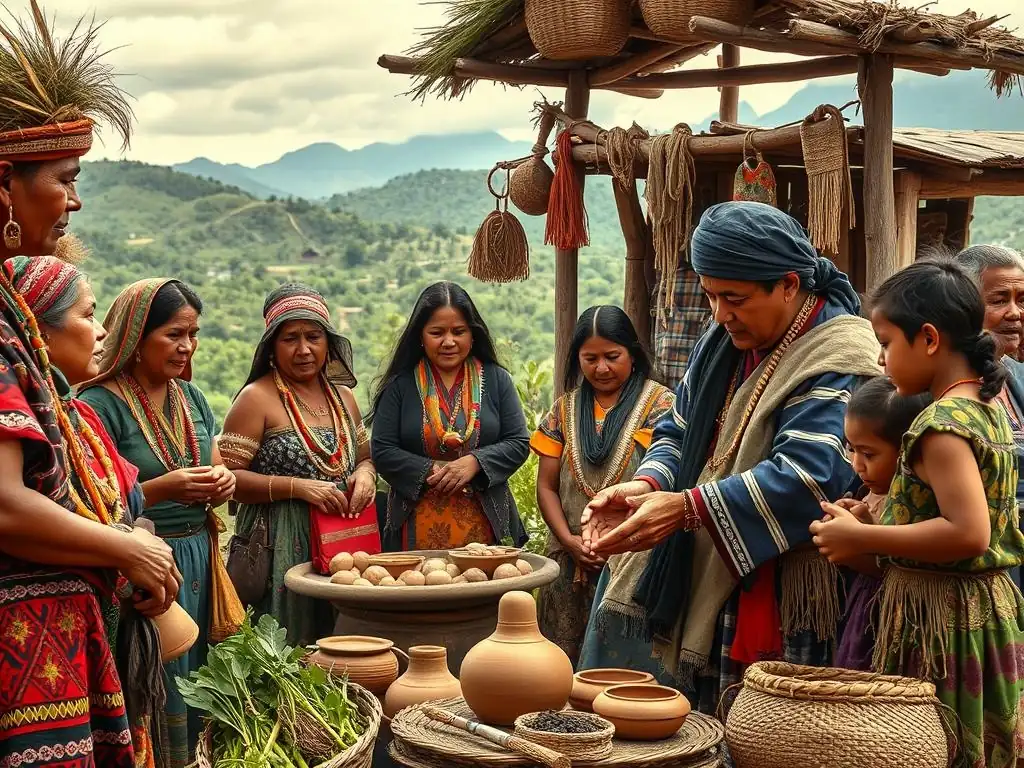
Community-based economic initiatives are vital for fostering resilience among indigenous populations. These initiatives prioritize local needs and empower communities to take control of their economic futures. Key features include:
- Collective Ownership Models: Many indigenous communities have embraced collective ownership of resources and businesses, ensuring profits benefit the entire community rather than individual shareholders.
- Local Resource Utilization: Emphasizing the use of local materials and labor not only reduces dependency on external markets but also strengthens community ties and fosters economic independence.
- Cultural Events and Festivals: Hosting cultural events can stimulate local economies by attracting visitors and promoting indigenous arts, crafts, and food.
- Investment in Education and Skills Development: By prioritizing education and training, communities can equip their members with the skills needed to thrive in a modern economy while honoring traditional practices.
The Role of Indigenous Knowledge in Economic Sustainability
Indigenous knowledge plays a critical role in ensuring economic sustainability. This body of knowledge, developed over centuries, includes practices that are inherently sustainable and environmentally friendly. Key aspects include:
- Ecological Stewardship: Indigenous peoples often have deep-rooted connections to their land, fostering practices that ensure the long-term health of ecosystems. This stewardship is increasingly recognized as essential for sustainable resource management.
- Traditional Ecological Knowledge (TEK): TEK offers valuable insights into biodiversity, climate adaptation, and sustainable agriculture, which are crucial for modern economic strategies aimed at resilience.
- Intergenerational Knowledge Transfer: By passing down traditional practices and knowledge, communities maintain their cultural identity while continuously adapting to contemporary challenges.
- Community Cohesion: Economic activities grounded in indigenous knowledge promote unity within communities, fostering collaboration and collective problem-solving.
Case Studies of Indigenous Economic Resilience
Example 1: The Navajo Nation and Their Economic Strategies
The Navajo Nation has employed a range of economic strategies to bolster resilience against colonization and economic challenges. Key initiatives include:
- Land Management: By leveraging their vast land resources for agriculture, livestock, and renewable energy projects, the Navajo have diversified their economic base.
- Cultural Tourism: The Nation has developed tourism initiatives that highlight their rich history and culture, creating jobs and generating revenue.
- Business Development: The establishment of local businesses, including handicrafts and traditional arts, has created employment opportunities and preserved cultural heritage.
Example 2: The Lakota Sioux and Their Resilience in Trade
The Lakota Sioux have demonstrated remarkable economic resilience through strategic trade practices and community initiatives:
- Artisan Cooperatives: By forming cooperatives, Lakota artists have enhanced their market access and retained more profits, allowing them to invest in community development.
- Sustainable Agriculture: Implementing traditional farming practices, the Lakota have focused on sustainable methods that respect the land and provide food security.
- Cultural Revitalization: Efforts to revive language and traditions have not only strengthened community identity but also attracted interest and investment from outside sources.
Lessons Learned from Indigenous Economic Resilience Case Studies
The examination of indigenous economic resilience case studies reveals valuable lessons for sustainable economic development:
- Cultural Integration: Successful economic strategies are often rooted in cultural practices, illustrating the importance of maintaining identity while adapting to change.
- Community Empowerment: Initiatives that prioritize local leadership and involvement lead to more sustainable and impactful economic outcomes.
- Innovation and Adaptation: The ability to innovate while staying true to traditional practices is crucial for resilience, showcasing the dynamic interplay between the past and the present.
- Collaboration: Partnerships with external organizations can provide resources and expertise that enhance local initiatives, fostering a more robust economic framework.
Preserving Traditions While Building Economic Resilience
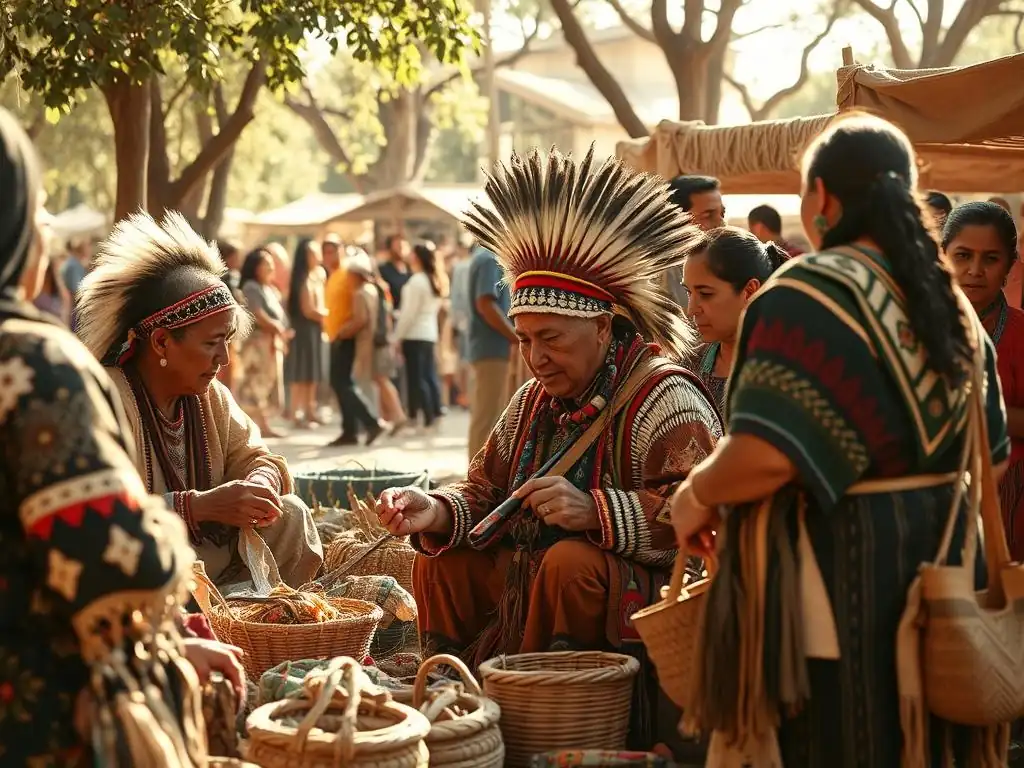
Indigenous economic resilience in America is deeply intertwined with the preservation of cultural traditions. As Indigenous communities navigate the complexities of modern economies, they actively seek ways to incorporate traditional practices into their economic strategies. This blending fosters not only financial stability but also cultural continuity, allowing these communities to maintain their identities while adapting to contemporary challenges.
Traditional practices such as subsistence farming, hunting, and fishing often serve as the backbone of local economies. By prioritizing these sustainable methods, Indigenous peoples can create a self-sufficient economic model that honors their heritage. Furthermore, the integration of traditional knowledge into new economic ventures—such as eco-tourism and artisanal crafts—provides a platform for cultural expression and community pride, enhancing both economic and social resilience.
Balancing Modern Economic Practices with Traditional Values
Finding a balance between modern economic practices and traditional values is essential for Indigenous communities aiming to thrive in today's global economy. While contemporary business strategies may offer immediate financial benefits, they can sometimes conflict with Indigenous worldviews that prioritize community welfare and environmental stewardship.
For instance, many Indigenous groups advocate for sustainable practices that align with their cultural values, such as land stewardship and resource conservation. Engaging in practices like permaculture or organic farming enables these communities to produce goods that resonate with their identity while appealing to a growing market of conscious consumers. This approach not only preserves traditional values but also fosters a sense of responsibility toward future generations.
The Role of Cultural Heritage in Economic Resilience
Cultural heritage plays a pivotal role in enhancing Indigenous economic resilience. It encompasses languages, customs, art forms, and spiritual practices that shape community identities. By leveraging cultural heritage in economic activities, Indigenous communities can differentiate themselves in the marketplace, attracting consumers who value authenticity and ethical sourcing.
Artisanal crafts, traditional foodways, and cultural events not only serve as economic drivers but also as vital expressions of Indigenous identity. For example, the revival of traditional crafts, such as weaving or pottery, not only provides income but also reinforces community bonds and cultural pride. As these practices gain recognition, they contribute to a broader understanding and appreciation of Indigenous cultures, fostering respect and collaboration with non-Indigenous communities.
Community Engagement and Empowerment Strategies
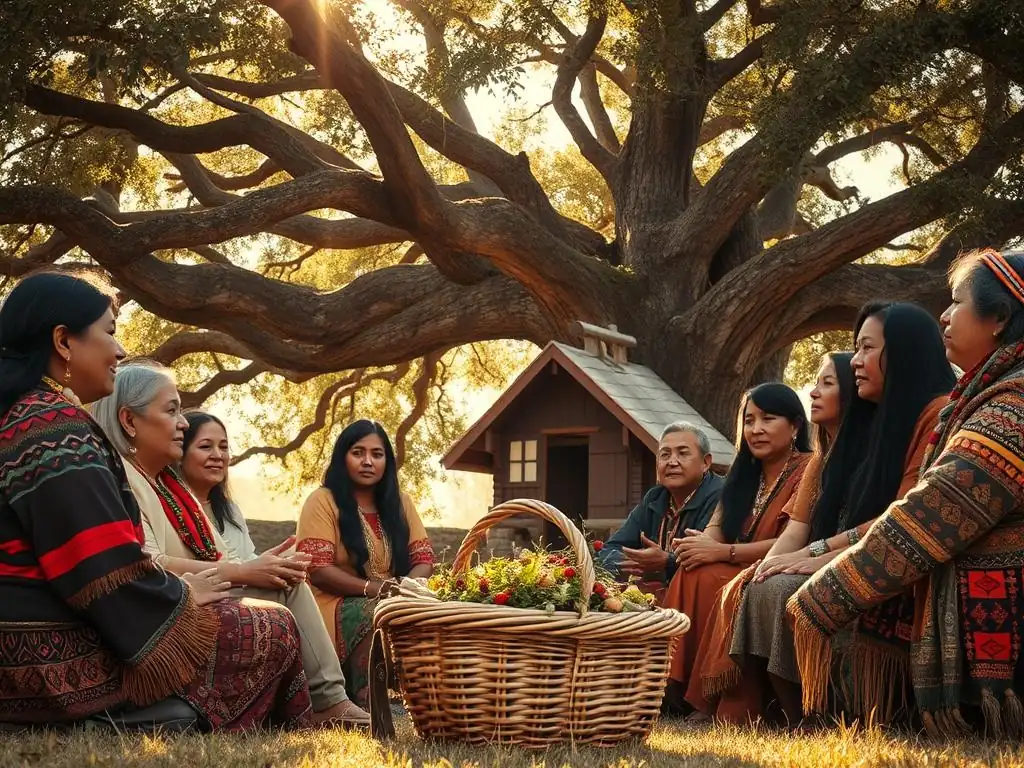
Effective community engagement and empowerment strategies are crucial for fostering Indigenous economic resilience. By involving community members in decision-making processes, Indigenous leaders can ensure that economic initiatives reflect the needs and aspirations of their communities. This participatory approach enhances ownership and accountability, leading to more sustainable outcomes.
Programs that focus on capacity building, such as financial literacy, entrepreneurship training, and skills development, empower individuals to contribute meaningfully to their local economies. Collaborative efforts, such as cooperatives or community-focused enterprises, encourage shared resources and collective benefits, promoting economic equity within the community. These strategies not only bolster economic resilience but also strengthen social cohesion and cultural vitality.
The Future of Indigenous Economic Resilience in America
The future of Indigenous economic resilience in America hinges on the ability of communities to adapt to changing circumstances while retaining their cultural integrity. As global challenges such as climate change and economic inequality continue to evolve, Indigenous peoples are positioned to lead the way in sustainable practices and holistic economic models.
Trends Influencing Indigenous Economic Systems
Several trends are shaping the landscape of Indigenous economic systems. The rise of the green economy, for example, presents opportunities for Indigenous communities to engage in eco-friendly enterprises that align with their values. Additionally, the increasing demand for ethically sourced products opens avenues for Indigenous artisans and producers to reach broader markets.
Furthermore, the advent of technology and digital platforms is revolutionizing the way Indigenous communities conduct business. Online marketplaces enable local artisans to sell their products globally, while social media can amplify their stories and cultural heritage. As these trends continue to unfold, Indigenous communities are uniquely positioned to leverage them for economic resilience.
The Role of Policy and Advocacy in Supporting Economic Resilience
Policy and advocacy play critical roles in supporting Indigenous economic resilience. Effective policies that recognize and protect Indigenous rights to land, resources, and self-determination are essential for fostering sustainable economic practices. Advocacy efforts aimed at influencing legislation can address systemic barriers and promote equitable access to opportunities for Indigenous peoples.
Collaboration between Indigenous leaders, government agencies, and non-profit organizations can create frameworks for economic empowerment that respect Indigenous sovereignty. Initiatives such as land trusts and economic development funds can further bolster community-led projects, ensuring that economic growth aligns with cultural values and environmental stewardship.
Visioning a Sustainable Economic Future for Indigenous Communities
Imagining a sustainable economic future for Indigenous communities involves envisioning a model that harmonizes economic growth with cultural preservation. This vision includes not only the development of sustainable enterprises but also the revitalization of traditional practices and languages.
Indigenous leaders and youth play a vital role in this visioning process, bringing fresh perspectives and innovative ideas to the table. By fostering intergenerational knowledge transfer and encouraging community-driven initiatives, Indigenous peoples can create resilient economies that thrive on their terms. The goal is not merely economic survival but a flourishing future that celebrates Indigenous identity and empowers communities for generations to come.
Conclusion: The Importance of Indigenous Economic Resilience
Indigenous economic resilience plays a pivotal role in understanding how native communities have survived and adapted through centuries of colonization and cultural disruption. This resilience is not merely about survival; it embodies a rich tapestry of strategies, practices, and philosophies that have been honed over thousands of years. Such resilience is a testament to the ingenuity and tenacity of indigenous peoples, showcasing their ability to navigate challenges while preserving their cultural identity and traditions.
The importance of this resilience extends beyond the confines of indigenous communities. By studying these economic systems, modern society can gain valuable insights into sustainable practices, community-focused economies, and the preservation of ecological balances. Indigenous economic resilience highlights the need for a holistic approach to economic development that respects cultural heritage and promotes social equity. As we recognize the contributions of indigenous peoples, we also strengthen the foundation for mutual respect and understanding in contemporary society.
Summary of Key Points on Economic Resilience
- Cultural Preservation: Indigenous communities have maintained their cultural practices, languages, and traditions, which are integral to their economic systems.
- Adaptation Strategies: Through the centuries, indigenous peoples have developed innovative economic strategies that allow them to adapt to changing circumstances while maintaining their identity.
- Sustainable Practices: Many indigenous economies are rooted in sustainable practices that respect the land and its resources, offering lessons for contemporary environmental stewardship.
- Community Focus: Indigenous economic systems often prioritize community well-being over individual wealth, fostering strong social bonds and collective resilience.
- Interconnectedness: The economic practices of indigenous peoples are interconnected with their spiritual beliefs, social structures, and ecological knowledge, creating a comprehensive approach to life.
The Lasting Impact of Indigenous Economic Practices on American Society
The impact of indigenous economic practices on American society is profound and multifaceted. Modern discussions surrounding sustainability, community-based economies, and social justice often draw inspiration from indigenous methodologies.
- Sustainable Agriculture: Techniques such as companion planting and permaculture, rooted in indigenous knowledge, have influenced modern agricultural practices, promoting biodiversity and soil health.
- Cultural Tourism: Indigenous communities have leveraged their rich cultural heritage to create tourism opportunities that educate visitors while providing economic benefits, thus fostering cultural exchange and understanding.
- Economic Models: The emphasis on community over individual profit in indigenous economies offers a blueprint for alternative economic models that prioritize social equity and environmental responsibility.
- Policy Influence: Indigenous economic resilience has informed policy discussions around land rights, resource management, and economic development frameworks, advocating for practices that honor indigenous sovereignty.
Recognizing and supporting indigenous economic resilience is essential for fostering a more just and sustainable future. Understanding these practices not only honors the past but also paves the way for a collaborative approach to economic development that benefits all communities.
Frequently Asked Questions
What is Indigenous economic resilience?
Indigenous economic resilience refers to the ability of Indigenous communities in America to adapt and thrive despite the challenges posed by colonization, ensuring the preservation of their cultural traditions and economic practices.
How did Indigenous cultures demonstrate economic resilience before colonization?
Before colonization, Indigenous cultures developed sustainable practices such as agriculture, trade, and resource management, which allowed them to support their communities and maintain their social structures.
What role do traditions play in fostering economic resilience among Indigenous peoples?
Traditions are critical as they provide a framework for community cohesion and identity, enabling Indigenous peoples to draw on their cultural heritage to create innovative solutions for modern economic challenges.
How has colonization impacted Indigenous economic systems?
Colonization disrupted traditional economic systems by imposing foreign trade practices and land dispossession, leading to a decline in self-sufficiency and increased reliance on external economies.
In what ways are Indigenous communities today working towards economic resilience?
Today, many Indigenous communities are focusing on sustainable development, revitalizing traditional practices, and leveraging modern technologies to strengthen their economies while preserving their cultural identities.
Final Reflection: The Enduring Spirit of Indigenous Economic Resilience
Indigenous economic resilience in America is not just a historical narrative; it is a living testament to the strength and adaptability of Indigenous communities in the face of colonization and systemic challenges. Today, as we witness a resurgence of interest in Indigenous rights and sovereignty, it becomes increasingly clear that the lessons learned from these communities are not only relevant but essential for fostering a more equitable society. The resilience displayed by Indigenous peoples serves as a powerful reminder that survival is not merely about enduring hardships but also about thriving through innovation and cultural preservation.
Cultural and social landscapes are continuously shaped by the stories and practices of Indigenous peoples. The ongoing efforts to revitalize traditional economies, coupled with modern entrepreneurial initiatives, highlight the dynamic interplay between heritage and contemporary challenges. As we reflect on this journey, we are reminded of the words of Vine Deloria Jr.: The future of the Indian race is in the hands of the Indian people.
This assertion resonates deeply today, as Indigenous communities reclaim their narratives and redefine their economic futures, inspiring broader movements for social justice and environmental stewardship.
As we conclude this exploration of Indigenous economic resilience, I invite you to reflect on the lessons embedded in these stories. Consider how you can support Indigenous initiatives in your own community, whether through advocacy, education, or conscious consumer choices. By acknowledging and uplifting Indigenous voices, we can collectively contribute to a future where resilience is celebrated, traditions are preserved, and all communities can thrive. Let us carry forward the spirit of resilience, ensuring that the legacies of Indigenous peoples continue to inspire generations to come.
Embrace Indigenous Resilience and Take Action Today!
Thank you for exploring the vital topic of Indigenous economic resilience! Your engagement is crucial for preserving valuable traditions and understanding the ongoing impacts of colonization. Now that you’re inspired by the rich history and resilience of Indigenous cultures, it’s time to take meaningful steps.
Here are a few actions you can take to further support and engage with this important cause:
- Support Indigenous businesses: Explore local Indigenous commerce and make intentional purchases that help sustain cultural legacies.
- Educate yourself and others: Share this article and related resources with friends, family, or your local community to raise awareness about Indigenous issues and encourage discussions about resilience.
- Participate in workshops or community events: Seek out opportunities to engage directly with Indigenous communities through cultural festivals, educational webinars, or volunteering efforts.
How can you incorporate Indigenous perspectives and traditions into your daily life? We invite you to share your thoughts and experiences in the comments below!