
The Interconnected Web: How Resource Distribution Fostered Cultural Exchange

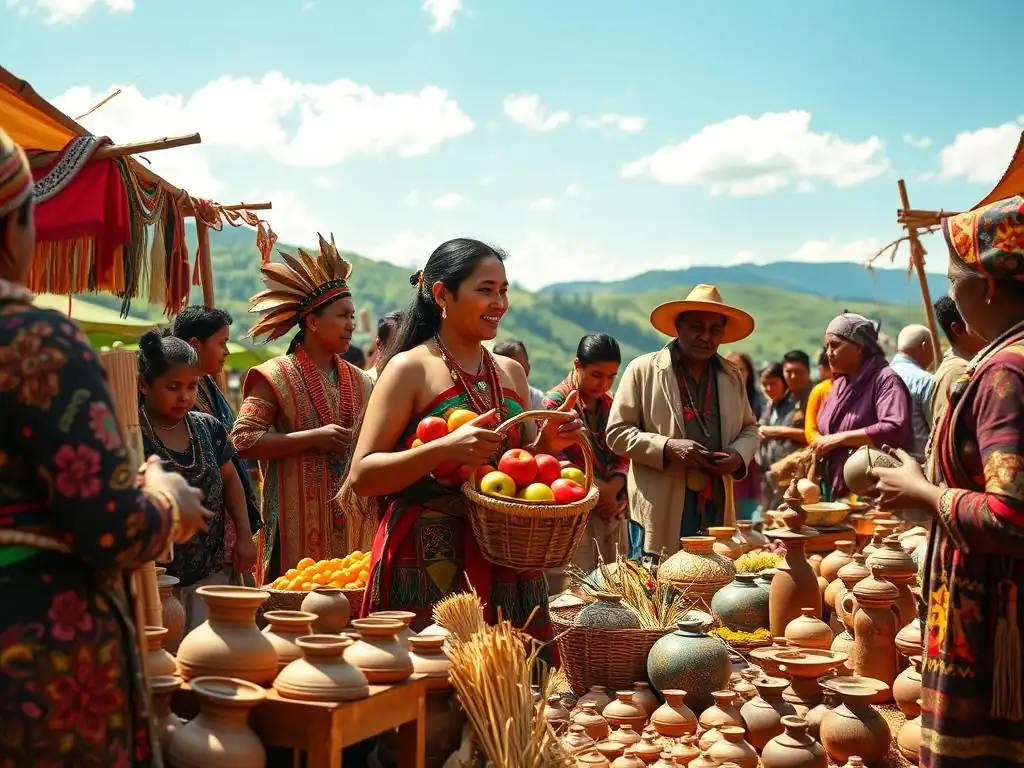
Welcome to Indigenous Civilizations of the Americas! Here, we invite you on a journey through time to uncover the rich tapestry of indigenous cultures that flourished across the Americas prior to European colonization. Our main article, "The Interconnected Web: How Resource Distribution Fostered Cultural Exchange," delves into the fascinating world of indigenous cultural exchange in the Americas—a dynamic process that shaped societies and economies. As you explore our site, you'll discover the remarkable achievements and enduring legacies of these vibrant civilizations. What connections lay hidden in the intricate web of trade and cultural interactions? Dive in to find out!
Introduction to Indigenous Cultural Exchange in the Americas
The rich tapestry of indigenous cultures in the Americas is woven together by complex layers of interaction, deeply influenced by resource distribution. Before European colonization, various indigenous societies established intricate networks of trade and communication that facilitated not only the exchange of goods but also ideas, technologies, and cultural practices.
This indigenous cultural exchange in the Americas was pivotal in shaping the identities and traditions of countless communities, demonstrating how interconnected these diverse groups were despite geographical barriers. Understanding the dynamics of resource distribution reveals the foundations upon which these cultural exchanges thrived, highlighting the resilience and adaptability of indigenous peoples in the face of changing environments and social structures.
Overview of Resource Distribution in Indigenous Societies
Resource distribution among indigenous societies was highly sophisticated and varied across the continent. Different regions boasted unique resources that influenced the economic and cultural activities of the communities residing there. For instance:
- Coastal Societies: Groups along the Pacific Northwest relied heavily on marine resources, such as fish and shellfish, fostering a culture rich in fishing techniques and related rituals.
- Agricultural Societies: The agricultural communities of the Great Plains, notably the Plains Indians, cultivated crops like maize, beans, and squash, leading to settlements that became centers of trade and cultural exchange.
- Mountainous Regions: Indigenous groups in the Andes, such as the Inca, developed advanced agricultural techniques, including terracing and irrigation, which allowed them to sustain large populations and engage in extensive trade.
These regional disparities in resource availability created a rich landscape for cultural exchange, as communities sought to obtain what they lacked through trade and interaction.
Significance of Cultural Exchange Among Indigenous Peoples
Cultural exchange among indigenous peoples was not merely a byproduct of trade; it was essential for survival and adaptation. The significance of these exchanges can be highlighted through various aspects:
- Technological Innovation: The sharing of agricultural techniques, hunting tools, and pottery styles enriched the cultural heritage of various communities. For example, the introduction of new farming methods allowed for more efficient food production.
- Spiritual and Artistic Interactions: Artistic styles and spiritual beliefs often transcended tribal boundaries, leading to blended traditions that would shape the cultural landscape of the Americas. For instance, the symbolism in pottery designs often reflected shared beliefs and values influenced by neighboring tribes.
- Conflict and Cooperation: While trade fostered cooperation, it also sometimes led to conflict over resource control. Understanding these dynamics is crucial in grasping how indigenous societies navigated relationships with one another.
The Role of Trade Networks in Indigenous Cultural Exchange
Trade networks were the arteries of cultural exchange among indigenous communities, facilitating the movement of goods, ideas, and innovations. The interconnectedness fostered by these networks played a key role in shaping the cultural fabric of the Americas.
Major Trade Routes Across the Americas
The Americas boasted several prominent trade routes that connected diverse cultures and facilitated exchange:
- The Mississippi River Trade Network: This extensive network linked communities from the Great Lakes to the Gulf of Mexico, enabling the exchange of goods such as furs, pottery, and agricultural products.
- The Pacific Northwest Trade Routes: Coastal tribes utilized waterways for trade, exchanging fish, shellfish, and crafted goods, which were vital to their economies and cultural practices.
- The Andean Trade System: The Inca Empire established a vast trade network across the Andes, allowing for the exchange of unique resources like textiles, ceramics, and agricultural products, further enhancing cultural integration.
These routes not only enabled the flow of goods but also facilitated the movement of people and ideas, enriching the cultural exchange among various indigenous societies.
Key Resources Exchanged and Their Cultural Impact
The resources exchanged among indigenous peoples had profound cultural implications. Some key resources include:
| Resource | Cultural Impact |
|---|---|
| Maize | Became a staple food and cultural symbol across many tribes. |
| Pottery | Different styles and techniques influenced artistic expressions. |
| Furs | Led to alliances and trade relationships, shaping social structures. |
| Shells | Used in crafting jewelry and tools, reflecting regional identities. |
The exchange of these resources fostered not only economic interdependence but also cultural syncretism, as tribes adapted and incorporated elements from one another, leading to a rich and diverse cultural landscape across the Americas.
The interconnected web of resource distribution and cultural exchange among indigenous peoples of the Americas illustrates a dynamic and complex history that continues to resonate today. Understanding these interactions provides essential insights into the resilience and ingenuity of indigenous civilizations before European colonization.
Resource Distribution as a Catalyst for Cultural Exchange
Resource distribution played a crucial role in fostering cultural exchange among indigenous civilizations in the Americas. The availability and management of natural resources such as agricultural products, minerals, and artisan materials created networks that encouraged communication, trade, and interaction among diverse cultures. These interactions were not solely economic; they also facilitated the exchange of ideas, traditions, and technologies, leading to the development of shared cultural practices and innovations.
Indigenous groups often established trade routes that connected distant regions, allowing them to access resources unavailable in their own territories. This interconnectedness enabled communities to adapt and evolve by incorporating elements from neighboring societies. For instance, the exchange of agricultural techniques and crops led to enhanced food security and culinary diversity, while the sharing of artistic styles and craftsmanship fostered unique cultural expressions.
Ultimately, the strategic management of resources, coupled with the establishment of trade networks, served as a foundation for vibrant cultural exchanges, significantly influencing the social dynamics and artistic landscapes of the indigenous peoples of the Americas.
How Agriculture Influenced Cultural Interactions
Agriculture was a transformative force in shaping cultural interactions among indigenous civilizations. The domestication of staple crops such as maize, beans, and squash allowed societies to settle and form more complex social structures. As these agricultural practices spread, they facilitated the movement of people and ideas, promoting cultural exchange.
Different regions developed unique agricultural techniques tailored to their environments, which often led to the sharing of knowledge. For instance, the Three Sisters agricultural method, involving the intercropping of maize, beans, and squash, became prominent in various cultures across North America. These techniques not only improved food production but also fostered interactions among communities that adopted and adapted these practices.
Furthermore, agricultural surplus enabled trade and interaction beyond local communities. Regions with abundant resources attracted neighboring groups, creating hubs of cultural exchange. Festivals centered around harvests became opportunities for social gatherings, where rituals, stories, and customs were shared, further intertwining the cultural fabric of indigenous societies.
The Exchange of Raw Materials and Artisan Crafts
The exchange of raw materials and artisan crafts played a significant role in shaping the cultural landscape of the Americas. Indigenous communities utilized locally sourced materials to create tools, textiles, pottery, and intricate artworks that reflected their cultural identity. The trade of these goods extended beyond regional boundaries, allowing for the dissemination of artistic styles and techniques.
For example, obsidian, a volcanic glass used for making tools and weapons, was highly sought after and traded over vast distances. Its rarity in certain regions led to the establishment of trade routes where communities exchanged obsidian for food, textiles, or other materials. This exchange not only facilitated economic relationships but also encouraged the sharing of technological innovations in tool-making and craftsmanship.
Artisan crafts often carried cultural significance, embodying the beliefs, values, and histories of the communities that created them. As these crafts were traded and shared, they contributed to the formation of a collective cultural identity that transcended individual societies. The adoption of new artistic methods and styles enriched the cultural expressions of various indigenous groups, leading to a dynamic and interconnected artistic heritage across the Americas.
Case Studies of Indigenous Cultural Exchange
The Mesoamerican Trade Systems and Cultural Integration
Mesoamerica was characterized by a sophisticated trade system that facilitated cultural integration among its diverse civilizations, such as the Maya, Aztec, and Olmec. This network of trade routes allowed for the exchange of goods like cacao, textiles, and precious stones, as well as the transfer of ideas and cultural practices.
The city of Teotihuacan, a major trading hub, exemplified this cultural exchange. Artifacts found in the city reveal influences from various regions, indicating a blend of artistic styles and religious practices. The ritual use of cacao, for instance, was adopted by multiple cultures, illustrating how trade could lead to shared customs and social practices.
Moreover, the establishment of tribute systems among empires allowed for the collection of resources from conquered regions, further integrating diverse cultures into a cohesive societal framework. This exchange of goods and ideas contributed to the rich tapestry of Mesoamerican civilization, laying the groundwork for future cultural developments.
The Mississippi River Valley: A Hub of Cultural Exchange
The Mississippi River Valley served as a vital artery for cultural exchange among indigenous groups in North America. The river's extensive network facilitated trade, communication, and cultural interactions between communities from the Great Lakes to the Gulf of Mexico.
Archaeological evidence suggests that major centers like Cahokia thrived along the river, becoming melting pots of diverse cultures. The exchange of goods such as shell beads, copper tools, and agricultural products fostered economic and social relationships. Additionally, the movement of peoples along the river contributed to the dissemination of cultural practices, including religious beliefs and artistic techniques.
The Mississippi River Valley's role as a cultural hub illustrates how natural resources and geographical features can shape human interactions and cultural landscapes. The ongoing exchanges in this region enriched the lives of indigenous communities, leading to a dynamic and interconnected cultural mosaic.
The Andes: Resource Distribution and Cultural Diversity
The Andes mountains presented unique challenges and opportunities for resource distribution and cultural exchange among indigenous civilizations such as the Inca, Moche, and Nazca. The region's diverse ecosystems allowed for the cultivation of a variety of crops, including potatoes and quinoa, which became staples for the local populations.
The Inca Empire exemplified the effective management of resources, with an extensive road system that facilitated trade and communication across vast distances. This infrastructure enabled the exchange of goods, agricultural techniques, and cultural practices among various groups. The integration of different cultural elements contributed to the formation of a distinct Andean identity that combined elements from multiple societies.
Furthermore, the exchange of artisan crafts, such as textiles and pottery, highlighted the rich cultural diversity of the Andes. Different communities developed unique styles and techniques, which were shared and adapted through trade. This cultural exchange not only enriched the artistic traditions of the region but also fostered a sense of unity among diverse indigenous peoples, demonstrating the profound impact of resource distribution on cultural interactions in the Andes.
The Impact of Cultural Exchange on Indigenous Societies
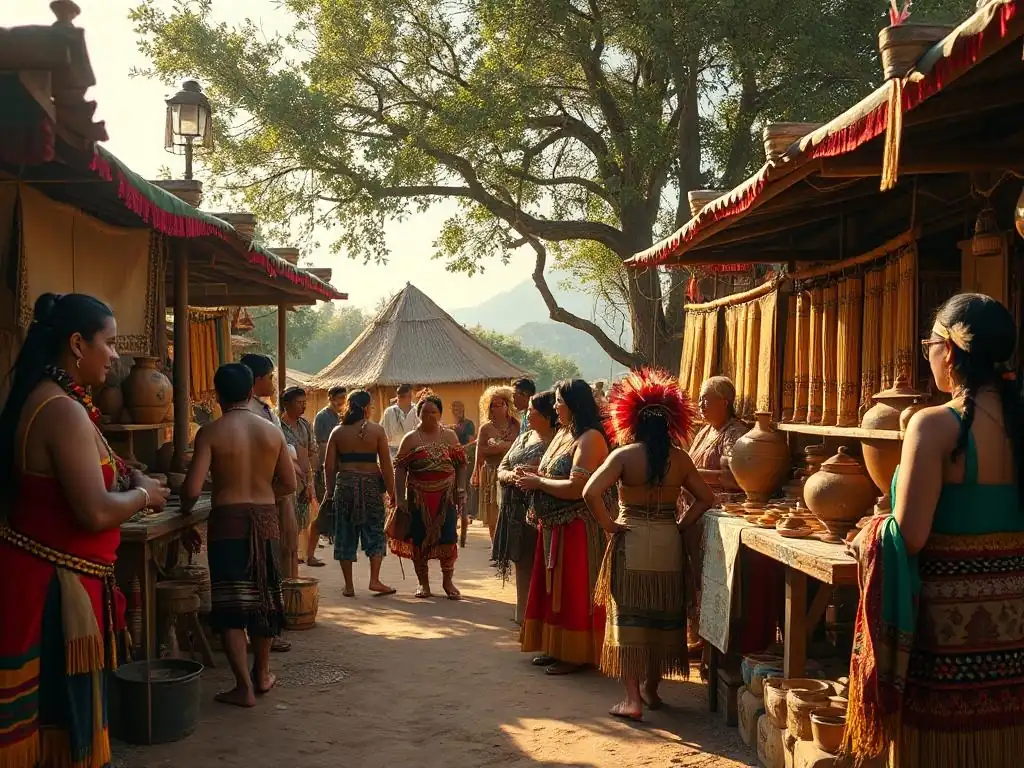
Cultural exchange among indigenous societies in the Americas played a pivotal role in shaping their social structures, economies, and cultural identities. Through complex networks of trade and interaction, diverse groups became interconnected, leading to the dissemination of ideas, technologies, and practices that enriched their civilizations. This exchange fostered a sense of community across vast distances, enabling the sharing of agricultural practices, spiritual beliefs, and governance structures.
Moreover, the intermingling of cultures led to the creation of hybrid identities. For example, the merging of different agricultural techniques allowed tribes to better adapt to their local environments, enhancing food security and sustainability. The exchange of ceremonial practices contributed to a rich tapestry of spiritual beliefs, influencing rituals and communal gatherings. These interactions were not merely transactional but were imbued with mutual respect and recognition, resulting in more cohesive societies that thrived on shared knowledge.
Technological Innovations through Cultural Interactions
Technological advancements in indigenous societies were significantly influenced by cultural exchanges. As tribes interacted through trade routes, they exchanged agricultural tools, hunting techniques, and crafting methods. One notable example is the introduction of the bow and arrow, which evolved into various forms as different tribes adapted it to their specific environments and needs.
The introduction of new crops through trade also transformed agricultural practices. The Three Sisters (corn, beans, and squash) is a prime example of agricultural innovation resulting from cultural exchange among northeastern tribes, which improved crop yields and nutritional diversity. Similarly, indigenous groups in the Andes developed advanced agricultural techniques such as terrace farming, which were influenced by their interactions with neighboring cultures.
As a result of these exchanges, indigenous societies became adept at utilizing resources from various ecosystems, leading to innovations that were crucial for their survival and growth. The sharing of knowledge around metallurgy, pottery, and textiles further illustrates how cultural interactions spurred technological growth.
Artistic expression among indigenous cultures was profoundly enriched through cultural exchange. The trade of materials such as obsidian, turquoise, and clay facilitated the development of intricate art forms, including pottery, weaving, and jewelry-making. For instance, the Moche civilization, known for its stunning ceramics, incorporated techniques and motifs from neighboring cultures, creating a shared artistic language that transcended individual societies.
Ceremonial art also reflects the impact of cultural exchange. The adoption of new symbols and styles led to the creation of hybrid artistic forms, such as the intricate textiles produced by the Nazca and their neighbors. These textiles often depicted shared mythologies and spiritual beliefs, reinforcing communal identities across different tribes.
Moreover, the influence of oral traditions and storytelling was paramount in preserving history and cultural values. The exchange of stories and myths fostered a sense of unity among diverse groups, allowing them to connect through common narratives and themes. This rich artistic tapestry remains a testament to the enduring legacy of cultural exchange among indigenous peoples of the Americas.
The Role of Language in Cultural Exchange
Language served as a vital tool for cultural exchange among indigenous societies, facilitating communication, negotiation, and the transfer of knowledge. Through trade and interaction, tribes shared not only goods but also linguistic elements, leading to the emergence of pidgins and creole languages that blended vocabulary and grammar from different cultures.
Additionally, the oral traditions of storytelling were crucial for the transmission of cultural knowledge. As tribes interacted, they exchanged tales, myths, and histories that enriched their understanding of the world. This sharing of narratives helped preserve cultural identity and fostered empathy and respect among different groups.
Furthermore, language played a role in diplomacy. Tribes often employed interpreters to navigate alliances and trade agreements, showcasing the importance of linguistic proficiency in fostering diplomatic relationships. The resultant multilingual societies created a rich linguistic landscape that facilitated ongoing cultural exchange.
Challenges to Cultural Exchange in Indigenous Contexts
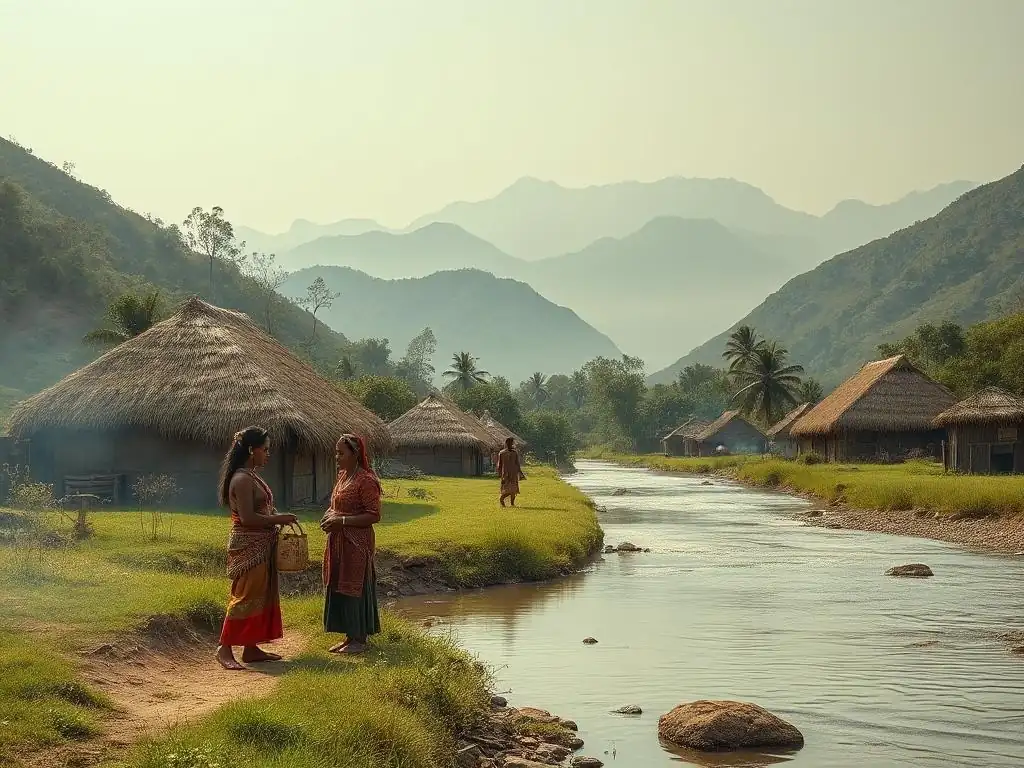
Despite the benefits of cultural exchange, indigenous societies faced significant challenges that hindered the flow of ideas and resources. Understanding these challenges provides insight into the complexities of indigenous interactions and the resilience of these cultures in the face of adversity.
Environmental Factors Affecting Resource Distribution
Environmental factors such as climate, geography, and natural resources significantly influenced the patterns of resource distribution among indigenous societies. Regions with abundant resources, such as the Mississippi River Valley or the Pacific Northwest, fostered rich trade networks and cultural exchange. Conversely, areas with harsh climates or limited resources posed challenges to trade and interaction.
For example, the Great Plains tribes, reliant on bison hunting, faced mobility constraints due to environmental conditions, which limited their ability to engage in trade with more sedentary agricultural societies. Similarly, the arid conditions of the Southwest restricted agricultural practices and necessitated innovative water conservation techniques, which were often shared among neighboring tribes but could also isolate them from wider cultural interactions.
The Impact of Colonialism on Indigenous Trade Networks
Colonialism drastically altered the landscape of indigenous trade networks and cultural exchange. With the arrival of European colonizers, traditional trade routes were disrupted, and indigenous societies faced exploitation and marginalization. The imposition of foreign trade practices undermined existing systems, leading to a decline in autonomy and cultural exchange.
Colonial powers often prioritized their economic interests, extracting resources and imposing new trade regulations that favored European goods over indigenous products. This led to the erosion of traditional practices and a loss of cultural identity for many indigenous communities. The introduction of new diseases further decimated populations, weakening social structures and diminishing the capacity for cultural exchange.
While the impact of cultural exchange among indigenous societies was profound and multifaceted, the challenges posed by environmental factors and colonialism significantly influenced the dynamics of these interactions. Understanding this complex history is essential for appreciating the resilience and adaptability of indigenous cultures throughout the Americas.
Conclusion: The Lasting Legacy of Indigenous Cultural Exchange in the Americas
The indigenous cultural exchange in the Americas has left an indelible mark on the continent's history and continues to influence contemporary societies. The intricate web of trade routes and resource distribution among various indigenous civilizations facilitated not only the exchange of goods but also ideas, technologies, and cultural practices. As a result, these interactions enriched the cultural tapestry of the Americas and fostered a sense of interconnectedness among diverse tribes and nations.
The legacy of this cultural exchange is evident in the languages, agricultural practices, art forms, and spiritual beliefs that have persisted through generations. For instance, the exchange of crops like maize, potatoes, and tomatoes has had a profound impact on global agriculture, while the sharing of medicinal knowledge has contributed to contemporary healing practices. This legacy underscores the importance of recognizing and valuing the contributions of indigenous cultures to the broader narrative of human development.
Reflections on the Importance of Resource Distribution
Resource distribution played a crucial role in shaping the dynamics of indigenous cultural exchange. The availability of certain resources dictated trade relationships and influenced social structures among various indigenous groups. For example, access to fertile land, water sources, and raw materials enabled certain civilizations to thrive, fostering a sense of dependency and collaboration among neighboring tribes.
These interactions were not solely economic; they also facilitated the exchange of cultural practices and ideologies. From the sharing of agricultural techniques to the diffusion of spiritual beliefs, resource distribution acted as a catalyst for cultural enrichment. It is essential to reflect on how these historical exchanges can inform modern understandings of community development and sustainability. By acknowledging the importance of resource management and collaboration, we can draw valuable lessons from indigenous practices that promote ecological balance and cultural resilience.
Future Research Directions on Indigenous Cultural Exchange
Future research on indigenous cultural exchange in the Americas should focus on several key areas to deepen our understanding of these complex interactions.
- Archaeological Studies: Excavations at ancient trade sites can provide insights into the material culture and trade goods exchanged among indigenous groups, shedding light on their economic practices and social structures.
- Linguistic Analysis: Examining language patterns and the diffusion of words related to trade and cultural practices can reveal the extent of interactions among different tribes and the impact of these exchanges on indigenous identities.
- Ethnobotanical Research: Investigating the traditional uses of plants and crops exchanged among indigenous groups can highlight the significance of agricultural knowledge in cultural exchange and its implications for contemporary food systems.
- Oral Histories: Collecting and analyzing oral traditions from indigenous communities can enrich our understanding of historical exchanges and their meanings, providing a more nuanced perspective on cultural continuity and change.
By pursuing these research avenues, scholars can further illuminate the rich tapestry of indigenous cultural exchange, fostering a greater appreciation for the achievements and contributions of these civilizations to the Americas and beyond.
- Introduction to Indigenous Cultural Exchange in the Americas
- The Role of Trade Networks in Indigenous Cultural Exchange
- Resource Distribution as a Catalyst for Cultural Exchange
- Case Studies of Indigenous Cultural Exchange
- The Impact of Cultural Exchange on Indigenous Societies
- Technological Innovations through Cultural Interactions
- Artistic Influences and Shared Traditions
- The Role of Language in Cultural Exchange
- Challenges to Cultural Exchange in Indigenous Contexts
- Conclusion: The Lasting Legacy of Indigenous Cultural Exchange in the Americas
- Reflections on the Importance of Resource Distribution
- Future Research Directions on Indigenous Cultural Exchange
- What does the article "The Interconnected Web" focus on?
- How did resource distribution impact indigenous cultures?
- What are some examples of indigenous cultures mentioned?
- Why is understanding indigenous cultural exchange important?
- How does the website contribute to the knowledge of indigenous civilizations?
Frequently Asked Questions
What does the article "The Interconnected Web" focus on?
The article highlights how resource distribution among indigenous cultures in the Americas facilitated cultural exchange, leading to the development of rich, interconnected societies.
How did resource distribution impact indigenous cultures?
Resource distribution allowed for the sharing of knowledge, technologies, and traditions, which enhanced cultural exchange and strengthened social bonds among diverse indigenous groups.
What are some examples of indigenous cultures mentioned?
The article discusses various indigenous cultures such as the Inca, Maya, and Mississippian societies, emphasizing their achievements and the interactions that occurred due to shared resources.
Why is understanding indigenous cultural exchange important?
Understanding indigenous cultural exchange sheds light on the complexity of pre-colonial societies, showcasing their achievements and the lasting impact they had before European contact.
How does the website contribute to the knowledge of indigenous civilizations?
The website provides a comprehensive exploration of indigenous cultures, focusing on their achievements, societal structures, and the rich tapestry of interactions that shaped the Americas before colonization.
Final Reflection: Embracing the Tapestry of Indigenous Cultural Exchange in the Americas
The exploration of indigenous cultural exchange in the Americas reveals a profound truth about our interconnectedness. Today, as we navigate an increasingly globalized world, the lessons drawn from the intricate web of resource distribution and cultural interaction among indigenous communities resonate more than ever. The ability to share knowledge, traditions, and resources has not only shaped the identities of these communities but also offers a blueprint for fostering understanding and collaboration in our diverse societies. In a time when division often overshadows unity, recognizing the value of cultural exchange is a striking reminder of our shared humanity.
The impact of indigenous cultural exchange extends far beyond historical contexts; it continues to influence contemporary social dynamics and cultural landscapes. This ongoing dialogue between cultures enriches our collective experience and fosters resilience. As we witness the revival of indigenous practices and the growing appreciation for diverse cultural narratives, we are reminded of the words of renowned anthropologist Margaret Mead: Never doubt that a small group of thoughtful, committed citizens can change the world; indeed, it's the only thing that ever has.
This sentiment underscores the importance of honoring and learning from the cultural exchanges that have shaped our past and continue to inspire our future.
As we reflect on the significance of these exchanges, I invite you to consider how you can contribute to the tapestry of cultural understanding in your own life. Engage with diverse communities, learn from their stories, and celebrate the richness of our shared heritage. By doing so, you not only honor the legacy of indigenous cultures but also play a vital role in weaving a more inclusive and harmonious future. Let us embrace the lessons of the past and actively participate in the ongoing journey of cultural exchange, fostering connections that transcend borders and generations.
Unveil New Perspectives: Engage with Cultural Exchange!
Thank you for exploring the intricate web of resource distribution and cultural exchange in Indigenous civilizations. Your interest helps illuminate how interconnectedness shapes our world. Now, let’s take the next step together!
Here’s how you can deepen your understanding and get involved:
- Dive deeper by exploring related resources: Visit our resource library for insightful articles and comprehensive studies on cultural interactions among various Indigenous groups.
- Join the conversation! Share your thoughts on social media using the hashtag #CulturalExchange to connect with others who are passionate about the rich histories of Indigenous peoples.
- Consider supporting Indigenous initiatives by researching local organizations that promote cultural education and sustainable resource management.
What stories of cultural exchange have inspired you the most in your journey of discovery?