
The Transformation of Resources: From Local Use to LongDistance Trade

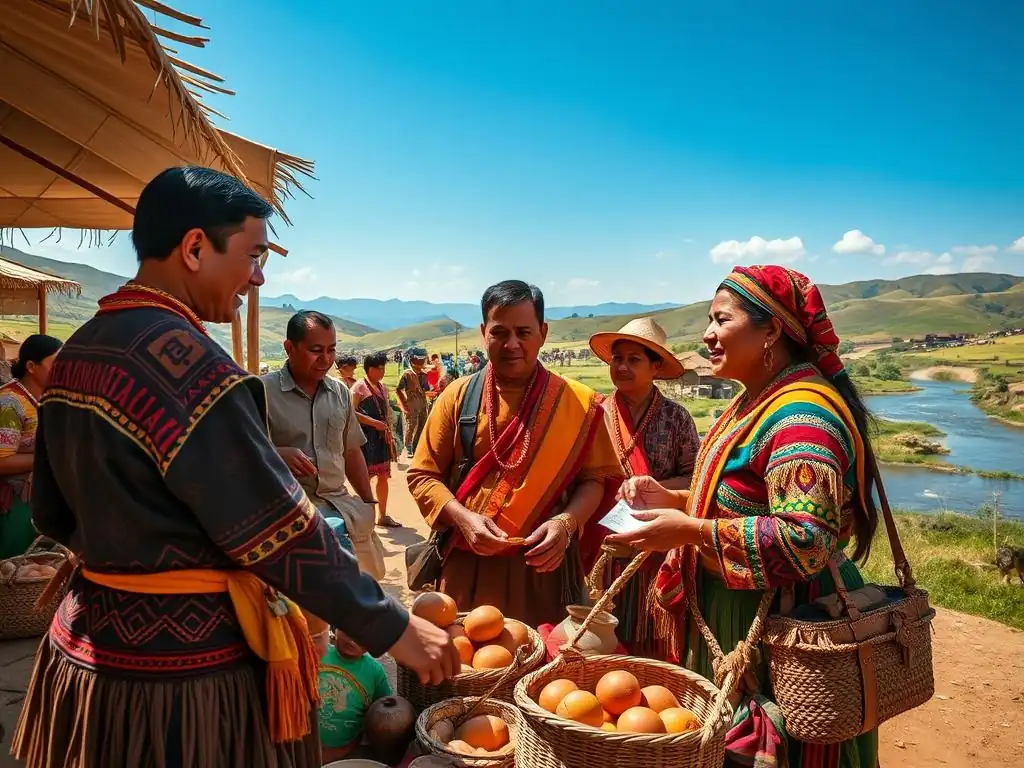
Welcome to Indigenous Civilizations of the Americas, where we embark on a fascinating journey through the rich tapestry of indigenous cultures that flourished long before European contact. In this exploration, we invite you to delve into the intricate indigenous trade practices in the Americas, revealing how local resources transformed into the vibrant networks of long-distance commerce that connected diverse societies. Discover the innovations and strategies that not only shaped their economies but also left a lasting impact on the world.
Are you ready to uncover the secrets of these remarkable civilizations? Join us as we unravel the story of trade and economy that defined an era!
Introduction to Indigenous Trade Practices in the Americas
The indigenous peoples of the Americas developed intricate trade practices that not only facilitated local economies but also established long-distance networks connecting various cultures across vast distances. These trade practices were deeply intertwined with the societies' understanding of resources, their cultural significance, and their adaptability to environmental changes. By examining the evolution of these trade systems, we gain insight into how indigenous civilizations effectively transformed local resources into commodities for trade, thereby fostering relationships and exchanges that transcended geographical boundaries. This article delves into the indigenous trade practices in the Americas, exploring their origins, development, and enduring legacy.
Overview of Indigenous Economies and Resource Utilization
Indigenous economies were characterized by a sophisticated understanding of resource management. Various tribes and nations utilized their local environments to sustain their communities, drawing from the rich biodiversity of the Americas. Here are some key aspects of indigenous economies:
- Subsistence Practices: Many indigenous groups practiced agriculture, hunting, fishing, and gathering, tailoring their methods to the resources available in their specific regions.
- Resource Diversification: Indigenous peoples relied on a wide range of materials, including plants, minerals, and animal products, to create tools, clothing, and trade goods.
- Cultural Significance: Resources were not merely commodities; they held cultural and spiritual significance, influencing trade decisions and practices.
Importance of Local Resources in Indigenous Cultures
Local resources played a crucial role in shaping the identity and sustainability of indigenous cultures. The utilization and management of these resources were not only practical but also reflective of deeper cultural values. Key considerations include:
- Sustainability: Indigenous practices often emphasized sustainable use, ensuring that resources were not depleted and could support future generations.
- Cultural Identity: Specific resources were tied to cultural traditions, rituals, and community practices, reinforcing the connection between people and their environment.
- Economic Stability: The availability of local resources allowed for economic stability and resilience, providing communities with the means to navigate challenges and changes.
Historical Context of Indigenous Trade Practices
The historical context of indigenous trade practices reveals a dynamic and interconnected web of relationships among diverse groups. Understanding this context sheds light on how trade evolved and adapted over time.
Early Trade Routes and Networks among Indigenous Peoples
Long before European contact, indigenous peoples established extensive trade routes that facilitated the exchange of goods, ideas, and culture. These routes often crossed diverse landscapes, linking communities that would otherwise remain isolated. Key points include:
- Trade Networks: Systems of exchange emerged that included both short-distance local trades and long-distance interactions between distant groups.
- Goods Traded: Items such as textiles, pottery, foodstuffs, and tools were commonly exchanged, reflecting the unique resources and skills of each community.
- Cultural Exchange: Trade routes also served as conduits for cultural exchange, allowing for the spread of languages, traditions, and technologies.
The Role of Geography in Resource Distribution
Geography played a pivotal role in shaping indigenous trade practices by influencing resource availability and trade routes. Considerations include:
- Regional Resources: Different regions offered distinct resources, leading to specialized production and trade of certain goods.
- Natural Barriers: Mountains, rivers, and other geographical features often dictated the routes that traders could safely navigate.
- Climatic Influences: Climate variations impacted agricultural practices, leading to different trading patterns based on seasonal availability of resources.
Key Indigenous Civilizations and Their Trade Practices
Several key indigenous civilizations developed notable trade practices that left a lasting impact on the Americas. These civilizations not only thrived through local resource utilization but also engaged in extensive trade networks. Examples include:
- The Aztecs: Known for their sophisticated market systems and the use of cacao as currency, the Aztecs facilitated trade across their empire and beyond.
- The Incas: With an elaborate road system, the Inca civilization managed a vast network of trade that integrated diverse regions and resources.
- The Mississippians: This culture thrived along river systems, engaging in trade networks that spanned the eastern United States, exchanging goods like agricultural produce and crafted items.
By understanding the transformation of resources through trade, we recognize the ingenuity of indigenous cultures in creating sustainable economies that reflected their values and interconnectedness.
Local Use of Resources in Indigenous Societies
Indigenous societies across the Americas demonstrated profound knowledge of their local environments, utilizing available resources in sustainable and innovative ways. These practices were rooted in a deep understanding of the land, which allowed them to cultivate a variety of crops, hunt local wildlife, and gather diverse materials for tools and shelter. The use of these resources was not only practical but also integral to the cultural and spiritual lives of the communities.
Local resource management often involved the communal sharing of knowledge and labor. For instance, agricultural techniques like companion planting—where different crops are grown together to enhance growth and deter pests—were commonplace. This method exemplifies how indigenous peoples optimized their resources while fostering community cohesion. Furthermore, many societies practiced seasonal resource harvesting, ensuring that they did not deplete their surroundings and could maintain a balance with nature.
Indigenous trade practices were initially centered around local resources, with communities exchanging goods based on necessity and availability. This local economy allowed for the circulation of essential items, which in turn strengthened social bonds and reinforced community identities.
Types of Resources Utilized Locally
Indigenous communities in the Americas utilized a wide range of resources, which varied by region and environmental context. Some of the most significant types of locally utilized resources included:
- Food Resources:
- Crops: Maize, beans, squash, and potatoes were staples in many regions, cultivated through sophisticated agricultural techniques.
- Wildlife: Hunting and fishing provided protein sources, with indigenous methods tailored to local ecosystems.
- Natural Materials:
- Plants: Fibers from plants like cotton and yucca were used for textiles and cordage.
- Wood and Stone: These materials were essential for constructing tools, weapons, and shelters.
- Medicinal Resources:
- Indigenous peoples had extensive knowledge of local flora, utilizing various plants for medicinal purposes, often creating remedies that were passed down through generations.
- Cultural Artifacts:
- Items such as pottery, basketry, and ceremonial objects were crafted from local materials, reflecting the artistic traditions and beliefs of each community.
Understanding these resources highlights the intimate relationship between indigenous cultures and their environments, showcasing their adaptive strategies that sustained them over centuries.
Community-Based Trade Practices and Local Markets
Community-based trade practices were fundamental to the economic systems of indigenous societies. Local markets served as hubs for the exchange of goods and services, facilitating trade between neighboring communities. These markets were often organized around seasonal festivals or gatherings, where people came together to barter and share surplus goods.
- Bartering Systems: Goods were exchanged based on mutual needs, where items of equivalent value were traded. This system fostered relationships between communities, emphasizing trust and reciprocity.
- Specialized Crafts: Certain communities became known for specific crafts, such as pottery or textile production, which they would trade with others, creating a network of interdependence.
- Social Functions of Trade: Beyond mere economic transactions, trade served social purposes, reinforcing alliances and enabling cultural exchanges. Rituals and ceremonies often accompanied trading events, enhancing community bonds and cultural identity.
Through these community-based practices, indigenous peoples not only met their local needs but also established a foundation for more extensive trade systems that would evolve over time.
Transition to Long-Distance Trade
The transition from local use of resources to long-distance trade marked a significant evolution in indigenous economies across the Americas. As communities began to explore beyond their immediate environments, they developed intricate networks that facilitated the exchange of goods over vast distances. This transformation was driven by various socio-economic and cultural factors.
Factors Driving the Shift from Local to Long-Distance Trade
Several key factors contributed to the shift from local resource use to long-distance trade among indigenous societies:
- Increased Demand for Diverse Goods: As communities grew and interacted more, the demand for resources not available locally, such as shells, obsidian, and specific agricultural products, prompted longer trading routes.
- Cultural Exchange and Interaction: The establishment of trade relationships fostered cultural exchanges, introducing new ideas, technologies, and practices. This interaction created a desire for goods that represented different cultures, further driving long-distance trade.
- Development of Navigation and Trade Routes: Indigenous peoples developed sophisticated navigation techniques and trade routes, utilizing rivers, coastlines, and overland paths. These routes allowed for safer and more efficient transport of goods across vast distances.
- Political Alliances and Conflict: The need for alliances, whether for defense against common foes or for resource sharing, encouraged trade between distant communities. Political relationships often translated into economic partnerships, enhancing trade networks.
The combination of these factors not only transformed economic practices but also played a crucial role in shaping the social and cultural landscapes of indigenous societies.
The Development of Trade Networks Across the Americas
The development of long-distance trade networks across the Americas facilitated the exchange of diverse goods and ideas, leading to a rich tapestry of interconnections among indigenous cultures. Notable trade networks included:
- The Mesoamerican Trade Network: This extensive network linked various civilizations, including the Maya and Aztec, allowing for the exchange of luxury goods such as cacao, textiles, and precious metals.
- The North American Trade Routes: Indigenous groups in North America established complex trade routes that extended from the Great Lakes to the Gulf of Mexico, exchanging goods like furs, pottery, and agricultural products.
- The Andean Trade System: In South America, the Inca Empire developed an extensive road network that facilitated the movement of goods across diverse terrains, connecting highland communities with coastal traders.
These networks not only enabled the flow of resources but also facilitated cultural exchanges, innovations, and the spread of ideas. As a result, indigenous trade practices evolved, reflecting the adaptability and resilience of these societies in navigating their environments and establishing connections across the Americas.
Case Studies of Long-Distance Trade Practices
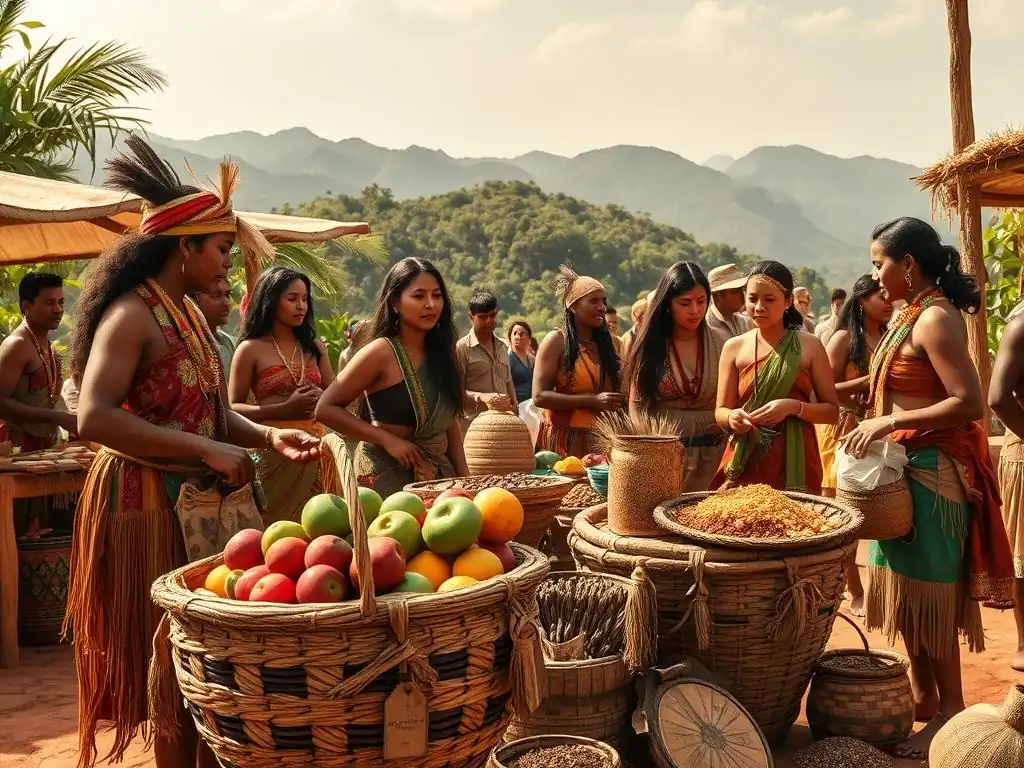
Long-distance trade practices among indigenous cultures in the Americas illustrate the complexity and sophistication of their economic systems. These practices facilitated not only the exchange of goods but also cultural interactions across vast distances. Different materials, including precious stones, shells, textiles, and food products, played significant roles in these trade networks. The intricate systems that developed over time highlight the importance of indigenous trade practices in shaping societies and economies across the continent.
The Trade of Precious Materials: Obsidian and Turquoise
Obsidian, a volcanic glass known for its sharp edges, was highly valued for tool-making and weaponry. Regions like Mesoamerica, particularly the area around present-day Mexico, were rich in obsidian deposits. Indigenous peoples traded obsidian widely, with evidence of its movement found as far north as the Great Basin and as far south as Central America. This trade not only provided access to critical resources but also established social connections among different tribes and groups.
Turquoise, another sought-after material, was often used in jewelry and ceremonial items. The Pueblo peoples of the Southwest actively traded turquoise with neighboring tribes and as far as Mesoamerica. The significance of turquoise transcended its aesthetic value; it held spiritual importance, symbolizing life and fertility. The trade of these precious materials reflects a sophisticated understanding of resource management and cultural exchange among indigenous societies.
The Role of Shells and Textiles in Long-Distance Exchanges
Shells, particularly those from the coasts, were integral to trade networks. The use of shell beads and other ornaments not only served as currency but also as status symbols. Coastal tribes traded shells with inland communities, who valued them for decoration and trade. For example, the use of marine shells by the Mississippian culture illustrates how coastal resources influenced inland economies.
Textiles also played a crucial role in long-distance trade. Woven goods from the Andean region, such as those produced by the Incas, were highly sought after and exchanged for other goods. The intricate designs and techniques of these textiles reflected cultural identities and were often imbued with meaning. The trade of shells and textiles highlights the diverse nature of indigenous trade practices and their impact on societal structures.
Food and Agricultural Products in Regional Trade
Agricultural products significantly contributed to trade networks, with staple foods like maize, beans, and squash being exchanged among various indigenous groups. The cultivation of these crops allowed for surplus production, which facilitated trade. For instance, the exchange of maize between the Great Plains tribes and those in the Eastern Woodlands illustrates how agricultural practices influenced trade dynamics.
Additionally, unique regional products such as cacao from Mesoamerica were highly prized and traded far beyond their growing regions. The use of cacao as a beverage in ceremonial contexts exemplifies how food items were not only traded for sustenance but also for cultural significance. Overall, the trade of food and agricultural products underscores the importance of resource distribution in indigenous economies.
Impact of Long-Distance Trade on Indigenous Societies
Long-distance trade had profound effects on indigenous societies, influencing their economies, cultures, and identities. The establishment of trade networks fostered interactions that led to economic growth but also posed challenges as societies adapted to changing dynamics.
Economic Benefits and Challenges of Expanded Trade
The expansion of trade networks brought significant economic benefits to indigenous societies. Access to a wider array of resources allowed communities to thrive and diversify their economies. For instance, groups that engaged in long-distance trade often experienced increased wealth and social stratification, as certain individuals or families monopolized trade routes or specific goods.
However, expanded trade also introduced challenges. Competition for resources could lead to conflicts between tribes and necessitate the development of alliances. Additionally, reliance on long-distance trade made some communities vulnerable to disruptions, whether from environmental changes, resource depletion, or conflicts with other groups. The dual nature of these economic benefits and challenges highlights the complexities within indigenous trade practices.
Cultural Exchange and the Influence of Trade on Indigenous Identity
Long-distance trade facilitated cultural exchange among indigenous peoples, enriching their societies and shaping identities. As communities interacted through trade, they shared customs, beliefs, and technologies, fostering a greater understanding of each other's cultures. The exchange of ideas and practices led to innovations in various aspects of life, including agriculture, art, and governance.
Moreover, trade contributed to the formation of collective identities. As different groups exchanged goods, they also reinforced their distinct cultural practices, creating a rich tapestry of indigenous identities across the Americas. The influence of trade on cultural exchange exemplifies the interconnectedness of indigenous societies and the significance of trade practices in their histories.
The Effects of European Colonization on Indigenous Trade Practices
The arrival of Europeans marked a significant turning point in indigenous trade practices. Initial interactions often led to the introduction of new goods and technologies, which some indigenous groups incorporated into their trade networks. However, European colonization also disrupted established trade systems, as new economic models emerged that prioritized European interests over indigenous practices.
The demand for furs, for instance, transformed traditional trade relationships among Native American tribes and European settlers, often resulting in the over-exploitation of resources and a shift in power dynamics. Indigenous peoples frequently found themselves at a disadvantage, adapting to changing markets and facing competition from European traders. The effects of colonization on indigenous trade practices underscore the profound and lasting impact of European colonization on indigenous economies and societies.
Conclusion
The transformation of indigenous trade practices in the Americas is a fascinating journey that showcases the ingenuity and adaptability of various cultures. From local resource utilization to expansive long-distance trade networks, these practices not only facilitated economic exchanges but also fostered social, cultural, and technological interactions among diverse indigenous groups. This evolution underscores the importance of understanding how these systems functioned and thrived long before European contact, revealing a complex web of relationships that shaped the societies involved.
Summary of the Transformation of Indigenous Trade Practices
Indigenous trade practices in the Americas underwent significant changes over time, evolving from small-scale local exchanges to intricate long-distance networks. Initially, trade was primarily local, focusing on the distribution of surplus goods within communities. As societies grew and developed, so too did their trading practices. The establishment of trade routes across vast distances allowed for the exchange of diverse resources, such as textiles, food, and raw materials.
Notably, the development of trade hubs, such as Cahokia in the Mississippi Valley or Tenochtitlan in the Aztec Empire, illustrated how concentrated economic activities could enhance resource distribution. These hubs became melting pots of culture and commerce, facilitating the exchange of not only goods but also ideas and technologies. The transformation culminated in a sophisticated system of trade that linked various indigenous groups, showcasing their ability to adapt and innovate in response to environmental and social changes.
Lasting Legacy of Indigenous Trade in Modern Economies
The legacy of indigenous trade practices is still evident in modern economies, influencing contemporary trade systems and cultural exchanges. Many of the trade routes established by indigenous peoples laid the groundwork for future economic interactions, demonstrating a sophisticated understanding of resource management and distribution.
Today, aspects of indigenous trade practices can be seen in the emphasis on sustainable practices and local economies. Indigenous knowledge of resource management continues to inform modern agricultural and environmental practices, emphasizing the importance of balance with nature. Furthermore, there is a growing recognition of the value of indigenous cultural heritage, with many modern businesses seeking to incorporate traditional practices and knowledge into their operations, thereby honoring the legacy of these ancient trade networks.
Future Research Directions on Indigenous Trade Practices in the Americas
Future research on indigenous trade practices in the Americas should focus on several key areas to deepen our understanding of this complex topic. First, interdisciplinary studies that combine archaeology, anthropology, and history can provide a more comprehensive view of trade networks and their socio-economic impacts.
Second, there is a need for more localized studies that examine specific regions and cultures, as this could uncover unique trading practices that have been overlooked. The integration of oral histories and traditional ecological knowledge into research can also shed light on the significance of trade in sustaining communities over generations.
Finally, exploring the effects of European colonization on indigenous trade practices is crucial for understanding the transformations that occurred during and after contact. Investigating how these practices adapted or were displaced due to colonization can provide insights into the resilience of indigenous cultures and their ongoing contributions to modern economies.
The study of indigenous trade practices in the Americas is rich with potential for uncovering the complexities of past societies and their lasting influence on contemporary economies and cultures.
- Introduction to Indigenous Trade Practices in the Americas
- Historical Context of Indigenous Trade Practices
- Local Use of Resources in Indigenous Societies
- Transition to Long-Distance Trade
- Case Studies of Long-Distance Trade Practices
- Impact of Long-Distance Trade on Indigenous Societies
- Conclusion
- What were the primary indigenous trade practices in the Americas?
- How did long-distance trade affect indigenous societies?
- What resources were commonly traded among indigenous groups?
- How did European colonization impact indigenous trade practices?
- Why is understanding indigenous trade important today?
Frequently Asked Questions
What were the primary indigenous trade practices in the Americas?
Indigenous trade practices involved extensive networks that facilitated the exchange of goods such as food, textiles, and tools across vast distances, promoting cultural interactions among different tribes.
How did long-distance trade affect indigenous societies?
Long-distance trade led to the development of complex societies, as it encouraged the specialization of labor and fostered social ties between tribes, enhancing their economic and cultural vitality.
What resources were commonly traded among indigenous groups?
Commonly traded resources included agricultural products, crafts, and ceramics. These items represented not only local needs but also the cultural identity of different indigenous groups.
How did European colonization impact indigenous trade practices?
European colonization disrupted indigenous trade by introducing new goods and altering trade routes, which often resulted in the decline of traditional practices and contributed to the exploitation of resources.
Why is understanding indigenous trade important today?
Understanding indigenous trade practices is crucial for recognizing the sophistication of pre-colonial societies and their sustainable resource management, which can inform contemporary discussions on economic resilience and cultural preservation.
Final Reflection: The Enduring Legacy of Indigenous Trade Practices
The transformation of resources from local use to long-distance trade is not just a historical phenomenon; it is a testament to the ingenuity and adaptability of indigenous communities. As we navigate a world increasingly driven by globalization, the lessons learned from indigenous trade practices in the Americas resonate more than ever. These practices remind us of the importance of sustainable resource management and the deep connections forged through trade, which can serve as a model for contemporary economic systems.
The influence of indigenous trade practices extends far beyond their historical context; they continue to shape cultural identities and social structures today. The intricate networks established by indigenous peoples fostered not only economic exchanges but also the sharing of knowledge, traditions, and values. As we reflect on this, we are reminded of the words of author and activist Robin Wall Kimmerer: The land is alive, and it is speaking to us, if we only listen.
This sentiment underscores the importance of recognizing and honoring the wisdom embedded in these practices, which can guide us toward a more equitable and sustainable future.
As we conclude our exploration of indigenous trade practices, I invite you to reflect on how these lessons can be applied in your own life. Consider the ways in which you engage with resources, communities, and cultures. Are there opportunities for you to foster connections that honor the past while paving the way for a more sustainable future? By embracing the principles of reciprocity and respect that underpin indigenous trade, we can all contribute to a world that values collaboration over competition and sustainability over exploitation.
Embrace the Future of Resource Management!
Thank you for embarking on the transformative journey of understanding resource management in indigenous civilizations. We hope you gained valuable insights into how local practices evolved into dynamic long-distance trade networks. Now, it’s your turn to make a difference!
Here are a few actionable steps you can take to engage with this fascinating topic:
- Dive Deeper: Research and explore traditional resource management practices within your community. Reflect on how these approaches can inform contemporary sustainability efforts.
- Share Your Thoughts: Participate in discussion forums to exchange ideas with others who are interested in indigenous economies and resource utilization.
- Adopt Sustainable Habits: Practice mindful consumption by choosing locally sourced products and supporting indigenous businesses in your area.
What innovative methods can you envision to connect local resources with global communities? Let’s discuss in the comments!