
Unearthing Wealth: The Significance of Resource Distribution in PreColumbian Societies

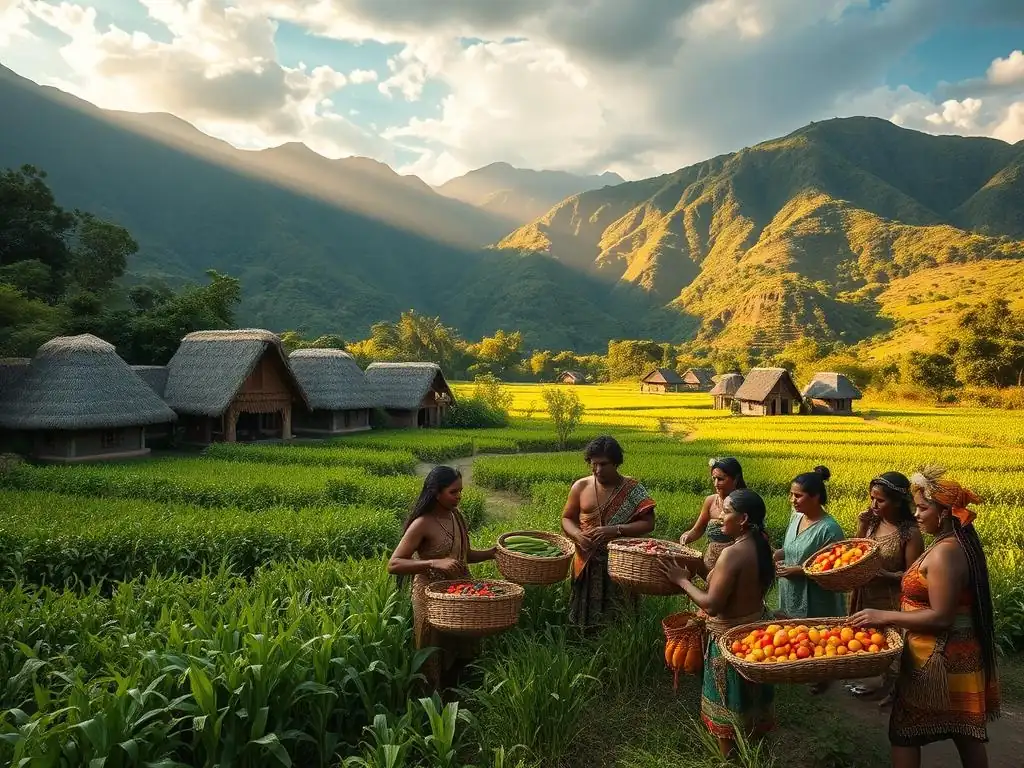
Welcome to Indigenous Civilizations of the Americas, where we invite you to embark on a journey through the rich tapestry of pre-Columbian cultures that flourished long before European contact. Here, you'll discover the significance of resource distribution in shaping the vibrant societies of the Americas, revealing their intricate trade networks and economic ingenuity. Prepare to be captivated by the remarkable achievements of these civilizations, as we delve into how their resource management laid the groundwork for enduring legacies that continue to influence our world today.
Join us in uncovering the wealth of knowledge that awaits you in our featured article, "Unearthing Wealth: The Significance of Resource Distribution in Pre-Columbian Societies." Your exploration starts now!
In the tapestry of human history, the indigenous civilizations of the Americas stand out for their profound connection to the land and their innovative approaches to resource management. The concept of resource distribution in pre-Columbian societies is a critical yet often overlooked aspect of their economies and cultures. By examining how these societies effectively utilized and shared their resources, we gain insights into their social structures, trade networks, and the sustainability practices that allowed them to thrive for centuries.
This article delves into the significance of resource distribution in pre-Columbian societies, revealing how it shaped their economies, facilitated trade, and underpinned their cultural identities. Understanding these dynamics not only enhances our appreciation of indigenous achievements but also highlights the lessons we can draw from their sustainable practices in today's world.
Introduction to Pre-Columbian Resource Distribution
Overview of Pre-Columbian Societies
Pre-Columbian societies were incredibly diverse, ranging from the nomadic tribes of the Great Plains to the sophisticated urban centers of the Aztec and Inca empires. Each group developed unique methods of resource management, tailored to their environments. For instance, the agricultural practices of the Maya incorporated advanced techniques such as terracing and slash-and-burn farming, which maximized crop yields.
In contrast, the Inuit of the Arctic relied on a rich understanding of marine resources and migration patterns to sustain their communities. These varied approaches to resource distribution not only supported their populations but also fostered complex social and trade networks that linked different cultures across the continent.
Importance of Resource Distribution in Indigenous Economies
Resource distribution played a pivotal role in the economy of pre-Columbian societies. It determined the flow of goods and services, influenced social hierarchies, and shaped community relationships. The exchange of resources, whether through trade or communal sharing, was a vital aspect of social cohesion.
For example, the extensive trade networks established by the Mississippian culture allowed for the circulation of goods such as copper, salt, and shells, which were not locally available. This not only enriched their economies but also facilitated cultural exchange and the spread of ideas. Understanding the importance of resource distribution in these societies sheds light on their resilience and adaptability in the face of environmental challenges and changing social dynamics.
Understanding Resource Distribution in Pre-Columbian Context
Definition of Resource Distribution in Indigenous Cultures
In the context of indigenous cultures, resource distribution refers to the ways in which communities allocate and share their natural resources, including land, water, food, and materials for tools and shelter. This distribution was often governed by a combination of traditional practices, social norms, and environmental factors. Indigenous societies typically recognized the importance of collective stewardship of resources, ensuring that they were used sustainably to benefit current and future generations. The concept of "ownership" differed significantly from European notions; instead of individual ownership, resources were often viewed as communal assets, integral to the identity and survival of the community.
Key Resources in Pre-Columbian Societies
The significance of resource distribution in pre-Columbian societies can be further understood through an exploration of key resources that shaped their economies:
| Resource | Description | Societal Impact |
|---|---|---|
| Maize | Staple crop that formed the basis of diet | Supported population growth and urbanization |
| Pottery | Essential for cooking, storage, and trade | Facilitated trade networks and cultural exchange |
| Cacao | Used as currency and in rituals | Created economic value and social status |
| Salt | Vital for food preservation and trade | Fostered trade relationships and territorial control |
| Fish and game | Primary food sources in many regions | Sustained communities and influenced settlement patterns |
These resources not only fueled the economies of pre-Columbian societies but also played a crucial role in their cultural and social structures, demonstrating the intricate connections between environment, economy, and identity. Understanding these dynamics is essential for appreciating the complexities of indigenous civilizations and their lasting legacies.
The Economic Framework of Pre-Columbian Resource Distribution
Pre-Columbian societies in the Americas developed complex economic frameworks that facilitated the distribution of resources across vast territories. These frameworks were not merely transactional; they were deeply embedded in the social, cultural, and political structures of indigenous communities. Resource distribution was often dictated by geographic availability, social hierarchies, and the cultural significance of certain goods.
The economic activities of these societies included agriculture, hunting, gathering, and crafting, which all contributed to a rich tapestry of local economies. Different regions specialized in specific resources, leading to a diverse array of goods that were critical for trade and exchange. For instance, the abundance of maize in Mesoamerica allowed for significant agricultural surplus, which was essential for population growth and urbanization.
Moreover, the economic framework was characterized by intricate trade networks that interconnected various cultures, enabling the flow of goods across regions. The significance of resource distribution in these networks illustrates how indigenous civilizations not only adapted to their environments but also strategically utilized their resources to enhance their societal structures.
Trade Networks and Their Role in Resource Distribution
Trade networks were vital to the economic vitality of pre-Columbian societies. These networks facilitated the exchange of commodities ranging from foodstuffs to luxury items, thereby enhancing social ties and cultural exchange among diverse groups. Major trade routes, such as the extensive networks established by the Inca and the Mesoamerican cultures, allowed for the movement of goods over long distances.
The exchange of goods was often accompanied by the transfer of ideas, technologies, and cultural practices. For example, the trade in cacao and textiles not only provided economic benefits but also fostered cultural connections between communities. The establishment of trade routes was influenced by geographic features, such as rivers and mountains, which shaped the paths merchants would take.
Additionally, the motivations for trade extended beyond mere economic gain. Rituals and ceremonies often accompanied exchanges, signifying the importance of relationships and mutual respect among trading partners. This multifaceted role of trade networks underscores their critical significance in the broader context of pre-Columbian resource distribution.
Barter Systems and Economic Exchanges
Barter systems were the foundation of economic exchanges in pre-Columbian societies, enabling communities to trade goods and services directly without the use of a standardized currency. This method of exchange allowed for flexible transactions tailored to the needs and desires of the parties involved.
For example, a farmer might trade surplus corn for pottery from a local artisan, creating a mutually beneficial relationship that reinforced community bonds. The absence of currency did not impede trade; rather, it created a system where value was determined by the perceived worth of goods and services at any given time.
Furthermore, barter systems often involved complex negotiations, reflecting the social dynamics and relationships within communities. The systems were also influenced by seasonal availability, as certain goods would become more desirable during harvest times or festivals. This adaptability highlights the significance of resource distribution as an integral part of economic life in pre-Columbian societies.
Regional Variations in Resource Management
Resource management varied significantly across the diverse regions of the Americas, influenced by environmental factors, cultural practices, and social structures. In the arid Southwest, for example, indigenous groups developed sophisticated irrigation systems to cultivate crops in challenging conditions, demonstrating a deep understanding of their environment.
In contrast, the lush forests of the Pacific Northwest provided abundant resources, leading to a different approach to resource management. Here, communities heavily relied on fishing and gathering, creating a sustainable economy built around the seasonal availability of resources.
The variations in resource management also reflected the social organization of these communities. Societies with hierarchical structures often had more centralized control over resource distribution, while egalitarian societies tended to distribute resources more evenly among members. Understanding these regional variations highlights the adaptability and resilience of pre-Columbian societies in managing their resources effectively.
Cultural Significance of Resource Distribution
The significance of resource distribution extended well beyond mere economic considerations; it played a crucial role in cultural identity and social cohesion among pre-Columbian societies. Resources were not only essential for survival but also held cultural, spiritual, and communal value.
Social Hierarchies and Access to Resources
Access to resources often reinforced social hierarchies within pre-Columbian societies. In many cases, elite classes had preferential access to valuable goods, such as precious metals or luxury items, which were used to display wealth and power. This disparity in access created social stratification, where those in higher positions could leverage their control over resources to maintain authority and influence.
Moreover, resource distribution played a role in political alliances and conflict. Access to trade routes and valuable resources often determined the power dynamics between different groups, leading to both cooperation and competition. The interplay between social hierarchies and resource distribution illustrates how economic factors were deeply intertwined with the sociopolitical landscape of pre-Columbian civilizations.
Resource Distribution and Community Cohesion
Community cohesion was significantly influenced by resource distribution, as shared access to resources fostered social bonds and collective identity. Communal practices, such as shared hunting or agricultural activities, not only ensured food security but also strengthened ties among community members.
Ceremonial gatherings often revolved around the distribution of resources, where food, textiles, or crafts were shared during festivals and rituals. These events served to reinforce social networks and establish a sense of belonging within the community. The importance of collective resource management highlights the communal aspect of pre-Columbian societies, where the well-being of individuals was intrinsically linked to the health of the group as a whole.
Spiritual and Cultural Symbolism of Resources
Resources in pre-Columbian societies often carried deep spiritual and cultural significance. Many indigenous groups viewed natural resources as gifts from the earth, imbued with sacred meaning. For instance, maize was not merely a staple food but a central element of creation stories, symbolizing life and sustenance.
The symbolism associated with resources also influenced artistic expressions, rituals, and belief systems. Items like jade, feathers, and textiles were not only used for trade but also held spiritual significance, often being incorporated into religious ceremonies and offerings. The intertwining of resource distribution with spiritual beliefs underscores the profound connection between the environment and cultural identity in pre-Columbian societies.
Case Studies of Resource Distribution in Pre-Columbian Civilizations
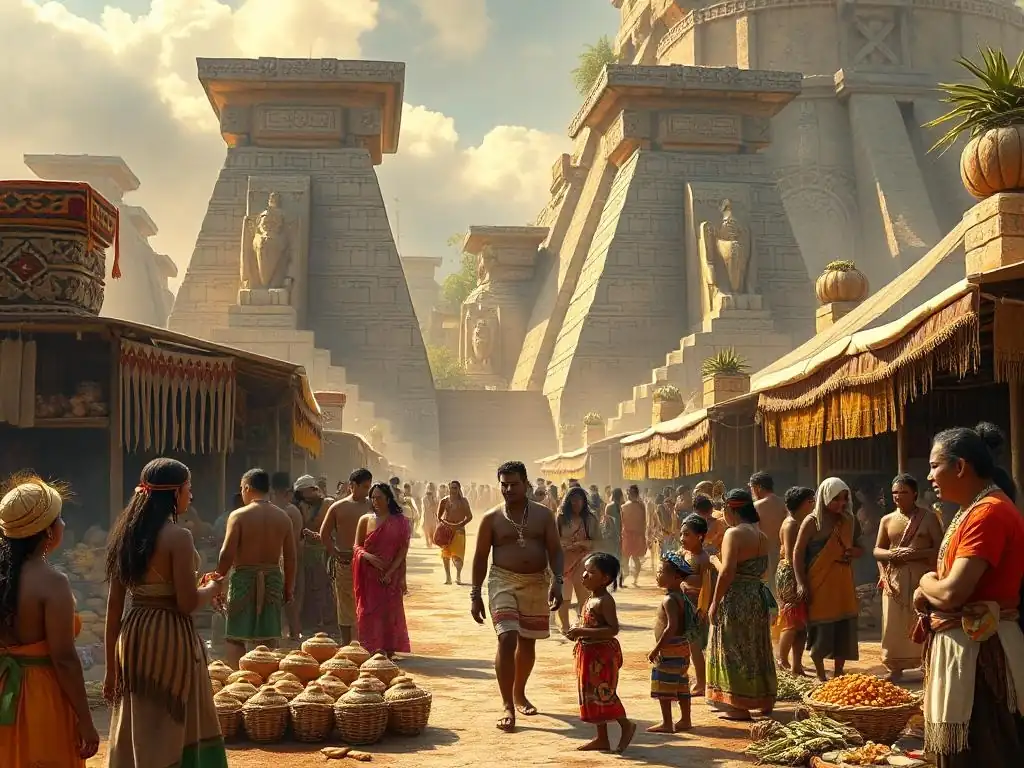
Understanding the significance of resource distribution in Pre-Columbian societies requires examining specific civilizations that exemplified innovative approaches to managing and utilizing their natural wealth. By analyzing the Maya, Inca, and Mississippian cultures, we can gain insights into how these societies thrived through sophisticated resource management practices.
The Maya Civilization: Agricultural Innovations and Trade
The Maya civilization, flourishing in Mesoamerica from about 2000 BCE to the arrival of Europeans, is renowned for its advanced agricultural techniques and extensive trade networks. The Maya utilized a variety of farming methods, such as slash-and-burn agriculture and terrace farming, to cultivate crops like maize, beans, and squash, which formed the backbone of their diet.
Their agricultural innovations allowed them to support large populations and facilitated trade both locally and with distant regions. The Maya established vibrant marketplaces where goods such as textiles, pottery, and obsidian were exchanged. This trade not only enhanced their economy but also fostered cultural exchange and unity among different city-states. Furthermore, the Maya's understanding of resource distribution was deeply connected to their religious beliefs, as they viewed agriculture as a sacred duty linked to their deities.
The Inca Empire: Centralized Resource Management
The Inca Empire, which spanned much of the western coast of South America from the early 15th century until Spanish conquest in the 16th century, exemplified centralized resource management. The Incas developed an extensive system of state-controlled agriculture, employing advanced techniques such as irrigation, terracing, and crop rotation to maximize yields.
The Inca government maintained granaries and storage facilities throughout the empire to manage surplus resources, ensuring food security during times of famine or drought. They also utilized a system of labor taxation known as "mit'a," which required citizens to work on state projects, including agricultural production and infrastructure development. This centralized approach allowed the Incas to efficiently distribute resources across diverse regions, adapting to varying environmental conditions and ensuring the welfare of their population.
The Mississippian Culture: River Systems and Trade Routes
The Mississippian culture, which thrived in the southeastern United States from approximately 800 CE to 1600 CE, was characterized by its reliance on river systems for resource distribution and trade. Major riverways, such as the Mississippi River, served as vital highways for transporting goods and facilitating communication among communities.
The Mississippians practiced intensive agriculture, cultivating crops like maize, beans, and sunflowers, which were often exchanged at large ceremonial centers such as Cahokia. These centers acted as hubs of trade, drawing people from surrounding areas to participate in commerce and cultural exchange. The strategic location of Mississippian settlements along river routes allowed them to exploit the rich natural resources of their environment, including fish, game, and fertile land, making them a significant force in regional trade networks.
Challenges and Adaptations in Resource Distribution
Despite their successes, Pre-Columbian societies faced numerous challenges concerning resource distribution. Environmental factors, climate variability, and societal adaptations played critical roles in shaping their economies and survival strategies.
Environmental Factors Affecting Resource Distribution
Environmental factors significantly influenced resource distribution in Pre-Columbian societies. Geography, climate, and natural resources dictated agricultural practices and settlement patterns. For instance, mountainous regions posed challenges for agricultural expansion, while river valleys provided fertile soil conducive to farming.
Additionally, seasonal variations in rainfall and temperature affected crop yields and resource availability. Societies like the Maya had to adapt their agricultural techniques to cope with droughts and floods, often resulting in the development of water management systems and crop diversification strategies to mitigate the risks associated with environmental unpredictability.
Responses to Resource Scarcity in Pre-Columbian Societies
Resource scarcity prompted innovative responses among Pre-Columbian societies. When faced with agricultural shortfalls or resource depletion, these cultures developed strategies to adapt and survive. For instance, the Ancestral Puebloans of the American Southwest implemented dry farming techniques and constructed extensive irrigation systems to efficiently manage scarce water resources.
In some cases, communities would engage in long-distance trade to acquire essential goods and resources not available in their immediate environment. This adaptability not only ensured their survival but also fostered resilience within their societies, enabling them to thrive amid challenges.
The Impact of Climate Change on Resource Management
Climate change had profound implications for resource management in Pre-Columbian societies. Shifts in climate patterns, such as prolonged droughts or periods of excessive rainfall, could lead to significant disruptions in agricultural production and resource availability. For example, the collapse of the Classic Maya civilization has been partially attributed to a series of severe droughts that diminished water supply and agricultural output.
In response to changing climatic conditions, many societies developed sophisticated resource management strategies, including crop diversification, soil conservation practices, and the establishment of trade networks to mitigate the impacts of climate variability. These proactive adaptations highlight the resilience of Pre-Columbian cultures in the face of environmental challenges, underscoring the significance of resource distribution in their survival and prosperity.
The Legacy of Pre-Columbian Resource Distribution
The distribution of resources in Pre-Columbian societies played a crucial role in shaping the social, economic, and cultural landscapes of indigenous civilizations throughout the Americas. These societies developed sophisticated methods of resource management and trade that allowed them to thrive in diverse environments, from the arid deserts of the Southwest to the lush rainforests of the Amazon. The legacy of their resource distribution practices can be seen in the archaeological remains of trade routes, storage facilities, and agricultural innovations that facilitated the exchange of goods and services across vast distances.
Pre-Columbian civilizations, such as the Maya, Aztec, and Inca, utilized their surrounding natural resources efficiently. They cultivated crops like maize, beans, and squash, known as the "Three Sisters," which were vital for sustenance and could be grown in tandem due to their complementary growth patterns. Additionally, the management of resources like water through sophisticated irrigation systems illustrates their advanced understanding of environmental stewardship. This careful planning and allocation of resources contributed to the stability and growth of these societies, establishing a foundation that influenced subsequent generations.
Lasting Impacts on Modern Indigenous Communities
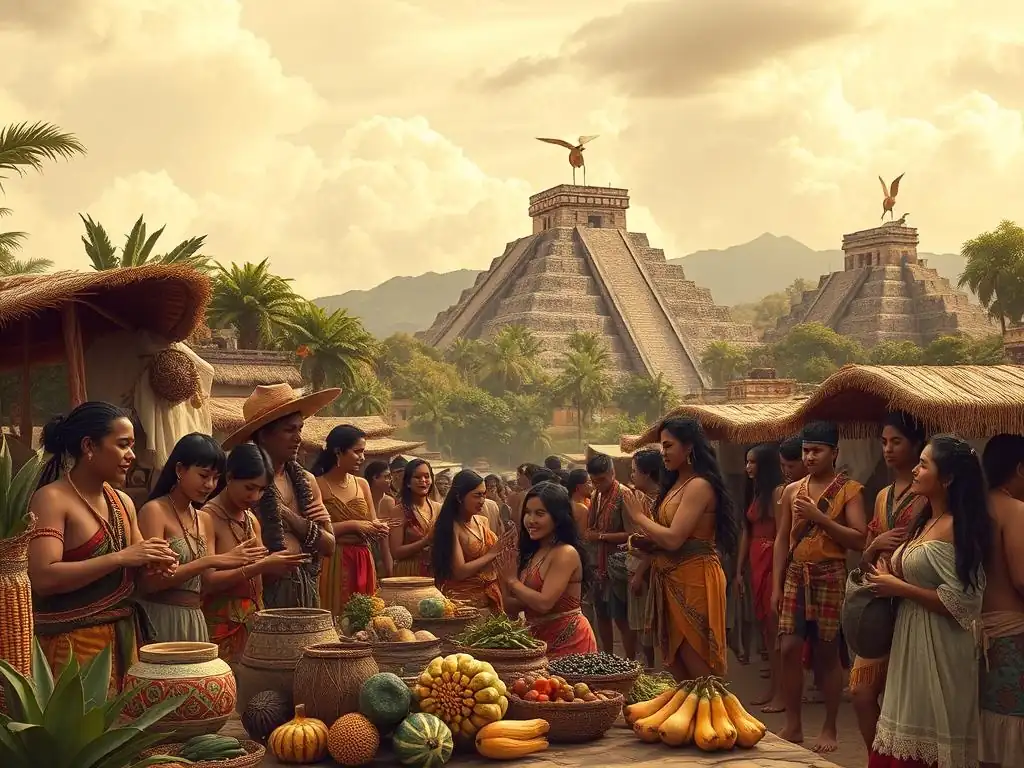
The impacts of Pre-Columbian resource distribution extend far beyond historical contexts, resonating within modern indigenous communities. Many contemporary indigenous peoples continue to rely on traditional ecological knowledge, which is rooted in ancestral practices of resource management. This knowledge, often passed down through generations, emphasizes sustainable practices that respect the balance of ecosystems.
Moreover, the historical significance of resource distribution fosters a sense of identity and cultural heritage among modern indigenous groups. By reviving traditional practices and frameworks of resource governance, these communities not only honor their ancestors but also address present-day challenges, such as climate change and economic disparity. Collaborative initiatives focused on land stewardship and resource management exemplify how these legacies can empower indigenous communities to reclaim their rights and forge sustainable futures.
Historical Perspectives on Resource Management
A historical perspective on resource management reveals a rich tapestry of strategies that Pre-Columbian societies employed to navigate their environments. These strategies varied significantly based on geographical location, available resources, and cultural practices. For instance, the Inca Empire is renowned for its extensive road networks that facilitated trade and communication across mountainous terrains, while the Mississippian culture utilized river systems to enhance agricultural productivity.
Archaeological findings indicate that resource management was not merely an economic endeavor but also a cultural one. Rituals, social hierarchies, and governance structures often revolved around resource allocation, reflecting the intertwined nature of spirituality and economics in these societies. Understanding these historical frameworks provides valuable insights into how past societies prioritized resource distribution and how these priorities shaped their development and interactions with neighboring cultures.
Lessons Learned from Pre-Columbian Resource Distribution
The study of Pre-Columbian resource distribution offers essential lessons for contemporary society, particularly in the context of sustainability and environmental stewardship. One crucial lesson is the importance of local knowledge in managing resources effectively. Indigenous societies thrived by adapting their resource management practices to the specific ecological conditions of their environments, highlighting the need for localized approaches in addressing today's environmental challenges.
Additionally, the interconnectedness of trade networks in Pre-Columbian societies underscores the significance of collaboration and reciprocity in resource distribution. Modern economies can benefit from embracing these principles by fostering partnerships that prioritize equitable resource sharing and community resilience. By learning from the past, contemporary societies can develop more inclusive and sustainable approaches to resource management that honor both people and the planet.
Conclusion: The Enduring Significance of Resource Distribution
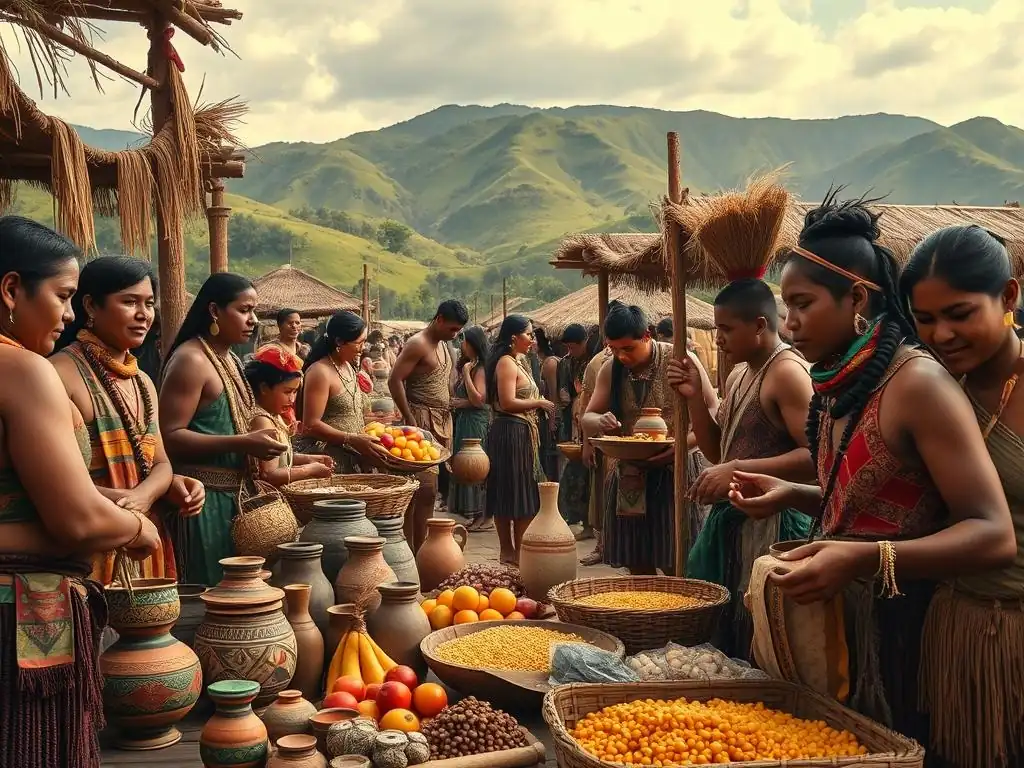
The significance of resource distribution in Pre-Columbian societies cannot be overstated. It was a foundational aspect of their cultures that influenced every facet of life, from social organization to economic stability. As we reflect on the achievements of these civilizations, it is clear that their sophisticated understanding of resource management has lasting implications for both historical scholarship and modern indigenous practices.
Summary of Key Points on Pre-Columbian Resource Distribution Significance
- Cultural Integration: Resource distribution was integral to the cultural identities of Pre-Columbian societies, influencing social structures and rituals.
- Environmental Stewardship: Indigenous practices emphasized sustainable use of resources, providing a model for modern ecological management.
- Economic Networks: Trade routes and resource exchanges were vital for economic stability and interconnectedness among diverse civilizations.
- Ancestral Knowledge: The legacies of resource management practices continue to inform contemporary indigenous communities, promoting resilience and sustainability.
Future Research Directions in Indigenous Resource Distribution Studies
Future research on indigenous resource distribution should focus on several key areas:
- Interdisciplinary Approaches: Combining archaeology, anthropology, and environmental science to create a comprehensive understanding of resource management practices.
- Community Involvement: Engaging modern indigenous communities in research to incorporate traditional ecological knowledge and contemporary challenges.
- Impact of Climate Change: Examining how historical resource distribution practices can inform current strategies for climate resilience and adaptation.
- Comparative Studies: Analyzing resource distribution across different indigenous cultures to identify common strategies and unique adaptations.
By pursuing these research directions, scholars can deepen their understanding of the significance of Pre-Columbian resource distribution and its relevance to contemporary society.
- Introduction to Pre-Columbian Resource Distribution
- Understanding Resource Distribution in Pre-Columbian Context
- The Economic Framework of Pre-Columbian Resource Distribution
- Cultural Significance of Resource Distribution
- Case Studies of Resource Distribution in Pre-Columbian Civilizations
- Challenges and Adaptations in Resource Distribution
- The Legacy of Pre-Columbian Resource Distribution
- Lasting Impacts on Modern Indigenous Communities
- Historical Perspectives on Resource Management
- Lessons Learned from Pre-Columbian Resource Distribution
- Conclusion: The Enduring Significance of Resource Distribution
- Summary of Key Points on Pre-Columbian Resource Distribution Significance
- Future Research Directions in Indigenous Resource Distribution Studies
- What is the significance of resource distribution in Pre-Columbian societies?
- How did resource distribution affect indigenous cultures before European colonization?
- What types of resources were commonly distributed in Pre-Columbian societies?
- In what ways did resource distribution impact social structures?
- How does understanding resource distribution enhance our knowledge of indigenous civilizations?
Frequently Asked Questions
What is the significance of resource distribution in Pre-Columbian societies?
The significance of resource distribution in Pre-Columbian societies lies in its role in shaping trade networks, social hierarchies, and sustaining large populations, which ultimately contributed to their cultural achievements.
How did resource distribution affect indigenous cultures before European colonization?
Resource distribution facilitated economic exchange and strengthened community ties, allowing diverse indigenous cultures to thrive and develop complex societies with rich traditions and innovations.
What types of resources were commonly distributed in Pre-Columbian societies?
Pre-Columbian societies commonly distributed agricultural products, minerals, and crafted goods, which were vital for sustaining communities and fostering inter-group relationships through trade.
Resource distribution often created social hierarchies based on control and access to valuable resources, influencing the political dynamics and governance within various indigenous communities.
How does understanding resource distribution enhance our knowledge of indigenous civilizations?
Understanding the resource distribution significance allows us to appreciate the complexity and interconnectedness of indigenous civilizations, revealing their sophisticated approaches to managing and utilizing their environments effectively.
Final Reflection: The Enduring Legacy of Pre-Columbian Resource Distribution
The significance of resource distribution in Pre-Columbian societies remains profoundly relevant today, as it sheds light on the intricate relationships between culture, economy, and sustainability. Understanding how these ancient civilizations managed their resources not only informs our historical perspective but also challenges us to rethink our modern approaches to wealth and resource management. The lessons learned from their successes and failures can inspire contemporary societies to create more equitable systems that prioritize community well-being over individual gain.
The influence of Pre-Columbian resource distribution continues to resonate in our cultural and social landscapes, reminding us of the interconnectedness of communities and the importance of equitable access to resources. As we navigate the complexities of modern economies, it is essential to recognize that the principles of cooperation and shared prosperity are not new; they have deep roots in our history. The greatest wealth is to live content with little.
This quote encapsulates the wisdom of prioritizing balance and sustainability over unchecked accumulation, a lesson that echoes through time and remains pertinent in our quest for social justice.
As you reflect on the themes presented in this article, consider how the principles of resource distribution can be applied in your own life and community. Embrace the challenge of fostering equity and sustainability in your interactions and decisions. By acknowledging the lessons of the past, we can pave the way for a future where resources are shared wisely, ensuring that all members of society thrive. Let us take inspiration from the ingenuity of Pre-Columbian societies and strive to create a world that honors the principles of fairness and collective well-being.
Uncover Your Role in Honoring Indigenous Wisdom!
Thank you for journeying with us through the fascinating world of Pre-Columbian societies and their resource distribution. We hope you've gained valuable insights into the rich traditions and systems that shaped these communities. Now, it's time to take meaningful action in honoring and learning from Indigenous wisdom.
Here are some steps you can take to deepen your understanding and support contemporary Indigenous communities:
- Engage with Local Indigenous Organizations: Seek out and connect with Indigenous groups in your area. Attend events, participate in workshops, or volunteer to support their initiatives.
- Explore Indigenous Literature and Art: Dive into books, art, and media created by Indigenous voices. Sharing these resources widens understanding and appreciation of their cultures.
- Join the Conversation: Start or contribute to discussions about resource distribution in both historical and modern contexts, whether online or in your local community.
What aspect of Indigenous resource distribution resonated with you the most, and how do you plan to incorporate these lessons into your life?