
Trade Routes and Resource Allocation: The Economic Strategies of Indigenous Societies

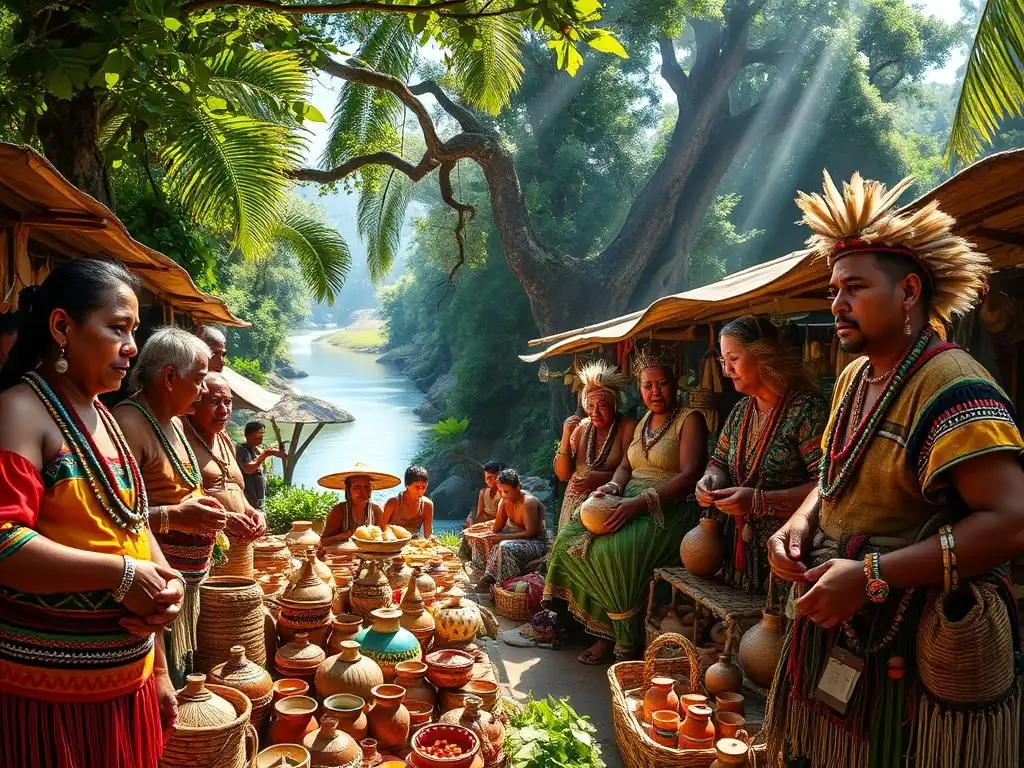
Welcome to Indigenous Civilizations of the Americas, where we delve into the rich tapestry of cultures that flourished long before European contact. In our exploration of Indigenous economic strategies in the Americas, we invite you to uncover the intricate trade routes and resource allocation methods that shaped the lives and societies of diverse indigenous peoples. Discover how these remarkable strategies not only sustained their communities but also laid the groundwork for future economic interactions. Join us on this enlightening journey and let the stories of resilience and ingenuity inspire your understanding of the past!
- Introduction to Indigenous Economic Strategies in the Americas
- The Significance of Trade Routes in Indigenous Economies
- Resource Allocation in Indigenous Societies
- Case Studies of Indigenous Economic Strategies
- The Impact of Geography on Indigenous Economic Strategies
- Modern Implications and Lessons from Indigenous Economic Strategies
- Conclusion
-
Frequently Asked Questions
- What are the main economic strategies of indigenous societies in the Americas?
- How did trade routes impact indigenous communities?
- What role did resource allocation play in indigenous economies?
- Can you provide examples of successful indigenous economic strategies?
- How do indigenous economic strategies influence modern practices?
- Final Reflection: The Enduring Legacy of Indigenous Economic Strategies
- Uncover the Wisdom of Indigenous Economic Strategies!
Introduction to Indigenous Economic Strategies in the Americas
The indigenous civilizations of the Americas developed intricate economic strategies that were integral to their societies long before European contact. These strategies were not merely about trade; they encompassed a holistic understanding of resource allocation, social organization, and environmental stewardship. By examining the diverse indigenous cultures, we can gain insight into how they managed their economies, utilized their natural resources, and established complex trade networks.
This comprehensive exploration highlights the ingenuity and adaptability of indigenous peoples in fostering sustainable economic practices that were uniquely tailored to their environments and cultural contexts. Understanding these economic strategies is crucial to appreciating the rich tapestry of indigenous life and the profound impact these societies had on the Americas.
Overview of Indigenous Societies and Economies
Indigenous societies across the Americas exhibited a remarkable variety of economic practices, shaped by their geographic locations, cultural beliefs, and available resources. From the agricultural communities of the Mississippi River Valley to the nomadic tribes of the Great Plains, each society developed distinct systems of production, trade, and resource management.
- Agricultural Societies: Many indigenous groups, such as the Maya and the Inca, practiced advanced agriculture, utilizing techniques like terrace farming and crop rotation. They cultivated staple crops such as corn, beans, and squash, which were not only vital for sustenance but also served as trade goods.
- Hunter-Gatherer Economies: In contrast, tribes like the Lakota and other Plains nations relied on hunting and gathering, moving seasonally to follow animal migrations and harvest wild plants. This lifestyle required a deep understanding of the land and its cycles, leading to a sustainable relationship with nature.
- Trade Networks: Indigenous peoples established extensive trade networks that facilitated the exchange of goods, ideas, and cultural practices. For instance, the Cahokia civilization thrived on trade, connecting various regions through a vast network that included the exchange of tools, pottery, and other resources.
Understanding the diverse economic systems of these societies reveals how indigenous peoples not only survived but thrived in their environments. Their adaptive strategies showcase a profound relationship with the land and resources, laying the groundwork for complex economic interactions.
Importance of Trade Routes in Indigenous Cultures
Trade routes served as the lifeblood of indigenous economies, fostering connections between disparate communities and enabling the exchange of goods and knowledge. These routes were not just pathways for commerce; they were vital in shaping social relationships and cultural exchanges.
- Economic Interdependence: By establishing trade routes, indigenous societies created a network of economic interdependence. For example, coastal tribes might trade fish and shellfish with inland agricultural communities for crops and pottery. This interdependence created a web of relationships that strengthened community ties.
- Cultural Exchange: Trade routes also facilitated the exchange of ideas, technology, and cultural practices. The movement of goods often accompanied the flow of information, leading to the sharing of agricultural techniques, spiritual beliefs, and artistic expressions.
- Strategic Resource Allocation: The strategic placement of trade routes allowed indigenous peoples to optimize resource allocation. By connecting resource-rich areas with those in need, they ensured that communities could access essential materials, fostering resilience and adaptability in their economies.
Trade routes were fundamental to the economic strategies of indigenous societies, enhancing their ability to thrive in a diverse and often challenging landscape. Understanding these routes and their significance provides valuable insights into the sophisticated economic frameworks that indigenous peoples established long before European colonization.
The Significance of Trade Routes in Indigenous Economies
Historical Context of Trade Routes in the Americas
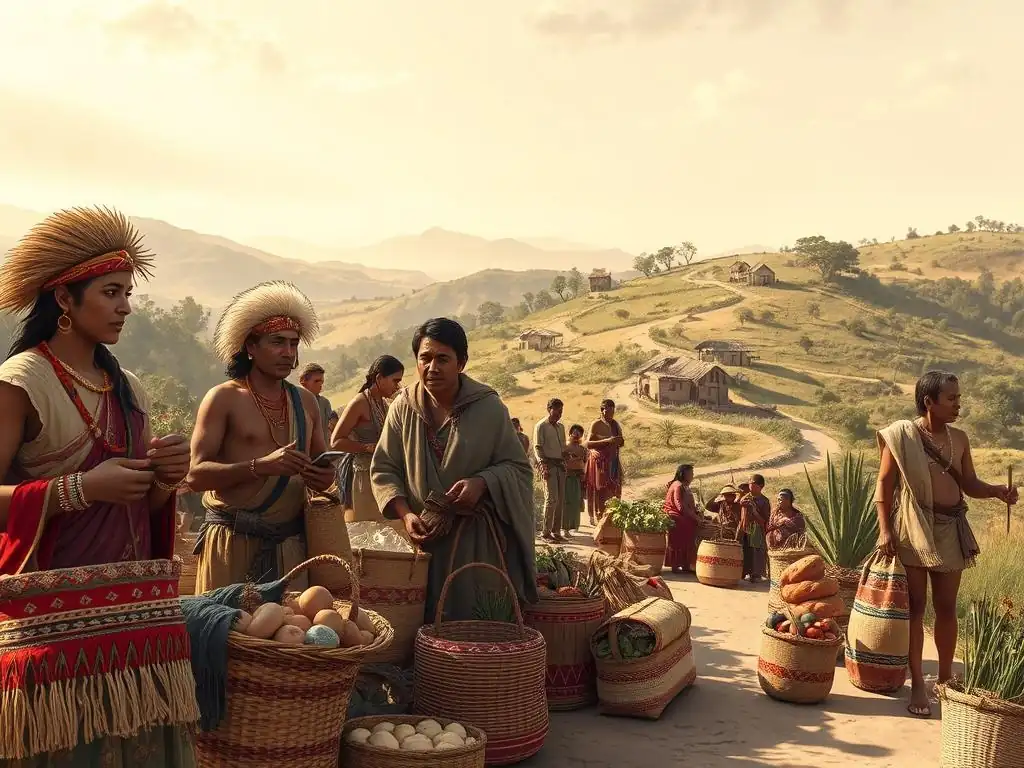
Trade routes played a vital role in the economic strategies of indigenous societies across the Americas. Long before European contact, these routes facilitated not only the exchange of goods but also cultural interactions and the spread of knowledge among diverse groups. The extensive trade networks often spanned vast distances, connecting disparate communities and allowing for the distribution of resources that were not locally available.
Key Historical Insights:
- Pre-Columbian Trade: Evidence suggests that trade routes existed as early as 3000 BCE, with major civilizations such as the Maya, Aztec, and Inca developing sophisticated systems for trade and resource allocation.
- Cultural Exchange: Trade was not limited to material goods; it also included the sharing of technologies, agricultural practices, and religious beliefs, fostering a rich cultural tapestry that contributed to the resilience and adaptability of indigenous societies.
- Resource Scarcity and Distribution: Indigenous economic strategies were often shaped by the geographic distribution of resources. Communities near valuable resources, such as obsidian or salt, became central trade hubs, while others relied on these routes to access materials they lacked.
Types of Trade Routes Used by Indigenous Societies
Indigenous societies in the Americas utilized a variety of trade routes, each adapted to their geographic and environmental contexts. The three primary types of trade routes were overland, riverine, and maritime pathways, each offering unique advantages and challenges.
Overland Trade Routes
Overland trade routes were essential for connecting communities across vast land areas. These routes were often established over well-trodden pathways that linked villages and towns.
- Trail Networks: Indigenous populations created extensive networks of trails that facilitated the movement of goods and people. For example, the Ancestral Puebloans used a series of trails across the Southwest to trade pottery and agricultural products.
- Pack Animals: Certain societies, such as the Inca in the Andes, utilized llamas as pack animals to transport goods over rugged terrains, enabling efficient resource distribution across difficult landscapes.
- Trade Fairs: Seasonal trade fairs were organized at strategic locations, allowing various groups to gather, exchange goods, and reinforce social ties.
Riverine Trade Networks
Rivers served as vital arteries for trade, providing a natural means of transportation for goods and people.
- Transportation and Navigation: Indigenous peoples developed canoes and rafts for navigating rivers, which allowed them to move goods quickly and efficiently. The Mississippi River served as a major trade route for various tribes, facilitating the exchange of fish, furs, and agricultural products.
- Fishing and Resource Harvesting: Riverine routes not only enabled trade but also supported subsistence economies through fishing and foraging, contributing to a holistic approach to resource management.
- Cultural Exchange: Riverine networks often acted as conduits for cultural exchange, as tribes would gather along rivers to trade, share stories, and intermarry, fostering relationships that transcended territorial boundaries.
Maritime Trade Pathways
Coastal and maritime trade routes were critical for societies located near oceans, seas, and large lakes, allowing them to access a wide variety of resources.
- Fishing and Marine Resources: Coastal indigenous groups, such as the Pacific Northwest tribes, relied heavily on marine resources, trading fish, shellfish, and sea otters. Their advanced boat-building techniques enabled them to traverse open waters.
- Trade of Exotic Goods: Maritime routes allowed for the exchange of exotic goods, including shells, salt, and textiles, between coastal and inland communities. For instance, the Chumash people of California developed extensive maritime trade networks that reached into the interior.
- Cultural and Spiritual Significance: The sea played a significant role in the spiritual beliefs and practices of many indigenous groups, with trade routes often reflecting deeper cultural connections to the water.
The diverse trade routes employed by indigenous societies in the Americas were integral to their economic strategies, fostering resource allocation, cultural exchange, and community resilience through intricate networks of trade. These routes not only facilitated the movement of goods but also shaped the social fabric of indigenous civilizations, contributing to their enduring legacies.
Resource Allocation in Indigenous Societies

Principles of Resource Distribution Among Indigenous Cultures
Indigenous economic strategies in the Americas were not merely transactional; they were deeply rooted in the cultural and social fabrics of their societies. Resource distribution among these cultures was guided by several fundamental principles:
- Sustainability: Indigenous peoples often practiced sustainable management of resources, ensuring that they could be utilized without depleting them for future generations. This was evident in agricultural practices such as crop rotation and polyculture.
- Community-Centric Approaches: Resources were typically viewed as a communal asset rather than individual property. This collective ownership fostered a sense of responsibility among community members to share and care for their environment.
- Adaptability: Indigenous societies demonstrated remarkable adaptability in their economic strategies, often modifying their resource allocation methods based on environmental changes or resource availability. This flexibility was crucial for survival in diverse landscapes.
- Cultural Significance: Many resources held cultural and spiritual significance, influencing how they were distributed. For example, some plants were sacred and only harvested during specific ceremonies, reflecting the interplay between economics and culture.
These principles guided the complex systems of trade and resource allocation that characterized Indigenous societies, laying the groundwork for their economic resilience.
Role of Reciprocity in Economic Strategies
Reciprocity played a pivotal role in the economic strategies of Indigenous cultures across the Americas. This concept, which encompasses the mutual exchange of goods, services, and support, was foundational to their social and economic structures. There are various forms of reciprocity that were practiced:
- Generalized Reciprocity: This is characterized by giving without the expectation of immediate return. It fostered strong social bonds and reinforced community ties. For instance, during seasonal harvests, families would share excess produce with others, knowing that they could rely on others in times of need.
- Balanced Reciprocity: This form involves a direct exchange of goods or services of roughly equal value, often seen in trade between neighboring communities. Such exchanges were essential for obtaining resources that were not locally available.
- Negative Reciprocity: While less common, this type involves exchanges where one party seeks to gain more than they give, often leading to tensions. It could arise in competitive trading scenarios or during conflicts.
Overall, reciprocity not only facilitated resource distribution but also strengthened social cohesion and interdependence among Indigenous groups, ensuring their economic strategies were sustainable over time.
Examples of Resource Allocation Practices
Indigenous economic strategies varied widely across different cultures and regions, reflecting the unique environmental conditions and social structures of each community. Here are some notable examples:
Agricultural Resources
Indigenous agricultural practices were remarkably diverse and innovative. Key strategies included:
- Intercropping: Many Indigenous societies practiced intercropping, where multiple crops were grown together. The "Three Sisters" method, involving corn, beans, and squash, exemplifies this approach. This technique not only maximized yields but also contributed to soil health and pest management.
- Terracing: In mountainous regions, such as the Andes, Indigenous peoples constructed terraces to cultivate crops. This method minimized soil erosion and allowed for effective water management, showcasing their advanced understanding of environmental stewardship.
- Seed Preservation: Indigenous cultures often engaged in seed saving, ensuring the preservation of heirloom varieties that were well-suited to local conditions. This practice not only secured food supplies but also maintained genetic diversity.
Natural Resources from the Environment
Indigenous economic strategies also included the careful management and distribution of natural resources derived from their surroundings:
- Hunting and Fishing: Many communities relied on hunting and fishing as primary means of sustenance. The allocation of these resources was often regulated by traditional ecological knowledge, which dictated seasonal hunting practices to ensure populations were not overexploited.
- Foraging: Gathering wild plants and mushrooms was another essential resource allocation practice. Knowledge of edible plants was passed down through generations, ensuring that communities could utilize local biodiversity sustainably.
- Craftsmanship and Trade: Indigenous peoples were skilled artisans, creating goods from natural resources such as wood, stone, and fibers. These items were often traded, facilitating the exchange of materials and cultural practices between different groups, thus enriching their economies and societies.
Indigenous economic strategies in the Americas were multifaceted, deeply connected to cultural practices, and marked by a profound respect for the environment. The principles of resource distribution, the role of reciprocity, and diverse allocation practices collectively illustrate the sophistication of these societies and their enduring legacy in sustainable resource management.
Case Studies of Indigenous Economic Strategies
The Iroquois Confederacy and Trade Networks
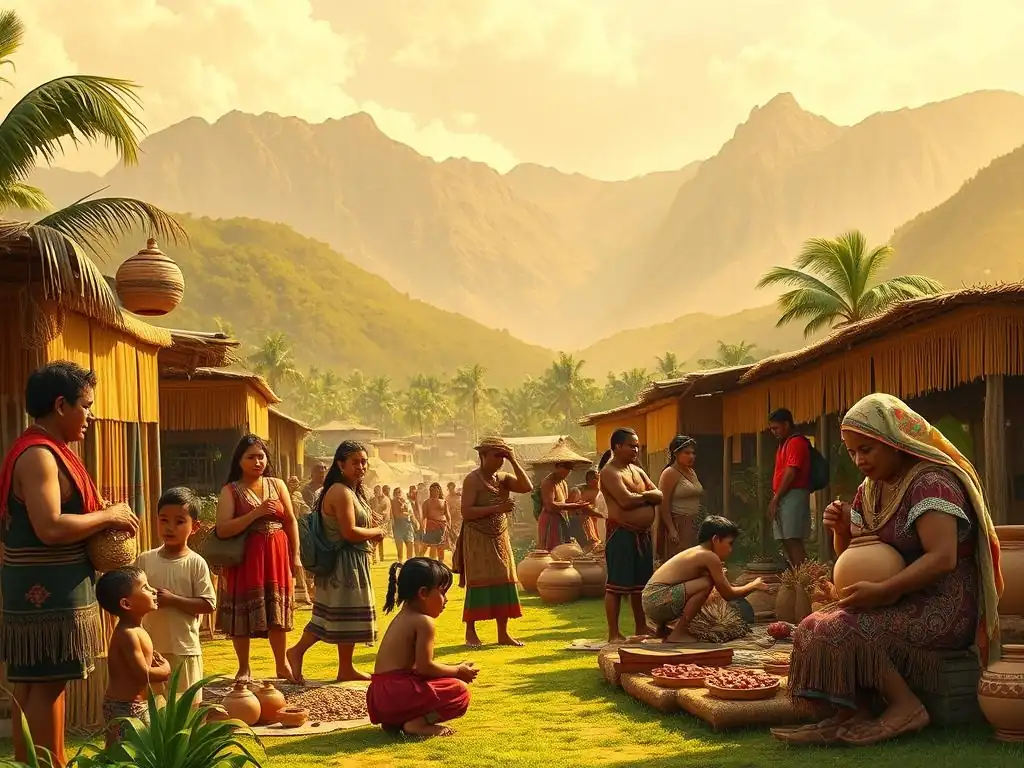
The Iroquois Confederacy, also known as the Haudenosaunee, exemplified sophisticated indigenous economic strategies in the Americas through their extensive trade networks. This alliance, formed by the Mohawk, Oneida, Onondaga, Cayuga, Seneca, and later the Tuscarora nations, was not only a political union but also a strategic economic collaboration.
The Iroquois utilized a system of well-established trade routes that enabled them to exchange goods across vast distances. Key commodities included furs, agricultural products, and crafted items such as pottery and tools. The Confederacy played a crucial role in the fur trade, particularly during the early interactions with European settlers, which allowed them to leverage their position as key intermediaries between different tribes and European traders.
Economic strategies were underpinned by a deep understanding of resource allocation. The Iroquois practiced sustainable agriculture, rotating crops like corn, beans, and squash, known as the "Three Sisters," which helped maximize yield and maintain soil fertility. This agricultural abundance supported not only their communities but also facilitated trade with neighboring tribes, fostering relationships and alliances that were essential for mutual prosperity.
The Mississippian Culture's Trade Practices
The Mississippian culture, flourishing from approximately 800 AD to 1600 AD in the southeastern United States, is renowned for its advanced trade practices and urban centers, such as Cahokia. This society developed a complex economic structure that was heavily reliant on trade, both locally and regionally.
Mississippian economic strategies involved the production and distribution of surplus agricultural goods, particularly maize, which was a staple food source. The surplus enabled them to engage in extensive trade networks that reached as far as the Great Lakes and the Gulf of Mexico. The presence of mounds in their urban centers signifies not just ceremonial purposes but also served as trading hubs, where goods such as shells, copper, and pottery were exchanged.
Central to their trade practices was the concept of reciprocity, which emphasized mutual benefit and strengthened social ties among different tribes. This practice ensured that trade was not solely about goods but also about fostering relationships, sharing knowledge, and reinforcing alliances. As a result, the Mississippian culture not only thrived economically but also maintained a rich tapestry of social and cultural interactions.
The Inca Empire: Economic Integration and Resource Management
The Inca Empire, which spanned much of the Andean region from the early 15th century until the Spanish conquest in the 16th century, showcases one of the most sophisticated indigenous economic strategies in the Americas. The Incas mastered the art of economic integration, characterized by an extensive network of resource management and redistribution that facilitated the needs of their vast population.
One of their key strategies was the Mit'a system, a form of labor tax that required individuals to work on state projects for a certain period. This not only provided the empire with a steady labor force for agriculture, construction, and mining but also ensured that resources were allocated efficiently across the empire. The Incas operated state-run farms, which produced surplus crops that were stored in warehouses distributed throughout the empire, ready to be used in times of drought or famine.
Moreover, the Inca economy was heavily based on reciprocal trade with local communities, exchanging goods such as textiles, ceramics, and agricultural products. The wealth generated from trade, particularly in precious metals like gold and silver, was reinvested into the empire's infrastructure, including roads and bridges, which further enhanced trade capabilities. This integration of economic strategies not only supported the empire's stability but also left a lasting legacy on resource distribution practices in the region.
The Impact of Geography on Indigenous Economic Strategies
How Geography Influenced Trade Route Development
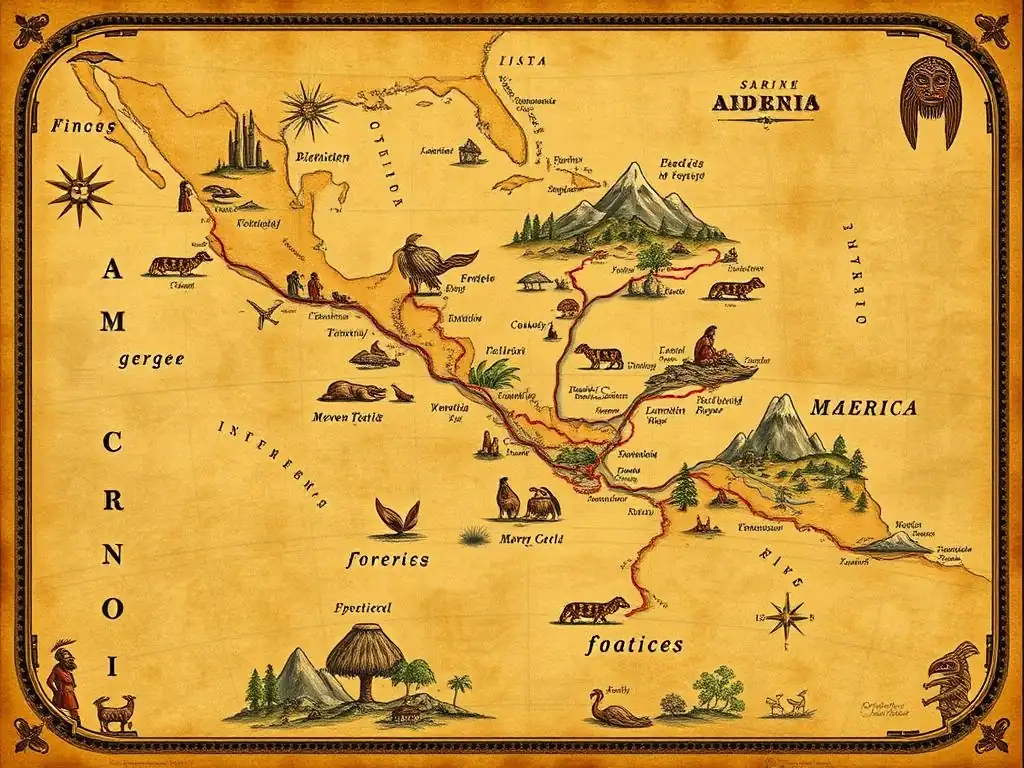
Geography played a pivotal role in shaping the indigenous economic strategies across the Americas. The diverse landscapes, ranging from mountains and plains to rivers and coastlines, dictated not only the types of resources available but also the methods by which these resources were traded. Indigenous groups adapted their trade routes according to their geographical context, leading to a complex network of economic exchange that varied from region to region.
- Natural Barriers and Trade Routes: Geographic features such as mountains and rivers often acted as natural barriers or corridors. For instance, the Andes Mountains in South America influenced trade among the Inca civilization, who developed extensive road systems that traversed these rugged terrains. The river systems, like the Mississippi and Missouri Rivers in North America, served as vital trade arteries, facilitating the transport of goods and cultural exchange between tribes.
- Seasonal Variations: The seasonal changes in geography also impacted trade. Indigenous societies were keenly aware of how climate affected resource availability. For example, the nomadic tribes of the Great Plains would follow the migration patterns of buffalo, aligning their trade activities with the seasons to optimize resource collection and exchange.
- Cultural Exchange Hubs: Certain geographical locations became cultural exchange hubs due to their strategic positioning. The Great Lakes region, for example, served as a meeting point for various tribes, facilitating the exchange of goods such as furs, tools, and agricultural products. This interconnectedness allowed for the sharing of innovations and practices, further enriching the indigenous economic landscape.
Resource Distribution Based on Regional Characteristics
The distribution of resources across the Americas was heavily influenced by regional characteristics, shaping the indigenous economic strategies utilized by various cultures. Each region's unique environment dictated the types of resources available, which in turn influenced trade practices and social organization.
- Agricultural Regions: In areas with fertile soil, such as the Mississippi River Valley, indigenous peoples developed advanced agricultural techniques. The cultivation of staple crops, including maize, beans, and squash, allowed for surplus production. Societies like the Cahokia in this region created complex trade networks to distribute surplus crops, which supported population growth and urban development.
- Coastal Economies: Coastal tribes, such as the Tlingit and Coast Salish, relied heavily on marine resources. Their economic strategies included fishing, whaling, and harvesting shellfish, which were not only vital for sustenance but also served as trade goods. The abundance of resources in these regions allowed for the development of sophisticated trading practices, including the use of totem poles and potlatches as social and economic exchanges.
- Mountainous Regions: In the mountainous areas of the Andes, civilizations like the Inca utilized terrace farming to cultivate crops in challenging terrains. The scarcity of flat lands necessitated innovative agricultural practices, which resulted in the development of trade routes to exchange goods such as textiles and precious metals with neighboring communities. The Inca road system exemplified how geography dictated the need for effective communication and trade networks.
- Desert and Arid Regions: Indigenous groups in arid regions, like the Pueblo peoples of the Southwestern United States, developed unique economic strategies, including the management of water resources for agriculture. Their trade networks often focused on items such as pottery, woven goods, and agricultural products, which were exchanged for resources not available in their harsh environment.
The indigenous economic strategies in the Americas were deeply intertwined with geographical factors. From the natural barriers that shaped trade routes to the specific resources available in diverse environments, these strategies reflect the resilience and adaptability of indigenous cultures. Understanding these dynamics provides valuable insights into how these societies thrived long before European contact, highlighting their sophisticated approaches to resource allocation and trade.
Modern Implications and Lessons from Indigenous Economic Strategies
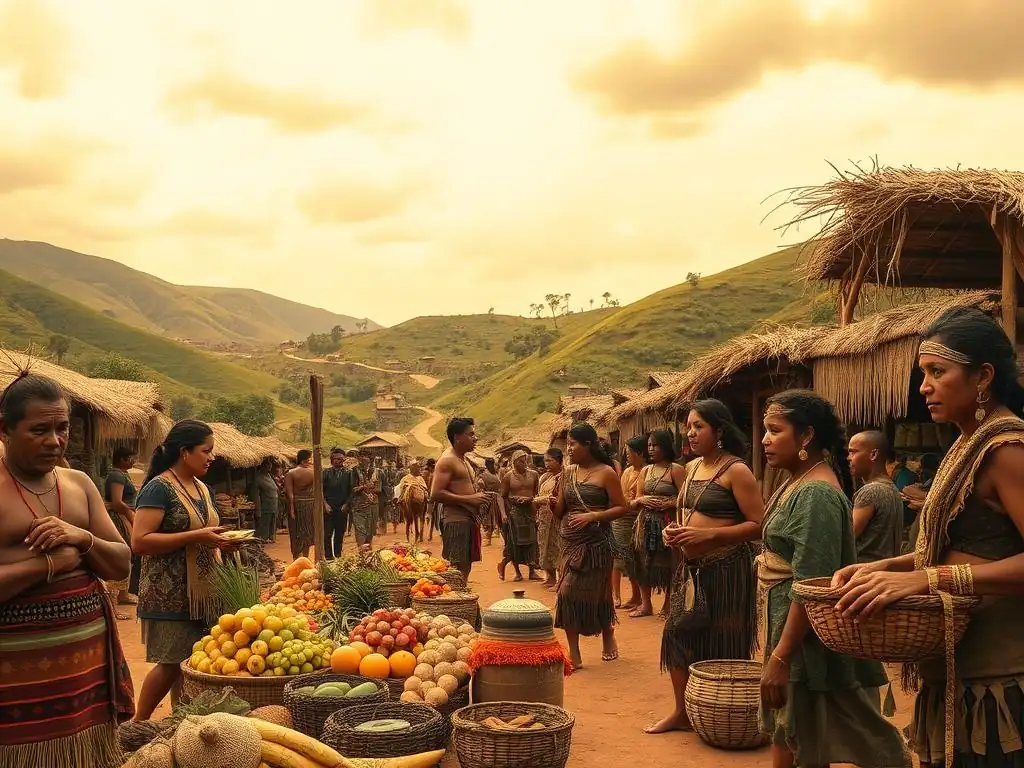
Sustainable Practices Derived from Indigenous Traditions
Indigenous economic strategies in the Americas were deeply intertwined with sustainable practices that have garnered renewed interest in today's environmental discourse. These communities developed methods of resource allocation that not only ensured their survival but also preserved the ecosystems around them. Fundamental to these practices were principles such as reciprocity, diversity, and community well-being.
- Reciprocity: Indigenous societies often operated on a system of mutual aid and shared resources. For instance, in the Pacific Northwest, the coastal tribes practiced a form of trade where the surplus of one community was exchanged for the surplus of another, fostering a network of support and sustainability. This practice minimized waste and optimized resource use, which resonates with modern sustainable development goals.
- Biodiversity: Indigenous peoples understood the importance of biodiversity in resource management. The Three Sisters agricultural method, practiced by various tribes, involved planting corn, beans, and squash together. This synergistic planting not only maximized yield but also enhanced soil fertility and reduced pest problems, showcasing a holistic understanding of agriculture that modern practices are beginning to adopt.
- Community Well-Being: Resource allocation was not solely focused on individual gain but prioritized community health and welfare. For example, the communal land stewardship approach used by many tribes ensured that resources were used sustainably and equitably. This principle can inform contemporary economic strategies that aim for inclusive growth and social equity.
By analyzing these sustainable practices, modern societies can learn valuable lessons about resource distribution and environmental stewardship. Emphasizing community-driven approaches and ecological balance can guide current economic policies towards sustainability.
Relevance of Indigenous Economic Strategies in Contemporary Society
The relevance of indigenous economic strategies in contemporary society extends beyond historical interest; it serves as a critical lens for understanding modern economic challenges and opportunities. These strategies can inspire innovative solutions in various sectors, including agriculture, trade, and community development.
- Agricultural Innovation: As the world faces climate change and food insecurity, indigenous agricultural practices offer sustainable alternatives to industrial farming. Techniques such as agroecology, which mirrors the traditional methods of indigenous farmers, promote biodiversity and resilience against climate fluctuations. These practices can be pivotal in enhancing food security while reducing environmental impact.
- Social Entrepreneurship: Many indigenous communities have embraced social entrepreneurship as a means to revitalize their economies. By blending traditional knowledge with contemporary business models, these communities are creating sustainable livelihoods that respect cultural heritage. For instance, businesses that focus on the production and sale of traditional crafts not only preserve cultural identity but also stimulate local economies.
- Policy Frameworks: Indigenous economic strategies highlight the importance of inclusive policy-making. Governments can learn from the governance structures of indigenous societies, which emphasize consensus and collaboration. Integrating indigenous perspectives into policy frameworks can lead to more equitable resource distribution and address the disparities faced by marginalized communities.
- Global Trade: The principles of fair trade and ethical sourcing are increasingly relevant in today's global economy. Indigenous economic strategies emphasize fairness and sustainability, which align with the growing consumer demand for ethically produced goods. This presents opportunities for indigenous artisans and producers to engage in global markets on their own terms.
The exploration of indigenous economic strategies not only enriches our understanding of historical practices but also provides a framework for addressing contemporary economic challenges. By valuing and integrating these strategies, society can move towards a more sustainable and equitable future.
Conclusion
Summary of Indigenous Economic Strategies in the Americas
The indigenous economic strategies in the Americas were remarkably diverse, reflecting the unique environmental contexts, cultural practices, and social structures of various societies. By exploring these strategies, we can gain insights into how indigenous groups adapted to their surroundings and thrived long before European contact.
- Resource Management: Indigenous peoples developed sophisticated methods of resource allocation that ensured sustainability. For instance, the Iroquois Confederacy employed a system of communal land ownership and rotation farming, which allowed them to maximize yields while preserving soil health.
- Trade Networks: Extensive trade routes connected different regions, facilitating the exchange of goods such as pottery, textiles, and food. The Mesoamerican trade networks were particularly complex, with goods traveling over vast distances, indicating a high level of economic interdependence among tribes.
- Specialization and Craftsmanship: Many indigenous societies specialized in particular crafts, leading to the production of high-quality goods that were highly valued in trade. For example, the Navajo were renowned for their weaving and silversmithing, which not only served local needs but also became significant trade items.
- Barter System: The absence of a standardized currency did not hinder trade; instead, barter systems were prevalent. Goods were exchanged based on mutual need and value, allowing communities to negotiate and determine fair trade practices.
- Cultural Significance: Economic strategies often intertwined with cultural practices. The Pueblo peoples of the Southwest, for instance, integrated their agricultural practices with spiritual beliefs, emphasizing the importance of their resource management as a communal and sacred responsibility.
Final Thoughts on the Importance of Understanding Indigenous Trade and Resource Allocation
Understanding indigenous economic strategies in the Americas is crucial for several reasons. Firstly, it highlights the ingenuity and adaptability of these societies in managing their resources sustainably. As modern societies grapple with environmental challenges, the lessons learned from indigenous practices can offer valuable insights into sustainable living and resource management.
Secondly, recognizing the complexity of indigenous trade networks helps dismantle myths of primitive economies. The extensive trade routes and sophisticated economic systems challenge the narrative of indigenous peoples as mere subsistence farmers, showcasing their role as active participants in a dynamic economic landscape.
Lastly, acknowledging the historical significance of these strategies fosters a deeper appreciation for the cultural heritage of indigenous communities. It emphasizes their contributions not only to the development of local economies but also to the broader tapestry of human history in the Americas.
The exploration of indigenous economic strategies reveals a rich and intricate understanding of trade and resource allocation that deserves recognition and respect. By valuing these practices, we honor the legacy of indigenous civilizations and their enduring impact on the Americas.
Frequently Asked Questions
What are the main economic strategies of indigenous societies in the Americas?
Indigenous societies employed a variety of economic strategies, including trade routes, resource allocation, and sustainable practices that ensured the effective use of local resources.
How did trade routes impact indigenous communities?
Trade routes allowed for the exchange of goods, ideas, and cultures, enhancing social ties and economic prosperity among diverse indigenous communities throughout the Americas.
What role did resource allocation play in indigenous economies?
Resource allocation was crucial for maintaining balance and sustainability, as indigenous societies carefully managed their natural resources to support their communities and ensure long-term survival.
Can you provide examples of successful indigenous economic strategies?
Successful strategies included agriculture, such as the Three Sisters planting method, and hunting-gathering practices that optimized resource use and promoted biodiversity.
How do indigenous economic strategies influence modern practices?
Modern practices can learn from indigenous strategies by emphasizing sustainability, community cooperation, and respect for natural resources, ensuring a balance between economic growth and environmental health.
Final Reflection: The Enduring Legacy of Indigenous Economic Strategies
The economic strategies of Indigenous societies in the Americas are not just relics of the past; they are vital frameworks that continue to shape contemporary discussions on sustainability and resource allocation. As we navigate the complexities of modern economies, the innovative practices of Indigenous peoples remind us that economic systems can be rooted in community, reciprocity, and respect for the environment. The lessons learned from these strategies challenge us to rethink our own approaches to trade and resource management in a world increasingly defined by consumerism and exploitation.
The influence of Indigenous economic strategies extends far beyond their historical context; they resonate deeply within our cultural and social landscapes today. These strategies highlight the importance of interconnectedness and the sustainable use of resources, principles that are essential in addressing current global challenges such as climate change and economic inequality. As noted by Indigenous scholar Robin Wall Kimmerer, The land is not a commodity, but a community of living beings.
This perspective invites us to reconsider our relationship with the land and the resources it provides, fostering a sense of stewardship that is often absent in contemporary economic models.
As we reflect on the insights gained from Indigenous economic strategies, I invite you to consider how these principles can be integrated into your own life and community. What practices can you adopt to promote sustainability and equity in your economic choices? By embracing the wisdom of Indigenous peoples and their approaches to trade and resource allocation, we can contribute to a more just and sustainable future. Let us honor their legacy by applying these lessons in our daily lives, ensuring that the spirit of collaboration and respect for the earth continues to thrive.
Uncover the Wisdom of Indigenous Economic Strategies!
Thank you for diving into the fascinating world of Indigenous trade routes and resource allocation! Your interest in these rich economic strategies sheds light on the remarkable ingenuity of Indigenous societies. Now, let’s turn that newfound knowledge into action!
Here are some powerful steps you can take to deepen your understanding and appreciation of Indigenous economic practices:
- Explore local Indigenous markets and support artisans in your community—this not only boosts their economy but also helps preserve cultural traditions!
- Share your insights by discussing Indigenous trade practices with friends and family—your voice can inspire others to recognize and value these important histories.
- Engage with Indigenous organizations or online forums to gain further insights and participate in discussions about economic resilience and sustainability within Indigenous communities.
What aspect of Indigenous economic strategies surprised you the most, and how do you think it applies to today’s economy? Let’s continue the conversation!