
Festivals and Ceremonies: Celebrating the Divine in the Maya World

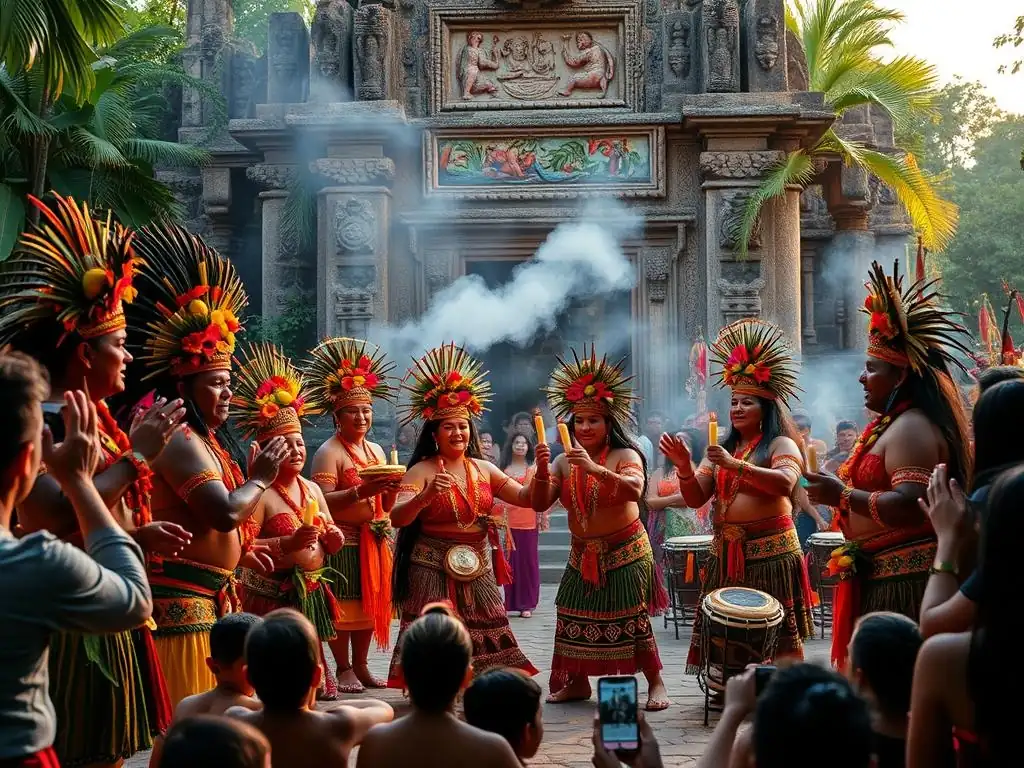
Welcome to Indigenous Civilizations of the Americas, where we embark on an enlightening journey through the rich tapestry of indigenous cultures that flourished long before European contact. Dive into the vibrant world of the Maya festivals and ceremonies, where each celebration serves as a testament to their deep spiritual beliefs and communal identity. Discover how these remarkable traditions not only honored the divine but also reinforced social bonds and cultural legacies.
Join us as we unravel the significance behind these enchanting rituals and explore the profound impact they continue to have on the world today. Your adventure into the heart of the Maya civilization begins here!
- Introduction to Maya Festivals and Ceremonies
- Key Elements of Maya Festivals and Ceremonies
- Major Maya Festivals Celebrating the Divine
- Regional Variations in Maya Festivals
- The Spiritual Significance of Maya Ceremonies
- Contemporary Practices: Preservation and Adaptation
- Conclusion: The Enduring Legacy of Maya Festivals and Ceremonies
- Frequently Asked Questions
- Final Reflection: Celebrating the Divine Through Maya Festivals and Ceremonies
- Celebrate the Spirit: Immerse Yourself in Maya Culture Today!
Introduction to Maya Festivals and Ceremonies
Maya festivals and ceremonies are vibrant expressions of the rich spiritual and cultural life of the ancient Maya civilization. These celebrations were not merely social gatherings; they were deeply intertwined with the Maya's understanding of the cosmos, their gods, and the cycles of life.
From elaborate rituals invoking rainfall to festivals celebrating agricultural harvests, the Maya created a diverse tapestry of ceremonies that reflected their beliefs and values. This article aims to delve into the significance of these festivals, highlighting how they served as a bridge between the earthly realm and the divine, while also showcasing the enduring legacy of Maya culture.
Overview of the Significance of Festivals in Maya Culture
Maya festivals were central to community life, providing a sense of identity and continuity. Each festival was marked by specific rituals, music, dance, and the consumption of traditional foods, which reinforced communal bonds and cultural heritage. The festivals often aligned with astronomical events, agricultural cycles, and important mythological narratives, illustrating the intricate connection between the Maya and their environment.
- Cultural Identity: Festivals served as a means for the Maya to express their collective identity and cultural pride.
- Seasonal Cycles: Many festivals were closely linked to the agricultural calendar, celebrating planting and harvest seasons.
- Social Cohesion: These gatherings fostered a sense of belonging and unity among community members, strengthening social ties.
The Role of Religion in Maya Festivals
Religion played a pivotal role in the shaping of Maya festivals, as these ceremonies were often conducted in honor of deities associated with nature, fertility, and the cosmos. The Maya believed that the divine influenced their daily lives, and festivals provided a structured way to communicate with these higher powers.
- Ritual Offerings: Offerings, such as food, incense, and even blood sacrifices, were integral to ceremonies, reflecting the belief that pleasing the gods would ensure prosperity and balance.
- Priestly Involvement: Priests held significant authority during festivals, acting as mediators between the people and the divine, and leading the rituals with precision and reverence.
- Mythological Narratives: Festivals often reenacted mythological stories, allowing the community to reconnect with their ancestral beliefs and teachings.
Purpose of the Article: Exploring Divine Celebrations
This article seeks to provide a comprehensive exploration of Maya festivals and ceremonies, emphasizing their spiritual importance and cultural significance. By examining various aspects of these celebrations—from their origins and rituals to their impact on contemporary Maya communities—we aim to illuminate the profound ways in which the Maya honored the divine. Through this exploration, readers will gain insight into the intricate relationship between the Maya civilization and their spiritual practices, enriching their understanding of this remarkable culture.
As we journey through the vibrant world of Maya festivals, we will uncover the colorful traditions and ceremonies that continue to resonate through the ages, celebrating the divine and the enduring spirit of the Maya people.
Key Elements of Maya Festivals and Ceremonies
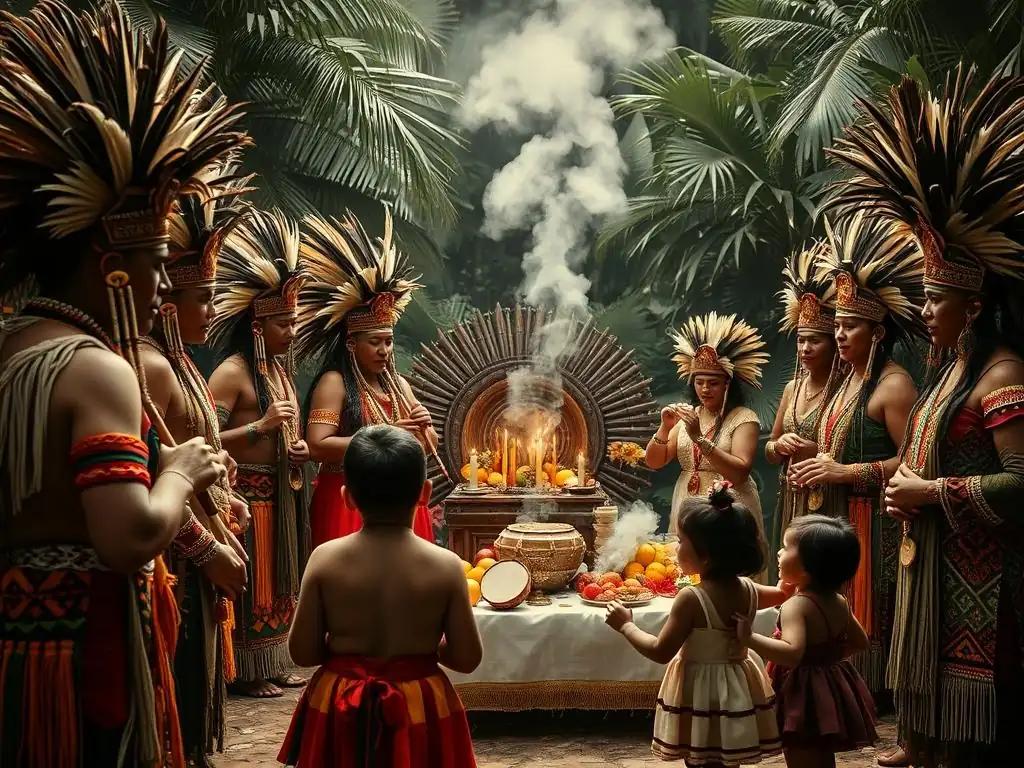
Maya festivals and ceremonies are intricate, multifaceted events steeped in religious significance and cultural heritage. They serve as a vital means for the Maya to connect with their deities, mark seasonal changes, and reinforce social ties within their communities. Each festival is a reflection of the Maya worldview, emphasizing the importance of harmony between the natural and supernatural realms.
The key elements that characterize these festivals include rituals, sacred spaces, and the role of music and dance. Together, these components create a rich tapestry of tradition and spirituality that continues to resonate in contemporary Maya societies.
Rituals and Offerings in Maya Festivals
Rituals and offerings are central to the celebration of Maya festivals. These acts are often performed to appease the gods, seek blessings for fertility, health, and prosperity, or to honor ancestors.
Types of Rituals:
- Blood Sacrifice: Often considered the most potent form of offering, blood sacrifices could involve animals, such as birds or dogs, and sometimes even human sacrifices in ancient times. The belief was that the life force released would nourish the gods.
- Food Offerings: Commonly, offerings of food, such as tamales, tortillas, and cacao, are presented to the deities. These offerings are often arranged on altars and accompanied by incense burning.
- Ceremonial Fires: Lighting fires is a significant ritual act, symbolizing purification and the presence of the divine. The flames are believed to act as messengers, carrying prayers to the gods.
Notable Festivals:
- Hanal Pixan: A festival honoring the dead, where offerings are made to deceased ancestors. Families create altars adorned with food and photographs, inviting spirits to join the living in celebration.
- Uinal Festivals: Celebrated every 20 days in the Maya calendar, these festivals honor specific deities associated with agriculture and fertility, featuring various rituals aimed at ensuring bountiful harvests.
Sacred Spaces: Temples and Altars
Sacred spaces are pivotal in Maya festivals and ceremonies, providing a physical and spiritual connection to the divine. Temples and altars serve as focal points for worship and offerings.
Temples:
- Pyramids: Many Maya cities, such as Tikal and Chichen Itza, feature grand pyramids used for ceremonies. These structures often align with celestial events, underscoring the Maya’s astronomical knowledge.
- Ritual Platforms: Elevated areas designed for specific ceremonies, platforms may be adorned with carvings and symbols that represent various deities.
Altars:
- Family Altars: In contemporary Maya communities, family altars serve as personal sacred spaces where daily offerings are made. These altars reflect individual family traditions and beliefs.
- Public Altars: During festivals, public altars become central gathering spots for the community, often featuring elaborate decorations and offerings to attract divine favor.
The Role of Music and Dance in Celebrations
Music and dance are vital components of Maya festivals, serving to elevate the spiritual experience and foster communal unity. They convey stories, honor deities, and express the community's identity.
Musical Instruments:
- Drums: The heartbeat of Maya music, drums are essential for creating rhythms that accompany dances and rituals. They are often made from local materials, such as animal skins and wood.
- Flutes and Rattles: These instruments add melodic layers to the music, enhancing the ceremonial atmosphere. Flutes are typically associated with specific deities, while rattles are used to invoke spirits.
Dance:
- Traditional Dances: These dances often depict mythological stories, agricultural cycles, or historical events. Participants dress in vibrant traditional attire, embodying the spirits they represent.
- Community Participation: Festivals encourage widespread participation, with community members of all ages joining in the dance, reinforcing social bonds and shared cultural heritage.
The key elements of rituals, sacred spaces, and the integral role of music and dance collectively create a vibrant atmosphere during Maya festivals and ceremonies. They not only celebrate the divine but also ensure the continuation of cultural practices that have endured for centuries.
Major Maya Festivals Celebrating the Divine
Overview of Major Festivals in the Maya Calendar
The Maya civilization is renowned for its deeply rooted spiritual beliefs and complex calendar systems, which played a crucial role in organizing their social and religious life. The Maya calendar, consisting of the Tzolk'in (a 260-day ritual calendar) and the Haab' (a 365-day solar calendar), orchestrated the timing of numerous festivals and ceremonies throughout the year. Each festival served as a conduit to honor deities, celebrate agricultural cycles, and reinforce communal bonds.
The Maya had several major festivals, each imbued with profound significance. Prominent among these are:
- K'atun Festivals: Celebrated every 20 years, marking the end of one k'atun cycle and the beginning of another, these festivals involved elaborate rituals and offerings to ensure the favor of the gods for the coming cycle.
- Equinox and Solstice Celebrations: Key astronomical events were marked by ceremonies that honored gods associated with agriculture and fertility, ensuring a bountiful harvest.
- Rituals for Rain and Fertility: These included offerings and dances performed to invoke the rain god Chaac, vital for the crops' growth.
Each of these festivals showcased intricate rituals, dances, and music, emphasizing the Maya's reverence for the cosmos and their gods. The festivals also served as a reminder of their cultural identity and community solidarity.
The Importance of the Maya Calendar in Rituals
The Maya calendar was not merely a tool for tracking time; it was a sacred framework that dictated the rhythm of life. Festivals were meticulously aligned with celestial events, agricultural needs, and mythological narratives. The significance of the calendar can be summarized as follows:
- Synchronization with Nature: The Maya closely observed the movements of celestial bodies, using their calendar to time agricultural activities, ensuring that planting and harvesting aligned with the seasonal changes.
- Spiritual Reflection: Each day held a unique spiritual significance, and rituals were performed to honor that day's specific deities, allowing for a deeper connection with the divine.
- Cultural Preservation: By adhering to the calendar, the Maya were able to preserve their traditions and beliefs, passing them down through generations, which facilitated a strong sense of identity and continuity within their communities.
Understanding the Maya calendar is essential for appreciating the depth of their festivals and ceremonies, as it reflects their worldview and relationship with the divine.
Festival of the Dead (Hanal Pixan)
One of the most significant festivals celebrated by the Maya is Hanal Pixan, or the Festival of the Dead. This vibrant celebration occurs in late October and early November, coinciding with the Catholic observance of Día de los Muertos, yet it retains distinctively Maya elements that reflect their ancestral beliefs.
Significance and Traditions of Hanal Pixan
Hanal Pixan embodies the Maya's profound respect for their ancestors and the cyclical nature of life and death. The festival is marked by various traditions that honor the deceased and invite their spirits to return to the living world. Key aspects include:
- Altar Offerings: Families create elaborate altars (ofrendas) adorned with food, flowers, candles, and photographs of the deceased. These offerings are intended to nourish the spirits and welcome them back.
- Ritual Foods: Traditional dishes, such as mukbil pollo (a type of tamale), are prepared and shared among families, symbolizing the connection between the living and the dead. The food is often placed on altars as offerings.
- Ceremonial Practices: The festival involves prayers, rituals, and communal gatherings. The Maya engage in storytelling, sharing memories of those who have passed, reinforcing familial bonds and cultural heritage.
- Cultural Expressions: Music, dance, and artistic expressions play a significant role during Hanal Pixan, with participants often donning traditional attire and performing rituals that reflect their rich cultural history.
Hanal Pixan serves as a poignant reminder of the Maya's belief in the continuity of life and the importance of honoring the past. By celebrating this festival, the Maya reaffirm their spiritual connections and cultural identity, making it a vital aspect of their religious and communal life.
The Day of the Cross (Día de la Cruz)
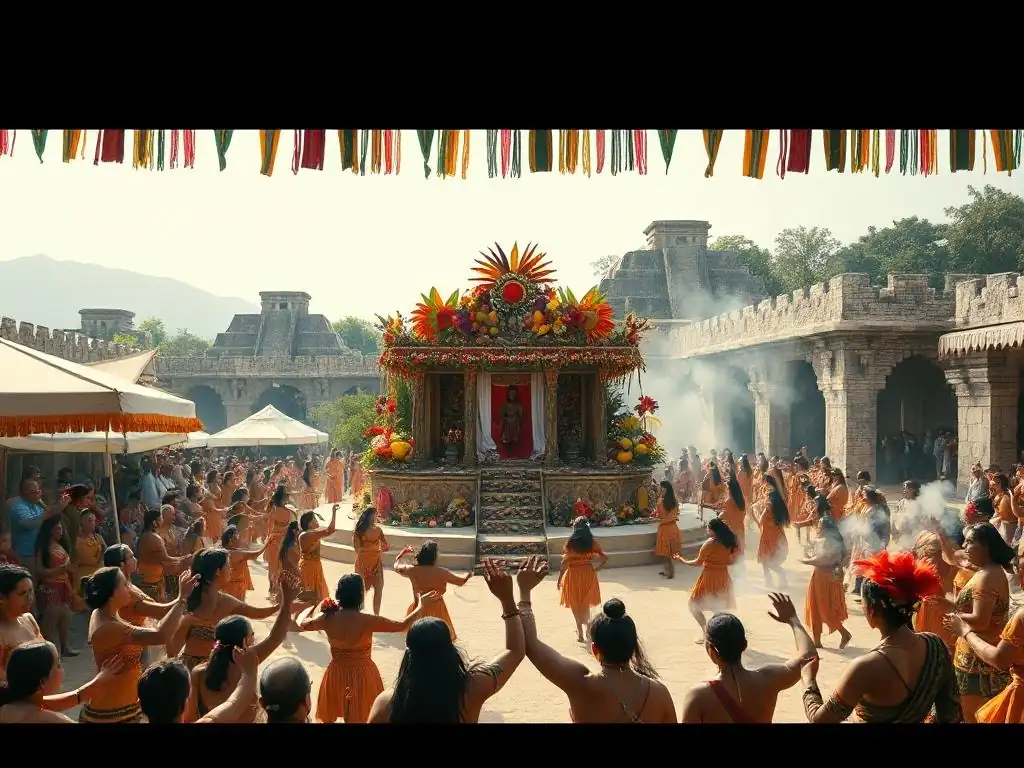
The Day of the Cross, or Día de la Cruz, is a vibrant and significant festival celebrated in many Maya communities, particularly in Guatemala. This festival, which occurs on May 3rd, coincides with the Catholic feast day of the Holy Cross but retains deep indigenous roots that reflect the syncretism of pre-Columbian and colonial traditions. The celebration centers around the installation of crosses adorned with flowers, fruits, and other offerings in homes and public spaces, symbolizing the intersection of the spiritual and earthly realms.
During this time, families create altars that serve as focal points for community gatherings. The crosses are often decorated with colorful textiles and vibrant local flora, highlighting the importance of nature in Maya spirituality. The festivities are marked by music, dance, and communal feasting, reinforcing social bonds and cultural identity. The Day of the Cross not only honors the sacred but also acts as a reminder of the resistance and resilience of the Maya people in preserving their cultural heritage.
Rituals and Symbolism of the Day of the Cross
The rituals associated with the Day of the Cross are rich in symbolism and meaning. One of the most prominent practices involves the creation of the cross itself, which is often made from wood or bamboo and decorated with a variety of natural elements. These decorations symbolize abundance, fertility, and the interconnectedness of life.
- Offerings: Families place food, drinks, and flowers at the base of the crosses as offerings to the spirits, expressing gratitude and seeking blessings for health and prosperity. Common offerings include:
- Fruits like bananas and pineapples
- Traditional foods such as tamales and atole
- Candles and incense to represent light and purification
- Processions and Music: The festival often features processions where community members carry crosses to sacred sites, accompanied by traditional music and dance, emphasizing the communal spirit of the event. The rhythmic sounds of marimbas and drums resonate throughout the celebrations, inviting participation and joy.
- Cleansing Rituals: In some regions, cleansing rituals are performed to rid participants of negative energies. This may involve the use of herbs, such as copal or sage, which are burned to purify the environment and invite positive spirits.
These rituals highlight the blending of Maya cosmology with Catholic elements, illustrating how indigenous beliefs were adapted and integrated into new religious contexts. The Day of the Cross remains a powerful expression of cultural identity, spirituality, and community cohesion among the Maya people.
Equinox and Solstice Celebrations
The equinox and solstice celebrations in the Maya civilization are profound events that reflect the intricate relationship between their understanding of astronomy and spirituality. The Maya were skilled astronomers who meticulously tracked celestial movements, leading to a rich tradition of rituals and ceremonies tied to these significant astronomical events. The equinoxes, occurring in March and September, mark the times when day and night are of equal length, while the solstices in June and December signal the longest and shortest days of the year, respectively.
These celestial events were seen as vital turning points in the agricultural calendar, influencing crop planting and harvesting. Consequently, Maya festivals during these times were not only spiritual but also practical, aligning agricultural cycles with their religious observances.
How Celestial Events Influence Maya Ceremonies
Celestial events heavily influenced the structure and timing of Maya ceremonies. Here are some key aspects of how these events shaped their spiritual practices:
- Rituals of Renewal: The spring equinox (around March 21) is celebrated as a time of renewal and fertility. Rituals often include planting ceremonies, where participants bury offerings in the earth to honor the gods and ensure a bountiful harvest.
- Solar Observations: The summer solstice (around June 21) is marked by ceremonies celebrating the sun's peak. The Maya constructed various observatories, such as El Caracol at Chichen Itza, to align their structures with the sun’s trajectory. During this time, rituals may include fire ceremonies to invoke the sun’s power.
- Autumn Harvest Festivals: The autumn equinox (around September 23) celebrates the harvest. This period involves community feasts, where offerings are made to deities in gratitude for the crops. Traditional dances and music highlight the joy and communal spirit associated with this time of year.
- Winter Reflection: The winter solstice (around December 21) represents a time of introspection and renewal. During this period, rituals may focus on the rebirth of the sun, as it begins to rise again. People gather to reflect on the past year and set intentions for the future.
These celebrations reveal the Maya's deep respect for the natural world and their understanding of the cyclical nature of life. The rituals surrounding equinoxes and solstices not only emphasize their agricultural practices but also reinforce their spiritual connection to the cosmos, illustrating the profound impact of celestial events on Maya festivals and ceremonies.
Regional Variations in Maya Festivals
Differences in Festivals Among Maya Communities
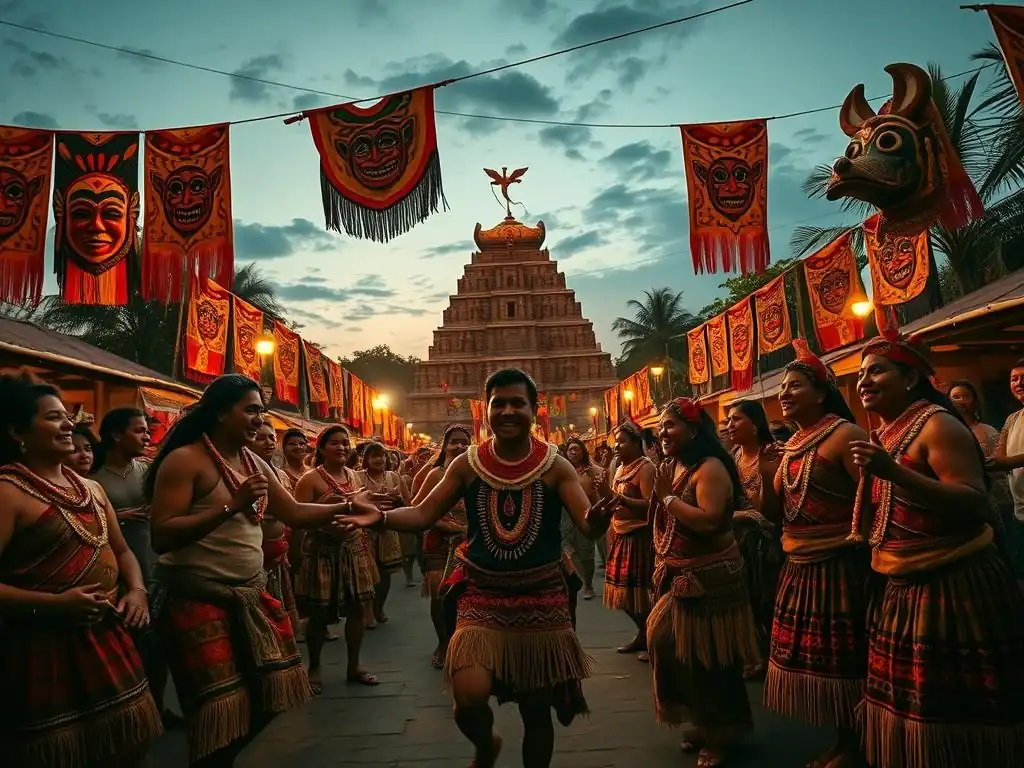
Maya festivals and ceremonies are rich in diversity, shaped significantly by the distinct cultural, historical, and geographical contexts of various Maya communities. Each group has developed unique traditions and practices that reflect their local beliefs, agricultural cycles, and social structures. Understanding these differences provides insight into how the Maya conceptualized the divine and their relationship with the world around them.
Yucatec Maya Festivals
The Yucatec Maya, predominantly located in the Yucatán Peninsula, celebrate numerous festivals that are deeply tied to their agricultural calendar. One of the most significant is Hanal Pixan, celebrated around the Day of the Dead in early November. This festival honors deceased ancestors through elaborate altars adorned with food, flowers, and photographs. It reflects the Yucatec belief in the cyclical nature of life and death, showcasing a blend of pre-Hispanic and colonial influences.
Another notable festival is K'ayech, which celebrates the renewal of the earth and the start of the planting season. This event includes rituals to invoke rain, fertility, and the blessings of the gods. Participants partake in traditional dances, music, and communal feasts, reinforcing community bonds and spiritual connections.
K'iche' Maya Celebrations
The K'iche' Maya, located in the highlands of Guatemala, have their own distinct ceremonial practices. One of the most important is the Festival of the Cross (Fiesta de la Cruz), celebrated every May. During this festival, families erect crosses adorned with flowers and food offerings in their homes, and communal gatherings involve music, dance, and feasting. This celebration is not only a religious observance but also a communal event that strengthens social ties.
Additionally, the Pachamama Festival honors the earth goddess and is celebrated in August. It involves rituals to express gratitude for agricultural bounty and to seek protection from natural disasters. The K'iche' Maya emphasize the interconnectedness of humans and nature, which is reflected in the reverence shown during these ceremonies.
Q'eqchi' Festivals
The Q'eqchi' Maya, primarily found in northeastern Guatemala, also have unique festivals that highlight their cultural identity and agricultural practices. One prominent celebration is the Tz'ikin Festival, which takes place in January and is dedicated to the sun god. This festival includes rituals to ensure a good harvest and involves traditional dances and offerings at sacred sites.
Another significant event is the Festival of the Virgin of the Assumption, celebrated on August 15th. The Q'eqchi' people honor the Virgin Mary through processions, music, and communal meals. This festival not only showcases the blending of indigenous and Catholic traditions but also serves as a platform for community unity and cultural expression.
The Influence of Geography on Ritual Practices
Geography plays a crucial role in shaping the rituals and festivals of the Maya. The diverse landscapes—from coastal regions to highland mountains—have influenced agricultural practices, which in turn dictate the timing and nature of celebrations.
For example, communities in coastal areas may celebrate festivals that emphasize marine life and fertility, while those in the highlands focus more on agricultural cycles related to maize and other crops. The availability of resources, such as water and fertile land, directly impacts the types of rituals performed and their significance within the community.
Moreover, geographical features like mountains and rivers are often seen as sacred in Maya cosmology. Many ceremonies are conducted in these locations, believed to be closer to the divine. This geographical reverence fosters a deep sense of place and identity within each community, further enriching the tapestry of Maya festivals and ceremonies.
The regional variations in Maya festivals highlight the rich cultural diversity among Maya communities. Each group contributes its own unique practices and beliefs, rooted in their environment and history, creating a vibrant mosaic of spiritual expression that continues to thrive today.
The Spiritual Significance of Maya Ceremonies
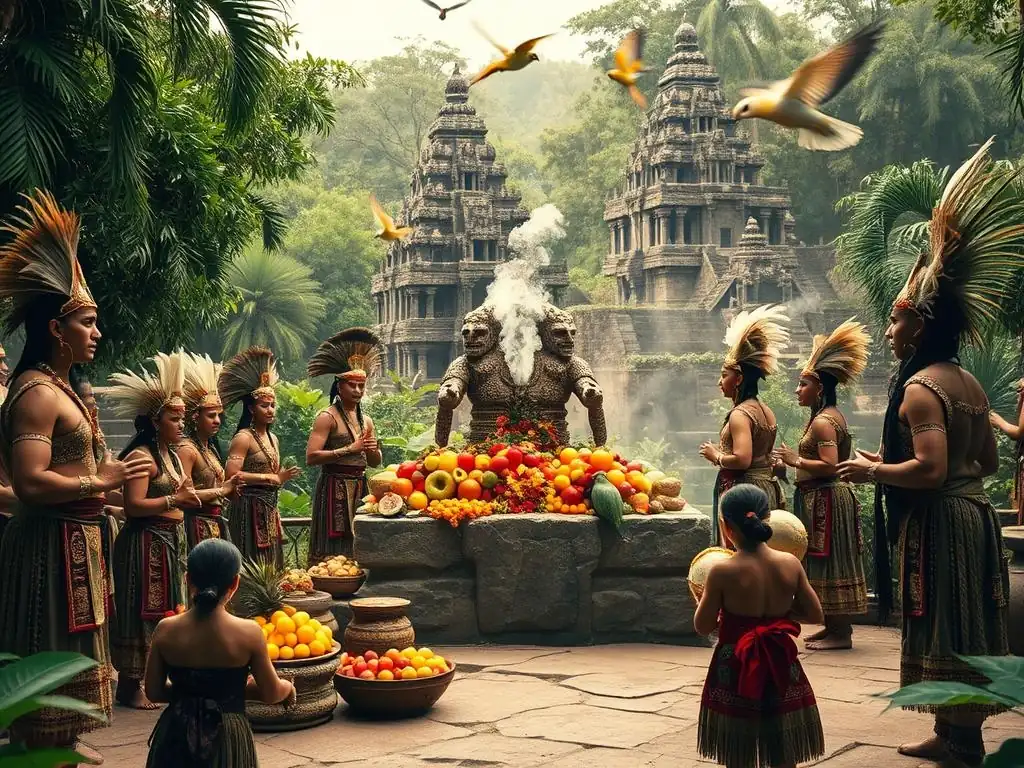
Maya ceremonies hold profound spiritual significance, serving as a bridge between the earthly realm and the divine. These rituals were not merely social or cultural events; they were essential expressions of the Maya worldview, reflecting their beliefs in the cyclical nature of life and the interconnectedness of all things. The Maya viewed their world as a dynamic interplay between the physical and spiritual realms, and ceremonies played a crucial role in maintaining harmony with both.
The cycles of the natural world, such as the agricultural seasons, were intricately linked to Maya spirituality. Festivals often coincided with agricultural milestones, such as planting and harvest times, symbolizing gratitude to the gods for their blessings. These events were imbued with rituals that sought to ensure fertility, prosperity, and the continuation of life. The Maya believed that through their ceremonies, they could influence the gods, seek favor, and avert disaster.
Additionally, the communal aspect of these festivals fostered a sense of identity and solidarity among the Maya people. They not only celebrated their beliefs but also reinforced social bonds and cultural heritage. The gatherings allowed for the transmission of oral histories, myths, and traditions, ensuring that the spiritual and cultural legacies of the Maya were preserved for future generations.
Connection Between Festivals and Maya Cosmology
Maya cosmology is marked by a complex understanding of the universe, characterized by a cyclical nature that is reflected in their festivals and ceremonies. The Maya perceived time as a series of repeating cycles, where each cycle held its own significance and was governed by specific deities. Festivals were strategically timed to align with these cosmic rhythms, thus reinforcing the connection between their daily lives and the broader universe.
Through the careful observation of celestial bodies, such as the sun, moon, and stars, the Maya developed a sophisticated calendar system that dictated the timing of their festivals. The Tzolk'in, a 260-day ritual calendar, played a pivotal role in scheduling ceremonies. For example, the celebration of the new year, known as "Wahxaklajuun Iq'," was linked to the winter solstice and marked a time of renewal and rebirth.
Moreover, each festival was associated with specific cosmic events, such as eclipses or solstices, which were believed to signify the favor or disfavor of the gods. By aligning their celebrations with these celestial events, the Maya sought to harness the power of the universe, reinforcing their belief in the interconnectedness of all existence.
The Role of Deities in Celebrations
Deities played a central role in Maya festivals and ceremonies, as they were believed to govern various aspects of life and nature. Each celebration was often dedicated to one or more deities, reflecting the diverse pantheon that the Maya revered. These deities were not only symbols of power but also embodiments of natural forces and human experiences.
Major Deities Associated with Festivals
- Itzamná: Regarded as the supreme god, Itzamná was associated with creation, wisdom, and the heavens. Festivals honoring him often involved rituals of thanksgiving for agricultural abundance and knowledge.
- Chac: The rain god, Chac was vital for agriculture. His festivals typically involved ceremonies to invoke rain, ensuring the fertility of crops. Offerings such as food and blood sacrifices were common during these celebrations.
- Ix Chel: The goddess of fertility, medicine, and the moon, Ix Chel was celebrated during rituals related to childbirth and healing. Her festivals often featured women’s participation, highlighting the importance of female power in Maya society.
- Kukulkan: Known as the feathered serpent, Kukulkan was associated with the wind and storms. Festivals dedicated to him often coincided with significant celestial events, such as equinoxes, and included elaborate processions and offerings.
- Hunab Ku: Considered the creator god, Hunab Ku represented unity and the duality of existence. Ceremonies honoring him aimed to reinforce communal ties and spiritual balance.
The rich tapestry of Maya deities and their associations with various festivals illustrates the deep interweaving of spirituality, nature, and social identity within Maya culture. Through these celebrations, the Maya not only honored their gods but also reaffirmed their place within the cosmos, embodying a holistic approach to life that remains a profound element of their legacy.
Seasonal Changes and Agriculture in Maya Ceremonies
The Maya civilization was deeply intertwined with the rhythms of nature, particularly the cycles of seasonal changes and agriculture. This connection significantly influenced their ceremonies and festivals, which were often timed to coincide with agricultural calendars. Understanding this relationship provides insight into the spiritual significance that the Maya placed on the natural world.
The Agricultural Calendar
The agricultural calendar of the Maya was divided into distinct seasons, each marked by specific activities and rituals. These seasons included:
- Planting Season (Mayan: Chak): Typically occurring from May to July, this period was crucial for sowing maize, beans, and squash, known as the "Maya triad." Ceremonies during this time were aimed at invoking the gods for favorable weather and successful crop growth. Rituals included offerings of food, flowers, and even animal sacrifices to ensure bountiful harvests.
- Growing Season (Mayan: K’i’ik’): As crops began to mature, the Maya held ceremonies to celebrate growth and fertility. These festivities often included community gatherings, music, and dance, reinforcing social bonds and shared cultural identity. The rituals during this season also focused on thanking the gods for their blessings and seeking continued protection against pests and diseases.
- Harvest Season (Mayan: Wa’ax): The harvest season, usually from August to October, was a time of great joy and gratitude. The Maya celebrated with large festivals that featured feasting, music, and dance. This was a time to give thanks to the deities for the successful harvest and to perform rituals that would ensure the fertility of the soil for the next planting cycle.
Rituals Reflecting Seasonal Changes
Maya ceremonies often incorporated elements reflecting the changing seasons. For instance, during the rainy season, rituals might involve water-related offerings or the use of symbols associated with fertility, such as plants and flowers. In contrast, during the dry season, ceremonies might focus on fire and the sun, representing the life-giving aspects of these elements.
The significance of these seasonal changes extended beyond agriculture. They were symbolic of the Maya worldview, which saw the natural and spiritual realms as interconnected. The cycles of planting and harvesting mirrored the cycles of life, death, and rebirth, reinforcing the belief in a cosmos that was dynamic and ever-changing.
The Role of Deities
Central to Maya agricultural ceremonies were the deities associated with fertility, rain, and maize. Key figures included:
- Chac: The rain god, whose role was pivotal during the planting season. Offerings to Chac were essential to ensure adequate rainfall for crops.
- Ix Chel: The goddess of fertility and medicine, often invoked during childbirth and agricultural activities. Her presence was believed to bless the fields and families alike.
- Hun Hunahpu: The maize god, who represented the spirit of maize and was celebrated during harvest festivals. His myths often revolved around themes of sacrifice and rebirth, echoing the Maya’s agricultural practices.
These deities were not merely abstract concepts; they were integral to the daily lives and survival of the Maya people. The rituals performed in their honor reflected a deep respect for the forces of nature and the belief that human actions could influence divine favor.
The seasonal changes and agricultural practices of the Maya were inextricably linked to their ceremonies and festivals. Through these rituals, the Maya celebrated not only the cycles of nature but also their profound spiritual connection to the earth and cosmos.
Contemporary Practices: Preservation and Adaptation
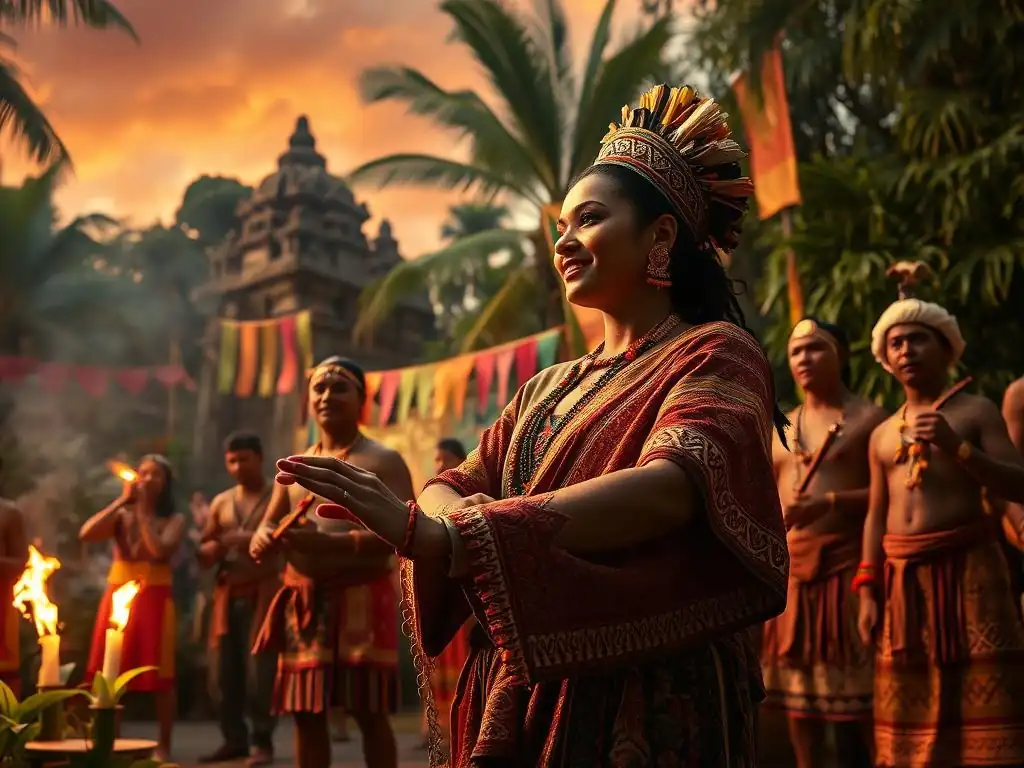
How Modern Maya Communities Celebrate Ancient Festivals
Modern Maya communities continue to celebrate their rich heritage through various festivals that draw on ancient traditions. These celebrations often blend pre-Columbian rituals with contemporary influences, showcasing the resilience and adaptability of Maya culture. Major festivals such as Día de los Muertos (Day of the Dead) and Xcotl, a festival dedicated to the maize god, exemplify this fusion.
- Día de los Muertos: Although widely recognized in Mexico, this celebration has deep roots in Maya traditions. Families honor their ancestors by creating altars adorned with photographs, food, and flowers, reflecting the belief in the ongoing presence of the deceased in the lives of the living.
- Xcotl Festival: Celebrated in various Maya communities, this festival marks the maize harvest. It includes offerings to deities, traditional music, and dances, emphasizing the importance of maize in Maya cosmology.
Modern Maya festivals often incorporate traditional dress, such as huipiles and cortés, which represent cultural identity. These garments, often handmade and adorned with intricate designs, serve as a visual connection to their ancestors and the land.
The Impact of Colonization on Maya Ceremonies
The arrival of European colonizers in the 16th century significantly altered the religious landscape of the Maya civilization. Colonial powers sought to suppress indigenous practices, leading to the transformation of many ceremonies.
- Syncretism: Many Maya ceremonies were adapted to incorporate elements of Catholicism, resulting in a unique blend of beliefs. For instance, the celebration of the Virgin of Guadalupe has become intertwined with ancient goddess worship, reflecting a form of resistance against colonial suppression.
- Loss of Traditional Knowledge: Colonization led to the loss of many ancient texts and practices. The Spanish conquest resulted in the destruction of codices and temples, which contained valuable knowledge about Maya ceremonies and their significance.
The impact of colonization can still be seen today, as some traditional practices have diminished or become fragmented. However, this historical context is crucial for understanding the current revival of Maya festivals and ceremonies.
Revitalization Movements in Maya Religious Practices
In recent decades, there has been a significant movement towards revitalizing Maya religious practices and ceremonies. This resurgence is driven by a desire to reclaim cultural identity and combat the effects of colonization.
- Cultural Organizations: Many Maya groups have established organizations to promote their cultural heritage, offering workshops and educational programs that teach traditional practices, including ceremonies, language, and crafts.
- Intergenerational Knowledge Transfer: Elders play a vital role in imparting knowledge about ancient rituals to younger generations. This transmission of knowledge helps to ensure that traditional practices are preserved and adapted for contemporary contexts.
The revitalization of Maya festivals and ceremonies is not just a cultural phenomenon; it also serves as a form of political activism. By celebrating their heritage, modern Maya communities assert their identity and rights, challenging historical narratives that sought to erase their existence. The resurgence of these practices highlights the enduring significance of Maya culture and its ability to thrive despite centuries of adversity.
Conclusion: The Enduring Legacy of Maya Festivals and Ceremonies
The rich tapestry of Maya festivals and ceremonies reflects a profound connection to the divine and the natural world, illuminating the spiritual essence that permeated every aspect of Maya life. These celebrations not only served as religious observances but also fostered community and reinforced social structures, ensuring the transmission of cultural values across generations.
Through intricate rituals, vibrant dances, and elaborate feasts, the Maya honored their deities, celebrated agricultural cycles, and marked important life events. The enduring legacy of these ceremonies can be seen in contemporary Maya communities, where many traditions persist despite the challenges posed by colonization and modernization.
The significance of these festivals extends beyond their historical roots; they encapsulate a worldview that emphasizes harmony with nature and reverence for ancestral heritage. As such, they provide invaluable insights into the Maya civilization's understanding of the cosmos, their agricultural practices, and their social organization.
The Importance of Preserving Maya Cultural Heritage
Preserving the cultural heritage associated with Maya festivals and ceremonies is crucial for several reasons:
- Cultural Identity: Festivals serve as a vital expression of identity for Maya communities. They reinforce a sense of belonging and continuity, allowing individuals to connect with their ancestry.
- Educational Value: Each festival is a repository of knowledge, encompassing history, mythology, and traditional practices. By studying these events, scholars and enthusiasts can gain a deeper understanding of Maya civilization.
- Tourism and Economy: As interest in indigenous cultures grows, Maya festivals can attract visitors, providing economic opportunities for local communities while promoting cultural exchange.
- Environmental Stewardship: Many ceremonies are tied to agricultural cycles and natural phenomena, promoting a sustainable relationship with the environment. This aspect is increasingly relevant in discussions on ecological conservation.
To preserve these traditions, it is essential to support local initiatives, engage with community leaders, and ensure that younger generations are educated about their cultural heritage. Documentation efforts, such as recording oral histories and rituals, are also vital to safeguard this invaluable legacy.
Inviting Future Generations to Celebrate the Divine
As we reflect on the significance of Maya festivals and ceremonies, it is imperative to inspire future generations to engage with and celebrate this vibrant heritage. Here are some ways to encourage participation:
- Community Involvement: Local communities can host workshops and events that invite younger members to learn traditional practices, such as dance, music, and crafting.
- Educational Programs: Schools and cultural organizations can incorporate lessons on Maya history and spirituality, emphasizing the importance of festivals in contemporary society.
- Digital Platforms: Utilizing social media and online resources can help share knowledge and experiences related to Maya festivals, making them accessible to a broader audience.
- Cultural Exchange: Encouraging intercultural dialogue can foster appreciation for Maya traditions among non-Maya audiences, promoting inclusivity and understanding.
By engaging future generations in the celebration of the divine through Maya festivals and ceremonies, we not only honor the past but also ensure that these rich cultural practices continue to thrive in the modern world. The legacy of the Maya is not just a history to be remembered; it is a living tradition waiting to be embraced and celebrated by all.
Frequently Asked Questions
What are the main Maya festivals and ceremonies celebrated today?
Maya communities celebrate several traditional festivals and ceremonies, such as Day of the Dead, New Year, and Rain Dance, which honor their ancestors and nature.
How do Maya festivals reflect their cultural beliefs?
Maya festivals often incorporate rituals that demonstrate their deep spiritual connection to the divine, showcasing their mythology, agriculture, and respect for the natural world.
What role do ceremonies play in the Maya culture?
Ceremonies are essential to Maya culture, serving as ritualistic expressions of gratitude, community bonding, and the maintenance of cosmic balance between humans and deities.
Are there any specific Maya festivals that attract tourism?
Yes, festivals like the Maya New Year and the Festival of the Cross attract significant tourism, offering visitors insights into the vibrant traditions and spiritual practices of the Maya.
How have Maya festivals and ceremonies changed over time?
While many Maya festivals retain their core traditions, they have also evolved by incorporating modern influences, which reflect the dynamic nature of Maya identity and resilience in the face of change.
Final Reflection: Celebrating the Divine Through Maya Festivals and Ceremonies
In a world increasingly disconnected from its cultural roots, the significance of Maya festivals and ceremonies remains profoundly relevant today. These vibrant expressions of spirituality and community not only preserve ancient traditions but also serve as a reminder of the interconnectedness of humanity and the divine. As we navigate the complexities of modern life, the lessons embedded in these celebrations can inspire us to reconnect with our own cultural identities and the natural world around us.
The influence of Maya festivals and ceremonies extends far beyond their geographical origins, shaping the cultural and social landscapes of contemporary society. These events foster a sense of belonging and continuity, bridging generations and inviting individuals to partake in a shared heritage. As the renowned anthropologist Victor Turner once said, Rituals are the means by which we connect with the sacred, and through them, we find our place in the cosmos.
This connection is vital, as it encourages us to honor our past while embracing the present, enriching our understanding of community and spirituality.
As you reflect on the themes presented in this article, I invite you to consider how you can incorporate the spirit of celebration and reverence into your own life. Take a moment to explore your cultural heritage, engage in local traditions, or create your own rituals that honor the divine in your surroundings.
By doing so, you not only pay homage to the rich tapestry of human experience but also cultivate a deeper appreciation for the beauty and diversity of our world. Let the essence of Maya festivals and ceremonies inspire you to celebrate the sacred in your everyday life.
Celebrate the Spirit: Immerse Yourself in Maya Culture Today!
Thank you for exploring the vibrant festivals and ceremonies that honor the divine in the Maya world. Your interest helps keep these rich traditions alive! Now, it's time to take meaningful actions that deepen your connection to this extraordinary culture and share its beauty with others.
Here’s how you can engage further:
- Join a local or online community focused on Indigenous cultures to learn and share insights about Maya traditions.
- Attend a festival or ceremony related to Maya culture, whether in your area or through virtual experiences, to witness the celebrations firsthand.
- Share your newfound knowledge with friends and family or on social media to spark conversations about the importance of cultural heritage.
Which aspect of Maya festivals resonates with you the most, and how will you celebrate or engage with that tradition in your own life?