
Tools for Survival: How Indigenous Innovations Enhanced Hunting and Gathering

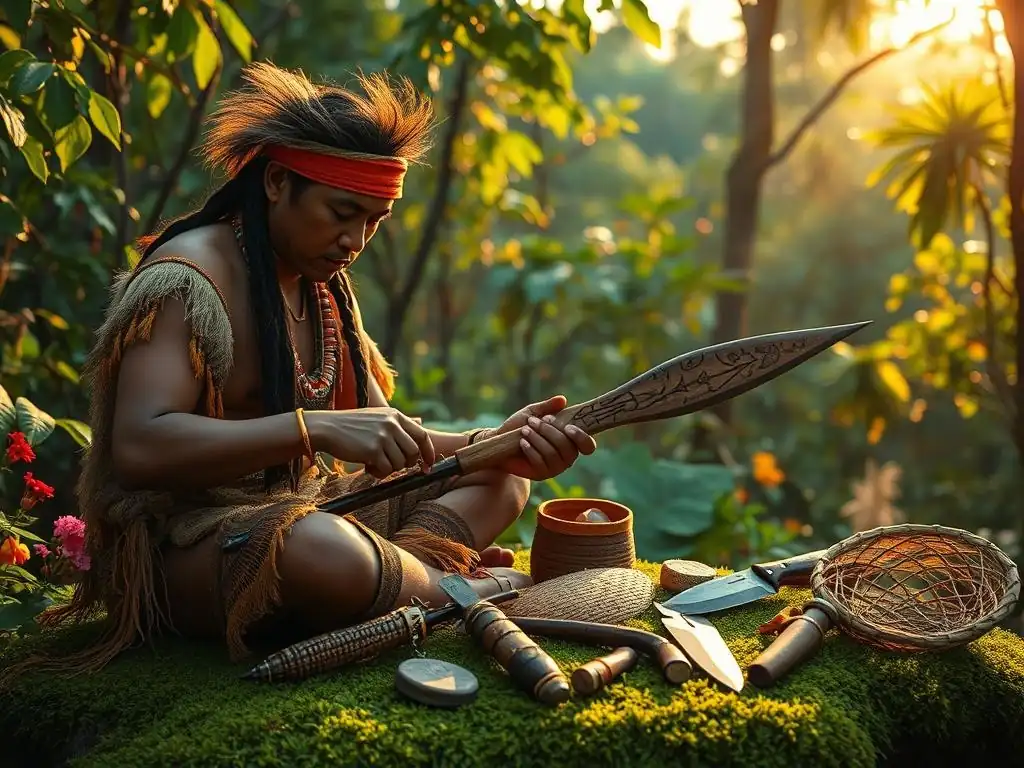
Welcome to Indigenous Civilizations of the Americas, where we invite you to embark on a fascinating journey through the rich tapestry of indigenous cultures that flourished long before European contact. In our featured article, "Tools for Survival: How Indigenous Innovations Enhanced Hunting and Gathering," we delve into the ingenious hunting and gathering tools that not only ensured survival but also reflected the deep connection these communities had with their environment.
Discover the remarkable achievements and advances that shaped their societies and continue to influence us today. Join us as we uncover the stories and innovations that have stood the test of time, sparking curiosity and a deeper understanding of these vibrant civilizations.
- Introduction to Indigenous Hunting and Gathering Tools
- Historical Context of Indigenous Hunting and Gathering
- Types of Indigenous Hunting and Gathering Tools
- Regional Variations in Indigenous Hunting and Gathering Tools
- Innovations and Techniques in Tool Manufacturing
- Case Studies of Indigenous Hunting and Gathering Tools
- The Legacy of Indigenous Hunting and Gathering Innovations
- Conclusion
-
Frequently Asked Questions
- What types of indigenous hunting and gathering tools were commonly used?
- How did indigenous innovations improve survival?
- What materials were primarily used to create these tools?
- How did the use of these tools differ among various cultures?
- What is the lasting impact of these indigenous tools on modern practices?
- Final Reflection: Embracing Indigenous Innovations for a Sustainable Future
- Embrace the Wisdom of Indigenous Survival Tools!
Introduction to Indigenous Hunting and Gathering Tools
Indigenous cultures across the Americas developed a remarkable array of tools that significantly enhanced their ability to hunt and gather food. These innovations were not merely practical items; they were deeply intertwined with the societies’ survival, spirituality, and identity. Understanding these indigenous hunting and gathering tools provides insight into the sophisticated knowledge systems and environmental adaptations that characterized these diverse cultures long before European contact.
From the intricate craftsmanship of stone weapons to the ingenious design of fishing gear, the tools created by indigenous peoples reflect a profound relationship with nature, a testament to their ingenuity and resourcefulness. This article delves into the importance of these tools, highlights key innovations, and explores their lasting impact on indigenous life.
Importance of Tools in Indigenous Cultures
The tools utilized by indigenous peoples were essential for their survival, enabling them to adapt to a variety of environments and resources. These tools served multiple functions, including:
- Hunting and Fishing: Tools like bows, arrows, harpoons, and traps were crucial for procuring game and fish.
- Gathering: Implements such as digging sticks and baskets facilitated the collection of fruits, nuts, and roots, ensuring a diverse diet.
- Social and Cultural Significance: Many tools carried symbolic meanings or were used in ceremonial practices, reinforcing community bonds and cultural identity.
The effective use of these tools often determined the success of a tribe's subsistence strategies, influencing settlement patterns and social organization.
Overview of Indigenous Innovations in Hunting and Gathering
Indigenous peoples showcased remarkable creativity and innovation in developing tools tailored to their specific environments and needs. Some notable innovations include:
- Stone Tools: Many cultures, such as the Clovis and Folsom peoples, crafted sophisticated stone projectile points that increased the efficiency of hunting large game.
- Fishing Gear: Coastal tribes developed nets, hooks, and weirs, demonstrating advanced knowledge of aquatic ecosystems and fish behavior.
- Storage Solutions: Techniques for creating durable containers, such as woven baskets and pottery, allowed for the preservation of food resources.
These innovations not only enhanced the immediate survival of indigenous communities but also laid the groundwork for sustainable practices that respected the balance of their ecosystems. By examining these tools, we gain a deeper appreciation for the ingenuity and adaptability of indigenous cultures in the Americas.
Historical Context of Indigenous Hunting and Gathering
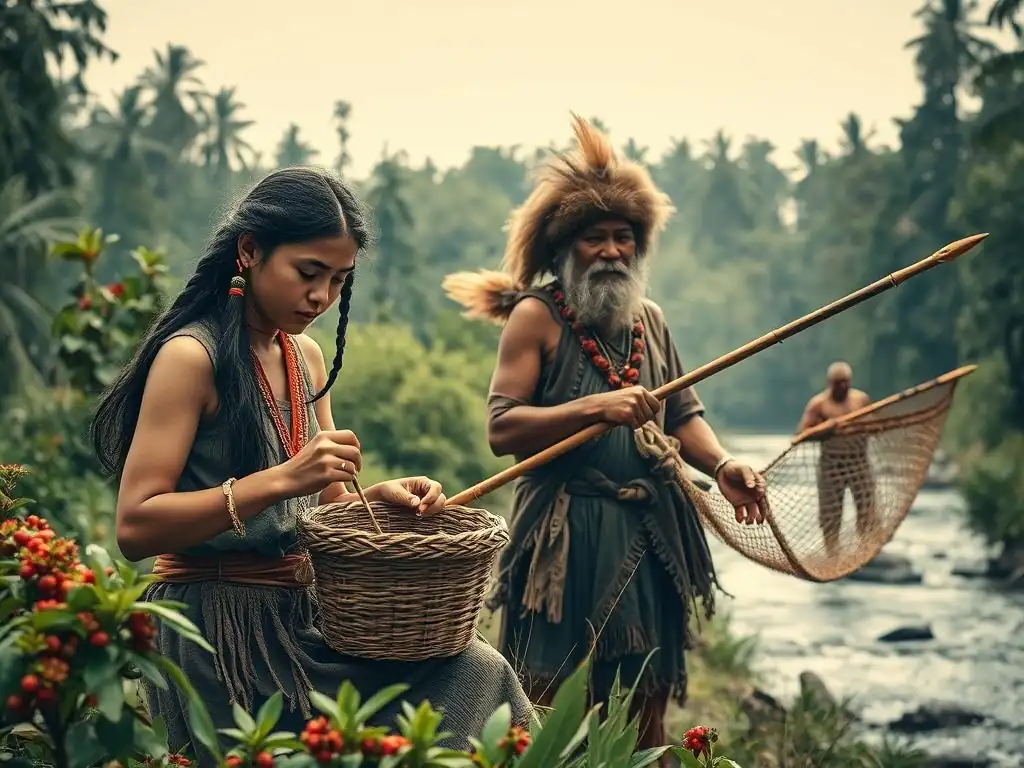
Hunting and gathering were fundamental components of the survival strategies employed by indigenous peoples across the Americas. These practices were not merely methods of obtaining food; they were deeply intertwined with cultural, social, and spiritual aspects of life. Before the advent of agriculture, indigenous communities relied on their intimate knowledge of the land, flora, and fauna to thrive in diverse environments, from the Arctic tundras to the lush jungles of Central America.
The indigenous hunting and gathering tools used throughout the Americas varied significantly, reflecting the distinct environments and available resources. For instance, in the Great Plains, the use of the spear-thrower, or atlatl, allowed hunters to increase their range and accuracy when pursuing game such as bison. In contrast, coastal communities developed tools for fishing, such as nets and fish traps, showcasing their adaptability to different ecosystems.
The innovations in tool manufacturing were not only practical but also demonstrated a profound understanding of material properties and craftsmanship. Indigenous peoples crafted tools from a variety of materials—stone, bone, wood, and later, metals—demonstrating their resourcefulness and ingenuity in creating implements that met their specific needs. These tools were often passed down through generations, becoming integral to the identity and heritage of the community.
The Role of Hunting and Gathering in Indigenous Societies
Indigenous hunting and gathering practices served multiple roles within various societies. Firstly, they were the primary means of subsistence, providing essential resources such as food, clothing, and shelter. The successful pursuit of game and the gathering of wild plants required not only individual skills but also collective efforts, fostering community bonds and cooperation.
Moreover, these practices were embedded in the spiritual and cultural beliefs of indigenous peoples. Many tribes viewed animals as relatives or spiritual beings, and hunting rituals often accompanied the act of taking life. These rituals emphasized respect for nature and the importance of living in harmony with the environment. For example, the Lakota Sioux held ceremonies that honored the buffalo, acknowledging its vital role in their survival and cultural identity.
The seasonal rhythms of hunting and gathering also shaped societal structures. Many communities adopted a semi-nomadic lifestyle, following migratory patterns of animals and the seasonal availability of plants. This mobility encouraged a deep understanding of geography and ecology and fostered trade relationships with neighboring groups, enhancing cultural exchange and interaction.
Timeline of Tool Development among Indigenous Peoples
The development of indigenous hunting and gathering tools can be traced through several key periods, highlighting the technological advancements made by various cultures:
| Time Period | Tools and Innovations | Cultural Impact |
|---|---|---|
| Prehistoric Era | Basic stone tools (e.g., hand axes, scrapers) | Foundation for survival; early evidence of tool-making skills. |
| 10,000 - 5,000 BCE | Atlatls and composite bows | Increased hunting efficiency; enabled pursuit of larger game. |
| 5,000 - 1,500 BCE | Development of fishing gear (nets, fish traps) | Expansion of diet; reliance on aquatic resources. |
| 1,500 BCE - 1,500 CE | Introduction of pottery for food storage and cooking | Enhanced food preservation; cultural significance of pottery. |
| 1,500 CE - European Contact | Metal tools introduced via trade and European influence | Transition to more durable tools; adaptation to new technologies. |
The timeline illustrates a progression of innovations that not only improved the efficiency of hunting and gathering but also shaped the way indigenous societies organized themselves. The adaptation of tools was a response to environmental changes and societal needs, showcasing the resilience and creativity of indigenous peoples.
Through this exploration of indigenous hunting and gathering tools, we gain a deeper appreciation for the sophisticated systems of survival that existed long before European colonization, which continue to influence contemporary indigenous cultures today.
Types of Indigenous Hunting and Gathering Tools

Indigenous cultures across the Americas developed a variety of innovative tools for hunting and gathering, which were essential for their survival and way of life. These tools not only facilitated the acquisition of food but also showcased the ingenuity and adaptability of indigenous peoples in diverse environments. Below are two primary categories of these tools: projectile tools and trapping/snaring tools.
Projectile Tools: Bows, Arrows, and Atlatls
Projectile tools were vital for hunting, allowing indigenous peoples to hunt various game from a safe distance. The most prominent types of projectile tools included bows, arrows, and atlatls, each showcasing unique designs and functionalities adapted to specific hunting environments.
Materials Used in Crafting Projectile Tools
Indigenous hunters crafted projectile tools from a variety of materials readily available in their surroundings. Common materials included:
- Wood: Used for the main structure of bows and shafts of arrows. Different types of wood were selected based on their flexibility and strength.
- Stone: Flint and obsidian were shaped into sharp arrowheads and spear points through a process called knapping, which allowed for precise cutting edges.
- Bone and Antler: These materials were often used to create various tool components, such as arrowheads, fletching, and even atlatl hooks.
- Plant Fibers: Used for bowstrings and to bind other components together, showcasing the resourcefulness of indigenous peoples.
Techniques for Enhancing Accuracy and Range
Indigenous hunters utilized various techniques to improve the efficiency of their projectile tools:
- Tapering Arrows: Arrows were often made tapered to reduce air resistance, allowing for greater speed and distance.
- Fletching: The feathers attached to arrows provided stabilization during flight, enhancing accuracy.
- Bow Design: Different types of bows, such as composite bows, allowed for more power and range. The use of reflex and deflex designs helped store energy efficiently.
- Atlatl Mechanics: The atlatl, a spear-throwing device, extended the hunter's arm, significantly increasing the force and distance of the thrown spear.
Trapping and Snaring Tools
Trapping and snaring tools were integral to indigenous hunting strategies, particularly for capturing small game and ensuring a steady food supply.
Types of Traps Used by Indigenous Peoples
Indigenous cultures employed various types of traps, each designed with specific targets in mind. Some common traps included:
- Pitfalls: Deep holes covered with foliage that would collapse when an animal stepped onto them.
- Snares: Loops of cord or vines that would tighten around the animal's neck or body when triggered.
- Deadfalls: Heavy objects set to fall on unsuspecting animals, effectively immobilizing them.
- Box Traps: Enclosed structures that baited animals into a confined space, allowing for easy capture.
Innovations in Snaring Techniques
Indigenous peoples developed innovative snaring techniques that reflected their deep understanding of animal behavior:
- Baiting Strategies: Specific bait types were employed to attract different species, increasing the likelihood of a successful catch.
- Trigger Mechanisms: Ingenious trigger designs, such as the use of sticks or stones, allowed for more reliable and sensitive snares.
- Seasonal Adaptations: Techniques were modified depending on the season and the migratory patterns of animals, showcasing a profound knowledge of the local ecosystem.
The diverse indigenous hunting and gathering tools exemplify the remarkable innovations that emerged from necessity, highlighting the deep connection indigenous peoples had with their environment. These tools not only provided sustenance but also embody the rich cultural heritage and technological advancements of indigenous civilizations across the Americas.
Gathering Tools: Harvesting Implements
Indigenous peoples across the Americas developed a variety of gathering tools that were essential for harvesting plants, seeds, and other natural resources. These tools reflected a deep understanding of local ecosystems and played a crucial role in sustaining communities. The materials used for these implements often varied based on geographic availability, allowing for a diverse array of designs and functions tailored to specific environments.
Gathering tools not only facilitated the collection of food but also contributed to the preservation of cultural practices and traditions. The techniques for crafting and utilizing these tools were often passed down through generations, embedding knowledge and skills within the fabric of indigenous life.
Types of Gathering Tools and Their Uses
Indigenous cultures harnessed a range of gathering tools, each designed for specific tasks:
- Sickles and Scythes: These curved cutting implements were crafted from stone, wood, or bone and were primarily used for harvesting grasses and grains. The design allowed for efficient cutting with minimal effort, making them essential during harvest seasons.
- Digging Sticks: Simple yet effective, digging sticks were used to uproot tubers and other underground plants. Often made from sturdy branches or sharpened wood, these tools were vital for accessing nutritious food sources like yams and potatoes.
- Containers: Various forms of baskets, bags, and other containers were crafted to hold gathered materials. Made from natural fibers, these items were designed for both storage and transportation, ensuring that harvested goods could be carried back to communities safely.
- Gathering Nets: Used primarily for collecting fruits and nuts from tall trees, gathering nets were made from woven fibers. These tools allowed for the efficient collection of hard-to-reach resources, contributing to a diverse diet.
- Mortars and Pestles: Essential for processing gathered seeds and nuts, mortars and pestles were used to grind food into flour or paste. Made from stone or wood, these tools exemplified the ingenuity of indigenous peoples in food preparation.
| Tool Type | Primary Use | Materials Commonly Used |
|---|---|---|
| Sickles | Harvesting grains and grasses | Stone, wood, bone |
| Digging Sticks | Uprooting tubers and roots | Sturdy branches, wood |
| Containers | Storing and transporting food | Natural fibers |
| Gathering Nets | Collecting high-hanging fruits | Woven fibers |
| Mortars/Pestles | Grinding seeds and nuts | Stone, wood |
Cultural Significance of Gathering Tools
The gathering tools utilized by indigenous peoples were not only functional but also held significant cultural importance. These tools represented a connection to the land and the resources it provided, serving as symbols of sustainability and stewardship. The knowledge surrounding the creation and use of these tools was often intertwined with spiritual beliefs and practices, reinforcing a sense of identity and belonging within communities.
Moreover, the materials and designs of gathering tools varied among different indigenous cultures, reflecting unique environmental adaptations and cultural narratives. For instance, in the Pacific Northwest, the use of cedar bark for crafting baskets and nets was deeply linked to the region’s abundant natural resources, showcasing a harmonious relationship with the environment.
The skills associated with gathering tools were often taught to younger generations through storytelling and hands-on practice, ensuring that cultural knowledge was preserved. This transmission of knowledge fostered a sense of pride and continuity, as each tool carried the legacy of ancestors and their connections to the earth.
Gathering tools played a vital role in the survival and cultural heritage of indigenous peoples, embodying both practical utility and profound cultural significance. These innovations in tool-making illustrate the depth of knowledge and adaptability that characterized indigenous societies long before European contact.
Regional Variations in Indigenous Hunting and Gathering Tools
Indigenous cultures across the Americas have developed a remarkable array of hunting and gathering tools, tailored to their unique environments and resource availability. These tools not only reflect the ingenuity of indigenous peoples but also their deep understanding of the ecosystems in which they lived. This section explores the specific tools used by indigenous groups across three distinct regions: the Plains, the Woodlands, and the Coastal areas.
Tools of the Plains Indigenous Peoples
The Plains Indigenous Peoples, including groups such as the Lakota, Cheyenne, and Comanche, relied heavily on tools that facilitated hunting and mobility across vast grasslands. Key innovations included:
- Bows and Arrows:
- Crafted from flexible wood and reinforced with sinew, these bows were designed for efficiency in hunting buffalo and other game. The arrows, often tipped with stone points, demonstrated advanced flintknapping techniques.
- Buffalo Jump Tools:
- Plains tribes utilized sophisticated strategies for buffalo hunting, including the use of tools for constructing buffalo jumps. These were natural cliffs or steep slopes where buffalo could be driven off, making them easier to hunt.
- Atlatl:
- This spear-throwing device enhanced the hunter's strength and accuracy. The atlatl allowed for greater distance and force when launching spears, crucial for hunting large game.
- Skinning Knives:
- Made from sharpened flint or bone, these knives were essential for processing the buffalo and other animals. The efficiency of these tools facilitated the use of every part of the animal for food, clothing, and shelter.
Tools of the Woodland Indigenous Peoples
The Woodland Indigenous Peoples, such as the Iroquois and Algonquin, developed a different set of tools adapted to their forested environments. Their innovations included:
- Woven Fish Traps:
- Skillful weaving techniques were employed to create fish traps from natural materials like reeds and branches. These traps utilized the flow of water to catch fish, demonstrating a sophisticated understanding of aquatic ecosystems.
- Spear and Harpoon:
- Used for both fishing and hunting, these tools were made from wood and often fitted with obsidian or bone points. The design allowed for precision in targeting fish and smaller game.
- Mortars and Pestles:
- Essential for grinding nuts and seeds, these tools were made from stone or hardwood. They enabled the efficient processing of plant materials, which were crucial for sustenance.
- Bow and Quiver:
- Similar to their Plains counterparts, Woodland peoples also utilized bows and arrows, but with adaptations for hunting smaller game such as deer and small mammals. The quiver often included decorative elements that reflected cultural identity.
Tools of the Coastal Indigenous Peoples
The Coastal Indigenous Peoples, including groups like the Tlingit and Haida, developed tools that reflected their rich marine environments. Their innovations encompassed:
- Sea Kayaks (Qajaq):
- These expertly crafted watercraft were made from wood and animal skins, designed for navigating coastal waters. The design allowed for both speed and stealth in hunting marine animals.
- Fish Weirs:
- Built from wood and stones, these barriers directed fish into traps, optimizing the catch during spawning seasons. The construction of fish weirs demonstrated a profound understanding of tidal patterns and fish behavior.
- Harpoons and Gaffs:
- Essential for hunting sea mammals like seals and whales, harpoons were often barbed and connected to buoyant floats, allowing hunters to retrieve their catch efficiently.
- Baskets and Traps:
- Baskets were woven with intricate designs from available plant materials, used for gathering shellfish and storing food. Traps made from natural materials were employed to capture various land and water animals.
The ingenuity of these tools underscores the adaptability and resourcefulness of indigenous cultures across diverse environments, each contributing to their survival and thriving before European colonization. Each tool not only served a practical purpose but also held cultural significance, reflecting the deep connection between indigenous peoples and their land.
Innovations and Techniques in Tool Manufacturing
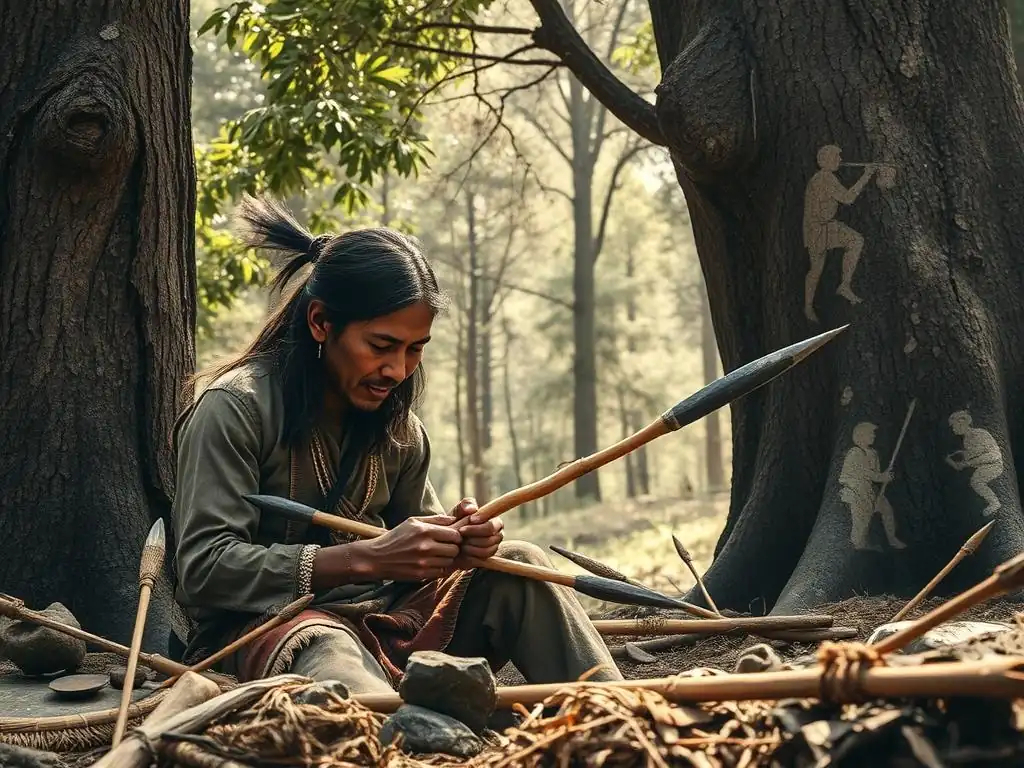
The indigenous peoples of the Americas developed a variety of innovative tools that were crucial for their survival in diverse environments. These tools enhanced their hunting and gathering practices, allowing them to effectively exploit the resources available to them. This section explores the traditional methods of tool production, the impact of the environment on tool design, and the adaptations made by indigenous cultures to thrive in their specific ecosystems.
Traditional Methods of Tool Production
Indigenous cultures employed a range of traditional methods for crafting their hunting and gathering tools. These techniques were often passed down through generations, ensuring that knowledge and skills were preserved and refined over time.
Stone Tool Technology: Knapping Techniques
Stone tools, particularly those made from flint or obsidian, played a vital role in indigenous hunting and gathering. The process of knapping, which involves the careful chipping away of stone to create sharp edges, is central to this technology.
- Core and Flake Method: The core is the larger piece from which flakes are removed. By strategically striking the core, artisans could produce sharp flakes that were used as cutting tools. This method allowed for efficient tool production with minimal waste.
- Pressure Flaking: A more advanced technique, pressure flaking involves applying pressure with a pointed tool to remove small flakes from the stone surface. This technique enabled the creation of finely crafted tools, such as arrowheads and spear points, that were essential for hunting.
- Examples: Notable examples of stone tools include the Clovis points, which date back to around 13,000 years ago and are characterized by their distinctive fluted shape.
Woodworking and Bone Tool Creation
In addition to stone, indigenous peoples also utilized wood and bone to create effective tools for hunting and gathering.
- Wooden Implements: Techniques such as carving and notching were used to create tools like bows, arrows, and digging sticks. Indigenous bow-making often involved the use of flexible woods, such as yew or hickory, which provided strength and resilience.
- Bone Tools: Bones from large game animals were fashioned into tools like awls, needles, and fish hooks. The durability and strength of bone made it an excellent material for crafting tools that could withstand rigorous use.
- Cultural Significance: The craftsmanship involved in woodworking and bone tool creation reflects the deep understanding of local resources and the cultural significance of each tool within specific indigenous communities.
The Impact of Environment on Tool Design
The environment played a significant role in shaping the design of indigenous hunting and gathering tools. Different climates, terrains, and available resources influenced the materials used and the types of tools developed.
Adaptations to Local Resources
Indigenous peoples exhibited remarkable adaptability, designing tools that leveraged the resources available in their specific environments.
- Regional Variations: For instance, coastal communities often crafted fishing tools and nets from local materials such as reeds and fibers, while inland groups focused on hunting tools made from stone and wood.
- Resource Management: Sustainable practices were common, with many indigenous cultures employing techniques that ensured resources were harvested responsibly. This included rotating hunting grounds and allowing certain species to repopulate.
Seasonal Variations in Tool Use
The changing seasons influenced the types of tools used by indigenous peoples, as different resources became available throughout the year.
- Seasonal Adaptations: For example, during the hunting season, specialized tools such as traps and snares were commonly used, while gathering seasons saw the use of baskets and digging sticks for foraging.
- Cultural Practices: Seasonal variations in tool use were often tied to cultural practices and rituals, highlighting the deep connection between indigenous peoples and their environment.
The innovations and techniques in tool manufacturing among indigenous cultures were not only a testament to their ingenuity but also reflected their intimate relationship with the environment. The diverse range of indigenous hunting and gathering tools showcases their ability to adapt and thrive in various landscapes, highlighting their lasting impact on the cultural heritage of the Americas.
Case Studies of Indigenous Hunting and Gathering Tools
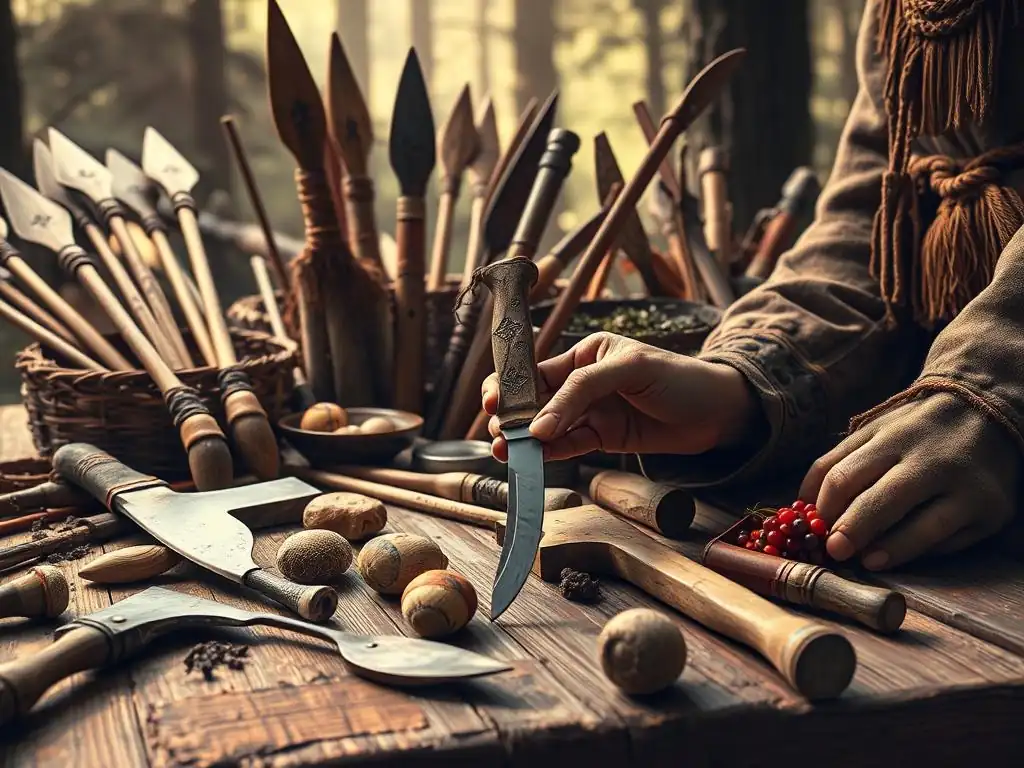
The Inupiat and Their Innovative Hunting Tools
The Inupiat, an indigenous group from the Arctic regions of Alaska, are renowned for their remarkable innovations in hunting tools, which were essential for survival in the harsh, cold environment. Their traditional tools are a testament to their deep understanding of local ecosystems and animal behavior.
One of the primary hunting tools used by the Inupiat is the kayak, a lightweight, maneuverable vessel crafted from wood and animal skins. Kayaks allowed hunters to navigate icy waters with ease, facilitating the pursuit of seals and whales. The design of the kayak has remained largely unchanged for centuries, demonstrating its effectiveness and the ingenuity of Inupiat craftsmanship.
Another notable tool is the harpoon, used for hunting marine mammals. Inupiat harpoons are characterized by their barbed heads, designed to secure a catch. The harpoon's construction often included materials such as bone, antler, or metal, showcasing the adaptability of the Inupiat people to incorporate new materials while retaining traditional techniques.
| Tool | Material | Function |
|---|---|---|
| Kayak | Wood, animal skins | Transportation and hunting of marine mammals |
| Harpoon | Bone, antler, metal | Capturing seals and whales |
The Inupiat also employed a range of traps and snares for terrestrial hunting. These devices were strategically placed to maximize efficiency and were often constructed from available materials like wood and sinew. By understanding animal patterns, the Inupiat developed sophisticated techniques that ensured a sustainable harvest, reinforcing the cultural practice of respect for nature.
The Lakota and the Evolution of Gathering Implements
The Lakota, a prominent indigenous group of the Great Plains, developed a variety of gathering tools that exemplified their adaptability and resourcefulness. These implements were designed to complement their nomadic lifestyle, primarily focused on hunting bison and gathering wild plants.
A key gathering tool used by the Lakota is the digging stick, which was vital for harvesting roots and tubers. Typically made from sturdy wood, these sticks were designed with pointed ends to penetrate the soil efficiently. The digging stick allowed the Lakota to access nutritious plants that were otherwise difficult to reach, demonstrating their deep knowledge of edible flora.
Another important implement is the basket, crafted from natural materials such as grasses and reeds. Baskets served multiple purposes: they were used for gathering berries, storing food, and even as containers for carrying tools. The intricate weaving techniques employed by the Lakota not only made these baskets functional but also aesthetically pleasing, reflecting the cultural significance of artistry in their tool-making practices.
| Tool | Material | Function |
|---|---|---|
| Digging Stick | Wood | Harvesting roots and tubers |
| Basket | Grasses, reeds | Gathering and storing food |
The spear was another essential tool for the Lakota, used not only for hunting but also for gathering certain larger plants. Its versatility highlights the interconnectedness of their hunting and gathering practices. By utilizing these tools, the Lakota not only ensured their survival but also fostered a rich cultural identity rooted in their relationship with the land.
The diverse indigenous hunting and gathering tools developed by groups like the Inupiat and Lakota illustrate their innovative spirit and deep understanding of their environments. These tools not only enhanced their ability to thrive in challenging conditions but also contributed significantly to their cultural heritage.
The Legacy of Indigenous Hunting and Gathering Innovations

Indigenous cultures across the Americas developed a remarkable array of hunting and gathering tools that not only facilitated their survival but also shaped the environment and ecosystems in which they lived. These innovations were deeply rooted in their understanding of the natural world, demonstrating a profound relationship with the land. Among the most notable tools were spear throwers (atlatls), bow and arrows, and traps, each designed to enhance efficiency and effectiveness in procuring food.
The design and functionality of these tools were often tailored to specific environments and animal behaviors. For instance, spear throwers increased the velocity and distance of thrown spears, allowing hunters to take down larger game. The bow and arrow, which became prominent in various cultures, offered a silent and precise means of hunting, crucial for stalking wary prey. Moreover, the use of traps and snare systems showcased an innovative understanding of animal movement and behavior, allowing indigenous peoples to harvest without constant direct engagement.
The ingenuity behind these tools reflects a rich tradition of material science—understanding the properties of wood, stone, and bone—and the application of ergonomics in tool design, ensuring they were not only effective but also comfortable for extended use.
Lasting Impact on Modern Tool-Making Practices
The innovations of indigenous hunting and gathering tools have had a lasting impact on modern tool-making practices. Many contemporary tools and techniques have their roots in these ancient designs, demonstrating the enduring legacy of indigenous ingenuity. For example, the principles behind the atlatl can be seen in the development of modern projectile launchers, while the mechanics of the bow have influenced contemporary archery equipment.
| Indigenous Tool | Modern Equivalent | Key Innovation |
|---|---|---|
| Spear Thrower (Atlatl) | Projectile Launchers | Increased launch velocity |
| Bow and Arrow | Archery Equipment | Precision and stealth in hunting |
| Traps and Snares | Modern Trapping Devices | Understanding animal behavior for efficiency |
These tools not only served immediate practical purposes but also fostered community knowledge and skills passed down through generations. The ability to adapt and innovate in response to environmental challenges has influenced various fields, from sustainable hunting practices to modern-day recreational activities like archery and fishing.
Preservation of Traditional Knowledge and Techniques
The preservation of traditional knowledge surrounding indigenous hunting and gathering tools is crucial for maintaining cultural heritage and ecological wisdom. Many indigenous communities actively seek to revitalize these practices, recognizing their significance not only in terms of survival but also in fostering a deeper connection to their ancestral lands.
Efforts to document and teach these techniques involve:
- Community Workshops: Engaging younger generations through hands-on activities that teach traditional crafting and hunting skills.
- Cultural Programs: Integrating indigenous knowledge into educational curricula, focusing on the importance of these tools in historical and contemporary contexts.
- Collaborative Research: Working with anthropologists and ecologists to study and document traditional practices, ensuring they are respected and preserved.
The revival of these practices is not only about survival but also about identity. By embracing their heritage, indigenous peoples can continue to contribute to modern discussions around sustainability and environmental stewardship. The revival and integration of traditional indigenous hunting and gathering tools into contemporary practices serve as a powerful reminder of the ingenuity and resilience of these cultures throughout history.
Conclusion
Summary of Indigenous Innovations in Hunting and Gathering
Indigenous hunting and gathering tools represent a remarkable intersection of creativity, adaptability, and deep environmental knowledge. Across diverse cultures, these innovations were tailored to the specific landscapes and available resources of the Americas, showcasing a profound understanding of the natural world.
- Diverse Materials: Indigenous peoples utilized various materials, including wood, bone, stone, and fiber. For example, the Inuit crafted sophisticated harpoons from bone and ivory for hunting seals, while the Plains Indians developed bows and arrows from flexible wood and sinew, demonstrating their adeptness in resource utilization.
- Technological Advancements: Techniques such as flint knapping allowed for the creation of sharp projectile points and blades, enhancing hunting efficiency. The Chumash of California, for instance, are known for their intricately crafted fishhooks and nets, which significantly improved fishing yields.
- Cultural Significance: Tools were not merely functional; they often held cultural importance, reflecting the values and beliefs of the communities. Rituals surrounding tool-making, such as the creation of ceremonial hunting implements, highlight the spiritual connection indigenous peoples had with their environment and resources.
- Sustainability Practices: Many indigenous technologies were inherently sustainable. The use of seasonal hunting techniques and the principle of taking only what was needed ensured the preservation of animal populations and ecosystems. This holistic view of resource management remains relevant today.
These innovations not only facilitated survival but also contributed to the rich tapestry of indigenous cultures, emphasizing their ingenuity in adapting to their environments.
The Importance of Recognizing Indigenous Contributions to Tool Manufacturing Technologies
Acknowledging the contributions of indigenous peoples to tool manufacturing technologies is essential for several reasons:
- Cultural Heritage: Recognizing these contributions helps preserve the rich heritage of indigenous cultures, which includes unique knowledge systems and practices passed down through generations. This appreciation fosters respect and understanding of indigenous identities and histories.
- Technological Insights: Indigenous innovations in hunting and gathering tools offer valuable insights into sustainable practices that can inform modern technology and environmental conservation efforts. For instance, the agroecological practices used by indigenous agriculturalists provide lessons on biodiversity and ecosystem management that are increasingly relevant in today's context of climate change.
- Correcting Historical Narratives: History often overlooks or misrepresents indigenous contributions. By highlighting their achievements in tool manufacturing, we can correct these narratives and acknowledge the sophisticated technologies developed independently by indigenous societies long before European contact.
- Encouraging Collaboration: Understanding indigenous technologies can lead to collaborative efforts between indigenous communities and contemporary scientists or policymakers. Such partnerships can promote the integration of traditional ecological knowledge with modern techniques, creating more effective and culturally sensitive approaches to environmental management.
- Empowerment and Advocacy: Recognizing indigenous contributions empowers communities by validating their knowledge and practices. This acknowledgment can play a crucial role in advocacy for indigenous rights and land stewardship, reinforcing the importance of their role in sustainable resource management.
The acknowledgment of indigenous hunting and gathering tools not only honors the ingenuity of these cultures but also serves as a crucial step in fostering respect, collaboration, and sustainable practices in our contemporary world.
Frequently Asked Questions
What types of indigenous hunting and gathering tools were commonly used?
Indigenous peoples used a variety of tools such as spears, bows and arrows, and traps, tailored to their specific environments and available resources to enhance their hunting and gathering practices.
How did indigenous innovations improve survival?
Innovations in tool-making, such as the development of fish hooks and digging sticks, significantly increased the efficiency of hunting and gathering, allowing communities to sustain themselves and thrive in diverse ecosystems.
What materials were primarily used to create these tools?
Indigenous people crafted their tools from natural materials like wood, stone, bone, and sinew, which were readily available in their surroundings, showcasing their resourcefulness and adaptability.
How did the use of these tools differ among various cultures?
Different cultures adapted their tools based on their unique environments and available resources, leading to diverse innovations, such as the inuit harpoon for marine hunting or the plains Indians' buffalo jumps for land hunting.
What is the lasting impact of these indigenous tools on modern practices?
The design principles and uses of indigenous hunting and gathering tools have influenced modern sustainable practices, emphasizing the importance of environmental stewardship and the use of local resources in today’s societies.
Final Reflection: Embracing Indigenous Innovations for a Sustainable Future
The significance of indigenous hunting and gathering tools transcends mere survival; they represent a profound relationship between communities and their environment. Today, as we face pressing challenges such as climate change and biodiversity loss, the wisdom embedded in these ancient practices offers invaluable insights. The resilience and ingenuity of indigenous peoples remind us that sustainable living is not a modern concept but a time-honored tradition that can guide us toward a more harmonious existence with nature.
The cultural and social landscapes of our world are deeply enriched by the innovations of indigenous communities. These tools are not just relics of the past; they are living embodiments of knowledge, creativity, and adaptability that continue to influence contemporary practices. As we explore the importance of these innovations, we recognize that they hold the key to sustainable resource management and ecological stewardship. Indigenous knowledge is a treasure trove of wisdom that can help us navigate the complexities of our modern world.
As we reflect on the lessons learned from indigenous hunting and gathering tools, let us consider how we can integrate these principles into our lives. I invite you to explore your relationship with nature and seek out ways to honor and learn from indigenous practices. Whether through supporting indigenous rights, advocating for sustainable practices, or simply being more mindful of our impact on the environment, we can all contribute to a future that respects and celebrates the rich heritage of indigenous innovations. Together, we can forge a path toward a more sustainable and equitable world.
Embrace the Wisdom of Indigenous Survival Tools!
Thank you for joining us on this enlightening journey through the remarkable innovations of indigenous hunting and gathering techniques. We hope you’ve gained a deeper appreciation for the resourcefulness and ingenuity of these ancient cultures. Now, it’s your turn to connect with this knowledge and explore how you can apply these lessons in your own life.
Here are some inspiring steps to take next:
- Experiment with DIY survival tools! Research and create your own version of an indigenous tool, such as a fish spear or a gathering basket, using materials found in your local environment.
- Join a local nature group or workshop. Engaging with others to share and learn about indigenous practices can enhance your connection to nature and build a sense of community.
- Share this knowledge! Discuss the insights you’ve gained about indigenous innovations with friends or on social media to spread awareness and appreciation.
What unique survival skills from indigenous cultures resonate with you the most, and how might you integrate them into your daily life?