
The Myth of the Inca Gold: Economic Structures Beyond Precious Metals

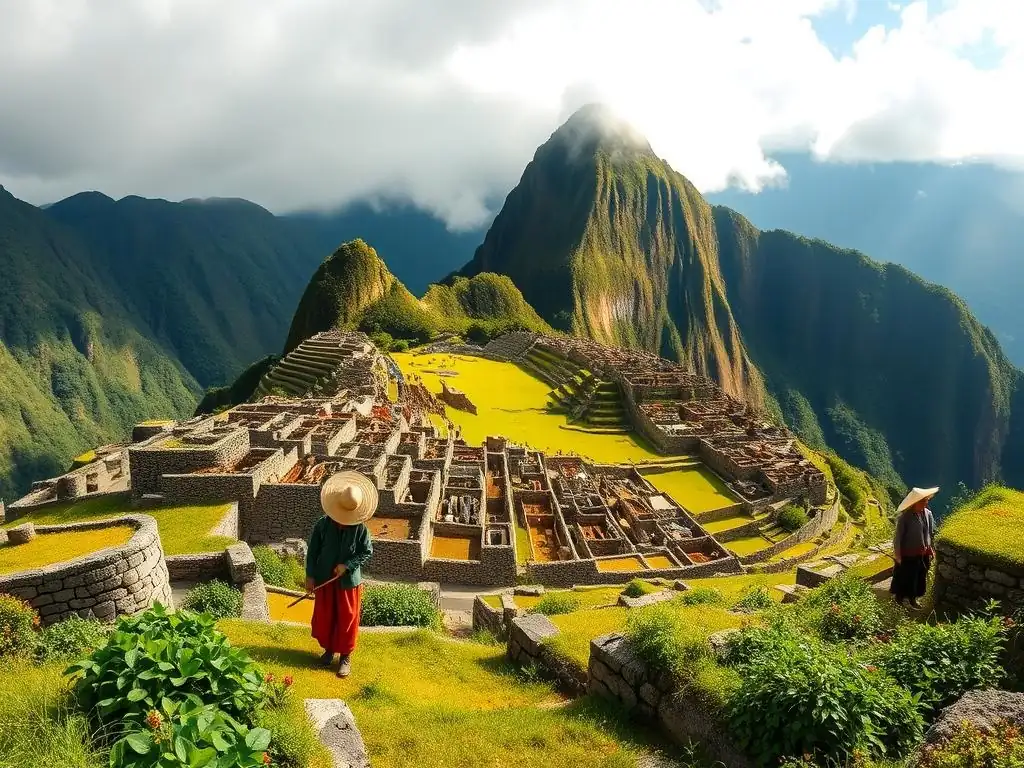
Welcome to Indigenous Civilizations of the Americas, where we embark on a journey through time to uncover the rich tapestry of cultures that flourished long before European influence. In this exploration, we delve into the Inca economic structures explained, revealing the intricate systems that supported one of the most remarkable civilizations in history. Prepare to challenge the myths surrounding Inca gold and discover the true wealth of their ingenuity, trade, and societal organization. Join us as we unveil the legacy of the Incas and invite you to explore the profound impact of their innovations on the world today.
Introduction to Inca Economic Structures
The Inca civilization, which flourished in the Andean region of South America from the early 15th century until the Spanish conquest in the 16th century, is often associated with its legendary wealth in gold and silver. However, the economic structures of the Inca were far more complex than the mere accumulation of precious metals.
The phrase "Inca economic structures explained" encompasses a wide array of practices, systems, and innovations that underpinned their society. This article aims to delve into the multifaceted economy of the Incas, focusing on the importance of agriculture, trade, and resource management, while also addressing the myths that surround their wealth in precious metals.
Understanding the Inca Civilization and Its Economy
The Inca Empire was the largest empire in pre-Columbian America, stretching across modern-day Peru, Ecuador, Bolivia, and parts of Chile and Argentina. The Incas developed a sophisticated political and economic system that allowed them to manage vast territories and diverse populations. Their economy was primarily agrarian, relying heavily on the cultivation of crops such as potatoes, maize, and quinoa, often cultivated on terraced fields in the mountainous terrain.
The Incas implemented a system of mit'a, a labor tax that required subjects to work on state projects, including agriculture and infrastructure. This system not only ensured a steady labor force for the empire's needs but also fostered community cooperation and resource sharing. Trade played an essential role in the Inca economy, with goods being exchanged not only within the empire but also with neighboring cultures.
The Importance of Agriculture in the Inca Economy
Agriculture was the backbone of Inca society, providing sustenance for the population and contributing to the empire's wealth. The Incas mastered various agricultural techniques that allowed them to thrive in the diverse Andean climate. Some of these techniques included:
- Terracing: This method transformed steep slopes into arable land, maximizing agricultural output and preventing soil erosion.
- Irrigation: The Incas developed complex irrigation systems to channel water from rivers to their fields, ensuring consistent crop yields.
- Crop Diversity: By cultivating a variety of crops, the Incas were able to adapt to changing climatic conditions and reduce the risk of famine.
The surplus produced by these agricultural practices not only supported the Inca population but also enabled the state to store resources for times of need, thus reinforcing the stability and resilience of the empire.
The Role of Precious Metals in Inca Society
The Myth of Inca Gold: Separating Fact from Fiction
The image of the Inca civilization as a land of boundless gold has been perpetuated through centuries of myth and misunderstanding. While gold and silver indeed held significant cultural and religious value for the Incas, they were not the sole pillars of their economic system. In reality, the wealth of the Inca Empire was rooted in its agricultural productivity, sophisticated infrastructure, and social organization.
Many stories recount the legendary treasures of Inca rulers, often highlighting their use of gold for ceremonial purposes rather than as a medium of exchange or economic currency. This distinction is crucial for understanding the true nature of Inca wealth and prosperity.
Economic Significance of Gold and Silver in the Inca Economy
Although precious metals were not the foundation of the Inca economy, they did play an important role in their society. Gold and silver were primarily used for:
- Religious Offerings: Precious metals were often employed in temples and ceremonies, symbolizing the divine connection between the Incas and their gods.
- Status Symbols: The possession of gold and silver items indicated wealth and social status, reinforcing hierarchical structures within Inca society.
- Trade with Neighbors: The Incas engaged in trade with adjacent cultures, exchanging metal goods for other resources, thus integrating precious metals into their broader economic system.
While the myth of Inca gold captures the imagination, it is essential to recognize the intricate economic structures that sustained the Inca civilization. Understanding these dynamics offers a more accurate and profound appreciation of the achievements and legacies of the Inca people.
Diverse Economic Structures of the Inca Civilization
The Inca civilization, often romanticized for its wealth in gold and silver, had a multifaceted economic structure that extended far beyond precious metals. Understanding the Inca economic systems requires an exploration of their agricultural practices, trade networks, and the unique methods they employed for record-keeping and transactions. The Inca economy was not solely dependent on the riches of the earth; rather, it thrived on a complex interplay of agricultural productivity, resource management, and community cooperation.
Overview of Inca Economic Systems
The Inca economy was primarily a subsistence economy, focused on meeting the needs of its population rather than generating surplus wealth for trade. At the core of this system was the ayllu, a communal group that worked together to cultivate land and share resources. The Inca state implemented a system of reciprocity where labor was exchanged for resources, which fostered a strong sense of community and mutual support.
Key components of the Inca economic system included:
- Agriculture: The foundation of the Inca economy, utilizing advanced farming techniques.
- Resource Distribution: The centralized government managed resources to ensure equitable distribution among the population.
- Labor Taxation: Citizens were required to work on state projects, contributing to infrastructure and agriculture.
- State-Controlled Production: The government oversaw production of goods, ensuring sustainability and stability.
This comprehensive approach to economics allowed the Inca civilization to thrive in the harsh Andean environment while maintaining social cohesion.
Agricultural Practices: Beyond Gold and Silver
Inca agriculture was remarkably advanced, featuring a variety of practices that maximized productivity and sustainability. The Incas cultivated crops such as maize, potatoes, quinoa, and amaranth, employing innovative techniques to adapt to the diverse climatic conditions of their mountainous territory.
Key agricultural practices included:
- Terracing: The Incas developed extensive terraced fields to prevent soil erosion and maximize arable land on steep slopes.
- Irrigation Systems: They constructed sophisticated irrigation channels that diverted water from rivers to fields, ensuring crops received adequate moisture.
- Crop Rotation and Diversity: The practice of growing multiple crops in diverse ecosystems prevented soil depletion and ensured a stable food supply.
These practices not only facilitated food security but also allowed the Inca economy to support a large population, which was crucial for the stability of their empire.
Trade and Exchange in the Inca Empire
Trade and exchange were vital components of the Inca economic system, enabling the distribution of goods and resources across their vast territory. While not reliant on money or currency in the traditional sense, the Incas engaged in a complex system of barter and trade that connected various regions and cultures.
Inca Trade Networks: A Comprehensive Overview
The Inca Empire boasted an extensive network of trade routes that spanned thousands of miles across rugged terrain. These routes facilitated the exchange of goods such as textiles, ceramics, agricultural products, and precious metals. The state-controlled trade ensured that goods were distributed efficiently throughout the empire, fostering economic interdependence among different regions.
Major trade centers included:
- Cuzco: The capital and hub of trade, where goods from various regions converged.
- Chinchero: Known for its textiles, this region served as a significant trade point for finished goods.
- Arequipa: A center for agricultural products, particularly food staples.
The interconnectedness of these trade routes not only supported the economy but also reinforced cultural exchange among the diverse peoples of the empire.
The Role of Quipu in Economic Transactions
An essential element of the Inca economy was the quipu, a system of knotted strings used for record-keeping and communication. Quipus served as a means to track agricultural production, resource allocation, and labor contributions.
- Record Keeping: Different colored strings and knot types represented various quantities and categories of goods, allowing for detailed accounting.
- Communication: Quipus were instrumental in transmitting information across the empire, particularly in remote regions where written language did not exist.
This innovative system demonstrated the Incas' ability to manage complex economic transactions without a formal writing system, highlighting their adaptability and intelligence in governance.
Barter System and Its Impact on Inca Economy
The Inca economy relied heavily on a barter system rather than monetary transactions. Goods and services were exchanged based on mutual agreement and necessity, fostering strong community ties.
The impact of the barter system included:
- Resource Allocation: This system ensured that resources were distributed based on communal needs, rather than individual wealth.
- Social Cohesion: Bartering strengthened relationships within communities, promoting cooperation and support among the ayllus.
- Economic Flexibility: The lack of a rigid monetary system allowed for adaptability in trade, accommodating fluctuations in supply and demand.
The Incas demonstrated a sophisticated understanding of economic structures that prioritized communal welfare and sustainability over the accumulation of wealth, challenging the myth of a civilization solely defined by its precious metals.
Labor Systems in Inca Society
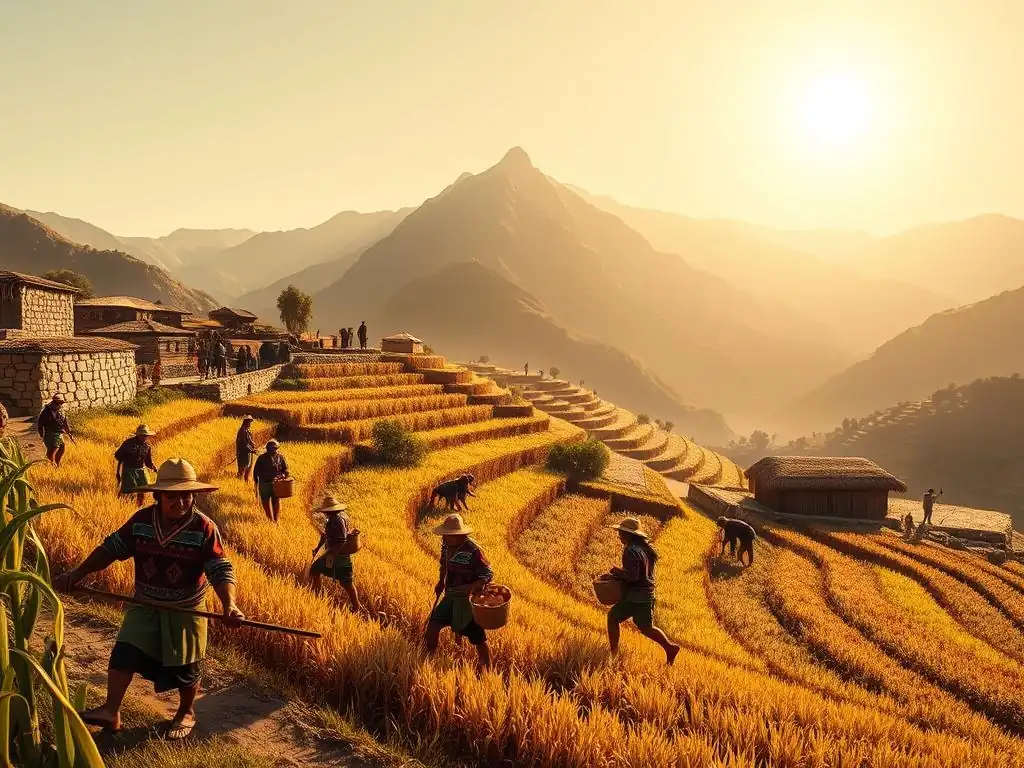
The Inca civilization, known for its impressive architectural feats and vast empire, had a well-defined labor system that played a crucial role in its economic structures. Rather than relying solely on the extraction of precious metals, the Incas developed a sophisticated economic model based on communal labor, resource management, and agricultural innovation. Their labor systems were intricately tied to the social organization, with a focus on collective responsibility and the welfare of the community. This approach not only ensured the functioning of their society but also facilitated trade, agriculture, and infrastructure development.
The labor systems in Inca society were multifaceted, involving various forms of labor contributions that were essential for sustaining their economy. The Incas implemented structured labor divisions that helped maintain order and efficiency in their vast territories. By prioritizing community involvement and collaboration, they fostered a sense of unity and purpose among their subjects, which was vital for the survival and expansion of their empire.
The Mita System: An Overview of Labor Contributions
One of the most notable labor systems in the Inca Empire was the Mita system, a form of mandatory public service that required individuals to contribute labor for the benefit of the state. Under this system, communities were organized into groups that would take turns providing labor for various state projects, including agricultural work, road construction, and mining operations. The Mita system not only ensured a steady labor supply for these essential activities but also allowed the state to mobilize resources efficiently.
The Mita system was characterized by its cyclical nature, where different communities would rotate their labor contributions, thus allowing them to continue their agricultural practices while fulfilling their obligations to the state. This approach helped maintain agricultural productivity, as farmers could return to their lands after completing their service. Moreover, the system provided a form of social security, as individuals received compensation in the form of goods and services for their labor, fostering a sense of reciprocity within the community.
Community Involvement in Economic Activities
Community involvement was a cornerstone of Inca economic activities, reflecting the civilization's emphasis on collective well-being. Agricultural practices were primarily communal, with families working together in fields to cultivate crops such as potatoes, maize, and quinoa. This collective effort not only maximized productivity but also facilitated the sharing of knowledge and resources among community members.
In addition to agriculture, the Incas engaged in various economic activities that relied heavily on community participation. Craft production, textiles, and pottery were often created in workshops where skilled artisans collaborated with others to produce goods that were essential for trade and daily life. These practices reinforced social ties and ensured that all members of the community contributed to and benefited from the economy.
The Impact of Geography on Inca Economic Structures
The geography of the Inca Empire played a significant role in shaping its economic structures. Spanning diverse landscapes, from the arid coast to the high Andes mountains, the Inca civilization had to adapt its economic practices to suit the varying environments. This geographical diversity not only influenced agricultural production but also affected trade routes and resource management strategies.
The Incas developed a deep understanding of their environment, employing innovative agricultural techniques and resource allocation to maximize their economic potential. By leveraging the unique characteristics of each region, they were able to create a resilient economy that thrived despite geographical challenges.
Geographic Factors Influencing Agriculture and Trade
Geographic factors significantly impacted Inca agriculture and trade. The diverse climates and altitudes across the empire allowed for the cultivation of a wide range of crops suited to different environments. For instance, the warm coastal regions were ideal for growing maize, while the cooler highland areas were better suited for potatoes and other tubers. This agricultural diversity not only ensured food security but also facilitated trade between regions, as different areas exchanged surplus crops for those they lacked.
Additionally, the Inca road system, which connected various regions of the empire, was pivotal for trade and communication. It enabled the transport of goods across vast distances, fostering economic interdependence among communities. The Incas also established storehouses known as "qollqas," strategically located along trade routes, to manage surplus production and ensure the availability of resources during times of scarcity.
Adaptations to Diverse Environments: A Key to Economic Success
The Inca civilization's ability to adapt to diverse environments was a key factor in its economic success. They implemented various agricultural techniques tailored to the specific conditions of each region. For example, terrace farming was widely used in the mountainous areas to prevent soil erosion and maximize arable land. This innovative practice allowed the Incas to enhance their agricultural output despite challenging terrains.
Moreover, the Incas practiced crop rotation and the cultivation of multiple crops simultaneously, which further increased their resilience to environmental fluctuations. Their deep understanding of local ecosystems enabled them to manage resources sustainably, ensuring long-term productivity.
Overall, the Inca economic structures were not solely dependent on precious metals but were a complex interplay of labor systems, community involvement, and geographical adaptations. This multifaceted approach allowed the Inca civilization to thrive and leave a lasting legacy on the indigenous cultures of the Americas.
Conclusion: Understanding Inca Economic Structures Beyond Precious Metals
The narrative surrounding Inca wealth has often been dominated by the allure of gold, overshadowing the multifaceted economic structures that underpinned their civilization. While precious metals did play a role in the Inca economy, the reality is that their economic practices were far more complex and innovative. The Inca developed a sophisticated system of agriculture, labor organization, and resource distribution that ensured sustainability and efficiency across their vast empire.
By examining the Inca’s reliance on agricultural production, strategic resource management, and community-based labor, it becomes clear that the foundation of their economy was built on a robust network of interdependence among various societal elements. This understanding shifts the focus from a singular obsession with gold to a more nuanced appreciation of how Inca economic structures were integral to their societal success and cultural identity.
The Legacy of Inca Economic Practices in Modern Context
The economic practices of the Inca civilization have left a lasting legacy that continues to influence modern economic systems, particularly in the Andean regions. Elements such as community labor, known as mita, have evolved into contemporary forms of collective work that promote social cohesion and mutual aid. This practice highlights the importance of community involvement in achieving economic goals, emphasizing sustainable development over individual wealth accumulation.
Furthermore, the Inca's agricultural techniques, including terrace farming and irrigation systems, are still relevant today as they offer solutions to modern agricultural challenges. Sustainable farming practices that were refined by the Incas are being revived and adapted to combat issues like soil erosion and water scarcity. The principles of resource management established by the Incas resonate in current discussions about environmental conservation and sustainable agricultural practices, showcasing the timelessness of their strategies.
Final Thoughts on the Inca Civilization's Economic Diversity
The Inca civilization's economic diversity is a testament to their ingenuity and adaptability in the face of various challenges. The complex interplay between agriculture, labor, and resource management created a resilient economic structure that supported one of the largest empires in pre-Columbian America. Understanding the Inca economic structures beyond the myth of gold allows for a richer appreciation of their contributions to the world.
This exploration encourages a more profound recognition of indigenous knowledge systems and their relevance in contemporary society. By acknowledging the intricate economic frameworks of the Incas, we can better understand not only their historical significance but also the enduring lessons they impart for modern economies striving for sustainability and equity. The Inca civilization's legacy serves as a reminder that true wealth lies not solely in precious metals but in the strength of community and ecological stewardship.
- Introduction to Inca Economic Structures
- The Role of Precious Metals in Inca Society
- Diverse Economic Structures of the Inca Civilization
- Trade and Exchange in the Inca Empire
- Labor Systems in Inca Society
- The Impact of Geography on Inca Economic Structures
- Conclusion: Understanding Inca Economic Structures Beyond Precious Metals
Frequently Asked Questions
What were the main components of the Inca economic structures?
The Inca economic structures were based on agriculture, trade, and labor systems. They utilized a tribute system and a form of reciprocity to manage resources efficiently across their vast empire.
How did the Inca manage agricultural production?
The Inca implemented advanced agricultural techniques, including terracing and irrigation, to maximize crop yields. They cultivated staple crops like potatoes and maize, ensuring food security for their population.
What role did trade play in the Inca economy?
Trade was essential for the Inca economy, facilitating the exchange of goods and resources between different regions. They traded items such as textiles, ceramics, and food to support their diverse communities.
How did the Inca utilize labor in their economic structures?
The Inca employed a system called mita, which required citizens to contribute labor for public projects. This system helped build infrastructure, such as roads and temples, and reinforced social cohesion.
What impact did Inca economic structures have on indigenous cultures?
The Inca economic structures fostered the development of complex societies and cultural exchange among various indigenous groups. Their innovative practices laid the groundwork for future economic systems in the region.
Final Reflection: Beyond Gold: Understanding Inca Economic Structures
The exploration of Inca economic structures reveals a rich tapestry of societal organization that transcends the mere allure of precious metals. Today, as we navigate a world often fixated on material wealth, the lessons from the Inca civilization remind us that true value lies in the intricate systems of trade, agriculture, and community interdependence. The Inca Empire, with its sophisticated methods of resource distribution and labor organization, challenges our contemporary perceptions of wealth and prosperity.
Clearly, the legacy of the Inca economic structures continues to resonate in our cultural and social landscapes. The principles of reciprocity and communal support that defined their economy offer a stark contrast to the individualistic tendencies prevalent in modern society. As we reflect on these ancient practices, we can draw inspiration from the words of historian John Hemming: The Incas were not merely a people who hoarded gold; they were masters of a complex economic system that prioritized sustainability and community well-being.
This perspective invites us to reconsider our values and the ways we engage with one another in our economic endeavors.
As we conclude this exploration, I invite you to reflect on the lessons of the Inca Empire and consider how these ancient economic structures can inform our present and future. What can we learn from their emphasis on community and sustainability? Let us strive to integrate these insights into our lives, fostering a sense of interconnectedness and responsibility in our economic choices. By doing so, we not only honor the legacy of the Incas but also pave the way for a more equitable and sustainable future for all.
Thank you for diving into the fascinating world of the Inca civilization! You’ve uncovered not just the myth of gold, but the rich economic structures that sustained a powerful empire. Now, it’s time to take your newfound knowledge and explore further.
Here’s how you can continue your journey:
- Dive deeper into Inca history by reading our articles on their innovative agricultural practices and extensive trade networks.
- Share your insights with friends or on social media to spark discussions about the significance of understanding ancient economies beyond mere wealth.
- Join our community by subscribing to our newsletter for updates on the latest discoveries related to indigenous cultures.
As you reflect on the complexities of the Inca economy, consider this: What lessons can modern societies learn from the sustainable practices of the Inca civilization?