
Celebrating Diversity: Regional Variations in Indigenous Recipes Across the Americas

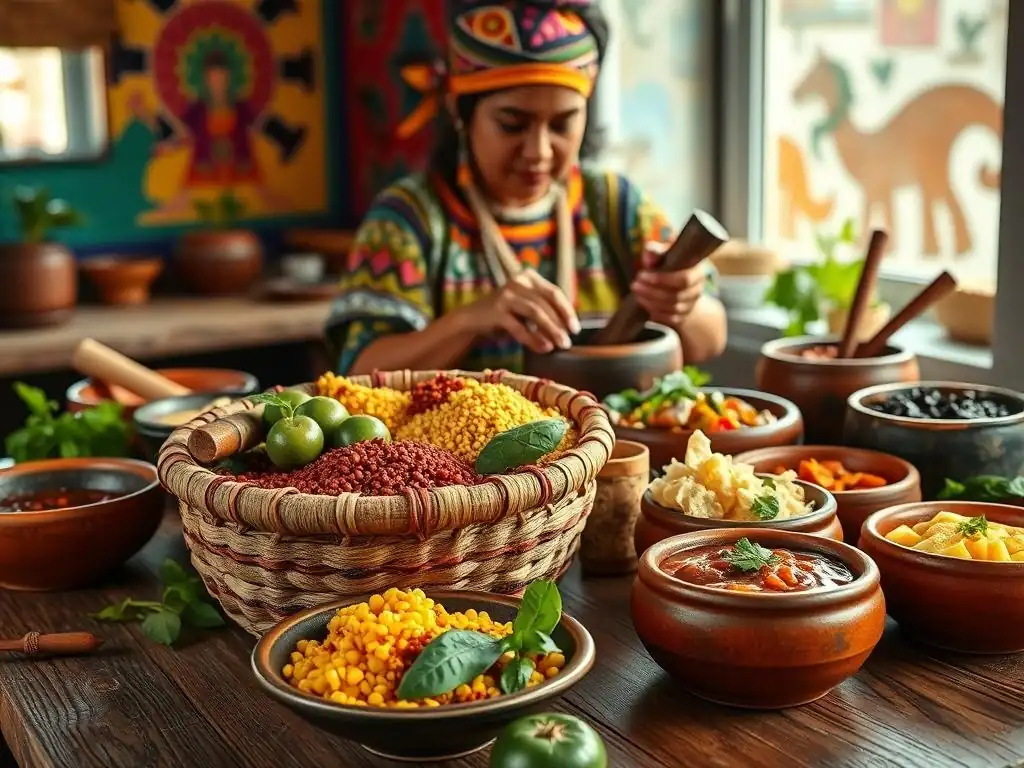
Welcome to Indigenous Civilizations of the Americas, where we delve into the rich tapestry of cultures that flourished long before European contact. Here, you’ll discover the remarkable achievements and vibrant societies of indigenous peoples. In this article, we invite you to embark on a culinary journey as we explore indigenous recipes from the Americas, celebrating the regional variations that reflect the deep connection between food and culture. Prepare to be intrigued by the flavors, stories, and traditions that have shaped the culinary landscape of the Americas—your adventure into the heart of these diverse culinary traditions starts now!
- Introduction to Indigenous Recipes from the Americas
- Northern Indigenous Recipes: A Taste of the Arctic
- Indigenous Recipes from the Northeast: The Three Sisters
- Southeastern Indigenous Recipes: Flavorful Traditions
- Indigenous Recipes from the Plains: Bison and Beyond
- Southwestern Indigenous Recipes: A Blend of Cultures
- Indigenous Recipes from the Pacific Northwest: Seafood and Foraging
- Central American Indigenous Recipes: Ancient Flavors Resurrected
- Conclusion: The Ongoing Legacy of Indigenous Recipes from the Americas
- Resources for Rediscovering Indigenous Recipes
- Frequently Asked Questions
- Final Reflection: Embracing the Rich Tapestry of Indigenous Recipes
- Savor the Flavor: Dive Into Indigenous Culinary Traditions!
Introduction to Indigenous Recipes from the Americas
The culinary traditions of indigenous peoples across the Americas are as diverse and rich as the cultures themselves. Before European colonization, these vibrant communities developed unique indigenous recipes that reflected their environments, resources, and values. From the lush rainforests of the Amazon to the arid deserts of the Southwest, the ingredients and techniques used in these recipes tell stories of resilience, innovation, and a profound connection to the land.
This article aims to celebrate that diversity by exploring indigenous recipes from the Americas, highlighting the regional variations that have emerged over centuries. By understanding these culinary traditions, we can appreciate the cultural heritage of indigenous peoples and recognize the significant impact of their practices on contemporary cuisine. 🌎✨
The Importance of Culinary Heritage in Indigenous Cultures
Culinary heritage is an integral part of indigenous cultures, serving not only as a means of sustenance but also as a vessel for storytelling and cultural expression. Food plays a pivotal role in community gatherings, rituals, and traditions, creating a strong sense of identity among indigenous groups.
-
Connection to Nature:
Indigenous recipes often utilize locally sourced ingredients that reflect the ecosystems in which these communities reside. This relationship with nature fosters a deep respect for the environment and promotes sustainable practices.
-
Cultural Transmission:
Recipes are passed down through generations, often accompanied by specific rituals or teachings. This transmission of knowledge is crucial for maintaining cultural identity and continuity.
-
Social Cohesion:
Sharing food is an essential aspect of community life. Traditional recipes bring people together, reinforcing bonds and fostering a sense of belonging.
In this context, indigenous recipes become more than just food; they embody the history, spirituality, and wisdom of the people who created them.
Exploring the Richness of Regional Variations in Indigenous Recipes
The Americas are home to a vast array of indigenous cultures, each with its distinct culinary practices shaped by geographical, climatic, and historical factors. Understanding these regional variations allows us to appreciate the complexity and richness of indigenous recipes.
-
North America:
-
The Inuit:
Utilized local marine resources, incorporating ingredients like seal, whale, and fish into their diets. Dishes such as muktuk (whale skin and blubber) exemplify this reliance on the Arctic environment.
-
The Navajo:
Known for their use of corn, beans, and squash, often referred to as the "Three Sisters." Traditional recipes like Navajo tacos showcase the blend of these staple ingredients.
-
-
Central America:
-
The Maya:
Emphasized the importance of maize, which is central to their culture. Traditional foods such as tamales and tortillas highlight the versatility of this grain.
-
The Aztecs:
Incorporated a variety of ingredients, including chocolate and chili peppers, into their culinary practices. Dishes like mole reflect the rich flavors and complexity of their cuisine.
-
-
South America:
-
The Andean Cultures:
Celebrated the potato, with over 3,000 varieties cultivated. Dishes like causa demonstrate the creativity and adaptability of these communities.
-
The Amazonian Tribes:
Utilized ingredients such as manioc and fish, creating dishes that are both nutritious and flavorful. Pirão, a traditional fish stew, exemplifies this culinary tradition.
-
By exploring these regional variations, we can gain a deeper understanding of the indigenous recipes from the Americas and their significance in the cultural landscape. Each dish tells a story, inviting us to rediscover and honor the culinary heritage of these remarkable civilizations.
Northern Indigenous Recipes: A Taste of the Arctic
Traditional Ingredients in Arctic Indigenous Cuisine
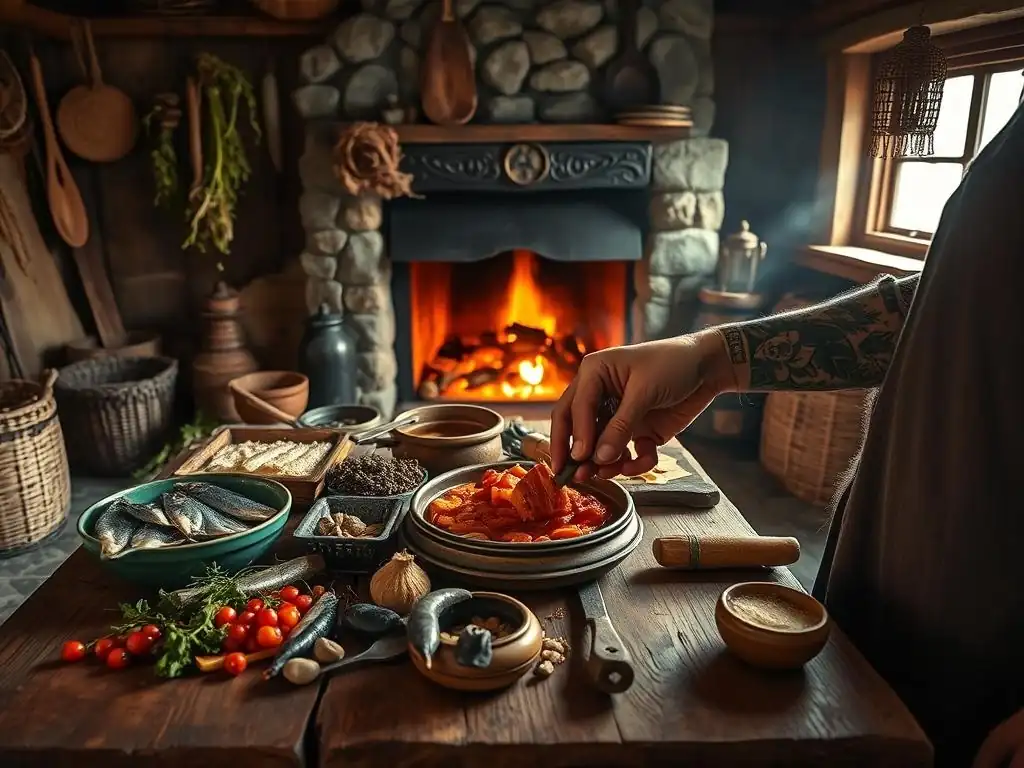
Northern Indigenous recipes are characterized by a unique blend of traditional ingredients that reflect the harsh Arctic environment. The availability of food sources is heavily influenced by the season and geography, leading to a culinary tradition that is both adaptive and resourceful.
Some key ingredients include:
- Marine Life: Fish such as salmon, arctic char, and whitefish are staples. These fish are often dried or smoked for preservation.
- Game: Caribou, walrus, and seal provide essential protein. The meat is often used fresh or preserved through drying and smoking techniques.
- Berries: Wild berries like blueberries, cranberries, and cloudberries are foraged during the short growing season, adding sweetness and nutrition to various dishes.
- Vegetables: Root vegetables such as turnips and potatoes, introduced through trade, have become integral to the diet, complementing traditional foods.
- Fat: Animal fats, particularly from seal and whale, are valuable for their high energy content and are used in many recipes.
These ingredients not only nourish but also connect the communities to their land and cultural heritage. The recipes often emphasize sustainability and respect for the environment, reflecting centuries of knowledge passed down through generations.
Featured Dish: Akutaq (Eskimo Ice Cream)
One of the most celebrated indigenous recipes from the Americas is Akutaq, commonly known as Eskimo ice cream. This dish is a delightful blend of traditional and contemporary ingredients, showcasing the ingenuity of Arctic Indigenous peoples.
Ingredients:
- Animal Fat: Traditionally, seal or caribou fat is used. Today, some recipes adapt by using vegetable shortening.
- Berries: Wild berries, particularly salmonberries or blueberries, are mashed into the mixture.
- Sweetener: Sugar or sweetened condensed milk is often added to enhance flavor.
- Optional Additions: Nuts, dried fruits, or other flavorings can be included for variety.
Preparation:
- Render the Fat: If using animal fat, it is rendered down to create a smooth base.
- Mixing: The rendered fat is whipped together with berries and sweeteners until fluffy and well combined.
- Chill: The mixture is then placed in a cool environment (often outdoors) to firm up before serving.
This dish is often enjoyed during communal gatherings and celebrations, emphasizing the importance of sharing and community in Arctic cultures. Akutaq serves as a reminder of the resourcefulness of Indigenous peoples in utilizing available ingredients to create something truly unique.
Cooking Methods and Cultural Significance of Arctic Recipes
Cooking methods in Arctic Indigenous cuisine are deeply intertwined with cultural practices and environmental considerations. Traditional techniques are often adapted to suit the ingredients available, focusing on preservation and flavor enhancement.
Key Cooking Methods:
- Drying: Fish and meat are often dried to preserve them for long winters. This method enhances flavor while ensuring food security.
- Smoking: Smoking is a prevalent technique, not only for preservation but also for imparting a distinctive taste to meats and fish.
- Boiling and Stewing: Soups and stews are common, utilizing game and foraged plants, allowing flavors to meld and nutrients to be extracted.
- Baking: While traditional baking methods have evolved, some communities still utilize heated stones or earth ovens to cook bread or other dishes.
Cultural Significance:
The preparation and sharing of food play a vital role in the social fabric of Arctic Indigenous communities. Cooking is often a communal activity, where recipes are shared and stories are passed down.
Additionally, many dishes, including Akutaq, are tied to seasonal cycles, celebrating the bounty of nature and the connection to the land. The emphasis on using local ingredients reflects a sustainable approach to food that has endured through generations.
Indigenous recipes from the Americas, particularly those from Arctic regions, showcase a rich tapestry of flavors and traditions that continue to thrive today, highlighting the resilience and creativity of Indigenous peoples.
Indigenous Recipes from the Northeast: The Three Sisters
Understanding the Three Sisters: Corn, Beans, and Squash
The Three Sisters—corn, beans, and squash—represent a cornerstone of the agricultural practices and culinary traditions of many Indigenous peoples in the Northeastern region of the Americas. This triad of crops is not only vital for sustenance but also exemplifies a sophisticated understanding of companion planting, where each plant benefits the others.
- Corn serves as a natural pole for the beans to climb, maximizing space and sunlight.
- Beans add nitrogen to the soil, enriching it and promoting healthier growth.
- Squash spreads across the ground, creating a natural mulch that helps retain moisture and suppress weeds.
This interdependence reflects a holistic approach to agriculture, where the cultivation of these crops is both a practice of sustenance and a celebration of ecological balance. Indigenous communities have cultivated these crops for millennia, integrating them into their diets, rituals, and social structures, thereby shaping their culinary heritage.
Recipe Spotlight: Three Sisters Stew
One of the most beloved dishes featuring the Three Sisters is Three Sisters Stew. This hearty and nutrient-rich dish is a perfect representation of the region's Indigenous culinary traditions. Here’s a simple recipe to try at home:
Ingredients:
- 2 cups of fresh corn (or 1 cup of frozen)
- 1 cup of cooked beans (black or kidney beans are popular)
- 2 cups of diced squash (butternut or zucchini)
- 1 onion, chopped
- 2 cloves of garlic, minced
- 4 cups of vegetable broth
- 1 tsp of cumin
- Salt and pepper to taste
- Fresh herbs (such as cilantro or parsley) for garnish
Instructions:
- Sauté the Aromatics: In a large pot, heat a splash of oil over medium heat. Add the chopped onion and garlic, and sauté until translucent.
- Add the Vegetables: Stir in the corn, beans, and squash, cooking for about 5 minutes.
- Simmer: Pour in the vegetable broth, add cumin, salt, and pepper. Bring to a boil, then reduce heat and let simmer for 20-30 minutes, until the squash is tender.
- Serve: Garnish with fresh herbs before serving. This stew can be enjoyed on its own or paired with traditional cornbread.
This stew not only nourishes the body but also serves as a connection to the rich agricultural traditions of the Indigenous peoples of the Northeast.
The Role of Agriculture in Indigenous Northeastern Recipes
Agriculture has played a crucial role in the culinary landscape of Indigenous Northeastern cultures. The cultivation of the Three Sisters has inspired numerous recipes and cooking methods that reflect a deep-rooted understanding of seasonal cycles and sustainable practices.
- Seasonality: Indigenous recipes often reflect the seasons, utilizing ingredients that are at their peak freshness.
- Cultural Significance: Many dishes are tied to cultural rituals and celebrations, reinforcing community bonds and honoring ancestral traditions.
- Sustainability: The agricultural practices employed by Indigenous communities, such as crop rotation and organic farming techniques, emphasize respect for the land and its resources.
The integration of these principles into daily life is evident in the diverse array of indigenous recipes from the Americas, showcasing a culinary heritage that is both rich and resilient. By exploring these recipes, we not only celebrate the diversity of Indigenous cultures but also gain insights into their profound relationship with the land and food.
Southeastern Indigenous Recipes: Flavorful Traditions
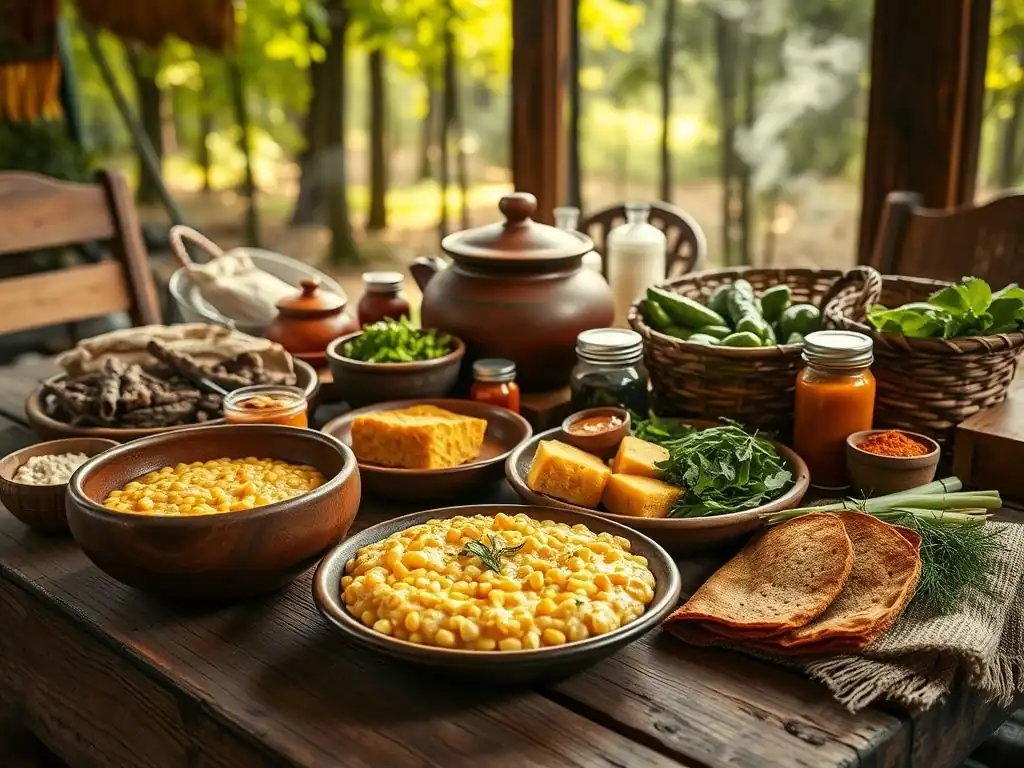
The Southeastern region of the United States is renowned for its rich tapestry of indigenous cultures, each contributing unique culinary traditions that have evolved over centuries. The indigenous peoples of this area, including the Cherokee, Creek, and Seminole, relied heavily on the natural resources available to them, creating dishes that reflect the region's biodiversity. These recipes are characterized by a blend of flavors, textures, and techniques that not only celebrate the ingredients but also the cultural heritage of the indigenous peoples.
Key Ingredients in Southeastern Indigenous Cooking
The foundation of Southeastern indigenous recipes is built on a variety of key ingredients that were staples in the diets of native peoples. Here are some essential components:
- Corn: Known as maize, corn was a fundamental crop, used in various forms from cornmeal to hominy.
- Beans: Often grown alongside corn in the "Three Sisters" farming technique, beans provided essential protein and nutrients.
- Squash: Varieties like pumpkin and zucchini were common, contributing both flavor and sustenance.
- Fish and Game: The abundant rivers and forests provided a rich source of protein, including catfish, deer, and wild turkey.
- Wild Greens and Herbs: Plants such as pokeweed, dandelion, and various herbs added flavor and medicinal properties to dishes.
These ingredients were often prepared using traditional methods such as roasting, steaming, and boiling, allowing the natural flavors to shine through.
Featured Dish: Hushpuppies and Fried Catfish
One of the most beloved dishes in the Southeastern culinary tradition is hushpuppies and fried catfish. This dish exemplifies the fusion of indigenous ingredients and cooking techniques that have been passed down through generations.
Hushpuppies
Hushpuppies are deep-fried cornmeal balls that are crispy on the outside and soft on the inside. Typically made with:
- Cornmeal: The primary ingredient, providing a distinct texture and flavor.
- Onions: Finely chopped and mixed into the batter for added sweetness.
- Buttermilk: Often incorporated to enhance the flavor and moisture.
This dish is believed to have originated from the need to use up leftover batter, and is commonly served alongside fried fish.
Fried Catfish
Fried catfish is another staple, showcasing the region's abundant freshwater fish. The preparation often involves:
- Cornmeal Coating: The catfish fillets are dredged in seasoned cornmeal before frying, giving them a crispy texture.
- Seasonings: Common spices include cayenne pepper, garlic powder, and black pepper, which enhance the natural flavor of the fish.
Together, hushpuppies and fried catfish provide a delicious representation of Southeastern indigenous cuisine, reflecting the use of local ingredients and culinary traditions.
The Influence of Indigenous Recipes on Modern Southern Cuisine
The impact of indigenous recipes from the Americas is profound and continues to resonate within modern Southern cuisine. Many contemporary dishes are direct descendants of these traditional recipes, showcasing how indigenous flavors and techniques have been integrated into the broader culinary landscape.
- Culinary Techniques: Many cooking methods, such as frying and baking in clay pots, have their roots in indigenous practices.
- Ingredient Usage: The prominence of corn, beans, and fish in modern Southern dishes highlights the continued influence of indigenous diets.
- Local Sourcing: A growing trend towards farm-to-table dining reflects the indigenous ethos of utilizing local resources, promoting sustainability and community.
The celebration of indigenous recipes from the Americas, particularly those from the Southeastern region, not only honors the rich culinary heritage of these cultures but also demonstrates their lasting impact on contemporary cuisine. By exploring these flavorful traditions, we can appreciate the diversity and resilience of indigenous peoples and their contributions to the culinary arts.
Indigenous Recipes from the Plains: Bison and Beyond
The Bison: Central to Plains Indigenous Diets
Bison, often referred to as buffalo, played a pivotal role in the diets and cultures of the Plains Indigenous peoples. These majestic animals offered not just sustenance but also materials for clothing, tools, and shelter. The Plains tribes, including the Lakota, Cheyenne, and Blackfoot, developed a deep understanding of bison behavior and migration patterns, which informed their hunting practices.
Nutritional Value: Bison meat is high in protein and lower in fat compared to beef, making it a healthier alternative. The meat is rich in iron, zinc, and B vitamins, providing essential nutrients that supported the active lifestyles of these nomadic communities.
Cultural Significance: Beyond its nutritional benefits, bison were woven into the spiritual and cultural narratives of Plains tribes. Ceremonies often revolved around the bison hunt, symbolizing abundance and the interconnectedness of life. The buffalo jump, a communal hunting method where herds were driven off cliffs, exemplified the cooperation and strategic planning essential for survival.
Recipe Highlight: Bison Burgers with Indigenous Spices
This modern twist on a traditional favorite showcases the rich flavors and heritage of the Plains Indigenous peoples.
Ingredients:
- 1 pound ground bison
- 1 teaspoon crushed juniper berries
- 1 teaspoon dried sage
- 1 teaspoon garlic powder
- Salt and pepper to taste
- Whole grain buns
- Fresh lettuce, tomatoes, and onions for toppings
Instructions:
- Mix Ingredients: In a bowl, combine ground bison, crushed juniper berries, dried sage, garlic powder, salt, and pepper. Mix gently to avoid overworking the meat.
- Form Patties: Shape the mixture into burger patties, about 1 inch thick.
- Cook: Grill or pan-fry the patties over medium heat for about 4-5 minutes on each side, or until they reach an internal temperature of 160°F (71°C).
- Serve: Place the cooked patties on whole grain buns and top with fresh lettuce, tomatoes, and onions.
This recipe not only highlights the unique flavors of bison but also incorporates indigenous spices that have been used for centuries, emphasizing the connection between traditional practices and contemporary culinary innovations.
Gathering and Hunting: Sustainable Practices in Plains Cooking
The Plains Indigenous peoples practiced sustainable hunting and gathering methods that ensured the health of the ecosystem and the availability of resources for future generations.
- Seasonal Hunting: The bison migration patterns dictated the hunting seasons, allowing tribes to follow herds without depleting local populations.
- Utilization of the Whole Animal: Every part of the bison was used, reducing waste and honoring the animal's contribution. From meat to hide and bones, nothing was discarded. For instance, bones were fashioned into tools, and hides were turned into clothing or shelter.
- Gathering Wild Foods: Alongside hunting, the Plains tribes gathered wild herbs, roots, and berries, enriching their diets and maintaining biodiversity. Foods like wild rice, chokecherries, and various nuts were integral to their culinary practices.
These sustainable practices not only highlight the deep respect Plains Indigenous peoples had for nature but also ensure that their culinary traditions can be appreciated and preserved for future generations. The emphasis on sustainability continues to resonate in modern culinary movements that seek to reconnect with indigenous recipes from the Americas.
Southwestern Indigenous Recipes: A Blend of Cultures
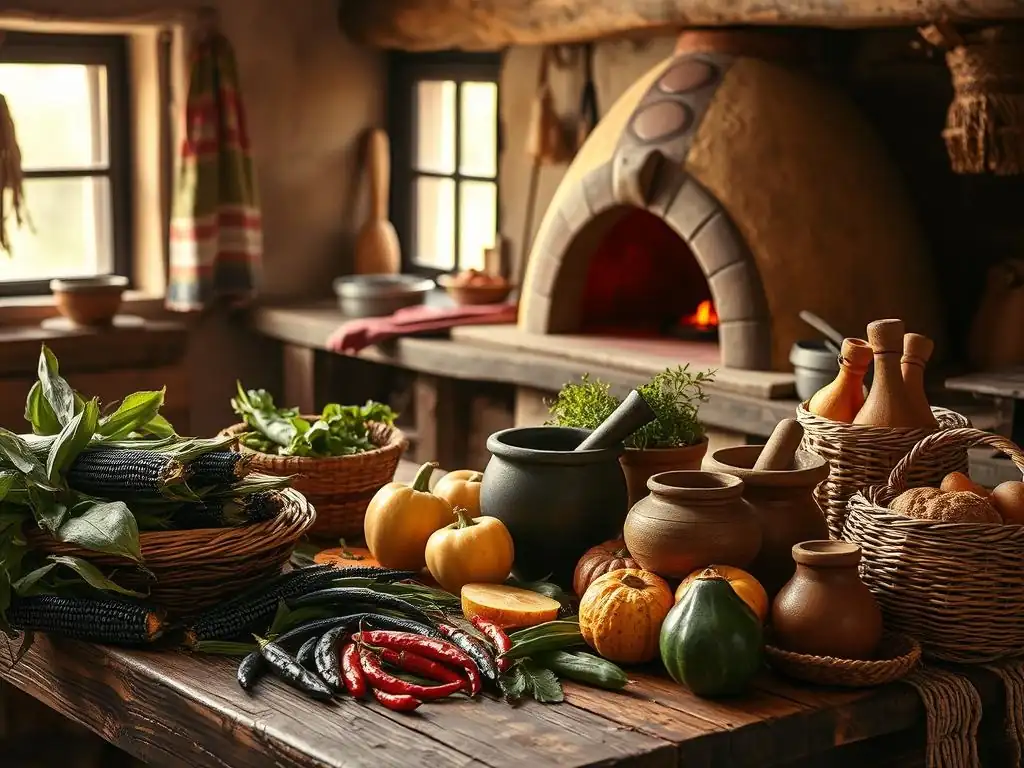
The Southwestern United States is rich in cultural diversity and culinary traditions, influenced by the various Indigenous groups that have inhabited the region for thousands of years. This area is characterized by its unique blend of environments, from arid deserts to lush river valleys, which has shaped the culinary practices and indigenous recipes from the Americas. The fusion of Native American, Spanish, and Mexican influences has given rise to a vibrant and distinctive Southwestern cuisine that celebrates local ingredients and traditional cooking methods.
Unique Ingredients of Southwestern Indigenous Cuisine
Southwestern Indigenous cuisine is defined by its use of native and locally sourced ingredients that reflect the geographical and cultural landscape of the region. Here are some key elements that shape these indigenous recipes:
- Corn (Maize): The cornerstone of Southwestern diets, corn is used in various forms—whole, ground, or as masa for making tortillas and tamales. Blue corn, in particular, is cherished for its nutritional value and unique flavor.
- Beans: Often paired with corn, beans are a staple protein source. Varieties such as pinto, black, and tepary beans are commonly used in dishes, providing essential nutrients and fiber.
- Chilies: Both fresh and dried, chilies add depth and heat to Southwestern dishes. Varieties like jalapeño and poblano, as well as an array of dried chilies, are integral to flavoring indigenous recipes.
- Squash: Native varieties, including pumpkin and zucchini, are incorporated into many traditional dishes, highlighting their versatility and seasonal availability.
- Wild Game and Fish: Traditional hunting and fishing practices contribute to the diet, with venison, rabbit, and various fish species being common protein sources.
- Herbs and Spices: Indigenous herbs such as epazote, cilantro, and various wild greens enhance the flavors of dishes, showcasing the region's biodiversity.
This unique combination of ingredients allows Southwestern Indigenous recipes to reflect the cultural heritage and ecological knowledge of the peoples of the Americas.
Signature Dish: Blue Corn Tamales
One of the most celebrated indigenous recipes from the Americas is the blue corn tamale, a dish that exemplifies both tradition and innovation. Here’s a closer look at this signature dish:
- Ingredients:
- Blue Corn Masa: Ground blue corn is combined with water and a fat (traditionally lard or vegetable shortening) to create a smooth dough.
- Fillings: Common fillings include roasted green chilies, cheese, or meats, bringing a rich flavor profile to the tamales.
- Husks: Dried corn husks are soaked in water to become pliable, serving as the wrapping for the tamales.
- Preparation:
- The masa is spread onto the soaked husks, a spoonful of filling is added, and the husk is folded to encase the contents.
- The tamales are then steamed in a pot or traditional steamer, allowing the flavors to meld and the masa to cook evenly.
- Serving:
- Blue corn tamales are often served with a side of salsa or mole, and they can be enjoyed as a main dish or a snack during gatherings and celebrations.
Blue corn tamales not only showcase the culinary skills of Southwestern Indigenous peoples but also reflect the cultural significance of corn in their societies.
Celebrating Cultural Fusion in Indigenous Recipes from the Southwest
The culinary landscape of the Southwest is a testament to the enduring legacy of Indigenous peoples and their ability to adapt and incorporate influences from other cultures. This cultural fusion can be seen in many indigenous recipes from the Americas, where traditional techniques and ingredients are married with Spanish and Mexican culinary practices.
- Melding of Techniques: Traditional Indigenous cooking methods, such as roasting and steaming, have been complemented by techniques introduced by European settlers, allowing for a broader range of flavors and textures.
- Ingredient Adaptation: The introduction of new ingredients, such as dairy and wheat, has led to innovative dishes that maintain Indigenous roots while embracing new flavors.
- Community Celebrations: Many Southwestern communities celebrate their culinary heritage through festivals and communal meals, where traditional recipes are shared and passed down through generations.
By acknowledging and celebrating this cultural fusion, we not only honor the rich tapestry of Southwestern Indigenous cuisine but also recognize the resilience and creativity of the people who continue to enrich these traditions today. This ongoing evolution of indigenous recipes from the Americas reflects a dynamic culinary heritage that is as diverse as the cultures that have shaped it.
Indigenous Recipes from the Pacific Northwest: Seafood and Foraging
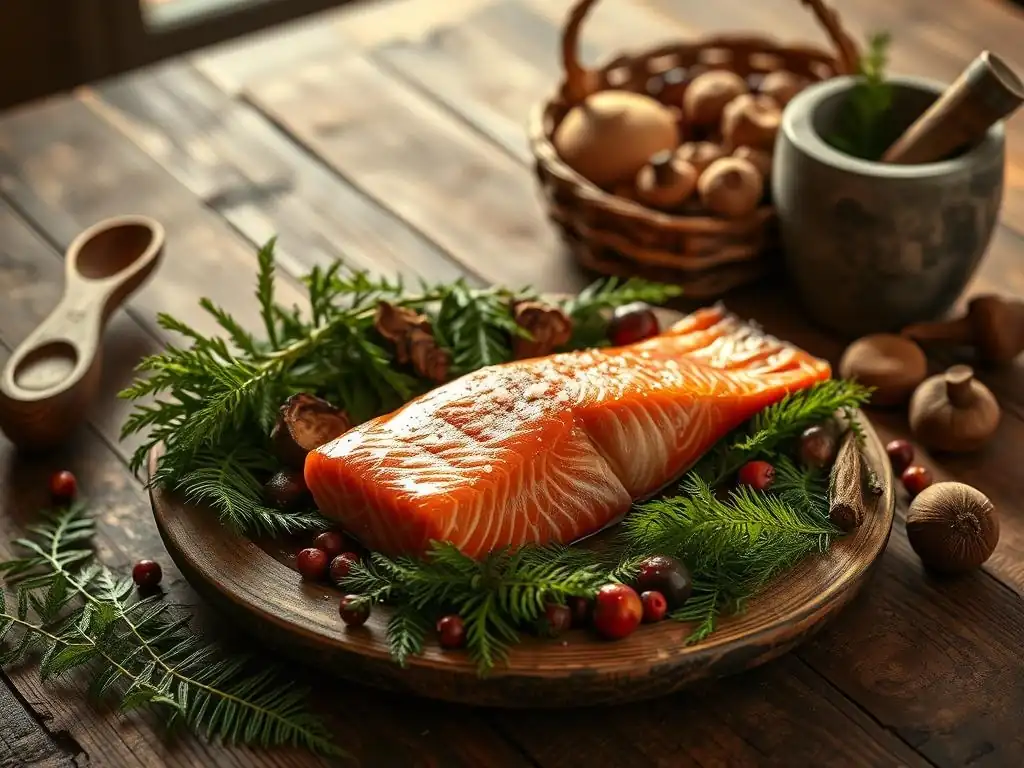
The Pacific Northwest is renowned for its rich and diverse ecosystems, which have profoundly influenced the indigenous recipes from the Americas. This region, characterized by its coastal waters, lush forests, and abundant wildlife, has provided native peoples with an array of natural resources. Seafood, particularly salmon, plays a central role in the culinary traditions of various tribes, reflecting their deep connection to the land and water.
The Importance of Salmon in Coastal Indigenous Diets
Salmon has been a staple food source for many indigenous communities in the Pacific Northwest for thousands of years. Its significance goes beyond mere sustenance; it is woven into the cultural, spiritual, and social fabric of these communities.
- Cultural Symbolism: Salmon is often referred to as the "life-giving fish," representing rebirth and abundance. Many tribes, such as the Haida and Tlingit, celebrate the salmon through traditional ceremonies, highlighting its importance in their cosmology.
- Nutritional Value: Rich in omega-3 fatty acids, proteins, and essential vitamins, salmon provides significant health benefits. It is not only a key source of nourishment but also a vital part of a balanced diet for indigenous peoples, sustaining them through the harsh winters.
- Sustainable Practices: Indigenous fishing practices emphasize sustainability, ensuring that salmon populations remain healthy and abundant. Techniques such as selective fishing and seasonal harvesting reflect a deep respect for nature and its cycles.
Recipe Feature: Cedar Plank Salmon
One of the most celebrated ways to prepare salmon in the Pacific Northwest is by using cedar planks. This traditional cooking method infuses the fish with a smoky flavor and aromatic essence, making it a favorite among indigenous recipes from the Americas. Here’s a simple recipe to try at home:
Ingredients:
- 2 salmon fillets (about 1 lb)
- 1 cedar plank (soaked in water for at least 1 hour)
- 2 tablespoons olive oil
- 2 cloves garlic (minced)
- Juice of 1 lemon
- Salt and pepper to taste
- Fresh dill or parsley for garnish
Instructions:
- Preheat your grill to medium heat.
- Remove the cedar plank from the water and pat it dry.
- In a bowl, mix olive oil, minced garlic, lemon juice, salt, and pepper.
- Place the salmon fillets on the cedar plank, skin side down.
- Brush the fillets with the olive oil mixture and sprinkle with herbs.
- Place the cedar plank on the grill and close the lid. Cook for 15-20 minutes, or until the salmon flakes easily with a fork.
- Serve directly from the cedar plank for an authentic experience.
Foraging for Wild Edibles: Connecting with Nature through Indigenous Cooking
Foraging for wild edibles is an integral part of the culinary traditions in the Pacific Northwest, connecting indigenous peoples to their environment. This practice not only provides fresh and nutritious ingredients but also fosters a profound respect for nature.
- Common Wild Edibles: Indigenous recipes often incorporate a variety of foraged foods, such as:
- Berries: Salmonberries, huckleberries, and blueberries are common foraged fruits that add sweetness and flavor to dishes.
- Greens: Edible greens like nettles and dandelions are rich in nutrients and can be used in salads or cooked dishes.
- Mushrooms: Many indigenous communities gather mushrooms such as chanterelles and morels, which are prized for their unique flavors.
- Cultural Knowledge: The art of foraging is passed down through generations, with elders teaching younger members about the seasonal availability and preparation of wild edibles. This knowledge is vital for maintaining cultural identity and traditions.
- Environmental Stewardship: Foraging encourages sustainable practices, as indigenous peoples are highly aware of the ecological implications of gathering wild foods. They understand the importance of harvesting only what is needed and preserving habitats for future generations.
The indigenous recipes from the Pacific Northwest highlight the region's unique environment and cultural practices. From the significance of salmon in diets to the art of foraging, these culinary traditions offer a glimpse into the rich heritage of the indigenous peoples of the Americas. By celebrating these practices, we acknowledge their lasting impact on both cuisine and culture.
Central American Indigenous Recipes: Ancient Flavors Resurrected
Central America is a vibrant tapestry of indigenous cultures, each with its own unique culinary traditions that have evolved over centuries. Indigenous recipes from the Americas have roots in the ancient civilizations that once thrived in this region, such as the Maya and the Olmec. The preservation and adaptation of these recipes reflect a deep respect for the ingredients, techniques, and cultural significance of food.
The Legacy of Ancient Civilizations in Modern Cooking
The culinary practices of ancient civilizations in Central America have laid the groundwork for many modern recipes. The Maya, for instance, relied heavily on maize, beans, and squash—often referred to as the "Three Sisters." These staples not only provided essential nutrition but also formed the basis of numerous traditional dishes that continue to be prepared today.
Key influences from ancient cooking methods include:
- Nixtamalization: A process of treating corn with limewater, enhancing its nutritional value and flavor. This method is still vital in making tortillas and tamales.
- Mayan Stews: Hearty dishes that incorporate local meats, vegetables, and spices, reflecting the agricultural diversity of the region.
- Herbal Infusions: The use of herbs such as epazote, cilantro, and achiote, which have been staples in indigenous cooking, is prevalent in many contemporary dishes.
Modern chefs and home cooks alike are revisiting these ancient practices, infusing traditional recipes with contemporary flair while remaining faithful to their origins. This revival not only honors the past but also contributes to the sustainability and appreciation of indigenous culinary arts.
Featured Dish: Tamales with Indigenous Fillings
Tamales are a quintessential example of indigenous recipes from the Americas, combining tradition and versatility. Originally made by the ancient Mesoamericans, tamales consist of masa (corn dough) filled with various ingredients and wrapped in corn husks or banana leaves before being steamed.
Traditional Fillings Include:
- Black Beans and Cheese: A classic combination that showcases the local staple ingredients.
- Pork with Red Sauce: Often seasoned with traditional spices and chilies, reflecting the rich flavors of Central American cuisine.
- Vegetable Medleys: Utilizing seasonal produce, such as zucchini, peppers, and mushrooms, these fillings celebrate the agricultural heritage of the region.
Preparation Steps:
- Prepare the Masa: Combine masa harina, water, and a pinch of salt. Knead until smooth.
- Create Fillings: Cook your choice of filling ingredients until tender and flavorful.
- Assemble Tamales: Spread a portion of masa onto a corn husk, add filling, and fold neatly.
- Steam: Place tamales upright in a steamer pot and cook for 1-1.5 hours until fully cooked.
Tamales not only serve as a delicious meal but also as a medium for storytelling and cultural exchange during communal gatherings and celebrations.
Celebrating Community and Tradition through Indigenous Recipes
Indigenous recipes from the Americas are more than just food; they are a means of preserving cultural identity and fostering community ties. In Central America, cooking is often a collective activity, where families and friends come together to prepare traditional dishes. This communal approach strengthens relationships and ensures the transmission of culinary knowledge across generations.
People often gather during festivities, such as Fiestas Patrias or Día de los Muertos, to celebrate their heritage through food. Dishes like pozole and pan de muerto are prepared as symbols of unity and remembrance.
Moreover, the resurgence of interest in indigenous recipes has sparked initiatives aimed at educating younger generations about their culinary heritage. Workshops and cooking classes dedicated to traditional methods and ingredients encourage participation and appreciation among youth, ensuring that these ancient flavors endure.
The culinary traditions of indigenous peoples in Central America are rich with history and meaning. By embracing these recipes, we not only celebrate the diversity of the region but also honor the legacy of the civilizations that shaped them.
Conclusion: The Ongoing Legacy of Indigenous Recipes from the Americas
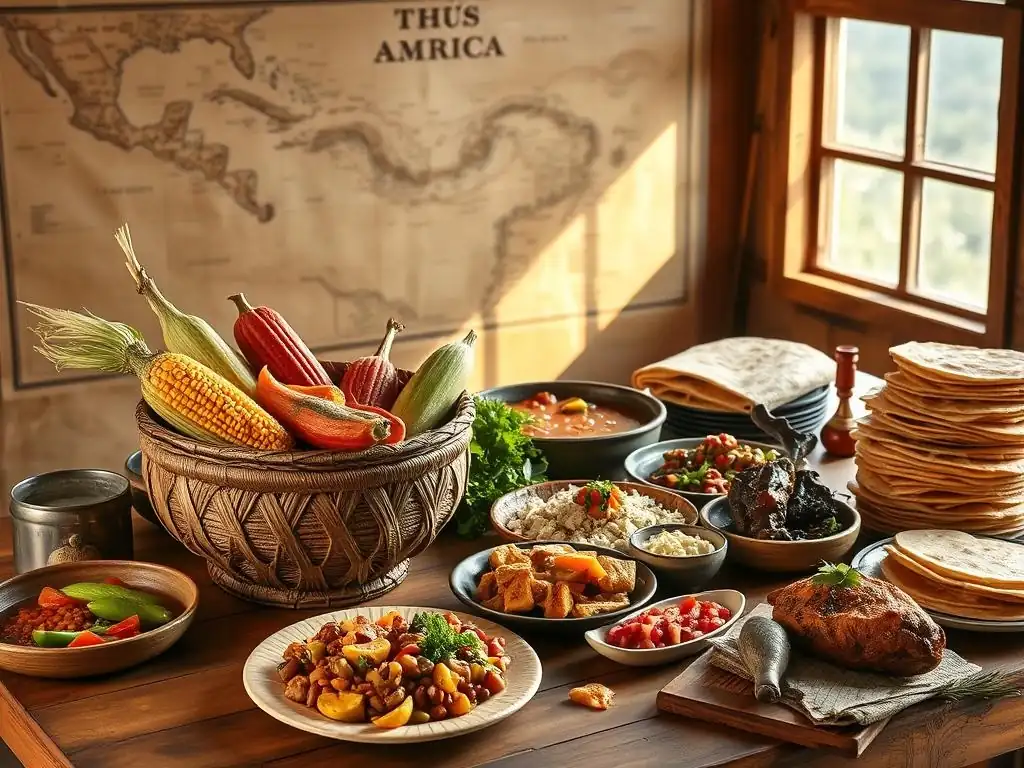
The culinary heritage of indigenous recipes from the Americas is not merely a collection of dishes; it represents a vibrant tapestry of cultural identity, history, and community. Throughout the continent, diverse indigenous groups have developed unique culinary traditions that reflect their environments, agricultural practices, and social structures. By celebrating and preserving these recipes, we honor the legacy of those who came before us and ensure that their knowledge and practices continue to thrive.
As we explore these indigenous recipes, it becomes increasingly clear that they are deeply intertwined with the ecosystems, languages, and cultural narratives of their respective communities. Ingredients like maize, beans, squash, and various herbs and spices are not just food items; they are symbols of resilience, ingenuity, and a profound connection to nature. This complex relationship highlights the importance of recognizing and valuing the contributions of indigenous peoples to the culinary landscape of the Americas.
Preserving Culinary Traditions for Future Generations
Preservation of indigenous recipes from the Americas involves more than just documenting ingredients and cooking methods; it requires a commitment to cultural continuity and community engagement. Here are several key strategies for preserving these culinary traditions:
- Community Cookbooks: Many indigenous communities are creating cookbooks that feature traditional recipes, allowing for the sharing of knowledge across generations. These cookbooks often include stories and cultural significance behind each dish, enriching the culinary experience.
- Culinary Workshops: Hosting workshops led by indigenous chefs and elders can foster a deeper understanding of cooking techniques and the cultural importance of the dishes. These hands-on experiences allow participants to engage with the food in a meaningful way.
- School Programs: Integrating indigenous culinary education into school curriculums can inspire younger generations to appreciate and continue these traditions. By learning about indigenous recipes in a school setting, students can develop a sense of pride in their cultural heritage.
- Sustainable Practices: Emphasizing sustainable food practices that honor traditional methods can help preserve not only the recipes but also the ecosystems that provide the ingredients. This includes promoting local sourcing and the use of heirloom plant varieties.
Encouraging Exploration and Appreciation of Indigenous Recipes
Exploring indigenous recipes from the Americas is a journey that invites everyone to appreciate the diversity and richness of these culinary traditions. Here are some ways to encourage this exploration:
- Culinary Tourism: Promoting culinary tourism can lead to greater appreciation for indigenous recipes. Visitors can participate in traditional cooking classes, food festivals, and local markets, immersing themselves in the culture while enjoying authentic dishes.
- Food Blogs and Social Media: Utilizing platforms such as food blogs and social media to showcase indigenous recipes can reach broader audiences. This digital exposure allows for the sharing of stories, techniques, and adaptations of traditional dishes, fostering a sense of community and appreciation.
- Collaborative Events: Organizing events that bring together chefs, food enthusiasts, and indigenous community members can create a space for dialogue and exploration. Collaborative dinners featuring indigenous recipes can celebrate the flavors and histories of these culinary traditions.
- Recipe Adaptations: Encouraging modern chefs to adapt indigenous recipes while maintaining their essence can introduce these dishes to new audiences. This fusion can spark interest and inspire others to delve deeper into the origins and cultural significance of the recipes.
The ongoing legacy of indigenous recipes from the Americas is a vital aspect of cultural preservation and appreciation. By actively engaging with these culinary traditions, we can ensure that they remain vibrant and accessible for future generations, celebrating the rich diversity that defines the indigenous cultures of the Americas.
Resources for Rediscovering Indigenous Recipes
Recommended Cookbooks on Indigenous Culinary Traditions
Rediscovering indigenous recipes from the Americas can be an enriching experience, and what better way to start than by exploring some highly recommended cookbooks? These books not only provide authentic recipes but also share the cultural significance behind each dish, allowing readers to appreciate the culinary heritage of various indigenous communities.
- "The Sioux Chef's Indigenous Kitchen" by Sean Sherman
- This award-winning cookbook emphasizes the use of traditional ingredients and techniques from the Northern Plains, showcasing dishes that have been passed down through generations.
- Key Features:
- Over 75 recipes including bison stew and wild rice dishes.
- Insightful commentary on the importance of foraging and sustainable practices.
- "Feasts of the Five Senses: Traditional Indigenous Foodways and Recipes" by J. J. McCullough
- This book dives deep into the diverse food traditions across North America, focusing on the Five Senses to elevate the cooking experience.
- Key Features:
- Recipes from various tribes, emphasizing the importance of seasonal and local ingredients.
- Stories and anecdotes that connect food to family and community.
- "Gathering: A Native American Cookbook" by The Indian Pueblo Cultural Center
- Featuring recipes from the Pueblo peoples, this collection highlights the significance of communal meals and traditional cooking methods.
- Key Features:
- A blend of traditional and contemporary dishes, such as blue corn pancakes and roasted piñon nuts.
- Photographs and stories that celebrate Pueblo culture and community.
- "Native American Cooking: Recipes from the Southwest" by Carolyn Niethammer
- Focused on the rich culinary history of the Southwest, this cookbook includes recipes that utilize native ingredients like corn, beans, and squash.
- Key Features:
- Detailed instructions for preparing classic dishes such as fry bread and posole.
- Cultural context for each recipe, explaining its origins and significance.
Online Platforms and Communities Celebrating Indigenous Cooking
In addition to cookbooks, the internet offers a wealth of resources and communities dedicated to celebrating indigenous recipes from the Americas. Here are some notable platforms where enthusiasts can connect, share, and learn:
- Social Media Groups
- Facebook Groups: There are numerous groups dedicated to indigenous cooking, where members share recipes, cooking tips, and cultural stories. Examples include "Indigenous Recipes and Traditions" and "Native American Cooking."
- YouTube Channels
- Indigenous Foodways: Channels like "Cooking with Indigenous Chefs" provide visual guides on preparing traditional dishes, complete with cultural context and personal stories from chefs.
- Websites and Blogs
- Native American Heritage Association: This site offers recipes, articles, and resources that highlight the culinary traditions of various tribes.
- The Sioux Chef Website: Alongside recipes, the site promotes educational resources and workshops focusing on indigenous food practices.
- Online Cooking Classes
- Platforms like MasterClass and Udemy frequently offer classes led by indigenous chefs, providing hands-on experience in traditional cooking methods and recipes.
By utilizing these resources, individuals can deepen their understanding of indigenous recipes from the Americas, celebrate the culinary diversity of indigenous cultures, and contribute to the preservation of these important traditions.
Frequently Asked Questions
What are indigenous recipes from the Americas?
Indigenous recipes from the Americas refer to traditional dishes and culinary practices developed by the various indigenous cultures before European colonization, showcasing regional ingredients and cooking methods.
How do regional variations affect indigenous recipes?
Regional variations in indigenous recipes highlight the diverse climates, geographical features, and available resources in different areas, resulting in unique dishes that reflect the cultural identity of each community.
What are some common ingredients in indigenous recipes?
Common ingredients include corn, beans, squash, and wild game, which were staples in many indigenous diets and are often used in various combinations to create nutritious meals.
How have indigenous recipes influenced modern cuisine?
Indigenous recipes have significantly influenced modern cuisine by introducing new flavors, cooking techniques, and ingredients, promoting a greater appreciation for culinary heritage and sustainability in food practices.
Where can I find authentic indigenous recipes?
Authentic indigenous recipes can be found in cookbooks, cultural websites, and through community gatherings that celebrate indigenous culinary traditions, emphasizing the importance of preserving cultural heritage.
Final Reflection: Embracing the Rich Tapestry of Indigenous Recipes
Celebrating the diversity of indigenous recipes from the Americas is not just about food; it’s about honoring the cultures, histories, and traditions that have shaped these culinary practices. In a world increasingly driven by globalization, where homogenization threatens the uniqueness of regional identities, it becomes imperative to recognize and celebrate the rich tapestry of indigenous cuisines that tell the stories of their people. These recipes are not merely dishes; they are a reflection of resilience, creativity, and a deep connection to the land.
The influence of indigenous recipes extends far beyond the kitchen, impacting our cultural and social landscapes in profound ways. By exploring these culinary traditions, we gain insight into the values and practices that have sustained communities for generations. As we savor these flavors, we participate in a larger narrative of cultural preservation and appreciation. > “Food is a universal language that speaks to the heart and soul of humanity.” This quote encapsulates the essence of how food can bridge divides and foster understanding among diverse cultures.
As we reflect on the importance of indigenous recipes from the Americas, I invite you to take a moment to consider how you can incorporate these culinary traditions into your own life. Explore local indigenous ingredients, try your hand at traditional recipes, and engage with the stories behind them. By doing so, you not only enrich your own culinary repertoire but also contribute to the preservation and celebration of these invaluable cultural heritages. Let us honor the past while nurturing a future where diversity in cuisine is cherished and celebrated.
Savor the Flavor: Dive Into Indigenous Culinary Traditions!
Thank you for joining us on this flavorful journey through the diverse culinary landscape of Indigenous recipes across the Americas. We hope you’ve discovered the rich cultural heritage infused in each dish, which not only tantalizes the taste buds but also tells a story of resilience and tradition. Now, let’s take the next step to celebrate and honor these culinary traditions!
Here are some inspired actions you can take right now:
- Try your hand at an Indigenous recipe: Choose one of the dishes you’ve learned about and recreate it in your kitchen. Share your experience on social media to spread awareness and appreciation for these unique culinary practices!
- Explore local Indigenous markets: Discover authentic ingredients and learn more about the stories behind the recipes that embody the spirit of community and culture.
- Engage with your community: Organize a potluck featuring regional Indigenous dishes and invite friends and family to come together and learn about these culinary traditions.
What unique Indigenous recipe are you excited to try first, and how will you share its story with others?