
Slavery and Servitude in Indigenous Civilizations: A Historical Perspective

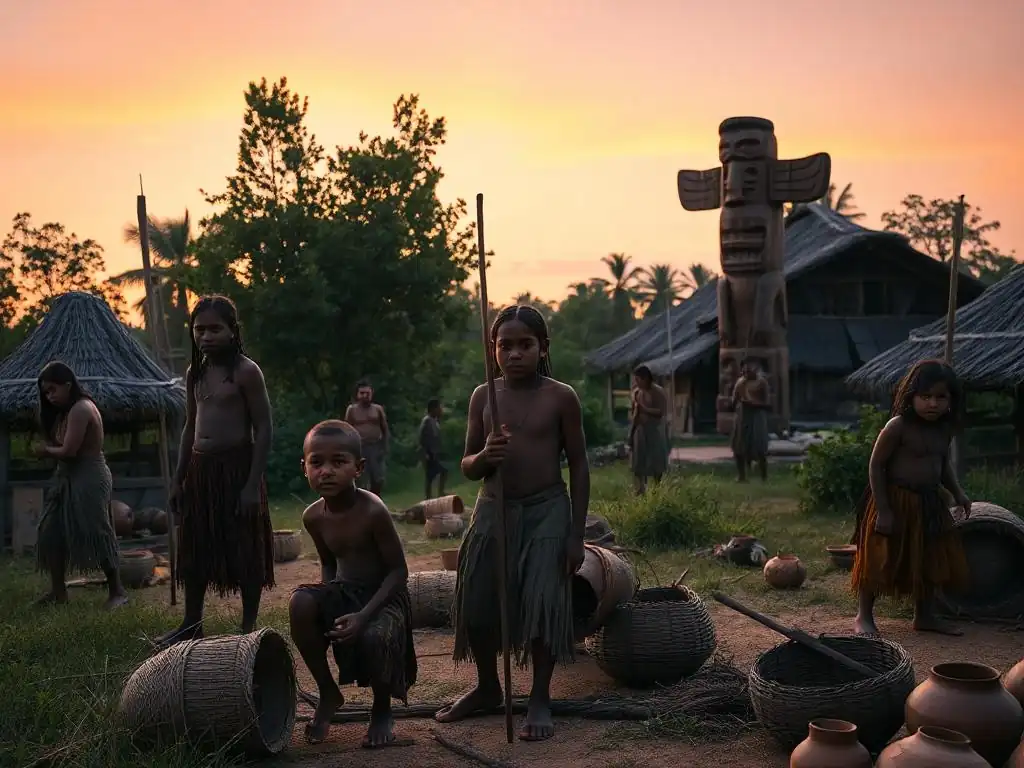
Welcome to Indigenous Civilizations of the Americas, where we invite you to journey through the rich tapestry of indigenous cultures that once flourished across this vast continent. In our featured article, "Slavery and Servitude in Indigenous Civilizations: A Historical Perspective," we delve into a lesser-known chapter of history that reveals the complexities of social structures and the intricate relationships within these societies. Discover how indigenous practices of servitude shaped communities and influenced their resilience in the face of external challenges.
Prepare to broaden your understanding and challenge your perceptions as you explore the profound legacy of these vibrant civilizations. Your exploration begins now!
- Introduction to Indigenous Slavery: A Historical Perspective
- The Framework of Indigenous Societies
- Forms of Slavery and Servitude in Indigenous Civilizations
- The Economic Impact of Slavery in Indigenous Civilizations
- Cultural Perspectives on Slavery in Indigenous Societies
- The Decline of Indigenous Slavery Practices
- Conclusion: The Lasting Legacy of Indigenous Slavery
- References
-
Frequently Asked Questions
- What is the focus of the article "Slavery and Servitude in Indigenous Civilizations: A Historical Perspective"?
- How did indigenous cultures view slavery?
- What were some achievements of indigenous civilizations before European colonization?
- How did indigenous slavery differ from European slavery?
- What lasting impacts did indigenous slavery have on modern societies?
- Final Reflection: Understanding Indigenous Slavery Through a Historical Lens
- Unveil the Truth and Take Action!
Introduction to Indigenous Slavery: A Historical Perspective
The exploration of indigenous slavery and servitude within the context of ancient civilizations is a crucial yet often overlooked aspect of history. Indigenous slavery refers to the systems of forced labor and servitude that existed among various native cultures in the Americas before European colonization. This practice was not monolithic; it varied greatly in form, function, and cultural significance across different societies. Understanding these systems provides a deeper insight into the social structures, economic practices, and cultural beliefs of indigenous peoples, revealing their complexities and the nuances of power dynamics that existed long before European contact.
The study of indigenous slavery allows us to appreciate the rich tapestry of human relationships and societal organization in pre-colonial Americas. By examining the mechanisms of servitude and the reasons behind them, we can better understand the resilience and adaptability of these cultures in the face of external pressures. This historical perspective is essential in recognizing the lasting impacts of these practices on contemporary indigenous communities and their ongoing struggles for recognition and justice.
Definition of Indigenous Slavery and Servitude
Indigenous slavery and servitude encompassed a range of practices, often categorized into different forms, such as:
- Chattel Slavery: Individuals were treated as property, with no rights, and could be bought or sold.
- Debt Servitude: Individuals worked to repay debts, often with long-term consequences for their freedom.
- War Captives: Enslaved individuals taken during conflicts, sometimes integrated into the captor's society.
Each of these forms had distinct implications for the individuals involved and the societies that practiced them. For example, in some cultures, enslaved individuals could eventually earn their freedom or be adopted into the family of their captors, blurring the lines between slavery and kinship.
Importance of Understanding Indigenous Slavery in Historical Context
Understanding indigenous slavery within a historical context is vital for several reasons:
- Cultural Nuance: It allows us to appreciate the diversity of indigenous practices and beliefs surrounding slavery and servitude, countering simplistic narratives that equate indigenous societies with European models of slavery.
- Social Structures: By recognizing the roles that slavery played in indigenous societies, we can better understand their social hierarchies and class structures. This insight highlights the complexity of their civilizations.
- Modern Implications: Analyzing the historical context of indigenous slavery sheds light on contemporary issues faced by indigenous communities, including the legacy of oppression and the fight for rights and recognition.
Examining indigenous slavery from a historical perspective not only honors the experiences of those who lived through these systems but also enriches our understanding of indigenous cultures and their enduring legacies in the Americas.
The Framework of Indigenous Societies

Indigenous civilizations in the Americas exhibited a rich tapestry of social structures, characterized by complex hierarchies that varied significantly from culture to culture. These social frameworks were often deeply intertwined with the spiritual, economic, and political aspects of life.
For instance, among the Aztecs, society was stratified into distinct classes: the nobility (pipiltin), the commoners (macehualtin), and the serfs (tlacotin). The nobility held significant power, controlling land and resources, while commoners engaged in farming, trade, and crafts. This hierarchical division was not only a reflection of wealth but also of the roles individuals played within the community.
In contrast, the Iroquois Confederacy exhibited a more egalitarian social structure, particularly among women. Women held substantial authority in decision-making processes and property ownership, which challenged traditional patriarchal norms. This divergence highlights the adaptability and variability of social systems among indigenous groups.
- Key Elements of Social Structures:
- Leadership: Often based on lineage and military prowess.
- Gender Roles: Varying responsibilities and rights, particularly in matriarchal versus patriarchal societies.
- Economic Classes: Differentiation based on wealth, occupation, and land ownership.
Slavery in indigenous civilizations was distinct from the European model of chattel slavery. It was often a form of servitude that arose from various circumstances, including warfare, debt, and social stratification. In many cases, individuals could achieve a degree of integration into their captor’s society, which allowed for a more fluid social mobility.
In the Inca Empire, for example, those captured in battles could be made into mitmaqkuna or settlers, who were relocated to integrate into the Incan social fabric. This practice served not only as a means of labor but also as a way to diffuse potential rebellion by integrating conquered peoples into the empire.
Conversely, the Mississippian cultures utilized a system of slavery that was often linked to status. Enslaved individuals, known as "war captives," were integrated into the household and could serve various roles, from laborers to ritual participants in ceremonies. The perception of slavery varied, with some individuals eventually gaining freedom and status through their service.
- Functions of Slavery in Indigenous Societies:
- Economic Resource: Providing labor for agriculture and construction.
- Political Tool: Subduing enemies and forging alliances.
- Cultural Integration: Allowing for the blending of different social groups.
Comparison of Slavery Across Different Indigenous Cultures
The practice of slavery among indigenous cultures reveals significant variations based on geographic, cultural, and economic factors. Understanding these differences provides insights into the broader context of indigenous slavery from a historical perspective.
| Culture | Type of Slavery | Integration Potential | Key Characteristics |
|---|---|---|---|
| Aztec | War captives as slaves | Limited, often permanent | Labor-intensive tasks |
| Inca | Mitmaqkuna (settlers) | High, potential for status | Community integration |
| Iroquois | Enslaved individuals | Moderate, could gain rights | Often temporary servitude |
| Mississippian | War captives | Variable, some could be freed | Linked to social status |
While many indigenous societies utilized slavery, it was often less about dehumanization and more about the social and economic roles individuals could play. This contrasts sharply with the later European colonial systems, highlighting the complexity and diversity of indigenous practices.
The examination of indigenous slavery from a historical perspective illuminates the intricate social hierarchies and cultural practices that defined pre-colonial societies in the Americas. Understanding these nuances is essential in recognizing the achievements and legacies of indigenous civilizations.
Forms of Slavery and Servitude in Indigenous Civilizations
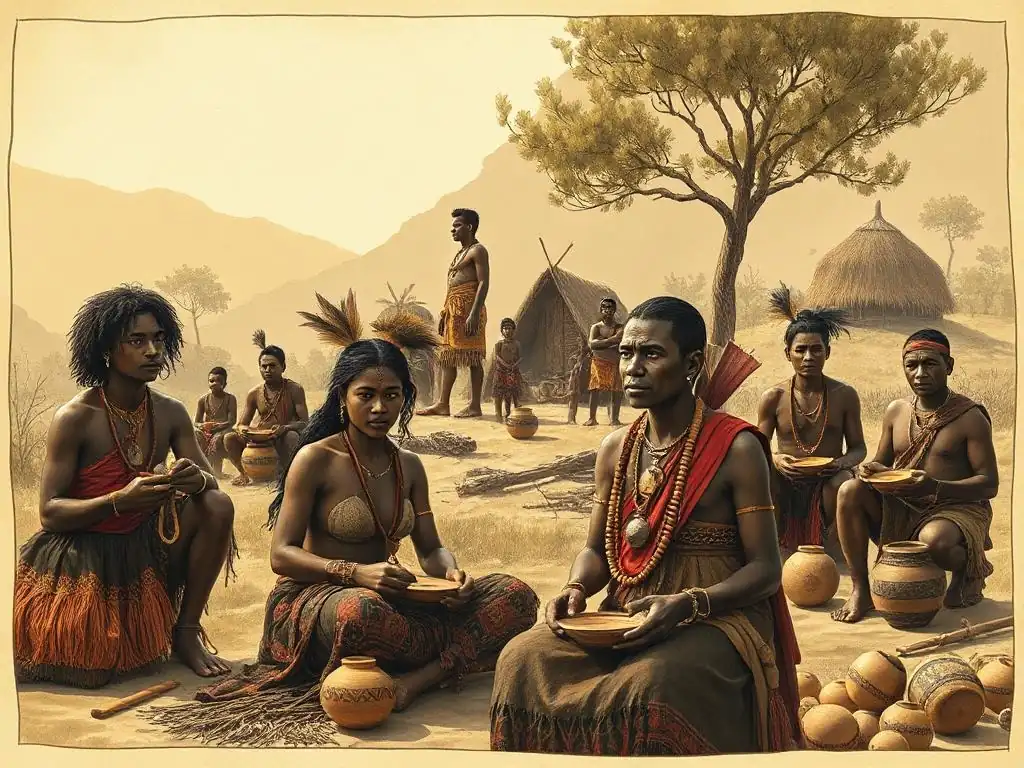
Indigenous civilizations across the Americas exhibited a variety of systems of slavery and servitude, which were often integral to their social structures. While these systems varied significantly from those practiced in European contexts, they provided essential labor, facilitated trade, and influenced the dynamics of power within these societies. Understanding these forms helps illuminate the nuanced social hierarchies and economic practices of Indigenous peoples before European colonization.
Chattel Slavery vs. Debt Servitude in Indigenous Societies
In many Indigenous societies, two primary forms of slavery and servitude were prevalent: chattel slavery and debt servitude.
- Chattel Slavery: This form entailed the ownership of individuals as personal property, where enslaved people had no autonomy and were considered the legal property of their owners. Though less common than in European contexts, some Indigenous groups practiced a form of chattel slavery, particularly in the context of warfare. Captives taken in battle were sometimes enslaved and could be traded or sold.
- Debt Servitude: More commonly encountered in Indigenous societies, debt servitude involved individuals who, due to economic necessity, sold themselves or were sold into servitude to repay debts. This system allowed for a semblance of agency, as individuals could work towards eventual freedom. An important aspect of debt servitude was its temporary nature; individuals often retained a degree of rights and could expect to regain their freedom once their debts were settled.
The distinctions between these forms highlight the complex social fabric of Indigenous civilizations, as they navigated issues of labor, economy, and social status.
Examples of Indigenous Slavery Practices in Major Civilizations
The Aztec Empire and Its Slavery System
The Aztec Empire had a sophisticated system of slavery that integrated into its broader societal structure. Slavery in the Aztec context was often linked to warfare. Captives taken from rival tribes were frequently enslaved, serving as laborers or sacrificial victims. Unlike European chattel slavery, Aztec slaves had certain rights; they could own property, marry free individuals, and even purchase their freedom.
Additionally, those who were enslaved due to debt could work toward their freedom, often within a specified timeframe. The status of a person as a slave was not necessarily permanent, and individuals could move between social classes based on their actions and circumstances.
The Inca Empire's Approach to Servitude
In the Inca Empire, servitude was more structured and was often linked to the Mita system, which was a labor tax imposed on communities. Under this system, communities were required to provide a certain number of laborers for state projects, such as road building or agricultural work.
While the Mita system did not constitute slavery in the traditional sense, it imposed significant obligations on individuals and families. Those who failed to meet their labor commitments could face severe penalties. Enslaved individuals in Inca society were typically war captives, but they were subject to less brutal conditions than in many contemporary European systems. The Incas maintained a focus on integrating these individuals into their societal framework, often allowing for eventual integration and freedom.
Slavery in North American Indigenous Tribes
Slavery practices varied widely among North American Indigenous tribes. Some tribes, such as the Iroquois, practiced forms of slavery that were often tied to warfare, where captives could be adopted into the tribe or enslaved. The concept of slavery was not uniformly defined; for many tribes, it was a fluid status based on individual circumstances.
In contrast, tribes like the Cherokee had more structured approaches to slavery, often influenced by European contact. They practiced a form of chattel slavery, particularly in the 18th and 19th centuries, as European goods and economic systems began to infiltrate Indigenous economies.
Overall, the practices of slavery and servitude in Indigenous civilizations were complex and multifaceted, reflecting a range of cultural values and economic conditions. Understanding these systems provides an essential historical perspective on the social structures of Indigenous peoples before European colonization.
The Economic Impact of Slavery in Indigenous Civilizations
Labor Contributions of Enslaved Individuals
The role of enslaved individuals in Indigenous civilizations was multifaceted and had significant implications for economic productivity. Enslaved individuals were often employed in various sectors, including agriculture, construction, and domestic work. In societies such as the Aztec and Maya, enslaved labor was crucial for sustaining agricultural outputs, particularly in the cultivation of staple crops like maize, beans, and squash.
- Agricultural Labor: Enslaved individuals typically worked alongside free laborers. They were responsible for tasks such as tilling the land, planting seeds, and harvesting crops. Their contributions allowed for increased agricultural yields, which supported larger populations.
- Artisan and Craft Production: Many enslaved individuals were skilled artisans. They contributed to the production of textiles, pottery, and tools, thereby enriching the material culture of their societies. This labor not only fulfilled local needs but also contributed to trade networks.
- Infrastructure Development: In larger civilizations such as the Inca Empire, enslaved individuals played a vital role in constructing infrastructure, including roads, bridges, and irrigation systems. This development facilitated trade and communication across vast territories, enhancing economic integration.
The economic contributions of enslaved individuals were, therefore, integral to the prosperity of Indigenous societies, reflecting a complex social structure where labor was both a means of survival and a tool for expansion.
Trade and Economic Systems Involving Slavery
The economic systems of Indigenous civilizations were often intertwined with practices of slavery, leading to complex trade networks. Enslaved individuals were not only a source of labor but also commodities that could be traded. This trade influenced both local economies and broader inter-regional exchanges.
- Slave Markets and Trade Routes: Various Indigenous cultures, such as the Creek and Cherokee, utilized slave markets. Enslaved individuals were traded across tribal boundaries, often in exchange for goods like weapons, tools, and luxury items. This practice established a vibrant trade network that connected different groups.
- Integration with European Trade: The arrival of Europeans introduced new dynamics to Indigenous slavery. European traders often sought enslaved individuals to support their colonial economies. Indigenous groups engaged in this trade, providing captives in exchange for European goods, which further influenced their economic systems.
- Economic Dependencies: The reliance on enslaved labor created economic dependencies. For some societies, the need for enslaved individuals became critical to maintaining agricultural and artisanal production. This reliance shaped social hierarchies and altered traditional economic practices.
The integration of slavery into trade and economic systems reveals the complexity of Indigenous economies. Enslaved individuals were essential not only for labor but also as a significant component of economic exchange.
The Interconnection Between Slavery and Indigenous Resource Management
Indigenous civilizations developed sophisticated resource management strategies that were often intertwined with the institution of slavery. This relationship influenced agricultural practices, land use, and environmental stewardship.
- Resource Allocation: Enslaved individuals were often tasked with managing and utilizing natural resources effectively. They played a crucial role in practices such as irrigation and crop rotation, which helped sustain agricultural productivity.
- Environmental Impact: The exploitation of land and resources often increased under systems that relied on enslaved labor. Enslaved individuals contributed to deforestation, soil depletion, and over-farming, which had lasting effects on ecosystems.
- Cultural Practices and Sustainability: Some Indigenous cultures integrated enslaved individuals into their resource management practices, emphasizing sustainable approaches. For example, in certain regions, enslaved labor was used to maintain communal lands, ensuring that resources were shared among the community.
The interconnection between slavery and resource management illustrates the complexities of Indigenous societies. While enslaved individuals contributed to economic and agricultural advancements, their role also brought challenges that affected environmental sustainability and cultural practices.
Cultural Perspectives on Slavery in Indigenous Societies
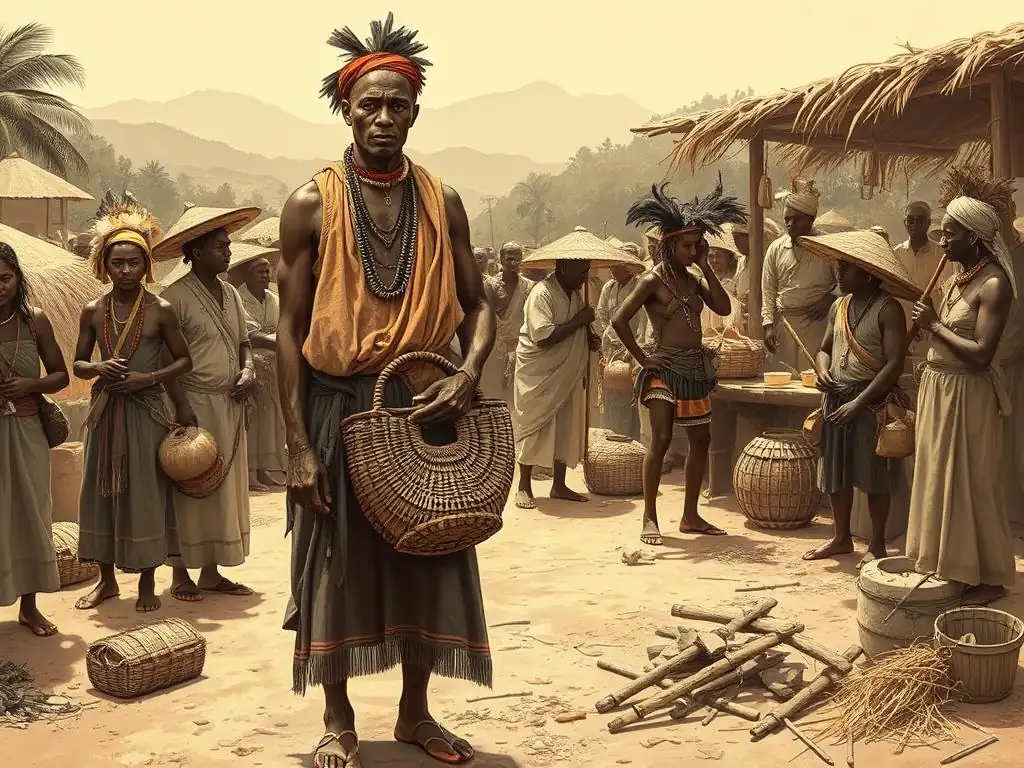
The concept of slavery in indigenous civilizations of the Americas is complex and deeply intertwined with the cultural, spiritual, and social dynamics of these societies. Unlike the chattel slavery that emerged with European colonization, many indigenous practices of servitude were shaped by different cultural norms and beliefs. Understanding these perspectives requires a nuanced examination of how indigenous peoples conceptualized slavery within their unique historical and social contexts.
Spiritual and Cultural Justifications for Slavery
Indigenous societies often infused their practices of slavery with spiritual and cultural significance. In many cases, slavery was not merely an economic arrangement but also held religious and ritual importance. For instance, among the Aztecs, captives taken in warfare were sometimes viewed as offerings to the gods, believed to ensure agricultural fertility or victory in battle. This practice illustrates how slavery could be integrated into the religious fabric of society, reflecting the belief that the lives of captives could serve a higher cosmic purpose.
Moreover, in some indigenous cultures, the concept of "war captives" was distinct from the concept of slavery as understood in a Eurocentric context. Captives were often integrated into the society of their captors through processes such as adoption or ceremonial roles, thereby retaining their cultural identity while fulfilling specific societal obligations. This perspective emphasizes that the motivations behind these practices were often rooted in community cohesion and spiritual beliefs rather than mere economic exploitation.
The Impact of Slavery on Indigenous Identity and Community
The practice of slavery within indigenous civilizations had profound implications for community structures and identity. As societies expanded and engaged in warfare, the acquisition of captives influenced social hierarchies and relationships. Captives often occupied a unique position, with their status fluctuating between that of a servant and a member of the community, sometimes even gaining rights or privileges that were not available to lower-status individuals.
This duality affected indigenous identity by fostering a sense of resilience and adaptability. For example, the Inca Empire employed a system called "mita," which involved labor obligations from subjects, often blurring the lines between voluntary service and coercive labor. Such mechanisms not only provided labor for state projects but also reinforced communal ties and collective identity among the indigenous populations.
However, the internalization of slavery practices could also lead to social stratification, where certain groups were marginalized. The dynamics of power and subjugation within indigenous societies highlight the complexity of identity formation, where the legacy of slavery contributed to evolving social structures and cultural narratives.
Resistance and Rebellion Against Indigenous Slavery Practices
Resistance against slavery practices was not uncommon in indigenous societies. Individuals and groups often sought to challenge the systems of servitude that oppressed them, using various forms of resistance—ranging from passive non-compliance to active rebellion. For instance, among the Maya, instances of rebellion against oppressive labor demands highlight the agency of enslaved individuals and the tensions inherent within these societal structures.
Additionally, the interconnectedness of indigenous cultures facilitated the sharing of resistance strategies. For example, alliances could form among different groups to resist the practices imposed by more dominant societies, showcasing solidarity and collective action. These movements were not always successful, but they serve as testament to the enduring spirit of indigenous peoples and their determination to assert their rights and identities.
The historical perspective of indigenous slavery provides a rich tapestry of cultural practices, spiritual beliefs, and social dynamics. By examining these elements, we gain a deeper understanding of how slavery shaped indigenous civilizations and the enduring legacies of these practices in contemporary indigenous identities.
The Decline of Indigenous Slavery Practices
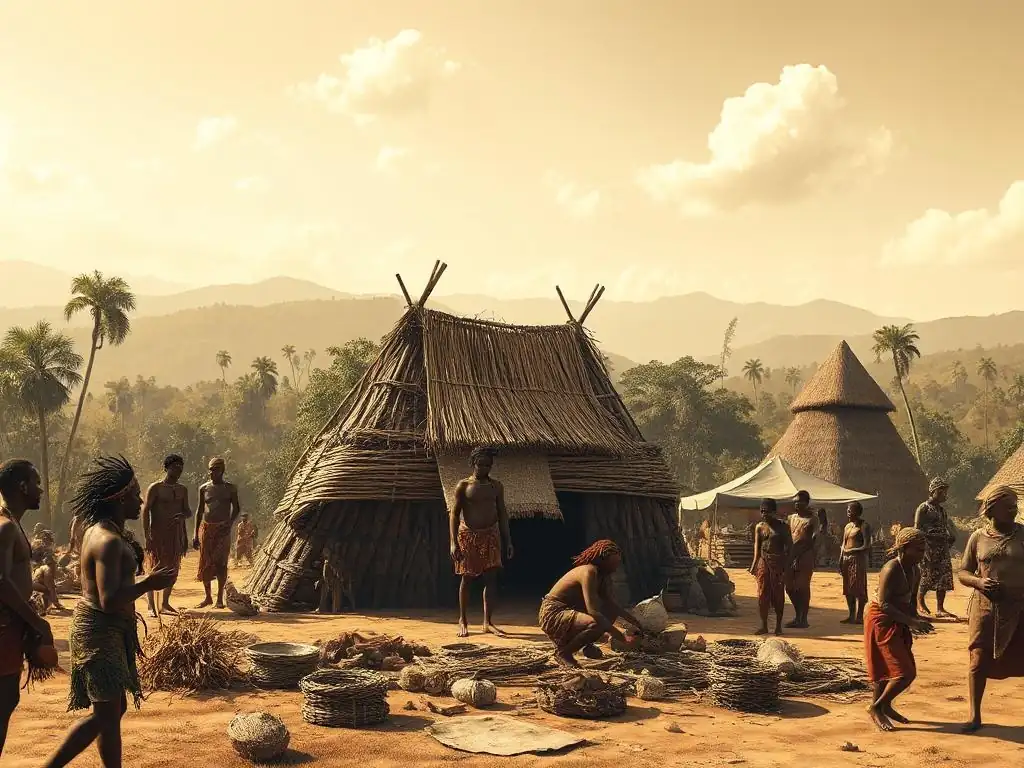
Factors Leading to the Change in Slavery Practices
The decline of indigenous slavery practices among pre-Columbian societies can be attributed to a variety of interrelated factors. One of the primary influences was the evolving economic and social structures within these civilizations. Many indigenous groups originally practiced forms of slavery that were often integrated into their social fabric, typically involving captives from warfare or individuals who owed debts. However, as these societies began to develop more complex economies and trade networks, the need for large-scale labor systems diminished.
Additionally, cultural shifts played a significant role. The rise of communal land ownership and collective labor practices often challenged the traditional notions of slavery. For instance, in some cultures, the emphasis on kinship ties and familial relationships began to overshadow the hierarchical structures that justified slavery. As these cultural values evolved, the moral and ethical implications of slavery came under scrutiny, leading to a gradual decline in the practice.
The demographic changes caused by European diseases also significantly impacted indigenous populations. As millions succumbed to diseases like smallpox, the labor force shrank, resulting in a re-evaluation of existing labor practices, including slavery. The resulting labor shortages prompted many tribes to seek alternative forms of labor organization, thus further diminishing the prevalence of slavery.
Influence of European Colonization on Indigenous Slavery
European colonization had a profound impact on indigenous slavery practices, often exacerbating existing systems and introducing new forms of exploitation. When Europeans arrived, they encountered diverse indigenous systems of servitude and slavery that were often distinct from their own. The introduction of European legal frameworks and economic motivations significantly altered the landscape of indigenous slavery.
Colonizers frequently viewed indigenous populations as a source of labor for their burgeoning agricultural enterprises and mining industries. This led to the exploitation of existing slavery systems, as indigenous peoples were often coerced into servitude to meet the demands of European settlers. The introduction of the encomienda system, for example, allowed Spanish settlers to claim the labor of indigenous people under the guise of protection and Christianization, effectively institutionalizing a new form of slavery.
Moreover, the colonization process often resulted in violent suppression of indigenous groups, leading to the capture and enslavement of many individuals. This not only disrupted traditional social structures but also forced indigenous populations to adapt to new dynamics of power and control. The interactions between European colonizers and indigenous societies created a complex web of relationships that often blurred the lines between servitude, slavery, and free labor.
The Transition from Indigenous Slavery to Colonial Slavery Systems
The transition from indigenous slavery to colonial slavery systems marked a significant turning point in the history of labor practices in the Americas. As European powers expanded their territories, the demand for labor to exploit natural resources and establish plantations grew exponentially. Consequently, colonial systems began to establish a more structured and racially-defined approach to slavery.
This transition involved the gradual replacement of indigenous labor with African slaves, driven by both economic necessity and the catastrophic decline of indigenous populations. The African slave trade became a predominant source of labor, with millions being forcibly transported to the Americas. This shift not only reflected the changing economic priorities of colonial powers but also indicated a dramatic transformation in racial and social hierarchies.
Indigenous slavery practices, which had often included elements of kinship and social integration, were largely supplanted by a system that emphasized racial discrimination and dehumanization. The legal frameworks established during colonial times codified the status of enslaved individuals, creating a stark contrast to the more fluid and often temporary nature of indigenous servitude.
Moreover, the cultural ramifications of this transition were profound. Indigenous identities and communities were further undermined as European powers imposed their own social structures and ideologies. The legacy of this transition continues to influence discussions around race, identity, and social justice in the Americas today, highlighting the need for a deeper understanding of the historical context surrounding slavery in indigenous civilizations.
Conclusion: The Lasting Legacy of Indigenous Slavery
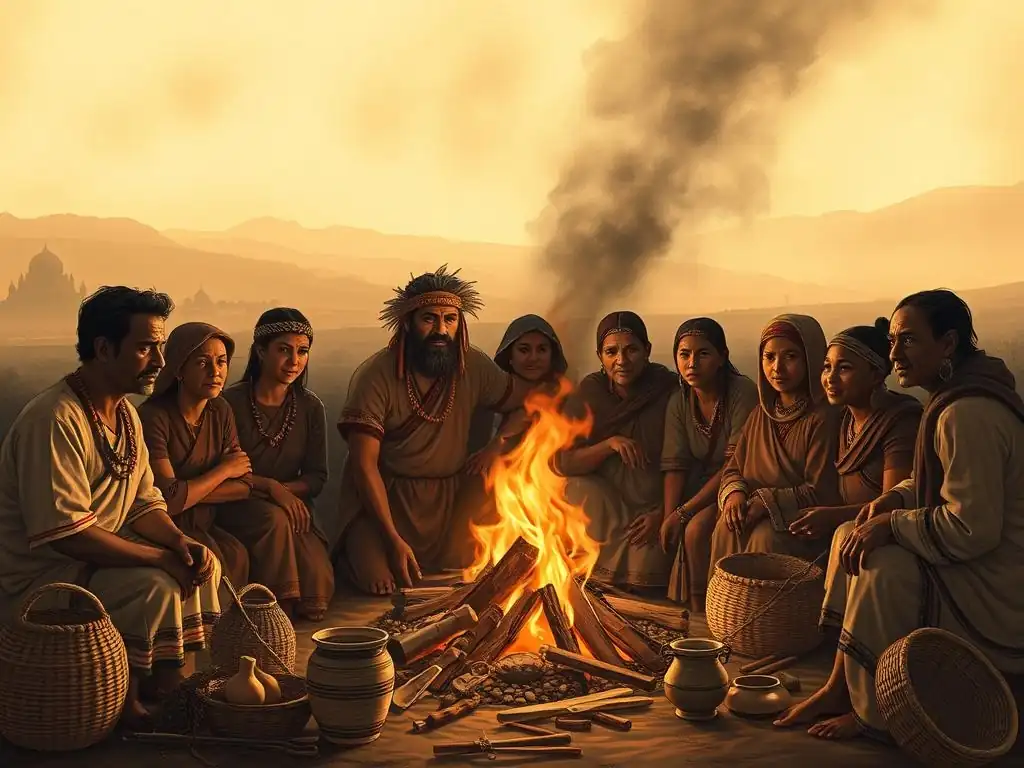
Reflection on the Historical Perspective of Indigenous Slavery
Indigenous slavery in the Americas presents a complex and multifaceted historical narrative that challenges contemporary understandings of oppression and servitude. Unlike the transatlantic slave trade, which is often highlighted in discussions about slavery, indigenous slavery involved diverse practices and societal structures that varied across different cultures and regions. Many indigenous societies had their unique systems of servitude, often based on warfare, debt, or social hierarchies.
For instance, the Aztecs had a form of slavery known as tlacotin, where individuals could become slaves due to warfare or as a punishment for crimes. However, unlike the racialized slavery that developed later with European colonization, many indigenous slaves could integrate into their captors' societies and sometimes even regain their freedom. This dynamic reflects the nuanced social structures of indigenous civilizations, where individuals could move between classes and roles, challenging the monolithic view of slavery.
Moreover, the consequences of European colonization drastically altered these indigenous practices. The imposition of European slavery systems reshaped social structures, leading to the exploitation and marginalization of indigenous peoples. This historical perspective reveals that the legacy of indigenous slavery is not just a relic of the past but continues to influence modern societal dynamics and indigenous identities.
Implications for Modern Understanding of Indigenous Cultures
Understanding the historical perspective of indigenous slavery is crucial for recognizing the resilience and adaptability of indigenous cultures. It calls attention to the importance of viewing these societies through a lens that acknowledges their complexity rather than solely through the impacts of colonization.
Modern discussions around indigenous identity often overlook the historical context of servitude within these cultures. By studying indigenous slavery, we gain insights into the social stratifications, economic practices, and cultural values of these civilizations. For example, the Iroquois Confederacy had intricate systems of governance that included the roles of captives, highlighting a form of political integration rather than mere subjugation.
Furthermore, acknowledging the practices of slavery within indigenous cultures can foster a deeper understanding of contemporary issues faced by indigenous communities today, including their struggles for recognition, rights, and justice. The legacies of these historical practices inform modern discussions about land rights, cultural preservation, and the ongoing impacts of colonialism.
Call to Action: Recognizing Indigenous Histories and Narratives
It is imperative for scholars, educators, and the general public to actively engage with and recognize the diverse histories of indigenous peoples, including the complexities of indigenous slavery. This involves promoting scholarship and narratives that accurately represent the experiences and structures within these civilizations.
Here are some actions that individuals and institutions can take:
- Support Indigenous Scholarship: Seek out and promote works by indigenous authors and historians that delve into the nuances of their histories and cultures.
- Inclusive Education: Advocate for educational curricula that include the histories of indigenous slavery and servitude, ensuring a more holistic understanding of indigenous societies.
- Community Engagement: Participate in or support indigenous-led initiatives that aim to preserve and share their histories and cultural narratives.
- Listening and Learning: Attend workshops, lectures, and events that focus on indigenous histories, fostering an environment of learning and respect.
By recognizing the intricate histories of indigenous slavery, we contribute to a more equitable and informed society that honors the legacies of indigenous peoples and their cultures.
References
The study of Indigenous slavery and servitude in the Americas is a complex topic that requires a careful examination of historical records, anthropological studies, and indigenous oral traditions. Understanding this aspect of Indigenous civilizations can shed light on their social structures and cultural practices before European colonization. Below are some valuable references that provide insights into Indigenous slavery from a historical perspective.
Suggested Reading on Indigenous Slavery and Historical Perspectives
-
"Slavery and Indigenous Peoples in the Americas" by Alan Gallay
This book offers an in-depth analysis of the different forms of slavery practiced by Indigenous civilizations, focusing on the legal and social frameworks that supported these practices.
-
"Indigenous Peoples and the Law: A Critical Introduction" by Robert J. Miller
This text discusses the intersection of law and Indigenous practices, providing context on how legal systems affected slavery and servitude among Indigenous populations.
-
"The Indigenous World 2020" by IWGIA
This publication includes a variety of articles that touch on historical and contemporary issues faced by Indigenous peoples, including the legacy of slavery.
-
"Colonial Encounters in New World Writing: An Anthology" by Peter Hulme and John Solomon
This anthology compiles various writings that explore the encounters between Indigenous peoples and colonizers, including discussions on servitude and slavery.
-
"Slavery in the Americas: A History" by Robert L. Paquette
This historical overview provides a broader context of slavery in the Americas, highlighting the roles of Indigenous peoples in this institution.
Academic Sources for Further Research on Indigenous Civilizations
-
Journal of Indigenous Studies
This peer-reviewed journal features articles on various topics related to Indigenous cultures, including slavery, making it a vital resource for academic research.
-
American Indian Culture and Research Journal
This journal publishes research on the history, culture, and contemporary issues of Native American peoples, often addressing themes related to social structures, including servitude.
-
"The Conquest of New Spain" by Bernal Díaz del Castillo
As a firsthand account of the Spanish conquest, this work provides insights into the practices of Indigenous slavery and servitude from a European perspective.
-
"Indigenous Slavery in the Americas" (Various Authors)
This collection of essays examines the nuances of Indigenous slavery across different civilizations, offering a comparative analysis of practices and their implications.
-
"The Native American Experience" by Jayne M. M. Morrow
This comprehensive resource covers various aspects of Native American life, including social hierarchies that involved servitude and slavery.
These references and academic sources will equip readers with a deeper understanding of Indigenous slavery from a historical perspective, highlighting its complexities and the diverse practices across different civilizations in the Americas.
Frequently Asked Questions
What is the focus of the article "Slavery and Servitude in Indigenous Civilizations: A Historical Perspective"?
The article explores the complex systems of slavery and servitude within indigenous cultures in the Americas, highlighting their historical context and societal impact before European colonization.
How did indigenous cultures view slavery?
Indigenous cultures often had different perceptions of slavery compared to European societies, incorporating it into their social structures and using it for economic and political purposes.
What were some achievements of indigenous civilizations before European colonization?
Indigenous civilizations made significant contributions in areas such as agriculture, architecture, and governance, showcasing their advanced societies that thrived long before European intervention.
How did indigenous slavery differ from European slavery?
Indigenous slavery was typically more fluid and could involve social mobility, whereas European slavery was often characterized by permanence and racial hierarchies.
What lasting impacts did indigenous slavery have on modern societies?
The systems of slavery and servitude in indigenous cultures have influenced contemporary discussions on race, identity, and social justice, illustrating the historical complexities of their legacies.
Final Reflection: Understanding Indigenous Slavery Through a Historical Lens
The exploration of Indigenous slavery and servitude within historical contexts reveals a complex tapestry of human experience that continues to resonate in today's discussions about social justice and historical accountability. As we delve into the past, we uncover not only the harsh realities faced by Indigenous peoples but also the intricate systems of power and resistance that shaped their societies. This historical perspective is not merely an academic exercise; it is a crucial lens through which we can understand the ongoing impacts of colonialism and the legacies of oppression that persist in contemporary society.
The influence of this topic extends far beyond history books; it permeates our cultural and social landscapes, prompting us to confront uncomfortable truths about our collective past. The stories of Indigenous slavery remind us of the resilience and agency of these communities, even in the face of systemic dehumanization. As we reflect on these narratives, we are reminded of the words of Indigenous scholar Linda Tuhiwai Smith: The past is not a dead past; it is alive and well, and it is shaping the present.
This ongoing relevance calls for a deeper understanding and acknowledgment of the historical injustices that Indigenous peoples have faced and continue to navigate today.
As we close this discussion, I invite you to reflect on the lessons gleaned from this historical perspective. Consider how these insights can inform your understanding of current social issues and inspire you to advocate for justice and equity. Let us honor the legacies of those who endured and resisted by actively engaging in conversations that challenge the status quo and promote healing. Your awareness and actions can contribute to a more just future, where the histories of Indigenous peoples are recognized, respected, and integrated into the broader narrative of humanity.
Unveil the Truth and Take Action!
Thank you for dedicating your time to explore the complex history of slavery and servitude within Indigenous civilizations. Understanding these narratives empowers us to connect with our past and recognize the resilience of Indigenous cultures. Now, let's take steps towards fostering awareness and encouraging meaningful conversations.
- Start a dialogue: Invite friends or family to discuss what you’ve learned. Share insights on social media to raise awareness about Indigenous histories.
- Support Indigenous voices: Follow organizations that advocate for Indigenous rights and consider volunteering your time or resources to their causes.
- Deepen your knowledge: Explore additional readings or documentaries on Indigenous civilizations to broaden your understanding of their diverse experiences.
How do you think acknowledging these historical truths can influence our society today?