
The Legacy of the Toltec Civilization in Modern Indigenous Cultures

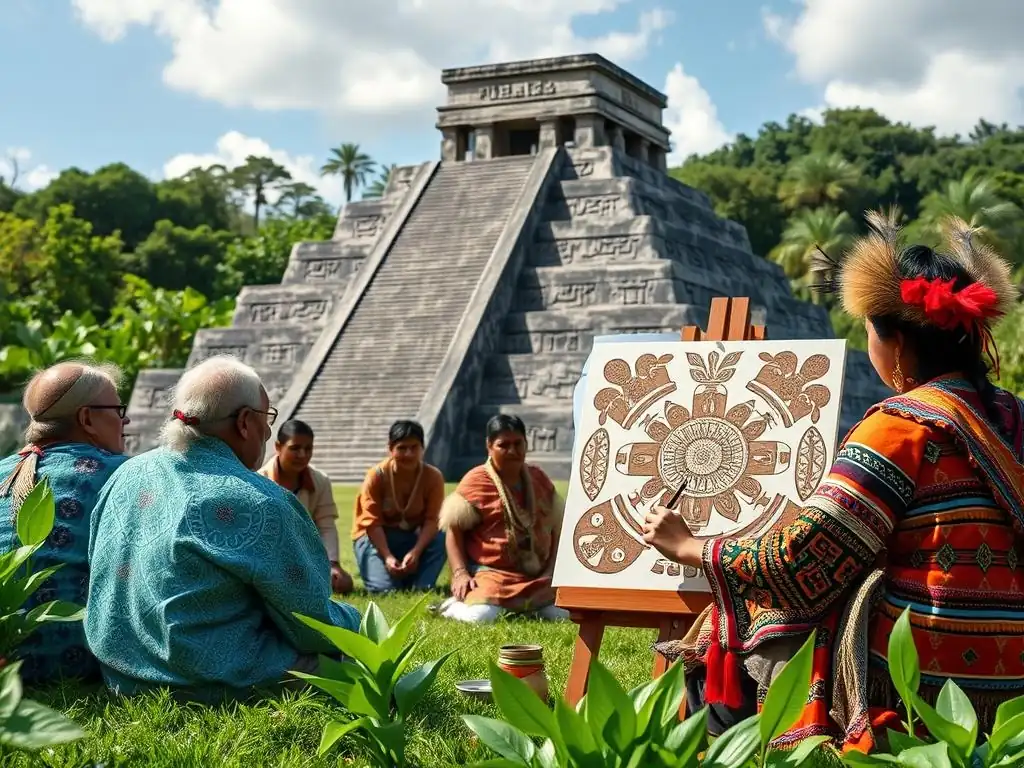
Welcome to Indigenous Civilizations of the Americas, where we embark on a fascinating journey through the vibrant tapestry of the diverse cultures that flourished long before European contact. In our feature article, "The Legacy of the Toltec Civilization in Modern Indigenous Cultures," we delve into the profound impact that the Toltecs continue to have today, echoing through art, tradition, and identity.
Prepare to uncover the remarkable achievements and enduring legacies of these ancient civilizations, and discover how their stories resonate in contemporary life. Join us as we explore the rich heritage that shapes our understanding of the past and its relevance in our world today.
The legacy of the Toltec civilization is a profound testament to the rich tapestry of indigenous cultures that flourished across the Americas. Renowned for their advanced societal structures, artistic expressions, and philosophical teachings, the Toltecs have left an indelible mark on the cultural landscape of modern indigenous communities.
This article delves into the enduring impact of the Toltec civilization today, exploring how their core beliefs, artistic motifs, and architectural innovations continue to resonate within contemporary cultures. By examining the Toltec civilization's achievements and contributions, we can gain a deeper appreciation for their role in shaping the identities and practices of indigenous peoples across the Americas.
Introduction to the Toltec Civilization
Overview of the Toltec Civilization
The Toltec civilization emerged around the 10th century CE in what is now central Mexico. They are often credited with significant advancements in agriculture, trade, and urban planning, particularly in their capital city, Tula. The Toltecs are recognized not only for their achievements in these areas but also for their influence on subsequent civilizations, including the Aztecs, who regarded them as cultural predecessors. Their society was characterized by a complex social hierarchy, skilled craftsmanship, and a rich tradition of mythology and religion.
Historical Context and Timeline
The Toltec civilization thrived from approximately 900 to 1150 CE, during a period marked by significant cultural and political development in Mesoamerica. The civilization reached its zenith around the 10th century when Tula became a major urban center, facilitating trade and cultural exchange. After the decline of the Toltec state, many aspects of their culture persisted, influencing later civilizations, including the Aztec Empire. Key historical events include the establishment of Tula, its peak as a cultural hub, and the eventual fragmentation of the Toltec society due to internal strife and external pressures.
Core Beliefs and Practices of the Toltecs
The Toltecs held a complex belief system that blended spiritual and practical elements. Central to their philosophy was the concept of teotl, which represents the sacred energy that flows through all life. This belief influenced their practices in agriculture, art, and governance. Rituals, such as offerings to deities and ceremonies celebrating the cycles of nature, were integral to Toltec life. Moreover, the Toltecs emphasized the importance of knowledge and wisdom, which were considered essential for personal and communal growth.
The Impact of the Toltec Civilization on Modern Indigenous Cultures
Core Values and Principles Derived from Toltec Philosophy
Today, many indigenous cultures continue to draw from Toltec philosophy, particularly the values of interconnectedness and respect for nature. Concepts such as in lak'ech (you are my other me) emphasize the importance of community and relationship with the environment. These principles are evident in modern practices of sustainability and communal living among various indigenous groups, reflecting a profound respect for ancestral teachings.
Artistic Influences: Toltec Motifs in Contemporary Indigenous Art
The artistic legacy of the Toltecs can be seen in the motifs and symbols that have permeated contemporary indigenous art. Elements such as intricate stone carvings, vibrant murals, and textile designs often pay homage to Toltec aesthetics. These artistic expressions serve not only as a connection to their heritage but also as a means of cultural resilience and identity in a rapidly changing world.
Architectural Contributions: Toltec Design Elements in Modern Structures
The architectural innovations of the Toltecs have left a lasting impression on modern indigenous architecture. Key features, such as pyramids, ball courts, and ceremonial platforms, can be observed in various contemporary structures. This architectural heritage not only reflects the ingenuity of the Toltecs but also serves as a foundation for cultural continuity, with many indigenous communities incorporating traditional design elements into their buildings and public spaces today.
Cultural Practices Influenced by the Toltec Civilization
The Toltec civilization, known for its rich cultural heritage and contributions to art, architecture, and philosophy, has left an indelible mark on various aspects of modern indigenous cultures. Many contemporary rituals, storytelling traditions, and artistic expressions draw inspiration from ancient Toltec practices, showcasing a continuity that underscores the resilience and adaptability of indigenous identities.
Rituals and Ceremonies: Continuity of Toltec Traditions
In many modern indigenous communities, rituals and ceremonies echo the spiritual practices of the Toltecs. These rituals often include offerings to deities, seasonal celebrations, and sacred rites that honor the earth and its cycles. For instance, the Day of the Dead celebrations observed across Mexico can trace elements back to Toltec traditions of honoring ancestors and the cyclical nature of life and death.
Additionally, the use of sacred spaces, such as ceremonial plazas and temples, remains a significant feature in contemporary practices. The reverence for natural elements, such as water, fire, and earth, as crucial components of spiritual life is a direct reflection of Toltec beliefs that emphasized harmony with the environment. Through these continued rituals, communities not only preserve their heritage but also foster a sense of unity and identity that spans generations.
Language and Storytelling: The Toltec Influence on Indigenous Narratives
Language and storytelling are vital aspects of cultural transmission, and the influence of the Toltec civilization can be seen in the narratives and oral histories of modern indigenous peoples. The Toltecs' rich mythology, including tales of Quetzalcoatl and Tezcatlipoca, has been woven into the fabric of contemporary storytelling, often serving as a medium to impart moral lessons and cultural values.
Many indigenous languages still retain words and phrases derived from the Toltec language, reflecting the historical significance of these narratives. Storytelling sessions, whether through oral traditions or written forms, often incorporate Toltec themes—such as the quest for knowledge and the importance of balance between humanity and nature—keeping the essence of Toltec wisdom alive in today’s cultural expressions.
Music and Dance: Preserving Toltec Rhythms in Modern Performances
Music and dance play crucial roles in the cultural identity of indigenous communities, with many performances drawing on rhythms and styles that can be traced back to the Toltec civilization. Traditional instruments, such as flutes and drums, continue to be used in ceremonies and festivals, resonating with the same spiritual and communal purposes that defined Toltec music.
Dance forms that reflect Toltec movements and symbolism are often performed during communal gatherings, serving as a means of expressing identity and continuity. These performances not only celebrate heritage but also engage younger generations in learning about their roots, ensuring that the rhythms of the Toltec civilization endure in a contemporary context.
The Role of the Toltec Civilization in Indigenous Identity Today
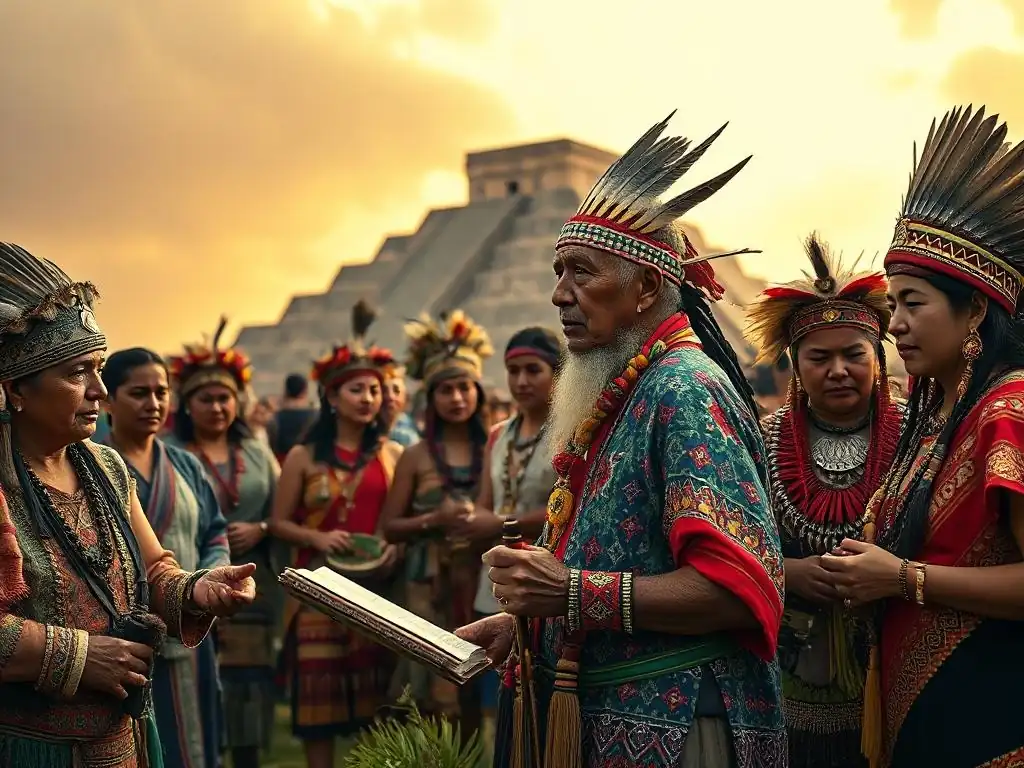
The legacy of the Toltec civilization extends beyond cultural practices; it plays a pivotal role in shaping the identity of many modern indigenous peoples. The values, philosophies, and historical narratives associated with the Toltecs contribute to a sense of belonging and pride among indigenous communities, reinforcing their connection to ancestral traditions.
Toltec Heritage and Its Significance in Indigenous Communities
Toltec heritage is deeply revered among various indigenous communities, where it serves as a source of strength and inspiration. The concepts of wisdom, artistry, and craftsmanship attributed to the Toltecs are celebrated, and many indigenous groups actively seek to reclaim and honor their Toltec ancestry as a means of affirming their cultural identity.
In educational contexts, the integration of Toltec history into school curricula and community programs fosters awareness and appreciation of indigenous heritage. This acknowledgment not only honors the past but also empowers communities to assert their cultural narratives in a contemporary world increasingly dominated by globalization.
Reviving Toltec Knowledge and Practices in Contemporary Society
In recent years, there has been a growing movement among indigenous communities to revive and integrate Toltec knowledge and practices. This revival often takes the form of workshops, seminars, and cultural festivals aimed at educating younger generations about the significance of Toltec contributions to art, spirituality, and social organization.
Efforts to document and share Toltec wisdom through various mediums—such as literature, visual arts, and digital platforms—also play a crucial role in preserving these ancient teachings. By actively engaging in the revival of Toltec practices, communities not only honor their ancestors but also adapt these teachings to address contemporary challenges, fostering resilience and growth.
The Influence of Toltec Philosophy on Indigenous Leadership
The philosophical principles established by the Toltec civilization continue to resonate within the frameworks of indigenous leadership today. Concepts such as collective responsibility, harmony with nature, and the pursuit of knowledge are integral to many indigenous leaders’ approaches to governance and community development.
Modern leaders often draw upon Toltec teachings to inspire ethical decision-making and promote social cohesion within their communities. This philosophical lineage encourages a holistic view of leadership that values the interconnection of all beings and the importance of nurturing both cultural and environmental sustainability. As a result, the legacy of the Toltec civilization remains a guiding force in shaping the future of indigenous leadership and community resilience.
Challenges in Preserving the Legacy of the Toltec Civilization
The preservation of the Toltec civilization's legacy faces numerous challenges, particularly in the context of modernization, globalization, and cultural shifts. These obstacles not only threaten the tangible artifacts and monuments associated with the Toltecs but also impact the intangible cultural heritage that has been passed down through generations.
The Toltecs, known for their impressive architectural achievements and rich spiritual traditions, left behind a legacy that is at risk of being overshadowed by contemporary influences. As urbanization expands and traditional ways of life diminish, the connection to Toltec heritage can become weakened, making it essential to explore both the threats and the efforts being made to sustain this important cultural identity.
Threats to Cultural Heritage: Modernization and Globalization
Modernization and globalization present significant threats to the cultural heritage of the Toltec civilization. As communities evolve and integrate into a global culture, traditional practices, languages, and customs can be marginalized or lost entirely. The rapid pace of urban development often leads to the destruction of archaeological sites, which are crucial for understanding the Toltec way of life.
Additionally, globalization promotes a homogenized culture that often sidelines indigenous narratives. The prevalence of mass media and consumerism can dilute the unique aspects of Toltec identity, leading to a disconnect among younger generations who may feel less inclined to engage with their ancestral heritage. The challenge lies in balancing modernization with the preservation of traditional knowledge and practices that define the Toltec legacy.
Efforts to Revive and Sustain Toltec Traditions
In response to these challenges, various grassroots movements and organizations are working diligently to revive and sustain Toltec traditions. Community leaders and activists are implementing programs that focus on educating younger generations about their heritage, encouraging the practice of traditional crafts, languages, and ceremonies.
Workshops and cultural festivals are organized to celebrate Toltec history, allowing community members to share their knowledge and experiences. These initiatives not only foster a sense of pride and identity but also create opportunities for cultural exchange and collaboration among different indigenous groups. By strengthening the community's connection to their roots, these efforts play a crucial role in preserving the Toltec legacy for future generations.
The Role of Education in Promoting Toltec Legacy
Education is a vital component in promoting the legacy of the Toltec civilization. Integrating indigenous history and culture into school curricula can help cultivate an appreciation among students for their heritage. Educational programs designed to teach about the Toltec civilization can empower young people, encouraging them to take an active role in preserving their cultural identity.
Moreover, partnerships with universities and cultural institutions can facilitate research and documentation of Toltec history, ensuring that knowledge is preserved and made accessible. By fostering an environment where indigenous perspectives are valued and respected, education can serve as a powerful tool in both honoring the past and shaping a more inclusive future.
Conclusion: The Enduring Influence of the Toltec Civilization
The influence of the Toltec civilization persists in modern indigenous cultures, as their achievements and philosophies continue to resonate with contemporary society. The remnants of Toltec culture are woven into the fabric of various indigenous groups, providing a foundation for identity and community cohesion.
Summary of the Toltec Civilization's Impact Today
Today, the impact of the Toltec civilization is evident in several aspects of indigenous life, from spiritual practices to artistic expressions. Elements such as the reverence for nature, intricate craftsmanship, and communal gatherings reflect Toltec values that have been preserved and adapted over time. These influences are not only significant for those with direct ancestral ties to the Toltecs but also for broader indigenous movements that seek to reclaim and celebrate their heritage.
Future Prospects for Indigenous Cultures Inspired by the Toltecs
Looking ahead, the prospects for indigenous cultures inspired by the Toltecs appear promising. As awareness grows regarding the importance of preserving indigenous heritage, there is potential for revitalization movements to flourish. Increased visibility and support for indigenous rights can create a more favorable environment for the promotion of Toltec traditions.
Furthermore, collaborations between different indigenous groups can lead to a richer understanding of shared histories and values, fostering unity and resilience. By building on the foundation laid by the Toltecs, modern indigenous cultures can continue to thrive, ensuring that their legacies remain vibrant and influential for generations to come.
Call to Action: Engaging with Toltec Heritage
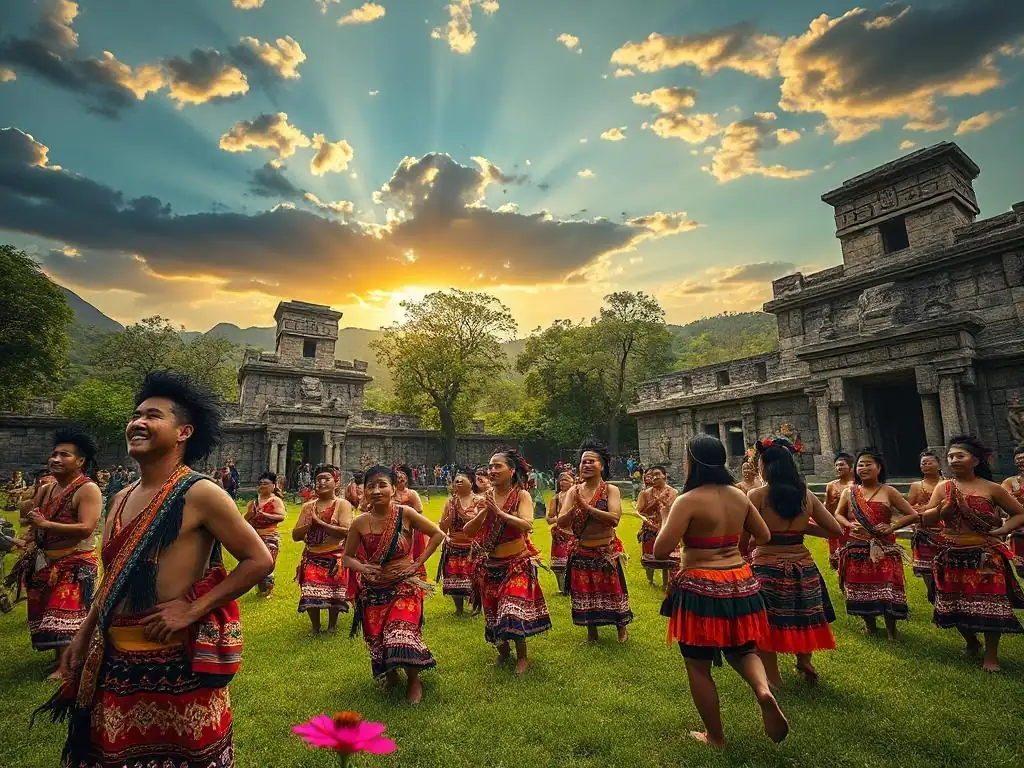
The rich heritage of the Toltec civilization continues to resonate through modern indigenous cultures in Mexico and beyond. Engaging with this legacy not only honors the ancestors but also enriches our understanding of the diverse tapestry of human history. By actively participating in cultural practices, attending local festivals, and supporting indigenous artists and storytellers, individuals can foster a deeper connection to Toltec traditions and their contemporary expressions.
Moreover, exploring archaeological sites, such as Tula, the ancient capital of the Toltecs, can provide invaluable insights into their architectural ingenuity and societal structures. These experiences offer a tangible link to the past, allowing individuals to appreciate the complexities of Toltec achievements and their ongoing influence in today's indigenous communities.
How to Learn More About the Toltec Civilization
Learning about the Toltec civilization opens avenues to understand their innovative contributions to art, architecture, and governance. Here are some effective ways to deepen your knowledge:
- Books and Articles: Numerous scholarly works and popular books delve into Toltec history, mythology, and cultural practices. Titles like "The Toltec Path of the Nagual" and "The Toltecs: A Historical Overview" provide detailed accounts and analyses.
- Documentaries and Films: Visual media can bring the Toltec civilization to life, showcasing their artistic accomplishments and historical narratives. Look for documentaries that specifically focus on Mesoamerican civilizations, highlighting the Toltecs' role within that context.
- Online Courses and Lectures: Various educational platforms offer courses on pre-Columbian civilizations. Institutions may provide lectures by experts in the field, allowing learners to engage directly with the material and ask questions.
- Museums and Cultural Centers: Visiting local museums or cultural centers that feature Mesoamerican exhibits can provide firsthand experience with artifacts and educational resources related to the Toltec civilization.
Opportunities for Involvement in Indigenous Cultural Preservation
Preserving indigenous cultures, including the legacy of the Toltec civilization, is essential for maintaining the diversity and richness of human heritage. Here are ways to get involved:
- Volunteer Programs: Many organizations focus on preserving indigenous languages, traditions, and artifacts. Volunteering for these initiatives can provide hands-on experience and contribute to meaningful projects.
- Cultural Workshops: Participate in workshops that teach traditional crafts, music, or dance. Engaging in these activities not only supports indigenous artisans but also helps keep their cultural practices alive.
- Support Indigenous Organizations: Donating to or collaborating with organizations that advocate for indigenous rights and cultural preservation can amplify their efforts. This support can be instrumental in ensuring that future generations continue to honor their heritage.
- Attend Cultural Events: Festivals, ceremonies, and exhibitions celebrating indigenous cultures are great opportunities to learn and participate. These events often highlight the ongoing contributions of indigenous people, reinforcing their relevance in contemporary society.
By taking these steps, individuals can play an active role in preserving the legacy of the Toltec civilization and fostering a deeper appreciation for the diverse indigenous cultures that enrich our world today.
- Introduction to the Toltec Civilization
- The Impact of the Toltec Civilization on Modern Indigenous Cultures
- Cultural Practices Influenced by the Toltec Civilization
- The Role of the Toltec Civilization in Indigenous Identity Today
- Challenges in Preserving the Legacy of the Toltec Civilization
- Conclusion: The Enduring Influence of the Toltec Civilization
- Call to Action: Engaging with Toltec Heritage
- How to Learn More About the Toltec Civilization
- Opportunities for Involvement in Indigenous Cultural Preservation
- What is the Toltec civilization known for?
- How did the Toltec civilization impact modern indigenous cultures?
- What are some key achievements of the Toltec civilization?
- How does the article address the importance of the Toltec civilization?
- Are there any current movements inspired by the Toltec civilization?
Frequently Asked Questions
What is the Toltec civilization known for?
The Toltec civilization is renowned for its impressive architectural achievements, advanced artistry, and the establishment of a complex social structure that influenced later cultures in Mesoamerica.
How did the Toltec civilization impact modern indigenous cultures?
The legacy of the Toltec civilization is evident today in various cultural practices, including art, mythology, and spiritual traditions that continue to resonate within modern indigenous communities.
What are some key achievements of the Toltec civilization?
The Toltecs are known for their monumental architecture, including the pyramids at Tula, and their advances in agriculture and trade, which laid the groundwork for future civilizations.
How does the article address the importance of the Toltec civilization?
The article emphasizes the significance of the Toltec civilization as a cultural bridge, illustrating how their innovations and philosophies have shaped the identities of modern indigenous peoples.
Are there any current movements inspired by the Toltec civilization?
Yes, there are current movements that draw inspiration from Toltec wisdom, focusing on sustainable practices, community building, and the revival of ancient traditions that honor their cultural heritage.
Final Reflection: The Enduring Impact of the Toltec Civilization Today
The legacy of the Toltec civilization resonates profoundly in modern indigenous cultures, illustrating how ancient wisdom continues to shape contemporary identities and practices. As we navigate a world increasingly disconnected from its roots, the relevance of the Toltec principles—such as community, respect for nature, and spiritual connection—reminds us of the importance of honoring our heritage. The Toltecs were not just a civilization of the past; they laid the groundwork for cultural resilience that persists in the present.
Cultural practices, art forms, and spiritual beliefs derived from the Toltec civilization continue to influence indigenous communities across Mexico and beyond. The reverberations of their teachings can be seen in the ways modern indigenous peoples engage with their environments and uphold their traditions. As noted by cultural historian Miguel León-Portilla, “The Toltecs were not merely a people; they were a way of being.” This perspective underscores the ongoing significance of the Toltec legacy, which serves as a foundation for identity and community cohesion among indigenous cultures today.
As you reflect on the lessons of the Toltec civilization, consider how these ancient teachings can inspire your own life. Embrace the values of interconnectedness, respect, and sustainability that the Toltecs championed. By integrating these principles into your daily actions, you can contribute to a more harmonious world that honors both the past and the future. Let the legacy of the Toltecs guide you in your journey, encouraging you to cultivate a deeper connection with your own roots and the world around you.
Embrace the Wisdom of the Toltecs Today!
Thank you for taking the time to explore the fascinating legacy of the Toltec civilization and its relevance in modern Indigenous cultures. The insights you've gained can inspire meaningful connections and actions that honor this rich heritage. Now, let’s put that knowledge into practice!
- Dive deeper into the teachings of the Toltecs by reading works by contemporary Indigenous authors— your journey to understanding begins here.
- Engage with your community by sharing what you've learned. Organize a discussion group or an online forum where people can explore Indigenous wisdom together.
- Participate in local Indigenous events or workshops to experience the rich tapestry of culture firsthand and support the preservation of these vital traditions.
What aspect of Toltec wisdom resonates with you the most, and how will you incorporate it into your life?