
Dutch Settlements in America: A Complex Legacy of Trade and Cultural Exchange

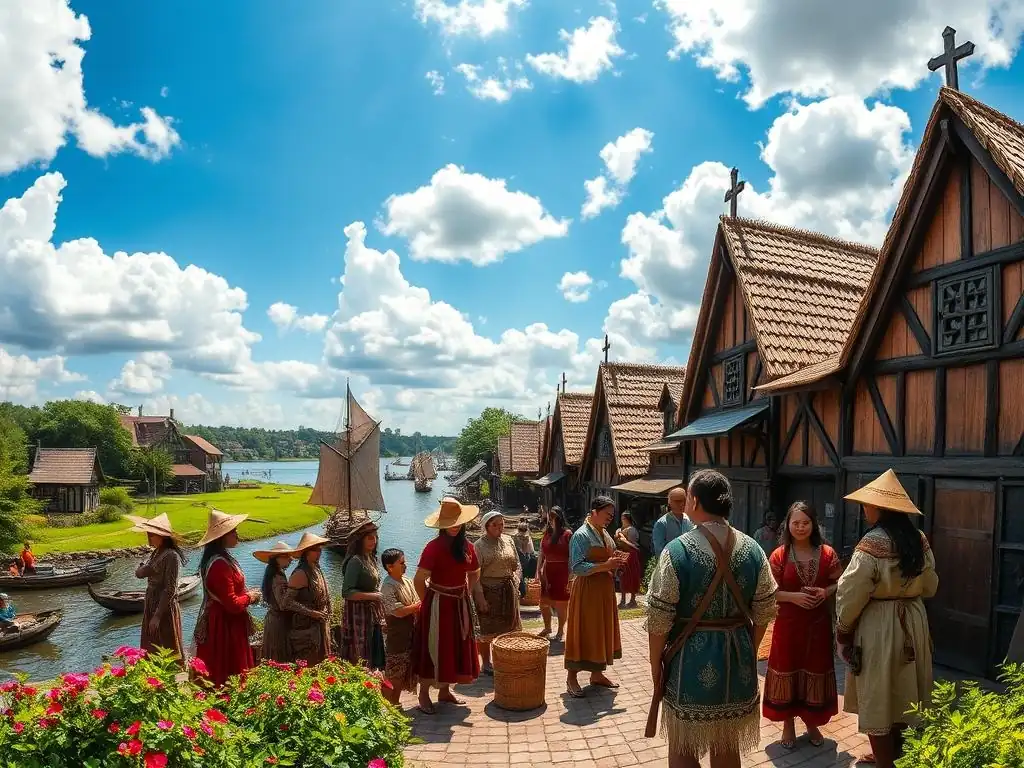
Welcome to Indigenous Civilizations of the Americas, where we invite you to embark on a fascinating journey through the rich tapestry of indigenous cultures in America. This website serves as your gateway to uncovering the remarkable achievements and profound societal structures that flourished long before European influences took hold.
In our featured article, "Dutch Settlements in America: A Complex Legacy of Trade and Cultural Exchange," we delve into the intricate relationships formed during this period and their lasting impact on indigenous peoples. Prepare to be captivated by the stories that shaped the Americas and continue to resonate today—let's explore together!
- Introduction to Dutch Settlements in America
- Indigenous Cultures in America Before Dutch Arrival
- The Establishment of Dutch Settlements
- Trade Dynamics Between Dutch Settlers and Indigenous Cultures
- The Complex Legacy of Dutch Settlements
- Case Studies of Specific Dutch Settlements
- The Decline of Dutch Influence in America
- Conclusion: The Lasting Impact of Dutch Settlements
-
Frequently Asked Questions
- What were the main objectives of Dutch settlements in America?
- How did Dutch settlers interact with indigenous cultures in America?
- What lasting impacts did Dutch settlements have on indigenous cultures?
- In what ways did trade influence indigenous cultures during the Dutch settlements?
- How does the legacy of Dutch settlements contribute to our understanding of indigenous cultures in America today?
- Final Reflection: Embracing the Complexity of Cultural Exchange
- Unveil the Legacy: Connect, Explore, and Contribute!
Introduction to Dutch Settlements in America
The history of the Dutch settlements in America offers a unique perspective on the complex interactions between European colonizers and the indigenous cultures in America. As the Dutch sought to establish their presence in the New World during the 17th century, they engaged in various forms of trade, diplomacy, and cultural exchange with the diverse indigenous populations they encountered.
This article delves into the multifaceted legacy of Dutch colonization, examining how their presence influenced indigenous societies and contributed to the broader narrative of European conquest and impact in the Americas. By exploring the intricate relationships forged through trade and cultural exchange, we can better understand the lasting effects of these encounters on both Dutch settlers and indigenous cultures.
Overview of Dutch Colonization in the Americas
The Dutch entered the American landscape primarily during the early 1600s, motivated by economic aspirations and the desire to expand their influence. New Netherland, established in 1624, became the heart of Dutch colonial endeavors, encompassing parts of modern-day New York, New Jersey, Delaware, and Connecticut. The capital, New Amsterdam (present-day New York City), served as a bustling hub of trade and cultural exchange.
- Key Features of Dutch Colonization:
- Focus on Trade: The Dutch prioritized commerce, establishing the Dutch West India Company to manage trade routes and settlements.
- Cultural Pluralism: The Dutch settlements were characterized by a degree of religious tolerance, attracting diverse groups of settlers and fostering multicultural interactions.
- Indigenous Relations: The Dutch engaged with various indigenous tribes, such as the Iroquois and Lenape, often through trade agreements and alliances.
The Dutch approach to colonization was distinct in that it emphasized commercial relationships over outright territorial conquest, allowing for a unique blend of indigenous and European cultures.
The Role of Trade in Dutch Settlements
Trade served as a pivotal mechanism through which the Dutch interacted with indigenous cultures in America. The Dutch sought valuable resources, such as fur, and established extensive trade networks that connected them with indigenous tribes.
- Trade Goods and Exchanges:
- Furs: The demand for beaver pelts in Europe created a lucrative fur trade, drawing Dutch traders into partnerships with indigenous hunters.
- Agricultural Products: The Dutch introduced new agricultural practices and crops, such as wheat and barley, which were traded with indigenous peoples.
- Cultural Exchange: Trade was not merely economic; it facilitated the exchange of knowledge, technology, and customs between the Dutch and indigenous cultures.
This dynamic of trade allowed for a complex interplay of benefits and challenges, as indigenous peoples navigated their relationships with Dutch settlers while maintaining their cultural identities. The legacy of these interactions highlights the significance of trade as a driving force in shaping the histories of both Dutch settlements and the indigenous cultures in America.
Indigenous Cultures in America Before Dutch Arrival
Overview of Indigenous Societies
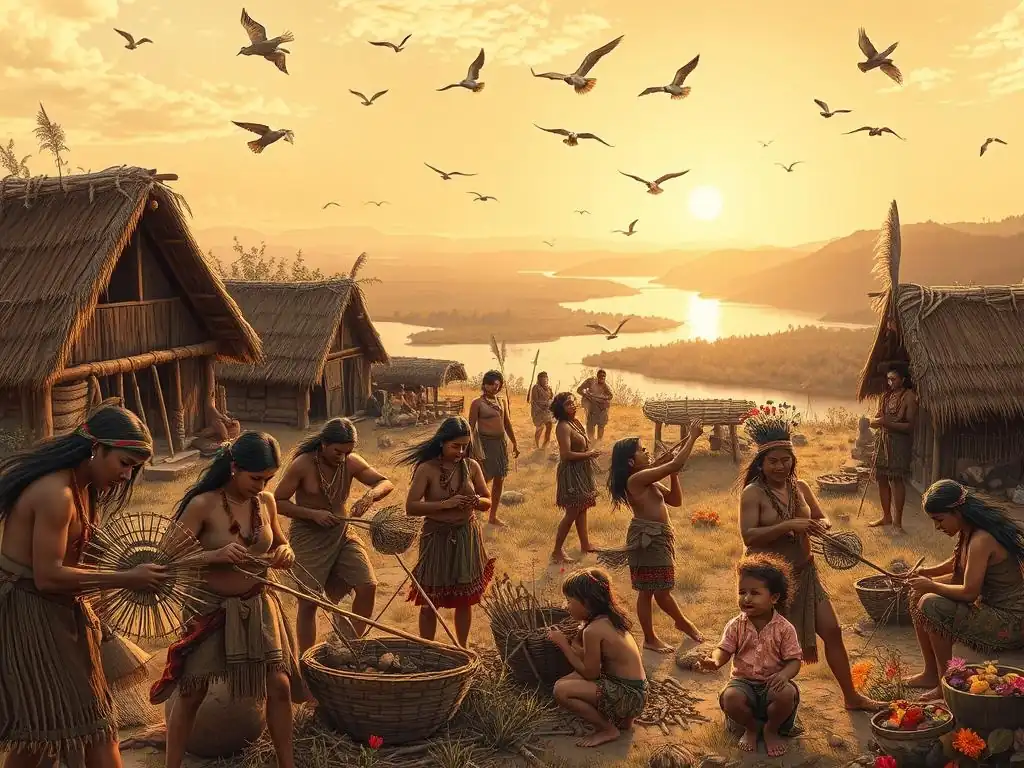
Before the arrival of Dutch settlers in the 17th century, the Americas were home to a rich tapestry of indigenous cultures that varied greatly across regions. Each society had its own distinct language, customs, and social structure. For example, the Iroquois Confederacy in the Northeast was known for its democratic governance and sophisticated political system, while the Maya civilization in Mesoamerica excelled in mathematics, astronomy, and writing.
The diversity among indigenous societies can be categorized into several key regions:
- Northeast: Tribes such as the Algonquin and Iroquois lived in longhouses and practiced agriculture, hunting, and fishing.
- Southeast: The Mississippian culture thrived, known for its mound-building and complex chiefdoms, with cities like Cahokia.
- Great Plains: Nomadic tribes, including the Lakota and Cheyenne, followed bison herds and developed a culture around the horse.
- Southwest: The Ancestral Puebloans built intricate cliff dwellings and were skilled in pottery and weaving.
- Pacific Northwest: Tribes like the Tlingit and Haida were renowned for their totem poles and rich traditions in fishing and trade.
These societies were not static; they adapted to environmental changes and developed intricate relationships with their surroundings.
Cultural Achievements of Native Tribes
The cultural achievements of indigenous tribes across America were profound and varied, reflecting their adaptability and ingenuity. Here are some notable contributions:
- Agriculture: Many tribes, particularly in the Southeast and Southwest, developed advanced agricultural techniques, including the cultivation of maize, beans, and squash. The Three Sisters method of planting these crops together not only maximized yield but also improved soil health.
- Art and Craftsmanship: Indigenous cultures produced stunning works of art, from intricate pottery and beadwork to elaborate textiles. The Navajo are famous for their weaving, while the Pueblo peoples created beautiful pottery that is still revered today.
- Architecture: Structures varied significantly, from the longhouses of the Iroquois to the pueblos of the Southwest. The engineering skills involved in building cliff dwellings and earth mounds reveal a deep understanding of local materials and environmental conditions.
- Spiritual Practices: Spirituality was deeply embedded in the daily lives of indigenous peoples. Many tribes held ceremonies that honored the land, seasons, and ancestral spirits, using songs, dances, and rituals to maintain a connection with their heritage.
- Language and Oral Tradition: Indigenous cultures boasted a wide array of languages, many of which remain unbroken in oral traditions. Storytelling served as a crucial means of preserving history and teaching values, with many tribes utilizing oral narratives to transmit knowledge across generations.
Trade Networks Among Indigenous Cultures
Trade networks among indigenous cultures in America were complex and extensive, facilitating not only the exchange of goods but also ideas and cultural practices. These networks can be highlighted through several key aspects:
- Regional Trade: Different regions specialized in particular goods. For instance, the Great Plains tribes traded bison products for agricultural products from the Northeast and Southeast.
- Cultural Exchange: Trade routes served as conduits for cultural interaction. The exchange of goods such as shells, copper, and stone tools often led to the sharing of technologies and practices, enriching the societies involved.
- Long-Distance Trade: Some indigenous groups engaged in long-distance trade that connected disparate regions. The Hopewell culture, for example, is known for its extensive trade networks that reached from the Great Lakes to the Gulf of Mexico, facilitating the movement of precious materials like obsidian and marine shells.
- Diplomatic Relations: Trade often went hand-in-hand with diplomacy. Alliances could be forged through trade agreements, and the establishment of trade routes sometimes helped to maintain peace among different tribes.
The indigenous cultures in America before the Dutch arrival were characterized by their rich societal structures, remarkable achievements, and intricate trade networks. These elements were fundamental in shaping the identities and legacies of these civilizations long before European contact.
The Establishment of Dutch Settlements
The establishment of Dutch settlements in America during the 17th century marked a significant chapter in the history of European colonization. Driven by a desire for trade and territorial expansion, the Dutch sought to create a network of colonies that would facilitate access to valuable resources and markets. This endeavor led to the founding of several key settlements in what is now the northeastern United States and parts of the Caribbean.
The Dutch West India Company (WIC), established in 1621, played a pivotal role in this colonial enterprise. With the aim of challenging Spanish and Portuguese dominance in the Americas, the WIC focused on the lucrative fur trade and agricultural development. The company's operations were heavily influenced by economic interests, which shaped the nature of Dutch interactions with indigenous cultures in America.
Key Locations of Dutch Colonization
The Dutch established several prominent settlements, each serving distinct purposes and influencing local indigenous cultures in various ways. Some of the most notable locations include:
- New Amsterdam: Founded in 1624 on the southern tip of Manhattan Island, this settlement became the capital of the Dutch colony of New Netherland. Its strategic location made it a bustling trade center, attracting diverse populations and fostering cultural exchange.
- Fort Orange: Established in 1624 near present-day Albany, New York, Fort Orange was crucial for the fur trade. It served as a trading post for interactions with the Mohawk and other Iroquois nations, significantly impacting indigenous economies and social structures.
- Swanendael: Founded in 1631 in present-day Delaware, Swanendael was one of the earliest Dutch attempts to settle in the Mid-Atlantic region. Although it faced challenges, including conflict with local tribes, it laid the groundwork for future Dutch presence in the area.
- New Jersey and the Hudson River Valley: The Dutch expanded their settlements throughout New Jersey and along the Hudson River, establishing farms and trading posts that facilitated their economic ambitions while intertwining with indigenous cultures.
These locations not only served as economic hubs but also became melting pots of cultural exchange, where Dutch settlers and indigenous peoples interacted, traded, and shared knowledge.
The Economic Motivations Behind Dutch Expansion
The Dutch expansion into America was predominantly driven by economic motivations. The following factors illustrate the underlying economic interests that propelled their colonization efforts:
- Fur Trade: The demand for fur, especially beaver pelts, was a significant driver of Dutch exploration and settlement. The Dutch established trade relationships with indigenous peoples, exchanging European goods for furs, which were highly valued in Europe.
- Agricultural Development: The fertile lands of the Hudson River Valley and surrounding areas offered opportunities for agriculture. The Dutch sought to establish large plantations and farms, producing crops such as wheat and tobacco, which could be exported back to Europe.
- Strategic Trade Routes: Control over crucial waterways, such as the Hudson River, enabled the Dutch to facilitate trade not only with indigenous cultures but also with other European powers. This strategic positioning was vital for maintaining economic dominance and competitiveness in the region.
- Mercantilism: Operating under mercantilist principles, the Dutch aimed to accumulate wealth through trade and resource extraction. The establishment of colonies was seen as a means to enhance national power and economic self-sufficiency.
These economic motivations had profound implications for indigenous cultures in America, as the Dutch engaged in both cooperative and competitive interactions with local tribes, reshaping regional economies and social dynamics.
The Relationship Between Dutch Settlers and Indigenous Peoples
The relationship between Dutch settlers and indigenous peoples was complex and multifaceted, characterized by cooperation, conflict, and cultural exchange. Several key aspects highlight this dynamic:
- Trade Relationships: Initially, the Dutch established trade partnerships with various indigenous groups, such as the Iroquois and Algonquin tribes. These relationships were mutually beneficial, as indigenous peoples gained access to European goods, while the Dutch secured valuable furs.
- Cultural Exchange: The interactions between Dutch settlers and indigenous cultures led to significant cultural exchange. Dutch settlers adopted certain indigenous practices, and some indigenous tribes assimilated aspects of European culture, creating a unique blend of traditions and lifestyles.
- Land Conflicts: As Dutch settlements expanded, land disputes arose, leading to tensions and conflicts with indigenous peoples. The Dutch often employed treaties to acquire land, but these agreements were frequently misunderstood or disregarded, resulting in increased hostilities.
- Impact on Indigenous Societies: The arrival of Dutch settlers altered indigenous economies and social structures. The introduction of European goods transformed traditional practices, while the fur trade created new economic dependencies that affected indigenous autonomy.
The relationship between Dutch settlers and indigenous peoples was shaped by a complex interplay of trade, cultural exchange, and conflict. This dynamic ultimately influenced the development of both Dutch settlements and the indigenous cultures in America, leaving a lasting legacy that continues to be studied and understood today.
Trade Dynamics Between Dutch Settlers and Indigenous Cultures
Commodities and Resources Traded
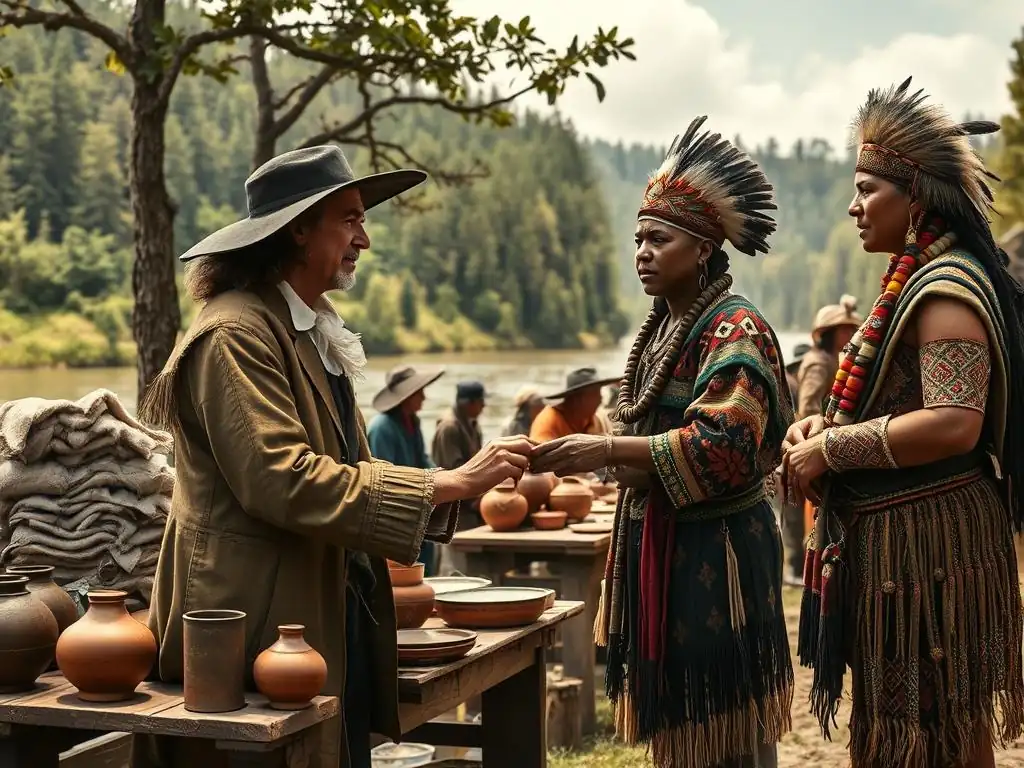
The trade dynamics between Dutch settlers and indigenous cultures in America were characterized by a vibrant exchange of commodities and resources that significantly influenced both parties. The Dutch, motivated by their mercantile interests, primarily engaged in the fur trade, which became a cornerstone of their economic endeavors in the New Netherland colony. The key commodities included:
- Furs: Beaver pelts were particularly sought after in Europe, driving the Dutch to establish extensive trading networks with various indigenous groups, such as the Iroquois and the Algonquin.
- Agricultural Products: The Dutch introduced crops like wheat and barley, which complemented the existing agricultural practices of indigenous cultures.
- Tools and Goods: European goods, such as metal tools, firearms, and textiles, were traded for furs and other local products. This exchange not only enhanced the material culture of indigenous peoples but also altered their traditional practices.
The Dutch established trading posts, most notably in present-day New York and along the Hudson River, which served as hubs for these exchanges. The strategic location of these posts allowed for efficient trade routes, fostering relationships with multiple indigenous groups.
The Impact of Trade on Indigenous Economies
The impact of Dutch trade on indigenous economies was profound and multifaceted. Initially, the influx of European goods provided indigenous groups with new tools and materials that enhanced their daily lives. However, this shift also had significant economic consequences:
- Dependency on European Goods: As indigenous communities became reliant on European commodities, their traditional economies began to shift. This dependency often led to changes in hunting and agricultural practices, as indigenous peoples tailored their production to meet European demands.
- Intertribal Competition: The desire for European goods, particularly firearms, intensified competition between various indigenous groups. This competition sometimes escalated into conflicts, as tribes sought to control trade routes and access to valuable resources.
- Altered Trade Relationships: The introduction of European traders disrupted existing indigenous trade networks. Some tribes, such as the Iroquois, adapted by forming alliances with the Dutch, while others faced marginalization as their traditional trading partners shifted allegiance.
Overall, the economic landscape for indigenous cultures was reshaped by Dutch trade, leading to both opportunities and challenges in their social and economic structures.
Cultural Exchanges Resulting from Trade
Cultural exchanges between Dutch settlers and indigenous cultures were a significant aspect of the trade dynamics, resulting in a rich tapestry of interactions that influenced both societies. These exchanges manifested in various ways:
- Language and Communication: As trade flourished, a mix of Dutch and indigenous languages emerged, facilitating communication and fostering relationships. Terms from the Algonquin language, for example, entered Dutch vocabulary, reflecting the blending of cultures.
- Cultural Practices: The introduction of European customs, such as new agricultural techniques and culinary practices, influenced indigenous lifestyles. Conversely, Dutch settlers adopted certain indigenous practices, such as the use of canoes and knowledge of local geography for trade expeditions.
- Art and Aesthetics: The intermingling of cultural influences led to unique artistic expressions. Indigenous motifs found their way into Dutch art, while indigenous artisans incorporated European styles into their crafts.
These cultural exchanges underscored the complexity of the relationships formed through trade, highlighting how both Dutch settlers and indigenous cultures influenced and enriched one another, ultimately contributing to the diverse cultural landscape of early America.
The Complex Legacy of Dutch Settlements
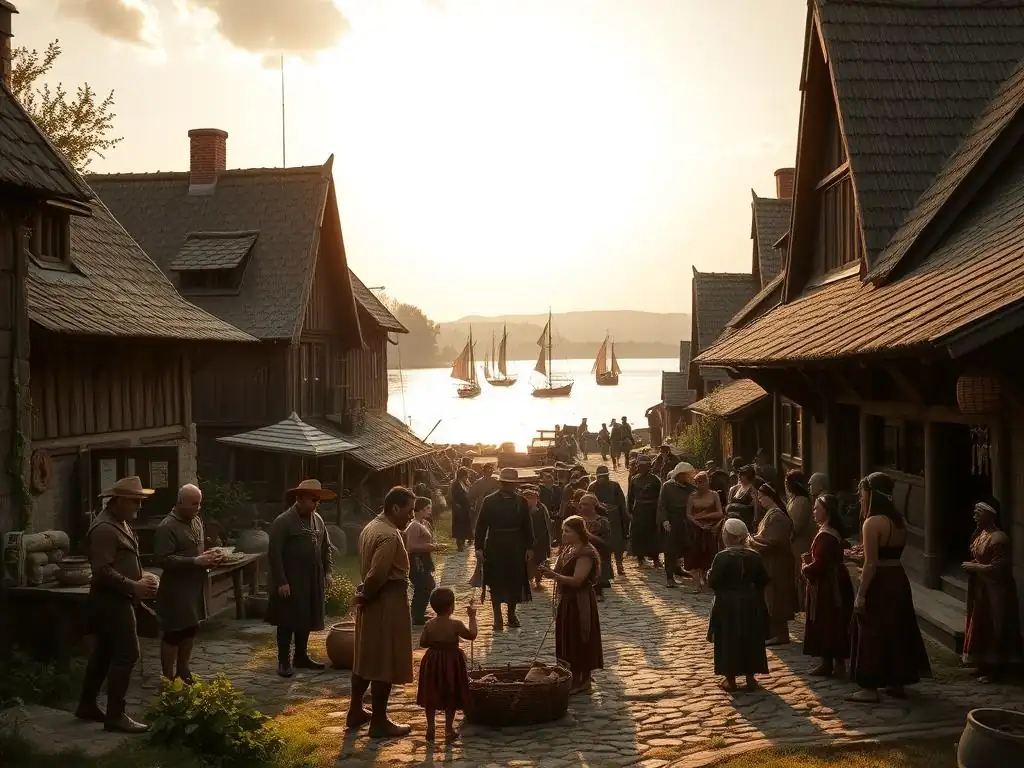
The Dutch settlements in America, particularly in the 17th century, represent a significant chapter in the history of European colonization. These settlements were primarily located in areas that are now part of New York, New Jersey, and Delaware. Unlike other European powers, the Dutch approach to colonization was heavily influenced by trade and economic interests, leading to a complex legacy that intertwined with the indigenous cultures in America. This legacy includes both the positive exchanges and the detrimental impacts on the native populations.
Long-term Effects on Indigenous Cultures in America
The arrival of the Dutch had profound and lasting effects on indigenous cultures in America. Initially, the Dutch engaged in trade with various Native American groups, including the Lenape and the Iroquois. This interaction led to a significant transformation in indigenous societies.
- Economic Changes: The Dutch introduced new goods, such as metal tools and firearms, which altered traditional practices. Indigenous peoples began to rely more on European goods, leading to shifts in their economic structures.
- Land Use and Ownership: The concept of land ownership was fundamentally different between the Dutch and the indigenous cultures. The Dutch emphasis on private property led to conflicts over land use, as they sought to expand their settlements and agricultural practices.
- Demographic Shifts: European diseases, to which Native Americans had no immunity, caused devastating population declines. This demographic shift weakened many indigenous communities, altering their social structures and cultural practices.
The interplay between Dutch colonizers and indigenous cultures created a dynamic environment, where both groups influenced each other in various ways. However, the imposition of European norms often undermined traditional indigenous practices.
The Transformation of Trade Practices
Trade practices underwent a significant transformation during the period of Dutch settlement. The Dutch West India Company played a crucial role in establishing a lucrative fur trade, which became a cornerstone of the colonial economy.
- Fur Trade Dynamics: The Dutch established trade relationships with indigenous groups, exchanging European goods for valuable furs. This trade not only provided economic incentives but also facilitated alliances between the Dutch and certain Native American tribes, often pitting them against others.
- Altered Consumption Patterns: The influx of European goods changed consumption patterns among indigenous peoples. Items such as textiles, metal tools, and manufactured goods became highly sought after, leading to a shift away from traditional practices and materials.
- Economic Dependencies: Over time, many indigenous groups became economically dependent on the Dutch trade. This dependency altered power dynamics within indigenous communities and often led to conflicts over resource allocation and trade relationships.
The transformation of trade practices introduced by the Dutch not only impacted the economies of indigenous cultures but also contributed to broader changes in social and political structures.
The Cultural Exchange: A Two-Way Influence
The cultural exchange between the Dutch settlers and indigenous peoples was a complex and multifaceted process that exemplified the idea of a two-way influence.
- Cultural Adaptations: Indigenous groups adapted certain European practices while maintaining their cultural identity. For example, many Native Americans began to incorporate European agricultural techniques, yet they continued to cultivate traditional crops alongside them.
- Language and Communication: Trade and diplomacy necessitated communication, leading to the emergence of pidgin languages and the exchange of linguistic elements between Dutch and indigenous languages. This linguistic blending enriched both cultures and facilitated interactions.
- Art and Spiritual Practices: The Dutch were influenced by the artistic expressions and spiritual beliefs of the indigenous peoples. This blend can be seen in various artifacts and practices that emerged during this period, showcasing a unique fusion of cultural elements.
The cultural exchange initiated by the Dutch settlements in America created a rich tapestry of interaction that reshaped both indigenous cultures and Dutch colonial practices. While the legacy of these interactions includes significant challenges for indigenous peoples, it also highlights the resilience and adaptability of their cultures in the face of European colonization. Through trade, cultural adaptations, and mutual influences, the complex legacy of Dutch settlements continues to resonate in the histories of indigenous cultures in America today.
Case Studies of Specific Dutch Settlements
New Amsterdam: A Hub of Trade and Culture
New Amsterdam, established in 1624 on the southern tip of Manhattan Island, was the crown jewel of Dutch colonial ambitions in North America. This settlement quickly evolved into a bustling port and a melting pot of cultures, primarily due to its strategic location along the Hudson River, which facilitated trade with both European nations and indigenous communities.
The economic significance of New Amsterdam cannot be overstated. The Dutch West India Company played a pivotal role in its establishment, focusing on fur trading, which was highly lucrative at the time. The influx of traders and settlers transformed the area into a vibrant marketplace. By 1664, when the English seized control and renamed it New York, New Amsterdam had established itself as a central hub for commerce and cultural exchange.
Cultural Interactions
The interactions between the settlers and indigenous cultures in America were complex and multifaceted. The Dutch engaged in trade with various tribes, including the Lenape and the Mohicans. This exchange was not merely economic; it facilitated a blend of cultures. Indigenous knowledge of the land proved invaluable to the Dutch settlers, influencing their agricultural practices and survival strategies.
- Trade Goods: The Dutch exchanged European goods such as metal tools, textiles, and liquor for valuable furs and food supplies.
- Cultural Exchange: The presence of the Dutch led to the introduction of new agricultural techniques and crops, while the indigenous peoples imparted essential survival skills and local knowledge.
Legacy of New Amsterdam
The legacy of New Amsterdam is evident in several aspects of modern American culture. The blend of Dutch and indigenous influences can be seen in place names, legal systems, and cultural practices that persist today. The settlement laid the groundwork for New York City, which remains one of the most diverse cities in the world, reflecting the rich tapestry of influences that emerged from its early days.
Other Notable Dutch Settlements and Their Impact
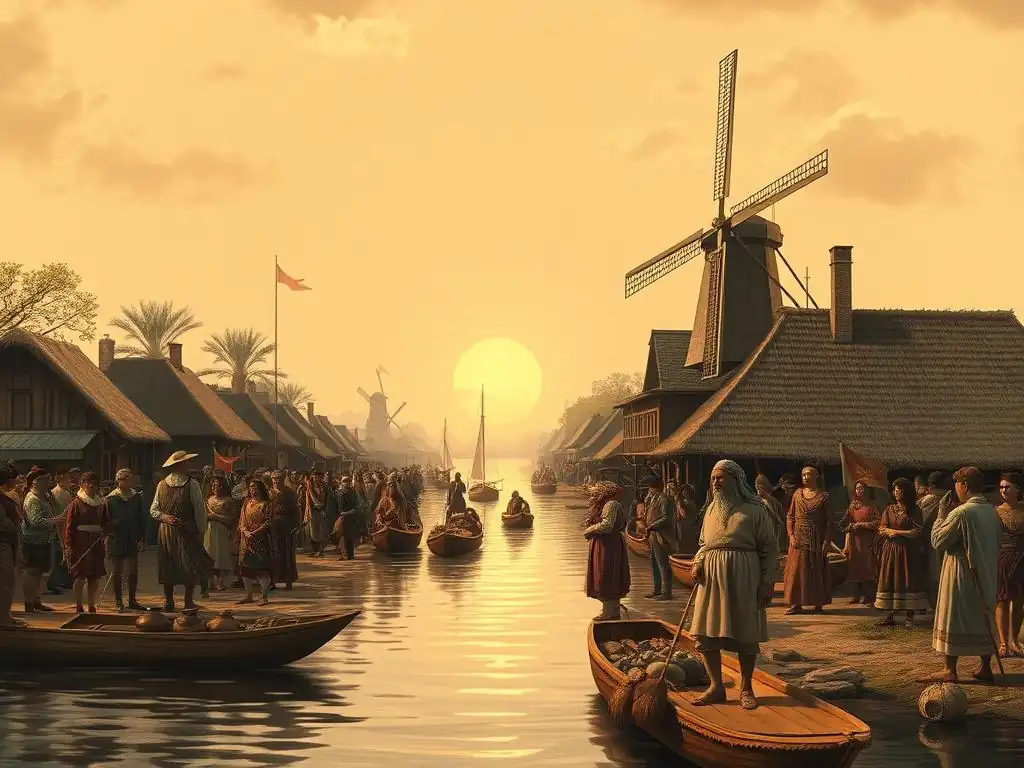
Beyond New Amsterdam, the Dutch established several other settlements that contributed to the shaping of indigenous cultures in America and the landscape of colonial North America.
-
Fort Orange (Albany, New York)
Founded in 1624, Fort Orange was primarily a trading post. The establishment of this fort marked the beginning of formal Dutch trade relations with the Iroquois Confederacy. The Dutch traded goods for furs, which were in high demand in Europe.
- Impact: Fort Orange facilitated alliances and established trade networks that lasted throughout the 17th century.
-
New Netherland
Encompassing a larger territory than just New Amsterdam, New Netherland included parts of present-day New Jersey and Delaware. It served as an agricultural and trading outpost that enabled Dutch settlers to interact with various indigenous tribes.
- Economic Contributions: The area's rich resources, including fertile land and waterways, contributed to agricultural development, which was vital for both Dutch settlers and local tribes.
-
Swaenendael (Delaware)
Established in 1631, Swaenendael was one of the first Dutch settlements in Delaware. Though short-lived due to conflict with local tribes, it exemplified the Dutch's early ambitions in the region.
- Cultural Impact: The interactions at Swaenendael highlighted the often contentious relationships between European settlers and indigenous cultures, as disputes over land and resources frequently arose.
Conclusion
The Dutch settlements across North America played a crucial role in the historical narrative of indigenous cultures in America. These interactions were not merely transactional; they led to significant cultural exchanges that shaped the identities of both the settlers and the indigenous peoples. The legacies of these settlements continue to influence contemporary society, underscoring the complex tapestry of history that defines the Americas.
The Decline of Dutch Influence in America
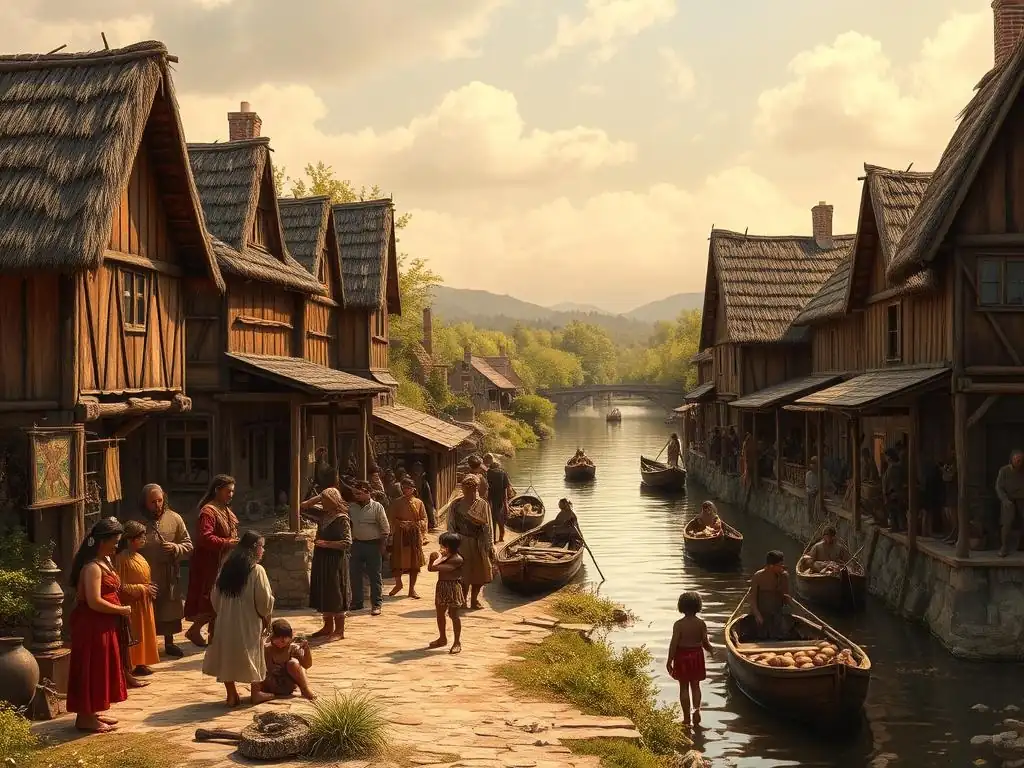
The decline of Dutch influence in America marked a significant turning point in the history of the region, particularly in relation to indigenous cultures in America. The Dutch, known for their commercial prowess, established various settlements, most notably in New Netherland, which included parts of present-day New York, New Jersey, and Delaware. However, a combination of internal and external factors led to their gradual loss of power and control over these territories.
Factors Leading to the End of Dutch Colonization
-
Economic Challenges
The Dutch West India Company, which was responsible for managing Dutch trade and settlements in the Americas, faced financial difficulties. The company's inability to compete with other European powers, particularly the British and the French, resulted in dwindling resources. This economic strain undermined their ability to maintain and expand their settlements, leading to a decline in Dutch presence.
-
Military Conflicts
The Dutch were frequently embroiled in military conflicts with neighboring colonial powers. The most notable was the Second Anglo-Dutch War (1665-1667), during which the British sought to seize control of Dutch territories in America. The war culminated in the 1664 capture of New Amsterdam, a crucial settlement for the Dutch, which marked a significant blow to their colonial ambitions.
-
Population Dynamics
The demographics of New Netherland began to shift as the British population in neighboring colonies grew. The influx of English settlers led to increased tensions and competition for land and resources. This demographic shift made it increasingly difficult for the Dutch to assert their influence and maintain their settlements.
-
Cultural Assimilation
As the British took control, many Dutch settlers began to assimilate into the English culture. This cultural blending weakened the distinctiveness of Dutch influence in the region and contributed to the gradual erosion of their traditional practices and governance.
-
Indigenous Relations
The Dutch initially established relatively cooperative relationships with indigenous groups, engaging in trade and forming alliances. However, as their power waned, the dynamics shifted. Indigenous peoples began to reassess their alliances, which led to a decline in Dutch support among native communities. The British, in turn, sought to manipulate these relationships, often exacerbating tensions between indigenous cultures in America.
The Transition to British Control and Its Effects on Indigenous Cultures
The transition from Dutch to British control in America had profound implications for indigenous cultures in the region. The British takeover initiated a series of changes that reshaped the social, political, and economic landscape.
-
Altered Trade Relationships
Under British control, trade dynamics shifted dramatically. The British prioritized their economic interests, often sidelining indigenous groups. The once-thriving trade networks established by the Dutch, which allowed for mutual benefit, were replaced by exploitative practices that marginalized indigenous peoples and disrupted their traditional economies.
-
Land Dispossession
The British expansionist policies led to widespread land dispossession of indigenous communities. The British sought to acquire land for agriculture and settlement, disregarding existing indigenous claims. This resulted in the forced removal of many indigenous groups from their ancestral lands, leading to significant cultural dislocation.
-
Cultural Erosion
The imposition of British culture and governance systems contributed to the erosion of indigenous cultural identities. The introduction of British legal frameworks and societal norms often conflicted with indigenous traditions, leading to a gradual loss of cultural practices and languages.
-
Resistance and Adaptation
In response to these changes, many indigenous communities adopted various strategies to resist and adapt to British colonization. Some formed alliances with other tribes or even the Dutch remnants, while others engaged in armed resistance. This adaptability showcased the resilience of indigenous cultures in America, despite the overwhelming pressures of colonial rule.
-
Legacy of Conflict
The transition to British control set the stage for ongoing conflicts between indigenous groups and colonial powers. The struggles for land, resources, and autonomy continued to shape the experiences of indigenous cultures in America long after the Dutch influence had faded.
The decline of Dutch influence in America and the subsequent British takeover significantly impacted the indigenous cultures in America. The transition marked a turning point that led to altered trade relationships, land dispossession, cultural erosion, and ongoing resistance, leaving a complex legacy that continues to resonate today.
Conclusion: The Lasting Impact of Dutch Settlements
The Dutch settlements in America, particularly in regions such as New Netherland, reflect a complex legacy intertwined with the indigenous cultures in America. The interactions between Dutch settlers and Native American tribes were characterized by trade, cultural exchange, and often conflict, resulting in profound effects on both groups. This legacy is not only significant for understanding the history of European colonization in the Americas but also for recognizing the resilience and adaptations of indigenous cultures.
Reflection on the Interactions Between Dutch Settlers and Indigenous Cultures in America
The Dutch approach to indigenous cultures was notably different from that of other European powers. Rather than seeking outright territorial domination, the Dutch often engaged in economic partnerships with Native American tribes. For instance, the fur trade was a vital aspect of their economy, leading to interactions with tribes such as the Mohawk and the Lenape. Through these trade relationships:
- Economic Exchange: The Dutch provided European goods like metal tools, cloth, and firearms in exchange for furs. This exchange fundamentally altered traditional indigenous economies, integrating them into global trade networks.
- Cultural Exchange: The presence of Dutch settlers introduced new agricultural practices and technologies to indigenous communities, while Native Americans shared their knowledge of local resources and land management, leading to hybrid practices.
- Diplomatic Relationships: The Dutch often formed alliances with certain tribes to counterbalance the influence of rival European powers, such as the English and the French. These alliances sometimes resulted in heightened tensions within indigenous communities as they navigated relationships with multiple European settlers.
However, these interactions were not without their challenges. As settlements expanded, land disputes arose, leading to conflicts such as the Kieft's War (1643-1645) and the subsequent displacement of indigenous peoples. This highlights the dual nature of Dutch legacy: while they fostered some degree of cultural exchange, their presence also contributed to the disruption and transformation of indigenous societies.
The Importance of Understanding This Complex Legacy
Understanding the Dutch settlements and their interactions with indigenous cultures is crucial for several reasons:
- Historical Awareness: Recognizing the complexities of these relationships helps to paint a fuller picture of the colonial experience in America. It distinguishes the Dutch approach from other European powers and sheds light on the diverse experiences of indigenous peoples.
- Cultural Recognition: Acknowledging the impacts of trade and cultural exchanges emphasizes the agency of indigenous cultures in shaping their destinies. These interactions were not merely one-sided; indigenous peoples adapted and responded to the Dutch presence in ways that preserved their identities and traditions.
- Contemporary Relevance: The legacies of these early interactions continue to influence modern indigenous communities. Understanding this history can inform current discussions on land rights, cultural preservation, and the ongoing impacts of colonization.
The exploration of Dutch settlements in America reveals a tapestry of interactions that shaped both indigenous cultures in America and the trajectory of European colonization. Acknowledging this complex legacy is vital for fostering greater understanding and appreciation of the rich histories that preceded European contact.
Frequently Asked Questions
What were the main objectives of Dutch settlements in America?
The primary objectives of Dutch settlements included establishing trade networks and fostering cultural exchange with indigenous populations, significantly impacting the region's social dynamics.
How did Dutch settlers interact with indigenous cultures in America?
Dutch settlers engaged with indigenous cultures through trade, alliances, and sometimes conflict, which led to a complex legacy of mutual influence and cultural exchange.
What lasting impacts did Dutch settlements have on indigenous cultures?
The lasting impacts of Dutch settlements include changes in trade practices, land use, and cultural exchanges that shaped the development of indigenous societies in America.
In what ways did trade influence indigenous cultures during the Dutch settlements?
Trade introduced new goods and technologies to indigenous cultures, altering their economies and daily life, while also fostering relationships with European settlers.
How does the legacy of Dutch settlements contribute to our understanding of indigenous cultures in America today?
The legacy helps illustrate the complex interactions between indigenous cultures and European settlers, emphasizing the importance of cultural resilience and adaptation in indigenous histories.
Final Reflection: Embracing the Complexity of Cultural Exchange
The legacy of Dutch settlements in America serves as a powerful reminder of the intricate interplay between trade and indigenous cultures in America. As we navigate the complexities of our modern world, understanding these historical interactions is crucial for fostering a more inclusive narrative that honors the diverse voices and experiences that have shaped our society. The past is not merely a series of events; it is a living tapestry that continues to influence our present and future.
Cultural exchange is not a one-way street; it is a dynamic process that has left an indelible mark on both the settlers and the indigenous peoples. The Dutch brought with them not only goods and trade practices but also a set of values and beliefs that interacted with the rich traditions of Native American cultures. This exchange, while often fraught with tension and conflict, also led to moments of collaboration and mutual influence. In every encounter, there is the potential for both conflict and connection.
This quote encapsulates the duality of these interactions, reminding us that understanding our shared history can pave the way for a more harmonious future.
As you reflect on the themes presented in this article, I invite you to consider how the legacies of trade and cultural exchange resonate in your own life. What lessons can we draw from the past to inform our interactions with diverse cultures today? By embracing the complexity of these relationships, we can cultivate a deeper appreciation for the richness of our shared human experience. Let us strive to honor the indigenous cultures in America and recognize the ongoing impact of their histories as we move forward together.
Unveil the Legacy: Connect, Explore, and Contribute!
Thank you for diving into the intricate history of Dutch settlements in America! Your interest not only enriches your understanding but also honors the multifaceted narratives of trade and cultural exchange that shaped our world. Now, let’s put this knowledge into action and deepen our engagement with these histories!
Here’s how you can take the next step:
- Join the Discussion: Engage with your local community or online forums to discuss the impact of Dutch settlements and share insights on how they have influenced modern culture.
- Explore Further: Visit historical sites or museums that focus on Dutch heritage in America—embrace the chance to witness history firsthand!
- Share and Inspire: Write a blog post or share on social media about what you’ve learned regarding this rich legacy—your voice can encourage others to explore and appreciate these connections.
What unique perspectives have you uncovered about the interplay between Dutch settlers and Indigenous cultures that you believe deserve more attention? Let’s start a conversation!