
Aztec Engineering Marvels: Chinampas and the Floating Gardens of Tenochtitlan

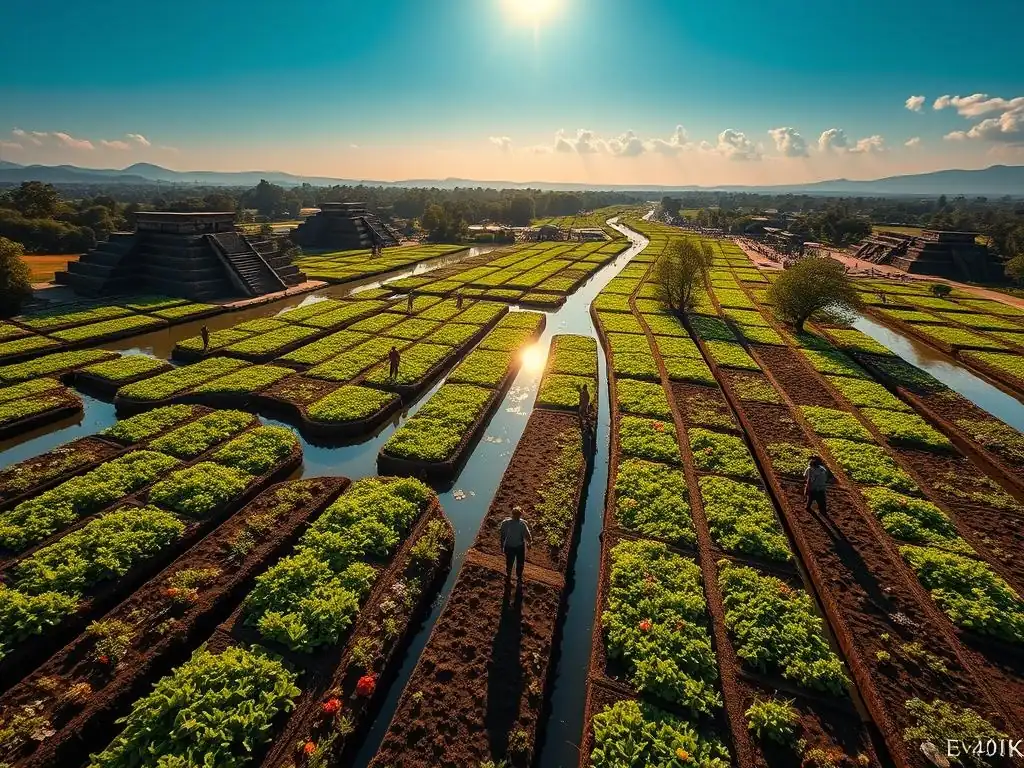
Welcome to Indigenous Civilizations of the Americas, where we delve into the rich tapestry of cultures that flourished long before European contact. Here, you will uncover the remarkable achievements and societal structures of these vibrant communities. Get ready to be fascinated by our featured article on “Aztec Engineering Marvels: Chinampas and the Floating Gardens of Tenochtitlan.” Discover how the ingenious creation of chinampas not only transformed agriculture but also showcased the Aztecs' profound connection to their environment. Join us on this journey to explore the legacy of these remarkable civilizations and the innovations that continue to influence us today!
- Introduction to Aztec Engineering Marvels
- The Concept of Chinampas
- The Engineering Behind the Floating Gardens
- The Economic Impact of Aztec Floating Gardens
- Cultural Significance of the Floating Gardens
- Challenges Faced by Chinampas
- Conclusion: Legacy of Aztec Floating Gardens
- References and Further Reading
- Frequently Asked Questions
- Final Reflection: The Enduring Legacy of Aztec Floating Gardens
- Unveil the Secrets of Ancient Innovation!
Introduction to Aztec Engineering Marvels
The Aztec civilization, renowned for its rich cultural heritage and remarkable achievements, developed sophisticated engineering techniques that played a vital role in their daily life and societal structure. One of the most fascinating innovations of this ancient civilization is the chinampa system, commonly referred to as the Aztec floating gardens.
This ingenious agricultural method not only allowed the Aztecs to thrive in the challenging environment of central Mexico but also showcased their deep understanding of ecology and sustainable practices. In this article, we will delve into the history of the Aztec floating gardens, exploring their design, functionality, and the significant impact they had on the Aztec economy and culture.
Overview of the Aztec Civilization
The Aztecs, who rose to prominence in the 14th century, created a vast empire that spanned much of central Mexico. Their capital, Tenochtitlan, was built on an island in Lake Texcoco and became one of the largest cities in the world at the time, demonstrating the advanced urban planning and engineering capabilities of the Aztec people. The civilization was characterized by a complex social hierarchy, a polytheistic belief system, and significant achievements in various fields, including mathematics, astronomy, and agriculture.
- Key Features of the Aztec Civilization:
- Societal Structure: A rigid class system with nobles, priests, warriors, and commoners.
- Religious Practices: A pantheon of gods, with rituals often involving human sacrifices.
- Cultural Contributions: Rich traditions in art, music, and poetry that reflected their beliefs and daily life.
The Aztecs were not only fierce warriors but also skilled engineers and architects, which enabled them to manipulate their environment for agricultural and urban development. Their floating gardens, or chinampas, were a testament to their ingenuity, providing a sustainable solution to food production in a region characterized by limited arable land.
Importance of Engineering in Aztec Society
Engineering was central to the Aztec way of life, influencing various aspects from agriculture to architecture. The ability to design and construct complex irrigation systems, causeways, and temples not only facilitated the growth of their civilization but also demonstrated their advanced understanding of engineering principles.
- Key Aspects of Aztec Engineering:
- Chinampas: A revolutionary agricultural method that allowed for year-round cultivation and efficient use of water resources.
- Urban Planning: The layout of Tenochtitlan included sophisticated canals and roads that connected different parts of the city, enhancing trade and communication.
- Hydraulic Engineering: The Aztecs developed systems to control water flow, which was crucial for both their agricultural practices and urban infrastructure.
The engineering achievements of the Aztecs were not merely functional; they were deeply intertwined with their cultural identity and social organization. The floating gardens exemplify how the Aztecs adapted to their environment while fostering a sustainable agricultural system that supported a thriving population. Understanding these engineering marvels provides valuable insights into the complexity and resilience of the Aztec civilization.
The Concept of Chinampas
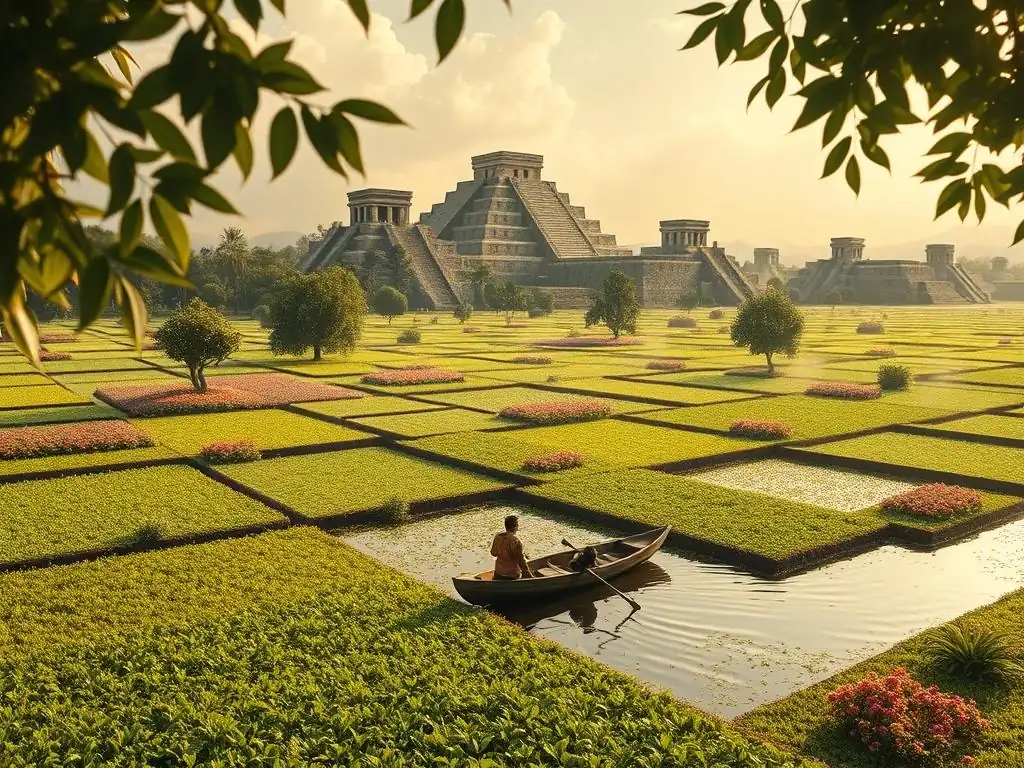
Chinampas are an extraordinary agricultural innovation developed by the Aztecs, characterized by their unique construction and function in enhancing agricultural productivity in the challenging geographic conditions of Central Mexico. Often referred to as "floating gardens," these man-made islands were created in the shallow waters of lakes and swamps, allowing for year-round farming. The ingenuity behind chinampas not only reflects the advanced engineering skills of the Aztecs but also their profound relationship with the environment.
Definition of Chinampas
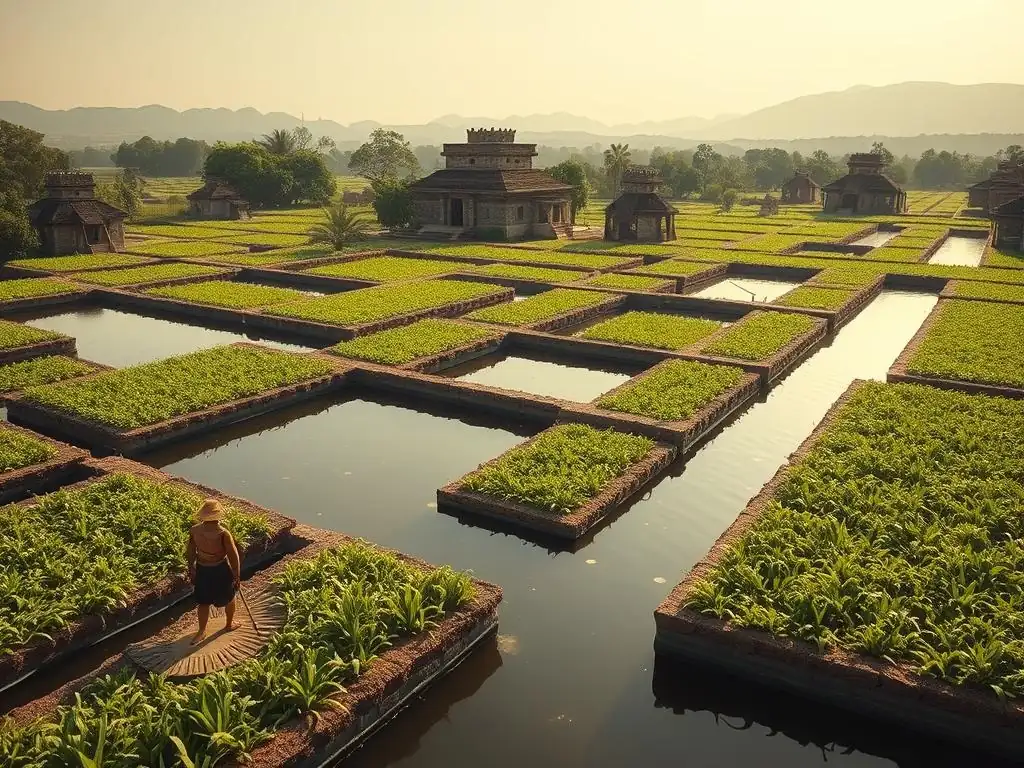
Chinampas can be defined as rectangular plots of land reclaimed from the water, built upon a framework of mud, reeds, and other organic materials. The construction process involved several steps:
- Selection of Site: Ideal locations were chosen, typically in marshy areas with rich sediments.
- Construction of Framework: Wooden stakes were driven into the lakebed to create a grid-like structure.
- Filling: Layers of mud and decaying plant material were piled onto the framework to form elevated beds.
- Irrigation: Canals were dug around these plots, allowing for easy access to water for irrigation and transportation.
This method of farming enabled the Aztecs to cultivate a variety of crops, ensuring food security for their growing population.
Historical Context of Chinampas in Tenochtitlan
The development of chinampas is closely tied to the history of Tenochtitlan, the capital of the Aztec Empire, founded around 1325 AD. Situated on an island in Lake Texcoco, the city faced challenges in agricultural production due to its limited arable land. To address this, the Aztecs turned to chinampa agriculture as a solution, transforming the surrounding wetlands into fertile farmland.
Historical records indicate that at its peak, Tenochtitlan had an extensive network of chinampas, contributing significantly to the city's economy and sustenance. The Aztecs cultivated crops like maize, beans, squash, and tomatoes, which were essential to their diet and trade. The chinampas also played a crucial role in the socio-political structure of the Aztec society, as land ownership and agricultural production were closely linked to power and status.
The Role of Chinampas in Aztec Agriculture
Chinampas revolutionized Aztec agriculture by providing several advantages over traditional farming methods:
- Increased Crop Yield: The fertile soil of the chinampas, combined with their unique irrigation system, allowed for multiple harvests per year, significantly boosting food production.
- Biodiversity: The diversity of crops grown on chinampas fostered ecosystem resilience, reducing the risk of total crop failure due to pests or disease.
- Water Management: The canals surrounding the chinampas facilitated not only irrigation but also transportation, enabling easy movement of goods and people throughout Tenochtitlan.
Moreover, the chinampa system exemplified sustainable agricultural practices, as it utilized local resources and maintained ecological balance. As a result, it served as a vital foundation for the Aztec civilization, supporting one of the largest urban centers in the pre-Columbian Americas. The legacy of chinampas continues today, influencing modern agricultural practices and sustainable farming methods in Mexico and beyond.
The Engineering Behind the Floating Gardens
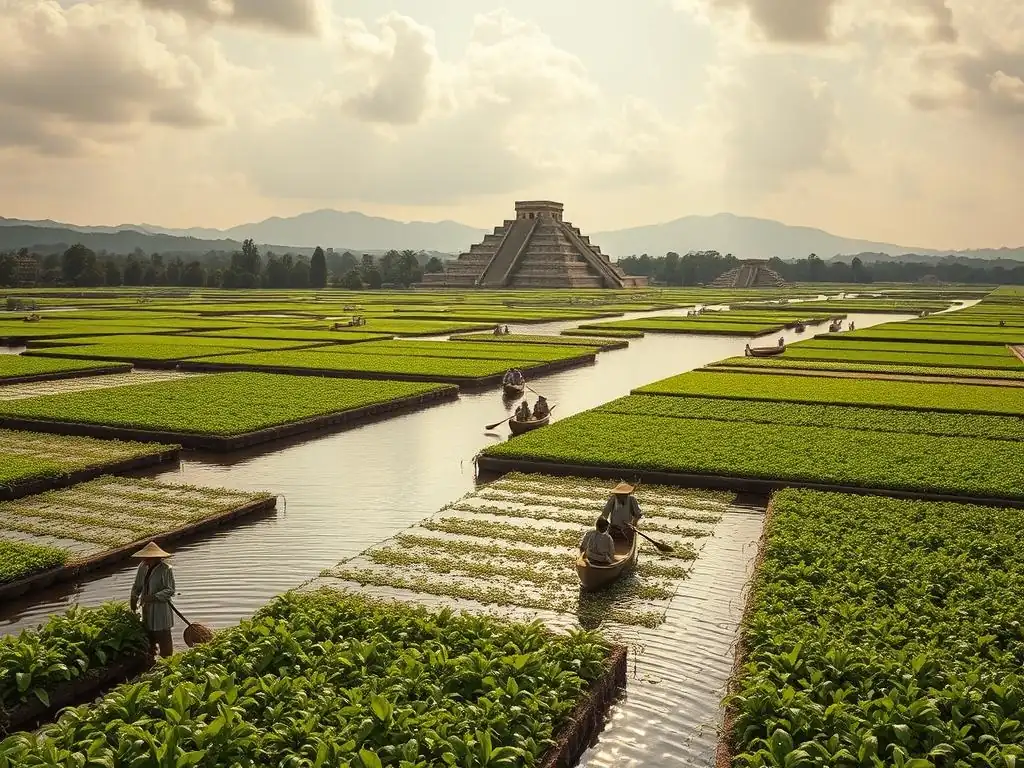
The Aztec civilization is renowned for its innovative engineering feats, particularly the creation of chinampas, commonly referred to as the floating gardens. These remarkable agricultural systems exemplified the Aztecs' profound understanding of their environment and their ability to manipulate it for sustainable agricultural practices. The engineering behind the floating gardens not only showcases the ingenuity of the Aztecs but also highlights their adaptability to the challenging conditions of the Valley of Mexico.
Construction Techniques of Chinampas
Chinampas were constructed using a series of well-planned techniques that allowed the Aztecs to create arable land on the shallow lake beds surrounding Tenochtitlan. The process began with the selection of suitable areas in the lake, typically where water was shallow. The construction involved several key steps:
- Site Preparation:
- The first step was to create rectangular plots of land by staking out the desired area. This involved the use of wooden stakes to outline the chinampa's borders.
- Soil Accumulation:
- The Aztecs then began to gather mud and organic material from the lakebed and surrounding marshes. This included decomposed plant materials, which were essential for enriching the soil.
- Building the Framework:
- After accumulating sufficient soil, the Aztecs formed a framework using reeds, branches, and other plant materials. These were interwoven to create a robust base that could support the weight of the soil and crops.
- Water Management:
- An intricate system of canals was developed to allow for water circulation between the chinampas. This not only provided irrigation but also helped with the transportation of goods.
- Planting:
- Once the chinampas were established, various crops were planted, including maize, beans, squashes, and other vegetables. The layered structure of the chinampas allowed for efficient water retention, ensuring that the crops thrived.
The combination of these techniques enabled the Aztecs to maximize agricultural output and sustain a large population in Tenochtitlan.
Materials Used in the Creation of Floating Gardens
The materials utilized in the construction of chinampas were primarily sourced from the surrounding environment, demonstrating the Aztecs' resourcefulness. Key materials included:
- Soil and Mud: Essential for creating fertile land, the soil was rich in nutrients, which promoted healthy crop growth.
- Reeds: Commonly used for the structural framework, reeds were abundant in the marshy areas and provided both buoyancy and stability.
- Wooden Stakes: These were used to outline and support the chinampas, helping to keep the soil in place and prevent erosion.
- Organic Matter: Decomposed plants and other organic materials were mixed into the soil to enhance fertility, creating a nutrient-rich environment for crops.
The strategic use of these materials not only facilitated the construction of chinampas but also ensured their sustainability over time, allowing for continuous agricultural production.
Environmental Adaptations and Innovations
The floating gardens of Tenochtitlan were a testament to the Aztecs' ability to adapt to their environment. Several innovations emerged as a result of their efforts to maximize agricultural efficiency:
- Water Management Systems: The Aztecs developed sophisticated irrigation techniques, which included the use of canals and dikes. This not only ensured a steady water supply but also prevented flooding during heavy rains.
- Crop Rotation and Companion Planting: To maintain soil fertility and reduce pests, the Aztecs employed crop rotation and companion planting techniques. For instance, maize was often planted alongside beans and squash, which provided mutual benefits in terms of nutrients and pest control.
- Sustainable Practices: The chinampa system was inherently sustainable. The floating gardens allowed for year-round cultivation, crucial for feeding the large population of Tenochtitlan, while also preserving the natural ecosystem of the lakes.
- Diversity of Crops: By planting a variety of crops, the Aztecs minimized the risk of total crop failure and ensured a steady food supply throughout the seasons.
Through these environmental adaptations and innovations, the Aztecs not only thrived in their unique ecosystem but also laid the groundwork for sustainable agricultural practices that resonate with modern ecological principles. The history of the Aztec floating gardens continues to be a source of inspiration and admiration for their engineering prowess and environmental stewardship.
The Economic Impact of Aztec Floating Gardens
The Aztec floating gardens, or chinampas, were not just remarkable engineering feats but also fundamental to the economic stability and prosperity of Tenochtitlan. These artificial islands allowed for intensive agriculture and supported a complex trade system that contributed significantly to the empire's wealth and sustainability. Understanding the economic impact of these floating gardens provides insight into the ingenuity of the Aztec civilization.
Contribution to Food Security in Tenochtitlan
The chinampas played a crucial role in ensuring food security for the vast population of Tenochtitlan, which at its peak housed over 200,000 residents. The unique construction of these floating gardens allowed for the cultivation of a diverse range of crops, including:
- Maize (corn)
- Beans
- Squash
- Chili peppers
- Tomatoes
The year-round growing season made chinampas incredibly productive. Farmers could harvest multiple crops throughout the year, leading to a surplus that not only fed the local population but also allowed for the storage of food reserves. This surplus was vital during periods of drought or crop failure, ensuring that the city could withstand environmental challenges.
The productivity of chinampas contributed significantly to a balanced diet, which was essential for the health and strength of the Aztec people. The availability of various crops also supported the development of diverse culinary practices, enriching the cultural fabric of Tenochtitlan.
Trade and Market Systems Supported by Chinampas
The economic benefits of chinampas extended beyond local food security; they were integral to the trade networks that connected Tenochtitlan to other regions. The surplus production from these floating gardens enabled the Aztecs to engage in extensive trade, leading to the establishment of sophisticated market systems.
- Marketplaces: Tenochtitlan was home to bustling marketplaces, such as Tlatelolco, where goods from chinampas were exchanged for other products. Here, merchants traded not only food but also textiles, pottery, and luxury items.
- Tribute System: The Aztec Empire implemented a tribute system in which conquered regions were required to send goods, including agricultural products, to Tenochtitlan. The abundance of chinampa farming allowed the empire to demand more tribute, thereby increasing its wealth and power.
- Long-Distance Trade: The surplus from chinampas facilitated long-distance trade with other Mesoamerican cultures, such as the Mixtecs and Zapotecs. This trade included items like cacao, which was highly valued, and luxury goods that enhanced the status of the Aztec elite.
The economic vibrancy supported by chinampas was instrumental in maintaining the political power of the Aztec Empire, creating a feedback loop where wealth generated from agriculture reinforced military and political strength.
Comparison of Agricultural Yield: Chinampas vs. Traditional Farming
To fully grasp the significance of chinampas, it is essential to compare their agricultural yield to that of traditional farming methods. The following table summarizes the differences:
| Agricultural Method | Yield per Acre | Cultivation Period | Sustainability |
|---|---|---|---|
| Chinampas | Up to 5-7 crops/year | Year-round | Highly sustainable |
| Traditional Farming | 1-2 crops/year | Seasonal | Less sustainable |
As illustrated in the table, chinampas significantly outperformed traditional farming methods in both yield and sustainability. The ability to cultivate multiple crops year-round on the floating gardens allowed for greater food production, which was crucial for supporting Tenochtitlan’s large population.
The innovative use of irrigation techniques, including canals and water management systems, further enhanced the efficiency of chinampas. By utilizing the surrounding lake's nutrient-rich waters, Aztec farmers were able to create a self-sustaining agricultural system that optimized crop growth.
The economic impact of the Aztec floating gardens was profound. Their contribution to food security, support for trade and market systems, and superior agricultural yields underscored the importance of chinampas in the thriving civilization of Tenochtitlan. The legacy of these engineering marvels continues to be a source of inspiration and study in modern agricultural practices.
Cultural Significance of the Floating Gardens
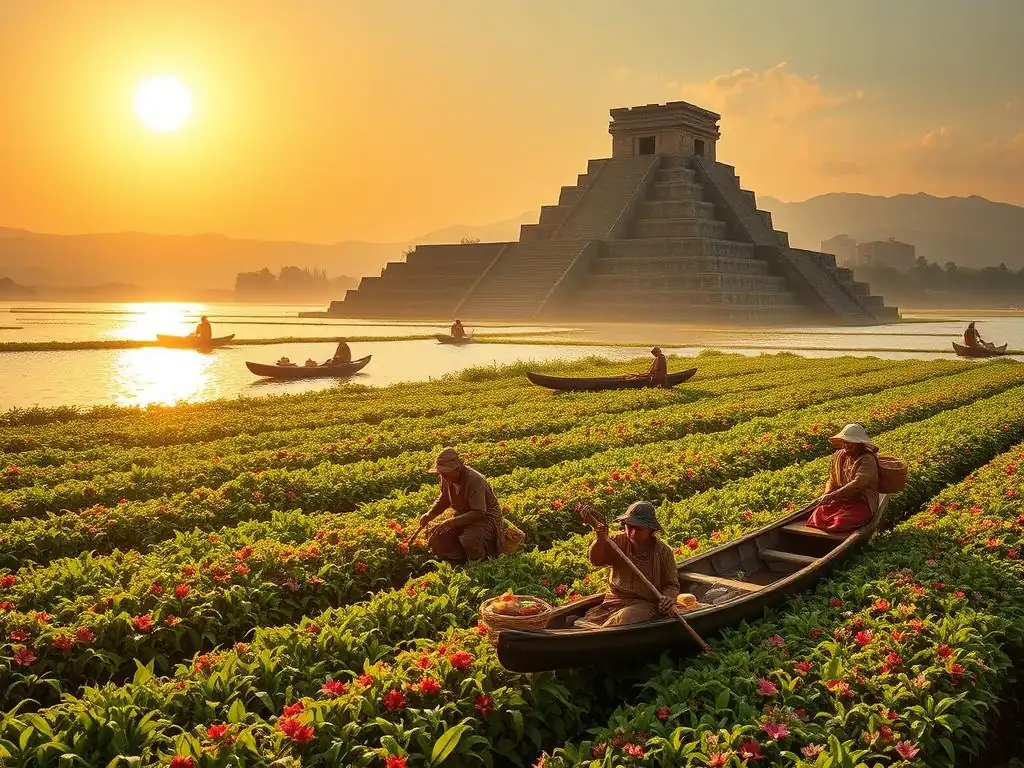
The Aztec floating gardens, known as chinampas, were not merely agricultural innovations; they represented a profound cultural and societal significance within the Aztec civilization. These engineered plots of land, created on the shallow lake beds of the Valley of Mexico, allowed for the cultivation of crops in a highly efficient manner. The chinampas exemplified the Aztec's deep connection to their environment and their sophisticated understanding of agricultural practices, which were crucial for sustaining their rapidly growing population.
Spiritual and Religious Aspects of Chinampas
The chinampas were laden with spiritual and religious meanings for the Aztecs. The act of farming itself was considered a sacred duty, honoring the gods who provided fertility and abundance. Each chinampa was often dedicated to specific deities, such as Tlaloc, the rain god, and Xipe Totec, the god of agriculture and renewal. This reverence for the land was reflected in various rituals and offerings made by farmers to ensure a bountiful harvest.
- Ritual Practices: The Aztecs would perform ceremonies to bless the chinampas before planting, which included offerings of flowers, food, and even small animals.
- Symbolic Representation: The lush, green floating gardens were seen as a reflection of the earth's fertility and a symbol of life, contrasting with the arid landscapes surrounding the lake.
The spiritual connection to the chinampas extended beyond agriculture; they were integrated into the broader cosmology of Aztec beliefs, where the cycles of planting and harvesting mirrored the cycles of life and death.
Chinampas in Aztec Art and Literature
The artistic representation of chinampas in Aztec culture illustrates their importance beyond mere agricultural utility. Various forms of art, including codices, murals, and sculptures, depict the floating gardens, showcasing their aesthetic and cultural significance.
- Codices: The Codex Mendoza, for instance, includes illustrations of chinampas, demonstrating their role in daily life and their contribution to the economy of Tenochtitlan.
- Murals: Murals in temples often depicted agricultural scenes featuring chinampas, emphasizing their connection to the gods and the sustenance they provided to the people.
In literature, references to chinampas can be found in poetry and songs, celebrating their beauty and bounty. This artistic engagement with chinampas highlights the Aztecs' appreciation for nature and their innovative spirit.
The Community Life Surrounding the Floating Gardens
The chinampas played a vital role in the communal life of the Aztecs, fostering a sense of interdependence among families and neighborhoods. Each chinampa was typically cultivated by extended families or community groups, reinforcing social bonds and cooperation.
- Agricultural Practices: The cultivation methods employed on chinampas were communal, allowing families to share resources and labor. This collaboration not only maximized yield but also strengthened community ties.
- Market Dynamics: The surplus produced on chinampas contributed significantly to the economy of Tenochtitlan, with markets bustling with goods from these floating gardens. This economic interactivity was crucial for trade and social engagement among different classes.
- Cultural Festivals: The harvest periods were celebrated with festivals that brought communities together, reinforcing cultural identity and shared traditions.
In essence, the chinampas were more than just engineering feats; they were the heartbeat of Aztec society, embodying their spirituality, creativity, and communal ethos. The legacy of the Aztec floating gardens continues to resonate today, symbolizing resilience and innovation in the face of environmental challenges.
Challenges Faced by Chinampas
Environmental Challenges and Natural Disasters
The chinampas of Tenochtitlan, often referred to as the Aztec floating gardens, were remarkable engineering feats that enabled the Aztecs to cultivate crops in a unique aquatic environment. However, these agricultural systems faced numerous environmental challenges.
- Flooding: The location of chinampas in the shallow lakes of the Valley of Mexico made them vulnerable to seasonal flooding. Heavy rains could inundate the gardens, damaging crops and undermining the structural integrity of the floating plots.
- Soil Degradation: Over time, the intensive agricultural practices employed on chinampas led to soil nutrient depletion. The continuous cultivation of crops without sufficient fallow periods resulted in diminished soil fertility, which threatened the sustainability of this ingenious agricultural system.
- Pest Infestation: The proximity of chinampas to water bodies created ideal conditions for pests and diseases. Insects and plant diseases could spread rapidly among the closely planted crops, leading to significant losses.
- Climate Variability: The Aztec civilization was not immune to the impacts of climate variability, including periods of drought that could hinder agricultural productivity. Such climatic changes could disrupt the delicate balance required for successful chinampa farming.
Impact of European Colonization on Chinampas
The arrival of European colonizers in the early 16th century marked a significant turning point for the chinampas of Tenochtitlan. The following factors illustrate the profound impact of colonization on this ancient agricultural system:
- Land Redistribution: Following the conquest of the Aztec Empire, many chinampas were confiscated by Spanish colonizers. The land that had once supported vibrant agricultural practices was often repurposed for European-style farming or left fallow, disrupting traditional methods.
- Introduction of New Crops: European colonization brought new crops and agricultural practices to the Americas. While some of these crops were beneficial, they often replaced indigenous crops, leading to a decline in the variety of produce grown in chinampas.
- Population Decline and Labor Shortages: The colonization process was accompanied by significant population decline among indigenous peoples due to disease and warfare. This decrease in labor force impacted the maintenance and cultivation of chinampas, leading to their neglect and deterioration.
- Cultural Disruption: The imposition of European cultural norms and agricultural practices undermined the traditional knowledge and practices that had sustained chinampa cultivation for centuries. As indigenous farmers adapted to new ways of life, the intricate understanding of chinampa agriculture was further eroded.
Preservation and Restoration Efforts
In recent years, there has been a renewed interest in the preservation and restoration of chinampas, recognizing their ecological and cultural significance. Various initiatives have emerged to revitalize these ancient agricultural systems, including:
- Community-Based Projects: Local communities are increasingly engaged in efforts to restore chinampas, often combining traditional knowledge with modern sustainable practices. Projects aim to enhance biodiversity, improve soil health, and promote agroecological methods.
- Educational Programs: Organizations focused on indigenous knowledge are developing educational programs to raise awareness about chinampas and their historical importance. These initiatives aim to pass down traditional agricultural techniques to younger generations, ensuring their survival.
- Ecotourism: The promotion of ecotourism around chinampa areas has provided a platform for sustainable development. By attracting visitors interested in learning about this unique agricultural system, communities can generate income while fostering appreciation for their cultural heritage.
- Research and Innovation: Academic institutions and researchers are studying the ecological benefits of chinampas, including their role in water management and biodiversity conservation. Innovative approaches are being explored to adapt traditional practices to contemporary environmental challenges.
The preservation and restoration of chinampas not only serve to honor the ingenuity of the Aztec civilization but also offer valuable lessons in sustainable agriculture and environmental stewardship. By safeguarding this heritage, we can ensure that the legacy of the Aztec floating gardens continues to thrive.
Conclusion: Legacy of Aztec Floating Gardens
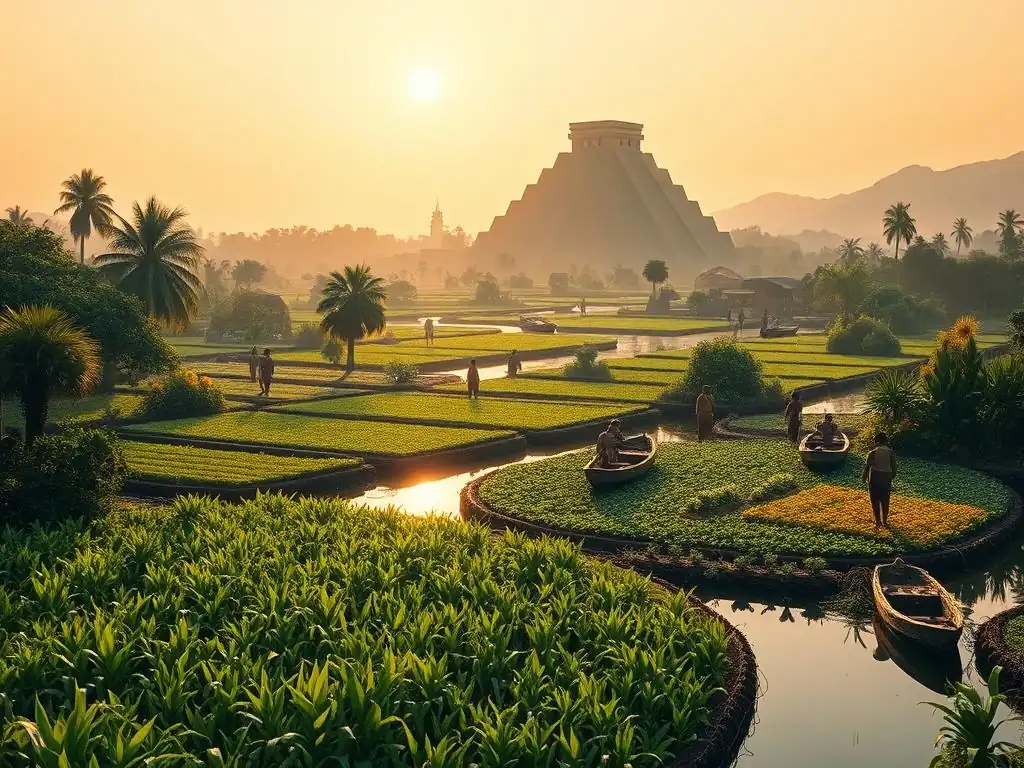
The legacy of the Aztec floating gardens, known as chinampas, extends far beyond their initial creation in the vibrant city of Tenochtitlan. These ingenious agricultural systems not only transformed the landscape of Mesoamerica but also established a sustainable model of farming that has influenced agricultural practices throughout history. The chinampas represent a remarkable intersection of engineering, ecology, and culture, reflecting the innovative spirit of the Aztec civilization.
Lasting Influence on Agricultural Practices
The chinampa system allowed the Aztecs to cultivate crops on the shallow lake beds surrounding Tenochtitlan, providing an efficient means of food production in a challenging environment. This method of farming has been recognized for its sustainability, as it utilizes the natural resources of the surrounding ecosystem.
Key contributions of chinampas to agricultural practices include:
- Crop Diversity: The Aztecs cultivated a variety of crops, including maize, beans, and squash, which helped to maintain soil fertility and biodiversity.
- Water Management: The design of chinampas facilitated effective irrigation and drainage, ensuring that crops received adequate water while minimizing waste.
- Soil Enrichment: The use of organic materials, such as decaying plants and fish remains, enriched the soil, enhancing productivity without the need for synthetic fertilizers.
As modern agriculture faces challenges such as climate change and food security, the principles embodied in the chinampa system are being revisited. Farming methods inspired by chinampas are being implemented in various regions to promote sustainable practices and enhance food resilience.
Recognition of Chinampas in Modern Times
In recent years, the chinampa system has garnered recognition as a significant cultural and agricultural achievement. The United Nations Educational, Scientific and Cultural Organization (UNESCO) designated the chinampas of Xochimilco as a World Heritage site in 1987, recognizing their historical importance and the need for conservation.
Factors contributing to this recognition include:
- Cultural Heritage: Chinampas are a vital part of the cultural identity of the region, reflecting the traditions and innovations of the Aztec civilization.
- Biodiversity Conservation: The chinampa system supports unique ecosystems, providing habitats for various species of plants and animals, thus playing a critical role in biodiversity.
- Tourism and Education: The floating gardens have become a popular destination for tourists, offering insights into ancient agricultural practices and the rich history of the Aztecs.
Efforts are ongoing to promote sustainable practices within these traditional farming systems, ensuring that the knowledge and techniques of the past continue to benefit future generations.
Future Perspectives on Aztec Engineering Achievements
Looking ahead, the legacy of the Aztec floating gardens opens avenues for further research and innovation in engineering and agriculture. As urbanization increases and arable land decreases, the principles of chinampa farming may provide solutions to contemporary challenges.
Future perspectives include:
- Urban Agriculture: The integration of chinampa-inspired designs into urban settings can help cities adopt sustainable food production methods, contributing to local food security.
- Research and Development: Ongoing studies into the ecological benefits of chinampas may lead to new agricultural technologies that mimic these ancient practices.
- Cultural Revitalization: Engaging indigenous communities in the preservation and revitalization of chinampa techniques can strengthen cultural heritage and promote traditional knowledge.
The enduring impact of the Aztec floating gardens serves as a reminder of the ingenuity of indigenous engineering. By embracing and learning from these ancient practices, we can foster a sustainable future that honors the legacy of the past.
References and Further Reading
Suggested Books on Aztec Engineering Marvels
- "The Aztecs: A Very Short Introduction" by David Carrasco
- This concise book provides an overview of Aztec civilization, including their engineering feats, cultural practices, and societal structure. It is an excellent starting point for anyone looking to understand the broader context of Aztec achievements.
- "Aztec Engineering: The Rise and Fall of the Floating Gardens" by John P. Schaefer
- This detailed examination focuses specifically on the engineering behind the chinampas, exploring their construction, maintenance, and the innovative techniques employed by the Aztecs to cultivate crops on water.
- "Tenochtitlan: Capital of the Aztec Empire" by Eduardo Matos Moctezuma
- This book delves into the history and urban planning of Tenochtitlan, highlighting the significance of the floating gardens and how they contributed to the city’s agricultural sustainability and urban landscape.
- "The Great Aztec Empire" by Charles Gallenkamp
- An engaging narrative that covers various aspects of the Aztec Empire, including their technological advancements and engineering prowess, offering insights into the importance of chinampas within the empire's agricultural practices.
- "Chinampas: The Floating Gardens of the Aztecs" by Ana Maria de la Torre
- A focused exploration of chinampas, this book provides a comprehensive analysis of their design, cultivation methods, and the ecological significance of these floating gardens in Aztec society.
Articles and Journals on Chinampas and Floating Gardens
- "Chinampas: The Agricultural Innovation of the Aztecs" - Journal of Latin American Geography
- This article discusses the ecological and agricultural significance of chinampas, outlining their role in the sustainability of Tenochtitlan and the engineering techniques that made them successful.
- "Engineering the Floating Gardens: A Study of Aztec Agricultural Practices" - Mexican Journal of History
- A scholarly examination of the engineering methods used in constructing chinampas, with a focus on their historical context and long-term impact on agriculture in the region.
- "Tenochtitlan's Floating Gardens: A Marvel of Ancient Engineering" - Journal of Environmental Science
- This research article explores the environmental implications of chinampa agriculture, detailing how these floating gardens contributed to biodiversity and ecological resilience in the Valley of Mexico.
- "Aztec Agriculture: The Role of Chinampas in Sustaining a Civilization" - Latin American Studies Review
- An insightful analysis of the agricultural systems of the Aztecs, highlighting the importance of chinampas in supporting the population of Tenochtitlan and the innovations that arose from this unique farming method.
- "The Cultural Significance of Chinampas in Aztec Society" - Journal of Anthropological Research
- This article investigates the cultural dimensions of chinampa agriculture, discussing how these floating gardens shaped social structures, culinary practices, and community life among the Aztecs.
Frequently Asked Questions
What are chinampas, and how did the Aztecs use them?
Chinampas, also known as floating gardens, were artificial islands created by the Aztecs for agriculture. They allowed for intensive farming in the swampy areas of Tenochtitlan, maximizing crop yields.
How did the construction of chinampas impact Aztec society?
The construction of chinampas enabled the Aztecs to support a growing population by providing a reliable food source. This agricultural innovation played a crucial role in the development of their complex society.
What crops were primarily grown on chinampas?
The Aztecs cultivated a variety of crops on their chinampas, including maize, beans, and squash. These staple crops were essential for sustaining their civilization and trade.
How did chinampas contribute to the economy of Tenochtitlan?
Chinampas significantly boosted the economy by allowing for year-round agriculture. This surplus of food supported a thriving market system, facilitating trade and economic growth within the empire.
What was the environmental impact of chinampas?
Chinampas helped to manage water levels and reduce flooding in Tenochtitlan. Additionally, they promoted biodiversity and contributed to the overall health of the ecosystem in the region.
Final Reflection: The Enduring Legacy of Aztec Floating Gardens
The ingenuity of the Aztec floating gardens, or chinampas, serves as a powerful reminder of how ancient civilizations adapted to their environments and thrived. Today, as we grapple with urbanization and environmental challenges, the lessons from these engineering marvels resonate more than ever. The ability to innovate sustainably is crucial in our quest for solutions to modern problems, and the chinampas stand as a testament to the harmony that can exist between human ingenuity and nature.
The cultural and social significance of chinampas extends far beyond their historical context; they represent a profound connection to land, food security, and community resilience. The legacy of these floating gardens continues to influence agricultural practices and inspire sustainable farming initiatives worldwide. As noted by historian Charles Mann, “The Aztecs were not just conquerors; they were also masterful engineers who transformed their environment in ways that still inform our understanding of agriculture today.” This ongoing influence highlights the importance of learning from the past to address contemporary issues.
As we reflect on the remarkable history of the Aztec floating gardens, let us consider how we can apply these lessons in our own lives. How can we embrace sustainable practices in our communities, and what innovations can we develop to foster a better relationship with our environment?
I invite you to explore the principles of resilience and sustainability that the chinampas embody, and to take action in your own life—whether through supporting local agriculture, advocating for green spaces, or simply being more mindful of your environmental impact. The legacy of the Aztec floating gardens is not just a story of the past; it is a call to shape a more sustainable future.
Unveil the Secrets of Ancient Innovation!
Thank you for exploring the fascinating world of Aztec engineering marvels with us! You've uncovered the remarkable ingenuity behind chinampas and the floating gardens of Tenochtitlan – a testament to the incredible adaptability and resilience of Indigenous civilizations. Now, it’s your turn to take action and deepen your connection to this rich heritage.
Take a moment to dive deeper into this awe-inspiring topic with these next steps:
- Visit local botanical gardens or native plant nurseries to witness sustainable practices that resonate with the ingenuity of chinampa agriculture.
- Share your insights! Engage with friends or connect on social media to discuss the significance of traditional agricultural systems and their relevance in today's world.
- Participate in a local workshop or enroll in an online course focused on sustainable gardening techniques inspired by ancient practices, allowing you to implement these timeless strategies in your own life.
Which aspect of ancient civilizations inspires you most to create a positive impact in today’s world?