
The Transformation of Mayan Beliefs PostColonization: Survival and Adaptation

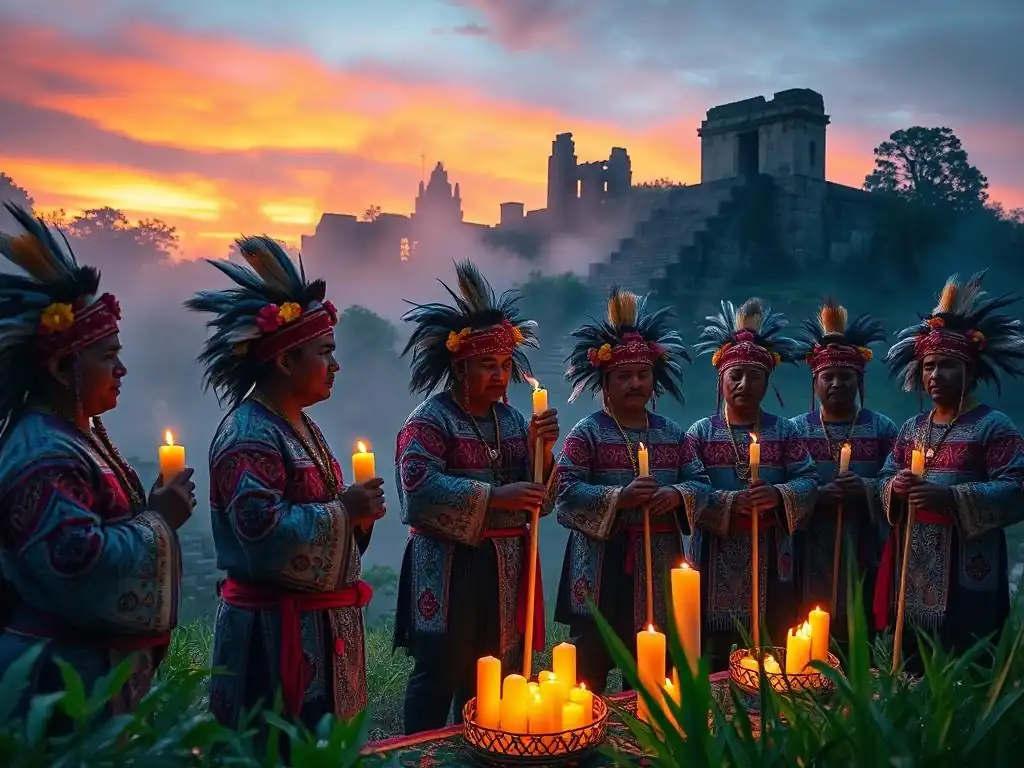
Welcome to Indigenous Civilizations of the Americas, where we embark on a journey through the rich tapestry of cultures that flourished long before European footprints marked our lands. Here, we delve into the profound Mayan beliefs postcolonization survival, uncovering how these remarkable traditions not only persisted but also adapted in the face of profound change. Prepare to be captivated as we explore the resilience of the Mayan civilization and the enduring legacy of its people. Join us as we unravel the layers of history, tradition, and transformation that continue to shape our understanding of the Americas today.
Introduction to Mayan Beliefs and Their Historical Context
The Mayan civilization, one of the most advanced and influential cultures in Mesoamerica, developed a rich tapestry of beliefs and practices that shaped their understanding of the cosmos, society, and the divine. Before European colonization, Mayan beliefs were deeply intertwined with their daily lives, influencing everything from agriculture to governance. This article explores how these beliefs transformed in response to the challenges posed by colonization, particularly focusing on the survival and adaptation of Mayan beliefs postcolonization survival. Understanding this transformation is crucial for appreciating the resilience of indigenous cultures and the complex interplay between tradition and change.
Overview of Traditional Mayan Beliefs
Traditional Mayan beliefs were characterized by a polytheistic worldview, where gods were seen as active participants in the lives of the people. Key elements of Mayan spirituality included:
- Cosmology: The Mayans viewed the universe as a layered structure, with the underworld, earth, and heavens each playing a significant role in their mythology.
- Deities and Rituals: A pantheon of gods governed various aspects of life, such as agriculture, rain, and fertility. Rituals, including offerings and ceremonies, were essential for appeasing these deities.
- The Calendar: The Mayan calendar system, particularly the Tzolk'in and the Haab', was integral to religious observances, marking sacred days and guiding agricultural practices.
These beliefs were not static; they evolved through centuries of development and interaction with neighboring cultures.
The Impact of European Colonization on Indigenous Cultures
The arrival of European colonizers in the 16th century dramatically disrupted the Mayan way of life. The imposition of foreign religions and cultures led to significant challenges, including:
- Religious Suppression: The Spanish sought to eradicate indigenous beliefs, often resorting to violence and coercion to convert the Mayans to Christianity.
- Cultural Displacement: Traditional practices were systematically undermined, leading to a loss of cultural identity for many communities.
- Social Disruption: The colonization process dismantled established social structures, causing upheaval within Mayan societies.
Despite these challenges, many Mayans found ways to navigate the turbulent landscape of colonization while preserving elements of their cultural heritage.
The Challenge of Survival: Mayan Beliefs During Colonization
Initial Reactions to Colonization and Religious Confrontation
In the face of colonization, initial Mayan reactions varied from resistance to adaptation. Some Mayan groups engaged in armed conflict against the Spanish, while others sought to negotiate their beliefs within the new religious framework imposed by the colonizers. This period marked a significant conflict between indigenous practices and European Christianity, as the Mayans struggled to maintain their spiritual identities.
The Role of Syncretism in Mayan Survival
One of the most remarkable aspects of the postcolonization period was the emergence of syncretism—the blending of Mayan and Christian beliefs. This adaptation allowed many Mayans to retain essential elements of their spiritual practices while incorporating aspects of Christianity. Key features of this syncretism included:
- Integration of Saints: Many Mayans began to associate Christian saints with their traditional deities, creating a unique pantheon that honored both.
- Ritual Practices: Traditional rituals were often adapted to include Christian elements, allowing for continued spiritual expression within a new context.
- Cultural Preservation: By embedding their beliefs within the framework of Christianity, many Mayans were able to preserve their cultural identity in the face of oppression.
Preservation of Rituals and Practices Amidst Change
Despite the pressures of colonization, many Mayan communities managed to preserve their rituals and practices. This resilience is evident in various ways:
- Continued Ceremonies: Many traditional ceremonies persisted, often taking on new meanings that reflected the blended spiritual landscape.
- Oral Traditions: The passing down of myths and stories through generations helped maintain a connection to ancestral beliefs, even as external influences grew stronger.
- Community Resilience: The communal nature of Mayan society played a crucial role in the survival of their beliefs, as shared practices fostered a sense of identity and continuity.
Through these strategies, the Mayans demonstrated remarkable adaptability, ensuring that their beliefs would endure beyond the immediate impacts of colonization.
Adaptation of Mayan Beliefs PostColonization
The adaptation of Mayan beliefs postcolonization is a testament to the resilience and ingenuity of the Maya civilization. Following the arrival of Spanish colonizers in the 16th century, the indigenous populations faced severe oppression, forced conversions to Christianity, and attempts to eradicate their traditional practices. However, rather than disappearing, Mayan beliefs evolved, integrating elements of Catholicism while retaining core aspects of their spiritual heritage.
This adaptive process is not merely a tale of survival; it highlights the dynamic interplay between indigenous traditions and external influences. The Maya have shown a remarkable ability to reinterpret their beliefs, rituals, and symbols to fit within the new religious framework imposed by the colonizers. This blending of beliefs has allowed the Mayan communities to maintain a distinct cultural identity while navigating the challenges of colonization and subsequent modernization.
Evolution of Religious Practices Following Colonization
The evolution of religious practices among the Maya after colonization reflects a complex interplay between adaptation and resistance. Initially, many Mayans were compelled to abandon their traditional rituals and adopt Christian practices. However, over time, these practices began to merge, leading to a unique form of syncretism.
Rituals that were once purely Mayan incorporated Catholic saints and symbols. For example, traditional ceremonies honoring the maize god evolved to include prayers to the Virgin Mary, often celebrated during the same agricultural cycles. This blending not only allowed the Maya to preserve their cultural identity but also provided a means to engage with the new socio-religious environment. The persistence of certain pre-colonial beliefs, such as reverence for ancestors and natural elements, showcases the continuity of Mayan spirituality despite external pressures.
Integration of Catholic Elements into Mayan Spirituality
The integration of Catholic elements into Mayan spirituality is evident in various aspects of religious life. This phenomenon is characterized by the adoption of Catholic saints, rituals, and iconography, often reinterpreted through a Mayan lens. For instance, many Mayan communities celebrate festivals dedicated to saints that coincide with traditional agricultural cycles, blending indigenous and Catholic traditions.
Additionally, the use of Catholic prayers and hymns in conjunction with Mayan rituals symbolizes this integration. Community members often invoke both Mayan deities and Catholic saints during ceremonies, reflecting a dualistic approach to spirituality. This synthesis not only reinforces community cohesion but also serves as a form of cultural resistance against complete assimilation into colonial religious practices.
Continuing Indigenous Practices in Contemporary Contexts
In contemporary contexts, many Mayan communities continue to practice indigenous beliefs alongside Catholicism, illustrating the ongoing relevance of their spiritual traditions. These practices can be observed in various cultural forms, including traditional ceremonies, healing rituals, and community festivals, which often serve as venues for cultural expression and identity affirmation.
Furthermore, there is a revitalization movement among younger generations seeking to reclaim and promote traditional Mayan beliefs and practices. This resurgence often involves the incorporation of ancient knowledge, such as herbal medicine and cosmology, into modern life. By blending traditional wisdom with contemporary issues, the Maya are not only preserving their cultural heritage but also addressing modern challenges, such as environmental degradation and social injustice.
Case Studies: Examples of Mayan Beliefs PostColonization
The Yucatec Maya and Their Religious Adaptations
The Yucatec Maya exemplify the religious adaptations that occurred postcolonization. In the Yucatán Peninsula, the Yucatec Maya incorporated Catholic saints into their traditional rituals, particularly during festivals such as the Day of the Dead. While honoring their ancestors, they also pay homage to Catholic saints, showcasing a unique blend of reverence that highlights their dual religious identity.
One striking example is the celebration of the festival of Hanal Pixan, a traditional Maya observance of the dead that coincides with the Catholic All Saints' Day. During this festival, offerings of food and flowers are made to both ancestral spirits and saints, emphasizing the interconnectedness of their spiritual beliefs.
The Q'eqchi' Maya and Their Survival Strategies
The Q'eqchi' Maya, primarily located in Guatemala, have developed unique survival strategies to maintain their spiritual practices in the face of colonization. Despite the imposition of Catholicism, many Q'eqchi' people continue to practice their traditional ceremonies, weaving them together with Catholic elements.
For instance, their annual rituals honoring the Earth and maize often include prayers to Catholic saints, demonstrating a synthesis of beliefs. Furthermore, the Q'eqchi' Maya have created community organizations aimed at preserving their language, traditions, and religious practices, ensuring that these elements endure through generations.
Comparative Analysis of Different Communities’ Adaptation
A comparative analysis of different Mayan communities reveals diverse adaptation strategies in response to postcolonial pressures. While the Yucatec Maya have integrated Catholic elements into their ceremonies, the K'iche' Maya have focused on revitalizing traditional practices and resisting external influences.
For example, the K'iche' Maya's adherence to ancient texts such as the Popol Vuh highlights their commitment to preserving their cultural narratives. Meanwhile, the Tzotzil and Tzeltal Maya of Chiapas have maintained distinct religious practices that emphasize the importance of nature and ancestral veneration, often standing in stark contrast to Catholic teachings.
This diversity illustrates the resilience of Mayan beliefs postcolonization and the various paths taken by communities to navigate their identities in a changing religious landscape. By exploring these differences, we gain valuable insights into the complexities of cultural survival and adaptation.
The Lasting Impact of Adapted Mayan Beliefs
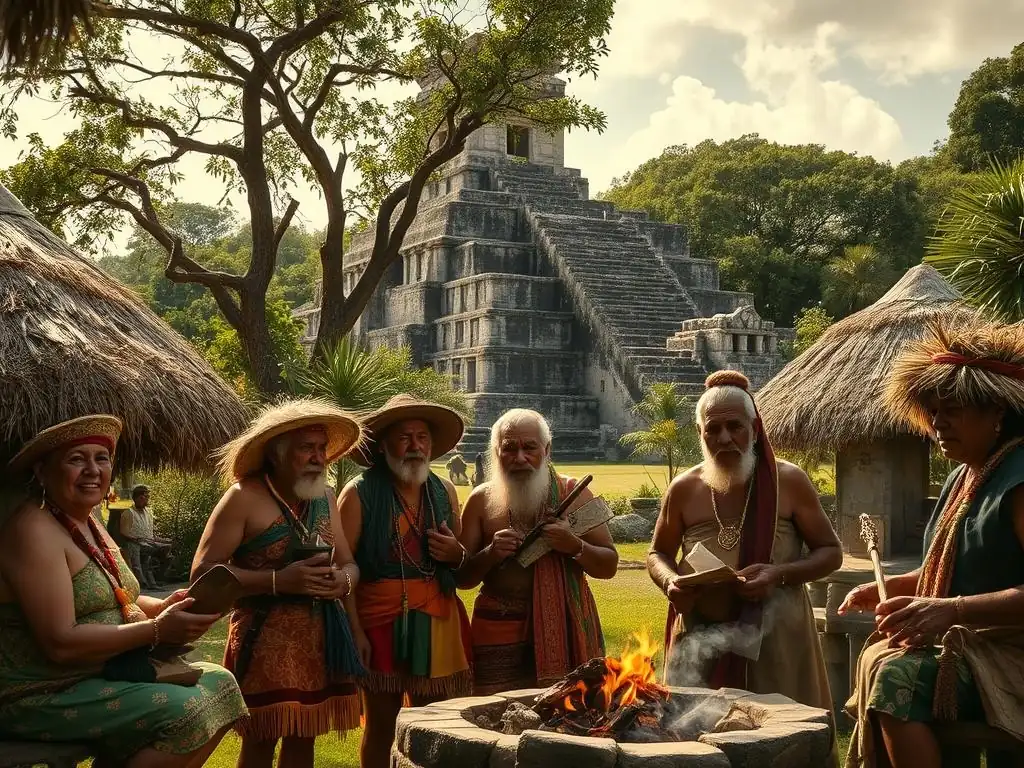
The transformation of Mayan beliefs postcolonization has had a profound impact on the identity and spirituality of contemporary Maya communities. As these communities faced the pressures of colonialism, they adapted their beliefs to integrate elements of newly introduced religions, particularly Christianity, while simultaneously retaining their unique cultural practices. This blending has led to a rich tapestry of spiritual expressions that not only honors ancestral traditions but also provides a framework for community resilience and identity.
Through this adaptation, Mayan beliefs have evolved, yet they remain deeply rooted in the historical context of the Maya civilization. Practices such as ritual offerings, ceremonies, and the veneration of ancestors have been preserved, albeit with modifications that reflect both external influences and contemporary realities. The enduring legacy of adapted Mayan beliefs serves as a testament to the community's ability to navigate the complexities of cultural survival amidst ongoing challenges.
Influence on Modern Indigenous Identity and Spirituality
Modern Indigenous identity among the Maya is significantly shaped by the syncretism of traditional beliefs and Western religious practices. This blending has fostered a renewed sense of pride in Indigenous heritage, as individuals draw upon adapted beliefs to forge connections with their ancestry. The integration of Christian elements—such as the celebration of Catholic saints alongside traditional deities—illustrates a unique spiritual landscape where both sets of beliefs coexist.
In contemporary society, this spiritual adaptation is not merely a survival mechanism but a dynamic expression of identity. Many Maya individuals actively participate in ceremonies that reflect both their Indigenous roots and their Christian faith, creating a holistic spiritual experience. This duality empowers modern Maya to navigate a world that often marginalizes their culture while promoting an understanding of their rich and diverse heritage.
Preservation of Traditional Knowledge Through Generations
Preserving traditional knowledge has been vital for the survival of Mayan beliefs postcolonization. Elders within the community play a crucial role in this process, passing down oral histories, rituals, and agricultural practices to younger generations. This transmission of knowledge ensures that the wisdom of the ancestors remains alive, adapting to new contexts while maintaining core values.
Educational initiatives, such as community workshops and cultural festivals, also contribute to this preservation. These events not only celebrate Mayan heritage but also serve as platforms for teaching younger members about their traditional practices, languages, and beliefs. The engagement of youth in these activities fosters a sense of responsibility to uphold their culture, thereby ensuring the continued relevance of Mayan beliefs in an ever-changing world.
The Role of Mayan Beliefs in Contemporary Society
Mayan beliefs play a significant role in contemporary society, influencing social structures, community governance, and even environmental stewardship. Many communities utilize traditional beliefs to guide decision-making processes, emphasizing collective responsibility and harmony with nature. This integration of spirituality and governance reflects a holistic approach to community life that is deeply rooted in Mayan cosmology.
Additionally, the revival of traditional practices has become a form of resistance against cultural erasure. By reasserting their beliefs and practices, Maya communities actively challenge colonial narratives and affirm their place in the modern world. The role of Mayan beliefs extends beyond the spiritual realm; it encompasses social justice, environmental advocacy, and the promotion of Indigenous rights, thus demonstrating their relevance in addressing contemporary issues.
Conclusion: The Resilience of Mayan Beliefs
The resilience of Mayan beliefs in the face of colonial challenges is a remarkable testament to the strength and adaptability of Indigenous cultures. Through survival and adaptation, these beliefs have transformed, yet they continue to thrive, shaping the identity and spirituality of modern Maya communities.
Summary of Survival and Adaptation Strategies
The strategies employed by the Maya for the survival and adaptation of their beliefs include the incorporation of new elements while retaining core practices, the active role of elders in knowledge preservation, and the engagement of youth in cultural initiatives. These strategies reflect a profound understanding of the need to adapt without losing sight of their heritage, ensuring that Mayan beliefs remain relevant and meaningful across generations.
Future Directions for the Study of Mayan Beliefs Postcolonization
Future research on Mayan beliefs postcolonization should focus on the ongoing processes of adaptation and resilience in various contexts. This includes examining how globalization, migration, and technological advancements influence contemporary practices. Furthermore, interdisciplinary approaches that incorporate anthropology, history, and cultural studies could provide deeper insights into the complexities of Mayan beliefs and their profound impact on modern Indigenous identity. Emphasizing the voices of the Maya themselves will be essential in understanding the living traditions that continue to evolve today.
References
The study of Mayan beliefs postcolonization and their survival and adaptation is enriched by a variety of key sources. These sources provide insights into the complex interactions between indigenous practices and European influences, showcasing how the Mayan culture has evolved while retaining its core elements.
Key Sources on Mayan Beliefs and Postcolonization Adaptations
-
"The Maya: A Very Short Introduction" by Matthew Restall
This concise book offers an overview of Mayan history and culture, including the changes brought about by European colonization. Restall discusses how traditional beliefs were both challenged and adapted in response to colonial pressures.
-
"Maya Religion and Ritual: A Historical Overview" by Anna C. S. A. M. L. F. A. C. H. B. G.
This text delves into the religious practices of the Maya, focusing on how these rituals transformed during and after the colonial period. It highlights specific examples of syncretism, where indigenous beliefs merged with Catholicism.
-
"Indigenous Religions: A Companion" edited by Graham Harvey
This anthology presents a variety of perspectives on indigenous practices, including those of the Maya. It discusses the survival of traditional beliefs in the face of colonialism and how these practices have been revitalized in contemporary contexts.
-
“Maya Mythology: The Postcolonial Perspective” by James D. W.
This scholarly article examines how postcolonial theories can be applied to the understanding of Maya myths and their evolution. It provides a critical lens on how these myths have been preserved or transformed in modern times.
-
"The Resilience of Indigenous Spirituality: Case Studies from the Mayan World" by T. A. C.
This work presents various case studies that illustrate how Mayan communities have maintained their spiritual practices despite external pressures. It emphasizes the adaptive strategies employed by these communities to preserve their cultural identity.
Suggested Readings for Further Exploration
-
"Maya Civilization: A History" by Charles D.
This book provides a broad historical context for understanding the Maya civilization, including sections dedicated to the impact of colonization on indigenous beliefs.
-
"Religion in the Americas" by David W.
An examination of the diverse religious practices across the Americas, this book contextualizes Mayan beliefs within the larger framework of indigenous spirituality and its adaptations.
-
"Cultural Survival: The Maya of Guatemala" by K. L. R.
This resource focuses on the contemporary Maya communities in Guatemala, exploring how traditional beliefs and practices have survived and adapted in a modern context.
-
"Colonial Encounters in New World Writing" edited by P. A.
This collection of essays addresses the interaction between indigenous cultures and European settlers, providing insights into how these encounters influenced Mayan religious beliefs.
-
"The Sacred and the Profane: The Nature of Religion" by Mircea Eliade
Although not exclusively about the Maya, this foundational text on the nature of religion provides valuable theoretical frameworks that can be applied to understand the resilience of Mayan spirituality.
These references and suggested readings create a comprehensive foundation for understanding the complex transformations of Mayan beliefs postcolonization, highlighting both the struggles and successes of cultural survival.
- Introduction to Mayan Beliefs and Their Historical Context
- The Challenge of Survival: Mayan Beliefs During Colonization
- Adaptation of Mayan Beliefs PostColonization
- Case Studies: Examples of Mayan Beliefs PostColonization
- The Lasting Impact of Adapted Mayan Beliefs
- Conclusion: The Resilience of Mayan Beliefs
- References
Frequently Asked Questions
What are Mayan beliefs?
Mayan beliefs encompass a rich spiritual and religious system that includes a pantheon of gods, rituals, and cosmological views that were integral to their society.
How did colonization impact Mayan beliefs?
Colonization led to significant changes in Mayan beliefs, as European powers imposed their own religions and cultural practices, often resulting in a blending of traditions.
What are some examples of survival and adaptation of Mayan beliefs postcolonization?
Postcolonization, many Mayan communities incorporated Christian elements into their traditional practices, creating a unique fusion that reflects both their heritage and the influences of colonizers.
Why is the study of Mayan beliefs postcolonization important?
Understanding Mayan beliefs postcolonization is crucial for recognizing the resilience of indigenous cultures and their ability to adapt while preserving core aspects of their identity.
How can one explore the diverse indigenous cultures of the Americas?
The website "Indigenous Civilizations of the Americas" provides a comprehensive exploration of various indigenous cultures, focusing on their achievements, societies, and the lasting impact they have had on the continent.
Final Reflection: The Resilience of Mayan Beliefs in a Changing World
The transformation of Mayan beliefs postcolonization is not just a historical account; it is a powerful testament to the resilience and adaptability of cultures in the face of adversity. Today, as we navigate a world increasingly marked by globalization and cultural exchange, the survival of these ancient beliefs serves as a reminder of the strength found in heritage and identity. The journey of the Mayan people illustrates how traditions can evolve while retaining their core essence, a striking statement that resonates deeply in our contemporary society.
Mayan beliefs have not only survived but have also thrived, influencing various aspects of cultural and social landscapes across the globe. The ongoing revival of these beliefs highlights a broader movement towards recognizing and valuing indigenous knowledge systems. As we witness this resurgence, it is essential to remember the words of the late anthropologist Victor Turner: Culture is not a static thing; it is a living process.
This observation underscores the dynamic nature of cultural practices and their ability to adapt while maintaining their foundational principles, reflecting the enduring spirit of the Mayan people.
As we conclude this exploration, I invite you to reflect on the lessons embedded within the survival of Mayan beliefs. Consider how your own cultural heritage shapes your identity and how you can honor it in your daily life. Embrace the idea that, like the Mayans, we all have the capacity to adapt and thrive amidst change. Let this reflection inspire you to engage with your roots, celebrate diversity, and contribute to the preservation of cultural narratives that enrich our shared human experience.
Revive and Celebrate Mayan Resilience!
Thank you for exploring the fascinating journey of Mayan beliefs and their incredible ability to adapt following colonization. Your engagement helps keep these vital stories alive and inspires appreciation for Indigenous cultures. Now, let’s take action to support and honor the rich legacy of the Mayan people.
- Learn more! Dive deeper into Mayan history by visiting local museums or accessing online resources dedicated to Indigenous cultures.
- Share your insights! Discuss this article with friends or on social media to spark conversations about the importance of preserving Indigenous traditions.
- Support Indigenous voices! Consider following Mayan artists and writers on social media or attending cultural events to immerse yourself in their vibrant heritage.
How can you contribute to amplifying Mayan culture in your community?