
How Indigenous Artifacts Challenge Stereotypes of PreColumbian Societies

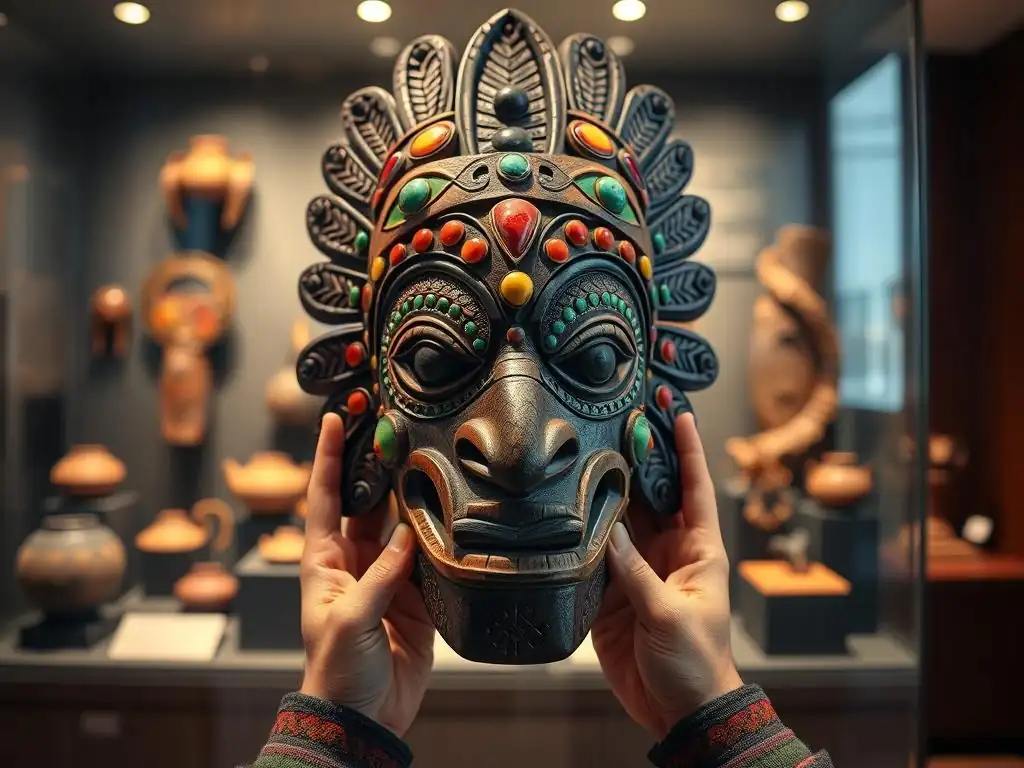
Welcome to Indigenous Civilizations of the Americas, where we embark on a fascinating journey through the vibrant tapestry of Pre-Columbian indigenous cultures. Here, we delve into the rich histories and remarkable achievements of civilizations that flourished long before European contact. Our featured article, "How Indigenous Artifacts Challenge Stereotypes of Pre-Columbian Societies," invites you to discover how these extraordinary artifacts not only reflect the ingenuity and resilience of these cultures but also challenge the misconceptions that have persisted over time. Prepare to explore a world of innovation and depth—your adventure into the past begins now!
- Introduction to Pre-Columbian Indigenous Cultures Artifacts
- Historical Context of Pre-Columbian Indigenous Artifacts
- The Role of Artifacts in Challenging Stereotypes
- Types of Pre-Columbian Indigenous Artifacts
- Case Studies of Significant Artifacts
- Impact of Artifacts on Modern Understanding of Indigenous Cultures
- Conclusion: The Legacy of Pre-Columbian Indigenous Cultures Artifacts
- Call to Action: Engaging with Indigenous Artifacts
- Frequently Asked Questions
- Final Reflection: Reimagining Pre-Columbian Indigenous Cultures Through Artifacts
- Unveil the Richness of Indigenous Cultures Today!
Introduction to Pre-Columbian Indigenous Cultures Artifacts
The exploration of Pre-Columbian indigenous cultures artifacts reveals a rich tapestry of societies that flourished across the Americas long before European contact. These artifacts, ranging from intricate pottery and textiles to monumental architecture and ceremonial objects, serve as tangible links to the past, offering insights into the diverse cultures that shaped the continent. By examining these artifacts, we can challenge long-standing stereotypes that often portray indigenous societies as primitive or unchanging.
Instead, we uncover a history marked by innovation, adaptation, and profound cultural expression. This article delves into the significance of these artifacts, highlighting their role in understanding the complexity and achievements of Pre-Columbian societies.
Overview of Pre-Columbian Societies
Pre-Columbian societies were incredibly diverse, with each culture contributing uniquely to the collective history of the Americas. From the advanced urban centers of the Aztecs and Maya to the intricate mound-building cultures of the Mississippian peoples, these civilizations demonstrated remarkable achievements in various fields, including agriculture, architecture, and art.
- Major Civilizations:
- Maya: Known for their sophisticated writing system, impressive pyramids, and advanced knowledge of astronomy.
- Aztec: Renowned for their monumental architecture and complex societal structures, including a rich pantheon of deities.
- Inca: Famous for their engineering prowess, including extensive road networks and agricultural terracing in the Andean region.
These societies were not static; they evolved and adapted over centuries, engaging in trade, warfare, and cultural exchange. The artifacts left behind tell stories of daily life, religious practices, and social organization, providing a deeper understanding of their resilience and ingenuity.
Importance of Artifacts in Understanding Indigenous Cultures
Artifacts are crucial for piecing together the narratives of Pre-Columbian indigenous cultures. They serve as physical evidence of the beliefs, daily activities, and technological advancements of these societies. Here are several key aspects of their importance:
- Cultural Representation:
- Artifacts reflect the values, beliefs, and social structures of indigenous peoples. For example, ceremonial items like masks and figurines reveal insights into religious practices and community roles.
- Technological Innovation:
- The study of tools, pottery, and agricultural implements showcases the technological advancements made by these cultures. For instance, the development of sustainable farming techniques allowed civilizations to thrive in diverse environments.
- Challenging Stereotypes:
- By examining the complexity and sophistication of artifacts, we can dismantle misconceptions about indigenous societies as simplistic or homogeneous. Each artifact tells a story of creativity and adaptation, emphasizing the dynamic nature of these cultures.
- Preserving History:
- Artifacts serve as a means to preserve the history and legacy of indigenous peoples. They are not only invaluable to archaeologists and historians but also hold significance for contemporary indigenous communities seeking to reclaim their heritage.
The artifacts of Pre-Columbian indigenous cultures are vital for understanding the depth and richness of these societies. They challenge stereotypes and offer a more nuanced view of the achievements and legacies that continue to influence the Americas today.
Historical Context of Pre-Columbian Indigenous Artifacts
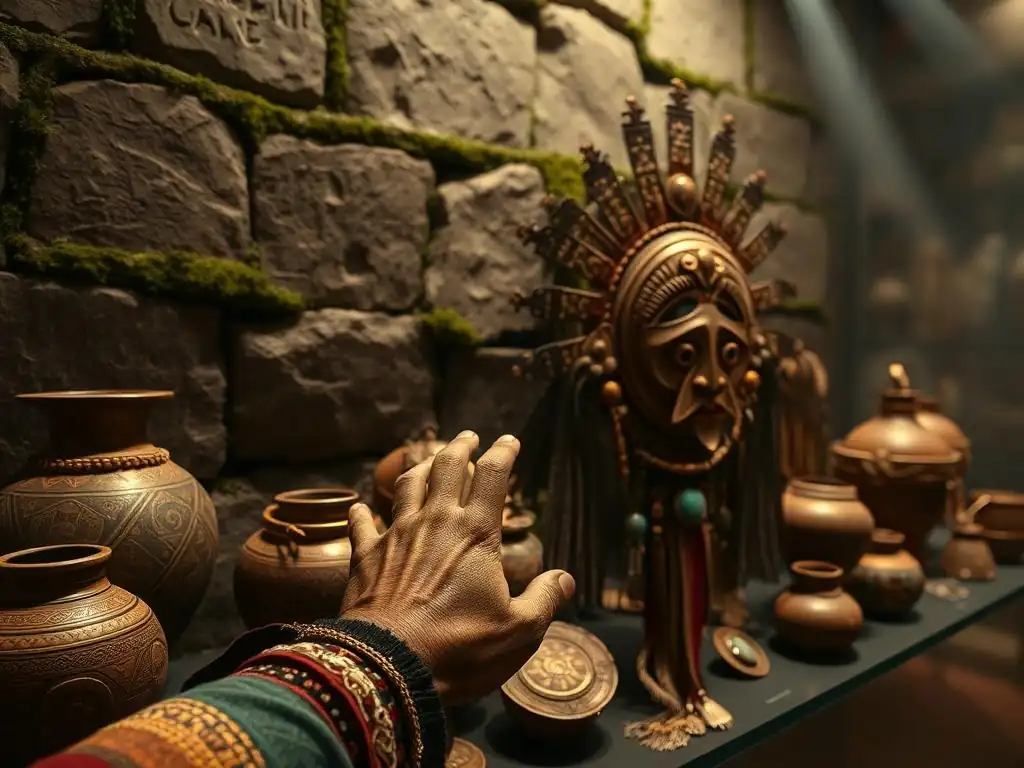
Pre-Columbian indigenous cultures in the Americas boast a rich and complex history that spans thousands of years. These societies were characterized by their unique art forms, advanced technologies, and profound spiritual beliefs, all of which are reflected in the artifacts they created. Understanding the historical context of these artifacts is essential for recognizing the sophistication and diversity of indigenous cultures prior to European colonization.
The artifacts unearthed from various archaeological sites provide crucial insights into the lifestyles, social structures, and worldviews of these civilizations. From monumental architecture to intricately crafted pottery, these items illustrate a deep connection to the land, resources, and community. They also challenge the simplistic and often stereotypical narratives that have overshadowed the true nature of pre-Columbian societies.
Timeline of Indigenous Civilizations in the Americas
The timeline of indigenous civilizations in the Americas is vast and varied, with notable periods including:
- 2000 BCE - 1500 CE: The emergence of advanced agricultural practices led to the rise of complex societies. Key civilizations during this period include:
- Olmec (1200 - 400 BCE): Known for colossal stone heads and early writing systems.
- Maya (c. 250 - 900 CE): Renowned for their sophisticated mathematics, astronomy, and hieroglyphics.
- Teotihuacan (c. 100 - 750 CE): Famous for its monumental pyramids and urban planning.
- 1000 - 1500 CE: This period saw the flourishing of several prominent cultures:
- Mississippian Culture (800 - 1600 CE): Notable for large earthen mounds and extensive trade networks.
- Inca Empire (1438 - 1533 CE): Known for its vast territory, advanced engineering, and the construction of Machu Picchu.
- 1492 CE: The arrival of Christopher Columbus marked the beginning of European colonization, which dramatically altered the trajectory of indigenous cultures across the Americas.
This timeline underscores the notion that pre-Columbian indigenous cultures were not static; they evolved, interacted, and adapted to their environments over centuries, leaving behind a legacy that is still evident today.
Major Archaeological Discoveries of Indigenous Artifacts
Archaeological discoveries have unveiled a treasure trove of artifacts that speak to the ingenuity and creativity of pre-Columbian indigenous cultures. Some significant discoveries include:
- The Tomb of the Lord of Sipán (Peru):
- Discovered in 1987, this site revealed elaborate burial goods, including gold and silver ornaments, textiles, and ceremonial objects, providing insights into the Moche civilization's social hierarchy and religious practices.
- Nazca Lines (Peru):
- These geoglyphs, created between 500 BCE and 500 CE, depict various figures and shapes. Their purpose remains debated, but they highlight the artistic and engineering capabilities of the Nazca culture.
- Pueblo Bonito (New Mexico):
- A major Chaco Canyon site, Pueblo Bonito features a D-shaped structure with hundreds of rooms. Excavations have uncovered pottery, tools, and evidence of trade, demonstrating the complexity of Ancestral Pueblo societies.
- The Hopewell Culture (Ohio):
- Known for their earthworks and burial mounds, artifacts such as pottery, copper, and stone tools found at sites like Cahokia reveal extensive trade networks and sophisticated societal organization.
- The Olmec Colossal Heads (Mexico):
- These monumental stone carvings, dating back to 1200 BCE, exhibit distinctive facial features and are believed to represent rulers or important figures, showcasing the Olmec's artistic achievements and political significance.
These artifacts not only serve as tangible links to the past but also challenge modern perceptions of indigenous cultures, illustrating their complexity, artistry, and enduring legacies. As research continues, the stories behind these artifacts contribute to a more nuanced understanding of pre-Columbian indigenous cultures and their profound impact on the Americas.
The Role of Artifacts in Challenging Stereotypes
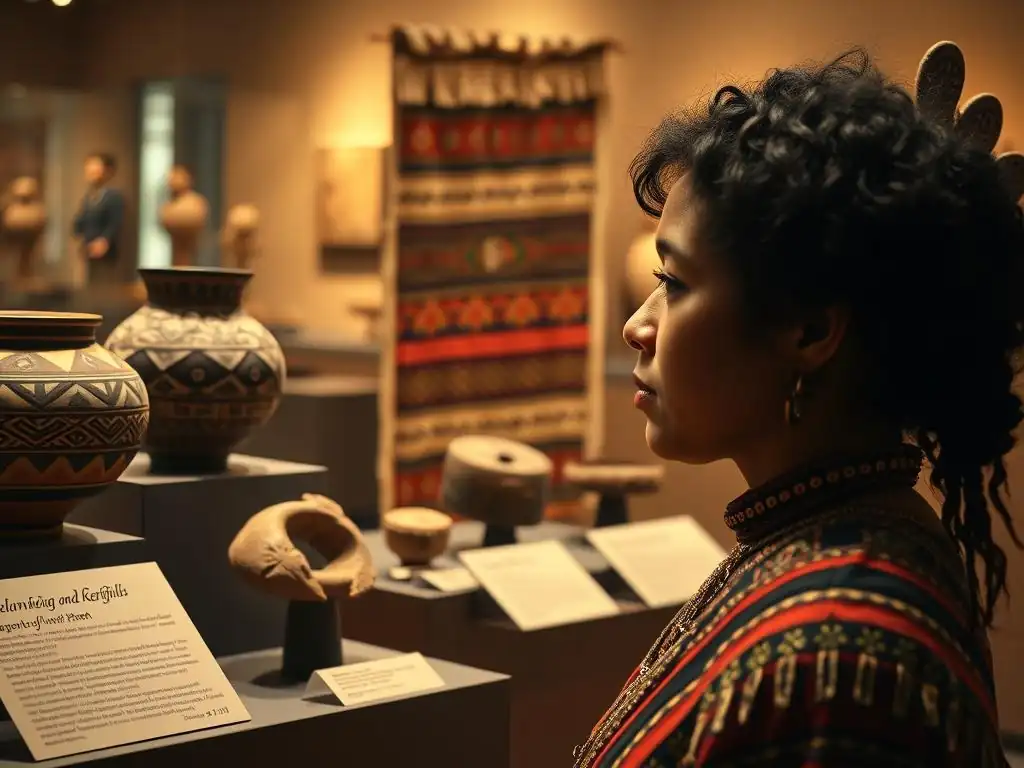
Artifacts from Pre-Columbian indigenous cultures serve as powerful tools in dismantling long-held stereotypes about these societies. Often, the narratives surrounding these cultures have been oversimplified or skewed, leading to a generalized and inaccurate portrayal of their complexity, achievements, and daily life. By examining artifacts, researchers can uncover a wealth of information that contradicts these stereotypes and reveals the rich tapestry of indigenous life prior to European colonization.
Artifacts provide tangible evidence of social structures, technological advancements, artistic expression, and trade networks that were far more sophisticated than previously acknowledged. They tell stories of innovation, adaptation, and cultural resilience. As such, these items are invaluable in reshaping the perceptions of Pre-Columbian societies, showcasing them as vibrant and diverse rather than primitive or stagnant.
Common Stereotypes About Pre-Columbian Societies
Despite the wealth of knowledge available, several stereotypes persist regarding Pre-Columbian indigenous cultures:
- Primitive Societies: A common stereotype suggests that indigenous peoples were simple and uncivilized. This notion undermines the complexity of their social, political, and economic systems.
- Lack of Innovation: Many believe that these cultures did not contribute significantly to technology or science. In reality, they developed advanced agricultural techniques, intricate architectural structures, and sophisticated art forms.
- Homogeneity: The term "Indian" is often used to refer to all indigenous peoples, implying a monolithic culture. In truth, there were thousands of distinct groups, each with unique languages, customs, and traditions.
- Savage Warfare: While conflict did exist, it is frequently exaggerated in narratives that overlook diplomacy, trade, and cooperative relationships among tribes.
These stereotypes not only diminish the history of Pre-Columbian societies but also influence contemporary understanding and appreciation of their descendants.
How Artifacts Provide a Broader Perspective
Artifacts challenge these stereotypes by offering concrete evidence of the achievements and lifestyles of Pre-Columbian indigenous cultures. Here are some ways artifacts provide a richer understanding:
- Advanced Agriculture: Tools such as the three sisters planting technique artifacts reveal sophisticated agricultural practices that supported large populations. The domestication of crops like maize, beans, and squash illustrates a deep understanding of ecology and farming.
- Architectural Innovations: Structures like the Mayan pyramids and Incan roads demonstrate remarkable engineering skills. These civilizations constructed vast cities and complex infrastructures that rivaled contemporary European efforts.
- Artistic Expression: The intricate pottery, textiles, and carvings found across the Americas showcase a diversity of artistic styles and techniques, reflecting cultural beliefs, social status, and community identity.
- Trade Networks: Artifacts such as trade beads and exotic materials point to extensive trade systems that connected various cultures across vast distances, highlighting economic complexity and interdependence.
- Social Organization: Items like ceremonial masks and ritualistic tools provide insights into the spiritual and social lives of these cultures, revealing the importance of religion and community in daily life.
By examining these artifacts, it becomes evident that Pre-Columbian indigenous cultures were not only diverse but also dynamic and innovative. This broader perspective encourages a reevaluation of their contributions to human history and fosters a deeper respect for their enduring legacy.
Through ongoing research and the careful study of artifacts, we continue to uncover the rich narratives of Pre-Columbian indigenous cultures, ensuring their stories are told with the complexity and nuance they deserve.
Types of Pre-Columbian Indigenous Artifacts
Pre-Columbian indigenous cultures artifacts offer a profound insight into the diverse societies that flourished across the Americas long before European contact. These artifacts not only reflect the artistic and technological prowess of these cultures but also challenge contemporary stereotypes by emphasizing their complexity and sophistication. Below, we explore three primary categories of artifacts: artistic expressions, functional tools, and spiritual objects.
Artistic Expressions: Pottery and Sculpture
Artistic expressions among Pre-Columbian indigenous cultures were incredibly varied, showcasing unique styles and techniques that reflect the identity and values of different societies.
- Pottery:
- Pottery was a vital aspect of daily life, serving both functional and aesthetic purposes. Cultures such as the Ancestral Puebloans and the Mississippians produced intricate pottery that often featured elaborate designs and motifs.
- The use of slip painting, where a liquid clay mixture is applied to the surface before firing, allowed for vibrant colors and detailed patterns.
- For instance, the pottery of the Moche civilization in Peru is renowned for its realistic and expressive forms, including effigy vessels that depict animals and human figures.
- Sculpture:
- Sculpture in Pre-Columbian societies ranged from monumental stone carvings to smaller, portable pieces. The Olmec colossal heads, carved from basalt, stand as iconic representations of Pre-Columbian artistry and political power, believed to depict rulers or deities.
- Similarly, the intricate carvings of the Maya, often found in temples and stelae, reveal not only artistic skill but also serve as historical records of political events and religious practices.
These artistic artifacts reveal that Pre-Columbian societies possessed a rich cultural heritage, characterized by a deep connection to their environment and a sophisticated understanding of aesthetics.
Functional Tools: Everyday Items and Technology
Functional tools are another crucial category of Pre-Columbian indigenous cultures artifacts, providing insight into the daily lives and technological advancements of these civilizations.
- Everyday Items:
- Artifacts such as stone tools, including axes, knives, and scrapers, highlight the ingenuity of Pre-Columbian peoples in adapting to their surroundings. The Clovis culture, for example, is known for its distinctive fluted projectile points, which were used for hunting large game.
- In the Arctic regions, the production of ivory and bone tools illustrates the resourcefulness of the Inuit, who crafted items suited to their harsh environment.
- Technology:
- The development of agricultural tools, such as hoes and digging sticks, signifies the importance of farming in these societies. The Nazca culture in Peru created sophisticated irrigation systems, enabling them to cultivate crops in arid regions.
- Additionally, the use of textiles and weaving technologies, like the backstrap loom, showcases the advanced textile production skills of cultures such as the Andean civilizations.
These functional artifacts underscore the practical knowledge and adaptability of Pre-Columbian societies, emphasizing their capabilities in resource management, craftsmanship, and innovation.
Spiritual and Ceremonial Objects: Religious Significance
Spiritual and ceremonial objects represent another vital aspect of Pre-Columbian indigenous cultures artifacts, reflecting the diverse religious beliefs and practices of these societies.
- Religious Artifacts:
- Many cultures created ceremonial items, such as idols, altars, and offerings, which played significant roles in rituals and religious ceremonies. The Inca civilization, for example, crafted gold and silver figurines to be used as offerings to their gods.
- The Aztec calendar stone, a monumental sculpture, illustrates their cosmological beliefs and the importance of timekeeping in their religious practices.
- Symbolic Objects:
- Items like feathered headdresses and jewelry made from precious materials were often reserved for elite members of society and used in ceremonial contexts. The Maya used jade extensively in their rituals, believing it held spiritual power.
- Additionally, the use of musical instruments, such as flutes and drums, played a crucial role in religious ceremonies, signifying the connection between music, spirituality, and community.
These spiritual artifacts challenge the stereotype of Pre-Columbian societies as simple or primitive by showcasing their rich religious traditions, complex belief systems, and the significance of communal rituals.
The diversity of Pre-Columbian indigenous cultures artifacts not only reflects the artistic and functional ingenuity of these societies but also emphasizes their spiritual complexities, providing a richer understanding of their lasting impact on the Americas.
Case Studies of Significant Artifacts
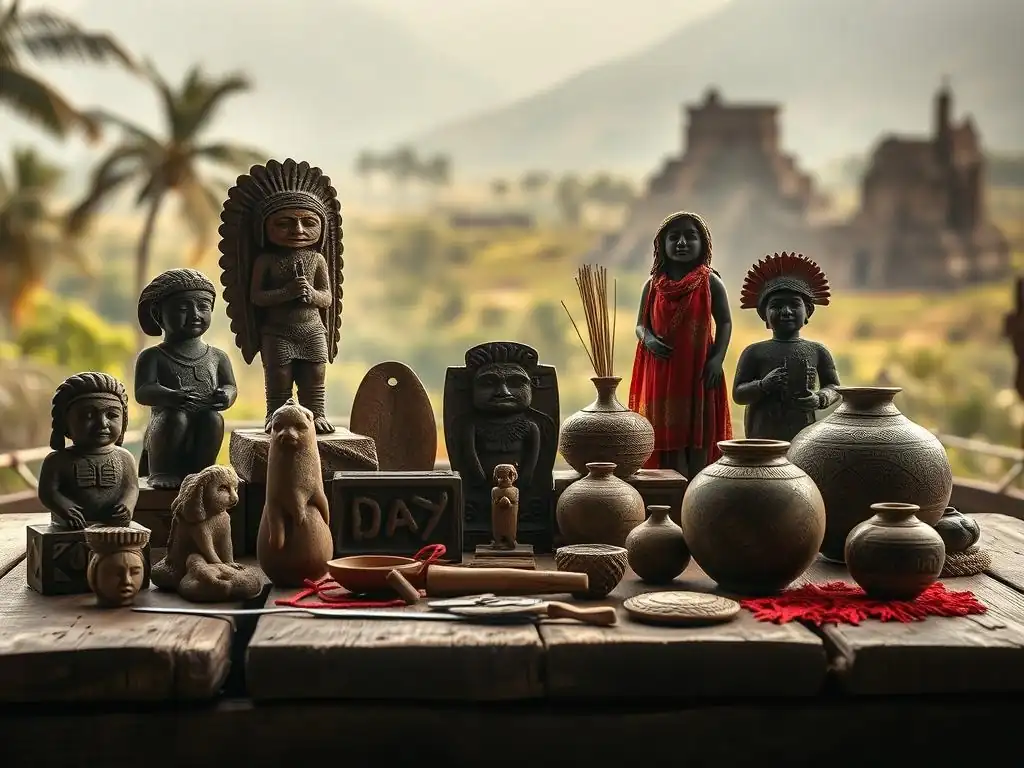
The Nazca Lines: Art and Engineering in the Desert
The Nazca Lines, located in the Nazca Desert of southern Peru, are one of the most remarkable achievements of Pre-Columbian indigenous cultures. These geoglyphs, which date back to between 500 BCE and 500 CE, consist of large designs etched into the earth, depicting various figures including animals, plants, and geometric shapes. Covering an area of nearly 1,000 square kilometers, the lines can only be fully appreciated from the air, suggesting that they held significant meaning for the Nazca people, possibly as ceremonial pathways or astronomical markers.
Engineering Techniques
The creation of the Nazca Lines reflects advanced engineering techniques. The Nazca people used simple tools to remove the top layer of reddish pebbles, exposing the lighter soil beneath. This method allowed them to create clear and precise outlines that have endured for centuries. The scale and precision of the lines demonstrate a sophisticated understanding of land management and environmental adaptation.
Cultural Significance
The cultural implications of the Nazca Lines are profound. Archaeologists theorize that the lines served multiple purposes, including religious ceremonies aimed at invoking water deities, as the region is arid and water scarcity was a significant concern. Additionally, the alignment of certain figures with celestial bodies indicates the possibility of astronomical knowledge that was crucial for agricultural planning.
The Olmec Heads: Representation of Power and Identity
The colossal Olmec heads are another striking example of Pre-Columbian indigenous cultures artifacts. Carved from basalt, these monumental sculptures, some weighing over 40 tons, date back to around 900 BCE to 400 BCE and are primarily found in the modern-day Mexican states of Veracruz and Tabasco. They are believed to represent rulers or significant figures, reflecting the societal structure and political organization of the Olmec civilization.
Artistic Techniques
The artistry involved in creating the Olmec heads showcases remarkable skill and determination. Each head is unique, with distinct facial features and expressions. The process of transporting these massive stones, often from great distances, highlights the Olmec’s advanced understanding of logistics and resource management. This feat also suggests a highly organized society capable of mobilizing labor for large-scale projects.
Social Implications
The Olmec heads serve as cultural symbols of power and identity. Their size and craftsmanship communicate the authority of the individuals they represent, while also reinforcing the social hierarchies within Olmec society. Moreover, these artifacts provide insight into the religious and cultural beliefs of the Olmecs, as they likely played a role in rituals and ceremonies that reinforced communal identity.
Moche Pottery: Insights into Daily Life and Beliefs
Moche pottery is renowned for its intricate designs and realistic representations of human figures and animals. Dating from approximately 100 CE to 800 CE, Moche ceramics are not only artistic masterpieces but also valuable artifacts that provide insights into the daily life, beliefs, and practices of the Moche civilization in present-day Peru.
Functionality and Artistry
Moche pottery is characterized by its functional use and aesthetic beauty. Many pots were designed for practical purposes, including storage and cooking, while others served ceremonial roles. The use of mold-made pottery allowed for detailed artistic expressions, with some vessels depicting scenes from mythology, warfare, and everyday life. This blend of utility and artistry signifies the Moche's advanced understanding of materials and craftsmanship.
Cultural Reflection
The imagery on Moche pottery reflects the civilization's social structure, religious beliefs, and environmental interactions. Iconography often includes depictions of deities, agricultural practices, and ritualistic activities, providing a window into Moche culture. The elaborate designs suggest a society rich in tradition and belief, with an intricate relationship between daily life and spirituality.
These significant artifacts challenge stereotypes of Pre-Columbian indigenous cultures by showcasing their engineering prowess, artistic abilities, and complex social structures. The Nazca Lines, Olmec Heads, and Moche Pottery exemplify the diverse achievements of these societies, highlighting their lasting impact on the cultural heritage of the Americas.
Impact of Artifacts on Modern Understanding of Indigenous Cultures
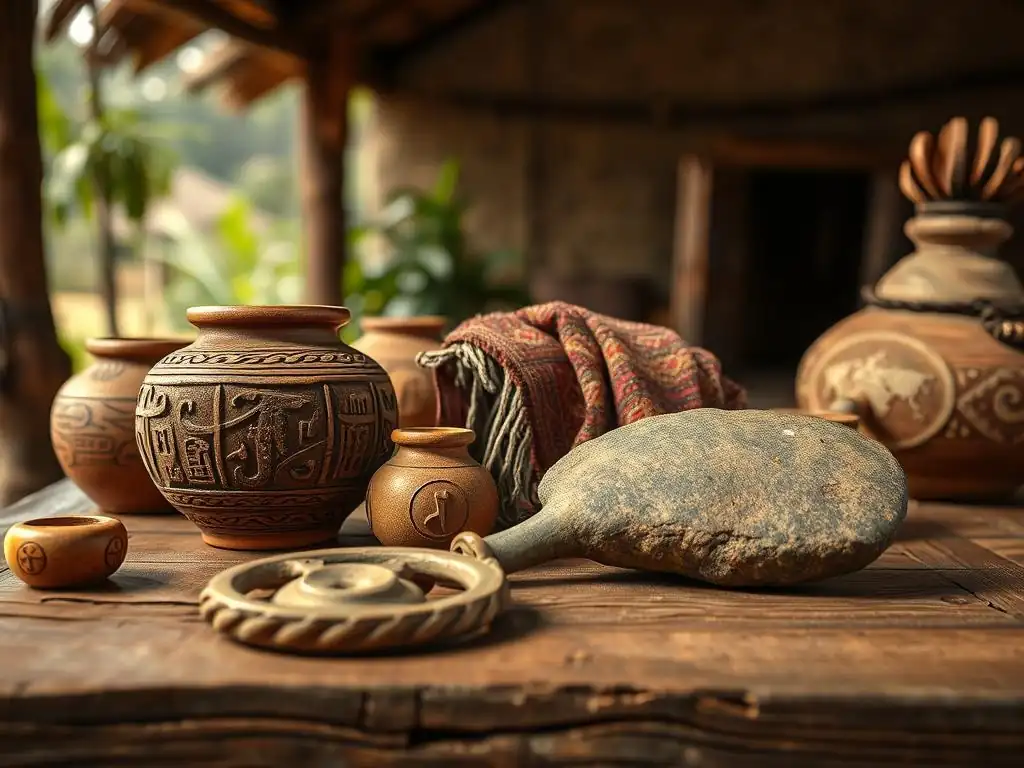
The study of Pre-Columbian indigenous cultures artifacts has significantly transformed our understanding of the societies that existed in the Americas before European contact. These artifacts serve not only as tangible connections to the past but also as critical tools for deconstructing stereotypes and revealing the complexities of these civilizations. Through archaeological research, scholars have uncovered a wealth of artifacts ranging from pottery and textiles to tools and ceremonial items. Each of these items provides insight into the daily lives, spiritual beliefs, and social structures of indigenous peoples.
The impact of these artifacts extends beyond academic circles; they play a crucial role in public education and awareness. As more artifacts are discovered and studied, they challenge the long-held myths and misconceptions about indigenous cultures being primitive or static. Instead, they illustrate a rich tapestry of innovation, adaptation, and resilience. For instance, the intricate designs found on pottery from the Moche civilization in Peru not only showcase artistic skill but also communicate cultural narratives, mythologies, and social hierarchies.
Moreover, the preservation and exhibition of these artifacts in educational programs and museums allow for a broader audience to engage with indigenous histories. This not only fosters a deeper appreciation of the past but also encourages dialogue about the ongoing legacies of colonization and the importance of cultural preservation.
Educational Programs and Museums Featuring Pre-Columbian Artifacts
Educational programs and museums dedicated to Pre-Columbian indigenous cultures artifacts play a vital role in promoting understanding and appreciation of these ancient societies. Many institutions have developed specialized exhibits that showcase artifacts, providing context about their origins, uses, and cultural significance.
Key Features of Educational Programs:
- Hands-On Learning: Many museums incorporate interactive elements, allowing visitors to handle replicas of artifacts or engage in traditional crafts inspired by indigenous techniques. This experiential learning helps bridge the gap between ancient practices and contemporary understanding.
- Workshops and Lectures: Educational workshops often feature presentations by archaeologists, historians, and indigenous community members who share their knowledge and perspectives. This firsthand account enriches visitors' understanding and fosters a respectful dialogue about cultural heritage.
- Collaborations with Indigenous Communities: Many museums are increasingly partnering with indigenous groups to ensure that exhibits and educational materials reflect accurate and respectful portrayals of their histories and cultures. This collaboration helps to combat stereotypes and provides a platform for indigenous voices.
| Museum Name | Notable Exhibits | Location |
|---|---|---|
| National Museum of the American Indian | "Our Lives: Contemporary Native Peoples" | Washington, D.C. |
| Metropolitan Museum of Art | "The Arts of Ancient America" | New York, NY |
| Museo Templo Mayor | Aztec artifacts | Mexico City, Mexico |
These educational initiatives not only enhance the public’s knowledge of Pre-Columbian indigenous cultures artifacts but also promote a greater appreciation for the diversity and sophistication of indigenous societies.
Indigenous Voices: Perspectives on Cultural Representation
In the discourse surrounding Pre-Columbian indigenous cultures artifacts, it is essential to include indigenous voices in discussions about cultural representation. These perspectives are invaluable in understanding the significance of artifacts and ensuring that their histories are portrayed accurately and respectfully.
Indigenous leaders, artists, and scholars often emphasize the need for representation that honors the lived experiences and cultural practices of their ancestors. They advocate for a narrative that highlights the agency of indigenous peoples rather than portraying them solely as victims of colonization. This approach not only enriches the narrative but also empowers contemporary indigenous communities.
Key Aspects of Indigenous Perspectives:
- Cultural Continuity: Many indigenous voices stress the importance of recognizing the continuity between ancient and modern practices. Artifacts are not merely relics of the past; they represent living traditions that continue to inform contemporary indigenous identities.
- Ownership and Agency: Indigenous communities advocate for ownership and control over their artifacts, emphasizing that they hold deep cultural significance. Discussions about the repatriation of artifacts from museums back to their communities are increasingly prevalent, as they seek to restore cultural heritage and foster healing.
- Challenging Stereotypes: Indigenous perspectives challenge the stereotypical portrayals of their cultures by emphasizing their diversity, adaptability, and resilience. This narrative shift contributes to a broader understanding of the complexities of indigenous societies.
The examination and representation of Pre-Columbian indigenous cultures artifacts through the lens of indigenous voices and educational initiatives are crucial for fostering a nuanced understanding of these rich cultures. By prioritizing these perspectives, we can challenge stereotypes, promote cultural pride, and ensure that the legacies of indigenous peoples are honored and preserved for future generations.
Conclusion: The Legacy of Pre-Columbian Indigenous Cultures Artifacts
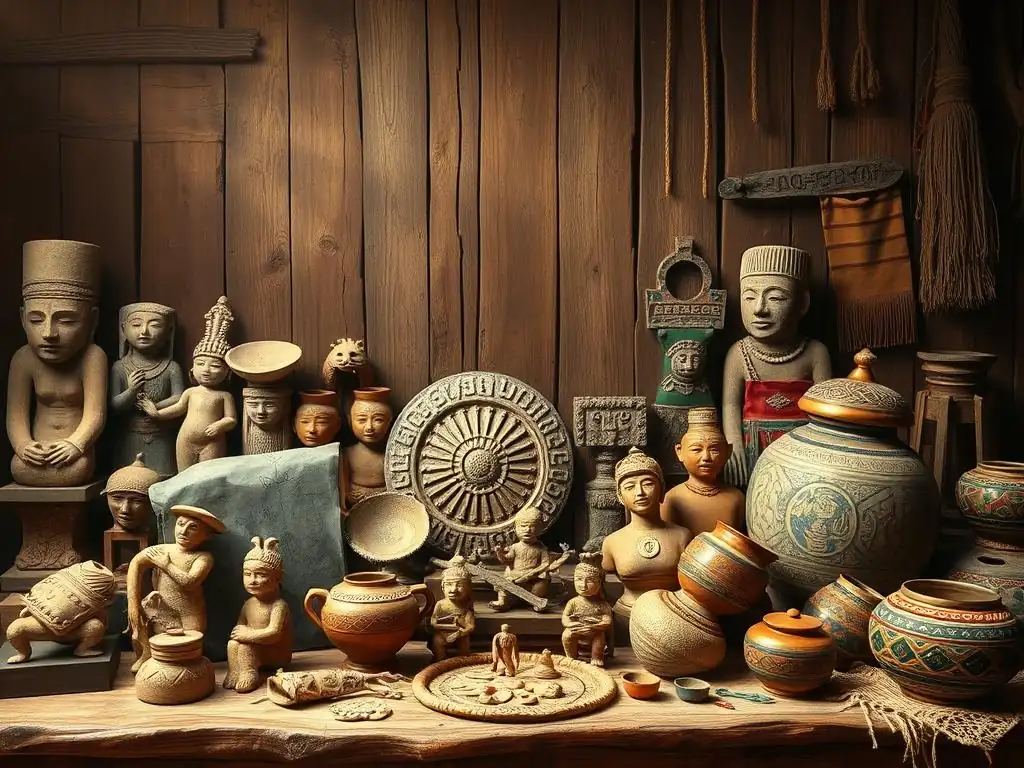
The legacy of Pre-Columbian indigenous cultures artifacts is profound, revealing the intricate tapestry of societies that flourished in the Americas long before European contact. These artifacts not only provide insights into the daily lives, beliefs, and artistic expressions of these civilizations but also challenge long-held stereotypes that paint them as primitive or static. Instead, they showcase a dynamic array of cultures with rich histories, complex social structures, and remarkable innovation.
As we delve deeper into the archaeological record, it's clear that these artifacts serve as a powerful testament to the resilience and adaptability of indigenous peoples. From advanced agricultural practices evidenced by ancient tools to intricate pottery and textiles that speak to cultural values and aesthetics, the artifacts unearthed from various sites across the Americas present an engaging narrative of human creativity and ingenuity.
Continuing Research and Discoveries
The field of archaeology is continuously evolving, with ongoing research and discoveries shedding light on the lives of Pre-Columbian indigenous cultures. Recent advancements in technology, such as ground-penetrating radar and 3D scanning, have allowed researchers to uncover sites that were previously inaccessible or unnoticed. These methods not only enhance our understanding of the spatial organization of ancient settlements but also reveal the extent of social interactions and trade networks among different cultures.
Noteworthy Discoveries
- The Maya Civilization: New findings in the Yucatán Peninsula have identified vast urban networks, indicating that the Maya civilization was far more extensive and interconnected than previously thought.
- The Mississippian Culture: Excavations at Cahokia have uncovered large earthen mounds, revealing complex societal hierarchies and trade systems that challenge earlier perceptions of the culture's simplicity.
- Andean Cultures: Discoveries in the Andes have highlighted advanced agricultural techniques, such as terracing and irrigation, that supported large populations and contributed to the cultural richness of the region.
These ongoing discoveries not only enrich our understanding of Pre-Columbian indigenous cultures artifacts but also emphasize the importance of collaborative research efforts that involve indigenous communities. By integrating traditional knowledge with scientific approaches, archaeologists can gain a more nuanced perspective on historical contexts and cultural significance.
The Role of Artifacts in Cultural Preservation and Identity
Artifacts from Pre-Columbian indigenous cultures play a critical role in cultural preservation and the reaffirmation of identity among contemporary indigenous peoples. They serve not only as tangible links to ancestral legacies but also as sources of inspiration and empowerment in today's society.
Cultural Significance
- Revitalizing Traditions: Many indigenous communities actively engage in the revival of traditional practices, crafts, and rituals that are informed by the artifacts of their ancestors. This resurgence fosters cultural pride and continuity.
- Educational Tools: Artifacts are often utilized in educational settings to teach younger generations about their heritage and the sophisticated histories of their cultures. They provide a context for understanding the complexities of indigenous societies and their contributions to global history.
- Advocacy and Representation: The appreciation and study of Pre-Columbian indigenous cultures artifacts advocate for the representation of indigenous narratives in historical discourse. By challenging stereotypes and misconceptions, these artifacts help to reclaim the identity and agency of indigenous peoples.
The study of Pre-Columbian indigenous cultures artifacts is not merely an academic interest; it is a vital aspect of cultural preservation, identity, and advocacy. As we continue to unearth and interpret these remarkable remnants of the past, we honor the legacies of the diverse civilizations that once thrived across the Americas, recognizing their enduring impact on contemporary society.
Call to Action: Engaging with Indigenous Artifacts
Engaging with indigenous artifacts is not just about observing historical objects; it’s about connecting with the rich narratives and cultural significance behind them. These artifacts serve as a testament to the ingenuity, creativity, and resilience of Pre-Columbian indigenous cultures. By actively participating in exhibits and supporting initiatives centered around these artifacts, individuals can help preserve and promote the heritage of these diverse societies.
How to Visit Exhibits and Support Indigenous Heritage
Visiting museums and cultural centers that showcase Pre-Columbian indigenous cultures artifacts is an enriching experience. Here are some steps to enhance your engagement:
- Research Local Exhibits: Many museums have rotating exhibits that focus on indigenous artifacts. Check the calendars of local museums or cultural institutions to find out what's currently on display.
- Participate in Guided Tours: Opt for guided tours led by experts or indigenous representatives. This provides deeper insights into the significance of the artifacts and the stories behind them.
- Attend Workshops and Lectures: Many institutions offer workshops or lectures that discuss the techniques, meanings, and histories of indigenous art and artifacts. Participating in these can broaden your understanding.
- Support Indigenous Artists: Look for galleries or markets that feature contemporary indigenous artwork. Purchasing these pieces not only supports artists but also helps sustain traditional practices.
- Volunteer or Donate: Contributing your time or resources to museums that focus on indigenous cultures can have a lasting impact. Many organizations rely on volunteers and donations to continue their work in preservation and education.
By taking these steps, you can make a meaningful contribution to the preservation of indigenous heritage and help challenge the stereotypes often associated with these rich cultures.
Encouraging Further Exploration of Pre-Columbian Artifacts
To encourage further exploration of Pre-Columbian indigenous cultures artifacts, consider the following avenues:
- Reading and Research: Dive into books, academic papers, and online resources dedicated to the study of indigenous artifacts. This can provide a more comprehensive understanding of their context and significance.
- Engaging with Online Communities: Join forums or social media groups focused on indigenous cultures and archaeology. These platforms can serve as spaces for discussion, sharing resources, and connecting with others interested in this field.
- Visiting Archaeological Sites: If possible, visit archaeological sites where these artifacts were uncovered. Experiencing the locations firsthand can enhance your appreciation for the cultural landscapes that produced these artifacts.
- Advocating for Indigenous Rights: Support initiatives and organizations that work towards the rights of indigenous peoples, including their rights to cultural heritage. Advocacy can help ensure that indigenous perspectives are honored in discussions about their artifacts.
- Creating Your Own Art: Inspired by the techniques and themes found in Pre-Columbian artifacts, try your hand at creating your own art. This can be a personal way to connect with and honor the traditions of indigenous cultures.
By actively engaging with indigenous artifacts and fostering a deeper understanding of Pre-Columbian cultures, we can contribute to a more nuanced appreciation of their rich histories and ongoing legacies.
Frequently Asked Questions
What are Pre-Columbian indigenous cultures artifacts?
Pre-Columbian indigenous cultures artifacts refer to the objects and items created by indigenous societies in the Americas before European colonization, showcasing their artistic, technological, and cultural achievements.
How do artifacts challenge stereotypes about indigenous societies?
Artifacts provide tangible evidence of the complexity and sophistication of indigenous societies, countering simplistic views that portray them as primitive or static.
What types of artifacts are commonly studied?
Commonly studied artifacts include pottery, tools, textiles, and architectural remains, each revealing insights into the daily lives, beliefs, and social structures of Pre-Columbian cultures.
Why is it important to study these artifacts?
Studying these artifacts is crucial for understanding the rich history and contributions of indigenous peoples, fostering greater appreciation and respect for their cultural heritage.
How has the perception of indigenous cultures changed over time?
The perception of indigenous cultures has evolved from seeing them as monolithic and unchanging to recognizing their diversity, dynamism, and resilience as evidenced by their artifacts and history.
Final Reflection: Reimagining Pre-Columbian Indigenous Cultures Through Artifacts
In exploring how Pre-Columbian indigenous cultures artifacts challenge stereotypes, we uncover a profound truth about the richness and complexity of these societies. Today, as we confront the remnants of colonial narratives that have long overshadowed the achievements of indigenous peoples, it becomes increasingly clear that these artifacts are not mere relics of the past but vibrant expressions of identity, resilience, and innovation. The ongoing dialogue surrounding these artifacts serves as a powerful reminder that history is not static; it is a living narrative shaped by those who engage with it.
The influence of Pre-Columbian artifacts extends far beyond the museum walls, permeating our cultural and social landscapes. These artifacts invite us to reconsider our perceptions of indigenous societies, challenging us to recognize their contributions to art, science, and community. As we engage with these objects, we are reminded of the words of renowned anthropologist Alfred Kroeber: The past is not dead; it is not even past.
This statement encapsulates the enduring legacy of these cultures and their artifacts, urging us to acknowledge their significance in contemporary discussions about identity and heritage.
As we reflect on the lessons imparted by Pre-Columbian indigenous cultures artifacts, I invite you to consider how you can engage with this rich history in your own life. Take a moment to explore the narratives behind these artifacts, challenge preconceived notions, and celebrate the diversity of human expression. By doing so, we not only honor the past but also pave the way for a more inclusive and respectful understanding of indigenous cultures in the present and future. Let us commit to being active participants in this ongoing journey of discovery and appreciation.
Unveil the Richness of Indigenous Cultures Today!
Thank you for joining us on this journey through the fascinating world of Indigenous artifacts! By exploring how these items challenge stereotypes of pre-Columbian societies, you've taken an important step towards deepening your understanding of the rich and diverse cultures that thrived long ago.
Now, let's take this inspiration further. Here are a few actionable steps you can take:
- Dive deeper into Indigenous history by visiting a local museum or an online exhibit dedicated to Indigenous artifacts.
- Share this article with friends and family to spark conversations about the importance of respecting and understanding Indigenous cultures.
- Engage with local Indigenous artists and communities—consider attending workshops or events that celebrate their heritage.
Which artifact or piece of Indigenous art resonates with you the most, and how can you share its story with others?