
Recent Discoveries in Mayan Burial Practices: A Glimpse into Ancient Beliefs

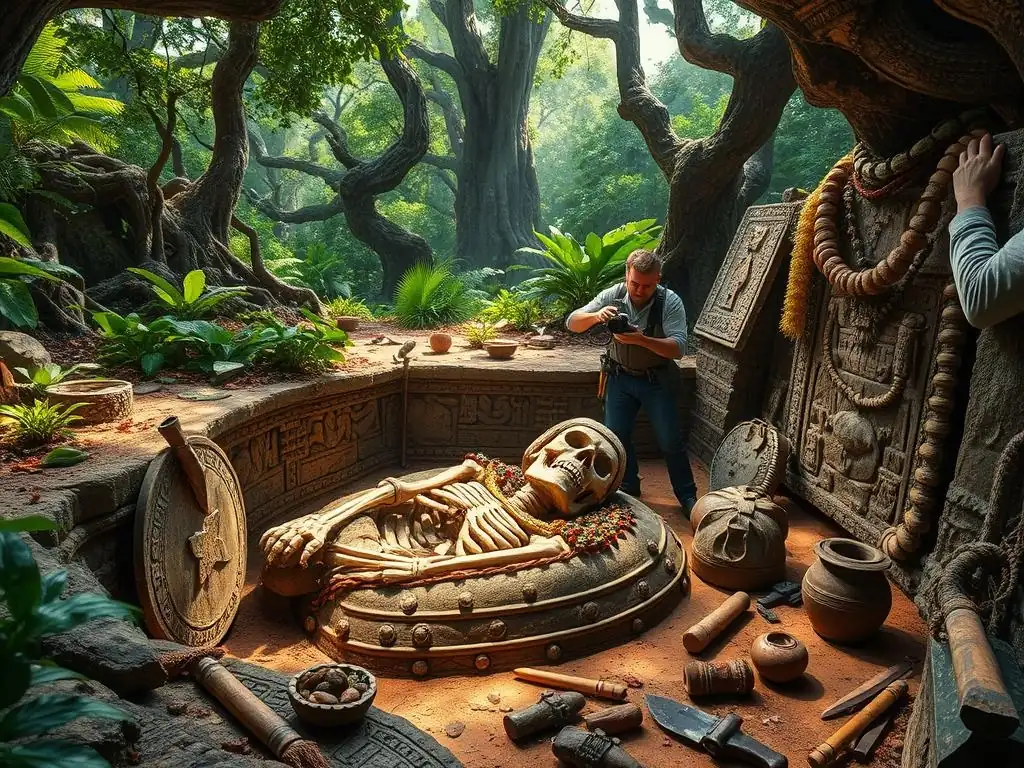
Welcome to Indigenous Civilizations of the Americas, where we invite you to embark on an enlightening journey through the rich tapestry of indigenous cultures that flourished long before European contact. Here, you will uncover the remarkable achievements and enduring legacies of these civilizations. In our featured article, “Recent Discoveries in Mayan Burial Practices: A Glimpse into Ancient Beliefs,” we delve into the fascinating revelations surrounding Mayan burial practices, offering a unique perspective on their profound spiritual beliefs and societal structures.
Prepare to be intrigued as we unveil secrets from the past that continue to shape our understanding of these vibrant cultures. Keep reading to discover the remarkable stories that await!
Mayan civilization, with its rich tapestry of culture, art, and spirituality, has long captured the fascination of historians and archaeologists alike. Recent discoveries in Mayan burial practices have opened new avenues for understanding the beliefs and customs of this ancient society, revealing intricate rituals and profound connections to the cosmos and the afterlife.
These discoveries not only highlight the sophistication of Mayan culture but also underscore the significance of burial practices in shaping their identity and worldview. This article delves into the recent excavations that have unveiled remarkable insights into Mayan burial customs, exploring the implications of these findings for our understanding of their society and beliefs.
Introduction to Mayan Burial Practices Discoveries
Overview of Mayan Civilization and Their Beliefs
The Mayan civilization, which thrived in Mesoamerica from around 2000 BCE to the arrival of Europeans in the 16th century, is renowned for its remarkable achievements in mathematics, astronomy, and architecture. The Mayans developed complex city-states characterized by grand temples, sophisticated agricultural techniques, and a rich pantheon of deities. Their belief system was deeply intertwined with nature and the cosmos, leading to a worldview that emphasized the cyclical nature of life and death.
In the context of their beliefs, the afterlife was intricately connected to the rituals surrounding death. The Mayans viewed death not as an end, but as a transition to another realm, where the deceased could continue to influence the living. This perspective is reflected in their elaborate burial practices, which varied significantly across different regions and periods.
Importance of Burial Practices in Mayan Culture
Burial practices in Mayan culture served multifaceted purposes, from honoring the deceased to reinforcing social hierarchies. The manner in which an individual was buried often indicated their status within society, with the elite receiving more elaborate and elaborate interments. Key aspects of these practices included:
- Ritual Offerings: Items such as food, ceramics, and tools were often placed in graves to accompany the deceased on their journey to the afterlife.
- Tombs and Burial Sites: The construction of tombs, sometimes grand and monumental, reflected the importance of the deceased and their connection to the community.
- Ceremonial Practices: Rituals conducted during burials often involved priests and were believed to appease the gods, ensuring the deceased’s safe passage.
These practices reveal a complex interplay of spirituality, social dynamics, and cultural identity that defined the Mayan worldview.
Recent Excavations of Mayan Burial Sites
Key Archaeological Discoveries in the Last Decade
In the past decade, several significant archaeological excavations have shed light on Mayan burial practices, revealing new artifacts and insights that challenge previous understandings. Among the most notable discoveries are:
- The Tomb of a Maya Ruler: Unearthed in 2018, this tomb contained intricate jade jewelry and ceremonial vessels, suggesting the significance of the individual buried there and the importance of jade in Mayan cosmology.
- Mass Burial Sites: Recent excavations in Guatemala have uncovered mass graves, indicating that communal burial practices were also prevalent, possibly linked to warfare or natural disasters.
- Unusual Artifacts: Researchers have found unique items like painted pottery and obsidian blades, which provide invaluable information about the rituals performed and the beliefs surrounding death.
These findings not only enrich our understanding of Mayan burial practices but also highlight the diversity and complexity of their funerary customs.
Locations of Significant Mayan Burial Practices Findings
Recent discoveries have been made at various key locations throughout the Mayan region, each contributing to the broader narrative of Mayan burial practices. Some of these notable sites include:
| Site Name | Location | Key Findings |
|---|---|---|
| Tikal | Guatemala | Tombs of rulers with jade artifacts |
| Copán | Honduras | Elaborate burial chambers with ceremonial items |
| Calakmul | Mexico | Mass graves and evidence of communal burial practices |
| Yaxchilan | Mexico | Intricate pottery and inscriptions related to funerary rites |
These excavations serve as a testament to the enduring legacy of the Mayan civilization and its complex burial practices, offering a glimpse into the spiritual and cultural dimensions that shaped their society. As research continues, we can expect further revelations that will deepen our understanding of this fascinating ancient culture.
Insights into Mayan Burial Practices
Mayan burial practices are a fascinating window into the spiritual and cultural life of the Maya civilization. These practices varied significantly, reflecting the diverse beliefs, social structures, and environments of the many Mayan city-states. Understanding these rituals provides insight into how the Maya viewed life and death, the afterlife, and their relationship with the cosmos.
Recent discoveries have illuminated a variety of burial methods, from simple interments to elaborate tombs filled with offerings. Many burials were accompanied by rituals that were believed to ensure safe passage to the afterlife. These practices often included the placement of specific items in the grave, which were thought to aid the deceased in their journey and to honor their status in life.
The complexity of these burial practices is evident in the varying structures of tombs, which could range from shallow pits to grand, multi-chambered mausoleums. Additionally, the positioning of the body, the orientation of the grave, and even the choice of location—all played critical roles in the significance of the burial.
Common Rituals and Customs in Mayan Burials
The rituals and customs surrounding Mayan burials were rich and varied, often tied closely to religious beliefs. Common practices included:
- Ceremonial Offerings: Items such as pottery, food, and tools were frequently placed in graves to accompany the deceased. These offerings were meant to provide for the individual in the afterlife and to symbolize their social status.
- Sacrificial Rites: In some cases, human or animal sacrifices were performed as part of the burial ceremony. These acts were believed to appease the gods and ensure a favorable transition for the deceased.
- Funerary Masks: Often made of jade or other precious materials, masks were placed over the faces of the dead. They served both as a representation of the individual and as a means of connecting them to the divine.
- Burial Orientation: The orientation of the body was significant, with many burials facing east to symbolize rebirth. This alignment reflected the Mayan belief in cyclical time and the connection between life and the cosmos.
These rituals reveal a deep reverence for the dead and a complex understanding of the afterlife that permeated Mayan society.
Variations in Burial Practices Across Different Regions
Mayan burial practices were not monolithic; they varied widely across different regions and time periods. Key differences include:
- Geographical Influences: Coastal Mayans often incorporated marine artifacts into their burials, while those in the highlands favored terrestrial materials such as obsidian and jade.
- Social Stratification: Elite burials were significantly more elaborate than those for commoners. Royal burials often included multiple chambers, intricate carvings, and a plethora of offerings, while simpler graves contained fewer items.
- Cultural Interactions: As the Maya interacted with neighboring cultures, some burial customs were adopted or adapted. For example, influences from the nearby Olmec civilization can be seen in certain mortuary practices.
- Temporal Changes: Over time, burial practices evolved, reflecting changes in religious beliefs and societal structures. For instance, during periods of increased warfare, there may have been a shift towards more militaristic symbols in burials.
These regional and temporal variations illustrate the adaptability and complexity of Mayan culture.
The Role of Artifacts in Understanding Mayan Beliefs
Artifacts unearthed from Mayan burial sites play a crucial role in deciphering the beliefs and values of the ancient Maya. Each item provides a tangible connection to the past and serves as a key to unlocking the intricacies of their worldview.
The careful study of these artifacts allows archaeologists to reconstruct various aspects of Mayan life, from social hierarchies to religious practices. The context in which these items were found—alongside human remains or in specific burial orientations—further enhances their interpretive value.
Types of Artifacts Found in Recent Discoveries
Recent excavations have revealed a wealth of artifacts that shed light on Mayan burial practices. Key findings include:
- Ceramic Vessels: Often intricately decorated, these vessels were used for both practical purposes and ceremonial offerings.
- Jade and Other Precious Materials: Items made from jade, such as jewelry and artifacts, indicate the high status of the individuals buried with them, as jade was highly valued in Mayan culture.
- Skeletal Remains: Analysis of human remains provides insights into health, diet, and social status, revealing patterns that reflect the broader societal norms of the time.
- Funerary Objects: Items such as tools, weapons, and personal belongings found with the deceased illustrate the individual's life and status within the community.
These artifacts not only inform about burial practices but also about the day-to-day life of the ancient Maya.
Interpretation of Artifacts in the Context of Mayan Spirituality
The interpretation of artifacts found in burials is deeply intertwined with the spiritual beliefs of the Maya. Each item is not merely a physical object but carries symbolic meaning and cultural significance.
- Symbolism of Jade: Jade was associated with life and death, often representing the heart and the essence of life. Its presence in burials signifies the importance of life continuity and the afterlife.
- Ceramics as Spiritual Offerings: The designs on ceremonial pottery often depict mythological themes and deities, suggesting that these items were not just utilitarian but served a spiritual purpose in the burial context.
- Ritualistic Practices: The arrangement of artifacts within burials can indicate specific rituals that were believed to be necessary for the deceased's journey. For example, the placement of tools might suggest the deceased was considered a warrior or a craftsman in life.
Through careful analysis of these artifacts, researchers can reconstruct a nuanced understanding of Mayan spirituality, revealing a civilization with rich and complex beliefs about life, death, and the afterlife.
Case Studies of Recent Discoveries
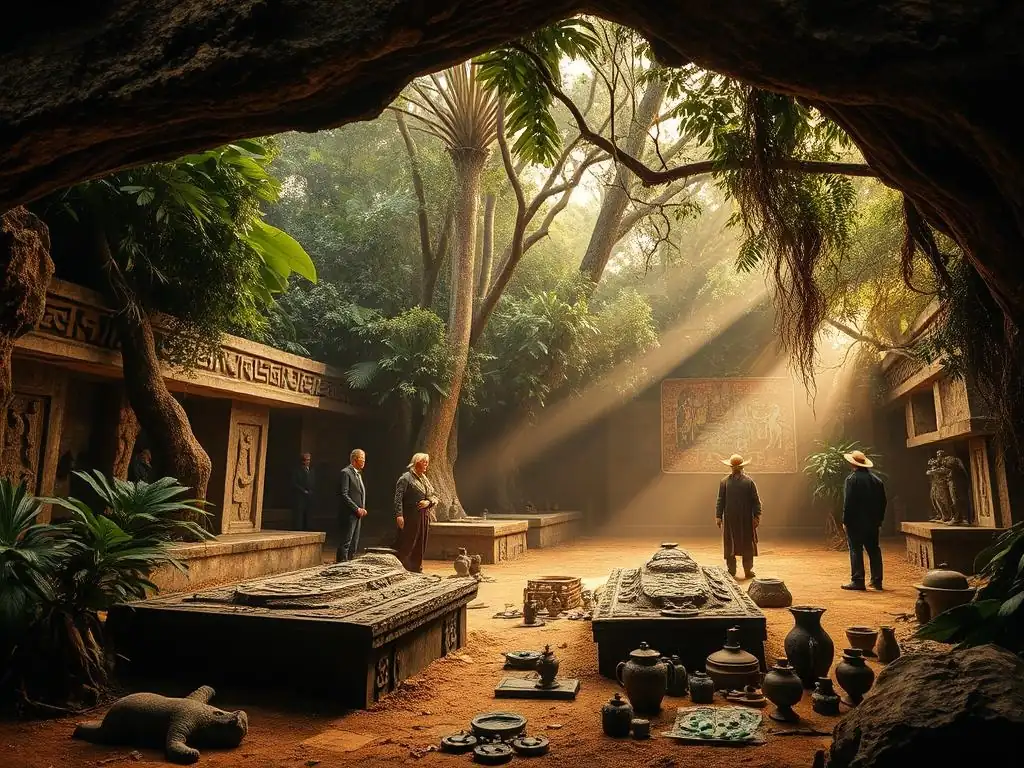
Recent archaeological excavations have unveiled significant insights into Mayan burial practices, shedding light on the spiritual beliefs and social hierarchies of this ancient civilization. Two prominent case studies highlight the complexity and richness of Mayan funerary customs.
Case Study 1: The Royal Tomb of Pakal
Discovered in 1952 in the Temple of the Inscriptions at Palenque, the Royal Tomb of Pakal is one of the most famous Mayan burial sites. This tomb belonged to King K'inich Janaab' Pakal, who ruled during the 7th century. The discovery was remarkable not only for its contents but also for its construction and symbolism.
Inside the tomb, archaeologists found a lavish sarcophagus adorned with intricate carvings depicting Pakal's journey to the underworld. The sarcophagus was covered with a lid carved from limestone, featuring a detailed representation of Pakal in a celestial position, suggesting his divine role. Surrounding the tomb were offerings that included jade artifacts, ceramics, and remains of sacrificial animals, indicating the belief in an afterlife where such items would be needed.
The tomb's elaborate design and the wealth of artifacts have led researchers to conclude that Pakal's burial was a significant state event, reinforcing his status as a divine ruler. This case study illustrates how burial practices were not merely about interment but were steeped in cosmological beliefs and societal structures.
Case Study 2: The Burial of the Maya Elite at Calakmul
Another significant discovery took place in Calakmul, a major city in the Maya lowlands, where excavations revealed the burial site of elite individuals. This site, dating back to the Late Classic period, presented a stark contrast to ordinary burials, showcasing the distinct rituals associated with the elite.
The excavation uncovered multiple tombs containing skeletal remains adorned with elaborate jewelry, including necklaces made of jade and shell, as well as ceremonial items such as pottery and obsidian tools. The positioning of the burials, often accompanied by rich grave goods, indicated a hierarchical society where the elite were given elaborate send-offs reflecting their high status.
Additionally, the presence of sacrificial offerings, including the remains of animals, suggests that the Maya elite believed in the necessity of appeasing their gods in the afterlife. This case study highlights the diversity of burial practices among different social classes within Mayan society and provides insight into the rituals that reinforced their status.
Implications of Discoveries on our Understanding of Mayan Civilization
The recent discoveries in Mayan burial practices have profound implications for our understanding of the civilization's social structures, spiritual beliefs, and cultural practices. These findings challenge previously held notions and enrich our comprehension of Mayan life.
How Recent Findings Challenge Previous Beliefs
Traditionally, many scholars viewed Mayan civilization through a lens that emphasized warfare and economic competition. However, recent discoveries of burial sites, such as those of Pakal and the elite at Calakmul, reveal a more nuanced understanding of their culture. These sites illustrate that spirituality and the afterlife were central to Mayan identity, shaping their societal structures and daily lives.
The elaborate nature of these burials challenges the perception that Mayan society was primarily driven by material wealth. Instead, it emphasizes the importance of ancestral veneration and the belief in a connectedness between the living and the dead. Such revelations encourage a reevaluation of how we interpret Mayan history, suggesting that cultural and spiritual dimensions played a significant role in their civilization.
The Impact of Discoveries on Modern Perspectives of Indigenous Cultures
The implications of these discoveries extend beyond the academic realm, influencing modern perspectives on Indigenous cultures. As the understanding of Mayan burial practices evolves, it contributes to a broader appreciation of the sophistication and depth of Indigenous civilizations.
Recognizing the complexity of Mayan beliefs and practices encourages a more respectful and informed engagement with contemporary Indigenous cultures. It challenges stereotypes that often simplify or misrepresent Indigenous histories. As more discoveries come to light, the narrative surrounding Indigenous peoples is reshaped, fostering a greater understanding and appreciation for their contributions to human civilization.
The recent discoveries in Mayan burial practices not only enrich our understanding of the ancient civilization but also play a crucial role in reshaping modern perspectives on Indigenous cultures, promoting a more inclusive and nuanced historical narrative.
Conclusion: The Ongoing Exploration of Mayan Burial Practices
The study of Mayan burial practices remains a dynamic field, continuously revealing new insights into the spiritual and cultural lives of ancient civilizations. Recent discoveries underscore the complexity of these practices, highlighting the intra-community relationships, social hierarchies, and religious beliefs that shaped the Mayan worldview. Each excavation not only contributes to our understanding of the past but also raises new questions about the rituals and customs that defined the Mayan identity.
As researchers delve deeper into Mayan sites, the application of advanced technologies such as ground-penetrating radar and 3D imaging is enhancing our understanding of burial practices. These innovations allow archaeologists to uncover hidden features and analyze burial contexts without disturbing the delicate remains. The ongoing exploration promises to illuminate the nuanced rituals surrounding death and the afterlife in Mayan society, offering a richer context for their cultural legacy.
Summary of Key Discoveries and Their Importance
Recent findings at various Mayan sites have significantly advanced our understanding of burial practices. For example, excavations at the ancient city of Tikal revealed elaborate tombs containing not only skeletal remains but also a wealth of grave goods, including pottery, jewelry, and ceremonial artifacts. These discoveries indicate a belief in an afterlife, where material possessions were thought to be essential for the deceased's journey.
Additionally, the identification of mass burial sites has provided insights into communal practices during times of crisis, such as warfare or disease. The presence of multiple individuals interred together suggests a collective approach to death that may have been influenced by social or political factors. Such evidence emphasizes the importance of understanding the cultural significance of these practices beyond mere funerary customs.
Overall, these key discoveries underscore the intricate relationship between death, society, and spirituality in Mayan culture and highlight the need for ongoing research to fully appreciate the depth of their beliefs.
Future Directions in Mayan Archaeological Research
Moving forward, the field of Mayan archaeology is poised for exciting developments. Researchers are increasingly focusing on interdisciplinary approaches that combine anthropology, history, and modern technology to provide a holistic view of Mayan burial practices.
One promising direction is the exploration of lesser-known sites that have not yet been subjected to extensive archaeological investigation. These sites may hold unique burial practices that differ from those documented in more well-known locations, offering fresh perspectives on regional variations within Mayan culture.
Moreover, there is a growing interest in the analysis of isotopic data from skeletal remains. This research can yield insights into the diet, health, and mobility of individuals, helping to construct a more comprehensive picture of life and death in ancient Maya society.
In addition, collaboration with indigenous communities is becoming increasingly vital. Engaging local knowledge and traditions in archaeological practices can enhance the interpretation of findings and ensure that the stories of the past are told with respect and accuracy.
References and Further Reading on Mayan Burial Practices Discoveries
Recommended Books and Articles
- "The Maya: Ancient Peoples and Places": by Charles Gallenkamp: This book provides an accessible overview of the Mayan civilization, including insights into their burial practices and beliefs.
- "Maya Death and Afterlife" by David Freidel and Linda Schele: This work delves into the spiritual significance of death in Maya society, exploring various archaeological findings related to funerary rituals.
- "The Archaeology of Death in Ancient Egypt" by Salima Ikram: While focused on Egypt, this book draws parallels in burial practices that may provide broader insights into ancient civilizations, including the Maya.
Notable Archaeological Journals and Publications
- Journal of Archaeological Science: This journal publishes rigorous research on archaeological methodologies and findings, including studies on Mayan burial practices.
- Latin American Antiquity: A leading journal that covers a wide range of topics related to ancient Latin American cultures, including dedicated sections on the Maya.
- Ancient Mesoamerica: This publication focuses on the archaeology and anthropology of Mesoamerican cultures, offering valuable articles on recent discoveries and analyses of burial practices among the Maya.
- Introduction to Mayan Burial Practices Discoveries
- Recent Excavations of Mayan Burial Sites
- Insights into Mayan Burial Practices
- The Role of Artifacts in Understanding Mayan Beliefs
- Case Studies of Recent Discoveries
- Implications of Discoveries on our Understanding of Mayan Civilization
- Conclusion: The Ongoing Exploration of Mayan Burial Practices
- References and Further Reading on Mayan Burial Practices Discoveries
- What are Mayan burial practices?
- Why are recent discoveries important for understanding Mayan beliefs?
- What types of artifacts have been found in Mayan burial sites?
- How do these discoveries impact our knowledge of Mayan civilization?
- Where can I find more information about Mayan burial practices discoveries?
Frequently Asked Questions
What are Mayan burial practices?
Mayan burial practices involved elaborate rituals and ceremonies that reflected their beliefs in the afterlife. They often included offerings, grave goods, and specific burial techniques to honor the deceased.
Why are recent discoveries important for understanding Mayan beliefs?
Recent discoveries provide valuable insights into the spiritual beliefs and cultural practices of the Maya, revealing how they viewed death and the afterlife. These findings enhance our understanding of their societal structure and religious significance.
What types of artifacts have been found in Mayan burial sites?
Artifacts such as ceramics, jewelry, and tools have been uncovered in Mayan burial sites, shedding light on their daily life, trade practices, and social status associated with the deceased.
How do these discoveries impact our knowledge of Mayan civilization?
These discoveries enrich our comprehension of the complex societal structures and customs of the Maya, illustrating their artistic achievements and the significance of burial practices in their culture.
Where can I find more information about Mayan burial practices discoveries?
For more detailed information, visit the website "Indigenous Civilizations of the Americas," which offers a comprehensive exploration of Mayan culture, including their burial traditions and recent archaeological findings.
Final Reflection: Unveiling the Depth of Mayan Beliefs Through Burial Practices
The exploration of Mayan burial practices discoveries not only sheds light on the intricate rituals of an ancient civilization but also resonates profoundly with contemporary society's quest for understanding life and death. As we uncover the layers of these practices, we are reminded of the universal human experience that transcends time and culture. The revelations from recent archaeological findings challenge us to reconsider our own beliefs about mortality and the legacies we leave behind, emphasizing that the past is not merely a series of events but a rich tapestry of meaning that continues to influence us today.
The impact of these discoveries extends far beyond the academic realm, shaping our cultural narratives and social consciousness. The rituals surrounding death and the afterlife in Mayan culture reflect a deep reverence for ancestry and spirituality that many modern societies strive to reconnect with. To know the past is to understand the present.
This ongoing dialogue between ancient practices and contemporary values invites us to reflect on how we honor our own traditions and the memories of those who came before us. The insights gained from these burial practices encourage a greater appreciation for the diversity of human experience and the shared quest for significance in our lives.
As we conclude this exploration, I invite you to reflect on your own beliefs about life, death, and legacy. Consider how the lessons learned from the Mayan burial practices can inspire you to create meaningful connections with your heritage and the world around you. Embrace the opportunity to honor those who have shaped your journey, and let their stories guide you in crafting a legacy that resonates through time. In doing so, we not only pay tribute to the past but also enrich our present and future with purpose and intention.
Unveil the Mysteries of Mayan Culture Today!
Thank you for taking the time to explore the fascinating world of Mayan burial practices with us. We hope you found insights that deepen your understanding of their ancient beliefs and rituals.
Now, let’s take the next step in your journey of discovery! Here are some engaging actions you can pursue:
- Dive deeper into research: Choose a specific burial site that piqued your interest and investigate the latest findings and archaeological discoveries made there.
- Join a local archaeology group or online community: Connect with fellow enthusiasts to share your insights and ask questions that will broaden your understanding.
- Plan a visit to a museum or historical site: Experience the artifacts and narratives of the Mayan civilization firsthand to enhance your appreciation of their culture.
What aspect of Mayan culture captivates you the most, and how do you plan to further explore it?