
The Future of Archaeology: AI and Imaging Technologies in Indigenous Studies

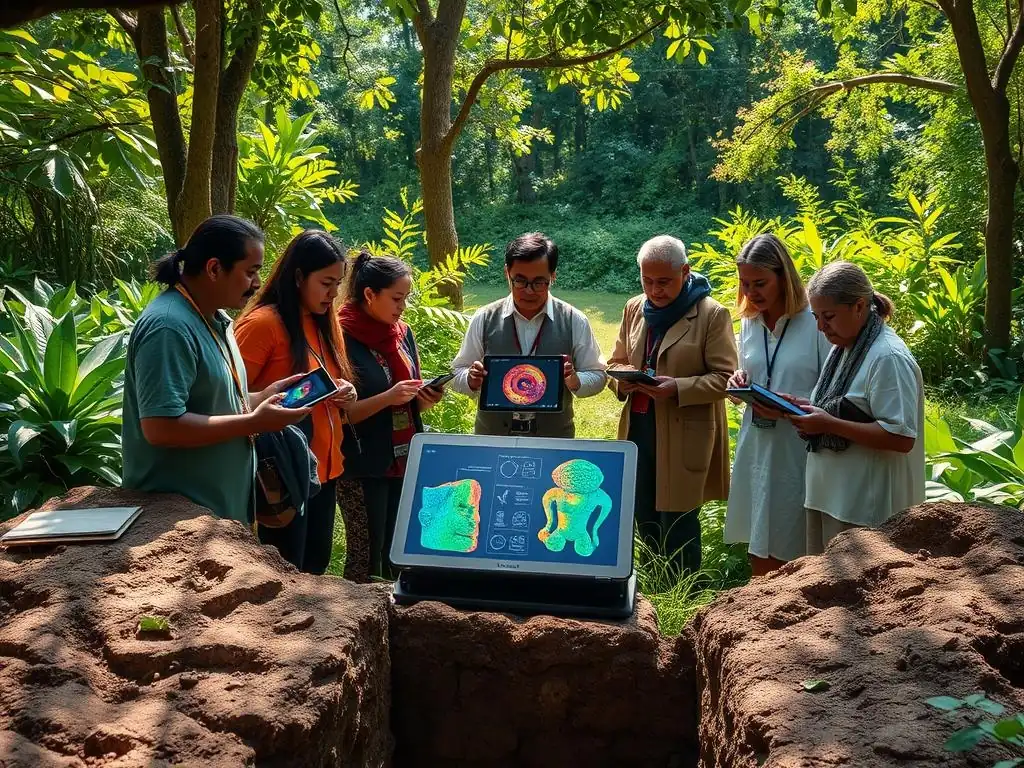
Welcome to Indigenous Civilizations of the Americas, where we invite you on a journey through time to uncover the rich tapestry of indigenous cultures that flourished long before European contact. Here, you will discover the incredible achievements and vibrant societies that shaped the Americas, leaving a profound impact that resonates to this day.
In our featured article, “The Future of Archaeology: AI and Imaging Technologies in Indigenous Studies,” we delve into the groundbreaking intersection of AI and archaeology, revealing how cutting-edge technology is revolutionizing our understanding of these ancient civilizations. Prepare to be intrigued and inspired as you explore the depths of knowledge waiting for you!
Introduction to AI in Indigenous Archaeology Studies
The field of archaeology has always been at the forefront of uncovering the rich tapestry of human history, particularly when it comes to the diverse indigenous cultures that flourished across the Americas long before European colonization. As we move further into the 21st century, the integration of advanced technologies, particularly artificial intelligence (AI) and sophisticated imaging techniques, is revolutionizing the way researchers approach indigenous studies. This article delves into the transformative impact of AI in Indigenous archaeology studies, highlighting how these innovations are not only enhancing archaeological methodologies but also preserving the legacies of indigenous civilizations for future generations.
Overview of Indigenous Archaeology
Indigenous archaeology focuses on understanding and interpreting the histories, cultures, and practices of indigenous peoples through material remains. This unique branch of archaeology prioritizes collaboration with native communities, ensuring that their voices and perspectives are integral to the research process. The discipline encompasses a wide array of practices and technologies aimed at uncovering artifacts, structures, and landscapes that tell the stories of societies such as the Maya, Inca, and various tribes of North America.
- Key aspects of indigenous archaeology include:
- Cultural Heritage Preservation: Protecting sites of significance to indigenous communities.
- Community Involvement: Engaging local populations in research and decision-making processes.
- Ethical Considerations: Addressing historical injustices and ensuring respectful representation of indigenous narratives.
Importance of Imaging Technologies in Archaeological Research
Imaging technologies play a crucial role in modern archaeological research, enabling scholars to visualize and analyze artifacts and sites in unprecedented ways. These technologies provide detailed insights into the cultural and historical contexts of finds, often revealing information that is not immediately apparent through traditional excavation methods.
- Types of Imaging Technologies Include:
- 3D Scanning: Creates accurate digital models of artifacts and sites.
- Remote Sensing: Uses aerial surveys and satellite imagery to identify potential archaeological sites.
- GIS (Geographic Information Systems): Analyzes spatial relationships and patterns within archaeological data.
The Role of AI in Transforming Indigenous Studies
Artificial intelligence is emerging as a powerful tool in archaeology, enhancing the analytical capabilities of researchers and allowing for the processing of large datasets with greater efficiency. By employing machine learning algorithms, archaeologists can uncover patterns and correlations that may go unnoticed through conventional methods.
- Key Benefits of AI in Indigenous Studies:
- Data Analysis: Rapid processing of archaeological data, enabling quicker conclusions.
- Predictive Modeling: Identifying potential sites for excavation based on historical and environmental data.
- Cultural Pattern Recognition: Understanding social structures and practices through analysis of artifact distributions.
The Intersection of AI and Imaging Technologies
As AI continues to evolve, its integration with imaging technologies is paving the way for groundbreaking advancements in indigenous archaeology. The synergy between these two fields allows for a more comprehensive understanding of indigenous cultures, ensuring that their histories are preserved and appreciated.
Defining AI in Archaeology
AI in archaeology refers to the application of machine learning, computer vision, and other advanced computational techniques to assist researchers in analyzing archaeological data. This innovative approach enables archaeologists to tackle complex problems and derive insights from vast amounts of information.
- Key AI Applications in Archaeology:
- Artifact Classification: Automating the identification and categorization of artifacts.
- Site Prediction: Using algorithms to predict the location of undiscovered sites.
- Image Analysis: Enhancing the interpretation of images and scans of archaeological finds.
Overview of Imaging Technologies Used in Archaeology
Imaging technologies have transformed how archaeologists document and analyze their findings. From high-resolution photography to advanced scanning techniques, these tools provide a multi-dimensional view of archaeological artifacts and sites.
- Common Imaging Technologies:
- Photogrammetry: Captures detailed images from multiple angles to create 3D models.
- X-ray Fluorescence (XRF): Analyzes the elemental composition of artifacts.
- LiDAR (Light Detection and Ranging): Maps landscapes and structures with high precision.
How AI Enhances Imaging Technologies for Indigenous Studies
The combination of AI and imaging technologies offers unparalleled opportunities for the study of indigenous cultures. By harnessing AI's analytical capabilities, archaeologists can extract deeper insights from imaging data, leading to a more nuanced understanding of indigenous histories.
- Examples of AI Enhancement:
- Improved Image Recognition: AI algorithms can identify and classify artifacts in imaging data with high accuracy.
- Automated 3D Reconstruction: Speeds up the process of creating 3D models from 2D images.
- Predictive Insights: Analyzing imaging data to forecast potential archaeological discoveries.
The future of indigenous archaeology is being shaped by the integration of AI and imaging technologies, promising a more comprehensive understanding of the rich heritage of indigenous civilizations across the Americas. By embracing these advancements, researchers are not only enhancing their methodologies but also ensuring that the histories of indigenous peoples remain vibrant and relevant in contemporary discourse.
Applications of AI in Indigenous Archaeology
The integration of Artificial Intelligence (AI) in Indigenous archaeology is revolutionizing the way researchers approach the study of ancient cultures. By harnessing the capabilities of AI and imaging technologies, archaeologists can uncover new insights into Indigenous societies, their artifacts, and their landscapes. These applications span various aspects of archaeological research, from site detection to artifact classification and cultural heritage preservation.
Site Detection and Mapping
AI technologies, particularly machine learning algorithms, have significantly enhanced the ability to detect and map archaeological sites that may have previously gone unnoticed. Through the analysis of satellite imagery and aerial photography, AI can identify patterns in the landscape that suggest human activity, such as changes in vegetation or soil composition.
- Machine Learning Models: These models can be trained using existing archaeological data to recognize features associated with ancient settlements or structures. By analyzing vast datasets, AI can quickly pinpoint potential sites for further investigation, saving time and resources for archaeologists.
- Geospatial Analysis: AI tools can integrate various geospatial datasets, providing a comprehensive view of an area. This allows researchers to visualize relationships between different archaeological sites and their environmental contexts, leading to a deeper understanding of Indigenous land use and settlement patterns.
Artifact Analysis and Classification
AI's capabilities extend to the analysis and classification of artifacts, which is crucial for understanding the cultural practices and technologies of Indigenous peoples. Advanced imaging techniques, combined with AI algorithms, facilitate detailed examinations of artifacts.
- 3D Imaging and Modeling: By creating high-resolution 3D models of artifacts, researchers can analyze their features in great detail. AI can assist in automating the classification of artifacts based on shape, size, and material, enabling more efficient cataloging and analysis.
- Pattern Recognition: Machine learning algorithms can identify and categorize artifacts by recognizing patterns that may not be immediately visible to the human eye. This allows for the discovery of connections between different artifacts, enhancing our understanding of trade networks and cultural exchanges among Indigenous groups.
Cultural Heritage Preservation
Preserving cultural heritage is paramount in Indigenous archaeology, and AI technologies play a vital role in this area. By employing advanced imaging and analytical tools, researchers can monitor and protect archaeological sites and artifacts effectively.
- Predictive Modeling: AI can help predict the potential impacts of environmental changes or human activities on archaeological sites. By analyzing historical data and current conditions, researchers can develop strategies for site management and conservation.
- Digital Repatriation: AI can aid in the creation of digital archives for Indigenous artifacts, which can be shared with communities and researchers worldwide. This not only helps in preserving cultural heritage but also fosters a sense of ownership and connection for Indigenous peoples to their ancestral heritage.
Advantages of Integrating AI in Indigenous Studies
The integration of AI into Indigenous studies offers numerous advantages that enhance both research practices and community engagement. These benefits are essential for fostering a respectful and collaborative approach to studying Indigenous cultures.
Improved Data Accuracy and Efficiency
AI technologies enable archaeologists to process large volumes of data with remarkable accuracy and speed. This efficiency translates into more reliable findings and faster research cycles.
- Automated Data Processing: AI algorithms can automate the tedious process of data collection and analysis, allowing researchers to focus on interpreting results rather than spending excessive time on data management.
- Enhanced Analytical Capabilities: The application of AI in data analysis improves the precision of findings. By minimizing human error and bias, AI can produce more accurate interpretations of archaeological data, ultimately leading to a better understanding of Indigenous cultures.
Enhanced Collaboration with Indigenous Communities
Incorporating AI into Indigenous archaeology fosters collaboration between researchers and Indigenous communities, ensuring that studies are conducted respectfully and inclusively.
- Community Involvement: By involving Indigenous community members in the research process, archaeologists can gain valuable insights and traditional knowledge that enrich the study. AI tools can facilitate participation through accessible data visualization and analysis platforms.
- Shared Decision-Making: AI can support a more equitable approach to decision-making in archaeological projects. By providing communities with access to data and analytic tools, researchers can empower Indigenous voices in discussions about cultural heritage management.
Ethical Considerations in AI Usage for Indigenous Archaeology
While AI offers significant potential in Indigenous archaeology, it also raises important ethical considerations that must be addressed to ensure respectful and responsible usage.
- Data Sovereignty: Indigenous communities have the right to control their cultural data. It is crucial for researchers to establish clear agreements regarding data ownership and use, ensuring that Indigenous peoples have agency over their heritage.
- Bias and Representation: AI algorithms can inadvertently perpetuate biases present in the training data. Archaeologists must be vigilant in ensuring that AI applications are developed with an understanding of Indigenous perspectives and values, promoting inclusivity and fairness in analysis.
- Cultural Sensitivity: Researchers must approach the use of AI in Indigenous archaeology with cultural sensitivity, recognizing the significance of artifacts and sites to Indigenous communities. Engaging these communities in the research process is essential for ethical and respectful practices.
Challenges and Limitations of AI in Indigenous Archaeology
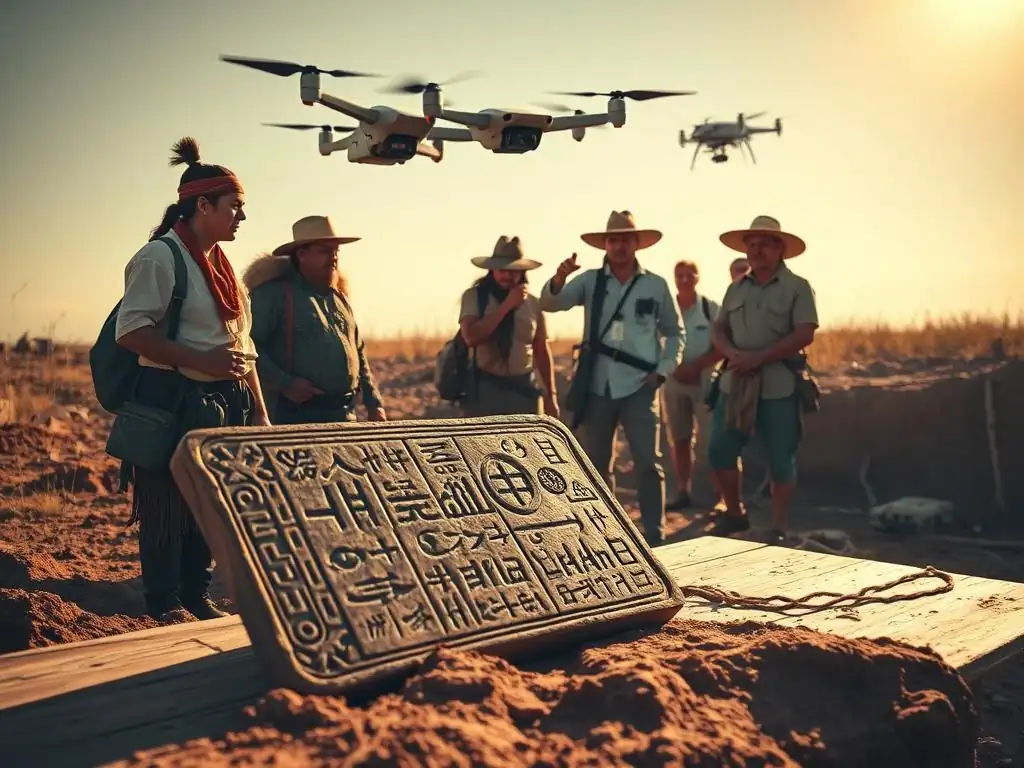
As promising as AI and imaging technologies are in the field of archaeology, their integration into Indigenous studies presents several significant challenges and limitations. Recognizing these barriers is essential for ensuring that technological advancements support rather than hinder the understanding and appreciation of Indigenous cultures.
Technological Barriers and Accessibility
One major challenge is the technological barrier that hinders access to advanced AI tools and imaging technologies. Many Indigenous communities may lack the necessary infrastructure, such as high-speed internet and access to sophisticated hardware or software. This digital divide can prevent these communities from fully participating in or benefiting from AI-driven archaeological research.
Additionally, the cost associated with implementing these technologies can be prohibitive. Many archaeological projects depend on funding that may not prioritize the inclusion of Indigenous perspectives or community involvement. As a result, even when advanced technologies are available, their benefits may not reach the very people whose history and culture are being studied.
Potential Misinterpretations of Data
Another significant concern is the potential for misinterpretation of data generated by AI algorithms. AI systems are only as effective as the data they are trained on, and if these datasets lack Indigenous context or perspectives, the resulting analysis may misrepresent the culture and historical significance of findings.
Moreover, AI's reliance on patterns and statistical correlations can lead to oversimplifications of complex cultural narratives. The richness of Indigenous histories often lies in nuanced meanings and local knowledge that AI may overlook. Without careful integration of traditional knowledge, there is a risk that interpretations could perpetuate stereotypes or inaccuracies.
Addressing Ethical Concerns in AI Research
Ethical considerations also pose significant challenges. The deployment of AI technologies in Indigenous archaeology must navigate complex issues related to cultural appropriation, ownership of data, and consent. Indigenous peoples have often been marginalized in discussions about their own heritage and artifacts, and AI research can inadvertently continue this trend if not approached thoughtfully.
Involving Indigenous communities in the design and implementation of AI tools is crucial to addressing these ethical concerns. This collaborative approach ensures that technology serves the needs and respects the rights of Indigenous peoples, allowing them to have a voice in how their histories are interpreted and represented.
The Future Outlook: Innovations in AI and Imaging Technologies
Despite the challenges, the future of AI and imaging technologies in Indigenous archaeology is filled with potential for innovation and transformation. As researchers and communities navigate these complexities, several exciting trends are emerging.
Emerging Trends in AI for Archaeology
One of the most promising trends is the development of AI algorithms that are specifically tailored for archaeological applications. These algorithms can analyze vast amounts of data, helping archaeologists identify patterns and make connections that may not be immediately apparent. For example, machine learning models can assist in predicting the locations of undiscovered sites based on environmental and historical data.
Additionally, there is a growing emphasis on collaborative projects that bring together Indigenous knowledge keepers and technological experts. By integrating traditional ecological knowledge with advanced imaging technologies, researchers can gain a more holistic understanding of archaeological sites and their significance.
Future Imaging Technologies on the Horizon
The advent of new imaging technologies—such as hyperspectral imaging and ground-penetrating radar—is poised to revolutionize the way archaeologists study Indigenous sites. These advanced methods allow for non-invasive exploration, enabling researchers to uncover information without disturbing the ground.
As these technologies become more refined and accessible, they can facilitate deeper investigations of Indigenous landscapes, revealing insights into agricultural practices, settlement patterns, and cultural practices that have long been obscured.
The Role of Indigenous Knowledge in Shaping Future Technologies
Crucially, the future of AI in Indigenous archaeology will be shaped by the inclusion of Indigenous knowledge systems. As researchers acknowledge the value of traditional ecological and cultural knowledge, they can create more effective and culturally sensitive technologies.
This collaborative approach not only enhances the accuracy of archaeological findings but also empowers Indigenous communities to reclaim their narratives. By integrating AI with Indigenous perspectives, the field can foster a more respectful and inclusive understanding of the rich tapestry of Indigenous histories across the Americas.
Conclusion: Embracing AI in Indigenous Archaeology Studies
The integration of Artificial Intelligence (AI) and advanced imaging technologies holds significant promise for the future of Indigenous archaeology studies. By leveraging these tools, researchers can enhance their understanding of ancient civilizations, preserve cultural heritage, and foster a more inclusive narrative surrounding Indigenous histories. The evolution of these technologies not only facilitates more efficient data analysis but also opens up new avenues for collaboration between scientists, Indigenous communities, and cultural organizations.
Summary of Key Points
- Advancements in Technology: The use of AI algorithms and imaging technologies such as LiDAR, photogrammetry, and 3D modeling has revolutionized the way archaeologists conduct fieldwork and analyze artifacts. These technologies allow for the mapping of landscapes and structures that may not be visible to the naked eye, revealing hidden layers of history.
- Enhanced Data Analysis: AI's ability to process large datasets rapidly enables researchers to identify patterns and correlations that would be challenging to discern through traditional methods. This capability enhances the understanding of Indigenous cultures, their development, and their interactions with the environment.
- Collaboration with Indigenous Communities: Engaging Indigenous peoples in the research process ensures that their knowledge and perspectives are included, leading to more respectful and accurate representations of their histories. This collaboration is critical for ethical archaeological practices and the preservation of cultural heritage.
- Sustainability and Preservation: AI-driven tools can assist in monitoring and protecting archaeological sites from threats such as climate change and urban development. By implementing proactive measures, researchers can ensure that these important sites are preserved for future generations.
The Importance of Continued Research and Collaboration
As the field of Indigenous archaeology continues to evolve with the introduction of AI and imaging technologies, ongoing research and collaboration are vital. Scholars must work in tandem with Indigenous communities to ensure that the application of these technologies respects cultural values and traditions. Establishing frameworks for ethical research practices is essential to avoid misrepresentation and to empower Indigenous voices in the study of their own histories.
Additionally, interdisciplinary collaboration among archaeologists, data scientists, and community leaders will foster innovative approaches to understanding Indigenous cultures. By pooling resources and expertise, researchers can tackle complex questions and uncover insights that would otherwise remain hidden.
Final Thoughts on the Future of Indigenous Studies through AI and Imaging Technologies
The future of Indigenous studies is bright, as the integration of AI and imaging technologies offers unprecedented opportunities for discovery and understanding. As these tools continue to advance, they will play a crucial role in reshaping narratives, ensuring that the stories of Indigenous peoples are told with accuracy and respect.
By embracing these innovations, archaeologists can not only enhance their own research but also contribute to a broader societal understanding of Indigenous cultures and their enduring legacies. The commitment to ethical practices, collaboration, and community engagement will ultimately determine the impact of AI in Indigenous archaeology studies, paving the way for a more inclusive and informed future.
- Introduction to AI in Indigenous Archaeology Studies
- The Intersection of AI and Imaging Technologies
- Applications of AI in Indigenous Archaeology
- Advantages of Integrating AI in Indigenous Studies
- Challenges and Limitations of AI in Indigenous Archaeology
- The Future Outlook: Innovations in AI and Imaging Technologies
- Conclusion: Embracing AI in Indigenous Archaeology Studies
- What is the role of AI in Indigenous archaeology studies?
- How do imaging technologies contribute to the study of indigenous cultures?
- Why is it important to focus on indigenous cultures before European colonization?
- What are some advancements in AI for archaeology?
- How can the integration of AI and imaging technologies benefit indigenous studies?
Frequently Asked Questions
What is the role of AI in Indigenous archaeology studies?
AI plays a significant role by enhancing data analysis and interpretation. It helps archaeologists process large datasets quickly, revealing patterns that might be overlooked.
How do imaging technologies contribute to the study of indigenous cultures?
Imaging technologies enable non-invasive exploration, allowing researchers to visualize ancient structures and artifacts without disturbing the sites. This preserves the integrity of culturally significant locations.
Why is it important to focus on indigenous cultures before European colonization?
Studying indigenous cultures offers insights into their achievements, societies, and the lasting impact they had on the Americas. Understanding this history is crucial for acknowledging their heritage and contributions.
What are some advancements in AI for archaeology?
Recent advancements include machine learning algorithms that help classify artifacts, analyze spatial data, and predict site locations. These tools significantly improve the efficiency and accuracy of archaeological research.
How can the integration of AI and imaging technologies benefit indigenous studies?
The integration can lead to a more holistic understanding of indigenous histories and cultures, ensuring that their narratives are respected and accurately represented in archaeological findings.
Final Reflection: Embracing Innovation in Indigenous Archaeology
The intersection of AI and imaging technologies in Indigenous archaeology studies is not just a trend; it is a transformative movement that reshapes our understanding of the past. As we stand on the brink of a new era in archaeology, the integration of advanced technologies is proving essential in uncovering the rich narratives of Indigenous cultures. The ability to analyze vast amounts of data and visualize archaeological sites with unprecedented clarity is revolutionizing how we engage with history, ensuring that the voices of Indigenous peoples are not only heard but also respected and amplified.
The impact of these technological advancements extends far beyond the realm of academia; it is a cultural renaissance that fosters a deeper appreciation for Indigenous heritage. As we utilize AI to enhance our archaeological practices, we are also creating a platform for Indigenous communities to reclaim their narratives and histories. This collaborative approach is crucial in dismantling historical biases and fostering a more inclusive understanding of our shared past. Technology is best when it brings people together.
– Matt Mullenweg. This quote encapsulates the essence of our journey toward a more equitable representation of Indigenous histories through the lens of modern technology.
As we move forward, I invite you to reflect on the role you can play in this evolving narrative. Consider how you can engage with Indigenous archaeology studies in your own life, whether through advocacy, education, or personal exploration. The future of archaeology is not solely in the hands of researchers and technologists; it is a collective responsibility that calls for active participation from all of us. Let us embrace these innovations, not just as tools, but as bridges that connect us to the past and guide us toward a more inclusive future.
Embrace the Future of Archaeology Today!
Thank you for exploring the innovative intersection of artificial intelligence and imaging technologies in the study of Indigenous cultures with us! You have gained valuable insights into how these advancements are reshaping our understanding and preservation of Indigenous history. Now, it's your turn to take action and be a part of this exciting journey.
- Join a local archaeological group or an online community focused on Indigenous studies to deepen your knowledge and connect with like-minded individuals.
- Share this article with friends and family to raise awareness about the importance of technology in understanding and preserving Indigenous histories.
- Explore a new technology or tool highlighted in this article that piques your interest and consider how you can apply it to your own research or community projects.
What impact do you think artificial intelligence and imaging technologies will have on our understanding of Indigenous history over the next decade?