
The Lost Cities of the Ancients: Recent Excavations Reveal Secrets of Indigenous Societies

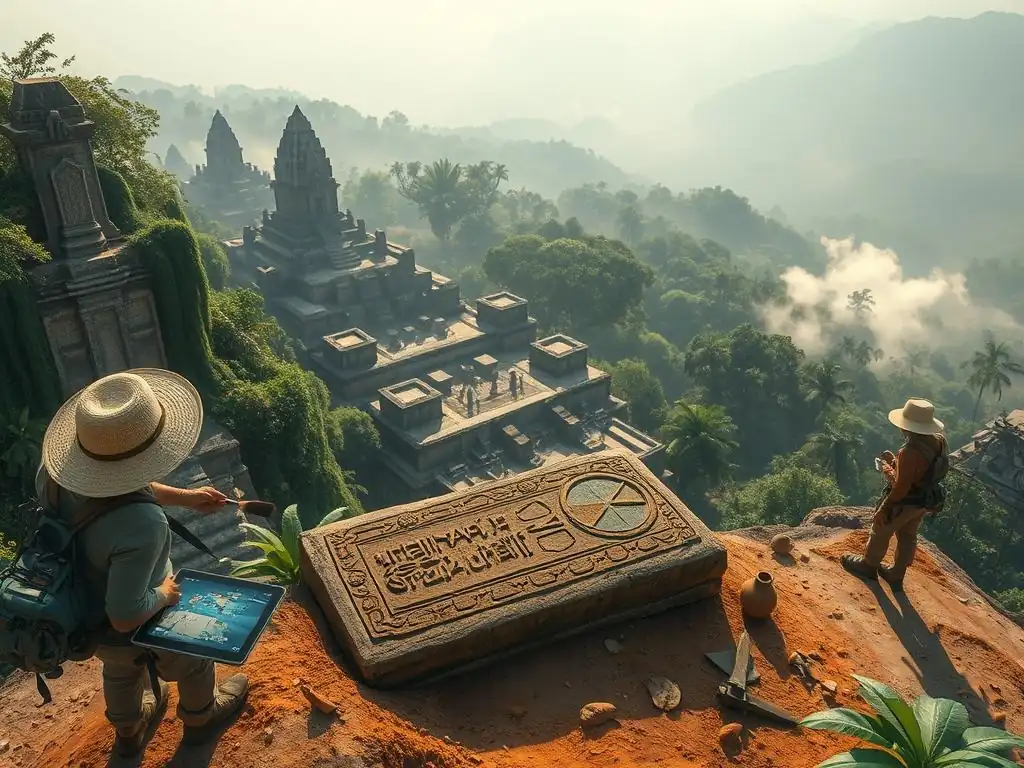
Welcome to Indigenous Civilizations of the Americas, where we embark on a captivating journey through time to uncover the secrets of ancient indigenous societies. Our latest article, “The Lost Cities of the Ancients: Recent Excavations Reveal Secrets of Indigenous Societies,” invites you to delve into the remarkable achievements and intricate lives of those who thrived long before European contact. Prepare to be intrigued as we unveil the mysteries of their monumental cities and explore the profound impact these cultures continue to have today. Join us in exploring the rich tapestry of history that awaits!
Introduction to Ancient Indigenous Societies
The story of the Americas is intricately woven with the rich tapestry of its indigenous cultures, which flourished long before European contact. This article delves into the secrets of ancient indigenous societies, illuminating their remarkable achievements, complex social structures, and the profound legacies they left behind.
Recent archaeological excavations have unearthed fascinating insights that not only challenge previous assumptions but also provide a deeper understanding of these vibrant civilizations. From grand cities hidden beneath the jungle canopy to intricate trade networks that spanned vast territories, the findings from these excavations are reshaping our comprehension of indigenous life and its enduring impact on contemporary society.
Overview of Indigenous Civilizations in the Americas
Indigenous civilizations across the Americas were incredibly diverse, each with unique cultures, languages, and traditions. Major civilizations such as the Maya, Aztec, and Inca developed sophisticated societal structures, demonstrated through their monumental architecture, intricate art, and advanced agricultural techniques. For instance:
- Maya Civilization: Known for their remarkable achievements in astronomy and mathematics, the Maya constructed impressive city-states like Tikal and Calakmul, featuring grand pyramids and elaborate hieroglyphic inscriptions.
- Aztec Empire: Centered in present-day Mexico, the Aztecs established a powerful empire with Tenochtitlán as its capital, showcasing impressive urban planning and a complex tribute system.
- Inca Empire: Spanning a vast territory along the Andes, the Incas are famed for their extensive road networks and architectural marvels like Machu Picchu.
Understanding these civilizations requires exploring not only their accomplishments but also the secrets buried in their pasts, which recent excavations have begun to reveal.
Importance of Understanding Secrets of Ancient Cultures
Uncovering the secrets of ancient indigenous societies is crucial for several reasons:
- Cultural Heritage: These discoveries help preserve the rich cultural heritage of indigenous peoples, offering insights into their identities and histories.
- Global Perspectives: By studying these civilizations, we can gain a broader understanding of human ingenuity and resilience in adapting to diverse environments.
- Contemporary Relevance: Understanding the past can inform current discussions on cultural preservation and indigenous rights, helping to bridge gaps between contemporary societies and their ancestral roots.
The Significance of Recent Excavations
Recent archaeological excavations have significantly advanced our knowledge of ancient indigenous societies, providing tangible evidence that enriches our understanding of their lives, beliefs, and interactions.
How Archaeological Discoveries Illuminate Indigenous Histories
Excavations across the Americas have led to remarkable discoveries, such as:
- Burial Sites: Revealing burial practices and social hierarchies within communities.
- Artifacts: Tools, pottery, and art pieces that reflect daily life, trade, and spiritual beliefs.
- Settlement Patterns: Insights into urban planning and agricultural practices.
These findings not only unveil the intricacies of indigenous societies but also highlight their adaptability and innovation in the face of environmental challenges.
Key Technologies Used in Modern Excavations
Modern archaeological practices have evolved significantly, utilizing various technologies to enhance the excavation process:
- Ground-Penetrating Radar (GPR): This non-invasive method allows archaeologists to visualize subsurface features without disturbing the ground.
- LiDAR (Light Detection and Ranging): Aerial LiDAR technology helps uncover hidden structures beneath dense vegetation, revealing previously unknown sites.
- 3D Scanning: This technology aids in detailed documentation and analysis of artifacts and architectural remains, preserving them digitally for future research.
By harnessing these advanced tools, archaeologists can uncover the secrets of ancient indigenous societies with greater precision and insight, paving the way for a richer understanding of the past.
Major Excavation Sites Unveiling Secrets
The Americas are home to a plethora of archaeological sites that continue to reveal the secrets of ancient indigenous societies. These excavation sites not only highlight the architectural prowess of these cultures but also provide insights into their social, political, and economic systems. Recent discoveries have shed light on their daily lives, belief systems, and the environmental adaptations they made. Among the most significant sites are Cahokia, Chichen Itza, and Machu Picchu, each offering a unique glimpse into the complexities of these advanced civilizations.
Cahokia: A Window into the Past
Cahokia, located near present-day St. Louis, Missouri, is considered one of the largest pre-Columbian urban settlements in North America. At its peak around 1100 CE, Cahokia was home to an estimated 20,000 to 30,000 people. The site is renowned for its massive earthen mounds, particularly Monk's Mound, which stands as a testament to the engineering skills of its inhabitants.
Recent excavations at Cahokia have uncovered a sophisticated society that engaged in extensive trade networks, agricultural innovation, and complex political organization. Artifacts such as pottery, tools, and ceremonial items provide evidence of their rich cultural life. The discovery of large-scale structures suggests that Cahokia was not only a center for agricultural production but also a hub for religious and political activities, indicating a highly organized society that thrived long before European contact.
Chichen Itza: Unearthing Hidden Knowledge
Chichen Itza, a UNESCO World Heritage site located in the Yucatan Peninsula of Mexico, was one of the most significant Maya cities from the 10th to the 15th centuries. Recent excavations have revealed intricate architectural features, including the famous El Castillo pyramid and the Great Ball Court, which served as sites for both religious and social gatherings.
The discovery of artifacts such as murals, pottery, and tools illustrates the advanced understanding of astronomy and mathematics possessed by the Maya. The alignment of certain structures with celestial events indicates that they held significant cultural and religious importance. These findings underscore the complexity of Maya society, including their agricultural practices, trade routes, and social hierarchies, providing valuable insights into the secrets of ancient indigenous societies.
Machu Picchu: Rediscovering Lost Histories
Machu Picchu, often referred to as the "Lost City of the Incas," is an iconic archaeological site located high in the Andes of Peru. Built in the 15th century, Machu Picchu reflects the Inca Empire's architectural genius and sophisticated agricultural techniques. Recent excavations have unearthed new structures, terraces, and pathways that enhance our understanding of Inca life.
The site is notable for its advanced agricultural systems, including terracing and irrigation, which allowed the Incas to cultivate diverse crops in a challenging environment. Discoveries of ceremonial artifacts and burial sites have provided insights into the spiritual beliefs and practices of the Incas. The combination of architectural brilliance and cultural richness makes Machu Picchu a key site for uncovering the secrets of ancient indigenous societies.
Secrets of Ancient Indigenous Societies Revealed
The secrets of ancient indigenous societies extend beyond their monumental architecture and into their innovative practices and cultural expressions. Understanding these aspects is crucial for appreciating the complexity and diversity of these civilizations. Recent discoveries have provided a wealth of information regarding agricultural innovations, artistic expressions, and burial practices that reveal the cultural significance of these practices.
Agricultural Innovations and Their Impact on Society
Agriculture was the backbone of many indigenous societies, and innovations in farming techniques played a critical role in their development. Techniques such as slash-and-burn agriculture, terracing, and the cultivation of diverse crops allowed these societies to thrive in various environments. For instance, the Inca developed advanced irrigation systems that maximized arable land in the Andean highlands, while the Maya utilized raised-field agriculture to manage water resources effectively.
These innovations had far-reaching impacts on societal organization, trade, and population growth. By increasing food production, these societies could support larger populations, leading to the formation of complex urban centers and trade networks. The ability to produce surplus crops also contributed to social stratification, as it allowed certain groups to accumulate wealth and power.
Artistic Expressions: Understanding Indigenous Cultures through Artifacts
Artistic expressions serve as vital windows into the lives and beliefs of ancient indigenous societies. Through pottery, textiles, carvings, and murals, archaeologists have gained insights into cultural practices, social structures, and worldviews. For example, the intricate designs found on pottery from the Southwest U.S. reflect both artistic skill and cultural significance, often depicting stories, rituals, or important historical events.
Recent finds, such as mural paintings in Chichen Itza, illustrate the Maya's rich mythology and societal values. The use of symbolism in art allows researchers to interpret the beliefs and priorities of these civilizations, revealing the deep connections between their artistic practices and their social identities.
Burial Practices and Their Cultural Significance
Burial practices provide critical information about the beliefs and values of ancient societies. The manner in which individuals were buried, the items placed with them, and the locations of burial sites can reveal much about social status, religious beliefs, and cultural rituals.
For instance, the elaborate burial mounds at Cahokia suggest a complex social hierarchy, with elite individuals receiving more elaborate burial goods and structures. Similarly, the discovery of tombs in Machu Picchu has revealed the importance of ancestor veneration and the role of the afterlife in Inca culture. These burial practices not only reflect individual beliefs but also the broader cultural and societal frameworks within which these indigenous peoples operated.
The secrets of ancient indigenous societies are being unearthed through ongoing archaeological efforts, revealing the rich tapestry of their histories, innovations, and cultural expressions. These discoveries continue to challenge and enrich our understanding of the Americas before European contact.
The Role of Indigenous Knowledge in Modern Archaeology
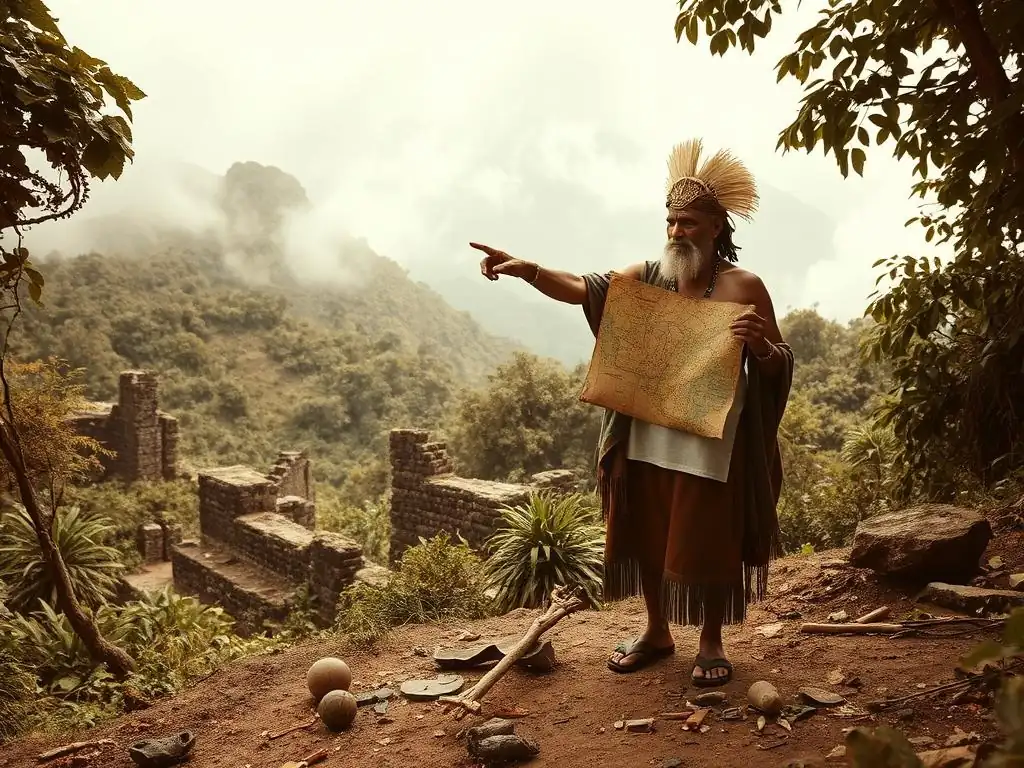
Indigenous knowledge plays a crucial role in modern archaeology, offering insights and perspectives that enhance the understanding of ancient indigenous societies. This knowledge system, built upon generations of lived experiences and interactions with the land, allows archaeologists to interpret findings with greater cultural sensitivity and depth. Indigenous narratives can guide excavation efforts, pinpointing significant sites that might otherwise be overlooked. Moreover, such knowledge fosters a holistic approach to archaeology, encouraging the integration of environmental, spiritual, and historical contexts that are often absent in conventional methodologies.
One of the most significant contributions of indigenous knowledge is its ability to provide context to the artifacts found during excavations. For instance, local community members often share stories and traditions that illuminate the cultural significance of specific sites or items, leading to more informed and respectful interpretations. By acknowledging and valuing these contributions, modern archaeology can bridge the gap between past and present, creating a more inclusive narrative of indigenous history.
How Traditional Knowledge Contributes to Excavation Practices
Traditional knowledge not only enhances archaeological interpretations but also informs excavation practices. Indigenous communities possess a deep understanding of their ancestral lands, including the locations of sacred sites, burial grounds, and historical landmarks. This knowledge is invaluable for archaeologists, who can use it to design excavation strategies that respect cultural sensitivities and avoid potential desecration of important sites.
For example, in various regions of North America, traditional ecological knowledge (TEK) has been employed in archaeological projects to ensure that excavation methods align with environmental preservation practices. This leads to more sustainable methodologies that minimize damage to the ecosystem while uncovering historical artifacts. Additionally, knowledge about seasonal patterns and land use can guide archaeologists in determining the most fruitful times and methods for excavation, optimizing the chances of significant discoveries.
Collaborations Between Archaeologists and Indigenous Communities
Collaborative efforts between archaeologists and indigenous communities are increasingly recognized as essential for successful excavations. These partnerships facilitate a shared understanding of the research objectives and the cultural significance of the sites in question. By involving indigenous voices in the planning and execution of archaeological projects, researchers can ensure that the work is carried out in a manner that honors the heritage and perspectives of the communities involved.
One notable example is the collaboration between archaeologists and the Maori of New Zealand, where both parties work together to excavate and preserve ancient sites. This partnership emphasizes mutual respect and understanding, resulting in a more comprehensive exploration of indigenous histories and a commitment to ethical excavation practices. Such collaborations not only enrich the archaeological findings but also empower indigenous communities, allowing them to reclaim their narratives and safeguard their cultural inheritance.
Challenges and Ethical Considerations in Excavation
While the integration of indigenous knowledge into archaeological practices offers many benefits, it also presents several challenges and ethical considerations. Navigating the complexities of cultural sensitivity, ownership, and the potential for exploitation requires careful attention and a commitment to ethical standards.
Preserving Cultural Heritage during Excavations
Preserving cultural heritage during excavations is a paramount concern for both archaeologists and indigenous communities. Excavation activities can inadvertently lead to the destruction of sacred sites, loss of artifacts, and erosion of cultural landscapes. As such, archaeologists must prioritize the preservation of these elements while conducting their research.
Implementing best practices, such as conducting thorough site assessments and engaging in dialogue with indigenous communities, can help mitigate these risks. Moreover, archaeologists are increasingly adopting non-invasive methods, such as ground-penetrating radar and aerial surveys, which allow for the exploration of sites without disturbing them physically. By prioritizing the preservation of cultural heritage, archaeologists can ensure that their work contributes positively to the understanding and respect of indigenous histories.
The Debate over Ownership of Artifacts
The question of artifact ownership remains a contentious issue within the field of archaeology. As excavations uncover significant indigenous artifacts, debates arise regarding who has the right to claim these items—archaeologists, museums, or the indigenous communities themselves. This debate often reflects broader discussions about colonialism, cultural heritage, and the rights of indigenous peoples.
Many communities advocate for the return of artifacts to their places of origin, arguing that these items hold cultural significance and should be preserved within their cultural context. This perspective challenges traditional views of artifact ownership, emphasizing the importance of ethical considerations in the treatment of indigenous heritage. Archaeologists must navigate these complex discussions, striving to respect the wishes and rights of indigenous communities while contributing to the broader understanding of ancient societies. In doing so, they can foster a more equitable approach to archaeology that honors the cultural legacies of the Americas' indigenous populations.
Conclusion: The Lasting Impact of Excavations on Understanding Indigenous Societies
The exploration of ancient indigenous societies through recent excavations has significantly enhanced our understanding of their complex cultures, social structures, and contributions to human history. These archaeological endeavors have not only revealed impressive urban designs, monumental architecture, and intricate artifacts but have also illuminated the sophisticated knowledge systems that these civilizations developed over millennia. The insights gained from these excavations challenge long-standing misconceptions and stereotypes about indigenous peoples, showcasing their innovations in agriculture, engineering, and governance.
Furthermore, the ongoing discoveries are crucial for preserving the cultural heritage of these societies. By documenting and analyzing the findings, researchers can contribute to a more nuanced narrative of history that respects and acknowledges the achievements of indigenous civilizations. The impact of these excavations extends beyond academia; they foster a greater appreciation and respect for the rich tapestry of indigenous cultures that have persisted despite the challenges posed by colonization and globalization.
The Importance of Continued Research in Revealing Secrets
Continued research is essential for further uncovering the secrets of ancient indigenous societies. Each excavation site holds the potential for new discoveries that can reshape our understanding of these cultures. For instance, recent excavations in the Amazon rainforest have revealed vast networks of earthworks and settlements that challenge the notion that pre-Columbian societies were purely nomadic. These findings emphasize the need for sustained archaeological efforts that employ advanced technologies, such as remote sensing and geospatial analysis, to uncover hidden sites and artifacts.
Moreover, interdisciplinary collaboration is vital for comprehensive research. By integrating knowledge from anthropology, history, ecology, and other fields, researchers can develop a holistic view of indigenous societies. This collaborative approach enables a deeper understanding of how these cultures adapted to their environments and interacted with one another, allowing for a more thorough exploration of their social dynamics, trade networks, and cultural exchanges.
Future Directions for Archaeological Discoveries in Indigenous Studies
The future of archaeological discoveries in indigenous studies is promising, with several key directions anticipated to shape the field. Firstly, the application of cutting-edge technologies, such as artificial intelligence and 3D modeling, will revolutionize how researchers analyze artifacts and reconstruct ancient sites. These innovations will not only enhance the accuracy of findings but also make the data more accessible to a broader audience, including indigenous communities and the general public.
Secondly, there is a growing emphasis on ethical practices in archaeology, particularly regarding the involvement of indigenous peoples in research projects. Collaborating with local communities ensures that excavations respect cultural sensitivities and prioritize the voices of those whose ancestors lived in these ancient societies. This approach fosters a reciprocal relationship where both researchers and indigenous communities can learn from each other, enriching the knowledge base surrounding indigenous histories.
Lastly, the increasing focus on climate change and its impact on archaeological sites will play a crucial role in future research. Understanding how ancient societies adapted to environmental shifts can provide valuable lessons for contemporary challenges. By studying resilience strategies employed by indigenous cultures, modern societies can gain insights into sustainable practices that could be applied today.
The continued exploration of the secrets of ancient indigenous societies promises to offer transformative insights that celebrate the rich history and cultural heritage of the Americas.
- Introduction to Ancient Indigenous Societies
- The Significance of Recent Excavations
- Major Excavation Sites Unveiling Secrets
- Secrets of Ancient Indigenous Societies Revealed
- The Role of Indigenous Knowledge in Modern Archaeology
- Challenges and Ethical Considerations in Excavation
- Conclusion: The Lasting Impact of Excavations on Understanding Indigenous Societies
- What are the secrets of ancient indigenous societies revealed by recent excavations?
- How do these findings impact our understanding of indigenous cultures?
- What kinds of achievements are highlighted in the article?
- Why is it important to explore the diverse indigenous cultures of the Americas?
- How can I learn more about the rich history of indigenous civilizations?
Frequently Asked Questions
What are the secrets of ancient indigenous societies revealed by recent excavations?
Recent excavations have uncovered advanced architectural techniques, agricultural practices, and social structures that highlight the ingenuity and complexity of ancient indigenous societies.
How do these findings impact our understanding of indigenous cultures?
These discoveries challenge the simplistic narratives often associated with indigenous cultures, showcasing their diversity and rich history before European colonization.
What kinds of achievements are highlighted in the article?
The article details significant achievements in areas such as art, engineering, and community organization, reflecting the sophisticated nature of these civilizations.
Why is it important to explore the diverse indigenous cultures of the Americas?
Exploring these cultures is crucial for understanding their lasting impact on contemporary society and recognizing their contributions to global heritage.
How can I learn more about the rich history of indigenous civilizations?
The website provides extensive resources, including articles, interactive maps, and archaeological findings, to deepen your knowledge of these ancient societies.
Final Reflection: Unveiling the Secrets of Ancient Indigenous Societies
The exploration of ancient indigenous societies is not merely a journey into the past; it is a vital key to understanding our present and shaping our future. As recent excavations reveal the intricate tapestry of these lost cities, we are reminded of the rich cultural heritage and wisdom that has often been overlooked or forgotten. The secrets of ancient indigenous societies are not just relics of history; they are lessons that resonate deeply in today's world, urging us to reconnect with our roots and acknowledge the profound knowledge these cultures hold.
The impact of uncovering these secrets extends far beyond archaeology; it influences our cultural and social landscape, fostering a greater appreciation for diversity and resilience. The stories of these societies challenge us to rethink our narratives and recognize the interconnectedness of humanity. As we learn from their sustainable practices and community-oriented values, we are inspired to cultivate a more harmonious relationship with our environment and each other. The past is not dead; it is not even past.
– William Faulkner. This quote encapsulates the enduring relevance of ancient wisdom in our contemporary lives, reminding us that the echoes of the past can guide us toward a more enlightened future.
As you reflect on the revelations from these excavations, I invite you to consider how the secrets of ancient indigenous societies can inform your own life. What lessons can you draw from their resilience, ingenuity, and connection to the land? Embrace the opportunity to honor these cultures by integrating their wisdom into your daily practices, advocating for their recognition, and fostering a deeper understanding of our shared human experience. Let us carry forward the legacy of these ancient societies, ensuring that their stories and teachings continue to inspire generations to come.
Unveil the Wonders of Ancient Civilizations!
Thank you for delving into the fascinating world of ancient indigenous societies. We hope you uncovered valuable insights into their remarkable achievements and enduring legacies. Now, it's time to take action and deepen your connection with these incredible cultures!
Here are a few ways you can engage further:
- Join our community: Sign up for our newsletter to receive updates on the latest discoveries, stories, and events related to indigenous civilizations.
- Explore further: Dive deeper into the topic by visiting our extensive resources and exploring related articles available on our website!
- Share the knowledge: Discuss what you've learned with friends and family or on social media—everyone can benefit from the rich history of these remarkable cultures.
What aspect of indigenous civilizations intrigues you the most, and how do you plan to explore it further? Your insights could spark a vibrant conversation!