
Understanding the Symbols: Decoding the Language of Indigenous Art Online

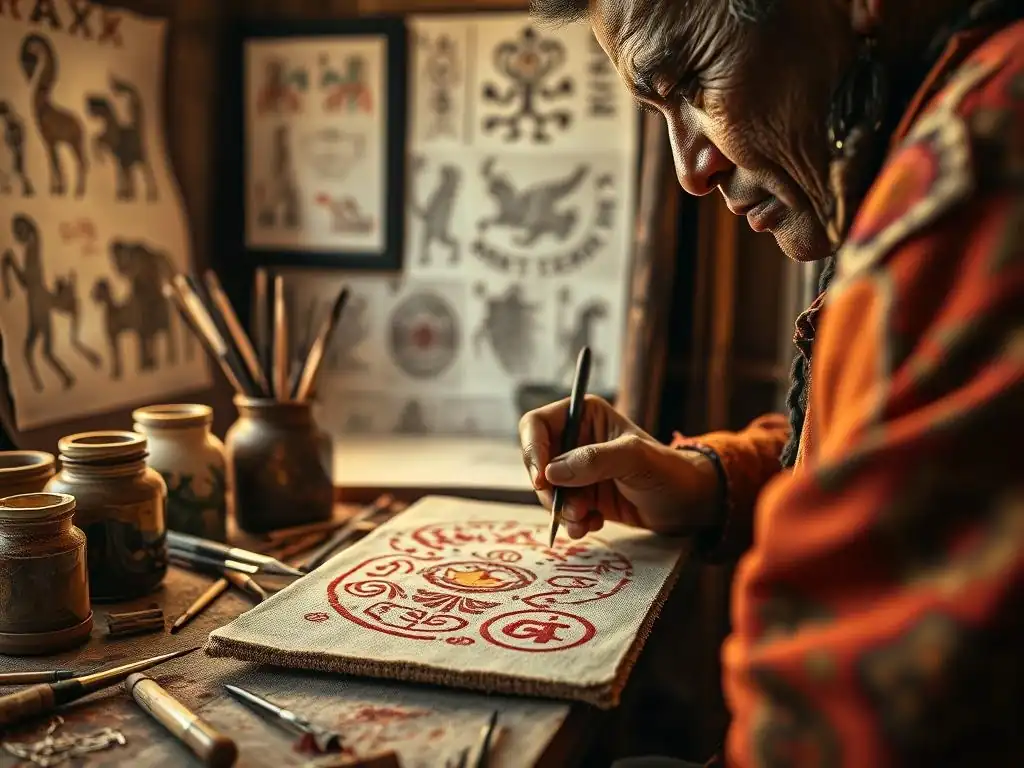
Welcome to Indigenous Civilizations of the Americas, where we invite you to embark on a captivating journey through the rich tapestry of pre-colonial cultures. Here, you'll delve into the intricate world of indigenous art symbols and their meanings, uncovering the profound stories and wisdom woven into each design.
As you explore our featured article, "Understanding the Symbols: Decoding the Language of Indigenous Art Online," prepare to be amazed by the artistry that not only reflects the identity of these vibrant societies but also influences contemporary expressions today. Let the allure of these ancient symbols spark your curiosity and guide you deeper into the legacy of indigenous craftsmanship!
-
Understanding Indigenous Art Symbols Meaning: A Deep Dive into Cultural Expression
- The Importance of Indigenous Art in Cultural Preservation
- Exploring Indigenous Art Symbols: An Overview
- Decoding Indigenous Art Symbols Meaning
- How to Find Authentic Indigenous Art Online
- Recommended Platforms for Purchasing Indigenous Art
- The Role of Indigenous Art Symbols in Modern Interpretations
- Supporting Indigenous Communities through Art
- Conclusion: The Lasting Impact of Indigenous Art Symbols Meaning
-
Frequently Asked Questions
- What is the significance of indigenous art symbols?
- How can I learn more about the meanings of indigenous symbols?
- Do all indigenous cultures use symbols in their art?
- Why is it important to understand the meaning of indigenous art symbols?
- Where can I find examples of indigenous art symbols and their meanings?
- Final Reflection: Embracing the Language of Indigenous Art Symbols
- Unveil the Riches of Indigenous Art!
Understanding Indigenous Art Symbols Meaning: A Deep Dive into Cultural Expression
Indigenous art serves as a vital expression of the rich and diverse cultures that flourished across the Americas long before European contact. Each piece of art is more than just aesthetic beauty; it encapsulates deep-rooted traditions, beliefs, and histories that have been passed down through generations. By understanding indigenous art symbols meaning, we can unlock the stories and cultural significance embedded within these artworks.
This exploration not only enriches our appreciation of indigenous craftsmanship but also fosters a greater respect for the diverse narratives that shape the indigenous experience. In this article, we will delve into the importance of indigenous art in cultural preservation, provide an overview of various symbols, and decode their meanings to illuminate the profound messages conveyed through indigenous artistic expressions.
The Importance of Indigenous Art in Cultural Preservation
Indigenous art is a cornerstone of cultural identity, serving as a repository of knowledge, beliefs, and traditions. It plays a crucial role in:
- Cultural Continuity: Artworks often reflect the customs and practices that are integral to indigenous communities. By passing on these traditions through art, communities maintain a connection to their ancestors and cultural heritage.
- Storytelling: Many indigenous artists use symbols and motifs to tell stories that are central to their cultural narratives. These stories often address themes such as creation, nature, and spirituality, serving as a means of education for younger generations.
- Resistance and Resilience: In the face of colonization and cultural assimilation, indigenous art has emerged as a form of resistance. Artists utilize their work to assert their identity and challenge stereotypes, thereby fostering a sense of pride and resilience within their communities.
Exploring Indigenous Art Symbols: An Overview
Indigenous art is rich with symbols, each carrying its unique significance. Here are a few common symbols found across various cultures:
- Spirals: Often representing the cycle of life, growth, and change. Spirals can be found in pottery, textiles, and carvings.
- Animals: Different animals symbolize various traits and teachings. For example, the eagle might represent strength and freedom, while the bear can symbolize courage and introspection.
- Nature Elements: Symbols like mountains, rivers, and plants often signify important relationships with the environment, reflecting the interconnectedness of all living beings.
- Geometric Patterns: These may convey complex ideas about balance, harmony, and the universe, often used in textiles and pottery designs.
Understanding these symbols requires a contextual approach, as meanings can vary significantly between different indigenous cultures.
Decoding Indigenous Art Symbols Meaning
To decode the meaning of indigenous art symbols, one must consider the following:
- Cultural Context: Researching the specific tribe or community can provide insights into the significance of particular symbols and motifs.
- Symbol Variations: Recognize that symbols may have multiple interpretations or variations depending on the medium (e.g., painting, sculpture, textiles).
- Storytelling Elements: Many artworks incorporate narrative elements; understanding the story behind an artwork can help clarify its symbolic meanings.
- Artist's Intent: Engaging with the artist’s background and intentions can enhance the understanding of the symbols utilized in their work.
By delving into the meanings behind indigenous art symbols, we can appreciate the depth and richness of these cultural expressions, fostering a connection to the histories and identities they represent.
How to Find Authentic Indigenous Art Online
Finding authentic indigenous art online requires a mindful approach to ensure that the artworks you purchase are both culturally significant and ethically sourced. Here are some key strategies to consider:
- Research the Artists and Communities: Start by investigating the backgrounds of the artists and the indigenous communities they represent. Understanding their stories and traditions can provide valuable context to the artworks. Look for artists who are recognized as members of their indigenous communities.
- Utilize Reputable Online Galleries: Seek out online galleries that specialize in indigenous art. These platforms often provide detailed descriptions of the pieces, including information about the artist, the cultural significance of the work, and the materials used.
- Look for Certification or Provenance: Authentic pieces may come with documentation that certifies their origin. This can include certificates of authenticity, provenance papers, or even artist signatures. Ensure that the gallery or seller provides this information.
- Engage with Indigenous Art Organizations: Many indigenous art organizations and nonprofits promote the work of indigenous artists. Visiting their websites can lead you to authentic art and provide insights into the artists' practices and cultural heritage.
- Connect with Indigenous Communities: If possible, try to engage directly with indigenous communities or artists. Many artists share their work through social media or personal websites. Direct communication can offer a deeper understanding of the art and its meaning.
Recommended Platforms for Purchasing Indigenous Art
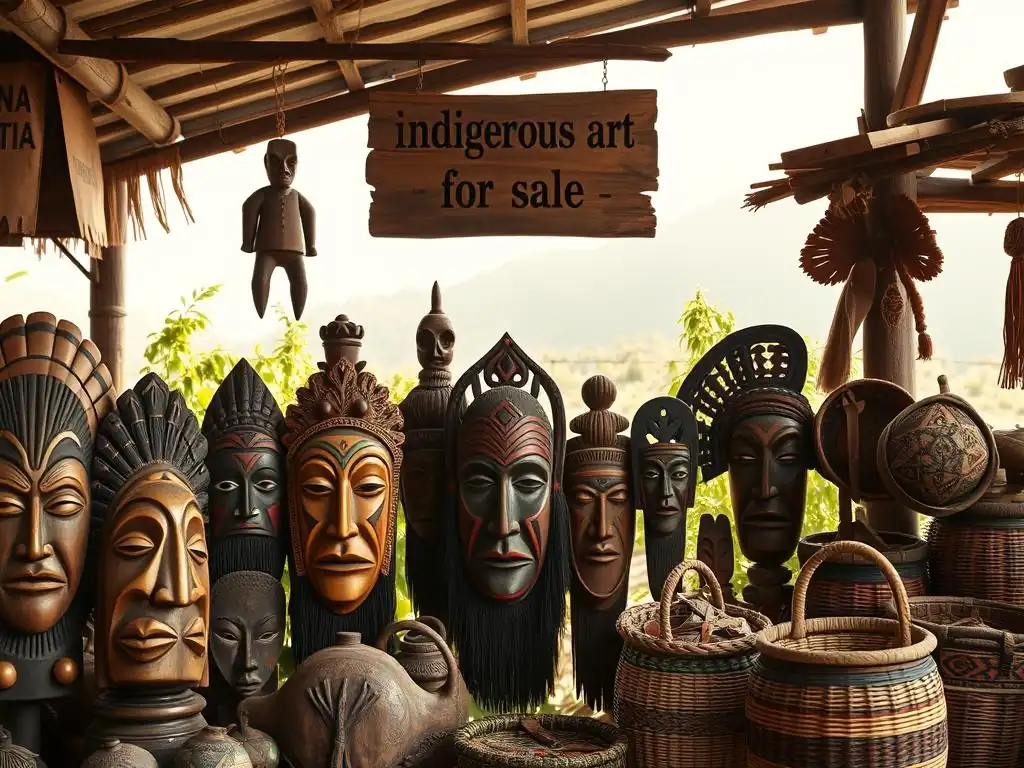
When looking to purchase indigenous art online, there are several reputable platforms that specialize in authentic works. Here are some recommended options:
| Platform Name | Description |
|---|---|
| Indian Art Foundry | This platform focuses on Native American art and crafts, providing a variety of authentic pieces sourced directly from artists. |
| Native Art Market | An online marketplace that supports indigenous artists by offering a space to showcase and sell their artwork and crafts. |
| Gallery of the Plains Indian Art | A gallery that features artworks from various Plains Indian tribes, with an emphasis on authenticity and cultural significance. |
| Indigenous Peoples Art Gallery | This gallery promotes art from various indigenous communities across the Americas, emphasizing ethical sourcing and representation. |
| Aboriginal Art Online | A platform dedicated to Australian Indigenous art, offering a wide range of authentic pieces and information about the artists. |
These platforms not only offer a variety of artworks but also often provide educational resources about the cultural significance of the pieces, enhancing your understanding of indigenous art symbols.
The Role of Indigenous Art Symbols in Modern Interpretations
Indigenous art symbols are not merely decorative; they convey deep meanings and narratives within the cultural contexts from which they originate. In modern interpretations, these symbols continue to evolve while maintaining their significance. Here are some key aspects of their role:
- Cultural Resilience: Indigenous artists often use traditional symbols to express resilience and continuity of their cultures in the face of ongoing challenges. By incorporating these symbols in contemporary works, artists reaffirm their heritage and identity.
- Cross-Cultural Dialogues: As indigenous art gains visibility in the mainstream art world, symbols are often reinterpreted through various cultural lenses. This can lead to dialogues between indigenous artists and non-indigenous audiences, fostering greater understanding and appreciation of their meanings.
- Social and Political Commentary: Many contemporary indigenous artworks utilize traditional symbols to address current social and political issues. This can include themes of land rights, environmental stewardship, and the impacts of colonization, making the art a powerful vehicle for advocacy.
- Innovation and Adaptation: Modern indigenous artists frequently blend traditional symbols with contemporary techniques and materials, creating hybrid forms of expression. This innovation allows for the preservation of cultural narratives while also appealing to new audiences.
Indigenous art symbols play a critical role in both preserving cultural heritage and engaging with contemporary issues, making them relevant in today's artistic landscape. Understanding their meanings enhances appreciation for the depth and richness of indigenous cultures.
Supporting Indigenous Communities through Art
Indigenous art plays a crucial role in supporting and uplifting Indigenous communities across the Americas. By engaging with these artistic expressions, individuals can contribute to the preservation of cultural heritage and foster economic development within these communities. Here are several ways in which art supports Indigenous communities:
- Economic Empowerment:
- Many Indigenous artists rely on the sale of their artwork as a primary source of income. By purchasing authentic Indigenous art, consumers can directly support artists and their families, helping to sustain livelihoods. This economic empowerment is vital in areas where employment opportunities may be limited.
- Cultural Preservation:
- Indigenous art is not just a form of expression; it is a repository of cultural knowledge and traditions. By creating and sharing their art, Indigenous artists help preserve their languages, stories, and customs. This contributes to a broader understanding and appreciation of their unique cultural identities.
- Community Development:
- Art initiatives often lead to community projects that promote collaboration among artists and non-artists alike. These projects can include workshops, exhibitions, and public art installations that bring people together, fostering a sense of community and shared purpose.
- Education and Awareness:
- Art serves as a powerful educational tool to raise awareness about Indigenous issues, histories, and perspectives. Through their artwork, Indigenous artists can engage audiences in dialogue about contemporary challenges facing their communities, such as land rights, cultural appropriation, and environmental sustainability.
- Cultural Exchange:
- Supporting Indigenous art can also lead to meaningful cultural exchanges. When people engage with Indigenous art, they gain insights into the values and worldviews of these communities. This exchange fosters mutual respect and understanding, bridging gaps between cultures.
By investing in Indigenous art, individuals can play a part in a larger movement that honors and uplifts Indigenous cultures while helping to ensure their survival and thriving in the modern world.
Conclusion: The Lasting Impact of Indigenous Art Symbols Meaning
The exploration of Indigenous art symbols meaning reveals a rich tapestry of cultural expression that goes beyond mere aesthetics. These symbols serve as a vital link to the past, representing the values, beliefs, and histories of Indigenous peoples. Understanding their meanings is essential for appreciating the depth of significance embedded within each piece of art.
As we decode these symbols, we also recognize the ongoing influence of Indigenous art in contemporary society. The resurgence of interest in Indigenous art can be seen as part of a broader movement towards reconciliation and decolonization, where Indigenous voices and perspectives are increasingly valued.
Moreover, the impact of Indigenous art extends into various domains, including education, cultural awareness, and social justice. By engaging with these artworks, individuals not only learn about the diverse cultures of the Americas but also contribute to a more equitable representation of Indigenous narratives in the global context.
The meaning behind Indigenous art symbols is a testament to the resilience and creativity of Indigenous communities. By supporting these artistic expressions, we honor their legacy and help pave the way for future generations to continue sharing their stories through art. Embracing and understanding the meanings behind these symbols allows us to foster a deeper appreciation for the rich cultural heritage of Indigenous peoples, ultimately contributing to a more inclusive and respectful society.
Frequently Asked Questions
What is the significance of indigenous art symbols?
Indigenous art symbols often carry deep cultural meanings and stories, representing everything from spiritual beliefs to historical narratives within various societies.
How can I learn more about the meanings of indigenous symbols?
The website offers a comprehensive exploration of indigenous cultures, providing insights into the symbolism and interpretations of various art forms prevalent across different tribes.
Do all indigenous cultures use symbols in their art?
Yes, most indigenous cultures utilize symbols in their art, but the meanings and styles can vary widely, reflecting each society's unique history and values.
Why is it important to understand the meaning of indigenous art symbols?
Understanding these symbols helps in appreciating the cultural heritage and expressive power of indigenous peoples, fostering a greater respect for their traditions and contributions to society.
Where can I find examples of indigenous art symbols and their meanings?
You can explore various sections of our website dedicated to indigenous art, featuring visuals and explanations of symbols used by different cultures across the Americas.
Final Reflection: Embracing the Language of Indigenous Art Symbols
In an age where cultural appreciation and understanding are more crucial than ever, the significance of indigenous art symbols transcends mere aesthetics. These symbols serve as a powerful conduit for storytelling, history, and identity, connecting us to the rich tapestry of indigenous cultures. As we navigate a world increasingly defined by globalization, recognizing and respecting the meanings behind these symbols is essential for fostering genuine cross-cultural dialogue and understanding.
The impact of indigenous art symbols is profound, influencing not only the art world but also our collective consciousness. These symbols resonate deeply within our social fabric, reminding us of the stories and wisdom embedded in each stroke and line. The ongoing revival and recognition of indigenous art highlight a broader movement towards cultural reclamation and respect. As artist and activist Rebecca Belmore once said, Art is a way of knowing, a way of understanding the world.
This sentiment underscores the importance of engaging with indigenous art not just as spectators, but as active participants in the dialogue it inspires.
As we conclude this exploration of indigenous art symbols, I invite you to reflect on your own relationship with art and culture. Consider how you can engage with and honor the meanings behind these symbols in your daily life.
Whether through supporting indigenous artists, educating yourself about their histories, or simply appreciating the depth of their work, every action contributes to a more inclusive and respectful understanding of the world around us. Let us embrace the language of indigenous art, allowing it to enrich our lives and foster a deeper connection to the diverse cultures that shape our shared humanity.
Unveil the Riches of Indigenous Art!
Thank you for diving into the world of Indigenous art and its beautiful symbols! You've gained invaluable insights into the stories and meanings embedded within these artistic expressions. Now, let's take the knowledge you've acquired to the next level – it's time to take action!
- Explore further: Visit local art galleries or online exhibits to experience Indigenous art firsthand and deepen your understanding of its cultural significance.
- Share your learnings: Engage in conversations with friends or post on social media to raise awareness and appreciation for Indigenous cultures.
- Join a community: Connect with online forums or local groups dedicated to Indigenous art and culture – you'll discover a wealth of resources and opportunities to expand your knowledge.
What symbol or story from Indigenous art resonated with you the most, and how will you integrate that understanding into your daily life moving forward?