
Discovering the Artistry: How Supporting Indigenous Artisan Communities Enriches Cultural Heritage

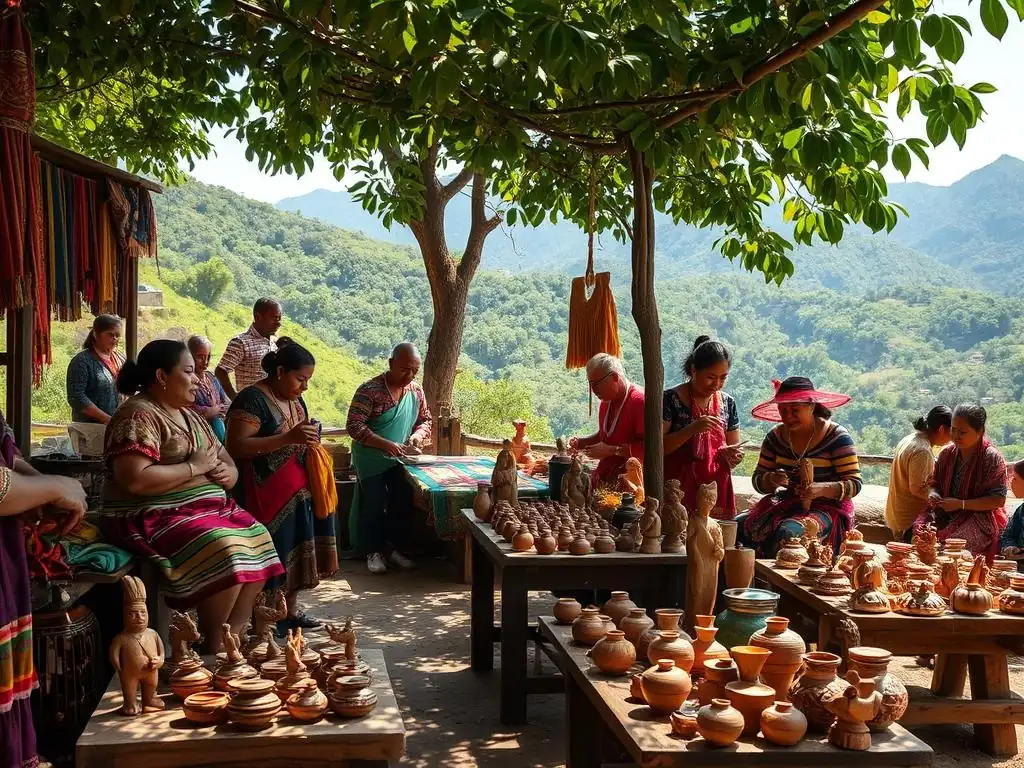
Welcome to Indigenous Civilizations of the Americas, where we invite you to embark on a journey through the rich tapestry of indigenous cultures that flourished across the Americas long before European contact. Our featured article, " Discovering the Artistry: How Supporting Indigenous Artisan Communities Enriches Cultural Heritage," delves into the profound impact of art and craftsmanship on these vibrant communities.
As you explore the intricate relationships between creativity and cultural legacy, prepare to uncover how supporting these artisans not only sustains traditional practices but also revitalizes a shared heritage for future generations. Join us as we celebrate the artistry that continues to resonate through time and inspires us all.
Introduction to Supporting Indigenous Artisan Communities
The rich tapestry of indigenous cultures across the Americas is woven with the threads of creativity, craftsmanship, and deep-rooted traditions. Supporting indigenous artisan communities is not merely an act of economic aid; it is an essential step towards preserving and revitalizing the cultural heritage that has shaped these societies for centuries.
By investing in these artisans, we not only empower individuals but also promote the continuation of unique art forms that encapsulate the history, beliefs, and identities of indigenous peoples. This article delves into how supporting these communities enhances cultural heritage, ensuring that their stories and artistic expressions endure for generations to come.
The Significance of Cultural Heritage in Indigenous Communities
Cultural heritage holds profound importance for indigenous communities, serving as a vital link to their ancestors and traditions. It encompasses a wide range of elements, including:
- Artistic Expression: From intricate pottery and textiles to vibrant paintings and carvings, indigenous art reflects the worldview and spiritual beliefs of the community.
- Traditional Knowledge: Skills passed down through generations, such as weaving techniques, storytelling, and farming practices, are crucial to maintaining cultural identity.
- Language and Oral Traditions: Many indigenous cultures rely on oral histories, which preserve their narratives, teachings, and values, fostering a strong sense of belonging.
The preservation of these elements is crucial, particularly in the face of globalization and cultural homogenization, which threaten to dilute unique identities. Supporting indigenous artisans not only aids in the economic sustainability of these communities but also encourages the revitalization of traditional practices, ensuring that they remain vibrant and relevant in today’s society.
Through collaborative efforts and fair trade practices, we can contribute to a flourishing of indigenous art forms that tell powerful stories, celebrate rich histories, and emphasize the enduring legacy of these remarkable cultures.
Benefits of Supporting Indigenous Artisan Communities
Supporting indigenous artisan communities provides a multitude of benefits that extend beyond mere economic transactions. It plays a crucial role in empowering these communities, preserving their cultural heritage, and fostering resilience. The artistry and craftsmanship of indigenous peoples are not only expressions of their identity but also vital parts of their history and tradition. By engaging with these communities, we can help ensure that their unique skills and knowledge are passed on to future generations while also enriching our own cultural tapestry.
Economic Empowerment through Artisan Work
Economic empowerment is a fundamental advantage of supporting indigenous artisan communities. Artisan work enables individuals within these communities to generate income, providing them with financial independence and stability. This economic upliftment can lead to improved living conditions, access to education, and healthcare services.
- Job Creation: Supporting artisan markets creates jobs not only for the artisans themselves but also for those involved in the supply chain, including transporters, marketers, and sales personnel.
- Sustainable Income: Artisan crafts often provide a consistent source of income, especially in regions where traditional wage labor is scarce.
- Community Investment: When artisans earn a fair income, they are more likely to reinvest in their communities, fostering overall economic growth and development.
Preservation of Traditional Skills and Techniques
By supporting indigenous artisans, we contribute significantly to the preservation of traditional skills and techniques that have been passed down through generations.
- Cultural Significance: Many of these art forms embody deep cultural narratives and spiritual beliefs, reflecting the unique worldviews of their creators.
- Skill Transmission: Encouraging the production and sale of indigenous crafts allows for the mentorship of younger generations, ensuring that vital skills are not lost over time.
- Cultural Pride: As communities engage with their heritage through artistry, there is a resurgence of pride in their identity, contributing to cultural revitalization.
Enhancing Community Resilience and Sustainability
Supporting indigenous artisan communities fosters resilience and sustainability, both economically and culturally.
- Diversification of Income: Artisan work allows communities to diversify their income sources, reducing dependence on any single economic activity, which is particularly important in regions vulnerable to environmental changes.
- Environmental Stewardship: Many indigenous artisans use sustainable practices and materials, reflecting a deep respect for the environment. Supporting them can promote ecological sustainability within their practices.
- Strengthening Social Ties: Artisan work often involves collaboration and communal efforts, reinforcing social networks and enhancing community cohesion, which is essential for resilience in the face of challenges.
Ways to Support Indigenous Artisan Communities
There are numerous ways individuals and organizations can actively support indigenous artisan communities, each contributing to the sustainability and vitality of their cultural heritage.
Purchasing Fair Trade and Authentic Indigenous Art
One of the most direct ways to support indigenous artisans is through the purchase of fair trade and authentic art.
- Fair Prices: Ensure that artisans receive a fair price for their work, which recognizes their labor and the cultural significance of their art.
- Authenticity: Seek out genuine indigenous crafts to support the artisans directly rather than purchasing mass-produced imitations.
- Cultural Understanding: Buying from artisans often comes with opportunities to learn about the stories and meanings behind the artwork, deepening appreciation and understanding of their culture.
Collaborating with Indigenous Artists and Organizations
Collaboration can take many forms and is a powerful way to support indigenous artisan communities.
- Partnerships: Organizations can partner with indigenous artisans to create projects that highlight their work while providing them with resources and platforms for exposure.
- Capacity Building: Workshops and training programs can empower artisans with skills in business management, marketing, and design, enhancing their ability to thrive in a competitive market.
- Cultural Exchange: Collaborating fosters cultural exchange, allowing for shared learning and mutual respect between indigenous and non-indigenous communities.
Promoting Indigenous Artisans through Social Media and Online Platforms
In today's digital age, social media and online platforms serve as vital tools for promoting indigenous artisans and their work.
- Social Media Campaigns: Utilize platforms like Instagram and Facebook to showcase the work of indigenous artisans, sharing their stories and connecting them with a wider audience.
- E-commerce Platforms: Support and promote online marketplaces that focus on indigenous crafts, providing artisans with access to global customers while retaining control over their work.
- Awareness and Education: Use online platforms to educate others about the significance of indigenous artistry and the importance of supporting these communities, fostering a broader appreciation for their contributions to cultural heritage.
Understanding the Challenges Faced by Indigenous Artisan Communities
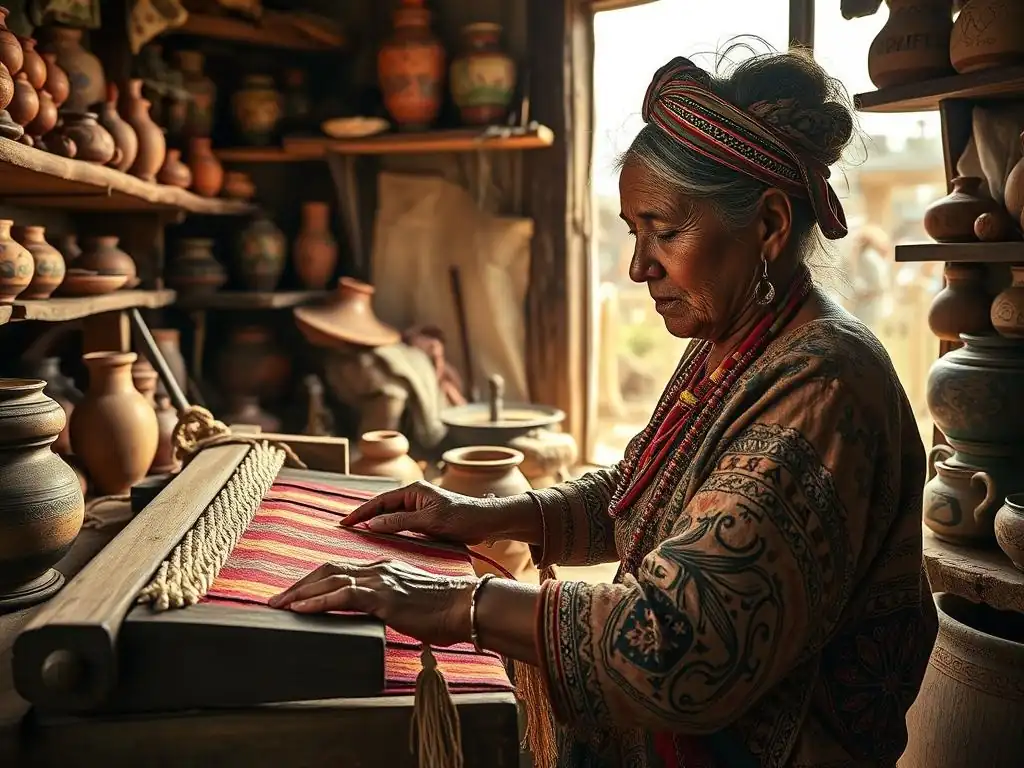
Indigenous artisan communities play a vital role in preserving cultural heritage through their traditional crafts and artistic expressions. However, these communities face numerous challenges that hinder their ability to thrive economically and culturally. Understanding these challenges is crucial for anyone interested in supporting indigenous artisans and ensuring their crafts continue to flourish for future generations.
Economic Challenges and Market Access
One of the most pressing obstacles faced by indigenous artisan communities is economic instability. Many artisans rely on their crafts as a primary source of income, yet they often encounter barriers to market access. These barriers can include:
- Limited Infrastructure: Many indigenous communities are located in remote areas with inadequate transportation and communication infrastructure. This makes it difficult for artisans to reach broader markets and connect with potential buyers.
- Lack of Financial Resources: Access to capital is often restricted for indigenous artisans. Without the necessary funds to purchase materials or invest in marketing, many artisans struggle to produce and sell their work.
- Competition from Mass-Produced Goods: The influx of mass-produced items can overshadow traditional crafts, making it challenging for indigenous artisans to compete. Consumers often gravitate towards cheaper, commercially produced items, which can diminish the perceived value of authentic indigenous crafts.
Efforts to support indigenous artisan communities must address these economic challenges by creating sustainable market access, providing financial resources, and promoting the value of authentic craftsmanship.
Cultural Appropriation vs. Appreciation
Another significant challenge is the fine line between cultural appropriation and cultural appreciation. Cultural appropriation occurs when elements of indigenous culture are used by individuals or organizations without permission, often stripping away their cultural significance and commodifying them for profit. This can lead to:
- Erosion of Cultural Identity: When indigenous art forms are appropriated, it can dilute the cultural identity of the communities from which they originate. This not only affects artisans' livelihoods but can also contribute to a loss of cultural heritage.
- Misrepresentation: Appropriated designs or symbols may be misrepresented, leading to misunderstandings and reinforcing stereotypes about indigenous peoples. This can perpetuate harmful narratives that obscure the rich diversity of indigenous cultures.
In contrast, cultural appreciation involves a respectful acknowledgment and understanding of the significance of indigenous art forms. It emphasizes collaboration, fair compensation, and recognition of the artisans' expertise. Supporting indigenous artisan communities requires fostering an environment where appreciation prevails over appropriation, honoring the cultural narratives and histories embedded in their work.
Conclusion: The Lasting Impact of Supporting Indigenous Artisan Communities
Supporting indigenous artisan communities offers more than just financial benefits; it enriches cultural heritage and promotes sustainability. By investing in these communities, we help preserve traditional crafts that embody the histories, beliefs, and values of indigenous peoples. The positive impact of this support can be seen in various ways:
- Cultural Preservation: By purchasing and promoting indigenous crafts, we contribute to the preservation of unique artistic traditions that might otherwise face extinction.
- Empowerment: Economic support empowers artisans to maintain their cultural practices and pass them down to future generations, fostering a sense of pride and identity within their communities.
- Education and Awareness: Supporting indigenous artisans raises awareness about the complexities of their cultures and the challenges they face. This educational aspect can help foster greater respect and understanding among consumers.
Supporting indigenous artisan communities is not only an act of economic assistance but also a commitment to preserving the rich tapestry of cultural heritage that has shaped the Americas for centuries. By ensuring that these artisans thrive, we honor their legacies and contribute to a more diverse and vibrant global culture.
Further Resources for Supporting Indigenous Artisan Communities
Supporting indigenous artisan communities not only helps preserve cultural heritage but also empowers these communities economically and socially. Here are some valuable resources that provide guidance and avenues for support.
Community Organizations
- Indigenous Arts Collective: This organization works to promote the work of indigenous artisans and connect them with broader markets. They offer workshops and resources for skill development while emphasizing the importance of cultural expression.
- Native American Arts and Crafts Association (NAACA): NAACA focuses on fostering the growth of Native American artisans. They provide educational resources, networking opportunities, and advocacy for indigenous rights within the art market.
- First Peoples Fund: By investing in Native artists and culture bearers, this organization enhances the creative economy of indigenous communities. They offer grants and fellowships to artists, helping to sustain their artistic practices.
Online Marketplaces
- Etsy: A platform where many indigenous artisans sell their crafts. Supporting their shops not only provides financial assistance but also helps raise awareness about their unique cultural stories.
- Shop Indigenous: This online marketplace is dedicated to showcasing indigenous artisans and their creations. By purchasing from this site, consumers can directly contribute to the livelihood of indigenous artists.
- Artful Home: This platform features a selection of handcrafted works by indigenous artisans, offering consumers the chance to purchase unique pieces while supporting cultural heritage.
Educational Resources
- Books and Documentaries: Several books and documentaries highlight the struggles and successes of indigenous artisans. Titles such as "The Art of Native American Flute", and documentaries like "In the Footsteps of the Ancestors" provide insights into the importance of supporting these communities.
- Workshops and Classes: Many organizations offer workshops where participants can learn traditional crafts from indigenous artisans. This hands-on experience not only supports artisans financially but also fosters a deeper understanding of their cultural significance.
Social Media and Online Campaigns
- #SupportIndigenousArtisans: Engaging with this hashtag on social media platforms raises awareness about indigenous crafts and directs attention to artisans in need of support.
- Crowdfunding Platforms: Websites like GoFundMe and Kickstarter often feature campaigns aimed at supporting indigenous artisans. Contributing to these campaigns helps fund projects that celebrate and preserve indigenous artistry.
Conclusion
By utilizing these resources, individuals and organizations can play a crucial role in supporting indigenous artisan communities. Engaging with these resources not only enriches cultural heritage but also ensures that the artistry and traditions of indigenous peoples continue to thrive for generations to come.
- Introduction to Supporting Indigenous Artisan Communities
- The Significance of Cultural Heritage in Indigenous Communities
- Benefits of Supporting Indigenous Artisan Communities
- Ways to Support Indigenous Artisan Communities
- Understanding the Challenges Faced by Indigenous Artisan Communities
- Conclusion: The Lasting Impact of Supporting Indigenous Artisan Communities
- Further Resources for Supporting Indigenous Artisan Communities
- Conclusion
- What is the main focus of the article "Discovering the Artistry: How Supporting Indigenous Artisan Communities Enriches Cultural Heritage"?
- How do indigenous artisans contribute to cultural heritage?
- What are some benefits of supporting indigenous artisan communities?
- How can individuals help support indigenous artisans?
- Why is it important to recognize the impact of indigenous artisans in modern society?
Frequently Asked Questions
What is the main focus of the article "Discovering the Artistry: How Supporting Indigenous Artisan Communities Enriches Cultural Heritage"?
The article primarily explores the significance of supporting indigenous artisan communities and how doing so enhances our understanding of cultural heritage and promotes sustainable practices.
How do indigenous artisans contribute to cultural heritage?
Indigenous artisans play a crucial role in preserving traditional craftsmanship and artistic expressions, which embody the unique histories and values of their communities, enriching the broader cultural landscape.
What are some benefits of supporting indigenous artisan communities?
Supporting these communities leads to economic empowerment, fostering self-sufficiency and ensuring that traditional skills are passed on to future generations, thereby helping to maintain their cultural identity.
How can individuals help support indigenous artisans?
Individuals can support indigenous artisans by purchasing their handcrafted goods, promoting their work through social media, or participating in cultural events that showcase their art and traditions.
Why is it important to recognize the impact of indigenous artisans in modern society?
Recognizing the contributions of indigenous artisans helps to validate their cultural narratives, promotes diversity, and encourages a greater appreciation for the rich tapestry of human creativity and tradition present in our world.
Final Reflection: Embracing the Artistry of Indigenous Cultures
Supporting indigenous artisan communities is not just a matter of cultural preservation; it is a vital pathway to understanding and appreciating the rich tapestry of human creativity. In a world increasingly driven by mass production and homogenization, the unique artistry of indigenous artisans stands as a testament to the resilience and diversity of cultural heritage. By recognizing and uplifting these communities, we not only celebrate their craftsmanship but also ensure that their stories and traditions continue to thrive in the modern age.
The influence of indigenous artistry extends far beyond the realms of craft and commerce; it shapes our cultural landscape and enriches our collective identity. As we engage with these artisans and their work, we foster a deeper connection to the histories and narratives that define us. This ongoing dialogue between cultures is essential for mutual respect and understanding. Art is the most beautiful of all lies.
– Claude Debussy. This quote reminds us that while art may be a representation, it is also a bridge that connects us to the truths of different cultures and experiences.
As we reflect on the importance of supporting indigenous artisan communities, I invite you to consider how you can contribute to this vital cause. Take a moment to explore the artistry around you, seek out indigenous crafts, and support the artisans behind them. By doing so, you not only enrich your own life with unique cultural experiences but also play a part in preserving the invaluable heritage that these communities offer. Let us embrace the artistry of indigenous cultures and commit to fostering a future where their voices and talents are celebrated and sustained.
Support Indigenous Artisans and Celebrate Cultural Heritage!
Thank you for exploring the vital role that supporting Indigenous artisan communities plays in enriching our shared cultural heritage. Your engagement in this topic not only raises awareness but also helps to preserve and celebrate the unique artistry of Indigenous cultures. Now, it’s time to take meaningful action!
- Purchase artisan-made products directly from Indigenous artists to support their livelihoods and to own a piece of living culture.
- Explore local art markets and online platforms that showcase Indigenous craftsmanship to discover unique creations and the stories behind them.
- Share your newfound knowledge and favorite artisans with friends and family to foster a greater appreciation and understanding of Indigenous artistry.
What new skill or tradition are you inspired to learn from Indigenous cultures today? We invite you to share your thoughts in the comments below!