
The Legacy of the Stars: How Indigenous Astronomical Alignments Still Influence Modern Architecture

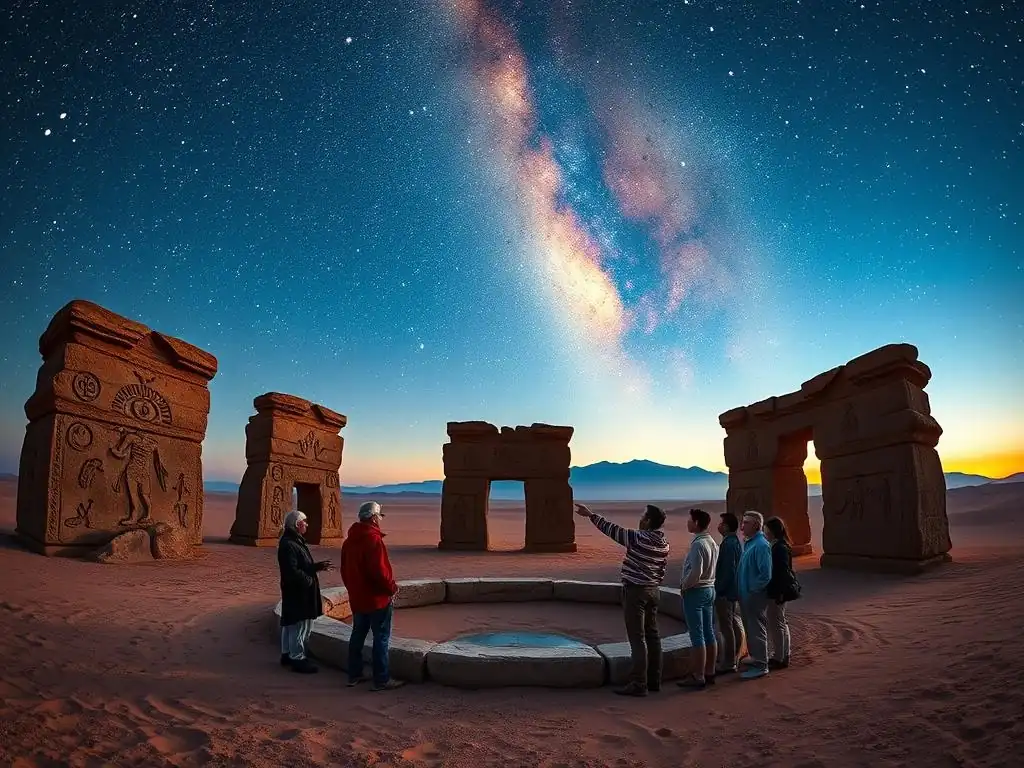
Welcome to Indigenous Civilizations of the Americas, where we journey through the rich tapestry of the diverse cultures that flourished long before European contact. In our featured article, “The Legacy of the Stars: How Indigenous Astronomical Alignments Still Influence Modern Architecture,” we delve into the fascinating ways in which ancient astronomical insights continue to shape contemporary design. Discover how the cosmos guided the achievements of indigenous peoples and explore their profound legacy that resonates even today. Prepare to be captivated by the connections between the stars and the structures that define our world!
Introduction
The intricate relationship between indigenous cultures and the cosmos is a fascinating aspect of the rich tapestry that comprises the history of the Americas. Long before European colonization, various indigenous civilizations developed profound astronomical knowledge, which they skillfully integrated into their architectural designs.
This article delves into the influence of indigenous astronomical alignments on modern architecture, showcasing how ancient practices continue to resonate in contemporary designs. By exploring the legacy of these celestial systems, we can gain insight into how the stars guided not only the spiritual beliefs of these cultures but also their practical constructions, leaving an enduring mark on today's architectural landscape.
Understanding Indigenous Astronomical Alignments
Indigenous astronomical alignments refer to the intentional orientation of structures—such as temples, homes, and ceremonial sites—based on celestial events. These alignments were often designed to coincide with significant astronomical phenomena, such as solstices, equinoxes, and the positions of celestial bodies, including the sun and moon. For many indigenous cultures, these alignments served not only practical purposes, such as agricultural planning and navigation, but also held deep spiritual significance.
Through careful observation of the night sky, indigenous peoples developed sophisticated systems of knowledge that allowed them to predict seasonal changes and celestial events. This understanding was critical for agricultural societies, as it guided planting and harvesting cycles, ensuring sustenance and survival.
The Importance of Astronomy in Indigenous Cultures
Astronomy played a central role in the social, spiritual, and practical lives of many indigenous groups across the Americas. It was intertwined with their cosmologies, rituals, and social structures.
- Cultural Significance: Celestial bodies were often personified in myths and stories, serving as symbols of creation or guides for moral conduct.
- Ceremonial Practices: Many indigenous cultures held ceremonies aligned with astronomical events, such as solstices, which marked significant changes in the seasons.
- Navigation and Timekeeping: The stars served as navigational aids for travelers and were utilized in calendars that structured daily life.
Understanding these elements is crucial to appreciating how indigenous cultures viewed their environment and their place within it.
Historical Context of Indigenous Astronomical Alignments
Ancient Civilizations and Their Astronomical Knowledge
The architectural marvels of indigenous civilizations, such as the Maya, Inca, and Pueblo peoples, showcase a deep understanding of astronomy that influenced their structures. For instance, the Maya constructed observatories like the Caracol at Chichen Itza, which was meticulously aligned to track celestial events.
| Civilization | Key Structures | Astronomical Significance |
|---|---|---|
| Maya | Caracol | Aligned with solar events |
| Inca | Sacsayhuamán | Built for celestial worship |
| Pueblo Peoples | Chaco Canyon | Alignments with solstices |
This table illustrates how different civilizations utilized astronomical knowledge to enhance their architectural achievements, ensuring that their structures were not only functional but also meaningful.
Key Cultures that Employed Astronomical Alignments
Several key cultures across the Americas exemplified the use of astronomical alignments in their architecture:
- The Maya: Known for their sophisticated calendar systems, they aligned their pyramids and observatories to track celestial movements.
- The Inca: Their structures, such as Machu Picchu, were oriented based on astronomical events, reflecting their deep spiritual connection to the cosmos.
- The Ancestral Puebloans: In regions like Chaco Canyon, buildings were aligned with solar and lunar events, highlighting their relationship with the natural world.
By examining these cultures, we can better understand how their astronomical knowledge was woven into the fabric of their architectural practices, leaving a legacy that continues to influence modern architects today.
Indigenous Astronomical Alignments in Architecture
Indigenous cultures across the Americas demonstrated profound knowledge of celestial movements, which they intricately wove into their architectural designs. This practice was not merely for aesthetic purposes; it served as a way to honor their cosmological beliefs, agricultural cycles, and seasonal changes. Structures such as temples, observatories, and ceremonial sites were often aligned with significant celestial events, showcasing an advanced understanding of astronomy. These alignments were utilized to mark solstices, equinoxes, and other important celestial phenomena, thereby integrating the cosmos into the very fabric of their societies.
The architectural alignments can be seen as a reflection of the indigenous peoples’ connection to the natural world, emphasizing their reliance on agriculture and the changing seasons. For example, many structures were oriented to capture sunlight at specific times of the year, which played a vital role in agricultural practices. This deep-rooted knowledge and reverence for the cosmos influenced not only the physical structures but also the social and spiritual lives of indigenous communities.
Architectural Features Reflecting Celestial Events
Many indigenous architectural features were designed with specific celestial events in mind. For instance, the construction of pyramids, mounds, and temples often included features such as:
- Orientation to Celestial Bodies: Structures were frequently aligned with the rising and setting sun, moon, and stars. This alignment facilitated ceremonies and agricultural activities.
- Light and Shadow Play: The design of certain buildings allowed for light to illuminate specific places at particular times of the year. For example, at Chichen Itza, the El Castillo pyramid features a shadow effect that mimics a serpent slithering down its steps during the equinox.
- Sacred Spaces: Areas within these structures were often designated for rituals linked to astronomical events, reinforcing the connection between the heavens and daily life.
These features underscore the importance of celestial events in organizing social, agricultural, and religious activities, establishing a profound legacy that resonates through time.
Case Studies of Indigenous Structures
Several remarkable structures exemplify the intricate relationship between indigenous architecture and astronomy:
- The Great Pyramids of Giza: Although often associated with Egyptian civilization, similar pyramid structures in the Americas, such as those found in Mesoamerica, were also aligned with celestial bodies. The Pyramid of the Sun at Teotihuacan is a prime example, believed to be oriented towards the sun's position at specific times of the year.
- Machu Picchu: Located in the Andes, this site features numerous alignments with the sun and stars. The Intihuatana stone, often referred to as the "hitching post of the sun," was used for astronomical observations and rituals related to solar events.
- Chaco Canyon: The structures in this region were meticulously aligned with solar and lunar events, indicating the importance of astronomy in the lives of the Ancestral Puebloans. The Sun Dagger rock art site is particularly noteworthy, as it marks the solstices and equinoxes.
These examples illustrate the diverse ways in which indigenous peoples incorporated astronomical alignments into their architectural practices, creating structures that served both practical and spiritual purposes.
The Influence of Indigenous Astronomical Alignments on Modern Architecture
The impact of indigenous astronomical alignments extends beyond historical structures, permeating contemporary architectural practices. Modern architects and designers increasingly recognize the value of these ancient techniques, seeking to create spaces that resonate with both cultural heritage and environmental consciousness.
Reviving Ancient Techniques in Contemporary Design
In recent years, there has been a revival of ancient techniques that emphasize the relationship between architecture and celestial movements. Architects are exploring the integration of indigenous knowledge to enhance sustainability and environmental awareness in their designs. This revival includes:
- Sustainable Orientation: Modern buildings are being designed with orientations that maximize natural light, reduce energy consumption, and benefit from seasonal temperature variations.
- Cultural Sensitivity: Architects are increasingly incorporating indigenous perspectives into their projects, fostering a deeper understanding of local cultures and histories. This practice not only respects the past but also enriches modern architectural narratives.
- Integration of Nature: Many contemporary designs seek to harmonize with the surrounding environment, echoing the indigenous philosophy of living in balance with nature, which often involves celestial considerations.
Examples of Modern Architecture Reflecting Indigenous Influence
Several modern architectural projects exemplify the influence of indigenous astronomical alignments:
- The Indian Community School of Milwaukee: This school incorporates elements of indigenous design that reflect the cultural heritage of the students. The building's orientation aligns with significant celestial events, promoting a connection to the natural world.
- The Tohono O'odham Community College: Designed to honor the Tohono O'odham tribe’s values, this college integrates astronomical alignments to create a space that is both functional and reflective of indigenous cosmology.
- The National Museum of the American Indian: Located in Washington, D.C., this museum's design incorporates elements that reflect Native American traditions and astronomical knowledge, demonstrating how indigenous principles can inform modern architecture.
These examples highlight how contemporary architecture can draw inspiration from indigenous astronomical alignments, creating spaces that honor the past while promoting sustainability and cultural awareness in the present and future.
The Significance of Preserving Indigenous Astronomical Knowledge
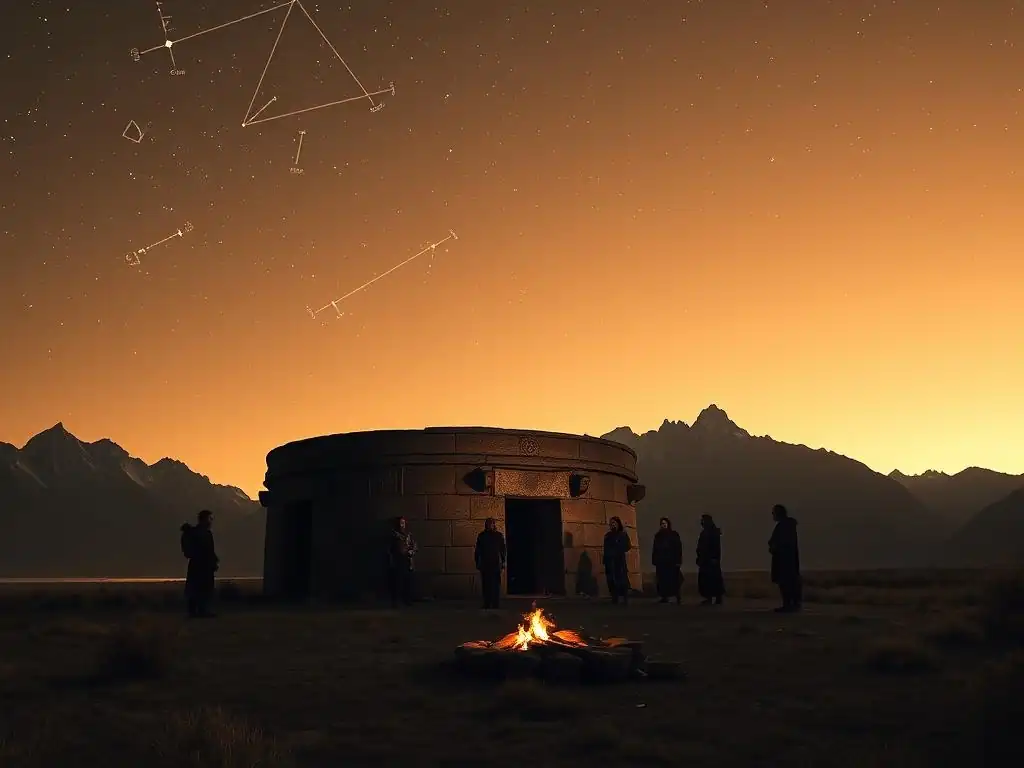
The study and preservation of indigenous astronomical knowledge hold immense significance for contemporary society. This body of knowledge, developed over centuries, reflects the deep understanding that various indigenous cultures had of celestial phenomena. It encompasses not only the observation of stars and planets but also the integration of this knowledge into their daily lives, agricultural practices, and cultural rituals. By preserving this knowledge, we honor the wisdom of these cultures and acknowledge their contributions to astronomy.
Moreover, the preservation of indigenous astronomical knowledge serves as a bridge to understanding our collective human experience. It highlights the diverse ways in which different cultures interpret and interact with the cosmos. This understanding fosters respect for indigenous cultures and encourages intercultural dialogue, which is crucial in our increasingly globalized world. In addition, it provides valuable insights for modern science and technology, potentially guiding future innovations.
Educational Initiatives and Cultural Preservation
Educational initiatives aimed at preserving indigenous astronomical knowledge are vital for fostering cultural preservation. Programs that incorporate indigenous knowledge systems into school curricula not only educate students about astronomy but also promote respect for indigenous cultures. Such initiatives can take various forms, including workshops, community lectures, and collaborative research projects involving indigenous elders and scholars.
One successful example is the incorporation of indigenous astronomy into university programs, where students learn about the celestial navigation techniques used by indigenous peoples. These educational efforts not only empower indigenous communities by validating their historical knowledge but also cultivate a greater appreciation for the cultural heritage of the Americas among non-indigenous populations. Furthermore, digital platforms are emerging, allowing for the documentation and sharing of indigenous astronomical knowledge, ensuring that this wisdom is accessible for future generations.
The Role of Indigenous Knowledge in Sustainable Architecture
Indigenous knowledge plays a crucial role in the development of sustainable architecture, particularly through the lens of astronomical alignments. Many indigenous cultures designed their structures in harmony with natural landscapes and celestial patterns, resulting in buildings that not only serve practical functions but also embody spiritual and cultural significance. For instance, the alignment of structures with solstices and equinoxes reflects a profound understanding of the environment and its cycles.
Incorporating indigenous astronomical knowledge into modern architecture can lead to innovative designs that prioritize sustainability and environmental stewardship. This involves utilizing natural materials, optimizing energy efficiency through strategic orientation, and creating spaces that respect and enhance the surrounding ecosystem. By learning from indigenous practices, architects can develop buildings that resonate with both cultural heritage and contemporary environmental challenges.
Conclusion
The legacy of indigenous astronomical alignments continues to influence modern architecture in profound ways. By recognizing and integrating these ancient practices into contemporary design, we not only pay homage to the wisdom of indigenous cultures but also pave the way for more sustainable and meaningful architectural practices.
The Lasting Impact of Indigenous Astronomical Alignments on Architecture
The lasting impact of indigenous astronomical alignments on architecture is evident in various contemporary structures that reflect these age-old principles. Buildings that incorporate celestial alignments often enhance the experience of the occupants, creating a deeper connection to nature and the cosmos. This impact extends beyond aesthetics; it influences how spaces are utilized, the feelings they evoke, and their cultural significance.
Many architects today are looking back to indigenous practices as sources of inspiration for creating spaces that honor both the environment and the community. This resurgence of interest in indigenous knowledge systems contributes to a broader movement toward integrating traditional wisdom with modern design, creating a new paradigm in architecture that respects the past while innovating for the future.
Looking Ahead: The Future of Indigenous Influence in Modern Design
Looking ahead, the future of indigenous influence in modern design appears promising. As awareness of the importance of cultural heritage grows, there is an increasing recognition of the value that indigenous knowledge can bring to contemporary architecture. Collaborative projects between indigenous communities and architects are becoming more common, fostering a co-creation process that respects and revitalizes traditional wisdom.
Furthermore, as sustainability becomes a central focus in architecture, indigenous astronomical alignments offer valuable insights into creating buildings that harmonize with natural cycles. By continuing to explore and integrate these ancestral practices, modern architecture can evolve into a discipline that not only serves human needs but also honors the intricate relationship between culture, nature, and the cosmos.
- Introduction
- Historical Context of Indigenous Astronomical Alignments
- Indigenous Astronomical Alignments in Architecture
- The Influence of Indigenous Astronomical Alignments on Modern Architecture
- The Significance of Preserving Indigenous Astronomical Knowledge
- Educational Initiatives and Cultural Preservation
- The Role of Indigenous Knowledge in Sustainable Architecture
- Conclusion
- What are indigenous astronomical alignments?
- How did these alignments influence modern architecture?
- What achievements are highlighted in the study of indigenous cultures?
- Why is it important to study the impact of indigenous civilizations?
- How can I learn more about indigenous astronomical alignments?
Frequently Asked Questions
What are indigenous astronomical alignments?
Indigenous astronomical alignments refer to the specific orientations of structures and landscapes that align with celestial bodies. These alignments were significant for many indigenous cultures, helping them track seasons and navigate.
How did these alignments influence modern architecture?
The principles of indigenous astronomical alignments have been integrated into modern architecture, inspiring designs that reflect a harmony with nature and celestial events. This influence can be seen in certain public buildings and monuments today.
What achievements are highlighted in the study of indigenous cultures?
The article explores various achievements of indigenous cultures, including their advancements in astronomy, agriculture, and architecture. These societies demonstrated sophisticated knowledge of their environment and the cosmos.
Why is it important to study the impact of indigenous civilizations?
Studying the impact of indigenous civilizations helps us understand their contributions to global culture, science, and sustainability practices. Recognizing their wisdom can inform contemporary environmental strategies.
How can I learn more about indigenous astronomical alignments?
To learn more about indigenous astronomical alignments, visit the website which provides a comprehensive exploration of these topics through articles, resources, and links to further studies on indigenous cultures.
Final Reflection: The Enduring Influence of Indigenous Astronomical Alignments
The exploration of indigenous astronomical alignments influence in modern architecture reveals a profound connection between our past and present. As we navigate an increasingly complex world, the wisdom embedded in these ancient practices offers invaluable insights into sustainable design and cultural respect. The alignment of buildings with celestial bodies is not merely a relic of history; it serves as a reminder of our responsibility to honor the knowledge of those who came before us.
The impact of indigenous astronomical alignments extends far beyond architectural aesthetics; it shapes our cultural and social landscapes. This rich heritage encourages us to rethink our relationship with the environment and the cosmos. As we witness a resurgence of interest in indigenous practices, we are reminded of the words of renowned indigenous scholar Vine Deloria Jr.: We are not the owners of the land, but the land is our home.
This perspective invites us to embrace a holistic view of our surroundings, fostering a deeper appreciation for the interconnectedness of all life.
As we reflect on the lessons drawn from the stars, I invite you to consider how these ancient alignments can inspire your own journey. How can you integrate the wisdom of the past into your daily life and choices?
Whether through mindful architecture, sustainable living, or honoring indigenous knowledge, let us strive to create a future that respects and celebrates the legacy of those who have shaped our understanding of the universe. Embrace this call to action and become a steward of both the earth and the stars, ensuring that their influence continues to guide us for generations to come.
Embrace the Cosmic Legacy: Take Action Today!
Thank you for exploring how indigenous astronomical alignments have shaped not only the past but also the architecture of our present. Your engagement with this rich history is invaluable, and now it’s time to translate that understanding into meaningful action.
Here are a few ways you can honor and celebrate this cosmic legacy:
- Join a local lecture or workshop focused on indigenous astronomy to deepen your knowledge and connect with passionate individuals.
- Start a conversation on social media about the impact of these astronomical alignments on contemporary architectural designs. Use the hashtag #IndigenousAstronomy to raise awareness!
- Visit an indigenous cultural site or observatory to experience firsthand the celestial wonders that have inspired generations.
How might your understanding of these ancient teachings transform the way you view modern architecture and community spaces? We invite you to share your thoughts with us below!