
Unearthing the Mysteries: Archaeological Discoveries of Indigenous Metallurgical Sites

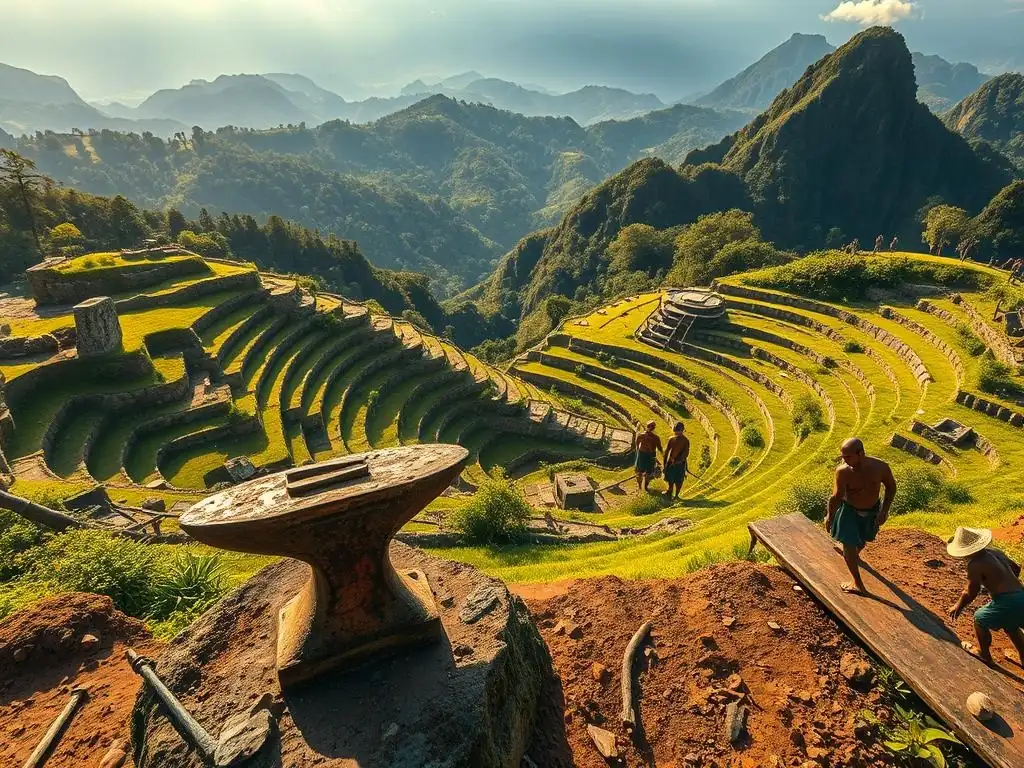
Welcome to Indigenous Civilizations of the Americas, where we delve into the rich tapestry of indigenous cultures that flourished long before European contact. In our featured article, “Unearthing the Mysteries: Archaeological Discoveries of Indigenous Metallurgical Sites,” we invite you to explore the remarkable achievements and innovative practices of ancient societies. Discover how these metallurgical sites reveal not only the craftsmanship of indigenous peoples but also their profound connection to the land and the legacy they left behind. Join us on this captivating journey and uncover the secrets that await within these historical treasures!
The study of indigenous metallurgical sites reveals a fascinating chapter in the history of the Americas, showcasing the ingenuity and technological advancements of pre-Columbian societies. This article delves into the archaeological discoveries surrounding these sites, highlighting the significant contributions of indigenous cultures to metallurgy. By examining the practices, techniques, and materials used by these civilizations, we gain valuable insights into their social structures, trade networks, and interactions with their environment. Understanding these metallurgical achievements not only enriches our knowledge of indigenous histories but also emphasizes the lasting impact of these cultures on modern society.
Introduction to Indigenous Metallurgical Sites
Overview of Indigenous Metallurgy in the Americas
Indigenous metallurgy in the Americas was a remarkable feat of human ingenuity that evolved independently across various regions. The use of metals, particularly copper, gold, and silver, was not merely for decorative purposes; it played a crucial role in tool-making, weaponry, and ceremonial items.
- Copper: Mainly utilized in the Great Lakes region and the Andes, indigenous groups developed techniques to cold-hammer and alloy copper, creating tools that were not only functional but also aesthetically pleasing.
- Gold and Silver: In regions such as Peru and Colombia, these metals were often associated with power and spirituality, leading to the creation of intricate jewelry and sacred objects.
The advancements in metallurgy were often linked to the environmental context of these civilizations, as available resources dictated the materials they could work with. This rich tapestry of metallurgical practices showcases the diversity and adaptability of indigenous cultures.
Importance of Metallurgical Discoveries in Understanding Cultures
The discovery of indigenous metallurgical sites has profound implications for our understanding of pre-colonial societies. These sites serve as tangible links to the past, revealing critical information about:
- Technological Innovation: The methods and techniques used by indigenous peoples in metallurgy reflect an advanced understanding of materials science.
- Trade Networks: The distribution of metals and metalworking artifacts points to extensive trade routes and interactions between different cultural groups.
- Social Hierarchies: The types of metals used and the complexity of the objects created can indicate social stratification, where certain items were reserved for elite members of society.
Through these discoveries, archaeologists can reconstruct not only the technological capabilities of indigenous peoples but also their social, economic, and spiritual lives.
Historical Context of Indigenous Metallurgical Practices
Development of Metallurgy Among Indigenous Civilizations
The development of metallurgy among indigenous civilizations was a gradual process influenced by various factors, including environmental resources, cultural exchanges, and technological advancements.
- Early Beginnings: Evidence suggests that the earliest metallurgical practices began as early as 3000 BCE in regions such as Mesoamerica and the Andes, where societies began to experiment with native metals.
- Cultural Exchange: As different civilizations interacted through trade and conquest, metallurgical techniques and knowledge spread, leading to innovations in metalworking across the Americas.
This historical context highlights the dynamic nature of indigenous societies and their ability to adapt and innovate over time.
Key Regions of Indigenous Metallurgical Activity
Several key regions across the Americas were prominent centers of metallurgical activity, each contributing uniquely to the overall narrative of indigenous metallurgy:
| Region | Key Features |
|---|---|
| Andes | Home to the Inca civilization, known for gold and silver work, as well as bronze metallurgy. |
| Mesoamerica | Cultures such as the Maya and Aztec utilized copper and gold for tools and ceremonial objects. |
| Great Lakes | Indigenous groups developed advanced techniques in copper extraction and crafting. |
These regions not only showcase the diversity of metallurgical practices but also the rich cultural heritage that has shaped the landscape of indigenous civilizations in the Americas. Understanding these areas provides a clearer picture of the technological advancements and cultural significance of metallurgy in indigenous societies.
Major Indigenous Metallurgical Sites Discovered
The exploration of indigenous metallurgical sites across the Americas has unveiled a rich tapestry of technological innovation and cultural significance. Archaeological findings indicate that various indigenous groups engaged in metallurgy long before European contact. Notable discoveries include sites in present-day Peru, Mexico, and the eastern United States, where evidence of metalworking activities has been meticulously excavated.
One of the most significant sites is the Moche civilization in northern Peru, renowned for its advanced techniques in metalworking, particularly with gold, silver, and copper. Excavations have revealed intricate metal artifacts, ceremonial items, and tools that illustrate the sophistication of their metallurgical practices. Similarly, the Inca Empire showcased extensive metalworking skills, utilizing various alloys for both functional and ornamental purposes.
In Mexico, sites associated with the Zapotec and Mixtec cultures have yielded a wealth of metallic objects, highlighting their expertise in crafting jewelry and ceremonial artifacts. These discoveries underscore the rich diversity of indigenous metallurgical practices and their connection to social and economic structures within these cultures.
Detailed Examination of Notable Sites
Within the context of major indigenous metallurgical sites, a few warrant special attention due to their unique contributions to our understanding of ancient metalworking techniques.
- Cerro Blanco (Peru): This site is recognized for its large quantities of gold and silver artifacts. The metallurgical evidence suggests a highly organized system of production, with specialized artisans creating intricate ceremonial objects that played a role in elite social status and religious practices.
- La Tolita (Ecuador): La Tolita is significant for its early use of gold metallurgy, dating back to around 500 BCE. Artifacts from this site reveal a blend of artistic expression and technical proficiency, showcasing the cultural importance of metalwork in trade and identity.
- Chaco Canyon (New Mexico, USA): Although primarily known for its architectural achievements, Chaco Canyon has provided evidence of copper working. Artifacts such as ornaments and tools indicate the integration of metallurgy into daily life and ritual practices among the Ancestral Puebloans.
These sites reflect the diversity of metallurgical practices across different cultures and regions, illustrating how metallurgy was not merely a technical endeavor but deeply intertwined with social, economic, and spiritual aspects of indigenous life.
Techniques and Materials Used in Indigenous Metallurgy
Indigenous peoples across the Americas employed a range of techniques and materials in their metallurgical practices. From the extraction of ores to the final crafting of metal objects, these methods evolved over time, influenced by local resources, cultural needs, and technological advancements.
The primary techniques utilized in indigenous metallurgy included smelting, forging, and casting. Smelting involved the extraction of metals from their ores through the application of heat, a complex process that required an understanding of the properties of different materials. Forging allowed for the shaping of metal through hammering, while casting enabled the creation of intricate designs by pouring molten metal into molds.
Common Metals and Alloys in Indigenous Cultures
The metals most commonly used by indigenous cultures included copper, gold, and silver. Each metal carried its own significance, both practical and symbolic:
- Copper: Widely utilized for tools, weapons, and everyday items, copper was often alloyed with tin or arsenic to create bronze, enhancing its strength and durability. This combination of metals was particularly advantageous for various applications.
- Gold: Regarded as a symbol of wealth and divinity, gold was primarily used for decorative purposes, including jewelry and ceremonial artifacts. Its malleability allowed for intricate designs, reflecting the artistry of the cultures that crafted them.
- Silver: Like gold, silver was valued for its aesthetic qualities and was often used in trade. Its reflective properties made it particularly desirable for ornamental items.
These metals not only served practical purposes but also played significant roles in rituals, trade, and expressions of status within indigenous societies.
Unique Metallurgical Techniques and Innovations
The metallurgical practices of indigenous cultures were marked by unique techniques and innovations that set them apart from contemporary practices.
One of the most notable innovations was the lost-wax casting method, which allowed artisans to create detailed and intricate metal sculptures. This technique involved creating a wax model of the desired object, encasing it in clay, and then heating it to remove the wax and pour molten metal into the resulting mold. This method was particularly prevalent among cultures such as the Moche and Nazca in Peru.
Additionally, indigenous metallurgists developed various methods for alloying, experimenting with different combinations of metals to achieve desired properties. For example, the use of arsenical copper was common in certain areas, enhancing the metal's hardness and making it suitable for tools and weapons.
The integration of metallurgy with artistic expression is another hallmark of indigenous practices. Many cultures infused spirituality and symbolism into their metalwork, creating pieces that were not only functional but also rich in meaning. This artistic approach to metallurgy contributed to the cultural identity and heritage of indigenous peoples across the Americas.
The Impact of Metallurgical Discoveries on Indigenous History
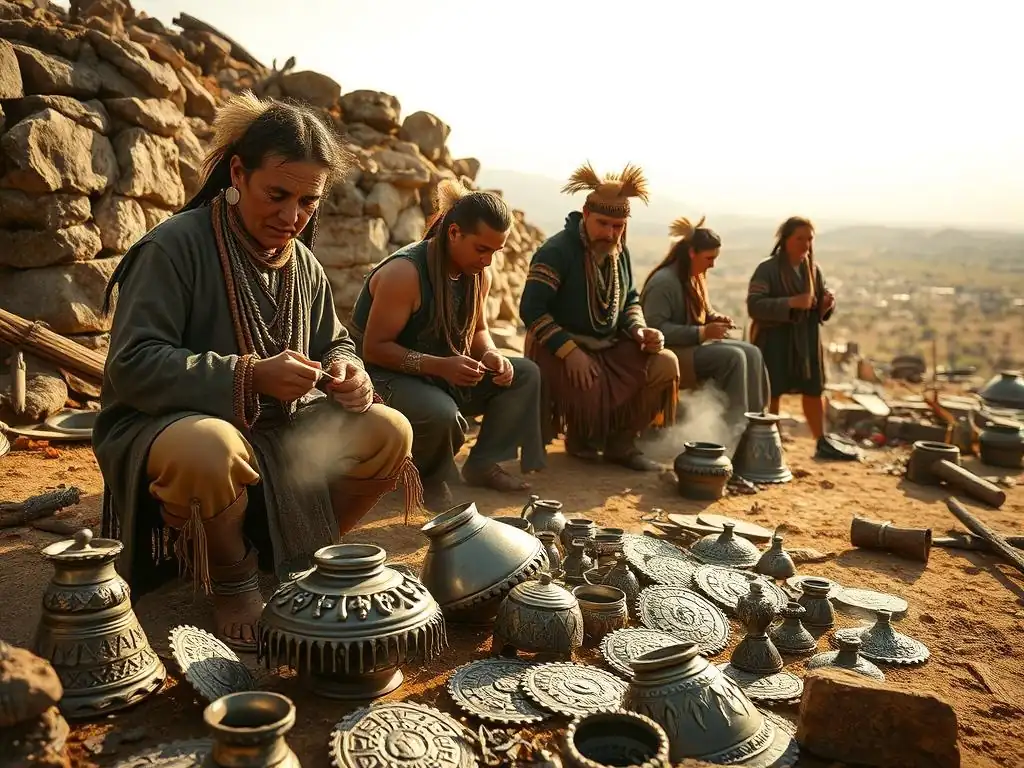
The discoveries of indigenous metallurgical sites have significantly transformed our understanding of the history and technological sophistication of pre-Columbian societies. These findings reveal that many indigenous cultures were not merely passive recipients of external influences but were active innovators in metallurgy. The evidence of advanced metalworking techniques, such as smelting and alloying, indicates that these societies had a deep understanding of materials and their properties.
Archaeological excavations have uncovered various artifacts, including tools, ceremonial items, and ornamental objects made from copper, gold, and silver. These artifacts not only highlight the technical skills of indigenous metallurgists but also provide insights into the social, economic, and spiritual dimensions of their cultures. For instance, the use of gold in ceremonial contexts signifies its importance beyond mere utility, reflecting the values and beliefs held by these communities.
How Discoveries Alter Perceptions of Indigenous Societies
The findings from indigenous metallurgical sites have challenged the long-held perceptions that indigenous societies were technologically inferior to their European counterparts. Rather than being primitive, these cultures demonstrated complex social structures and sophisticated technologies that allowed them to manipulate materials to serve various needs.
For example, the discovery of large-scale smelting facilities in regions such as the Andes has led researchers to reevaluate the socioeconomic organization of these societies. It suggests that metallurgy was not just a solitary craft but a communal endeavor that involved specialized knowledge and collective efforts. Consequently, these insights encourage a broader appreciation for the nuanced and diverse histories of indigenous peoples, fostering a more accurate representation of their contributions to human civilization.
Contributions of Indigenous Metallurgy to Global Practices
Indigenous metallurgy has not only impacted local cultures but has also contributed to global practices in ways that are often overlooked. The techniques developed by indigenous metallurgists, particularly in the Americas, have influenced metalworking practices worldwide. For instance, the use of copper and its alloys in various forms—spanning tools, jewelry, and ceremonial objects—has had a lasting legacy that resonates in contemporary metalworking traditions.
Moreover, the exchange of metallurgical knowledge among different indigenous groups fostered a dynamic environment of innovation. This intercultural dialogue led to the development of new techniques and materials, setting the stage for later interactions with European colonizers. By recognizing these contributions, we can appreciate the rich heritage of metallurgical practices that have shaped not only indigenous societies but also the broader narrative of global metallurgy.
Challenges in Archaeological Research of Indigenous Metallurgical Sites
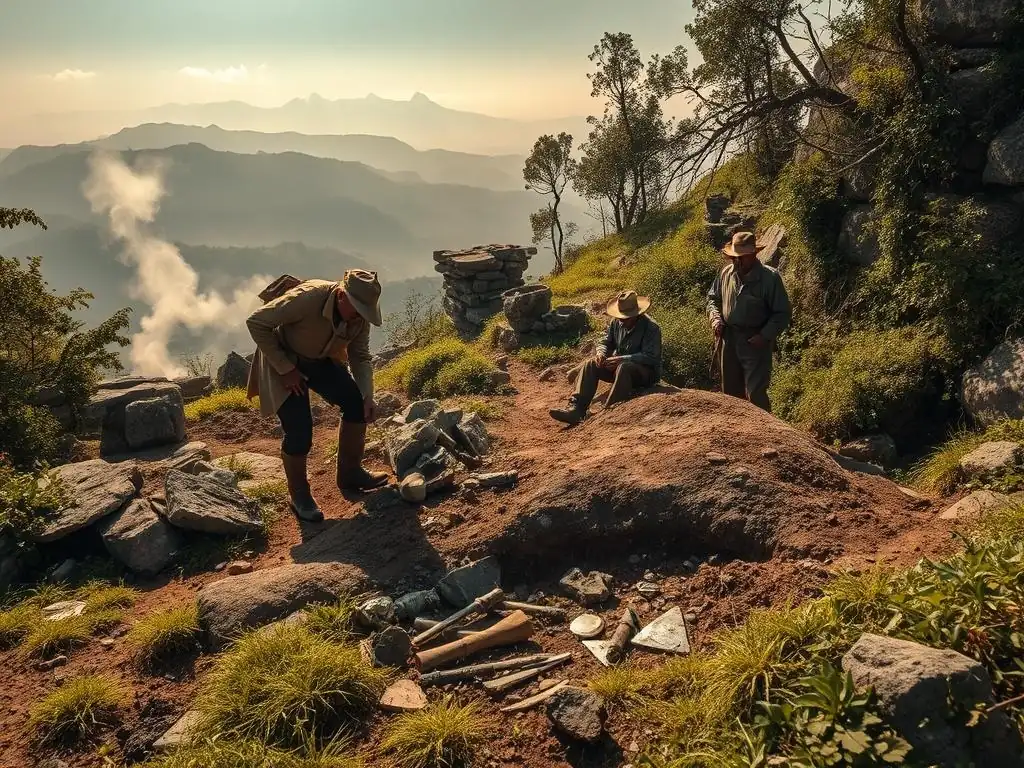
Despite the significance of metallurgical discoveries, archaeological research in this field faces numerous challenges. These challenges stem from the complexity of the sites, the preservation of artifacts, and the ethical implications of excavating indigenous lands.
Preservation Issues Facing Archaeological Sites
Many indigenous metallurgical sites are threatened by environmental factors, urban development, and agricultural expansion. The natural degradation of materials, coupled with the pressures of modern land use, complicates preservation efforts. Additionally, the excavation process itself can lead to the loss of contextual information critical to understanding the historical significance of the artifacts.
Efforts to mitigate these issues include implementing protective measures, such as designating archaeological sites as heritage areas and involving local communities in preservation initiatives. By fostering collaborative relationships, archaeologists can work alongside indigenous groups to ensure that their cultural heritage is respected and safeguarded for future generations.
Ethical Considerations in Excavating Indigenous Sites
The excavation of indigenous metallurgical sites raises important ethical questions about the rights of indigenous peoples to their cultural heritage. There is a growing recognition of the need for ethical guidelines that prioritize the involvement and consent of indigenous communities in archaeological research. This involves not only respecting their wishes regarding excavation but also ensuring that the knowledge gained from these sites is shared equitably.
Moreover, ethical considerations extend to the interpretation and presentation of findings. Researchers must navigate the delicate balance of sharing knowledge while honoring the cultural significance of the artifacts and practices of indigenous peoples. By adopting an ethical framework, archaeologists can contribute to a more equitable and respectful discourse surrounding indigenous histories and their metallurgical achievements.
Future Directions in Research on Indigenous Metallurgical Sites
The field of archaeology is continuously evolving, and with it, the research on indigenous metallurgical sites is gaining momentum. Future studies will likely focus on expanding our understanding of the social, economic, and technological aspects of indigenous metallurgy. This entails analyzing the interactions between various cultural groups and the exchange of metallurgical techniques across regions. As researchers delve deeper into these sites, they are expected to uncover not only the methods of metal extraction and production but also the cultural significance that these practices held for indigenous societies.
Additionally, interdisciplinary approaches combining archaeology, anthropology, and materials science will enhance the depth of research. Collaborations with indigenous communities will also be crucial, as their traditional knowledge can provide insights that modern techniques might overlook. By fostering these partnerships, researchers can ensure that the cultural narratives surrounding these metallurgical practices are preserved and respected.
Emerging Technologies in Archaeological Discoveries
The advent of new technologies is revolutionizing the way archaeologists study indigenous metallurgical sites. Techniques such as ground-penetrating radar (GPR), 3D scanning, and drone surveys are facilitating non-invasive explorations of sites, allowing for a more comprehensive understanding of the spatial organization and scale of metallurgical activities without disturbing the ground.
Moreover, advancements in materials analysis, including portable X-ray fluorescence (pXRF) and scanning electron microscopy (SEM), enable researchers to identify the composition of metals and slag at these sites. These technologies not only enhance the accuracy of material identification but also provide insights into the metallurgical practices employed by indigenous peoples, such as smelting techniques and alloy compositions. As these technologies continue to advance, they will undoubtedly unlock further mysteries hidden within indigenous metallurgical sites.
Potential Areas for Further Study and Exploration
There remain numerous areas ripe for further exploration in the realm of indigenous metallurgical sites. One key area is the study of lesser-known sites across North and South America, where existing research is sparse. Investigating these locations could reveal new insights into the diverse metallurgical practices and their regional variations.
Another promising direction is the exploration of the relationship between metallurgy and environmental factors. Understanding how indigenous societies adapted their metallurgical practices in response to local resources and ecological changes can provide valuable context for their technological innovations. Furthermore, examining the socio-political implications of metallurgy—such as its role in trade networks, power dynamics, and ritual practices—can shed light on the broader impacts of these technologies on indigenous societies.
Conclusion: The Legacy of Indigenous Metallurgical Discoveries
The discoveries of indigenous metallurgical sites serve as a testament to the ingenuity and adaptability of ancient cultures across the Americas. These findings not only highlight the advanced technological capabilities of indigenous peoples but also underscore their profound connection to the land and resources available to them. As research continues, the legacy of these metallurgical practices will only grow in significance, revealing the intricate web of social, economic, and environmental factors that shaped indigenous life.
Summary of Key Points
- Indigenous metallurgical sites demonstrate advanced techniques in metalworking, including smelting and alloying.
- Emerging technologies are transforming archaeological methodologies, enabling non-invasive exploration and detailed material analysis.
- Future research should focus on under-explored sites, environmental interactions, and the socio-political implications of metallurgy in indigenous societies.
The Lasting Impact of Indigenous Metallurgy on Modern Society
The influence of indigenous metallurgy extends far beyond the historical context, resonating in modern society in various ways. Techniques and materials developed by ancient cultures have contributed to contemporary practices in mining, metallurgy, and materials science. Additionally, the understanding of sustainable practices exhibited by indigenous societies offers valuable lessons for modern environmental stewardship.
Moreover, acknowledging the contributions of indigenous metallurgy fosters a greater appreciation for the rich cultural heritage of indigenous peoples. It encourages a dialogue about the importance of preserving these legacies and recognizing the innovations that arose from their practices. As we continue to explore and understand these indigenous metallurgical sites, we not only honor the past but also lay the groundwork for future advancements that respect and incorporate indigenous knowledge.
- Introduction to Indigenous Metallurgical Sites
- Historical Context of Indigenous Metallurgical Practices
- Major Indigenous Metallurgical Sites Discovered
- Techniques and Materials Used in Indigenous Metallurgy
- The Impact of Metallurgical Discoveries on Indigenous History
- How Discoveries Alter Perceptions of Indigenous Societies
- Contributions of Indigenous Metallurgy to Global Practices
- Challenges in Archaeological Research of Indigenous Metallurgical Sites
- Future Directions in Research on Indigenous Metallurgical Sites
- Conclusion: The Legacy of Indigenous Metallurgical Discoveries
Frequently Asked Questions
What are indigenous metallurgical sites?
Indigenous metallurgical sites are locations where ancient cultures in the Americas developed and utilized metalworking techniques, showcasing their advanced skills in metallurgy before European contact.
Why are these discoveries significant?
The discoveries of indigenous metallurgical sites highlight the technological advancements and contributions of native cultures, helping to reshape our understanding of their sophisticated societies and their impact on history.
What metals were primarily used by indigenous civilizations?
Indigenous peoples in the Americas primarily worked with gold, silver, and copper, applying their metallurgical knowledge to create intricate artifacts, tools, and ornamental items.
How do these findings challenge previous historical narratives?
The findings from indigenous metallurgical sites challenge the notion that technological progress was solely a result of European influence, illustrating that native cultures had their own innovative practices and rich histories.
Where can I learn more about these archaeological discoveries?
You can explore more about indigenous metallurgical sites discoveries through dedicated resources, articles, and research studies available on specialized websites, such as "Indigenous Civilizations of the Americas."
Final Reflection: Revealing the Past, Shaping the Future
The exploration of indigenous metallurgical sites discoveries not only sheds light on the advanced technologies and cultural practices of ancient civilizations but also emphasizes the importance of recognizing and valuing indigenous knowledge systems in today's world. As we delve into these archaeological findings, we uncover a rich tapestry of history that challenges our understanding of technological progress and cultural evolution. The striking realization that these societies thrived long before colonial influences reminds us that history is not a linear narrative but a complex interplay of diverse cultures and innovations.
The impact of these discoveries resonates deeply within our contemporary cultural and social landscape. The stories of resilience, ingenuity, and sustainability that emerge from these sites inspire us to rethink our relationship with technology and the environment. As we honor the craftsmanship and wisdom of indigenous peoples, we are reminded of the words of renowned anthropologist Margaret Mead: Never doubt that a small group of thoughtful, committed citizens can change the world; indeed, it's the only thing that ever has.
This perspective encourages us to embrace the lessons from the past as we navigate the challenges of the present and future.
As we reflect on the significance of these archaeological discoveries, I invite you to consider how you can integrate the wisdom of indigenous practices into your own life. Whether it’s advocating for the preservation of cultural heritage, supporting indigenous communities, or simply being more mindful of the resources we consume, every action counts. Let us honor the legacy of those who came before us by fostering a deeper appreciation for their contributions and ensuring that their stories continue to inspire future generations. Together, we can create a more inclusive and respectful understanding of our shared history.
Dive Deeper into Indigenous Metallurgy!
Thank you for joining us on this fascinating journey through time, exploring the innovative practices of Indigenous civilizations. We hope you gained a greater appreciation for how metallurgy shaped their cultures and contributed to their legacy. Now, it’s time to take that knowledge further!
Here’s how you can continue your exploration:
- Visit local museums or archaeology exhibits to see artifacts and learn more about the significance of Indigenous metallurgy in person.
- Share this article with friends or fellow history enthusiasts to spread awareness and spark discussions about these incredible discoveries.
- Join online communities or groups focused on Indigenous history—connect with others who share your passion and deepen your understanding!
What aspect of Indigenous metallurgical practices surprised you the most, and how can you incorporate that knowledge into your understanding of contemporary Indigenous cultures?