
Moche Artifacts: A Window into the Daily Lives of an Ancient Civilization

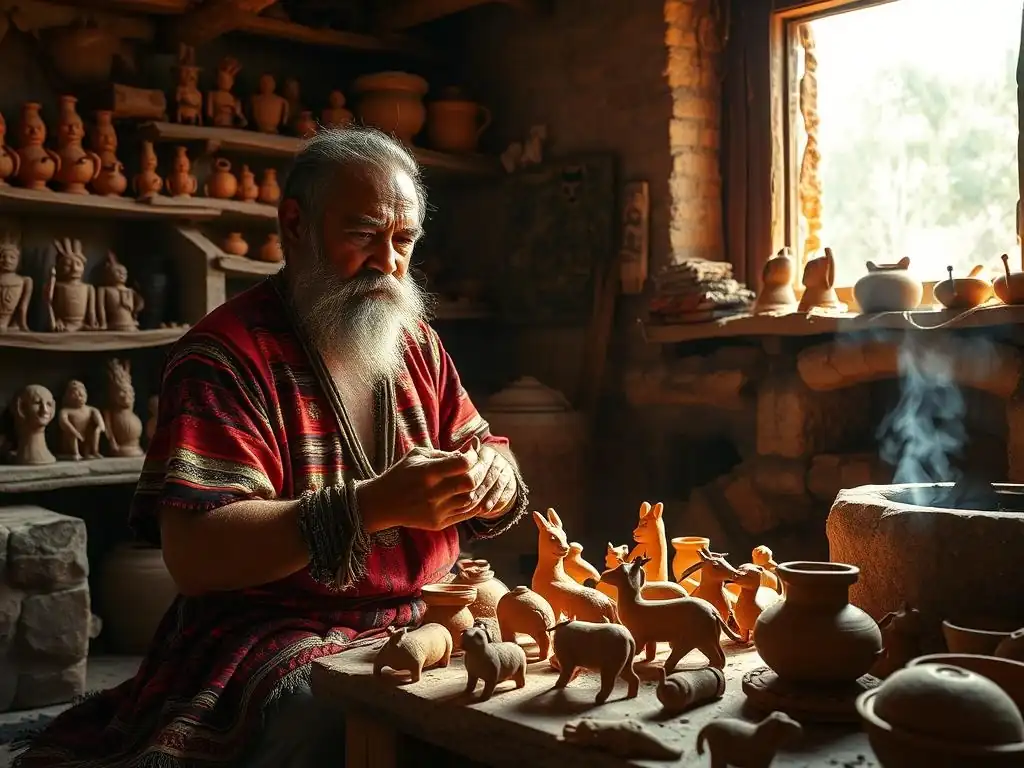
Welcome to Indigenous Civilizations of the Americas, where we embark on a fascinating journey through the rich tapestry of ancient cultures that flourished long before European contact. In this exploration, we delve into the Moche civilization daily life, uncovering the remarkable achievements and societal structures that define their legacy.
Our featured article, "Moche Artifacts: A Window into the Daily Lives of an Ancient Civilization," invites you to discover the intricate details of their daily routines, artistic expressions, and the profound impact they had on the world. Prepare to be captivated by the stories and artifacts that reveal how these vibrant communities thrived, and let your curiosity guide you as you navigate through the depths of their enduring history.
The Moche civilization, which flourished along the northern coast of present-day Peru from approximately 100 to 800 AD, is renowned for its remarkable achievements in art, architecture, and complex social structures. This article delves into the fascinating world of Moche artifacts, which serve as crucial portals into the daily lives of this ancient civilization.
Through a comprehensive exploration of their significant artifacts, we can gain insight into the customs, routines, and societal organization of the Moche people. By understanding the materials and objects they created and used, we unlock a deeper appreciation for their culture and the impact they left on the Americas long before European contact.
Introduction to Moche Civilization
Overview of the Moche Civilization
The Moche civilization is celebrated for its rich cultural heritage and advancements in various fields, including agriculture, metallurgy, and pottery. The Moche people developed intricate irrigation systems that allowed them to thrive in the arid coastal environment, cultivating crops such as maize, beans, and squash. Their society was structured into distinct social classes, with skilled artisans, priests, and rulers playing vital roles in the community.
Moche art is particularly noteworthy, characterized by its vibrant pottery, detailed textiles, and monumental architecture, including the impressive adobe pyramids known as huacas. These artistic expressions not only reflect the aesthetic values of the Moche but also provide a glimpse into their religious beliefs, daily activities, and social hierarchies.
Importance of Moche Artifacts in Understanding Daily Life
Moche artifacts are invaluable for reconstructing the daily life of this ancient civilization. Each item, whether a beautifully painted ceramic vessel or a finely crafted tool, tells a story about the people who used them. By studying these artifacts, researchers can infer aspects of Moche social organization, economic practices, and cultural traditions.
Moreover, these artifacts highlight the Moche’s interactions with their environment, showcasing their agricultural practices, dietary habits, and technological innovations. As we explore the diverse array of Moche artifacts, we gain a clearer picture of how this civilization functioned on a day-to-day basis, illuminating the complexities of their existence and the sophistication of their society.
The Role of Artifacts in Revealing Moche Daily Life
Types of Moche Artifacts
Moche artifacts encompass a wide variety of items, each serving different purposes in daily life. Some of the most notable types include:
- Ceramics: Renowned for their intricate designs and realistic portrayals of animals and human figures, Moche pottery often served both functional and ceremonial roles.
- Tools and Weapons: Crafted from stone, bone, and metal, these artifacts demonstrate the Moche's advanced skills in metallurgy and their reliance on agriculture and warfare.
- Textiles: Woven from cotton and other fibers, Moche textiles reflect both everyday life and ritualistic practices, showcasing the artistry and techniques of Moche weavers.
- Ornaments and Jewelry: Often made from gold, silver, and semi-precious stones, these items indicate social status and were used in various ceremonies.
Functionality of Artifacts in Moche Society
The artifacts of the Moche civilization were not merely decorative; they played essential roles in everyday life and societal functions. For example:
- Ceramics were used for cooking, storage, and serving food, indicating dietary practices and social gatherings.
- Tools facilitated agricultural activities, highlighting the importance of farming in sustaining the community.
- Textiles not only provided clothing but also served as indicators of wealth and social status, as certain patterns and materials were reserved for elite individuals.
- Religious artifacts played crucial roles in ceremonial practices, reflecting the civilization's spiritual beliefs and the importance of deities in their daily routines.
Through these artifacts, we can piece together a more nuanced understanding of Moche daily life, revealing the intricate relationships between their material culture, social structure, and environment.
Moche Pottery and Its Significance
Moche pottery is one of the most remarkable aspects of the Moche civilization, showcasing a rich artistic tradition that reflects both the daily lives and the spiritual beliefs of this ancient society. The Moche people, who thrived along the northern coast of Peru from approximately 100 to 800 CE, produced pottery that was not only functional but also served as a canvas for intricate storytelling and cultural expression. These artifacts provide invaluable insights into their societal structure, religious practices, and daily routines.
The significance of Moche pottery lies in its ability to convey the nuances of daily life, social hierarchy, and the relationship between humans and the divine. Artisans employed advanced techniques to create a variety of vessels, many of which were adorned with elaborate motifs that depicted scenes of agriculture, rituals, and mythology. This pottery serves as a crucial evidence of the Moche civilization's complexities, showcasing their aesthetic sensibilities and technological expertise that have left a lasting legacy in the archaeological record.
Characteristics of Moche Pottery
Moche pottery is characterized by its high-quality craftsmanship, diverse shapes, and innovative designs. The artisans utilized a coiling technique to create vessels, which allowed for a range of sizes and forms, from large storage jars to small ceremonial cups. These pieces often exhibit a fine, smooth surface achieved through polishing, which enhanced their visual appeal.
Key features of Moche pottery include:
- Naturalistic Forms: Many vessels are shaped to resemble animals, humans, or mythological figures. This naturalism reflects the Moche's deep connection to their environment and cosmology.
- Complex Decoration: Moche pottery is often decorated with intricate relief designs and painted with vivid colors. These decorations frequently include geometric patterns, scenes of daily life, and representations of deities.
- Functionality: While many pieces served ceremonial purposes, others were practical, used in everyday activities such as food storage and preparation. This duality highlights the Moche's ability to blend artistry with utility.
Depictions of Daily Life in Moche Pottery
The depictions of daily life in Moche pottery are particularly fascinating, as they provide a visual narrative of the civilization's social customs, agricultural practices, and community interactions. Many vessels feature scenes of farming, fishing, and textile production, illustrating the importance of these activities in Moche society.
For instance, some pottery shows figures engaged in the cultivation of crops such as maize and potatoes, emphasizing the agricultural focus of the Moche. Other pieces depict communal gatherings, where individuals partake in rituals and celebrations, showcasing the significance of social cohesion in their culture.
Additionally, the portrayal of various deities and mythological scenes within their pottery suggests that daily life was interwoven with religious beliefs, reflecting the Moche's understanding of the world around them. These artistic expressions offer a window into the cultural values and practices that defined the Moche civilization.
Moche Metalwork and Tools
Moche metalwork is another critical aspect of understanding the daily lives of this ancient civilization. The Moche were skilled metallurgists, adept at crafting tools, decorative items, and ceremonial objects from various metals, including gold, silver, and copper. Their techniques not only illustrate their advanced understanding of metal properties but also highlight the significance of these materials in their daily activities and rituals.
The production of metal items often served multiple purposes, from practical tools for farming and crafting to ceremonial artifacts that played a role in religious practices. The sophistication of Moche metalwork reveals much about their technological capabilities and the importance of metallurgy in their society.
Overview of Moche Metalworking Techniques
Moche metalworking techniques were highly advanced for their time, showcasing a blend of artistry and functionality. The Moche employed methods such as:
- Lost-Wax Casting: This technique allowed artisans to create intricate metal objects with fine details. A wax model was covered in clay; once heated, the wax melted away, leaving a mold for the molten metal.
- Hammering and Forging: Artisans shaped metal by hammering and forging, enabling them to create tools and decorative items with precision.
- Inlaying and Filigree: The Moche often inlaid precious stones or used intricate filigree techniques to enhance the aesthetic quality of their metalwork, demonstrating their artistic prowess.
These techniques not only produced functional tools but also items that reflected the social status and wealth of their owners, indicating a complex societal hierarchy within the Moche civilization.
Tools and Their Uses in Moche Daily Activities
The tools produced by the Moche were essential for various daily activities, from agriculture to artisan crafts. Some of the most common types of tools included:
- Agricultural Implements: Tools such as hoes and digging sticks were crucial for farming, enabling the Moche to cultivate crops efficiently and sustain their society.
- Crafting Tools: Items like chisels and hammers were used by artisans to create pottery, textiles, and metalwork, highlighting the importance of skilled labor in Moche culture.
- Ceremonial Tools: Certain metal objects, including ceremonial knives and scepters, were integral to religious rituals, illustrating the intersection of daily life and spirituality in Moche society.
The presence of these tools in archaeological sites provides a comprehensive view of how the Moche organized their labor, their agricultural practices, and their cultural rituals, contributing to our understanding of the Moche civilization's daily life.
Moche Textiles and Clothing
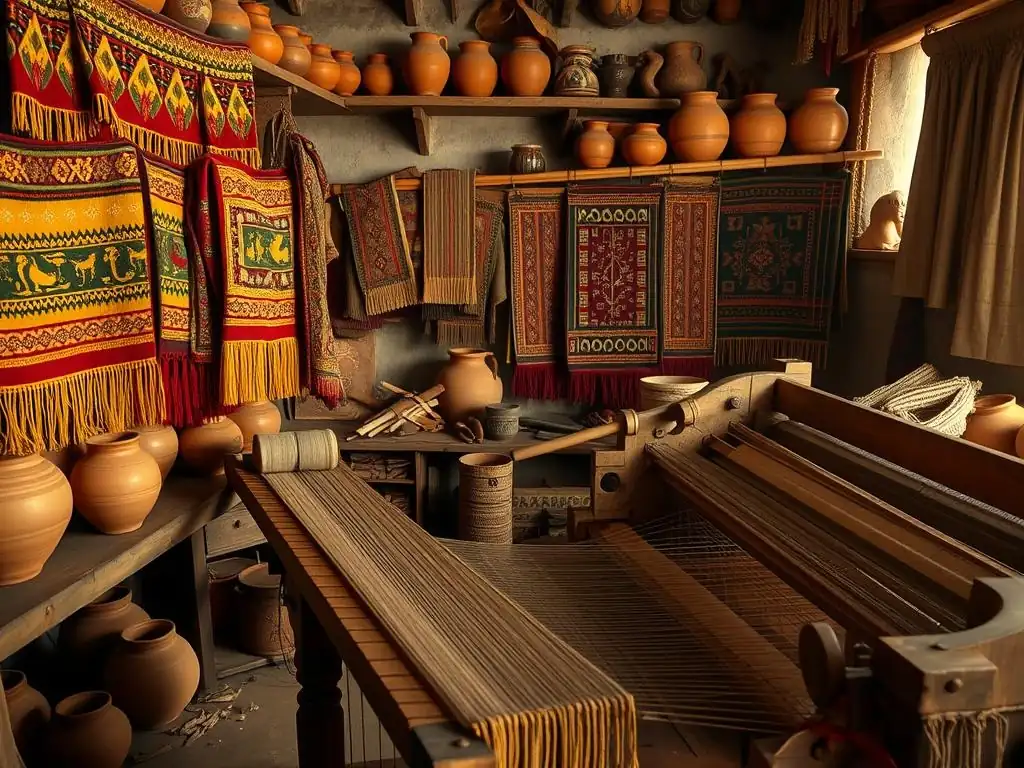
The Moche civilization, which thrived in present-day Peru from approximately 100 to 800 AD, is renowned for its exquisite textiles and clothing. These artifacts not only showcase the artistic capabilities of the Moche people but also provide valuable insights into their daily lives, social structures, and cultural practices. Textiles were integral to Moche society, serving both practical and ceremonial purposes. The vibrant colors and intricate designs found in Moche textiles reflect their connection to the environment, mythology, and social identity.
Textiles were commonly made from cotton and wool, derived from domesticated animals such as llamas and alpacas. The Moche were skilled weavers, employing advanced techniques that allowed them to create elaborate patterns and textures. Clothing varied among social classes, with higher-ranking individuals often adorned in more complex and colorful garments, indicating wealth and status. This differentiation is crucial for understanding societal hierarchies within Moche culture.
Materials Used in Moche Textiles
The primary materials used in Moche textiles include:
- Cotton: Cultivated in the warm coastal valleys, cotton was a staple fiber for everyday wear and was often dyed with natural colors derived from plants and minerals.
- Camelid Wool: The wool from alpacas and llamas was prized for its warmth and softness, making it ideal for cold weather. The Moche utilized various techniques to spin and weave the wool into intricate garments.
- Dyes: Moche artisans used a variety of natural dyes. For instance, the vibrant reds were created using cochineal insects, while blues and greens were commonly derived from plants like indigo.
The combination of these materials not only illustrates the Moche's resourcefulness but also their deep understanding of their environment, as they adapted their textile production according to available resources.
Insights into Moche Daily Life through Clothing
Clothing in Moche society provided insight into daily life, roles, and cultural values. Different garments indicated the wearer's social status, gender, and occupation. For example, men typically wore short tunics and loincloths, while women often donned long skirts and blouses, adorned with intricate designs that signified their family or community identity.
The presence of specific clothing items, such as ceremonial attire, highlights the importance of rituals and social gatherings. The elaborate designs often featured motifs that had symbolic meanings—such as animals and deities—which were believed to convey messages or blessings. Additionally, the use of textiles in funerary practices, evidenced by clothing found in tombs, reveals the Moche's beliefs regarding the afterlife and the significance of clothing as a marker of status and identity even in death.
Ritualistic and Ceremonial Artifacts
Rituals and ceremonies played a pivotal role in Moche society, deeply influencing their daily lives and cultural practices. The Moche civilization engaged in a complex web of religious observances, including human sacrifices, agricultural rituals, and rites of passage. Artifacts from this period, particularly those associated with ritual practices, offer a glimpse into the spiritual beliefs and societal values of the Moche people.
Ceremonial artifacts—such as pottery, figurines, and offering vessels—are abundant in archaeological finds, showcasing the Moche's artistic skills and their reverence for the divine. These artifacts were often intricately decorated, featuring depictions of gods, mythical creatures, and scenes of daily life intertwined with the supernatural.
Importance of Rituals in Moche Daily Life
The Moche believed that rituals were essential for maintaining harmony with the gods and ensuring agricultural success. Major ceremonies were often tied to the agricultural calendar, with rituals conducted to honor the earth and water deities, vital for crop growth.
These rituals not only reinforced social cohesion but also served as a means to assert the power of elite classes, who often led the ceremonies. The involvement of the community in these rituals fostered a collective identity, where shared beliefs and practices strengthened social bonds and cultural continuity.
Analysis of Ceremonial Artifacts and Their Functions
Ceremonial artifacts from the Moche civilization serve several functions, reflecting the society's complexity and their multifaceted relationship with the spiritual world. Key examples include:
- Offering Vessels: Often elaborately decorated, these vessels were used in rituals to hold offerings for the gods, including food, textiles, and even human sacrifices.
- Figurines: These small sculptures often depicted gods, animals, or human figures engaged in various activities, providing insights into Moche mythology and daily life.
- Pottery: Moche pottery is notable for its sophistication and intricate designs, often used in ceremonial contexts. The shapes and decorations of these vessels can reveal the specific rituals they were associated with.
By analyzing these artifacts, archaeologists and historians gain a deeper understanding of Moche beliefs, societal organization, and the significance of rituals in shaping their daily lives and cultural identity. Through this lens, the Moche civilization emerges as a richly layered society with profound connections to their environment and spirituality.
Agricultural Artifacts and Daily Subsistence
The Moche civilization, flourishing in northern Peru between approximately 100 and 800 CE, showcased a remarkable adaptation to their environment, with agriculture playing a vital role in their daily lives. The artifacts unearthed from Moche archaeological sites provide invaluable insights into their subsistence strategies and agricultural practices. These artifacts range from farming tools to storage vessels, each revealing a layer of the complex relationship the Moche had with their land and resources.
The Moche were skilled agriculturalists who cultivated various crops, including maize, beans, squash, and potatoes. The artifacts associated with their agricultural activities illustrate not only the tools they used but also the techniques they employed to maximize productivity in a challenging landscape. Furthermore, these artifacts shed light on the communal aspects of farming, as many of these activities were likely organized and executed cooperatively.
Tools for Agriculture in Moche Civilization
Moche agricultural tools were predominantly made from materials that were readily available in their environment. Key tools included:
- Sickles: Used for harvesting crops, sickles were often crafted from wood and sometimes reinforced with metal. The curved blade design allowed for efficient cutting of stalks.
- Digging sticks: These were essential for planting seeds in the nutrient-rich soil along riverbanks. Made from sturdy wood, they enabled farmers to penetrate the ground effectively.
- Irrigation systems: The Moche developed sophisticated irrigation techniques, including canals and aqueducts, which were crucial for managing water from the rivers. Artifacts related to these systems, such as clay pipes and evidence of water management, highlight the Moche's engineering prowess.
The presence of granaries and storage jars further indicates the importance of crop storage and management, allowing the Moche to sustain their population through periods of scarcity.
Influence of Agriculture on Moche Daily Life
Agriculture was not merely a means of subsistence for the Moche; it was integral to their social structure, economy, and cultural practices. The agricultural calendar dictated the rhythm of daily life, with planting and harvesting seasons marking significant communal events. This cyclical nature of agriculture fostered a strong sense of community among the Moche people, as they would come together to celebrate harvests and partake in communal feasts.
Additionally, agricultural surplus allowed for specialization within the society. While some Moche focused on farming, others could dedicate themselves to crafts, trade, and religious practices, enriching the cultural landscape. The interplay between agriculture and daily life is evidenced by artifacts such as ceremonial pottery and textile remnants that reflect agricultural themes and motifs.
Conclusion: Understanding Moche Civilization Daily Life Through Artifacts
The exploration of Moche artifacts provides a significant window into the daily lives and practices of this ancient civilization. Through their agricultural tools and the remnants of their farming practices, researchers can reconstruct not only how the Moche lived but also how they interacted with their environment and each other.
Summary of Key Findings
- The Moche civilization was highly advanced in agricultural practices, utilizing tools such as sickles and irrigation systems to cultivate crops effectively.
- Community involvement in agriculture fostered social cohesion and cultural celebrations, highlighting the importance of farming in their daily lives.
- Artifacts related to agriculture reveal insights into the Moche economy, social structure, and cultural expressions, emphasizing the multifaceted relationship they had with the land.
The Lasting Impact of Moche Artifacts on Modern Understanding of Indigenous Cultures
Moche artifacts serve as crucial links to understanding the broader narrative of indigenous cultures across the Americas. By studying these remnants, modern researchers gain insights into agricultural innovations, social organization, and the adaptation of ancient civilizations to their environments. The legacy of the Moche civilization continues to influence contemporary understandings of indigenous peoples, highlighting the sophistication and resilience of their cultures long before European contact. Thus, the study of Moche artifacts not only enriches our knowledge of a specific civilization but also contributes to a greater appreciation of the diverse histories of indigenous cultures in the Americas.
- Introduction to Moche Civilization
- The Role of Artifacts in Revealing Moche Daily Life
- Moche Pottery and Its Significance
- Moche Metalwork and Tools
- Moche Textiles and Clothing
- Ritualistic and Ceremonial Artifacts
- Agricultural Artifacts and Daily Subsistence
- Conclusion: Understanding Moche Civilization Daily Life Through Artifacts
Frequently Asked Questions
What is the Moche civilization known for?
The Moche civilization is renowned for its advanced pottery, intricate textiles, and impressive architectural achievements. These cultural artifacts provide insight into their daily life and social structure.
How did the Moche people live daily?
The daily life of the Moche involved agriculture, fishing, and artisan crafts. Their society was complex, with a strong reliance on the irrigation of crops like maize and beans.
What role did religion play in Moche society?
Religion was central to the Moche, influencing their art, rituals, and social hierarchy. They practiced ceremonial events to honor their deities, which often reflected in their artistic expressions.
What artifacts have been found from the Moche civilization?
Artifacts such as ceramic vessels, metallurgy, and textiles have been uncovered, offering a glimpse into the daily lives and cultural practices of the Moche people.
How did the Moche civilization impact later cultures?
The achievements of the Moche civilization laid the groundwork for future Andean societies. Their innovations in agriculture and art influenced subsequent cultures and left a lasting legacy in the region.
Final Reflection: Unveiling the Daily Lives of the Moche Civilization
The exploration of Moche artifacts serves as a powerful reminder of how the remnants of ancient civilizations continue to resonate in our contemporary world. As we delve into the intricate details of their daily lives, we uncover not just a glimpse into their routines and practices, but also a profound connection to the human experience that transcends time. The Moche civilization, with its rich tapestry of art and culture, invites us to reflect on the enduring significance of understanding our past in shaping our present and future.
The impact of Moche artifacts on our cultural and social landscape is undeniable. These artifacts are not merely relics; they are storytellers that bridge the gap between ancient and modern societies. They remind us of the complexities of human existence, the importance of community, and the artistry that flourishes in the face of adversity. As the renowned archaeologist Dr. Christopher Donnan once said, Artifacts are the voices of the past, whispering tales of lives lived and lessons learned.
This sentiment encapsulates the essence of how we can draw inspiration from the Moche civilization's daily life, enriching our understanding of our own existence.
As we conclude this exploration, I invite you to reflect on the lessons embedded within the Moche civilization's daily life. Consider how the values of community, creativity, and resilience can be woven into the fabric of your own life. Let the stories of the Moche inspire you to appreciate the beauty in your daily routines and to recognize the significance of your own contributions to the tapestry of human history. Embrace the opportunity to learn from the past and apply those insights to create a meaningful future.
Unveil the Rich Tapestry of Moche Life!
Thank you for delving into the fascinating world of Moche artifacts and their insights into daily life in this ancient civilization! You've gained a fresh perspective on how art can connect us to the past and enrich our understanding of cultural history. Now, let’s take that knowledge further and make it actionable!
- Explore more: Visit our extensive collection of Moche artifacts online to experience these treasures up close and uncover the stories behind them.
- Join a community: Connect with fellow history enthusiasts by participating in our forum to share your thoughts on Moche culture and gain insights from others.
- Share your insights: Organize a small discussion group with friends or family, using what you’ve learned to ignite interest in the remarkable heritage of Indigenous civilizations.
What aspect of Moche daily life fascinates you the most, and in what ways do you think their artistry continues to influence our world today?