
Gender Roles and Social Classes: The Position of Women in Indigenous Societies

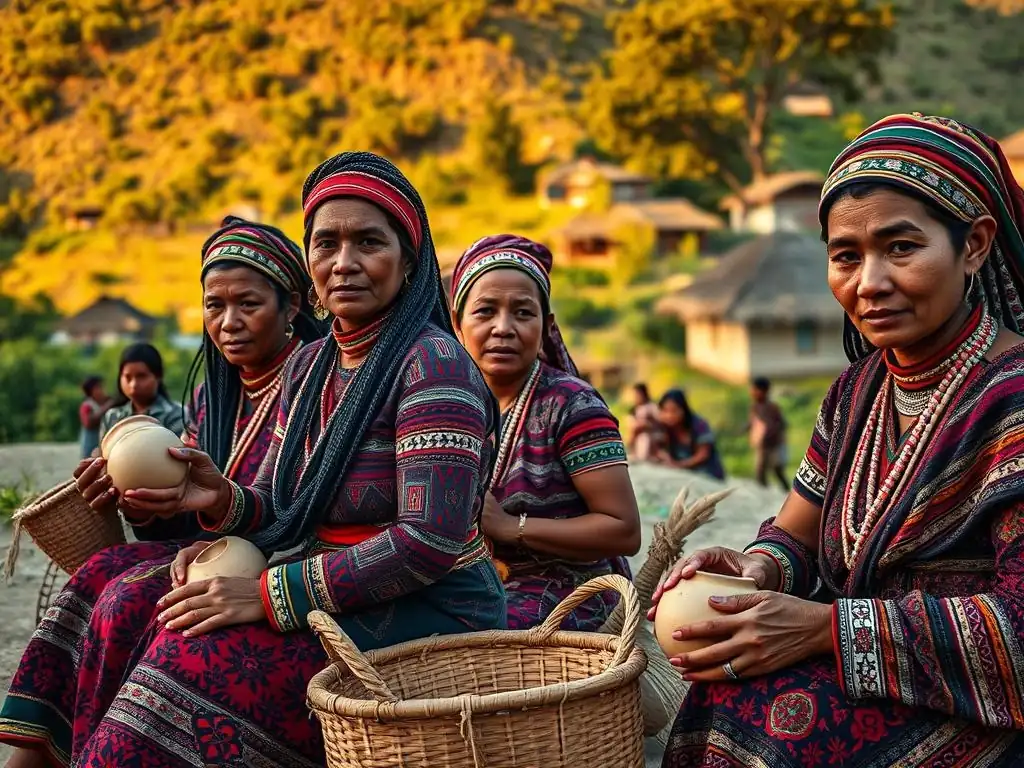
Welcome to Indigenous Civilizations of the Americas, where we embark on a captivating journey through the rich tapestry of indigenous cultures that flourished long before European colonization. Here, we delve into the remarkable achievements and societal structures that define these vibrant communities. In our featured article, “Gender Roles and Social Classes: The Position of Women in Indigenous Societies,” we shed light on the often-overlooked contributions and roles of women in these societies. What were their unique responsibilities and influences?
Discover how their legacies continue to shape cultural narratives today. Join us as we explore the profound impact of these civilizations and the pivotal roles women played within them. Your adventure into history begins here!
Introduction to Women in Indigenous Societies
Understanding the role of women in Indigenous societies across the Americas offers a profound insight into the complex social structures that existed prior to European colonization. Women were not merely passive figures; they occupied vital positions within their communities, contributing to economic, political, and spiritual dimensions of life. This article delves into the multifaceted roles of women in Indigenous cultures, highlighting their influence and the social classes that defined their status. By examining the historical context, variations among different tribes, and the impact of geography, we can appreciate the nuanced positions women held in these rich and diverse societies.
Overview of Indigenous Civilizations in the Americas
Indigenous civilizations in the Americas were incredibly diverse, encompassing a wide range of cultures, languages, and ways of life. From the complex urban centers of the Aztecs and Maya in Mesoamerica to the nomadic tribes of the Great Plains, each society had its own unique customs and social structures. Yet, common threads can be found in the way gender roles were defined and understood.
Key civilizations included:
- The Maya: Known for their impressive architectural achievements and advanced knowledge of astronomy.
- The Aztecs: With a rich tapestry of mythology and a highly stratified society.
- The Iroquois Confederacy: Renowned for its matrilineal structure where women held significant power.
- The Plains Tribes: Often characterized by a gendered division of labor that was adaptable to their environment.
These civilizations not only thrived before the arrival of Europeans but also established systems that shaped their identities and social hierarchies, including the roles of women.
Importance of Understanding Gender Roles and Social Classes
Examining gender roles and social classes in Indigenous societies is crucial for several reasons:
- Cultural Appreciation: It allows us to recognize the contributions of women, often overlooked in historical narratives.
- Social Structures: Understanding these roles helps to illustrate the complexity of social hierarchies and relationships within Indigenous communities.
- Contemporary Relevance: Insights into traditional gender roles can inform discussions about gender equality and social justice today.
- Historical Impact: Acknowledging the integral role of women in these societies can reshape our understanding of history, highlighting the interconnectedness of social classes.
Historical Context of Women in Indigenous Societies
To fully appreciate the roles of women in Indigenous societies, we must explore the historical context that shaped their experiences and responsibilities. This involves looking at gender roles before colonization, the variations across different cultures, and the influence of environmental factors.
Pre-Colonization Gender Roles
Prior to European contact, many Indigenous societies had established gender roles that were often complementary rather than hierarchical. Women participated actively in various aspects of life, including:
- Agriculture: In many communities, women were responsible for planting, harvesting, and managing crops, which was vital for food security.
- Craftsmanship: They were skilled artisans, creating pottery, textiles, and tools that were essential for daily life.
- Political Influence: In some cultures, women had significant political power, often participating in councils or decision-making processes.
This pre-colonization landscape reveals a dynamic where gender roles were not fixed but adapted to the needs of the community.
Variations Across Different Indigenous Cultures
While some commonalities existed, the roles of women varied significantly among Indigenous cultures. For instance:
- Matrilineal Societies: In tribes like the Iroquois, lineage and inheritance were traced through the female line, granting women considerable authority.
- Patrilineal Societies: In contrast, other tribes followed a male lineage system, which often limited women's roles in formal leadership but still valued their contributions in other areas.
- Spiritual Roles: Many Indigenous cultures revered women as spiritual leaders and healers, acknowledging their importance in maintaining cultural traditions and practices.
These variations highlight the diverse expressions of gender roles and the importance of context in understanding women's positions within their societies.
Influence of Environment and Geography on Gender Roles
The environment and geography of a region played a crucial role in shaping gender roles within Indigenous societies. Different climates and resources influenced:
- Economic Activities: Societies in agrarian settings often had different gender dynamics compared to those in nomadic or hunter-gatherer environments.
- Social Structures: In regions where resources were abundant, women might have enjoyed more autonomy, while in harsher climates, their roles could have been more defined by survival needs.
- Cultural Practices: Environmental factors also shaped rituals, traditions, and the division of labor, further impacting the status and roles of women.
The roles of women in Indigenous societies were complex and multifaceted, influenced by a variety of factors that included social structures, cultural norms, and environmental conditions. Understanding these dynamics offers valuable insights into the rich histories of Indigenous cultures across the Americas.
Social classes in indigenous societies often influenced the roles and status of women. These classes were not universally defined, varying significantly among different cultures such as the Iroquois, Navajo, and Maya. In many cases, the stratification of society dictated not only economic and political power but also the responsibilities and rights of women.
Women were typically involved in agricultural production, which was a crucial aspect of many indigenous economies, thus placing them in a vital position within their communities. However, their status often fluctuated based on class distinctions, with elite women sometimes enjoying higher social standing and more influence compared to their lower-class counterparts.
Definition of Social Classes in Indigenous Cultures
Social classes in indigenous cultures can be defined as hierarchical structures that categorize individuals based on various criteria, including wealth, occupation, and lineage. Unlike the rigid social classes seen in many European societies, indigenous social classes were often more fluid and could change based on factors such as marriage, achievements, or contributions to the community.
For example, among the Plains tribes, wealth could be measured in terms of horses or other resources, and an individual’s status could rise or fall with their ability to acquire these. Additionally, certain tribes, like the Iroquois, had matrilineal systems that allowed women to inherit property and hold significant influence within their clans, showcasing a unique aspect of social class dynamics.
The Role of Women in Different Classes
The role of women in indigenous societies often varied dramatically across different social classes. In many cultures, women from higher social classes had access to resources and were involved in decision-making processes, often acting as advisors to male leaders. For instance, among the Iroquois Confederacy, women held considerable power in selecting chiefs and influencing political matters through their roles as clan mothers.
Conversely, women from lower classes typically engaged in labor-intensive roles, focusing on domestic responsibilities and agricultural work. Despite these differences, women across various classes played critical roles in maintaining family structures and cultural continuity, often acting as the primary educators of children in their communities.
Gender Roles: Expectations and Realities
Gender roles in indigenous societies were often defined by cultural norms and traditions, dictating what was deemed appropriate behavior and responsibilities for men and women. While many indigenous cultures held specific expectations for women to fulfill nurturing and caretaking roles, the reality often reflected a more complex picture. Women were not only caregivers but also active participants in various economic and political activities, challenging the simplified notions of gender roles.
Traditional Roles of Women in Indigenous Societies
Traditionally, women in indigenous societies were primarily responsible for domestic duties, including cooking, weaving, and child-rearing. However, these roles were often complemented by significant participation in subsistence activities, such as farming and gathering. For example, in many agricultural societies, women cultivated crops that were essential for community sustenance. This duality of roles allowed women to maintain a balance between family obligations and community contributions, highlighting their integral part in both the household and the economy.
Breaking Stereotypes: Women as Leaders and Warriors
Contrary to common stereotypes that depict indigenous women as passive or subordinate, many cultures recognized and celebrated women as leaders and warriors. In certain tribes, women served as warriors, defending their communities and participating in negotiations. Notably, figures such as the legendary Pocahontas and the warrior women of the Apache and Lakota tribes showcased the active and dynamic roles women could play in their societies. Moreover, women often held leadership positions, influencing decisions regarding community welfare and resource management, thereby reinforcing their status as vital members of their societies.
Contemporary Perspectives on Women’s Roles
Today, the roles of women in indigenous societies continue to evolve, with many advocating for rights and recognition in both traditional and modern contexts. Contemporary indigenous women often navigate the dual challenges of preserving cultural heritage while addressing issues of social and economic inequality. Organizations led by indigenous women are emerging globally, focusing on education, health, and political representation. This modern movement underscores a shift toward acknowledging and valuing the contributions of women in indigenous communities, celebrating their resilience and leadership in advocating for their rights and those of future generations.
Case Studies of Women in Specific Indigenous Communities
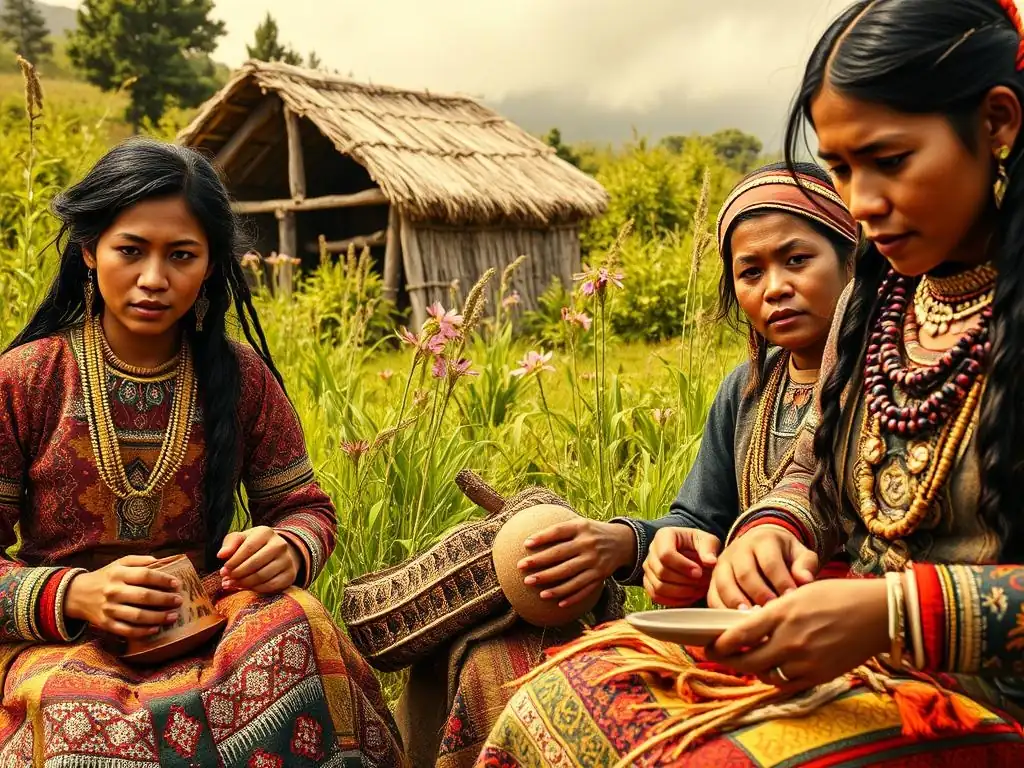
Examining specific indigenous communities provides valuable insights into the diverse roles women played within their societies. Each community showcased unique cultural practices, social structures, and gender dynamics that shaped the lives of women.
Women in the Iroquois Confederacy
In the Iroquois Confederacy, women held substantial power and influence within their communities. Matrilineal descent was a defining feature of their society, meaning lineage and inheritance were traced through the mother. Women were responsible for agricultural production, primarily cultivating crops like corn, beans, and squash, known collectively as the "Three Sisters." This agricultural role not only positioned women as essential providers but also allowed them to hold significant social status.
The Iroquois women also participated in political life; they chose the male leaders, known as sachems, and had the authority to remove them if deemed unfit. This unique system of governance highlighted the respect and power that women wielded, challenging the traditional narratives of female subordination in many indigenous cultures.
Women in the Plains Tribes
The Plains Tribes, including groups such as the Lakota and Cheyenne, exhibited varied roles for women that were often closely tied to the nomadic lifestyle centered around buffalo hunting. Women were integral to the community, managing the home and family, while also participating in buffalo hunts and gathering.
In many Plains societies, women crafted essential items, including clothing, tools, and shelters, displaying their artistic and practical skills. The status of women in these tribes often depended on their contributions to the community, with respected women sometimes even taking on leadership roles, especially in matters concerning family and social welfare.
Women in the Maya Civilization
In the Maya Civilization, women held diverse roles that ranged from political leaders to artisans. Women could inherit property and were often involved in trade, which provided them with a level of economic independence. Some women even ascended to positions of power, with notable figures such as Lady Six Sky, who ruled over the kingdom of Naranjo and was instrumental in various political and military affairs.
Maya society also recognized the importance of motherhood, and women were often celebrated for their roles in maintaining familial and societal structures. The complexities of gender roles in the Maya civilization indicate that women were not merely passive figures but active participants in the cultural and political life of their communities.
Women in the Andean Cultures
In the Andean cultures, particularly among the Inca, women played crucial roles in both domestic and agricultural spheres. The Inca society was notable for its dualism in gender roles, where men and women had distinct but complementary responsibilities. Women were primarily tasked with textile production and agriculture, managing the cultivation of crops such as potatoes and quinoa.
Additionally, certain women were elevated in status as priestesses, participating in religious ceremonies that were vital to societal cohesion. The concept of ayllu, or communal living, also emphasized women's roles in fostering social bonds and collaborative efforts within their communities, showcasing their importance beyond mere domestic duties.
Challenges Faced by Women in Indigenous Societies
Despite the significant roles women played in their communities, they faced numerous challenges that have persisted through time.
Colonial Impact on Gender Roles
The arrival of European colonizers drastically altered the social landscapes of indigenous societies. Colonial powers often imposed patriarchal structures, undermining the matrilineal systems and gender equality that existed in many indigenous cultures. Women’s roles were diminished, and their contributions to society were often overlooked or appropriated. Colonial policies frequently disregarded indigenous customs, leading to a loss of traditional practices that empowered women and diminished their status within their communities.
Modern-Day Struggles: Preservation of Culture and Rights
Today, indigenous women continue to grapple with the legacies of colonialism and systemic discrimination. Many face socioeconomic challenges, including poverty, lack of access to education, and healthcare disparities. Efforts to preserve cultural identity and rights are ongoing, as indigenous women advocate for their place within both traditional and contemporary societies. Movements for land rights, cultural preservation, and gender equality highlight the resilience of these women as they seek to reclaim their roles and assert their identities.
Intersectionality: Gender, Class, and Ethnicity
The experiences of women in indigenous societies are not monolithic; they intersect with various factors such as class and ethnicity. Indigenous women often face compounded discrimination based on their gender and ethnic identity, leading to unique struggles within and outside their communities. Understanding these intersections is crucial for addressing the specific challenges they face and for fostering inclusive approaches to advocacy and empowerment. Recognizing the complexity of their experiences allows for a more nuanced appreciation of their roles and contributions to indigenous societies.
Conclusion: The Legacy of Women in Indigenous Societies
The legacy of women in Indigenous societies is rich and multifaceted, marked by resilience, leadership, and integral participation in social, economic, and spiritual realms. Women were often central figures in their communities, wielding influence not only within their families but also in broader societal frameworks. Their roles varied significantly across different cultures—from matriarchal structures that emphasized female lineage to societies where women held significant positions in governance and religious practices. This diversity reflects a profound understanding of gender as a fluid construct, allowing for various expressions of identity and authority.
The contributions of women, whether in agricultural practices, community organizing, or cultural preservation, laid the foundations for dynamic societies. As custodians of knowledge, women played crucial roles in teaching traditions, languages, and survival strategies, ensuring the continuity of their cultures. Their legacy is evident today, as contemporary Indigenous women continue to advocate for rights, environmental justice, and cultural revitalization, drawing strength from their ancestral heritage.
Lasting Impact on Contemporary Indigenous Cultures
Contemporary Indigenous cultures are significantly influenced by the historical roles of women within their societies. Many Indigenous women today reclaim their ancestral practices, asserting their identities and leadership in various domains, such as politics, education, and environmental activism. This reclamation process often involves a return to traditional values that emphasize the importance of women's voices and contributions.
Moreover, the impact of colonization has led to a renewed focus on the rights and empowerment of Indigenous women. They often serve as key agents of change, working to address issues like gender violence, land rights, and cultural preservation. The intersectionality of Indigenous women's experiences—shaped by both gender and their cultural backgrounds—highlights the need for a nuanced understanding of their roles in contemporary societies. Their engagement in grassroots movements and leadership initiatives underscores their vital role in the broader struggle for Indigenous rights and social justice.
Future Directions for Research and Advocacy
Research on the roles of women in Indigenous societies is an ongoing field that requires further exploration and attention. Future studies should aim to document and analyze the contributions of women across various Indigenous cultures, focusing on their leadership roles and the impact of gender dynamics within their communities.
Additionally, interdisciplinary approaches that incorporate anthropology, history, sociology, and gender studies can provide a more holistic understanding of Indigenous women's experiences. Advocacy efforts must also prioritize the voices of Indigenous women, ensuring they are at the forefront of discussions regarding cultural preservation, policy-making, and social issues. By amplifying their perspectives, researchers and advocates can contribute to a more equitable representation of Indigenous cultures and histories.
References for Further Reading on Women in Indigenous Societies
Academic Sources and Articles
- Berard, A. (2014). "Indigenous Women and the Politics of Identity." Journal of Indigenous Studies, 2(1), 45-60.
- Smith, L. T. (2012). "Decolonizing Methodologies: Research and Indigenous Peoples." London: Zed Books.
Books on Gender Roles in Indigenous Cultures
- Brown, J. (2019). Women of the First Nations: Power, Wisdom, and Strength. Toronto: Women’s Press.
- Scully, P. (2017). Indigenous Women and Feminism: Politics, Activism, Culture. Vancouver: UBC Press.
Documentaries and Cultural Studies
- Rumble: The Indians Who Rocked the World (2017). This documentary explores the contributions of Indigenous musicians and highlights the roles of women in shaping their cultural narratives.
- We Are Still Here (2016). A documentary that focuses on the resilience of Indigenous communities, featuring stories of women who have played pivotal roles in their societies.
- Introduction to Women in Indigenous Societies
- Historical Context of Women in Indigenous Societies
- Social Classes and Women’s Status in Indigenous Societies
- Gender Roles: Expectations and Realities
- Case Studies of Women in Specific Indigenous Communities
- Challenges Faced by Women in Indigenous Societies
- Conclusion: The Legacy of Women in Indigenous Societies
- References for Further Reading on Women in Indigenous Societies
- What was the role of women in Indigenous societies?
- How did gender roles vary among different Indigenous cultures?
- What were some achievements of women in Indigenous civilizations?
- How did European colonization impact women's roles in Indigenous societies?
- Why is it important to study the position of women in Indigenous societies?
Frequently Asked Questions
What was the role of women in Indigenous societies?
Women in Indigenous societies often held significant roles in both social and economic spheres, contributing to agriculture, family structure, and community leadership.
How did gender roles vary among different Indigenous cultures?
Gender roles were not uniform; they varied widely among different tribes, with some cultures empowering women as leaders, while others had more traditional roles focused on household responsibilities.
What were some achievements of women in Indigenous civilizations?
Women made notable contributions to their communities, including advancements in farming techniques, crafting, and cultural preservation, often serving as the backbone of their societies.
How did European colonization impact women's roles in Indigenous societies?
European colonization often led to the disruption of traditional gender roles, imposing patriarchal structures that marginalized women's positions and contributions within their communities.
Why is it important to study the position of women in Indigenous societies?
Understanding the position of women in Indigenous societies highlights their critical role in cultural continuity and resilience, emphasizing the need for recognition of their heritage and contributions in history.
Final Reflection: Empowering Women in Indigenous Societies
In exploring the intricate dynamics of gender roles and social classes, we uncover the profound impact these structures have on the position of women in Indigenous societies today. The historical context of these roles reveals not only the challenges faced by women but also their resilience and strength in navigating these complexities. As we reflect on these themes, it becomes clear that understanding the past is crucial for fostering a more equitable future for women in Indigenous communities.
The ongoing influence of these gender roles continues to shape the cultural and social landscape of Indigenous societies. Women have historically been the backbone of their communities, often serving as keepers of tradition and knowledge. Their roles, though sometimes marginalized, have been pivotal in sustaining cultural identity and social cohesion. As noted by Indigenous scholar Kim Anderson, Indigenous women are not just survivors; they are leaders, warriors, and the heart of their communities.
This recognition of their contributions is essential as we strive to uplift and empower Indigenous women in contemporary society.
As we conclude this exploration, I invite you to reflect on the lessons learned from the resilience and strength of women in Indigenous societies. Consider how you can support their voices and advocate for their rights in your own community. By acknowledging their struggles and celebrating their achievements, we can contribute to a more inclusive and equitable future. Let us take action, amplify their stories, and ensure that the legacy of Indigenous women continues to inspire generations to come.
Empower Change: Elevate Indigenous Women's Voices!
Thank you for taking the time to explore the critical topic of gender roles and social classes within Indigenous societies. Your interest is an important step towards understanding and supporting the unique position of women in these communities. Now, let's transform that insight into meaningful action!
Here are some actionable steps you can take to promote awareness and support Indigenous women's rights:
- Engage with Local Indigenous Organizations: Reach out to Indigenous groups in your area that focus on women's empowerment. Your involvement can make a significant difference!
- Share Knowledge: Spread the word about what you’ve learned! Discuss Indigenous women's roles on social media or in community gatherings to help amplify their voices.
- Participate in Events: Attend or volunteer for cultural events or workshops that focus on Indigenous issues. These experiences can deepen your understanding and strengthen connections within the community.
How do you believe empowering Indigenous women can reshape societal views on gender roles? Join the conversation!