
Understanding Indigenous Soil Management Techniques for Sustainable Agriculture

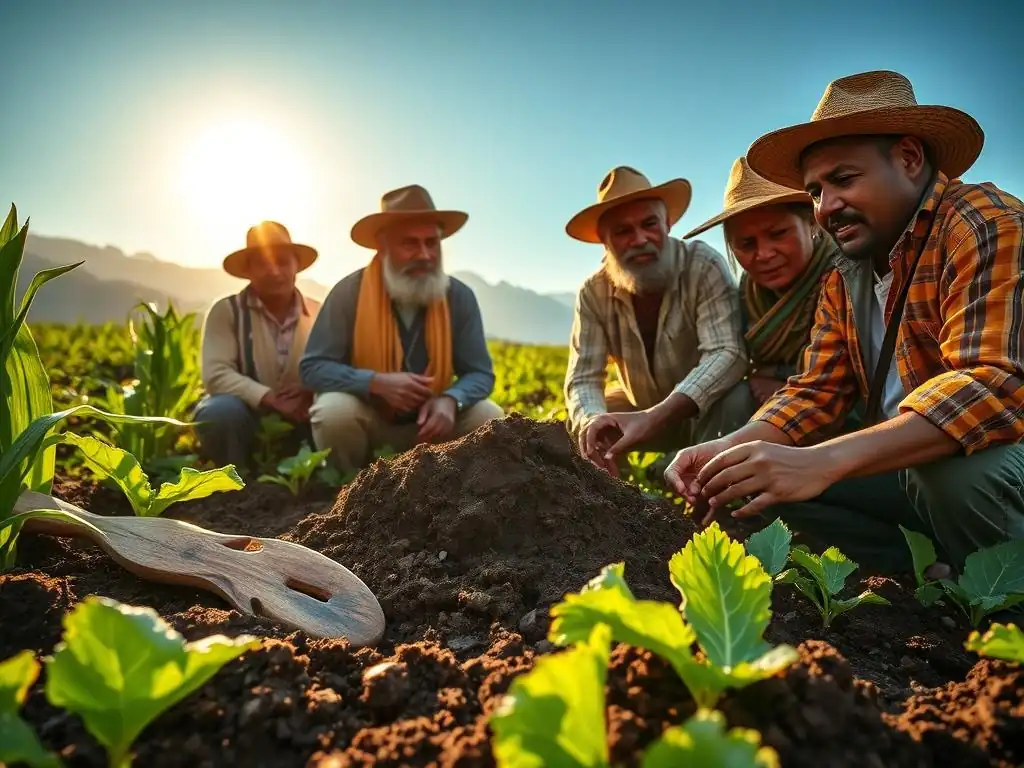
Welcome to Indigenous Civilizations of the Americas, where we delve into the rich tapestry of indigenous cultures that flourished long before European contact. Our spotlight today is on Indigenous soil management techniques, a topic that reveals the profound wisdom and sustainable practices of these diverse societies. Discover how their innovative approaches to agriculture not only nurtured the land but also fostered thriving communities. Join us as we explore the legacy of these remarkable civilizations and uncover the insights that can inform our modern practices. Your journey into the past is just beginning—read on to transform your understanding of sustainability!
Introduction to Indigenous Soil Management Techniques
Indigenous soil management techniques represent a wealth of knowledge cultivated over centuries by diverse civilizations across the Americas. Before European colonization, indigenous peoples developed innovative agricultural practices that not only optimized soil health but also promoted biodiversity and sustainability. These techniques are crucial for understanding how societies thrived in harmony with their environment, and they offer valuable lessons for modern sustainable agriculture. In this article, we will explore the definition, historical context, and significance of these practices, emphasizing their relevance in contemporary discussions about sustainability and environmental stewardship.
Definition of Indigenous Soil Management
Indigenous soil management refers to the traditional practices and methods employed by indigenous peoples to maintain and enhance soil fertility and structure. These techniques often incorporate a deep understanding of local ecosystems, soil types, and climatic conditions. Some common practices include:
- Crop rotation: Alternating different types of crops in a specific sequence to improve soil health and reduce pest populations.
- Agroforestry: Integrating trees into agricultural landscapes to enhance biodiversity, improve soil structure, and provide additional resources.
- Terracing: Constructing step-like structures on slopes to minimize soil erosion and manage water runoff.
These practices are not merely agricultural techniques; they embody a holistic approach to land stewardship that prioritizes ecological balance and sustainability.
Importance of Indigenous Practices in Sustainable Agriculture
The importance of indigenous soil management techniques cannot be overstated in today's context of environmental degradation and climate change. Here are several reasons why these practices are vital for sustainable agriculture:
- Biodiversity Promotion: Indigenous techniques often encourage crop diversity, which can enhance resilience against pests and diseases.
- Soil Health Restoration: Many indigenous practices improve soil structure and fertility, reducing the need for chemical fertilizers and promoting long-term sustainability.
- Cultural Heritage: Understanding and preserving these techniques fosters respect for indigenous cultures and their contributions to global agricultural practices.
By integrating indigenous knowledge into modern farming methods, we can create more sustainable and resilient agricultural systems that respect both nature and culture.
Historical Context of Indigenous Soil Management Techniques
Overview of Indigenous Agricultural Societies in the Americas
The Americas are home to a rich tapestry of indigenous agricultural societies, each with unique soil management techniques tailored to their environments. From the sophisticated agricultural systems of the Maya in Mesoamerica to the dryland farming methods of the Pueblo peoples in the Southwest, these societies have demonstrated remarkable ingenuity.
For instance, the Inca civilization developed an extensive network of terraces and irrigation systems to cultivate crops in the challenging Andean mountains. Similarly, the Native American tribes of the Great Plains practiced controlled burns to enrich the soil and promote the growth of essential plants.
Key Historical Practices in Soil Management
Historically, indigenous peoples employed a variety of soil management practices that have stood the test of time. Some notable techniques include:
- Chinampas: Developed by the Aztecs, these floating gardens allowed for year-round cultivation on shallow lake beds, optimizing space and resources.
- Milpa System: A traditional Mesoamerican practice involving the shifting cultivation of crops like maize, beans, and squash, which supported nutrient cycling and soil fertility.
- Slash-and-Burn Agriculture: Used by many indigenous groups, this technique involved clearing forested areas through controlled burning, enriching the soil with ashes and promoting new growth.
These historical practices reflect a profound understanding of ecological relationships and have informed contemporary sustainable agriculture. By studying these methods, we can learn valuable lessons on how to cultivate food while preserving the health of our planet.
Core Indigenous Soil Management Techniques
Indigenous soil management techniques encompass a range of practices that have been developed and refined over generations. These practices reflect a deep understanding of local ecosystems and an intrinsic connection to the land. They prioritize sustainability, resilience, and biodiversity, allowing indigenous communities to cultivate crops effectively while preserving natural resources. Key techniques include crop rotation, organic amendments, conservation tillage, and erosion control strategies, which together contribute to a holistic approach to agriculture that emphasizes harmony with the environment.
Crop Rotation and Diversity in Indigenous Agriculture
Crop rotation is a foundational principle of indigenous agriculture, wherein different crops are planted in succession on the same land. This technique enhances soil health, reduces pest infestations, and promotes biodiversity. Indigenous farmers often utilize a variety of crops, including staple grains, legumes, and vegetables, to create a balanced ecosystem.
For instance, the Native American practice of the "Three Sisters"—planting corn, beans, and squash together—illustrates this principle. The corn provides a structure for the beans to climb, while the beans fix nitrogen in the soil, benefiting all three plants. This method not only maximizes yield but also fosters ecological balance and nutrient cycling.
Use of Organic Amendments and Natural Fertilizers
The use of organic amendments and natural fertilizers is another critical aspect of indigenous soil management. Indigenous cultures have long relied on materials such as compost, animal manure, and green manures to enhance soil fertility. By returning organic matter to the soil, these practices improve soil structure, moisture retention, and nutrient availability. For example, the Andean communities have historically used llama manure as a rich source of nitrogen and other nutrients, promoting healthy crop growth. Additionally, the incorporation of plant residues and cover crops helps to prevent nutrient leaching and erosion, contributing to long-term soil health.
Conservation Tillage Practices Among Indigenous Cultures
Conservation tillage is a practice that minimizes soil disturbance, promoting the preservation of soil structure and organic matter. Many indigenous cultures employ techniques such as no-till or reduced tillage to maintain healthy soils. This approach can lead to improved water retention, reduced erosion, and enhanced microbial activity. For instance, the indigenous peoples of the Amazon rainforest have traditionally used slash-and-mulch techniques, where vegetation is cut and left on the soil surface to decompose, providing nutrients while protecting the soil from erosion. These practices align with modern sustainable agriculture principles and demonstrate the effectiveness of indigenous knowledge in soil management.
Techniques for Soil Erosion Control
Soil erosion poses a significant threat to agricultural sustainability, but indigenous cultures have developed numerous techniques to combat it. These methods often include the strategic planting of cover crops, creating terraces, and implementing contour farming practices. For example, the Inca civilization is renowned for its terrace farming, which not only maximizes arable land in mountainous regions but also effectively reduces soil erosion by slowing down water runoff. Additionally, indigenous communities have employed vegetative barriers and agroforestry practices to stabilize soil and protect it from wind and water erosion, showcasing their innovative approaches to environmental stewardship.
The Role of Traditional Knowledge in Soil Management
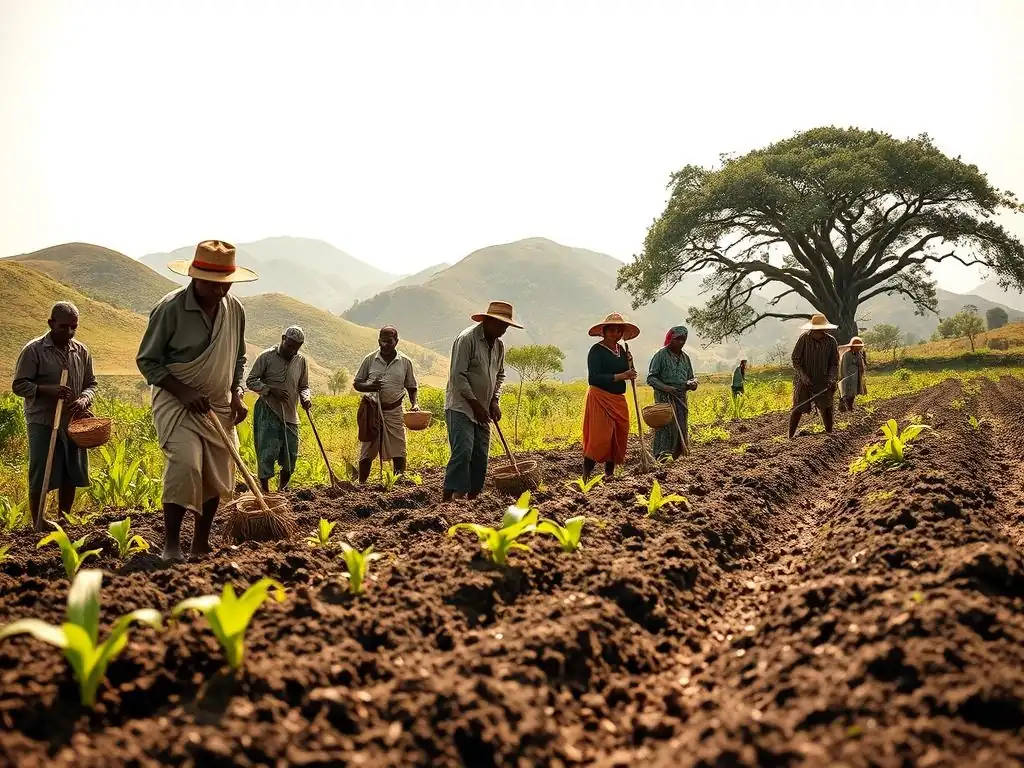
Traditional knowledge plays a vital role in indigenous soil management techniques, as it encompasses the cumulative wisdom and practices passed down through generations. This knowledge is deeply rooted in the understanding of local ecosystems and cultural values, informing the sustainable management of soil and resources. By integrating traditional ecological knowledge with modern agricultural practices, indigenous communities can enhance soil health and promote agricultural resilience, ensuring food security for future generations.
Intergenerational Knowledge Transfer in Indigenous Communities
Intergenerational knowledge transfer is an essential aspect of indigenous cultures, where elders pass down farming techniques and ecological wisdom to younger generations. This transmission of knowledge fosters a sense of identity and community, as well as a deep understanding of local ecosystems. In many indigenous communities, learning occurs through hands-on experiences, storytelling, and participation in farming activities. This method not only preserves traditional practices but also empowers the youth to adapt these techniques to contemporary challenges, ensuring the sustainability of agriculture in the face of climate change and environmental degradation.
Case Studies of Successful Indigenous Soil Practices
Numerous case studies highlight the effectiveness of indigenous soil management practices in promoting sustainable agriculture. For instance, the Mayan civilization's use of milpa systems—rotational farming that integrates diverse crops—has shown resilience against pests and climate variability. Similarly, the use of agroforestry by the indigenous peoples of the Amazon has demonstrated significant benefits for both biodiversity and soil health. These case studies exemplify how traditional practices not only provide food security but also contribute to ecological conservation, offering valuable lessons for contemporary agricultural practices worldwide.
Benefits of Indigenous Soil Management Techniques for Sustainable Agriculture
Indigenous soil management techniques have been honed over centuries, reflecting a deep understanding of local ecosystems and agricultural practices. These techniques offer numerous benefits, particularly in promoting sustainable agriculture. By utilizing methods that are often in harmony with nature, indigenous practices contribute to enhanced soil health, biodiversity, and resilience against climate change.
Enhancing Soil Fertility and Biodiversity
One of the most significant benefits of indigenous soil management techniques is their ability to enhance soil fertility and biodiversity. Indigenous communities often implement practices such as:
- Crop Rotation: Planting different crops in the same area across seasons prevents soil depletion and encourages nutrient cycling.
- Intercropping: Growing multiple crops together improves pest management and enhances biodiversity. For instance, the Three Sisters method—planting corn, beans, and squash together—utilizes the strengths of each plant to improve overall yield and soil health.
- Use of Organic Matter: Indigenous practices frequently involve the incorporation of organic matter, such as compost and animal manure, which enriches soil fertility by providing essential nutrients.
These methods not only improve the productivity of the land but also sustain the ecological balance, fostering a diverse range of organisms that contribute to soil health.
Climate Resilience Through Indigenous Practices
Indigenous soil management techniques are inherently designed to promote resilience to climate change. Many indigenous methods involve:
- Water Management: Techniques such as building terraces or constructing raised beds help manage water efficiently, reducing erosion and increasing water retention in the soil.
- Agroforestry: Integrating trees into agricultural systems provides shade, reduces wind erosion, and enhances soil moisture, creating a microclimate that supports crops.
- Diverse Planting: By cultivating a variety of crops, indigenous farmers reduce the risk of total crop failure during extreme weather events, ensuring food security.
Research shows that these practices not only mitigate the effects of climate change but also help restore ecosystems, making them crucial for sustainable agricultural development.
Economic Advantages of Sustainable Soil Management
Indigenous soil management techniques also provide economic benefits. By focusing on sustainable practices, these methods:
- Reduce Dependency on Chemical Inputs: Utilizing natural fertilizers and pest control methods decreases the need for synthetic chemicals, lowering production costs and minimizing environmental impact.
- Enhance Market Access: Products grown using sustainable techniques often command higher prices in markets that prioritize organic and ethically sourced goods, benefiting indigenous farmers economically.
- Promote Local Economies: By supporting sustainable practices, indigenous communities can create resilient local economies that rely on local resources and labor, fostering a sense of community and cultural identity.
These economic advantages highlight the viability of indigenous practices as a sustainable alternative to conventional agriculture.
Comparison of Indigenous Soil Management Techniques with Modern Agricultural Practices
Understanding the distinctions and similarities between indigenous soil management techniques and modern agricultural practices is vital for appreciating the value of traditional knowledge in contemporary farming.
Similarities in Goals and Techniques
Both indigenous and modern agricultural practices aim to achieve high crop yields and sustainable resource use. Some commonalities include:
- Soil Fertility Management: Both approaches recognize the importance of soil health and employ techniques to enhance fertility, although the methods may differ.
- Pest Control: Integrated pest management strategies are utilized in both systems to reduce crop damage.
- Crop Diversity: There is a shared understanding that crop diversity can lead to better resilience against pests and diseases.
These similarities underscore a fundamental goal of agriculture: to produce food sustainably while maintaining the health of the ecosystem.
Key Differences in Approach and Philosophy
Despite these similarities, there are notable differences in the approaches and philosophies underlying indigenous and modern agricultural practices:
- Use of Technology: Modern agriculture often relies on advanced technologies, including genetic modification and chemical fertilizers, whereas indigenous practices focus on traditional knowledge and natural resources.
- Ecosystem Perspective: Indigenous soil management techniques typically adopt a holistic view of the ecosystem, emphasizing the interconnections between plants, animals, and the environment. In contrast, modern practices can sometimes prioritize short-term yields over long-term sustainability.
- Cultural Significance: Indigenous practices are deeply embedded in cultural traditions and community values, which influences land stewardship and resource management. Modern agricultural practices may lack this cultural connection, often prioritizing profit over community welfare.
These differences highlight the value of integrating indigenous knowledge with modern techniques to create more sustainable agricultural systems.
Challenges Facing Indigenous Soil Management Techniques Today
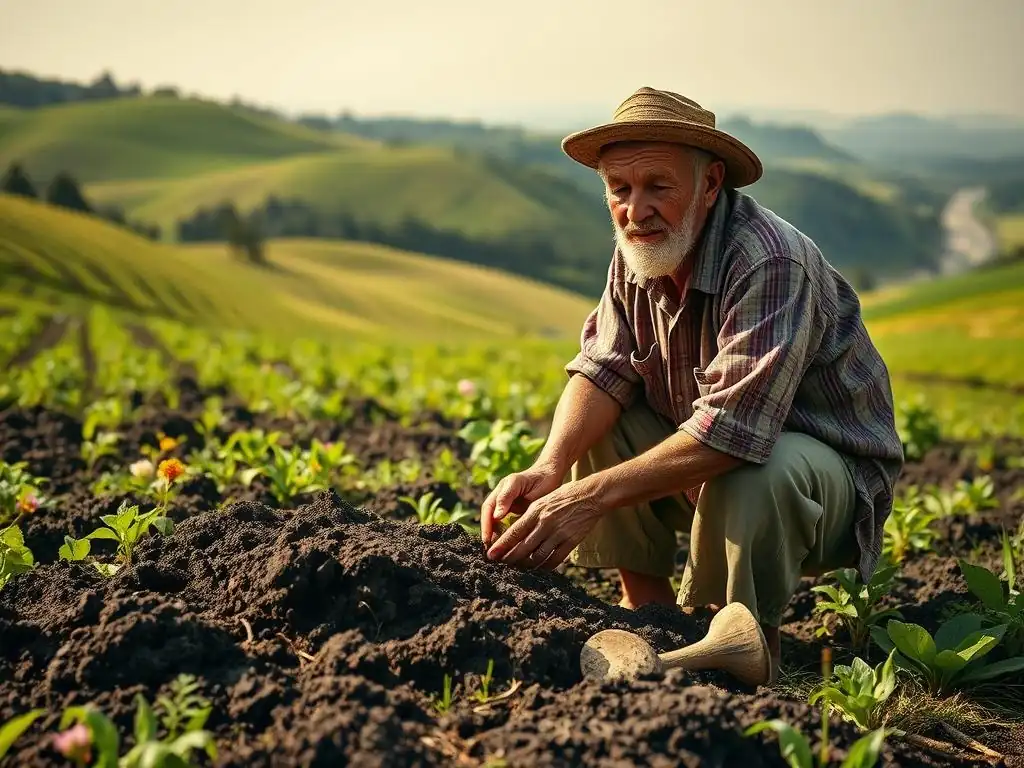
Indigenous soil management techniques, honed over centuries, face a myriad of challenges in the contemporary agricultural landscape. These challenges stem from a combination of modern agricultural practices, socio-economic pressures, and environmental degradation, which collectively threaten the viability and continuity of these traditional methods.
Impact of Modern Agriculture on Indigenous Practices
Modern agricultural practices often prioritize high-yield monocultures and chemical inputs, leading to soil degradation and biodiversity loss. These practices can undermine the intricate soil management techniques developed by Indigenous peoples, which are fundamentally rooted in the principles of sustainability and ecological balance. For instance, the use of synthetic fertilizers and pesticides not only depletes soil health but also disrupts the symbiotic relationships that Indigenous practices leverage, such as those between plants and beneficial microorganisms.
The commercialization of agriculture has also led to the encroachment of industrial farming on Indigenous lands, pushing traditional farmers to abandon their time-tested methods. As a result, the knowledge of crop rotation, companion planting, and natural pest control—central to Indigenous soil management—faces erosion, further diminishing its application in today's agricultural systems.
Loss of Traditional Knowledge and Environmental Threats
The loss of traditional ecological knowledge (TEK) is a significant challenge for Indigenous soil management techniques. Younger generations, often drawn to urban environments and modern lifestyles, are less likely to inherit and practice these vital skills. This shift not only threatens the transmission of knowledge but also results in a disconnect from the land and its ecological cycles.
Moreover, environmental threats such as climate change, deforestation, and pollution exacerbate the difficulties faced by Indigenous agricultural practices. Changes in weather patterns, increased incidence of pests, and the depletion of natural resources compel Indigenous farmers to adapt rapidly, often leading to the abandonment of traditional methods that have sustained their communities for generations.
Future of Indigenous Soil Management Techniques in Sustainable Agriculture
Despite the challenges, the future of Indigenous soil management techniques remains promising, particularly as the global focus shifts toward sustainable agricultural practices. There is an increasing recognition of the value that Indigenous knowledge can bring to modern agriculture, emphasizing the need to integrate these techniques into broader sustainability frameworks.
Revitalization of Indigenous Practices in Modern Context
The revitalization of Indigenous soil management techniques is gaining traction through various initiatives aimed at reconnecting Indigenous communities with their agricultural heritage. Educational programs, workshops, and community-led projects are being implemented to promote the sharing of traditional knowledge among younger generations. These efforts not only help preserve Indigenous practices but also encourage the adaptation of these techniques to meet contemporary agricultural challenges.
Additionally, Indigenous-led movements advocating for land rights and sustainable practices are increasingly gaining visibility. These movements emphasize the importance of protecting traditional lands and implementing practices that enhance soil health, biodiversity, and ecosystem resilience. By fostering a sense of identity and stewardship among Indigenous communities, these initiatives play a critical role in ensuring the continuation of these invaluable agricultural techniques.
Potential Collaborations Between Indigenous Knowledge and Scientific Research
Collaboration between Indigenous knowledge systems and scientific research presents significant opportunities for enhancing sustainable agriculture. By integrating traditional ecological knowledge with modern agricultural science, researchers can develop more effective, adaptive practices that honor the wisdom of Indigenous peoples while addressing contemporary challenges.
For example, studies have shown that practices such as agroforestry, which is often rooted in Indigenous traditions, can significantly improve soil health and carbon sequestration. Collaborations can lead to innovative solutions that not only enhance productivity but also promote environmental stewardship. Moreover, involving Indigenous communities in research processes ensures that their voices are heard and their traditional knowledge is respected, ultimately leading to more holistic and sustainable agricultural practices.
The future of Indigenous soil management techniques in sustainable agriculture is characterized by a blend of revitalization efforts, intergenerational knowledge transfer, and collaborative research initiatives, all of which aim to ensure the resilience and sustainability of Indigenous agricultural practices in the face of modern challenges.
Conclusion
Indigenous soil management techniques represent a treasure trove of knowledge that has been cultivated over centuries. These practices not only demonstrate a profound understanding of local ecosystems but also highlight sustainable methods that have proven effective in maintaining soil health and agricultural productivity. As modern agriculture faces numerous challenges—including climate change, soil degradation, and biodiversity loss—there is an urgent need to revisit and integrate these time-tested techniques into contemporary farming practices.
By recognizing the wisdom embedded in indigenous soil management, we can foster a more sustainable agricultural future that honors the past while addressing the pressing needs of our planet today.
Summary of Indigenous Soil Management Techniques and Their Importance
The indigenous peoples of the Americas developed a variety of soil management techniques that are crucial for sustainable agriculture. Key practices include:
- Agroforestry: Integrating trees with crops and livestock to enhance biodiversity and improve soil structure.
- Terracing: Creating stepped levels on slopes to reduce erosion and manage water flow effectively.
- Crop Rotation: Alternating different crops to maintain soil nutrients and reduce pest populations.
- Composting: Utilizing organic waste to enhance soil fertility and microbial activity.
- Mulching: Applying organic materials to the soil surface to retain moisture and suppress weeds.
These techniques are not merely agricultural practices; they embody a holistic approach to land stewardship that prioritizes ecological balance, community well-being, and cultural heritage. The importance of these methods extends beyond indigenous communities, offering valuable insights for global food security and environmental sustainability.
Call to Action for Recognition and Implementation of Indigenous Practices in Agriculture
To harness the full potential of indigenous soil management techniques, it is essential to advocate for their recognition and implementation in modern agricultural frameworks. Stakeholders—including policymakers, agricultural scientists, and farmers—should:
- Promote Awareness: Educate communities about the benefits of indigenous practices and their relevance in today’s agricultural landscape.
- Support Research: Fund studies that explore the application of indigenous techniques within modern farming systems.
- Encourage Collaboration: Foster partnerships between indigenous communities and agricultural entities to share knowledge and best practices.
- Develop Policies: Create supportive policies that recognize and protect indigenous agricultural methods as integral to sustainable development.
By taking these steps, we can ensure that the invaluable practices of indigenous peoples are not only preserved but also celebrated as vital components of a sustainable agricultural future. Together, we can work towards a more resilient and ecologically sound approach to farming, rooted in the wisdom of those who have stewarded the land for generations.
- Introduction to Indigenous Soil Management Techniques
- Historical Context of Indigenous Soil Management Techniques
- Core Indigenous Soil Management Techniques
- The Role of Traditional Knowledge in Soil Management
- Benefits of Indigenous Soil Management Techniques for Sustainable Agriculture
- Comparison of Indigenous Soil Management Techniques with Modern Agricultural Practices
- Challenges Facing Indigenous Soil Management Techniques Today
- Future of Indigenous Soil Management Techniques in Sustainable Agriculture
- Conclusion
- What are Indigenous soil management techniques?
- How do these techniques contribute to sustainable agriculture?
- Can you give examples of Indigenous soil management practices?
- What is the significance of understanding Indigenous agricultural practices today?
- How can farmers implement these traditional techniques?
Frequently Asked Questions
What are Indigenous soil management techniques?
Indigenous soil management techniques refer to the practices developed by native cultures to enhance soil fertility, improve crop yields, and promote sustainability. These methods are often based on traditional ecological knowledge passed down through generations.
How do these techniques contribute to sustainable agriculture?
These techniques prioritize biodiversity, crop rotation, and natural fertilization, which help maintain soil health and reduce reliance on synthetic inputs. By integrating nature-based practices, they support a more resilient agricultural system.
Can you give examples of Indigenous soil management practices?
Some examples include slash-and-burn agriculture, terracing, and the use of cover crops. These methods not only enhance soil quality but also adapt to local environmental conditions, making them effective for sustainable farming.
What is the significance of understanding Indigenous agricultural practices today?
Understanding Indigenous agricultural practices can provide valuable insights into sustainable farming methods that address modern challenges like climate change and food security. They highlight the importance of traditional knowledge in contemporary agriculture.
How can farmers implement these traditional techniques?
Farmers can begin by researching local Indigenous practices, collaborating with Indigenous communities, and integrating sustainable methods into their farming. This approach can lead to improved soil health and increased resilience against environmental changes.
Final Reflection: Embracing Indigenous Wisdom for Sustainable Agriculture
Understanding Indigenous soil management techniques is not just an academic pursuit; it is a vital pathway to addressing the pressing challenges of modern agriculture. As we face climate change, soil degradation, and food insecurity, the wisdom embedded in Indigenous practices offers innovative solutions that are both sustainable and respectful of the land. The relevance of these techniques is more pronounced than ever, as they provide a roadmap for cultivating resilience in our agricultural systems and fostering a deeper connection to the environment.
The influence of Indigenous soil management techniques extends far beyond the fields; it reshapes our cultural and social landscapes. These practices remind us of the importance of stewardship and reciprocity with nature, emphasizing that agriculture is not merely a means to an end but a holistic relationship with the earth. As the renowned Indigenous scholar Robin Wall Kimmerer eloquently stated, The land is alive, and it speaks to us if we are willing to listen.
This perspective invites us to honor the knowledge of Indigenous peoples and integrate their time-tested methods into our contemporary practices, creating a more equitable and sustainable future for all.
As we reflect on the lessons learned from Indigenous soil management techniques, I invite you to consider how you can incorporate these principles into your own life and work. Whether you are a farmer, a policy-maker, or simply a conscious consumer, there is a role for you in this movement towards sustainability. Let us commit to listening to the land, learning from Indigenous wisdom, and taking actionable steps to nurture our soils and communities. Together, we can cultivate a future that honors both our heritage and the planet we share.
Embrace Sustainable Agriculture Today!
Thank you for taking the time to explore the fascinating world of Indigenous soil management techniques. By delving into these sustainable practices, you’ve gained valuable insights into preserving our planet’s health while supporting agricultural resilience. Now, let’s put that knowledge into action!
Here are a few impactful steps you can take right now:
- Implement an Indigenous farming technique in your gardening or agricultural practices and observe the positive changes.
- Share your newfound knowledge with friends, family, and community members—initiate a conversation about sustainable agriculture!
- Participate in local workshops or engage in online communities that focus on Indigenous farming methods to deepen your understanding and connection.
How will you incorporate Indigenous wisdom into your agricultural practices to create a positive impact?