
The Role of Agriculture in Mesoamerican Spiritual Practices

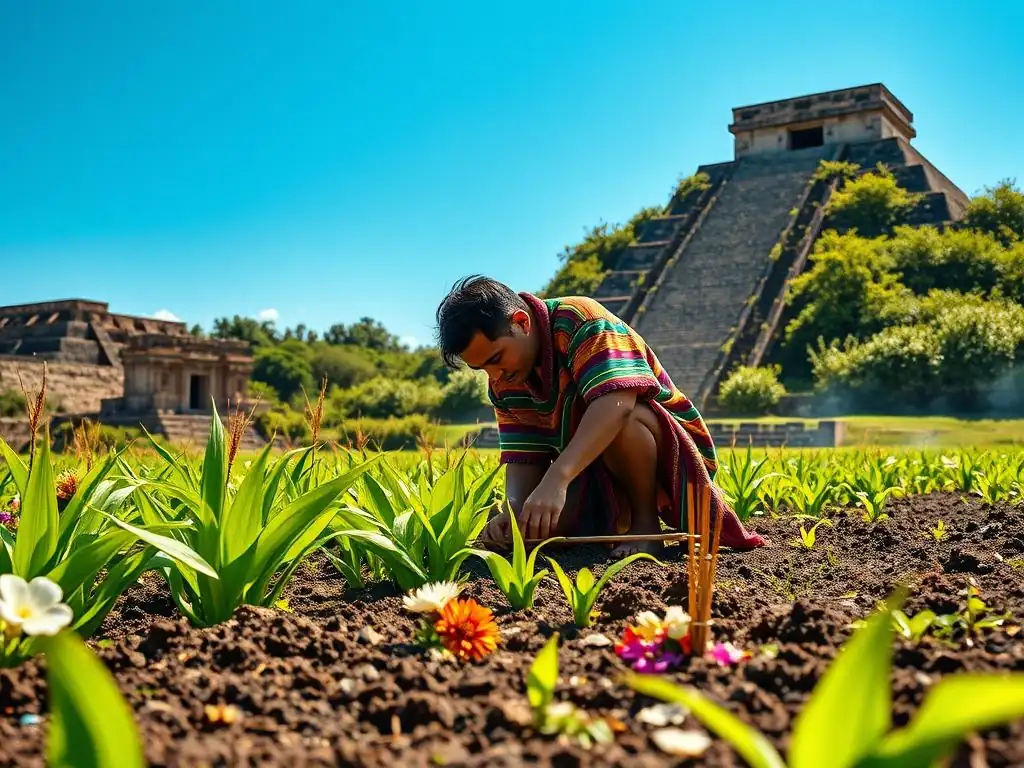
Welcome to Indigenous Civilizations of the Americas, where we embark on a fascinating journey through the rich tapestry of diverse indigenous cultures that flourished long before European contact. In our featured article, The Role of Agriculture in Mesoamerican Spiritual Practices, we delve into the intricate relationship between farming and spirituality in Mesoamerica, revealing how agricultural practices were not merely a means of sustenance but a profound expression of belief and identity.
Prepare to uncover the hidden connections between the earth's bounty and the spiritual lives of these remarkable civilizations, and let the stories of their achievements inspire your exploration of their enduring legacy.
Introduction to Mesoamerican Agriculture and Spiritual Practices
Mesoamerican agriculture played a pivotal role not only in the sustenance of various civilizations but also in shaping their spiritual beliefs and practices. This intricate relationship between farming and spirituality was evident in the ways indigenous cultures revered the earth and its offerings, viewing agriculture as a divine gift that nourished both body and soul.
The agricultural practices of civilizations such as the Maya, Aztec, and Olmec were deeply intertwined with their religious rituals, ceremonies, and mythologies, illustrating a profound connection that transcended mere subsistence. By exploring the nuances of Mesoamerican agriculture and its spiritual dimensions, we can gain insight into how these ancient societies navigated their existence within the broader cosmos.
Overview of Mesoamerican Agriculture
Mesoamerican agriculture was characterized by innovative techniques and a diverse array of crops that were cultivated across various ecosystems. The Mesoamerican triad, consisting of maize (corn), beans, and squash, formed the backbone of agricultural practices. These crops were not only staples of the diet but also held significant cultural and spiritual importance. The cultivation methods included:
- Slash-and-burn agriculture: This technique involved clearing land by burning vegetation, enriching the soil with ash.
- Terracing: Used to maximize arable land in hilly terrains, this method allowed for efficient water management and crop cultivation.
- Chinampas: Often referred to as "floating gardens," these were man-made islands in lake areas that enhanced agricultural productivity.
These practices reflect an advanced understanding of ecology and resource management, showcasing the ingenuity of Mesoamerican peoples in adapting to their environment.
Significance of Spiritual Practices in Mesoamerican Cultures
Spirituality in Mesoamerican cultures was deeply rooted in everyday life, with agricultural practices serving as a conduit for religious expression. The act of planting, nurturing, and harvesting crops was often accompanied by rituals and offerings to deities, reflecting a belief in the interconnectedness of the natural world and the divine. Key aspects of these spiritual practices include:
- Ritual offerings: Farmers would offer the first fruits or a portion of their harvests to gods, seeking blessings for fertility and abundance.
- Ceremonial calendars: Agricultural cycles were intricately tied to religious calendars, dictating the timing of festivals and rituals.
- Mythological narratives: Many crops were associated with creation myths and deities, reinforcing their significance in the spiritual landscape.
Through these practices, Mesoamerican societies cultivated not only crops but also a rich tapestry of beliefs that shaped their worldview and cultural identity.
Historical Context of Mesoamerican Agriculture
The development of agriculture in Mesoamerica was not just a means of survival; it was a transformative force that significantly influenced the social, political, and spiritual fabric of these civilizations. Understanding the historical context in which these agricultural practices evolved provides insight into their enduring legacy.
Development of Agricultural Techniques in Mesoamerica
The evolution of agricultural techniques in Mesoamerica was marked by experimentation and adaptation to diverse environments. By the time of the Olmec civilization around 1200 BCE, sophisticated farming methods were already in place. Over centuries, various cultures refined these techniques, leading to significant advancements such as:
- Crop rotation: This practice helped maintain soil fertility and maximize yields.
- Irrigation systems: Ingenious water management techniques, including canals and reservoirs, supported agriculture in arid regions.
These innovations laid the groundwork for the agricultural productivity that would support large urban centers and complex societies, enabling a flourishing of culture and spirituality.
Major Crops Cultivated and Their Symbolism
The crops cultivated in Mesoamerica were laden with symbolic meaning, often representing elements of the natural and spiritual worlds. Some of the major crops included:
| Crop | Symbolism |
|---|---|
| Maize | Considered a sacred gift from the gods; central to creation myths. |
| Beans | Symbolized sustenance and fertility; often paired with maize in meals. |
| Squash | Represented life and nourishment; used in various ceremonial contexts. |
These crops were more than mere food sources; they were integral to the spiritual life of Mesoamerican peoples, embodying their relationship with the earth and the divine. As such, agriculture was a sacred practice, deeply woven into the fabric of Mesoamerican spirituality and culture.
The Interconnection Between Agriculture and Spirituality
In Mesoamerican cultures, agriculture was not merely a means of sustenance; it was deeply entwined with spiritual beliefs and practices. The act of planting, nurturing, and harvesting crops was viewed as a sacred endeavor, reflecting the intricate relationship between humans, the earth, and the divine. Mesoamerican societies believed that agricultural success was a direct reflection of their spiritual state and that their rituals and offerings could influence the fertility of the land. This belief system fostered a holistic worldview where nature and spirituality were inseparable, leading to the development of complex agricultural practices infused with religious significance.
The cycles of planting and harvesting were often aligned with celestial events, reinforcing the connection between agriculture and the cosmos. This interconnection manifested in various forms, such as the integration of agricultural themes in art, mythology, and rituals, emphasizing that the health of the crops was linked to the favor of the gods. The vibrant agricultural landscape of Mesoamerica can be seen as a living testament to the spiritual practices that governed the lives of its people, where every seed sown was a prayer and every harvest a celebration of divine grace.
Rituals and Ceremonies Linked to Agricultural Cycles
Rituals and ceremonies played a pivotal role in Mesoamerican agricultural practices, marking critical moments in the agricultural calendar. These rituals were designed to honor the deities associated with fertility and to ensure a bountiful harvest. For instance, the planting season was often heralded by ceremonies that included offerings of food, flowers, and even animal sacrifices to appease the gods. The Maya, for example, would conduct elaborate rituals during the spring equinox, believing that these acts would ensure the renewal of the earth and the fertility of their crops.
Harvest festivals were equally significant, serving not only as a time of gratitude but also as a communal celebration that reinforced social bonds. During these events, communities would gather to share the fruits of their labor, participate in dances, and perform music that honored their deities. The rituals often included the use of maize—the staple crop of Mesoamerican civilizations—symbolizing life and sustenance. The cyclical nature of these agricultural rituals underscored the importance of the seasons and the belief that human actions could influence the divine forces at play in the natural world.
Deities Associated with Agriculture in Mesoamerican Beliefs
Mesoamerican societies revered numerous deities associated with agriculture, each embodying different aspects of fertility, sustenance, and the cycles of nature. Central to these beliefs was the god of maize, often depicted as a youthful figure symbolizing vitality and growth. In the Maya pantheon, the god Itzamná was revered for his role in creation and agriculture, overseeing the planting and harvesting processes.
His counterpart in Aztec mythology, Tlaloc, was the rain god who played a crucial role in ensuring the water necessary for crops. Both deities exemplified the deep respect and reliance that Mesoamerican cultures had on divine forces for agricultural prosperity.
Other deities, such as Xipe Totec among the Aztecs, were associated with the regeneration of life and the cycles of planting and harvesting. These gods were not only worshipped through ceremonies and rituals but also depicted in art and architecture, emphasizing their significance in daily life. The veneration of these agricultural deities reinforced the belief that successful farming was a collaborative effort between humans and the divine, with rituals serving as a means of maintaining this essential relationship.
Case Studies of Agricultural Spiritual Practices in Mesoamerican Cultures
The Maya: Agriculture and the Sacred Calendar
The Maya civilization intricately linked their agricultural practices to a sacred calendar, which governed not only the timing of agricultural activities but also their spiritual significance. The Tzolk'in, a 260-day ritual calendar, was used to determine auspicious days for planting and harvesting. During these times, specific rites were performed to invoke the blessings of the gods and ensure successful yields. The Maya viewed maize as a divine gift, and their rituals often included the planting of maize seeds accompanied by prayers and offerings.
Additionally, the Popol Vuh, the Maya creation myth, narrates the story of humanity's relationship with maize, highlighting its central role in their culture. This connection between agriculture and spirituality was evident in their art and architecture, where depictions of maize gods and agricultural scenes were common. The sacredness of agriculture in Maya society was thus integral not only to their survival but also to their cultural identity.
The Aztec: Crop Cultivation and Divine Offerings
In Aztec society, the cultivation of crops was intricately linked to their religious practices, with specific deities overseeing various agricultural aspects. The Aztecs performed elaborate rituals to honor Tlaloc, the rain god, and Centeotl, the maize god, especially during the planting and harvesting seasons. These rituals often included offerings such as food, flowers, and sometimes human sacrifices, reflecting the belief that the gods required sustenance in return for their blessings.
The Aztec agricultural calendar was filled with festivals that celebrated the cycles of planting and harvesting, where the community would come together to express gratitude to the gods. The Tlacolotl festival, for example, was dedicated to Tlaloc and involved ceremonies to ensure sufficient rainfall for the crops. The close relationship between agriculture and spirituality in Aztec culture underscores the importance of divine favor in achieving agricultural success.
The Olmec: Early Agricultural Spirituality
As one of the earliest Mesoamerican civilizations, the Olmec had profound agricultural practices that were deeply intertwined with their spiritual beliefs. Known for their cultivation of maize, beans, and squash, the Olmecs viewed agriculture as a vital part of their existence. Their religious practices included rituals that paid homage to nature and the deities associated with fertility and agriculture.
Archaeological evidence suggests that the Olmecs engaged in ceremonial activities that may have included the construction of earthworks and the creation of colossal heads, which are believed to represent their leaders or important figures connected to agricultural fertility. The Olmecs’ agricultural spirituality laid the groundwork for the more complex relationships with agriculture and spirituality seen in later Mesoamerican cultures, illustrating an enduring legacy that shaped the region's agricultural practices for centuries to come.
Festivals and Agricultural Celebrations in Mesoamerican Religions
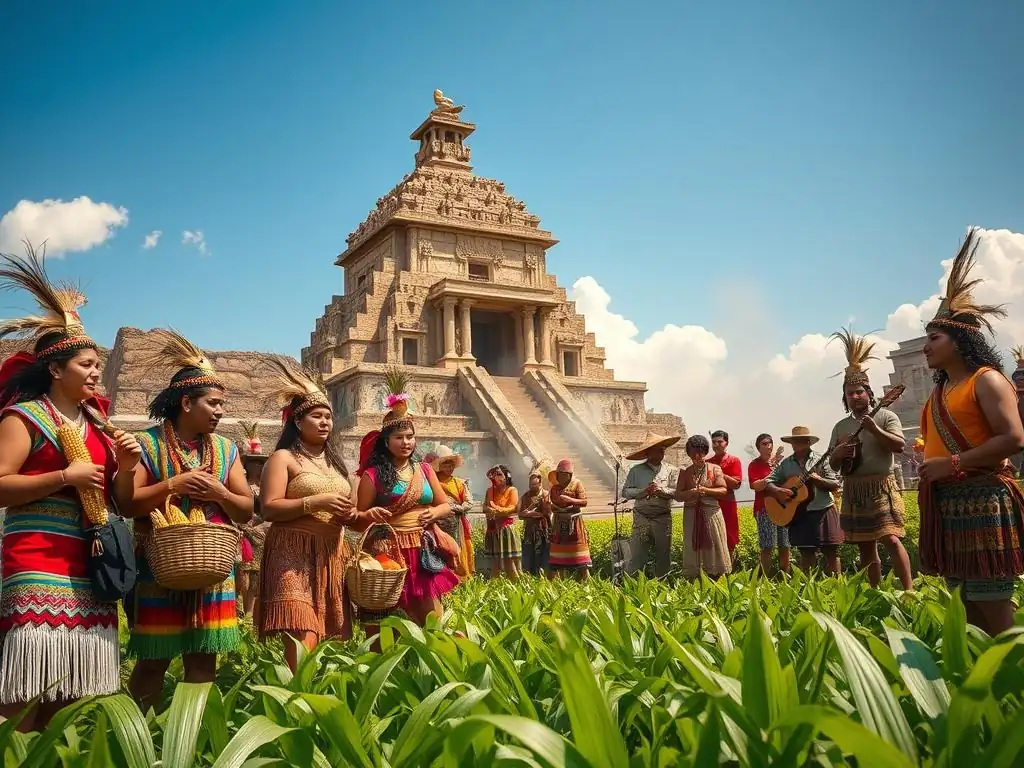
Agricultural festivals held significant importance in Mesoamerican religions, serving as vital cultural touchstones that intertwined spirituality with the rhythms of farming life. These celebrations not only marked critical phases of the agricultural cycle but also reinforced the community's connection to the divine, ensuring a bountiful harvest and honoring the gods believed to oversee fertility and growth. The integration of agriculture into religious practices reflected a profound understanding of nature's cycles, which were vital for survival in the often challenging environments of Mesoamerica.
These festivals often included elaborate rituals, music, dance, and offerings, which varied by region and culture. They were communal events that fostered unity and collective identity among the people, highlighting the essential role agriculture played in their spirituality.
Key Festivals Celebrating the Harvest
Among the most notable festivals celebrating the harvest in Mesoamerican cultures were Tlalocan and Tlacololeros, both honoring the rain and agricultural deities. For instance, the Tlacololeros festival, celebrated by the Mixtec and Zapotec peoples, involved communal gatherings where people performed dances and rituals to invoke rain for their crops.
Another significant festival was the Pleiades Festival, celebrated by the Maya, which was tied to the heliacal rising of the Pleiades star cluster. This event marked the beginning of the agricultural year, signifying the time to plant maize, the staple crop. Rituals involved offerings to the gods, including food and flowers, aimed at ensuring a successful growing season.
These festivals were not just about agriculture; they emphasized the interdependence of nature, community, and spirituality, illustrating how deeply rooted agricultural practices were in Mesoamerican belief systems.
The Role of Community in Agricultural Rituals
Community involvement was central to agricultural rituals in Mesoamerican societies. These practices were often conducted collectively, emphasizing the importance of cooperation among community members in agricultural endeavors. The shared experience of preparing for and participating in rituals reinforced social bonds and a sense of belonging.
For example, during the Xipe Totec festival, communities would come together to honor the god of agriculture and renewal. Rituals included the ceremonial planting of seeds, which symbolized rebirth and regeneration. Community members would engage in feasting, dancing, and storytelling, reinforcing cultural traditions and shared values.
This communal aspect of agricultural rituals not only fostered social cohesion but also ensured that spiritual beliefs surrounding agriculture were actively practiced and passed down through generations, preserving the rich cultural heritage of Mesoamerican societies.
The Influence of Agriculture on Mesoamerican Worldview
Agricultural practices fundamentally shaped the Mesoamerican worldview, influencing how these civilizations understood their existence in relation to nature and the cosmos. The cultivation of crops like maize, beans, and squash was not merely an economic activity; it was intricately linked to their spiritual beliefs and values.
The cycles of planting and harvesting were seen as reflections of life, death, and rebirth, mirroring cosmic patterns. This interconnectedness between agriculture and spirituality created a worldview where the divine was ever-present in the natural world, guiding and sustaining life.
Nature and the Cosmos in Mesoamerican Thought
In Mesoamerican thought, nature was imbued with spiritual significance, with agricultural practices serving as a bridge between humanity and the cosmos. The belief that gods governed natural phenomena meant that agricultural success or failure was often interpreted as divine favor or disfavor.
For instance, the Aztecs revered the sun god Huitzilopochtli and the maize god Centeotl, who were believed to influence the fertility of the land. The alignment of celestial bodies was crucial in determining the timing of agricultural activities, with rituals often timed to coincide with astronomical events, such as solstices and equinoxes.
This deep connection to nature and the cosmos cultivated a holistic worldview where every action—especially in agriculture—was viewed through a spiritual lens, reinforcing the belief that humans were part of a larger, interconnected universe.
Agriculture as a Reflection of Societal Values
Mesoamerican agriculture acted as a reflection of the societal values held by these civilizations. The emphasis on communal effort in farming practices highlighted values such as cooperation, respect for nature, and the importance of tradition.
The cultivation of maize, viewed as a gift from the gods, was not only a source of sustenance but also a symbol of life and identity for many Mesoamerican cultures. The reverence for this crop was evident in various rituals and myths, demonstrating its significance in shaping cultural narratives.
Moreover, agricultural abundance was often associated with societal prosperity and stability. Rituals aimed at ensuring successful crops reflected the community's aspirations for harmony with the environment and a collective future. Thus, agriculture was not merely a means of survival; it was a fundamental aspect of Mesoamerican identity, embodying the values and beliefs that defined their civilizations.
Modern Implications of Ancient Agricultural Spiritual Practices
The agricultural practices of ancient Mesoamerican civilizations were deeply intertwined with their spiritual beliefs, shaping not only their farming techniques but also their societal structures and cultural identities. Today, as contemporary societies grapple with issues of sustainability, food security, and cultural preservation, the revival of these ancient agricultural spiritual practices offers valuable insights. The recognition of the spiritual dimensions of agriculture can lead to more holistic approaches to farming that respect both the land and the traditions that have sustained it for generations.
This modern embrace of ancient practices is not merely about nostalgia; it serves practical purposes as well. Many Mesoamerican communities are rediscovering the importance of rituals, offerings, and ceremonies that honor the earth and its cycles. By integrating spirituality into their farming methods, these communities aim to create a more harmonious relationship with nature, ensuring that the lessons of the past inform their agricultural practices today.
Reviving Traditional Practices in Contemporary Mesoamerica
In recent years, there has been a resurgence of interest in traditional Mesoamerican agricultural techniques, such as milpas (swidden farming), companion planting, and the use of native seeds. These practices are often accompanied by rituals that celebrate the relationship between humans and the natural world. For instance, many farmers engage in ceremonies to give thanks to deities associated with agriculture, such as the maize god, Tlaloc, and other earth spirits, reaffirming their cultural identity and connection to their ancestors.
Organizations and local governments are increasingly recognizing the value of these practices not only for their cultural significance but also for their environmental benefits. Workshops and educational programs are being implemented to teach younger generations about these traditional methods, ensuring that the knowledge is passed down. This revival is not only about agriculture but also about reinforcing community ties and fostering a sense of belonging among people who share these ancestral practices.
The Impact of Spirituality on Sustainable Agriculture Today
The integration of spirituality into agriculture has profound implications for sustainability. By fostering a sense of respect and reverence for the earth, spiritual practices encourage more sustainable methods of farming that prioritize ecological balance over mere profit. This philosophy emphasizes the importance of biodiversity, soil health, and the preservation of native crops, which are vital for maintaining the region's ecological integrity.
Moreover, the spiritual aspects of agriculture can enhance mental and emotional well-being among farmers. Engaging in rituals and ceremonies can provide a sense of purpose and connection, reducing feelings of isolation and stress often experienced in modern agricultural settings. This holistic approach to farming nurtures not only the land but also the communities that depend on it, promoting resilience against environmental challenges.
Conclusion: The Lasting Legacy of Mesoamerican Agriculture Spiritual Practices
The agricultural spiritual practices of ancient Mesoamerican civilizations have left an indelible mark on contemporary society, offering lessons that are increasingly relevant in today's world. As we face pressing global challenges such as climate change and biodiversity loss, these ancient practices remind us of the importance of living in harmony with nature and honoring the earth's cycles.
Summary of Key Points
- Cultural Significance: Ancient agricultural practices were integral to Mesoamerican identity, blending farming with spirituality.
- Revival Efforts: Contemporary Mesoamerican communities are rediscovering and revitalizing traditional agricultural methods and associated rituals.
- Sustainability: The spiritual dimension of agriculture promotes sustainable practices, ecological balance, and community well-being.
The Importance of Preserving Agricultural Spiritual Traditions
Preserving the agricultural spiritual traditions of Mesoamerican cultures is crucial not only for maintaining cultural heritage but also for fostering sustainable agricultural systems. As these traditions are passed down, they provide valuable insights into sustainable living and environmental stewardship. Recognizing the interconnectedness of spirituality and agriculture can inspire new approaches to farming that honor both the past and the future, ensuring that the wisdom of ancient civilizations continues to thrive in a modern context. By embracing these traditions, we can contribute to a more sustainable and culturally rich world.
- Introduction to Mesoamerican Agriculture and Spiritual Practices
- Historical Context of Mesoamerican Agriculture
- The Interconnection Between Agriculture and Spirituality
- Case Studies of Agricultural Spiritual Practices in Mesoamerican Cultures
- Festivals and Agricultural Celebrations in Mesoamerican Religions
- The Influence of Agriculture on Mesoamerican Worldview
- Modern Implications of Ancient Agricultural Spiritual Practices
- Conclusion: The Lasting Legacy of Mesoamerican Agriculture Spiritual Practices
- What is the significance of agriculture in Mesoamerican spiritual practices?
- How did Mesoamerican cultures incorporate agriculture into their religious beliefs?
- What types of crops were vital to Mesoamerican spiritual practices?
- How did agricultural cycles influence spiritual ceremonies in Mesoamerica?
- What is the lasting impact of Mesoamerican agricultural practices on modern spirituality?
Frequently Asked Questions
What is the significance of agriculture in Mesoamerican spiritual practices?
Agriculture played a central role in Mesoamerican spirituality, as it was often tied to rituals and ceremonies that honored the gods for bountiful crops.
How did Mesoamerican cultures incorporate agriculture into their religious beliefs?
Many Mesoamerican societies believed that their agricultural success was directly linked to the favor of their deities, leading to offerings and sacrifices as part of their spiritual practices.
What types of crops were vital to Mesoamerican spiritual practices?
Key crops included maize, beans, and squash, which were not only dietary staples but also integral to religious ceremonies and cultural identity.
How did agricultural cycles influence spiritual ceremonies in Mesoamerica?
The timing of planting and harvest was often aligned with religious calendars, leading to festivals that celebrated the changing seasons and agricultural milestones.
What is the lasting impact of Mesoamerican agricultural practices on modern spirituality?
Many contemporary spiritual practices in the region still reflect ancient agricultural traditions, emphasizing the connection to land and nature that originated in Mesoamerican cultures.
Final Reflection: The Sacred Connection Between Mesoamerican Agriculture and Spirituality
The intricate relationship between agriculture and spirituality in Mesoamerican cultures remains profoundly relevant today, as we seek to understand our own connections to the land and the divine. The rituals, beliefs, and practices surrounding Mesoamerican agriculture not only shaped the lives of ancient civilizations but also offer us a lens through which we can explore our own spiritual connections to nature. As we face modern challenges such as climate change and food security, revisiting these ancient practices can inspire a more harmonious relationship with our environment.
Mesoamerican agriculture was not merely a means of sustenance; it was a sacred act infused with spirituality that influenced social structures and cultural identities. The reverence for maize, the rituals surrounding planting and harvesting, and the integration of agricultural cycles with religious observances highlight a worldview that sees the divine in every aspect of life. As noted by historian David Carrasco, In Mesoamerican thought, the earth is not a mere resource; it is a living entity, a sacred partner in the dance of life.
This perspective invites us to reflect on how we engage with our own environments and the spiritual dimensions of our daily practices.
As we conclude this exploration, I invite you to reflect on your own relationship with the earth and the rituals that shape your life. Consider how you can incorporate the lessons of Mesoamerican agriculture and spirituality into your daily practices, fostering a deeper connection to the land and its cycles. Whether through gardening, mindful consumption, or simply appreciating the natural world around you, let us honor the wisdom of those who came before us and strive to cultivate a more sustainable and spiritually enriched future.
Embrace the Wisdom of Mesoamerican Agriculture!
Thank you for taking the time to explore the profound connections between agriculture and spiritual practices in Mesoamerica. We hope this journey has opened your eyes to the rich traditions that weave together nature and spirituality. Now, it's time to take that knowledge and turn it into meaningful action!
- Dive deeper: Visit your local library or online archives to discover more about Mesoamerican cultures and their sustainable agricultural practices.
- Share the knowledge: Discuss your insights with friends or share them on social media to raise awareness about the importance of agriculture in indigenous spirituality.
- Engage with your community: Join a local gardening or farming group to participate in sustainable practices that honor ancient techniques and wisdom.
What aspect of Mesoamerican agricultural spirituality resonates with you the most, and how might you incorporate it into your daily life?