
Indigenous Dance Festivals: A Showcase of Cultural Heritage and Modern Adaptation

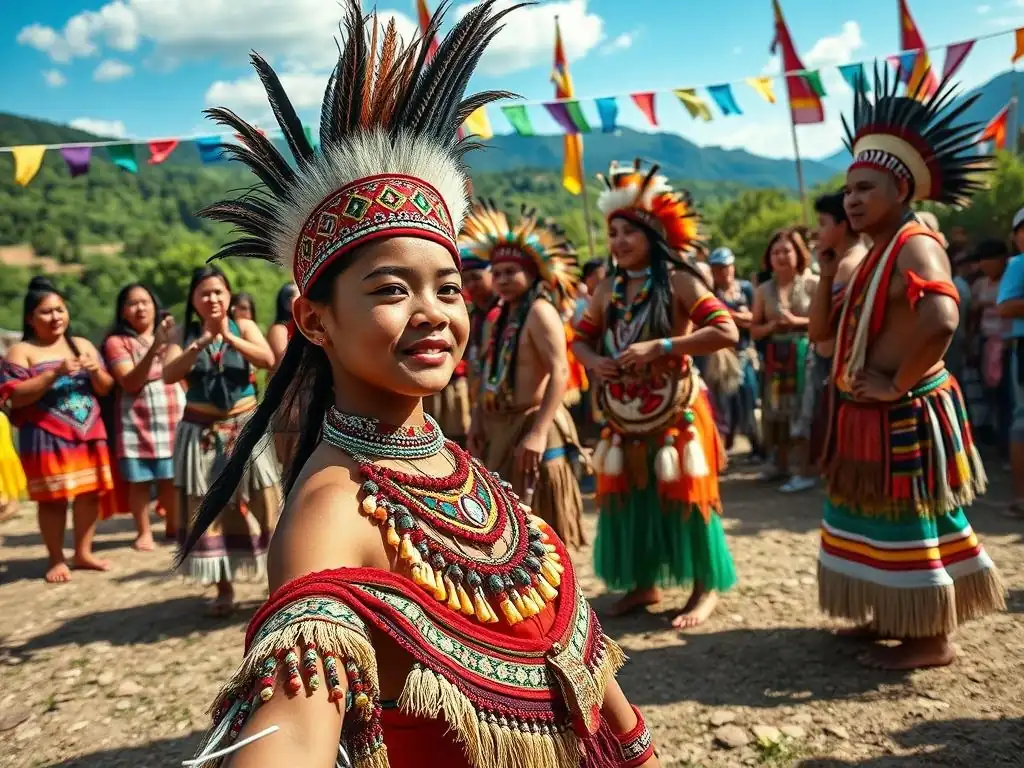
Welcome to Indigenous Civilizations of the Americas, where we invite you to embark on a fascinating journey through the rich tapestry of indigenous cultures that once flourished across the continent. In our featured article, "Indigenous Dance Festivals: A Showcase of Cultural Heritage and Modern Adaptation," we delve into the vibrant history of indigenous dance festivals, exploring how these dynamic celebrations not only honor ancestral traditions but also adapt to contemporary contexts. What stories do these rhythmic movements tell, and how do they connect past and present?
Join us as we uncover the profound significance of these festivals and their enduring legacy in today's society. Your exploration begins here!
Introduction to Indigenous Dance Festivals
Indigenous dance festivals serve as vibrant expressions of cultural heritage, showcasing the rich traditions and artistic practices of Indigenous peoples across the Americas. These festivals not only celebrate the beauty and diversity of dance but also play a crucial role in preserving and revitalizing Indigenous cultures that have endured centuries of change and challenges.
By bringing together dancers, musicians, and community members, these events foster a sense of identity, belonging, and continuity among Indigenous communities. As we explore the history of Indigenous dance festivals, we will uncover their significance, the evolution of dance traditions, and the key historical events that have shaped their development.
The Significance of Dance in Indigenous Cultures
Dance is a fundamental aspect of Indigenous cultures, serving as a medium for storytelling, spiritual expression, and social cohesion. The significance of dance can be understood through the following dimensions:
- Spiritual Connection: Many dances are performed as part of religious or spiritual ceremonies, connecting participants with their ancestors and the natural world.
- Cultural Transmission: Dance acts as a means of passing down stories, traditions, and knowledge from one generation to the next, ensuring the survival of cultural practices.
- Community Celebration: Festivals provide an opportunity for communal gathering and celebration, reinforcing social bonds and collective identity.
Overview of Indigenous Dance Festivals Today
Today, Indigenous dance festivals have evolved into dynamic events that attract both Indigenous and non-Indigenous audiences. These festivals often feature:
- Diverse Performances: A variety of dance styles, each representing distinct cultural narratives and traditions.
- Workshops and Educational Programs: Opportunities for attendees to learn about the history and significance of the dances.
- Cultural Exchange: Interactions between different Indigenous groups and visitors, fostering understanding and appreciation of diverse cultures.
The History of Indigenous Dance Festivals
The history of Indigenous dance festivals is deeply intertwined with the broader narrative of Indigenous societies. Understanding this history provides insight into the resilience and adaptability of these cultures.
Origins of Indigenous Dance Festivals
Indigenous dance festivals can be traced back to ancient traditions and ceremonies that were integral to the social and spiritual life of Indigenous communities. The origins include:
- Ceremonial Dances: Initial forms of dance were often tied to agricultural cycles, hunting rituals, and spiritual practices.
- Cultural Gatherings: Early festivals emerged as communal gatherings to celebrate significant events, such as harvests or rites of passage.
Evolution of Dance Traditions Over Time
As societies evolved and external influences emerged, Indigenous dance traditions adapted and transformed. Key factors influencing this evolution include:
- Colonization: The arrival of European colonizers disrupted traditional practices, leading to a decline in certain dance forms while also prompting adaptations.
- Revitalization Movements: In the late 20th century, there was a resurgence of interest in Indigenous cultural practices, leading to the revival and reinvention of dance traditions.
Key Historical Events Shaping Indigenous Dance Festivals
Several pivotal events have significantly impacted the trajectory of Indigenous dance festivals, including:
- Indian Reorganization Act of 1934: This U.S. legislation encouraged the preservation of Indigenous cultures, including dance.
- The American Indian Movement (AIM): The activism of AIM in the 1960s and 1970s brought attention to Indigenous rights and cultural heritage, leading to a renaissance of cultural festivals.
- International Year of Indigenous Peoples (1993): This UN initiative elevated the visibility of Indigenous cultures globally, fostering greater appreciation and participation in Indigenous dance festivals.
Through this exploration of Indigenous dance festivals, we gain a deeper understanding of their historical journey, cultural significance, and ongoing relevance in today's society.
Cultural Heritage Reflected in Indigenous Dance Festivals
Indigenous dance festivals serve as vibrant expressions of cultural heritage, encapsulating the history, traditions, and values of various indigenous communities across the Americas. These festivals are not merely performance events; they are a celebration of identity, spirituality, and communal ties. Through dance, indigenous peoples convey stories, lessons, and rituals that have been passed down through generations, preserving their unique cultural narratives in the face of external influences and challenges.
In many indigenous communities, dances are performed during significant events such as harvests, ceremonies, and rites of passage. Each dance reflects the community's relationship with nature, ancestors, and the spiritual world. For instance, many dances are tied to seasonal changes, emphasizing the importance of agriculture and the cycles of life. The rich symbolism embedded in these performances highlights the deep connection indigenous peoples have with their land and traditions, making these festivals essential for cultural continuity.
Traditional Dance Forms and Their Meanings
Traditional dance forms vary widely among indigenous cultures, each with its own distinct choreography, music, and significance. For example, the Powwow dances among Native American tribes are characterized by rhythmic drumming and colorful regalia, representing both celebration and competition. The Grass Dance, a type of Powwow dance, symbolizes the flattening of grass by warriors preparing for battle, while the Fancy Dance showcases elaborate footwork and vibrant costumes, embodying the joy of community gatherings.
Similarly, the Danza de los Viejitos from Mexico captures the essence of life and death through playful movements that mimic the elderly. This dance serves as a reminder of respect for ancestors and the cyclical nature of existence. Each traditional dance form is imbued with meanings that resonate with communal values and historical experiences, allowing participants and audiences to engage with their culture on a profound level.
The Role of Music and Costumes in Indigenous Festivals
Music and costumes play pivotal roles in indigenous dance festivals, enhancing the overall experience and deepening the connection to cultural heritage. The musical compositions, often created using traditional instruments such as drums, flutes, and rattles, evoke emotions and set the rhythm for the dances. These songs often narrate stories or convey spiritual messages, reinforcing the themes represented in the choreography.
Costumes are equally significant, as they are often handcrafted and adorned with symbols that reflect the dancer's identity, community, and cultural heritage. The use of colors, patterns, and materials in costumes can denote various meanings, such as social status, clan affiliation, or spiritual connection. Together, music and costumes create a cohesive narrative that celebrates indigenous culture, making each festival a rich tapestry of sound, movement, and visual artistry.
Celebrating Indigenous Stories Through Dance
Dance festivals serve as a powerful medium for storytelling, allowing indigenous communities to share their histories, legends, and values. Through choreography, dancers embody characters from traditional tales, re-enacting significant events and teachings that inform their cultural identity. This storytelling aspect is vital for preserving oral histories, particularly in communities where written records may be scarce.
For example, the Inuit people of Canada showcase their storytelling through traditional dances that illustrate their relationship with the Arctic environment. Dances may depict the hunt, seasonal changes, and interactions with wildlife, reinforcing the teachings of survival and respect for nature. In this way, dance festivals become a living archive of indigenous stories, inviting both community members and outsiders to engage with and appreciate their rich cultural heritage.
Modern Adaptations in Indigenous Dance Festivals
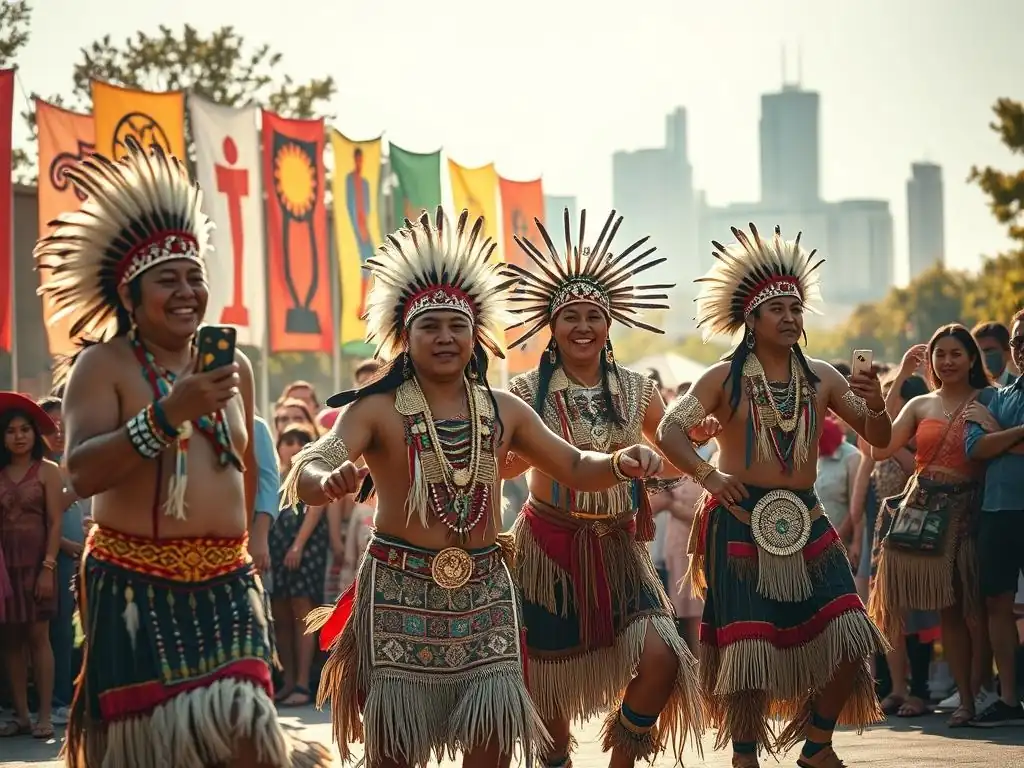
As indigenous communities navigate the complexities of contemporary society, many have adapted their dance festivals to reflect modern influences while maintaining their cultural essence. These adaptations often blend traditional elements with contemporary themes, showcasing the resilience and creativity of indigenous peoples in preserving their heritage.
Fusion of Traditional and Contemporary Dance Styles
The fusion of traditional and contemporary dance styles is a prominent feature of modern indigenous dance festivals. Dancers often incorporate elements from various dance genres, such as hip-hop, ballet, or modern dance, into traditional performances. This blending not only attracts younger generations but also engages broader audiences, fostering appreciation for indigenous cultures.
For instance, the Native American hip-hop movement has gained popularity, where artists use rap and dance to address social issues, cultural pride, and identity. By merging traditional rhythms and contemporary choreography, these dancers create a dynamic platform that resonates with both indigenous and non-indigenous audiences, facilitating dialogue and understanding.
The Impact of Globalization on Indigenous Dance Festivals
Globalization has significantly influenced indigenous dance festivals, bringing both opportunities and challenges. On one hand, increased visibility through digital media and international festivals allows indigenous cultures to reach wider audiences, promoting awareness and appreciation. This exposure can lead to greater support for cultural initiatives and revitalization efforts.
On the other hand, globalization can also pose threats to the authenticity of indigenous practices. The commercialization of dance festivals risks trivializing their cultural significance, transforming sacred rituals into entertainment. Indigenous communities must navigate these challenges carefully, striving to maintain the integrity of their traditions while adapting to a changing world.
Examples of Modern Indigenous Dance Festivals
Numerous modern indigenous dance festivals exemplify the interplay of tradition and adaptation in celebrating cultural heritage. The Gathering of Nations in Albuquerque, New Mexico, is one of the largest Powwow gatherings in the United States, showcasing traditional dances alongside contemporary performances. This festival not only honors indigenous traditions but also provides a platform for cultural exchange among diverse communities.
Another notable example is the Kaha:wi Dance Theatre in Canada, which combines traditional Haudenosaunee dance with contemporary movement to tell stories rooted in indigenous mythology. These festivals reflect the vibrant evolution of indigenous dance, demonstrating how communities continue to celebrate their heritage while embracing modernity.
Prominent Indigenous Dance Festivals Around the World
Indigenous dance festivals serve as vibrant expressions of cultural identity and community pride, showcasing the rich tapestry of traditions that have been passed down through generations. These festivals not only celebrate the unique heritage of indigenous peoples but also foster understanding and appreciation among diverse audiences. Below, we explore some of the most prominent indigenous dance festivals across the globe, emphasizing their significance in preserving cultural narratives and promoting social cohesion.
Noteworthy Festivals in North America
North America is home to several noteworthy indigenous dance festivals that highlight the diverse cultures of its native peoples.
- Santa Fe Indian Market: Hosted annually in New Mexico, this festival features not only visual arts but also traditional dances, offering a platform for indigenous artists to showcase their talents. The dance performances include traditional powwow styles, embodying the vibrant spirit of Native American culture.
- Gathering of Nations: This is one of the largest powwows in North America, attracting thousands of dancers from various tribes. Held in Albuquerque, New Mexico, the festival features competitions, exhibitions, and traditional storytelling, emphasizing the importance of dance in community life.
- American Indian Arts Festival: Celebrated in various locations, this festival emphasizes the interconnectedness of dance, music, and visual arts, showcasing performances that reflect the rich traditions of indigenous peoples across the continent.
Celebrated Festivals in South America
In South America, indigenous dance festivals play a crucial role in cultural expression and community bonding.
- Inti Raymi: This ancient Incan festival held in Cusco, Peru, celebrates the winter solstice and honors the sun god, Inti. Traditional dances, colorful costumes, and rituals are integral to the festival, reflecting the rich cultural heritage of the Andean peoples.
- Festa do Divino: Celebrated in Brazil, this festival includes dance performances that depict the historical and spiritual journeys of indigenous peoples. The festival fosters connections between indigenous and non-indigenous communities through shared cultural experiences.
- Carnaval de Oruro: In Bolivia, this UNESCO-recognized festival features elaborate dance performances that blend indigenous traditions with colonial influences. Dancers showcase traditional costumes and rituals, celebrating the cultural diversity of the region.
Global Recognition of Indigenous Dance Festivals
Indigenous dance festivals have gained global recognition as vital platforms for cultural exchange and education.
- UNESCO Recognition: Many festivals have been acknowledged by UNESCO for their role in cultural preservation and promotion. This recognition highlights the importance of indigenous dance as a living tradition that continues to evolve while maintaining its roots.
- Cultural Diplomacy: Festivals often serve as venues for cultural diplomacy, allowing indigenous communities to share their stories and traditions with a broader audience. This exchange fosters mutual respect and understanding, and promotes global awareness of the challenges faced by indigenous peoples.
- International Collaborations: Indigenous dance festivals increasingly feature international performers, creating opportunities for cultural dialogue and collaboration. These interactions enrich the festival experience and help to broaden the understanding of indigenous cultures worldwide.
Community Engagement and Participation in Indigenous Dance Festivals
Community engagement is a fundamental aspect of indigenous dance festivals, with active participation fostering connections among individuals and communities. These festivals play a crucial role in strengthening cultural ties and encouraging the next generation to embrace their heritage.
Role of Indigenous Youth in Dance Festivals
Indigenous youth play a vital role in the preservation and evolution of traditional dance forms during festivals.
- Cultural Continuity: Young dancers learn traditional dances from elders, ensuring that these art forms are passed down through generations. Their participation not only preserves cultural heritage but also instills pride in their identity.
- Leadership Development: Engaging in dance festivals allows youth to take on leadership roles within their communities. They often organize workshops and performances, developing skills that are valuable both culturally and personally.
- Innovative Expressions: Young performers frequently blend traditional movements with contemporary styles, showcasing the adaptability of indigenous dance. This innovation attracts broader audiences and encourages younger generations to engage with their cultural roots.
Community Collaboration and Cultural Preservation
The collaborative nature of indigenous dance festivals fosters a sense of community and cultural preservation.
- Collective Efforts: Community members often come together to plan, organize, and execute dance festivals, reinforcing social bonds and shared identities. This collaboration can also involve local organizations and schools, creating wider networks of support.
- Cultural Workshops: Many festivals include workshops led by experienced dancers and elders, where participants can learn about the historical significance of the dances. These educational opportunities enhance community knowledge and appreciation of their traditions.
- Preservation of Language and Stories: Festivals often feature storytelling alongside dance, preserving indigenous languages and oral histories. This integration of narrative with performance enriches the festival experience and ensures the survival of cultural narratives.
Educational Aspects of Indigenous Dance Festivals
Indigenous dance festivals serve as invaluable educational platforms that promote cultural knowledge and understanding.
- Cultural Awareness: Festivals provide an opportunity for both indigenous peoples and non-indigenous audiences to learn about the significance of dance in various cultures. This awareness fosters respect for the diversity of indigenous traditions.
- Intergenerational Learning: Festivals facilitate intergenerational interactions, allowing elders to pass down knowledge to younger generations. This exchange strengthens community ties and enhances the overall experience of the festival.
- Collaborative Programs: Many festivals partner with educational institutions to create programs that teach about indigenous cultures through dance. These initiatives help to bridge gaps between indigenous and non-indigenous communities, fostering dialogue and understanding.
Indigenous dance festivals are not just celebrations of dance; they are vital cultural events that promote community engagement, preserve traditions, and educate audiences about the rich heritage of indigenous peoples. Through these festivals, the stories, values, and artistry of indigenous cultures continue to thrive and resonate in today's world.
Challenges Facing Indigenous Dance Festivals Today
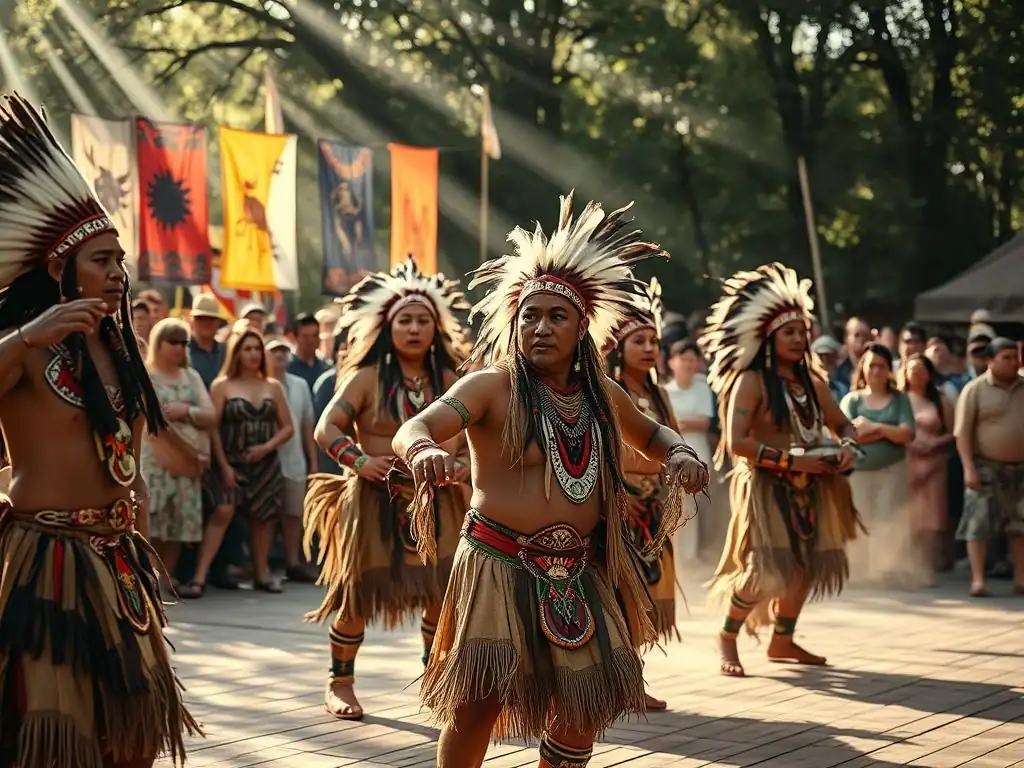
Indigenous dance festivals play a vital role in preserving and showcasing the rich cultural heritage of Indigenous peoples. However, these festivals face several challenges that threaten their sustainability and authenticity. Understanding these challenges is crucial for ensuring that these cultural expressions continue to thrive and adapt in modern society.
Cultural Appropriation and Misrepresentation
Cultural appropriation poses a significant threat to Indigenous dance festivals. Many festivals are at risk of being commodified, where elements of Indigenous culture are borrowed without proper understanding or respect. This often leads to misrepresentation, where the performances presented do not reflect the true essence of the culture they are meant to represent. This can dilute the meaning behind the dances and lead to stereotypes, undermining the authenticity of Indigenous expressions.
Furthermore, when non-Indigenous individuals or organizations take the stage, it can overshadow the voices of the actual Indigenous communities. This dynamic perpetuates a cycle of appropriation, where the true stories and traditions are sidelined, and the opportunity for genuine cultural exchange is lost. Addressing these issues requires a concerted effort to educate audiences about the significance of the dances and the importance of supporting Indigenous artists.
Funding and Support for Indigenous Dance Festivals
Another challenge facing Indigenous dance festivals is securing adequate funding and support. Many of these festivals operate on tight budgets, often relying on grants and community donations. However, competition for funding can be fierce, and festivals can struggle to maintain financial stability. This financial uncertainty can lead to the cancellation of events or a reduction in the scale of performances, limiting the opportunity for cultural expression.
Moreover, the lack of institutional support can hinder the growth of these festivals. Without robust financial backing, organizers may face difficulties in attracting skilled dancers, musicians, and other performers. This can lead to a diminished quality of performances, which may not only affect the festival's reputation but also the preservation of the cultural practices being showcased.
The Importance of Authentic Representation
Authentic representation in Indigenous dance festivals is crucial for celebrating and preserving cultural heritage. This involves ensuring that the performances genuinely reflect the traditions, stories, and values of the Indigenous communities they represent. Festivals that prioritize authentic representation contribute to the education of both Indigenous and non-Indigenous audiences, fostering a deeper understanding of diverse cultures.
Additionally, authentic representation empowers Indigenous artists and performers by providing them a platform to share their narratives and express their identities. By honoring the traditional practices and stories, these festivals become a space for healing, cultural pride, and community cohesion. It is essential that festival organizers engage with local Indigenous leaders and communities to ensure that the representation remains genuine and respectful.
Conclusion: The Future of Indigenous Dance Festivals
The future of Indigenous dance festivals is intertwined with the ability to adapt to contemporary challenges while remaining true to their cultural roots. As these festivals continue to evolve, they must navigate the fine line between tradition and modernity.
Preserving Cultural Heritage Through Dance
Dance serves as a powerful medium for preserving cultural heritage. It encapsulates stories, beliefs, and histories that have been passed down through generations. By continuing to host Indigenous dance festivals, communities can ensure that these practices are not only preserved but also revitalized. Through workshops, performances, and community involvement, younger generations can learn the significance of these dances and carry them forward.
Moreover, the integration of contemporary elements can attract wider audiences while still respecting traditional roots. This dynamic allows for cultural expression to flourish, ensuring that Indigenous dance remains relevant and vibrant in today's society.
The Growing Importance of Indigenous Dance Festivals in Modern Society
Indigenous dance festivals are increasingly recognized for their role in promoting cultural diversity and social cohesion. As society becomes more aware of the importance of inclusivity and representation, these festivals can serve as a bridge between Indigenous and non-Indigenous communities. They foster understanding, respect, and appreciation for Indigenous cultures, contributing to a more equitable society.
Furthermore, as these festivals gain visibility, they can become platforms for activism, addressing current social and political issues faced by Indigenous peoples. This can empower communities to voice their concerns and advocate for their rights, using the medium of dance as a form of expression and resistance.
Call to Action: Supporting Indigenous Dance and Cultural Festivals
To ensure the continuity and growth of Indigenous dance festivals, it is crucial for individuals and organizations to actively support these cultural events. This support can come in various forms, including attending festivals, volunteering, donating, or advocating for funding and resources.
By engaging with Indigenous dance festivals, audiences can play a part in preserving cultural heritage and promoting authentic representation. It is essential to celebrate these vibrant cultural expressions and recognize their significance in the broader narrative of history and society. Together, we can contribute to the flourishing of Indigenous dance festivals, ensuring that they remain a vital aspect of cultural heritage for generations to come.
References and Further Reading
To deepen your understanding of Indigenous dance festivals and their historical significance, the following resources offer a wealth of information, ranging from books to academic articles and online platforms. These materials explore the intricate relationship between dance, culture, and identity among Indigenous communities across the Americas.
Suggested Books on Indigenous Dance History
-
"Dancing the Dream: The Art of Indigenous Dance" by J. S. T. McNally
This book provides an insightful exploration of various Indigenous dance forms, emphasizing their cultural heritage and spiritual significance. McNally delves into the historical contexts and contemporary adaptations of these dances, making it a valuable resource for anyone interested in the evolution of Indigenous dance.
-
"The Spirit of Dance: Indigenous Traditions of North America" by L. M. Anderson
Anderson’s work illuminates the diverse dance traditions among Native American tribes, detailing their rituals, meanings, and the role of dance in community life. This comprehensive guide also addresses how cultural preservation efforts have influenced modern expressions of dance.
-
"Indigenous Dance and the Politics of Performance" by R. T. Oliviera
This book investigates the intersection of dance and politics within Indigenous communities. Oliviera analyzes how dance serves as a medium for resistance and resilience, offering rich case studies from various festivals across the Americas.
-
"Rituals of Resistance: Dance in Indigenous Cultures" by C. H. Thompson
Thompson explores the role of dance as a form of resistance against colonial forces. This book covers historical and contemporary perspectives, highlighting the significance of dance in maintaining cultural identity.
Articles and Studies on Indigenous Dance Festivals
-
"Reviving Tradition: Indigenous Dance Festivals in the 21st Century"
This article examines the resurgence of Indigenous dance festivals, focusing on how these events have adapted to modern contexts while preserving traditional practices. The author discusses various festivals and their significance in fostering community cohesion and cultural pride.
-
"Cultural Heritage and Performance: The Role of Dance in Indigenous Identity"
This study analyzes the relationship between dance and cultural identity among Indigenous peoples. It highlights specific case studies of dance festivals that showcase traditional practices alongside contemporary interpretations.
-
"The Impact of Colonization on Indigenous Dance Forms: A Historical Perspective"
This scholarly article provides a deep dive into the historical transformation of Indigenous dance forms due to European colonization. It discusses the resilience of Indigenous communities in reviving and adapting their dance traditions despite external pressures.
Online Resources for Exploring Indigenous Cultures
-
National Museum of the American Indian (NMAI)
The NMAI offers a wealth of resources, including virtual exhibitions and educational materials focused on Indigenous cultures, including dance. Their website features various articles and videos that highlight different Indigenous dance festivals.
-
Native American Rights Fund (NARF)
This organization provides resources and advocacy for Indigenous rights, including cultural preservation. Their website features information on Indigenous festivals and events, emphasizing the importance of cultural heritage.
-
YouTube Channels on Indigenous Dance
There are several YouTube channels dedicated to showcasing Indigenous dance performances and festivals. These channels often feature interviews with dancers and cultural leaders, offering insight into the meaning and significance of various dance forms.
-
Indigenous Websites and Blogs
Many Indigenous communities maintain websites and blogs that document their cultural practices, including dance festivals. These platforms often share stories, upcoming events, and educational resources about their cultural heritage.
By exploring these suggested books, articles, and online resources, readers can gain a deeper appreciation for the rich history and ongoing evolution of Indigenous dance festivals in the Americas.
- Introduction to Indigenous Dance Festivals
- The History of Indigenous Dance Festivals
- Cultural Heritage Reflected in Indigenous Dance Festivals
- Modern Adaptations in Indigenous Dance Festivals
- Prominent Indigenous Dance Festivals Around the World
- Community Engagement and Participation in Indigenous Dance Festivals
- Challenges Facing Indigenous Dance Festivals Today
- Conclusion: The Future of Indigenous Dance Festivals
- References and Further Reading
Frequently Asked Questions
What are Indigenous dance festivals?
Indigenous dance festivals are celebrations that showcase the cultural heritage of Indigenous peoples, featuring traditional dances, music, and storytelling that reflect their history and values.
How have Indigenous dance festivals evolved over time?
Historically, these festivals have undergone significant adaptations due to external influences, maintaining their cultural significance while incorporating modern elements to engage younger generations.
What role do these festivals play in Indigenous communities?
These festivals are vital for cultural preservation, allowing communities to pass down traditions, strengthen social bonds, and promote identity among younger members.
Are there specific dance styles associated with Indigenous festivals?
Yes, many Indigenous festivals feature unique dance styles, each with its own symbolism and storytelling elements, often reflecting the spiritual beliefs and experiences of the community.
How can one participate or experience these festivals?
Participation can vary, but many festivals welcome visitors to observe or join in the celebrations, offering a unique opportunity to learn about Indigenous cultures and their rich traditions.
Final Reflection: Embracing Heritage Through Movement
The exploration of Indigenous dance festivals reveals a profound connection between cultural heritage and modern adaptation, highlighting their significance in today's society. As we witness a resurgence of interest in Indigenous cultures, these festivals serve as vital platforms for storytelling, community bonding, and the preservation of traditions that have withstood the test of time. The vibrancy of these events not only celebrates the past but also shapes contemporary cultural narratives, reminding us of the resilience and creativity inherent in Indigenous communities.
The impact of Indigenous dance festivals extends beyond mere entertainment; they are a powerful assertion of identity and a means of fostering understanding among diverse populations. These festivals encourage dialogue and appreciation for the rich tapestry of Indigenous histories, while also challenging stereotypes and misconceptions. As one participant beautifully stated, Dance is the heartbeat of our culture; it carries our stories, our struggles, and our triumphs.
This sentiment underscores the importance of these festivals as living expressions of cultural heritage that continue to evolve and inspire.
As we reflect on the lessons imparted by Indigenous dance festivals, let us invite ourselves to engage more deeply with the stories and traditions that shape our world. Consider attending a local festival, learning about the dances, and connecting with the communities behind them. By doing so, we not only honor the past but also contribute to a future where cultural diversity is celebrated and cherished. Embrace the rhythm of these traditions, and allow them to inspire your own journey of understanding and connection.
Embrace the Rhythm of Indigenous Heritage!
Thank you for taking the time to explore the vibrant world of Indigenous dance festivals in our article. You’ve gained insight into the rich cultural tapestry that these festivals weave, showcasing both tradition and modern adaptation. Now, it's time to connect with this heritage more deeply and take action in celebrating these unique expressions of culture.
Here’s how you can dive in and make a difference today:
- Join a Local Indigenous Dance Workshop: Experience firsthand the beauty of Indigenous dance while supporting local artists and preserving their traditions.
- Share Your Learnings: Spread the word about Indigenous dance festivals on social media to raise awareness and encourage others to get involved.
- Volunteer at a Festival: Contribute your time at an upcoming festival—whether it’s helping with setup, promoting events, or actively participating—to immerse yourself in the community spirit.
What aspect of Indigenous dance resonates most with you, and how do you plan to keep the conversation about this rich culture alive in your community?