
The Legacy of Inca Civilization: How Recent Excavations Are Shaping Historical Narratives

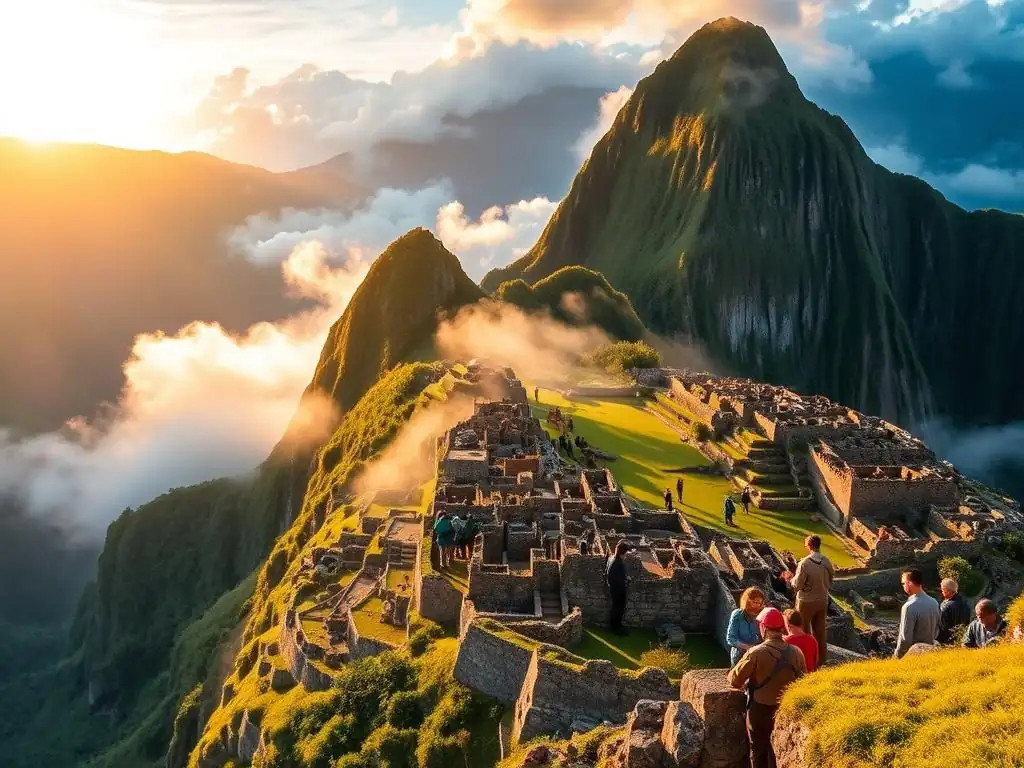
Welcome to Indigenous Civilizations of the Americas, where we embark on a fascinating journey through time to uncover the rich tapestry of cultures that flourished long before European contact. In our featured article, “The Legacy of Inca Civilization: How Recent Excavations Are Shaping Historical Narratives,” we delve into the profound historical impact of the Inca civilization, revealing how new archaeological discoveries are rewriting our understanding of their achievements and societal structures.
Join us as we explore these remarkable legacies and invite you to dive deeper into the vibrant histories that continue to influence our world today. Your adventure into the past begins here!
Introduction to the Inca Civilization Historical Impact
The Inca civilization, known for its sophisticated architectural feats, advanced agricultural practices, and rich cultural tapestry, has left an indelible mark on history. At its zenith in the 15th century, the Inca Empire, which spanned across modern-day Peru, Ecuador, Bolivia, and parts of Chile and Argentina, showcased a complex societal structure and immense territorial reach.
As we delve into the latest archaeological findings, it becomes increasingly evident that understanding the Inca civilization historical impact goes beyond mere historical accounts; it encompasses the continuous reinterpretation of their legacy through modern excavations. Recent discoveries not only illuminate the Inca's innovative practices and achievements but also challenge long-held perceptions about their society and its influence.
Overview of the Inca Empire and Its Achievements
The Inca Empire was the largest empire in pre-Columbian America, characterized by its remarkable achievements in various domains, including:
- Architecture: The construction of monumental stone structures, such as Machu Picchu and Sacsayhuamán, exemplifies their engineering prowess.
- Agriculture: The Incas developed extensive agricultural terraces and irrigation systems, enabling them to cultivate diverse crops in the challenging Andean environment.
- Social Organization: The empire was known for its intricate social hierarchy and administrative efficiency, which facilitated effective governance over vast territories.
- Cultural Contributions: The Incas made significant advancements in textiles, pottery, and metallurgy, reflecting their rich cultural heritage.
These achievements not only highlight the ingenuity of the Inca civilization but also their ability to adapt and thrive in a diverse and often harsh environment.
Importance of Studying Recent Excavations
Recent excavations at Inca sites are pivotal for several reasons:
- Revising Historical Narratives: New findings are reshaping our understanding of Inca society, revealing complexities that challenge earlier views of a monolithic empire.
- Preserving Cultural Heritage: Excavations contribute to the preservation of invaluable cultural artifacts and insights into Inca life, providing a tangible connection to the past.
- Enhancing Interdisciplinary Research: Collaborations among archaeologists, historians, and anthropologists promote a holistic understanding of the Inca civilization's historical impact.
As we explore the latest discoveries, it becomes clear that these excavations are not merely about unearthing artifacts; they are about reconstructing the narratives that define our understanding of the Inca legacy.
Recent Excavations: Key Discoveries in Inca Sites
Major Archaeological Sites Uncovered
Recent archaeological efforts have led to the discovery of several key sites that have provided significant insights into the Inca civilization:
- Choquequirao: Often referred to as the sister city of Machu Picchu, this remote site has revealed extensive agricultural terraces and ceremonial structures.
- Kuelap: This fortress showcases impressive stone walls and complex construction techniques, indicating a high level of societal organization.
- Inti Punku: The Inca gateway to Machu Picchu has unearthed evidence of ritualistic practices and trade routes that connected various regions of the empire.
These sites not only exemplify the architectural and agricultural ingenuity of the Incas but also highlight the diverse cultural practices that were integral to their society.
Innovative Techniques Used in Excavations
The landscape of archaeological research is rapidly evolving, with innovative techniques enhancing the quality and scope of excavations:
- Ground Penetrating Radar (GPR): This non-invasive technology allows archaeologists to visualize subsurface structures without disturbing the soil.
- Drones: Aerial surveys provide comprehensive overviews of vast areas, enabling researchers to identify potential excavation sites more efficiently.
- 3D Scanning: High-resolution scanning of artifacts and structures enables detailed analysis and preservation of cultural heritage.
These advancements are not just transforming the excavation process; they are also enriching our understanding of the Inca civilization's historical impact, paving the way for new interpretations and narratives based on empirical evidence.
In the following sections, we will delve deeper into the specific findings and their implications on our understanding of the Inca civilization.
How Recent Excavations Are Changing Historical Narratives
Recent archaeological excavations across the former territories of the Inca civilization have significantly altered our understanding of this remarkable society. Traditionally viewed through a lens of conquest and decline, new findings reveal a complex and resilient culture that thrived in various domains—social, agricultural, architectural, and spiritual. As researchers uncover artifacts, settlement patterns, and ceremonial sites, they are piecing together a more nuanced historical narrative that highlights the ingenuity and adaptability of the Incas.
These excavations are not merely academic pursuits; they have profound implications for how we interpret the legacy of the Inca civilization. Discoveries such as advanced agricultural techniques, sophisticated urban planning, and rich religious practices are prompting historians to reconsider the impact of the Incas on their environment and the subsequent colonial narratives that have overshadowed their achievements. The evidence gathered from these sites serves to challenge long-held assumptions and can reshape educational curricula and public understanding of indigenous cultures in the Americas.
Reevaluating the Inca Civilization's Social Structure
One of the most significant areas of reevaluation pertains to the social structure of the Inca civilization. Recent findings suggest that Inca society was much more egalitarian than previously thought. Excavations at sites like Huánuco Pampa and Kuelap have revealed residential patterns that indicate a mix of social classes living in closer proximity than earlier models suggested. This challenges the notion of a strictly hierarchical society dominated by the elite.
Moreover, the discovery of communal storage facilities and agricultural terraces points to collective labor practices that fostered cooperation among different social groups. These insights suggest a society where the lines between social classes were not as rigid as once believed, allowing for greater social mobility and community cohesion. Such new perspectives are vital for understanding how the Incas managed resources and maintained order in a vast empire without the bureaucratic means that would be expected in a modern state.
New Insights into Inca Agriculture and Economy
Inca agricultural practices were not merely functional but were sophisticated systems that ensured the sustainability of their civilization. Recent excavations have unearthed advanced irrigation systems and terracing techniques that underscore the Incas' deep understanding of their environment. For example, the discovery of complex irrigation channels at sites like Moray and Ollantaytambo reveals how the Incas maximized agricultural productivity in diverse climatic conditions.
Additionally, new evidence suggests that the Inca economy was more diverse than previously acknowledged. While maize and potatoes were staple crops, excavations have revealed the cultivation of quinoa, coca, and other crops that played essential roles in their diet and economy. This agricultural diversity not only supported local populations but also facilitated trade across the empire. The economic strategies employed by the Incas serve as a powerful reminder of how ancient societies can inform modern sustainable agricultural practices.
The Role of Religion in Inca Society: Findings from Excavations
Religion was a cornerstone of Inca civilization, deeply intertwined with daily life and governance. Recent excavations have provided new insights into the religious practices of the Incas, illuminating their cosmology and rituals. Sites like Sacsayhuamán and Coricancha have yielded artifacts and temple structures that highlight the significance of worship in Inca society.
Analysis of ceremonial spaces indicates that religious practices were not limited to elites but involved the broader community, suggesting a collective approach to spirituality. Discoveries such as offerings of llama bones and other artifacts buried at sacred sites point to the ritualistic importance of these elements in their culture. Furthermore, the linkage between their agricultural cycles and religious observances reveals how the Incas integrated spirituality into every aspect of their lives. Understanding these practices helps contextualize the Inca worldview and their reverence for the earth and cosmos.
The Inca Civilization's Historical Impact on Modern Society
The legacy of the Inca civilization extends far beyond its historical timeline, influencing contemporary society in various ways. From cultural heritage to governance, the lessons learned from the Inca experience continue to resonate in modern contexts.
Cultural Heritage and Its Significance
The cultural heritage of the Inca civilization is a critical aspect of identity for many modern-day Andean communities. The preservation of languages, traditions, and crafts can be traced back to Inca practices, emphasizing the importance of this heritage in cultural continuity. Recent excavations have brought to light artifacts that are now celebrated as symbols of indigenous identity, fostering a sense of pride and connection to ancestral roots.
Moreover, initiatives to protect and promote Inca sites contribute to tourism and education, allowing communities to benefit economically while preserving their history. The significance of this heritage cannot be overstated; it serves as a bridge between the past and present, helping to maintain cultural diversity in an increasingly homogenized world.
Influence on Contemporary Indigenous Communities
The influence of the Inca civilization is particularly evident among contemporary indigenous communities in Peru and beyond. Many indigenous groups draw upon Inca traditions in their social structures, agricultural practices, and community governance. The Inca emphasis on communal labor and resource sharing resonates with modern movements advocating for indigenous rights and sustainable practices.
Furthermore, the revival of traditional crafts and agricultural methods inspired by Inca practices has empowered these communities. This resurgence not only supports economic self-sufficiency but also fosters a renewed appreciation for indigenous knowledge systems, which are essential for environmental stewardship and cultural resilience.
Lessons Learned from Inca Governance and Infrastructure
The Inca civilization's sophisticated governance and infrastructure provide valuable lessons for contemporary society. Their ability to manage vast territories through innovative administrative practices, such as the mit'a labor system and extensive road networks, showcases effective resource management and coordination.
Modern governments can learn from the Inca approach to infrastructure development, which was designed to facilitate communication and trade across diverse regions. The Inca's focus on connectivity and adaptability in governance serves as a model for addressing contemporary challenges, such as urbanization and climate change. By studying these ancient strategies, we can glean insights into building resilient societies that honor both tradition and progress.
Challenges and Controversies Surrounding Excavations
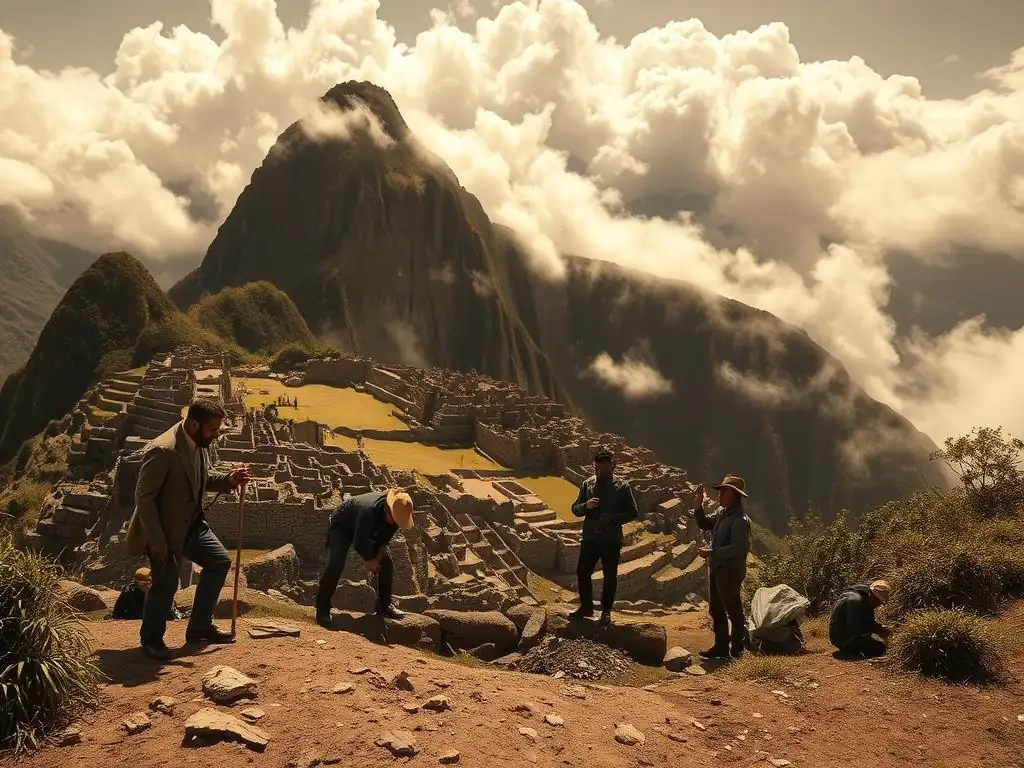
Excavations of Inca sites are fraught with challenges and controversies that can impact both the archaeological findings and the communities involved. One significant challenge is the preservation of these sites, many of which are threatened by environmental factors such as erosion, climate change, and natural disasters. The delicate balance between excavation for research and the need to protect these ancient structures is a constant concern among archaeologists.
Moreover, there are ethical controversies surrounding the excavation practices themselves. Questions often arise regarding who has the right to excavate and study these sites. Indigenous communities may feel excluded from the narrative surrounding their heritage, leading to tensions between archaeologists and local populations. The perception that excavations are conducted without proper consultation can result in distrust and resentment, emphasizing the need for inclusive practices that respect indigenous voices and perspectives.
Additionally, the commodification of Inca heritage through tourism poses its own set of challenges. As more tourists flock to these ancient sites, the risk of damage increases. This situation raises crucial questions about how archaeological practices can be balanced with the demands of tourism, ensuring that the legacy of the Inca civilization is preserved for future generations while still allowing for educational and economic opportunities.
Ethical Considerations in Archaeological Practices
Ethical considerations in archaeological practices are paramount, especially regarding Inca sites. One of the main issues is the importance of informed consent from indigenous communities. Archaeologists must engage with local populations to ensure that their histories, narratives, and cultural significance are respected in the excavation process. This collaboration can foster trust and lead to a more holistic understanding of the artifacts and structures being studied.
Another ethical concern is the treatment of human remains. Inca sites often reveal burial sites and mummified bodies, raising questions about how these remains should be handled. There is a growing consensus that remains should be treated with dignity, and decisions about their future—whether they should be reburied, displayed, or studied—should involve input from indigenous representatives.
Furthermore, the principle of stewardship is crucial in ethical archaeology. This principle emphasizes the responsibility of archaeologists to preserve the cultural heritage for future generations. This involves careful documentation, conservation efforts, and the promotion of sustainable practices that minimize the environmental impact of excavations.
The Impact of Tourism on Inca Sites
Tourism has significantly impacted Inca sites, both positively and negatively. On one hand, increased visitation can provide essential funding for conservation efforts and raise awareness about the Inca civilization's historical significance. Tourism can also create job opportunities for local communities, enhancing their economic well-being.
On the other hand, the high volume of tourists can lead to environmental degradation and wear on the structures themselves. Sites like Machu Picchu have seen the effects of this firsthand, with concerns regarding overcrowding and the potential for irreparable damage. As a result, there must be a concerted effort to manage tourism sustainably, ensuring that visitor experiences do not compromise the integrity of these invaluable cultural resources.
Moreover, the commercialization of Inca heritage can dilute the cultural meanings associated with these sites. When historical narratives are overly simplified for tourist consumption, it can obscure the rich and complex history of the Inca civilization. Therefore, implementing responsible tourism practices that prioritize education and preservation is essential for maintaining the authenticity of Inca sites.
Future Directions in Inca Archaeology
The future of Inca archaeology is poised for exciting developments as researchers continue to uncover new insights about this remarkable civilization. With advancements in technology and a growing emphasis on collaborative practices with indigenous communities, the field is evolving to address past shortcomings and embrace new methodologies.
Upcoming Excavation Projects and Research Initiatives
Numerous upcoming excavation projects and research initiatives are set to enhance the understanding of the Inca civilization. For instance, archaeologists are focusing on lesser-known sites such as Choquequirao and Vitcos, which may hold vital clues about Inca culture, architecture, and societal organization. These sites, often overshadowed by more famous locations, offer a wealth of untapped information waiting to be discovered.
In addition, interdisciplinary research collaborations are gaining traction, combining archaeology with fields like anthropology, environmental science, and even genetics. These initiatives aim to create a more comprehensive picture of the Inca civilization, its people, and its environmental interactions. By integrating diverse methodologies and perspectives, researchers can uncover connections that may have previously gone unnoticed.
The Role of Technology in Future Discoveries
Technology is revolutionizing Inca archaeology, providing tools that enhance the precision and efficiency of excavations. Ground-penetrating radar (GPR), for example, allows archaeologists to visualize subsurface features without extensive digging, minimizing damage to the sites. This non-invasive approach not only conserves the integrity of the sites but also enables researchers to gather preliminary data before excavation.
Furthermore, Geographic Information Systems (GIS) technology is being employed to analyze spatial data, helping archaeologists understand the landscape and its relationship to Inca settlements. This spatial analysis can reveal patterns in settlement distribution, trade routes, and agricultural practices, offering insights into the complexities of Inca society.
As technology continues to advance, it is likely that new methods such as drones and 3D modeling will further enhance archaeological practices. These innovations will allow for more efficient documentation and analysis of excavation sites, ultimately contributing to a deeper understanding of the Inca civilization's historical impact and legacy.
Conclusion: The Lasting Legacy of the Inca Civilization
The Inca civilization, which flourished from the early 15th century until the Spanish conquest in the 16th century, has left an indelible mark on the cultural and historical landscape of the Americas. Recent excavations in key sites such as Machu Picchu, Cusco, and the Sacred Valley have not only uncovered remarkable artifacts and structures but have also reshaped our understanding of Inca society, governance, and its intricate relationship with the environment.
These discoveries underscore the sophistication of the Inca civilization in various domains, including agriculture, architecture, and social organization. The advanced agricultural techniques, such as terracing and irrigation, not only supported a vast population but also exemplified their deep connection with the land. As research continues to unfold, the legacy of the Inca civilization becomes increasingly significant, offering insights into resilience, ingenuity, and cultural continuity.
Summary of Recent Findings and Their Implications
Recent archaeological efforts have yielded a treasure trove of information regarding the Inca civilization. Key findings include:
- Complex Urban Planning: Excavations in urban centers have revealed sophisticated layouts that reflect advanced engineering and architectural practices. For instance, the precise alignment of buildings and roads indicates a well-thought-out urban design aimed at facilitating trade and governance.
- Agricultural Innovations: Discoveries of ancient farming tools and terraced fields demonstrate the Incas' expertise in agriculture, which was crucial for sustaining their large population. The use of crop rotation and diverse planting techniques signifies a profound understanding of agricultural science.
- Cultural Artifacts: Numerous artifacts, including pottery, textiles, and ceremonial objects, have provided insights into the spiritual and daily life of the Incas. These findings highlight the rich cultural heritage and artistic expression that characterized Inca society.
The implications of these discoveries are profound. They challenge previous narratives that portrayed the Inca as a primitive society and instead reveal a complex civilization with significant achievements. Furthermore, these findings emphasize the importance of preserving Inca sites, as they continue to provide a window into a pivotal era in history.
The Importance of Continued Research on Inca Civilization Historical Impact
Continued research into the Inca civilization is vital for several reasons:
- Enhancing Historical Understanding: Ongoing excavations and studies contribute to a more nuanced understanding of the Inca's political structure, economic systems, and social organization. This deeper knowledge allows historians and archaeologists to reconstruct a more accurate picture of Inca life.
- Cultural Preservation: As environmental and human factors threaten archaeological sites, continued research is critical for preservation efforts. By documenting and understanding these sites, we can better protect them for future generations.
- Indigenous Perspectives: Involving Indigenous communities in the research process promotes a more holistic view of history. Their oral traditions and knowledge can enrich archaeological interpretations, ensuring that their cultural heritage is acknowledged and respected.
- Global Awareness: The Inca civilization's historical impact extends beyond the Americas. Understanding its achievements can foster greater appreciation for indigenous cultures globally and promote discussions around issues such as colonialism, cultural resilience, and identity.
As we delve deeper into the legacy of the Inca civilization through recent excavations, we not only uncover their historical impact but also honor the memory of a remarkable society that thrived long before European colonization. The stories of the Incas continue to inform and inspire, reminding us of the rich tapestry of human history.
- Introduction to the Inca Civilization Historical Impact
- Recent Excavations: Key Discoveries in Inca Sites
- How Recent Excavations Are Changing Historical Narratives
- The Inca Civilization's Historical Impact on Modern Society
- Challenges and Controversies Surrounding Excavations
- Future Directions in Inca Archaeology
- Conclusion: The Lasting Legacy of the Inca Civilization
- What is the Inca civilization known for?
- How have recent excavations influenced our understanding of the Inca civilization?
- What is the historical impact of the Inca civilization on modern societies?
- How did the Inca civilization maintain its vast empire?
- What role did religion play in the Inca civilization?
Frequently Asked Questions
What is the Inca civilization known for?
The Inca civilization is renowned for its advanced engineering, extensive road networks, and impressive architectural achievements, including Machu Picchu and the sophisticated agricultural techniques they developed.
How have recent excavations influenced our understanding of the Inca civilization?
Recent excavations have unveiled new artifacts and structures that challenge previous historical narratives, providing deeper insights into their social structures, religious practices, and daily life.
What is the historical impact of the Inca civilization on modern societies?
The historical impact of the Inca civilization is evident in contemporary Andean culture, including language, traditions, and agricultural practices that continue to influence the region today.
How did the Inca civilization maintain its vast empire?
The Inca civilization employed a sophisticated system of administration, including a network of messengers and roads, which facilitated communication and control across its diverse territories.
What role did religion play in the Inca civilization?
Religion was central to Inca civilization, influencing their politics, art, and daily life. The worship of deities like Inti, the sun god, was key to their societal organization and cultural identity.
Final Reflection: The Enduring Legacy of the Inca Civilization
The exploration of the Inca civilization's historical impact is more relevant today than ever, as recent excavations continue to reshape our understanding of this remarkable culture. The discoveries made in the Andes not only illuminate the sophistication of Inca engineering and societal organization but also challenge long-held narratives that have often overlooked the depth of their contributions to human history. As we delve deeper into the past, we uncover the intricate tapestry of human achievement that the Inca civilization represents, reminding us that history is a living, breathing entity that evolves with each new finding.
Cultural narratives are constantly being rewritten, and the legacy of the Inca civilization is no exception. The ongoing research and excavation efforts highlight the importance of indigenous perspectives and the need to honor the voices of those who lived through these transformative times. As we reflect on the Inca's influence, we recognize that their innovations in agriculture, architecture, and governance continue to resonate in contemporary society. History is not just what happened; it is how we choose to remember it.
This quote encapsulates the essence of our responsibility to acknowledge and celebrate the complexities of the past, ensuring that the Inca civilization's contributions are recognized and appreciated.
As we move forward, I invite you to reflect on the lessons learned from the Inca civilization and consider how they can inspire our actions today. Embrace the spirit of inquiry and openness to new ideas, for the past holds valuable insights that can guide us in shaping a more inclusive and informed future. Let us honor the legacy of the Inca by fostering a deeper appreciation for cultural diversity and the richness of human history, ensuring that the stories of all civilizations continue to be told and celebrated.
Unveil the Mysteries of the Inca Civilization!
Thank you for taking the time to explore the rich legacy of the Inca civilization with us. Your interest in recent excavations not only enhances your understanding but also contributes to reshaping historical narratives. Now, it’s time to take action and deepen your connection with this fascinating topic!
- Dive deeper: Visit our curated resources on Inca history and archaeology to uncover more captivating stories and insights.
- Join the conversation: Share your thoughts and insights in our community forum. Connect with fellow enthusiasts and experts who share your passion for this incredible culture!
- Spread the knowledge: Share this article with friends and family who might be intrigued by the Inca legacy. Your network could be the next to discover its wonders!
What aspect of the Inca civilization fascinates you the most, and how do you think it influences our understanding of indigenous cultures today?