
Geoarchaeology: Mapping the Environmental Context of Indigenous Civilizations

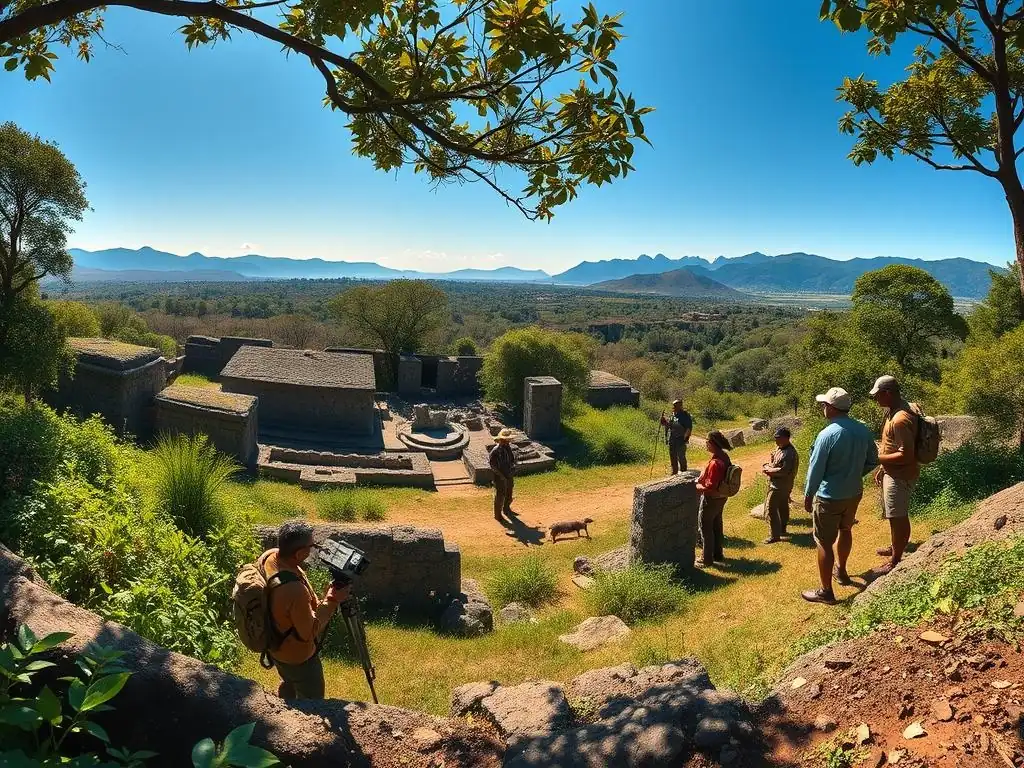
Welcome to Indigenous Civilizations of the Americas, where we invite you on an enlightening journey through the rich tapestry of cultures that flourished long before European contact. In our featured article, "Geoarchaeology: Mapping the Environmental Context of Indigenous Civilizations," we delve into the intricate relationship between these remarkable societies and their environments. Discover how geography shaped their achievements and ways of life, and uncover the legacy they left behind. Join us as we unveil the fascinating stories behind these civilizations and their enduring impact on our world today. Are you ready to explore the past?
- Introduction to Geoarchaeology
- The Role of Environmental Context in Indigenous Civilizations
- Geoarchaeological Techniques Used in Mapping Indigenous Civilizations
- Integrating Geoarchaeology with Archaeological Discoveries
- Challenges in Studying the Environmental Context of Indigenous Civilizations
- Future Directions in Geoarchaeological Research
- Conclusion: The Significance of Geoarchaeology in Indigenous Studies
-
Frequently Asked Questions
- What is geoarchaeology?
- Why is the environmental context important for studying indigenous civilizations?
- How did indigenous civilizations impact their environment?
- What are some key achievements of indigenous civilizations in relation to their environment?
- How does understanding the environmental context enhance our knowledge of indigenous cultures?
- Final Reflection: Understanding the Environmental Context of Indigenous Civilizations
- Unveil the Stories Beneath Our Feet!
Introduction to Geoarchaeology
Geoarchaeology serves as a crucial bridge between the disciplines of geology and archaeology, providing invaluable insights into the environmental contexts that shaped indigenous civilizations throughout the Americas. By examining the interplay between geological formations, soil composition, and ancient human activities, geoarchaeologists can reconstruct past landscapes and understand how these environments influenced cultural development, settlement patterns, and resource management among indigenous peoples. This article delves into the significance of geoarchaeology in uncovering the rich tapestry of indigenous civilizations, emphasizing the importance of understanding their environmental contexts to appreciate their achievements and resilience prior to European colonization.
Understanding Geoarchaeology in the Context of Indigenous Civilizations
Geoarchaeology combines principles from both geology and archaeology to investigate how natural processes and human activities intersected over time. This interdisciplinary approach allows researchers to analyze sediment layers, fossilized remains, and other geological evidence to uncover how various indigenous cultures adapted to their environments.
Key aspects of geoarchaeological research include:
- Stratigraphy: The study of sedimentary layers helps in dating archaeological sites and understanding the chronological sequence of human occupation and environmental changes.
- Paleoenvironmental Reconstruction: By examining pollen, charcoal, and other organic materials, researchers can reconstruct ancient ecosystems, providing insight into the climatic conditions and available resources for indigenous populations.
- Geospatial Analysis: Utilizing geographic information systems (GIS) allows for mapping ancient settlements in relation to natural features such as rivers, mountains, and soil types, highlighting how geography influenced cultural practices.
Through these methods, geoarchaeologists are able to paint a clearer picture of how indigenous civilizations interacted with their surroundings, revealing the complexities of their social structures and technological advancements.
Importance of Environmental Context for Indigenous Civilizations
Understanding the environmental context of indigenous civilizations is vital for several reasons. First, it sheds light on how these cultures developed unique adaptations to their specific environments, which were often diverse and challenging. For instance, the agricultural practices of the Maya in the tropical lowlands differed significantly from those of the Ancestral Puebloans in the arid Southwest, demonstrating the influence of local conditions on food production and settlement strategies.
Moreover, environmental context plays a critical role in the sustainability and longevity of these societies. Factors such as:
- Resource Availability: Access to water, fertile land, and natural resources dictated settlement locations and agricultural practices.
- Climate Variability: Changes in climate, such as droughts or floods, could lead to societal stress, migration, or even collapse. Understanding these patterns helps explain the rise and fall of various civilizations.
- Ecological Interactions: Relationships between species, including domesticated plants and animals, shaped the economy and social structures of indigenous groups.
By exploring these elements, we can gain a deeper appreciation of the resilience and ingenuity of indigenous civilizations, as well as their lasting impact on the cultural landscape of the Americas. Through geoarchaeological studies, the narratives of these societies are not only preserved but also enriched, highlighting their profound connection to the environment that sustained them.
The Role of Environmental Context in Indigenous Civilizations
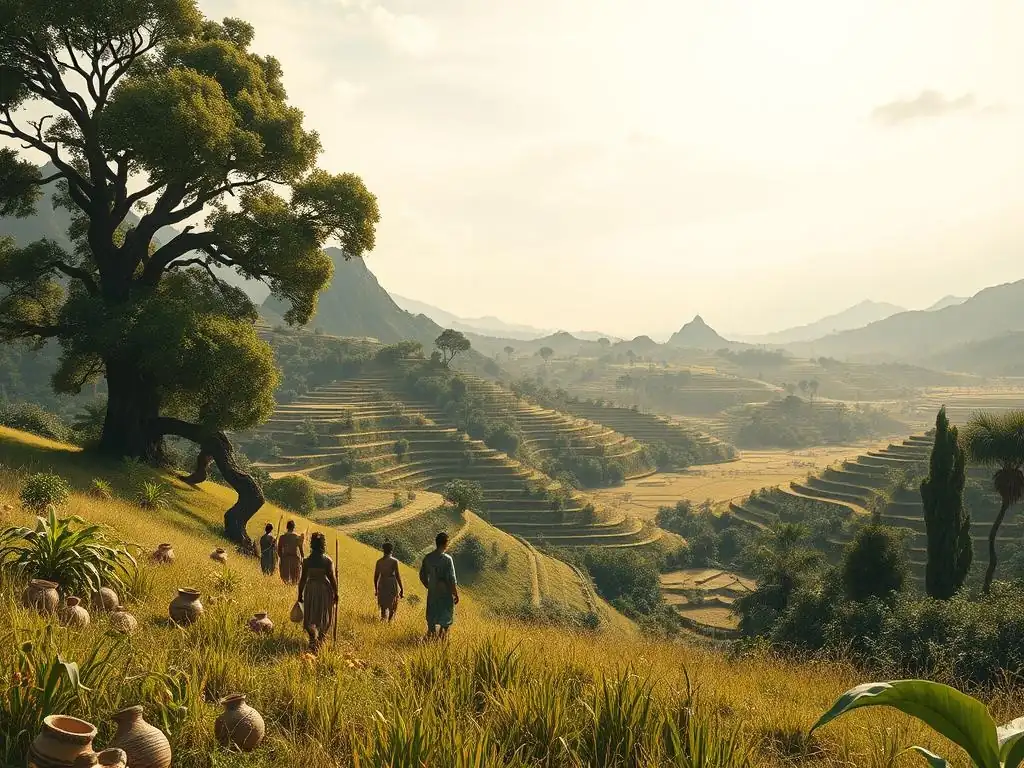
Understanding the environmental context is crucial for comprehending how indigenous civilizations of the Americas developed, thrived, and adapted their cultures to the landscapes they inhabited. This section dives into the intricate relationship between these civilizations and their surrounding environments, highlighting the significance of geoarchaeology in revealing the historical interactions between people and nature.
Defining Environmental Context in Archaeology
In archaeology, environmental context refers to the physical and ecological characteristics of a region that influence human behavior and societal development. This encompasses various elements, including:
- Geology: The study of earth materials, such as soil types and mineral resources, which can affect settlement patterns and economic activities.
- Climatology: Historical climate conditions that dictate agricultural practices, resource availability, and migration trends.
- Ecology: The relationships between organisms and their environments, influencing food sources, biodiversity, and cultural practices.
Understanding these factors helps archaeologists reconstruct past landscapes and assess how indigenous peoples interacted with their environments. For example, the ways in which they utilized local flora and fauna for sustenance, shelter, and tools can reveal much about their lifestyles and cultural priorities.
How Environmental Factors Shaped Indigenous Societies
Environmental factors played a pivotal role in shaping the social structures, economies, and technological advancements of indigenous societies. Here are a few key influences:
- Resource Availability: The presence of natural resources such as water, arable land, and raw materials directly influenced settlement patterns. Communities often thrived in regions with abundant resources, leading to more complex societal structures. For instance, the availability of fertile soil in river valleys allowed for the development of advanced agricultural practices among civilizations like the Maya and Aztec.
- Climate Variability: Changes in climate could lead to significant societal shifts. For example, periods of drought may have prompted migrations, while favorable conditions could enhance agricultural yields. The Ancestral Puebloans in the American Southwest faced challenges due to climate fluctuations, which forced them to innovate in water conservation and crop cultivation.
- Natural Disasters: Events such as floods, earthquakes, and volcanic eruptions could disrupt societies, leading to adaptation or decline. The eruption of Mount Mazama, which formed Crater Lake in present-day Oregon, significantly impacted the surrounding indigenous populations, altering their resource availability and settlement patterns.
- Geographical Barriers: Mountains, rivers, and deserts often served as barriers, influencing trade routes, cultural exchanges, and interactions between different groups. The Andes Mountains, for example, created distinct ecological zones that influenced the diverse agricultural practices of the Inca civilization.
Case Studies of Indigenous Civilizations and Their Environments
To illustrate the profound impact of environmental contexts on indigenous civilizations, here are several notable case studies:
- Maya Civilization: The Maya thrived in the tropical lowlands of Mesoamerica, where a complex interplay of limestone geology, rainfall patterns, and biodiversity enabled advanced agricultural systems, such as slash-and-burn farming. The creation of raised fields in swampy areas showcased their adaptability to environmental challenges.
- Inca Empire: The Incas developed an extensive network of roads and agricultural terraces in the rugged Andes, demonstrating their mastery of high-altitude farming. Their environmental strategies included irrigation systems that harnessed meltwater from glaciers, allowing them to sustain a large population in a challenging landscape.
- Mississippian Culture: Flourishing in the floodplains of the Mississippi River, the Mississippian culture utilized the rich alluvial soils to cultivate maize and other crops, leading to the emergence of large, complex societies with monumental earthworks, such as Cahokia. Their understanding of seasonal flooding patterns was critical for agricultural success.
- Northeast Woodlands Tribes: Tribes such as the Iroquois adapted to the forests of the Northeastern United States by developing a mixed agricultural system alongside hunting and gathering. Their use of crops like corn, beans, and squash, known as the "Three Sisters," exemplified their knowledge of companion planting and ecological balance.
These case studies highlight the intricate ways in which indigenous civilizations not only adapted to but also shaped their environmental contexts. By examining these relationships, we gain valuable insights into the resilience and ingenuity of these cultures in the face of ecological challenges.
Geoarchaeological Techniques Used in Mapping Indigenous Civilizations
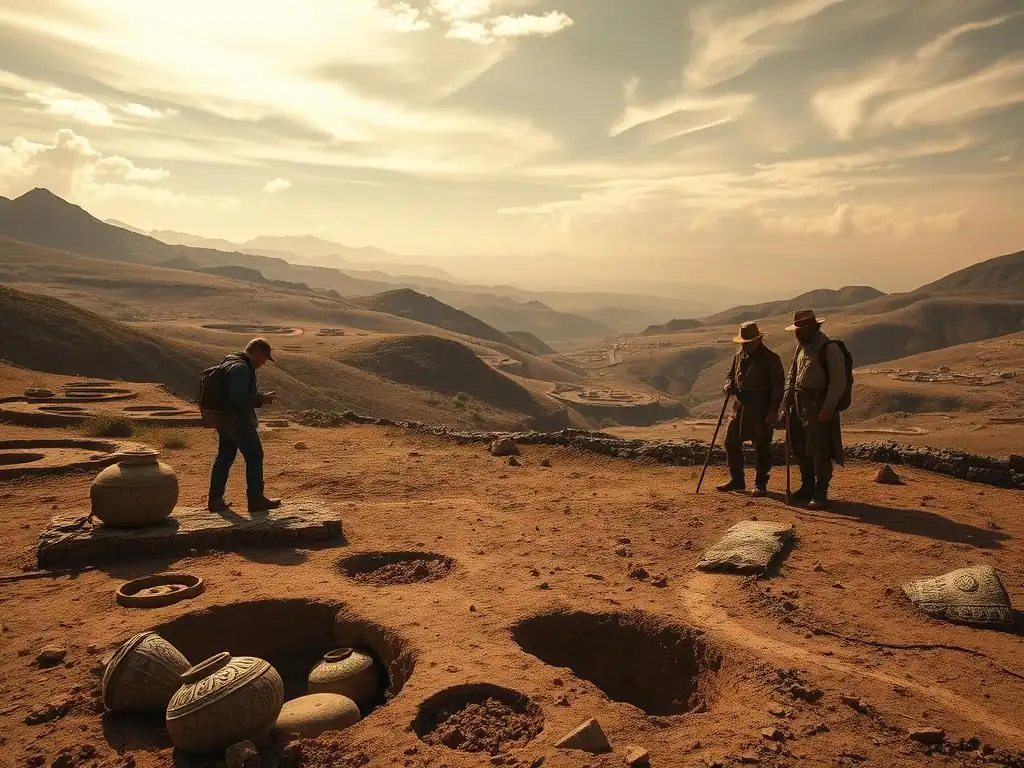
Geoarchaeology plays a critical role in understanding the environmental context of indigenous civilizations by combining geological and archaeological methods. This interdisciplinary approach allows researchers to reconstruct past landscapes and assess how indigenous peoples adapted to their environments. Through various geoarchaeological techniques, archaeologists can uncover valuable insights into the ecological factors that shaped the development, sustainability, and decline of these vibrant cultures.
Soil Analysis and Its Importance in Environmental Context
Soil analysis is a fundamental geoarchaeological technique that provides insights into the agricultural practices, land use, and settlement patterns of indigenous civilizations. By studying soil composition and properties, researchers can infer historical land management practices and their relationship with environmental conditions.
- Soil Composition: The mineral content, organic matter, and pH levels of soil can indicate the types of crops that were cultivated. For instance, high levels of phosphorous and nitrogen often signal intensive agricultural practices.
- Paleoenvironmental Reconstruction: Soil samples can reveal changes in vegetation and climate over time, offering a timeline of environmental shifts that influenced indigenous communities.
- Anthrosols: These are soils modified by human activity, often rich in nutrients due to continuous cultivation. The presence of anthrosols can indicate areas of long-term settlement and agricultural intensification.
Understanding soil is not just about the physical material; it's about interpreting the stories they tell regarding human interaction with the land.
Sedimentology and Its Role in Understanding Indigenous Landscapes
Sedimentology, the study of sedimentary rocks and processes, is essential for reconstructing ancient landscapes where indigenous civilizations flourished. This technique provides a window into the environmental conditions that influenced settlement and resource use.
- Depositional Environments: By analyzing sediment layers, researchers can identify past environments—such as river valleys, floodplains, or coastal areas—where indigenous peoples may have thrived. These environments often supported rich biodiversity and provided essential resources.
- Chronological Context: Sediment dating techniques, such as radiocarbon dating, help establish timelines for human activity and environmental change. This chronological framework is vital for understanding how indigenous societies adapted over time.
- Erosion and Sedimentation: Studying patterns of erosion and sediment deposition can reveal the impact of indigenous agricultural practices on the landscape. For example, terracing and irrigation systems might lead to increased sedimentation in certain areas, affecting local ecosystems.
Remote Sensing Technologies for Mapping Ancient Settlements
Remote sensing technologies have revolutionized the way archaeologists map and analyze ancient indigenous settlements. These advanced methods allow for large-scale surveys and the identification of features that may not be visible on the ground.
- LiDAR (Light Detection and Ranging): This technology uses laser pulses to create detailed topographical maps of the landscape. It can penetrate vegetation, revealing hidden structures and pathways of ancient settlements that were previously obscured.
- Satellite Imagery: High-resolution satellite images provide insights into land use patterns, deforestation, and changes in water bodies. Researchers can assess how these factors influenced the location and sustainability of indigenous civilizations.
- Geographic Information Systems (GIS): GIS combines spatial data with analytical tools, enabling archaeologists to visualize and analyze relationships between environmental features and archaeological sites. This integration allows for a better understanding of settlement patterns, resource distribution, and the environmental context of indigenous cultures.
Remote sensing is like having a bird's eye view of the past, offering a perspective that ground surveys alone cannot provide.
By employing these geoarchaeological techniques, researchers can more effectively map the environmental context of indigenous civilizations, shedding light on their complexities, adaptations, and enduring legacies. The integration of soil analysis, sedimentology, and remote sensing technologies not only enhances our understanding of these societies but also underscores their deep connections to the landscapes they inhabited.
Integrating Geoarchaeology with Archaeological Discoveries
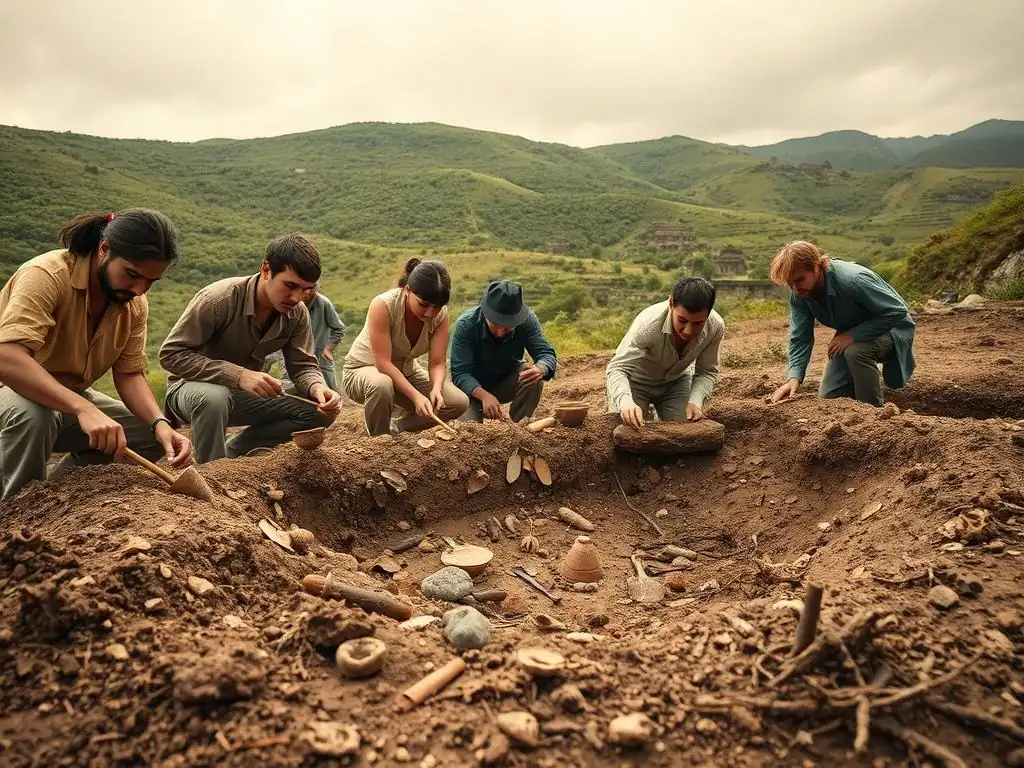
Geoarchaeology serves as a critical intersection between the natural sciences and archaeology, offering insights into the environmental context of indigenous civilizations. By analyzing soil, sediments, and landforms, geoarchaeologists can reconstruct past landscapes and climatic conditions that shaped the lives of these cultures. This integrative approach not only enhances our understanding of the spatial dynamics of indigenous societies but also provides essential data that informs archaeological interpretation.
Collaborative Approaches to Studying Indigenous Civilizations
Collaboration between geoarchaeologists, historians, and indigenous communities has proven invaluable in uncovering the nuances of indigenous civilizations. This multidisciplinary methodology allows for the synthesis of different types of knowledge:
- Field Studies:
- Geoarchaeologists conduct soil sampling and sediment analysis in collaboration with archaeologists to identify settlement patterns and resource utilization.
- Indigenous knowledge holders contribute traditional ecological knowledge (TEK), providing context and meaning to scientific findings.
- Data Integration:
- Geographic Information Systems (GIS) are employed to visualize and analyze spatial relationships, integrating archaeological data with environmental variables.
- Remote sensing techniques, such as LiDAR, enhance the understanding of prehistoric landscapes, revealing structures that may be obscured by vegetation.
Such collaborative efforts ensure a more holistic understanding of how indigenous civilizations interacted with their environments, enriching the narrative of their historical significance.
The Impact of Climate Change on Indigenous Environments
Climate change has played a pivotal role in shaping the environmental context of indigenous civilizations throughout history. Understanding these dynamics is crucial for comprehending their adaptability and resilience:
- Drought and Resource Management:
- Extended periods of drought have historically impacted agricultural practices among indigenous groups, leading to shifts in settlement patterns and subsistence strategies.
- Analysis of sediment cores indicates fluctuations in lake levels, correlating with known drought periods and helping to map the responses of civilizations like the Ancestral Puebloans.
- Environmental Adaptation:
- Indigenous societies employed various adaptive strategies, such as crop diversification and water conservation techniques, to withstand climatic changes.
- Archaeological evidence shows that some cultures, like the Mississippians, modified their agricultural practices in response to changing precipitation patterns, demonstrating their resilience and innovation.
By studying these impacts, researchers gain insights into how indigenous civilizations navigated environmental challenges, informing current discussions about climate resilience.
Lessons from Geoarchaeology for Modern Environmental Studies
The insights gained from geoarchaeological studies of indigenous civilizations offer valuable lessons for contemporary environmental issues:
- Sustainable Practices:
- Many indigenous cultures practiced sustainable land-use methods that can inform modern environmental management, emphasizing the importance of biodiversity and ecosystem services.
- Techniques such as agroforestry and companion planting, rooted in traditional practices, provide models for sustainable agriculture today.
- Cultural Heritage and Conservation:
- Understanding the relationship between indigenous cultures and their environments highlights the importance of preserving cultural heritage in the face of environmental degradation.
- Collaborative conservation efforts that incorporate indigenous knowledge can lead to more effective environmental stewardship, recognizing the value of traditional practices in maintaining ecological balance.
The study of indigenous civilizations through the lens of geoarchaeology not only uncovers the complexities of their past but also offers contemporary society essential wisdom for navigating the environmental challenges of the present day. By appreciating the intricate relationship between these civilizations and their environments, we can work towards more sustainable futures.
Challenges in Studying the Environmental Context of Indigenous Civilizations
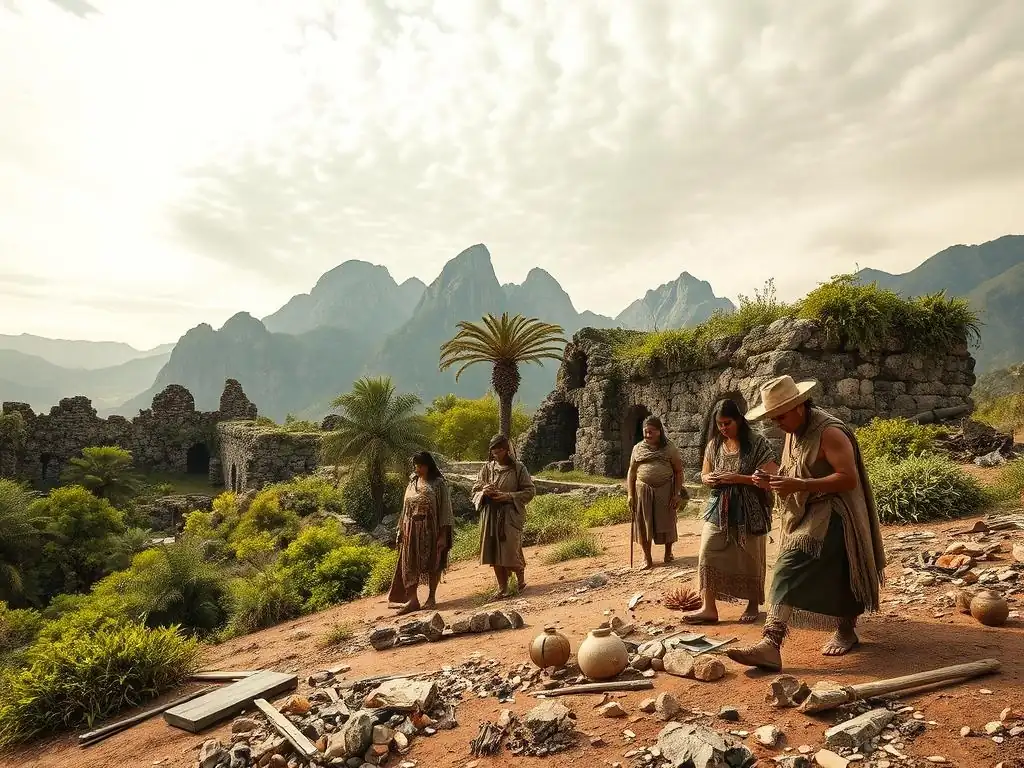
Understanding the environmental context of indigenous civilizations is crucial for unraveling the complex histories and cultures that existed in the Americas before European contact. However, several challenges complicate this study, ranging from data collection difficulties to ethical considerations and the integration of indigenous knowledge. Addressing these challenges is essential for achieving a comprehensive understanding of how indigenous communities interacted with their environments.
Issues of Data Collection and Interpretation
Data collection in geoarchaeology often involves a range of methodologies, including sediment analysis, paleobotanical studies, and geospatial technologies. Despite advancements in these techniques, researchers face significant hurdles:
- Limited Physical Evidence: Much of the evidence related to indigenous civilizations has been lost due to natural decay, urban development, and agricultural expansion. For instance, the extensive use of fire by indigenous peoples may have left behind altered soils, but these changes can be challenging to distinguish from natural processes.
- Sampling Bias: Archaeological sites are often excavated based on their visibility or prior discoveries, which can lead to a skewed representation of indigenous cultures. Certain regions may be overrepresented in studies, while others, where significant civilizations flourished, remain understudied. This can result in a fragmented understanding of the broader environmental context.
- Interpretative Challenges: The interpretation of data can be subjective, influenced by the researchers’ theoretical frameworks and biases. For example, the same sediment characteristics may be interpreted differently based on the prevailing environmental theories, leading to divergent conclusions about the relationship between indigenous civilizations and their environments.
To mitigate these issues, interdisciplinary collaboration is essential. By integrating insights from fields like anthropology, ecology, and history, researchers can develop a more nuanced understanding of how indigenous peoples interacted with their environments.
Ethical Considerations in Geoarchaeology
The study of indigenous civilizations raises important ethical considerations that must be addressed to respect the cultural heritage and rights of indigenous communities:
- Respect for Cultural Heritage: Researchers must prioritize the preservation of sites that hold cultural significance for indigenous peoples. Excavation and study should only occur with the consent of local communities, ensuring that their heritage is respected and protected.
- Ownership and Control of Knowledge: The knowledge generated through geoarchaeological research often belongs to the indigenous communities themselves. Ethical research practices should include mechanisms for these communities to retain control over how their history and culture are represented.
- Collaborative Approaches: Engaging indigenous communities in the research process fosters meaningful partnerships. This collaboration can lead to a more accurate representation of their histories while empowering communities to share their knowledge and perspectives.
By adhering to ethical standards, researchers can contribute positively to the understanding of indigenous civilizations while fostering trust and respect between academic institutions and indigenous communities.
The Importance of Indigenous Knowledge in Environmental Mapping
Indigenous knowledge plays a vital role in understanding the environmental context of indigenous civilizations. This body of knowledge, developed over centuries, offers insights into sustainable practices and ecological relationships that are often overlooked by conventional scientific approaches:
- Holistic Perspectives: Indigenous knowledge systems often emphasize the interconnectedness of people, land, and resources. This holistic view can enhance geoarchaeological studies by providing context that accounts for cultural practices and environmental stewardship.
- Traditional Ecological Knowledge (TEK): TEK encompasses the practices, values, and beliefs of indigenous peoples regarding their environment. For example, indigenous fire management techniques have been shown to promote biodiversity and prevent catastrophic wildfires, illustrating how indigenous practices can inform modern land management strategies.
- Mapping Indigenous Landscapes: By integrating indigenous knowledge into environmental mapping, researchers can uncover historical land uses and cultural landscapes that may not be evident through scientific methods alone. This approach not only enriches the understanding of past civilizations but also validates the experiences and knowledge of indigenous peoples.
Recognizing and incorporating indigenous knowledge is crucial for a comprehensive understanding of the environmental context of indigenous civilizations. By blending scientific methods with traditional practices, researchers can foster a more respectful and nuanced exploration of the rich histories that shaped the Americas before European colonization.
Future Directions in Geoarchaeological Research
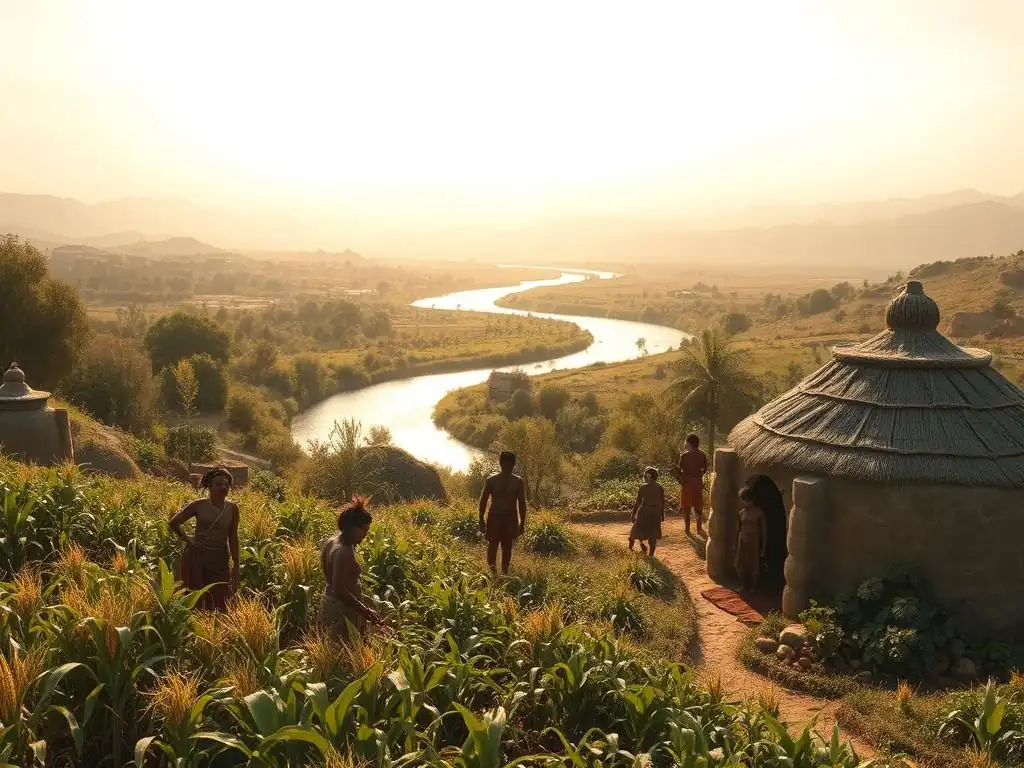
The field of geoarchaeology is constantly evolving, and as we move forward, several future directions promise to enhance our understanding of the indigenous civilizations' environmental context. This section explores emerging technologies, the expansion of study scopes, and the importance of interdisciplinary approaches in this crucial area of research.
Emerging Technologies in Geoarchaeology
Advancements in technology are transforming the landscape of geoarchaeological research. Several innovative tools and techniques are being utilized to uncover and analyze the environmental contexts in which indigenous civilizations flourished. Some of the most notable technologies include:
- Remote Sensing: Techniques such as LiDAR (Light Detection and Ranging) allow researchers to create high-resolution topographical maps of landscapes obscured by vegetation. This method has revealed previously unknown archaeological sites and has aided in understanding settlement patterns across various terrains.
- Geographic Information Systems (GIS): GIS technology enables researchers to analyze spatial relationships between archaeological sites and their environmental settings. By integrating data on climate, soil types, and water sources, GIS can highlight how indigenous populations adapted to their surroundings.
- DNA Analysis: Environmental DNA (eDNA) sampling is proving valuable in understanding ancient ecosystems. By analyzing soil samples for genetic material from plants and animals, researchers can reconstruct past biodiversity and human interactions with the environment.
- 3D Modeling: Creating three-dimensional models of archaeological sites allows for a more immersive understanding of how indigenous civilizations interacted with their environments. This technology facilitates virtual reconstructions, helping researchers visualize ancient landscapes and settlement layouts.
These technologies not only enhance the precision of data collection but also allow for a more nuanced interpretation of the environmental contexts that shaped indigenous civilizations.
Expanding the Scope of Environmental Context Studies
As geoarchaeology progresses, there is a growing recognition of the need to expand the scope of environmental context studies. Traditional research often focused on specific sites or regions; however, a more holistic approach is necessary to understand the broader environmental dynamics at play. Key areas for expansion include:
- Climate Change Impacts: Understanding how historical climate variations influenced indigenous societies is critical. Studies focusing on paleoclimate data can reveal how civilizations adapted to changing conditions, providing insights into their resilience and sustainability practices.
- Land Use and Management: Investigating indigenous land use practices can illuminate how these societies managed natural resources. This includes studying agricultural techniques, water management systems, and the impact of human activity on local ecosystems.
- Ecosystem Interactions: The interplay between indigenous populations and their environments is complex and multifaceted. Expanding research to include ecological studies can help elucidate how indigenous civilizations shaped and were shaped by their surroundings, from hunting and gathering practices to the domestication of plants and animals.
- Long-Term Environmental Changes: By examining sediment cores and other geological evidence, researchers can track long-term environmental changes and their implications for indigenous societies. This can provide a deeper understanding of how civilizations adapted—or failed to adapt—to significant ecological shifts.
The Role of Interdisciplinary Approaches in Understanding Indigenous Civilizations
A comprehensive understanding of the indigenous civilizations' environmental context can best be achieved through interdisciplinary collaboration. By integrating insights from various fields, researchers can enhance the depth and breadth of their studies. Key disciplines contributing to this interdisciplinary approach include:
- Anthropology: Anthropological perspectives can provide valuable context regarding the cultural practices, belief systems, and social structures of indigenous populations, enriching the geoarchaeological narrative.
- Ecology: Ecologists contribute knowledge about ecosystems, species interactions, and environmental changes, which are essential for understanding the ecological contexts in which indigenous civilizations thrived.
- History and Ethnohistory: Historical methodologies can offer critical insights into the timelines and dynamics of indigenous civilizations, helping to connect archaeological findings with historical records and oral traditions.
- Geology: Geologists provide essential information about soil composition, sedimentation processes, and landscape evolution, all of which are fundamental to understanding the environmental contexts that shaped human behavior.
By fostering collaboration among these diverse disciplines, researchers can develop a more integrated understanding of how environmental contexts influenced indigenous civilizations throughout the Americas. This holistic approach not only enriches our knowledge but also acknowledges the complexity of human-environment interactions over time.
Conclusion: The Significance of Geoarchaeology in Indigenous Studies
Recap of the Importance of Indigenous Civilizations Environmental Context
Understanding the environmental context of indigenous civilizations is crucial for several reasons. It provides insights into how these societies adapted to their surroundings, managed resources, and developed sustainable practices. The interplay between climate, geography, and cultural practices shaped the social and economic structures of various indigenous groups. For instance:
- Resource Management: Indigenous peoples often demonstrated sophisticated methods of resource management, such as controlled burns to promote the growth of certain plants or the construction of terraces to manage rainwater.
- Settlement Patterns: Geoarchaeological studies reveal patterns of settlement that correlate with environmental features, like rivers and mountains. These patterns often indicate how societies optimized their living spaces based on the availability of resources.
- Cultural Practices: The rituals and traditions of indigenous civilizations were frequently influenced by their environment. For example, the agricultural practices of the Maya were closely tied to their understanding of soil and climatic conditions.
By mapping these relationships, researchers can gain a deeper appreciation of the ingenuity and resilience of indigenous civilizations, reinforcing their historical significance and contributions to our understanding of sustainable living.
Encouragement for Further Research and Exploration
The field of geoarchaeology offers a wealth of opportunities for further research into the environmental contexts of indigenous civilizations. As new techniques and technologies emerge, including remote sensing and advanced soil analysis, researchers are better equipped to uncover the complexities of these societies.
Here are some avenues for exploration:
- Case Studies: Investigating specific indigenous groups through detailed geoarchaeological case studies can yield rich insights into their unique adaptations and innovations.
- Interdisciplinary Approaches: Collaborating with disciplines such as climatology, anthropology, and ecology can enhance our understanding of the multifaceted relationships between indigenous peoples and their environments.
- Public Engagement: Engaging with local indigenous communities in research can provide valuable perspectives and contribute to a more holistic understanding of their histories and practices.
Continued exploration in this area not only enriches our knowledge of indigenous civilizations but also highlights their contributions to contemporary discussions on sustainability and environmental stewardship. As we delve deeper into the past, we pave the way for a more informed and respectful future, recognizing the enduring legacies of these remarkable cultures.
Frequently Asked Questions
What is geoarchaeology?
Geoarchaeology is the interdisciplinary study that combines geology and archaeology to understand the environmental context in which indigenous civilizations developed, revealing how these cultures interacted with their surroundings.
Why is the environmental context important for studying indigenous civilizations?
The environmental context provides insights into how indigenous peoples adapted to their natural landscapes, influencing their social structures, agricultural practices, and overall cultural development.
How did indigenous civilizations impact their environment?
Indigenous civilizations actively shaped their environments through agricultural practices, land management, and resource utilization, demonstrating a complex relationship between cultural practices and environmental stewardship.
What are some key achievements of indigenous civilizations in relation to their environment?
Many indigenous civilizations achieved significant advancements in agriculture, architecture, and resource management, often creating sustainable practices that allowed them to thrive in diverse ecosystems across the Americas.
How does understanding the environmental context enhance our knowledge of indigenous cultures?
By examining the environmental context, we gain a deeper appreciation for the adaptive strategies and innovations of indigenous cultures, highlighting their resilience and the sophistication of their societies before European contact.
Final Reflection: Understanding the Environmental Context of Indigenous Civilizations
The intricate relationship between indigenous civilizations and their environmental context remains profoundly relevant today. As we grapple with the impacts of climate change and environmental degradation, understanding how these ancient societies adapted to their surroundings offers invaluable lessons. The resilience and ingenuity of indigenous peoples in navigating their landscapes remind us that our survival hinges on respecting and learning from the natural world.
Cultural narratives and practices rooted in environmental awareness continue to shape our social landscape. The insights gleaned from geoarchaeology not only illuminate the past but also inspire contemporary movements advocating for sustainable practices and environmental justice. As noted by renowned anthropologist David Harvey, The past is never dead. It's not even past.
This quote resonates deeply as we recognize that the wisdom of indigenous civilizations can guide us in addressing modern challenges, fostering a deeper appreciation for the interconnectedness of humanity and nature.
As you reflect on the lessons from this article, I invite you to consider how you can incorporate the principles of environmental stewardship and respect for indigenous knowledge into your own life. Embrace the opportunity to learn from the past and apply these insights to create a more sustainable future. Whether through supporting indigenous rights, engaging in conservation efforts, or simply being mindful of your environmental footprint, every action counts. Together, we can honor the legacy of these civilizations and work towards a harmonious coexistence with our planet.
Unveil the Stories Beneath Our Feet!
Thank you for exploring the intricate connections between indigenous civilizations and their environments through geoarchaeology. Your interest in understanding the past not only enriches your knowledge but also deepens your appreciation for these remarkable cultures and their adaptations to the land. Now, it’s time to take that understanding and turn it into action!
Here are some steps you can take right now:
- Dive Deeper: Explore how various indigenous groups interacted with their environments by visiting our featured articles on the website.
- Get Involved: Join a local conservation or archaeology organization to witness firsthand the importance of environmental preservation and its impact on understanding indigenous histories.
- Share Your Knowledge: Discuss this article with friends or on social media, emphasizing the significance of geoarchaeology in appreciating indigenous legacies.
Have you ever thought about how the landscapes we inhabit today tell the stories of those who came before us? We invite you to share your thoughts!