
The Social Structure of the Early Maya: Kings, Priests, and Commoners

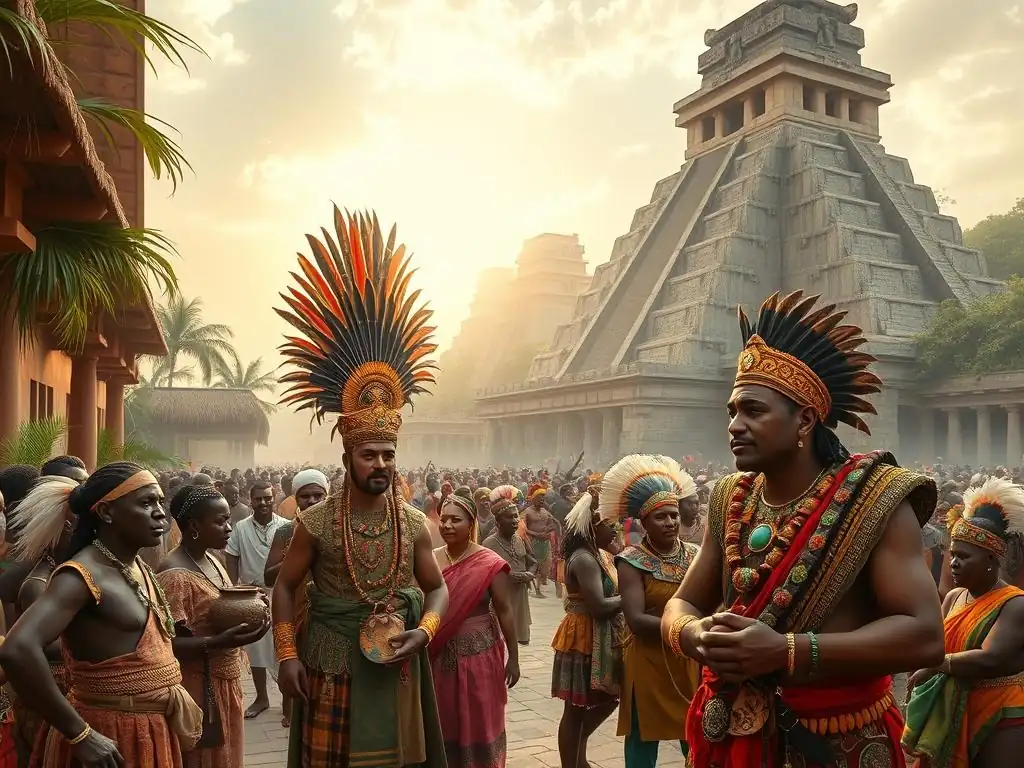
Welcome to Indigenous Civilizations of the Americas! Here, we invite you to embark on a captivating journey through the rich tapestry of indigenous cultures that flourished across the Americas prior to European colonization. Our deep dive into the Maya social structure explained promises to unveil the intricate relationships between kings, priests, and commoners, shedding light on the sophisticated societal frameworks that defined the Maya civilization. Prepare to uncover the achievements and legacies that continue to influence the world today, and let your curiosity guide you as you explore the depths of these remarkable cultures!
The Maya civilization, one of the most sophisticated and influential cultures of pre-Columbian America, boasted a complex social structure that played a crucial role in shaping its political, religious, and economic life. Understanding the Maya social structure is essential for appreciating how this ancient society functioned and thrived for centuries before European colonization. This article delves into the intricacies of Maya social hierarchy, exploring the roles of kings, priests, and commoners, and highlighting how their interactions influenced the everyday life of the Maya people.
Overview of Maya Civilization
The Maya civilization flourished in Mesoamerica, particularly in present-day Mexico, Guatemala, Belize, Honduras, and El Salvador, from approximately 2000 BCE until the arrival of Europeans in the 16th century. Renowned for their impressive architectural achievements, sophisticated writing system, and advanced understanding of mathematics and astronomy, the Maya established city-states that were often characterized by sprawling urban centers, monumental temples, and intricate trade networks.
At its zenith, the Maya civilization comprised numerous city-states, each governed by a king and supported by a network of nobles and priests. The intricacies of their social structure were vital to maintaining order, facilitating trade, and conducting religious ceremonies, which were integral to their worldview and daily life.
Importance of Understanding Maya Social Hierarchy
Grasping the Maya social structure not only enriches our understanding of their civilization but also illuminates the broader context of indigenous cultures in the Americas. The hierarchical nature of Maya society reveals how power dynamics influenced governance, religion, and social roles. By analyzing the interactions between different social classes, we can gain insight into the complexities of Maya life and the factors that contributed to their enduring legacy.
The Hierarchical Nature of Maya Society
The Maya social structure was distinctly hierarchical, with each class having specific roles and responsibilities that contributed to the overall functioning of society. This hierarchy was not merely a reflection of wealth but also of power, prestige, and access to religious and political influence.
Definition of Social Structure in the Maya Context
In the context of the Maya, social structure refers to the organization of society into distinct classes, each with its own functions, privileges, and responsibilities. This structure was deeply intertwined with their religious beliefs, as the divine right of kings and the authority of priests played pivotal roles in maintaining social order.
Key Features of Maya Social Organization
The Maya social organization can be broken down into several key features:
- Ruling Elite: This class included kings, queens, and nobles who held significant power. They were often considered to have divine lineage and were responsible for making critical decisions regarding governance and warfare.
- Priests: As intermediaries between the gods and the people, priests held immense influence, conducting rituals and ceremonies that were believed to ensure agricultural fertility and societal stability.
- Commoners: This class comprised the majority of the population, including farmers, artisans, and laborers. While they had limited power, their contributions were vital for the sustenance of the society.
- Slaves: Though a smaller segment, slaves played specific roles within Maya society, often captured during warfare or born into servitude, performing labor for the elite.
Understanding these features provides a comprehensive view of the Maya social structure, highlighting the interplay of power, religion, and economic activities that underpinned this remarkable civilization.
The kings of the Maya civilization held a pivotal role in their complex social structure, serving as both political leaders and spiritual figures. Their authority was derived from a combination of divine right and military prowess, making them central to the governance and cultural practices of their city-states. Kings were often seen as intermediaries between the gods and the people, possessing the unique ability to communicate with the divine.
Their reign was characterized by a hierarchy that extended beyond their immediate rule, influencing various aspects of Maya life, including economics, religion, and social organization. The king’s ability to maintain stability and prosperity was crucial for the survival of their cities, which were often engaged in warfare with rival states.
Powers and Responsibilities of Maya Kings
Maya kings wielded considerable power, with responsibilities that encompassed governance, warfare, and religious rituals. They were responsible for:
- Political Leadership: Kings were the ultimate decision-makers, overseeing the administration of their city-state. They appointed officials, managed resources, and implemented laws.
- Military Command: A king’s military success was vital; victories in battle could enhance a king’s status and legitimacy while expanding their territory.
- Religious Duties: Kings performed important religious ceremonies, which were believed to ensure the favor of the gods. This included offerings, sacrifices, and rituals tied to agricultural cycles.
- Economic Oversight: Kings regulated trade and tribute systems, ensuring the economic stability of their city-state. They were also responsible for large construction projects, including temples and palaces.
The intertwining of these duties underscored the king's role as a central figure in maintaining the Maya social order.
The Divine Right of Kings in Maya Beliefs
The Maya believed that their kings derived the right to rule from divine sources. This concept of divine right was deeply embedded in their religious beliefs, where kings were considered to possess a sacred lineage. The king's role was not merely political; it was also spiritual. They were thought to be chosen by the gods, often linked to the sun god and other deities, which legitimized their authority.
Rituals were conducted to reinforce this divine connection, including bloodletting and offerings made to the gods. These practices were integral to maintaining the favor of the divine, which was crucial for the prosperity of their society. Consequently, the perceived divine status of kings played a significant role in the stability and cohesion of Maya civilization.
Notable Maya Kings and Their Impact on Society
Several kings distinguished themselves through their achievements and the lasting impact they had on Maya society. Notable rulers include:
- Pakal the Great (K'inich Janaab' Pakal): Ruler of Palenque, Pakal is famous for his monumental architecture and the expansion of the city. His reign (615-683 AD) marked a golden age for Palenque, leading to significant advancements in art and culture.
- Yax K'uk' Mo': The founder of the Copán dynasty, he played a crucial role in establishing Copán as a major political center. His influence helped shape the city’s development and its cultural significance.
- K’an Joy Chitam: A ruler of Tikal, his reign saw extensive construction and the establishment of Tikal as a dominant force in the region. His efforts in warfare and trade solidified Tikal's power.
These rulers not only influenced their cities but also contributed to the broader political landscape of the Maya civilization, setting precedents that would be followed by future generations.
The Influence of Priests in Maya Society
Priests in Maya society were indispensable figures, serving as the custodians of religious knowledge and practices. Their influence extended throughout the social structure, impacting both the spiritual and political realms. They played a critical role in mediating between the gods and the populace, ensuring that the community adhered to religious customs and traditions.
The Role of Priests in Religious Practices
Priests were responsible for conducting various religious ceremonies that were vital to the Maya way of life. Their roles included:
- Conducting Rituals: Priests performed daily rituals, seasonal ceremonies, and life-cycle events such as births, marriages, and funerals. These rituals were believed to appease the gods and maintain cosmic order.
- Calendar Keepers: Priests were the experts in the Maya calendar, crucial for agricultural activities, festivals, and religious observances. Their knowledge ensured that ceremonies aligned with celestial events and agricultural cycles.
The priests' expertise in astrology and calendar systems solidified their authority and importance within Maya society.
Priests as Advisors to Kings
Priests often served as advisors to the kings, providing counsel on matters of state, particularly those intersecting with religion. Their insights were invaluable due to their understanding of the divine will and the importance of religious ceremonies in legitimizing a king's rule.
- Strategic Counsel: Decisions regarding warfare, alliances, and public policy were influenced by priests, who interpreted omens and divine messages.
- Maintaining Order: Priests helped to ensure that kings adhered to religious norms, reinforcing the notion that a king’s power was contingent upon their relationship with the gods.
This advisory role underscored the interdependent relationship between kings and priests, where both parties relied on each other for stability and legitimacy.
Education and Training of Maya Priests
The education of Maya priests was rigorous and comprehensive, focusing on religious texts, rituals, and astronomical knowledge. Training often began at a young age and included:
- Apprenticeship: Young boys would serve as apprentices to experienced priests, learning the intricacies of rituals, ceremonies, and the significance of various deities.
- Study of Texts: Priests were educated in sacred texts, including the Popol Vuh and other codices that detailed mythology, history, and religious practices.
- Astrological Knowledge: Understanding celestial movements was crucial, as priests needed to align their practices with the calendar and astronomical events.
This extensive training ensured that priests were well-equipped to fulfill their roles, maintaining the spiritual and cultural integrity of Maya society.
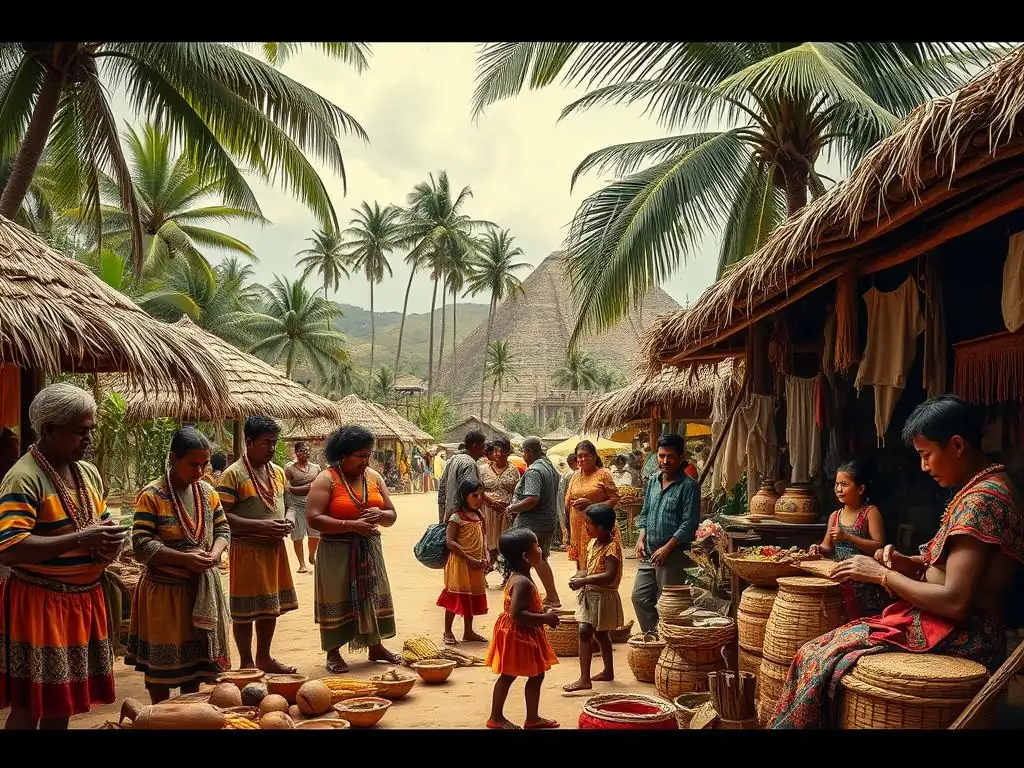
The commoners were the backbone of the Maya social structure, playing a crucial role in the economy and daily life of the civilization. While they often lived in the shadow of the elite, their contributions were vital to the functioning of Maya society. This section delves into the daily life, economic roles, and societal contributions of commoners, highlighting their significance in the broader context of the Maya civilization.
Daily Life and Responsibilities of Commoners
Commoners in the Maya civilization typically engaged in agricultural practices, which were the foundation of their daily lives. Most lived in small villages or family units, where they farmed the land and tended to crops such as maize, beans, and squash. This trio of crops, known as the "Maya triad," was essential not only for sustenance but also for trade.
Daily responsibilities varied depending on the season and local customs. During planting and harvest seasons, commoners would work collectively, often participating in communal labor to ensure a successful yield. Their tasks included clearing fields, planting seeds, and gathering crops.
In addition to farming, many commoners took on roles as artisans, creating pottery, textiles, and tools. These crafts were not only functional but also held cultural significance, often featuring intricate designs that reflected the commoners' beliefs and values.
Economic Roles: Farmers, Artisans, and Traders
The economic framework of the Maya civilization was heavily reliant on the labor of commoners. Farmers constituted the largest group within this class, using advanced agricultural techniques such as slash-and-burn farming and terracing. Each family typically cultivated a small plot of land, which they would manage to produce enough food for their household and, when possible, for trade.
Artisans played a significant role as well. They crafted goods such as jewelry, textiles, and tools, which were essential for both local use and trade with neighboring regions. Some skilled artisans specialized in creating ceremonial items for the elite, indicating their importance in religious and cultural practices.
Trade was another vital economic activity for commoners. They participated in local markets, exchanging surplus crops and handmade items for goods not produced in their area, including obsidian, salt, and luxury items. This trade network helped to foster relationships between different communities and facilitated the exchange of ideas and culture.
Commoners’ Contributions to Maya Society
Commoners made indispensable contributions to the development and sustainability of Maya society. Their agricultural output supported not only their families but also the elite and priests, creating a dependent relationship that sustained the entire social hierarchy. Without the labor of commoners, the monumental architecture and cultural achievements of the Maya would not have been possible.
Moreover, commoners were involved in various rituals and festivals that reinforced community bonds. These gatherings allowed them to express their cultural identity and ensured the continuation of traditions. The knowledge and practices passed down through generations, including farming techniques and craft skills, were pivotal in maintaining the Maya way of life.
The dynamics between the different social classes in the Maya civilization were intricate and multifaceted. While the elite held significant power and resources, commoners, through their labor and cultural practices, played a crucial role in the stability of Maya society.
Social Mobility in the Maya Civilization
Social mobility in the Maya civilization was limited but not entirely impossible. While most commoners were born into their social class, there were instances where individuals could ascend the social hierarchy through exceptional achievements. Skilled artisans and warriors, for example, could gain recognition from the ruling elite, potentially leading to a change in status.
Marriage also served as a pathway for social mobility. A commoner who married into a noble family could elevate their status and gain access to resources and power. However, these opportunities were rare and often depended on the prevailing political climate and the favor of the elite.
Relationships and Tensions Between Kings, Priests, and Commoners
The relationship between commoners and the elite was complex, marked by mutual dependence yet also by tension. Kings and priests relied on commoners for agricultural production and labor, while commoners looked to the elite for protection and governance. This interdependence created a delicate balance within the social structure.
However, tensions could arise, particularly during times of famine, war, or social unrest. Commoners, feeling the weight of heavy taxation or forced labor, could resist or revolt against their leaders. Historical accounts suggest that such uprisings, though infrequent, did occur when the demands of the elite became unbearable.
Festivals and Ceremonies: A Unifying Factor
Festivals and ceremonies played a vital role in the social structure of the Maya civilization, serving as a unifying force among different classes. These events often involved elaborate rituals, music, dance, and feasting, designed to honor the gods and celebrate the community's achievements.
Commoners participated actively in these festivities, which were integral to expressing their cultural identity and reinforcing communal ties. The cooperation and collaboration required to organize these events fostered a sense of belonging and solidarity, bridging the gap between social classes.
Through these shared experiences, the Maya civilization maintained its rich cultural heritage, allowing commoners to contribute significantly to both the social fabric and spiritual life of their society.
The social structure of the early Maya civilization was a complex and dynamic system that significantly influenced their societal organization, cultural practices, and governance. At its core, the hierarchy comprised three primary classes: the elite rulers and priests, the skilled artisans and traders, and the common farmers and laborers. This stratified society enabled the Maya to build impressive city-states, engage in extensive trade, and develop a rich cultural heritage that included advancements in mathematics, astronomy, and writing.
The legacy of this social structure is evident in the way contemporary Maya communities maintain aspects of their traditional customs, governance, and social practices. While the impact of European colonization has altered various elements of their society, the foundational principles established by their ancestors continue to resonate. The respect for elders, communal decision-making, and the importance of religious ceremonies reflect the enduring influence of the Maya social hierarchy on present-day life.
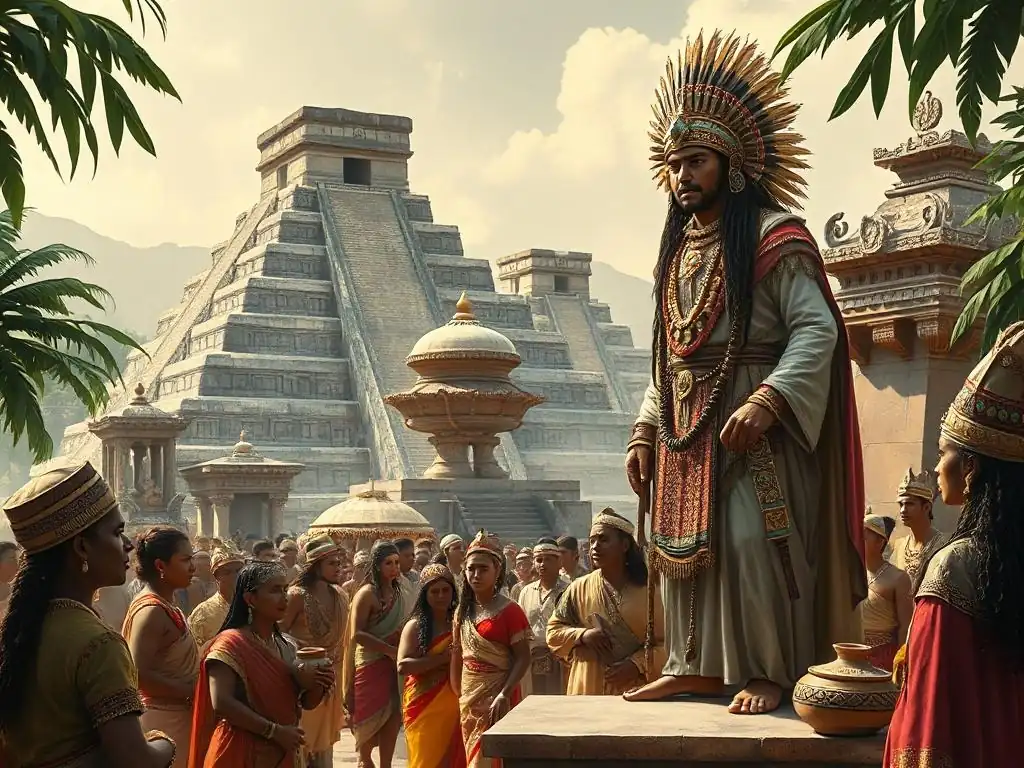
The effects of the early Maya social hierarchy extend beyond historical interest; they have shaped the socio-cultural dynamics of modern Maya communities. Many contemporary Maya groups still observe traditional leadership structures that echo the political organization of their ancestors. Leaders are often chosen based on lineage and community respect, similar to the royal lineage of the ancient Maya.
Moreover, the role of priests and spiritual leaders remains significant. These figures are often central in guiding community rituals and maintaining cultural identity, reflecting the high regard for religious authority seen in ancient Maya society. The agricultural practices of modern Maya farmers also mirror ancient techniques, emphasizing a deep connection to the land, which is a cornerstone of both their heritage and survival.
The Importance of Preserving Maya Cultural Heritage
Preserving Maya cultural heritage is crucial for maintaining the identity and continuity of Maya communities. The history, languages, customs, and traditions passed down through generations are vital for cultural resilience. Efforts to revitalize and support indigenous languages, traditional practices, and historical sites are essential in combating the erosion caused by globalization and cultural assimilation.
By safeguarding this heritage, contemporary Maya can foster pride in their identity and educate future generations about their rich history. This preservation effort not only honors the achievements of the ancient Maya but also contributes to the global tapestry of human history, offering insights into sustainable living, governance, and community organization.
References and Further Reading
Recommended Books on Maya Social Structure
-
"The Maya: History and Culture of the Ancient Mesoamerican Civilization" by Michael D. Coe
This comprehensive text explores the political, social, and cultural aspects of the Maya civilization, providing a detailed analysis of their social structure.
-
"Maya Society Under Colonial Rule: The Collective Enterprise of Survival" by T. M. McVaugh
This book examines the social organization and adaptations of the Maya in the colonial period, shedding light on the endurance of their social hierarchy.
-
"The Political Economy of the Maya Civilization" by Arthur A. Demarest
A detailed exploration of the economic systems and political structures of the Maya, focusing on how these aspects influenced their social organization.
Academic Journals for In-Depth Study
-
Journal of Anthropological Archaeology
This academic journal publishes articles on the archaeology of ancient civilizations, including comprehensive studies on the social structures of the Maya.
-
Latin American Antiquity
A peer-reviewed journal that offers insights into the archaeology and history of Latin America, often featuring studies focused on the social dynamics of ancient Maya society.
-
Mesoamerican Studies
This journal focuses specifically on the cultures of Mesoamerica, providing scholarly articles that delve into various aspects of Maya civilization, including their social hierarchies and cultural practices.
- Introduction to Maya Social Structure
- The Hierarchical Nature of Maya Society
- The Role of Kings in the Maya Social Structure
- The Influence of Priests in Maya Society
- The Life of Commoners in the Maya Social Structure
- Interactions Between Different Social Classes
- Conclusion: The Legacy of the Maya Social Structure
- Lasting Effects of Maya Social Hierarchy on Modern Society
- The Importance of Preserving Maya Cultural Heritage
- References and Further Reading
Frequently Asked Questions
What was the significance of kings in Maya society?
Kings held central authority in Maya city-states, acting as political leaders and religious figures. Their role was crucial for governance, warfare, and ritual ceremonies.
How did the priestly class influence Maya culture?
The priestly class was pivotal in Maya society, overseeing rituals and ceremonies that connected the people with their gods. They also played a key role in education and maintaining astronomical knowledge.
Commoners formed the largest social group within Maya society, primarily engaging in agriculture, craftsmanship, and trade. Their labor supported the elite class and the overall economy of the city-states.
The social hierarchy dictated roles and responsibilities, influencing aspects of daily life such as education, occupation, and access to resources. It reinforced the power dynamics between the elite and the commoners.
Yes, the Maya social structure evolved with various factors, including political shifts, environmental changes, and external pressures. These changes sometimes led to the rise or decline of certain classes within society.
The exploration of the Maya social structure reveals not only the intricate hierarchy of kings, priests, and commoners but also underscores the relevance of these ancient systems in our contemporary society. As we navigate our own social dynamics, understanding how the Maya organized their communities can provide profound insights into power, governance, and social roles that resonate even today. The lessons from the past remind us that social structures are not merely historical artifacts but living frameworks that shape our interactions and institutions.
Culture and society are inextricably linked, and the Maya civilization exemplifies how social hierarchies influence collective identity and community cohesion. The roles of kings and priests were not just positions of power; they were pivotal in maintaining the spiritual and political fabric of Maya life. This historical context prompts us to reflect on our own societal structures and the ways they impact our lives. The past is never dead. It's not even past.
— William Faulkner. This quote resonates deeply as we consider how the echoes of Maya governance still inform our understanding of leadership and community today.
As we conclude this exploration, I invite you to reflect on the lessons embedded in the Maya social structure and consider how they apply to your own life. Think about the roles you play within your community and how they contribute to the larger social fabric.
Embrace the complexity of social interactions and strive to foster a sense of unity and purpose, much like the Maya did in their time. By understanding and appreciating these historical dynamics, we can cultivate a more conscious and engaged society that honors the lessons of the past while paving the way for a more equitable future.
Unveil the Secrets of the Early Maya Society!
Thank you for taking the time to explore the fascinating social structure of the Early Maya. We hope you found valuable insights into the intricate roles of rulers, religious leaders, and everyday people. Now is the perfect moment to dive deeper and connect with this rich history!
Here’s how you can take action:
- Join a local museum tour or participate in an online seminar focused on Maya history to expand your knowledge and appreciation of their culture.
- Share this article with friends or on social media to ignite conversations about the complexities of ancient societies.
- Consider volunteering for initiatives that aim to preserve Indigenous cultures, helping to keep their legacies alive.
What aspect of Early Maya society surprises you the most, and how do you think it influences our understanding of modern Indigenous communities?