
New Archaeological Evidence of Inca Warfare: Insights from Recent Sites

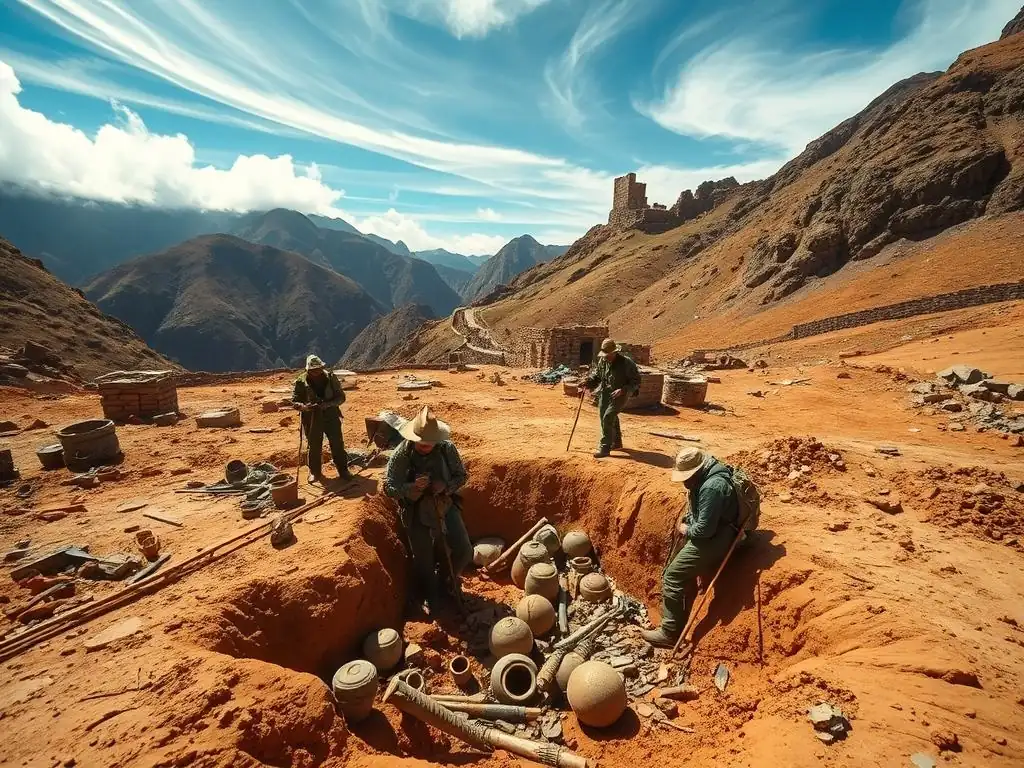
Welcome to Indigenous Civilizations of the Americas, where we invite you to embark on a fascinating journey through the rich tapestry of pre-colonial cultures that shaped the Americas. Our focus today is on the new archaeological evidence of Inca warfare, revealing groundbreaking insights from recent excavations that challenge our understanding of this remarkable civilization. What secrets do these findings hold about the Inca's military strategies and societal structures? Dive deeper with us as we uncover the complexities of Inca warfare and its enduring legacy. Your exploration of the past begins here!
Introduction to Inca Warfare Archaeological Findings
The Inca Empire, known for its architectural marvels and sophisticated societal structures, also had a complex history of warfare that played a crucial role in its expansion and maintenance of power. Recent archaeological findings have shed new light on the strategies, technologies, and impacts of Inca warfare, revealing a multifaceted narrative of conflict that shaped the region long before European contact. This article explores the latest discoveries from key archaeological sites, highlighting how these findings contribute to our understanding of Inca military practices and their significance in the broader context of indigenous civilizations in the Americas.
Overview of Inca Warfare
Inca warfare was characterized by its strategic planning and use of diverse tactics aimed at territorial expansion and the subjugation of rival groups. The Incas employed a combination of military prowess and diplomatic strategies, often integrating conquered peoples into their empire. Critical to their military success were innovations in logistics, such as the extensive road system that facilitated troop movements across the challenging Andean terrain. Additionally, the Incas utilized a range of weaponry, including sling stones, clubs, and spears, which were often supplemented with the use of psychological warfare to intimidate opponents.
Importance of Recent Archaeological Discoveries
The importance of recent archaeological discoveries lies not only in the artifacts uncovered but also in the new methodologies employed by researchers. Advanced techniques, such as ground-penetrating radar and geoarchaeological analysis, have allowed for more precise excavations and a deeper understanding of the spatial dynamics of warfare.
These findings are crucial as they provide insight into the social structures, trade routes, and military strategies of the Inca, allowing historians and archaeologists to reconstruct a more accurate picture of their past. Moreover, these discoveries underscore the complexity of indigenous societies, challenging long-held perceptions of the Inca as merely a militaristic empire.
Key Recent Sites Uncovering Inca Warfare
Recent excavations at several key sites have revealed significant evidence of Inca warfare, including fortifications, weaponry, and remnants of battle. Here are three notable sites that have contributed to our understanding of Inca military practices:
Site 1: Wari Ruins
The Wari Ruins, located in the Ayacucho region, have provided archaeologists with critical insights into the Inca's military strategies. Excavations revealed a series of fortified structures, which indicate the presence of defensive tactics against potential invaders. Artifacts such as ceramic fragments and tools used for warfare were also discovered, suggesting that this site played a key role in regional conflicts. The evidence points toward the Wari civilization's influence on Inca military organization, showcasing an exchange of strategies and technologies.
Site 2: Chinchero
Chinchero is another significant site where recent archaeological findings have unveiled the remains of what appears to be a military outpost. Researchers uncovered stone walls and watchtowers that indicate the site's strategic importance for surveillance and defense. Additionally, the discovery of sling stones and other weaponry highlights Chinchero's role in the Inca's military campaigns. These findings provide valuable context to the social and political dynamics of the region during the height of the Inca Empire.
Site 3: Ollantaytambo
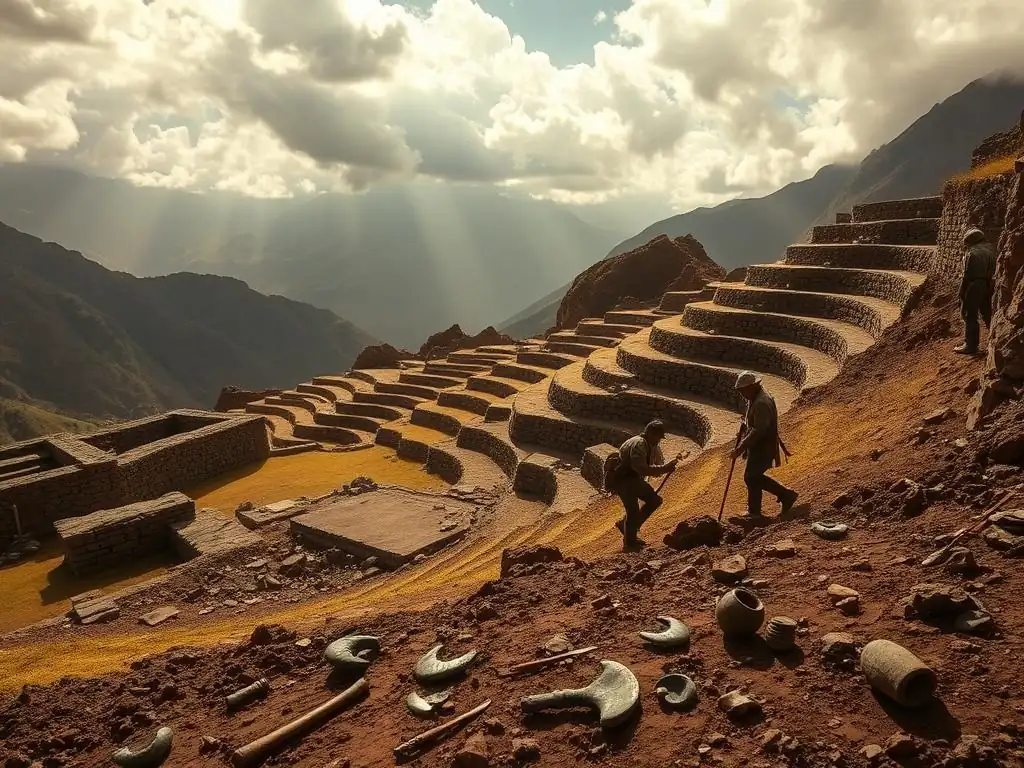
Ollantaytambo, known for its impressive terraced structures and temples, has also yielded important evidence of Inca warfare. Recent excavations revealed battle scars on stone walls and artifacts associated with military activities, suggesting that this site was a crucial staging ground for Inca military operations. The dual function of Ollantaytambo as both a religious and military center illustrates the strategic complexities of Inca society, demonstrating how warfare was intertwined with religious practices and governance.
These recent archaeological findings from sites like Wari, Chinchero, and Ollantaytambo not only enrich our understanding of Inca warfare but also contribute to the broader narrative of indigenous civilizations in the Americas, highlighting their resilience and adaptability in the face of conflict.
Analysis of Inca Warfare Tactics and Strategies
Recent archaeological findings have provided profound insights into the tactics and strategies employed by the Inca during warfare. The Inca were known for their systematic approach to conquest, often relying on a combination of military might and psychological warfare. They strategically manipulated their military resources, using superior organization and discipline to overwhelm their enemies.
One notable tactic was the use of mobility. The Inca army was highly trained to move quickly across varied terrains, facilitated by an extensive network of roads that connected their vast empire. This allowed them to launch surprise attacks and retreat swiftly when necessary. Additionally, the Inca employed a strategy of encirclement, using flanking maneuvers to trap their adversaries.
The Inca also recognized the importance of intelligence and reconnaissance. They sent scouts to gather information about enemy movements and strengths, allowing them to plan their assaults effectively. This intelligence-gathering aspect was crucial in determining the best times and locations for engagement.
Military Organization and Structure of the Inca Army
The Inca army was a well-organized entity comprised of various units. At its core, the army was divided into several levels of command, ensuring efficient communication and mobilization. Each unit was made up of soldiers from different regions, reflecting the diverse ethnic backgrounds within the Inca empire.
Key Features of the Military Organization:
- Hierarchy: The Inca military structure was highly hierarchical, with a clear chain of command from the emperor down to the foot soldiers. Commanders played pivotal roles in strategy formulation and troop management.
- Regional Units: Troops were often recruited from specific regions, which fostered a sense of loyalty and camaraderie among soldiers. This regional representation also ensured that the army was familiar with the local geography, providing tactical advantages during battles.
- Training and Discipline: Soldiers underwent rigorous training, which focused not only on combat skills but also on discipline. This training ensured that the army could operate effectively under pressure.
Weaponry and Tools Used in Inca Warfare
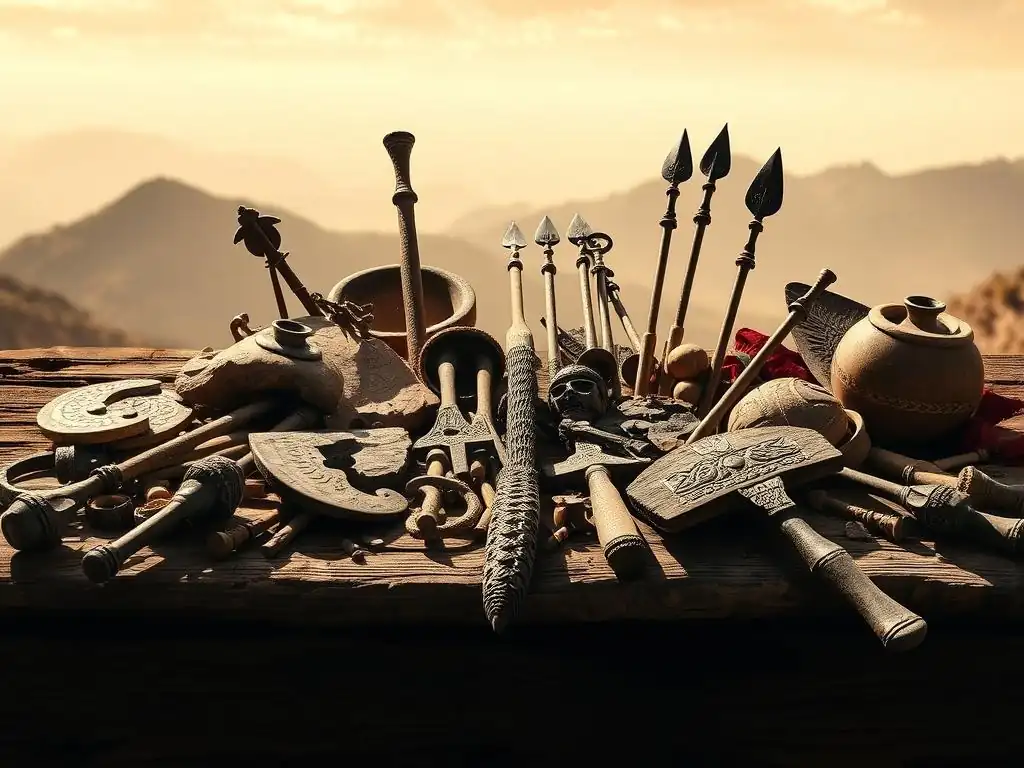
Archaeological excavations have revealed a variety of weaponry and tools used by the Inca in their military endeavors. The Inca primarily utilized weapons crafted from locally sourced materials, showcasing their ingenuity in warfare.
Types of Weapons:
- Clubs and Maces: The Inca favored blunt weapons such as wooden clubs and stone maces. These were effective in close-quarters combat and could inflict significant damage.
- Spears and Slings: Spears, often tipped with sharpened stone or metal, were commonly used for both throwing and thrusting. Additionally, slings were employed to launch projectiles, allowing for ranged attacks.
- Bows and Arrows: Though less common, bows and arrows were used, particularly in ambush situations. Archaeological findings indicate the use of both wooden and composite bows, showcasing the Inca's adaptability in warfare.
Defensive Structures: Insights from Recent Excavations
Recent excavations have uncovered various defensive structures that highlight the Inca's strategic approach to warfare. These constructions served not only as fortifications but also as symbols of power and control.
Key Findings:
- Fortresses: Archaeologists have identified several strategically located fortresses that provided a vantage point for monitoring enemy movements. These fortresses often featured thick stone walls designed to withstand sieges.
- Terracing and Moats: Some defensive sites incorporated terracing and moats to impede enemy advancement. These features demonstrated the Inca's understanding of landscape and their ability to manipulate it for defensive purposes.
- Watchtowers: The discovery of watchtowers in elevated positions emphasizes the Inca's focus on surveillance and early warning systems. These towers allowed for effective communication between different military units.
Cultural Implications of Inca Warfare Findings
The recent archaeological findings related to Inca warfare extend beyond military strategy; they offer valuable insights into the cultural implications of conflict within Inca society. Warfare was deeply intertwined with the Inca worldview and social structure.
Impact of Warfare on Inca Society and Culture
Warfare played a significant role in shaping Inca society and its cultural practices. The Inca viewed military success as a reflection of divine favor, which reinforced the emperor's authority and legitimacy. Victories in battle were celebrated, and the spoils of war often supported religious and social projects, including the construction of temples and roads.
Moreover, warfare facilitated the spread of Inca culture across conquered regions, leading to the assimilation of diverse peoples and their customs. This cultural integration often involved the imposition of the Quechua language and Inca religious practices, ultimately contributing to the cohesion of the vast empire.
Relationships with Neighboring Civilizations and Warfare
The Inca's approach to warfare also influenced their relationships with neighboring civilizations. While the Inca engaged in significant military campaigns to expand their territory, they also employed diplomacy and strategic alliances when beneficial.
Through warfare, the Inca established dominance over various cultures, yet they often permitted local leaders to retain a degree of autonomy in exchange for tribute. This strategy not only diminished resistance but also fostered a complex web of relationships that blended military might with political acumen.
In essence, the archaeological findings of Inca warfare provide a multifaceted view of how conflict shaped the Inca empire, revealing the intertwining of military strategy, societal structure, and cultural practices.
The Role of Archaeology in Understanding Inca Warfare
Archaeology plays a crucial role in shedding light on the complexities of Inca warfare, a topic that intertwines with the broader narrative of the Inca Empire's expansion and control over vast territories. Through excavations, researchers have uncovered material culture that offers insights into the strategies, technologies, and societal implications of warfare among the Incas. Artefacts such as weaponry, fortifications, and burial sites provide evidence of military practices, while settlement patterns illustrate the impact of warfare on societal organization and resource allocation.
The integration of archaeological findings with historical texts, oral traditions, and anthropological studies enriches our understanding of Inca warfare. For instance, the analysis of skeletal remains can reveal the health and demographics of populations involved in conflicts, highlighting how warfare shaped community structures and affected population dynamics. Ultimately, archaeology not only informs us about the methods and materials used in warfare but also enables a deeper comprehension of its role in the development and decline of the Inca Empire.
Methodologies Used in Recent Excavations
Recent excavations of Inca sites have employed a variety of innovative methodologies to enhance our understanding of warfare. These methods include:
- Remote Sensing Techniques: Technologies such as LiDAR (Light Detection and Ranging) allow archaeologists to map large areas of terrain quickly and accurately, revealing previously hidden structures such as fortifications and battlefield layouts.
- Geophysical Surveys: Ground-penetrating radar and magnetometry are utilized to detect subsurface features, providing insights into the extent and location of ancient military installations without extensive excavation.
- Stratigraphic Excavation: By carefully examining soil layers, archaeologists can chronologically sequence events and understand the context in which different artefacts were deposited, offering clues about the timing and nature of conflicts.
- Bioarchaeology: The study of human remains provides vital information regarding the health, injuries, and demographics of those involved in warfare. This approach can reveal patterns of violence and trauma that reflect the realities of conflict.
These methodologies, combined with interdisciplinary approaches incorporating history, anthropology, and geology, have significantly advanced our knowledge of Inca warfare and its implications for societal dynamics.
Challenges Faced by Archaeologists in Inca Warfare Studies
Despite the advancements in methodologies, archaeologists face several challenges in studying Inca warfare. One major issue is the preservation of sites, as many archaeological locations have been subjected to environmental degradation, looting, and urban development. The loss of context can severely hinder the interpretation of findings.
Another challenge is the interpretation of material culture. Artefacts related to warfare can often be ambiguous. For instance, items such as stone tools may have multiple uses, making it difficult to ascertain their specific role in military contexts. Additionally, the reliance on Spanish chronicles and historical accounts can lead to biases, as these sources may reflect European perspectives rather than indigenous realities.
Finally, the complexity of Inca social structure adds another layer of difficulty. The Inca Empire was characterized by a highly stratified society where warfare was not only a military endeavor but also a political and religious act. Understanding these multifaceted roles requires a nuanced approach that can be challenging to achieve through archaeological methods alone.
Conclusion: The Significance of Inca Warfare Archaeological Findings
The archaeological findings related to Inca warfare provide significant contributions to our understanding of the empire's history and culture. These discoveries illuminate the strategies and technologies employed by the Incas, revealing how warfare was integral to their expansion and maintenance of power. Moreover, the findings challenge preconceived notions about the Inca as a solely peaceful civilization, showcasing the complexities of their military practices and societal organization.
Summary of Key Insights from Recent Sites
Recent excavations have yielded several key insights into Inca warfare:
- The discovery of sophisticated fortifications and strategic military installations indicates a high level of military organization and planning.
- Artefacts such as weapons, ceremonial items, and tools provide evidence of the dual nature of warfare as both a practical and ritualistic activity.
- Analysis of skeletal remains reveals patterns of trauma and injury, suggesting the intensity and impact of conflicts on Inca populations.
These insights not only enrich our historical knowledge but also underscore the multifaceted nature of Inca warfare as a catalyst for social change.
Future Directions for Research on Inca Warfare
Looking ahead, future research on Inca warfare should focus on several important areas:
- Interdisciplinary Collaborations: Combining archaeological methods with insights from anthropology, history, and indigenous knowledge can lead to more comprehensive understandings of Inca warfare.
- Exploration of Lesser-Known Sites: Investigating remote or under-explored regions of the Inca Empire may uncover new data that can reshape current understandings of warfare dynamics.
- Technological Innovations: Continued advancements in remote sensing and analytical techniques will likely yield new discoveries and refine existing interpretations of archaeological findings.
- Longitudinal Studies: Conducting long-term studies of specific sites can offer insights into the evolution of warfare practices over time, reflecting changes in political, social, and environmental contexts.
By pursuing these avenues, researchers can deepen their understanding of Inca warfare and its lasting impact on indigenous civilizations in the Americas.
References and Further Reading
The study of Inca warfare has evolved significantly in recent years, particularly with the emergence of new archaeological evidence. This section provides a curated list of resources that delve deeper into the complexities of Inca military strategies, societal structures, and the archaeological findings that have shaped our understanding of this ancient civilization.
Suggested Resources on Inca Warfare and Archaeological Discoveries
- Books
- The Inca Empire: A Multidisciplinary Approach by R. Alan Covey
- This comprehensive text explores various aspects of Inca society, including warfare, through a multidisciplinary lens. It combines archaeological findings with ethnographic studies to provide a holistic view.
- Warfare in the Ancient Andes by Elizabeth N. Arkush and Susan E. Bandy
- This book focuses specifically on warfare in the Andean region, including the Inca civilization, analyzing archaeological and historical evidence to discuss military practices and their implications on society.
- The Inca Empire: A Multidisciplinary Approach by R. Alan Covey
- Documentaries
- Secrets of the Inca Empire (PBS)
- This documentary explores the Inca's impressive achievements, including their military prowess and strategies, providing visual insights into archaeological sites related to warfare.
- The Lost City of the Incas (National Geographic)
- Featuring stunning visuals of Machu Picchu and other significant sites, this documentary discusses the Inca's military and social organization, backed by archaeological discoveries.
- Secrets of the Inca Empire (PBS)
- Online Resources
- The Inca Project (inca.understandinghistory.com)
- A comprehensive online resource offering a plethora of articles, images, and reports on the Inca civilization, including a dedicated section on warfare.
- Archaeology Magazine's Inca Coverage (archaeology.org/issues)
- This site features a range of articles discussing recent archaeological findings related to the Inca, with a focus on military and societal aspects.
- The Inca Project (inca.understandinghistory.com)
Recommended Academic Journals and Publications
- Journals
- Latin American Antiquity
- A prominent journal that publishes scholarly articles on the archaeology of Latin America, including studies related to Inca warfare and military archaeology.
- Journal of Anthropological Archaeology
- This journal offers research that often touches on the social dynamics of ancient societies, with articles focusing on warfare and conflict in the Andes.
- Latin American Antiquity
- Publications
- Andean Past
- A series of volumes that compile papers presented at conferences on Andean archaeology, frequently addressing topics related to Inca military strategies and archaeological findings.
- Journal of Conflict Archaeology
- This publication examines the archaeological evidence of conflict across various cultures, including the Inca, providing analyses that connect warfare to sociopolitical structures.
- Andean Past
These resources serve as a gateway for further exploration into the intricate world of Inca warfare, offering valuable insights and expanding on the archaeological findings that continue to shape our understanding of this remarkable civilization.
- Introduction to Inca Warfare Archaeological Findings
- Key Recent Sites Uncovering Inca Warfare
- Analysis of Inca Warfare Tactics and Strategies
- Military Organization and Structure of the Inca Army
- Weaponry and Tools Used in Inca Warfare
- Defensive Structures: Insights from Recent Excavations
- Cultural Implications of Inca Warfare Findings
- The Role of Archaeology in Understanding Inca Warfare
- Conclusion: The Significance of Inca Warfare Archaeological Findings
- References and Further Reading
- What are the main focuses of the article on Inca warfare?
- How do the archaeological findings contribute to our understanding of Inca warfare?
- What specific sites are mentioned in the article regarding Inca warfare?
- How does the article relate Inca warfare to their overall civilization?
- What is the significance of the keyword "Inca warfare archaeological findings" in the article?
Frequently Asked Questions
What are the main focuses of the article on Inca warfare?
The article highlights recent archaeological findings that provide insights into Inca warfare, examining their strategies, tactics, and the impact of warfare on their society.
How do the archaeological findings contribute to our understanding of Inca warfare?
These findings reveal new evidence about the military organization of the Inca, including fortifications, weaponry, and the socio-political implications of their military campaigns.
What specific sites are mentioned in the article regarding Inca warfare?
The article discusses several recently excavated sites that showcase artifacts and structures linked to Inca military activities, offering a deeper understanding of their warfare practices.
How does the article relate Inca warfare to their overall civilization?
It emphasizes that warfare was integral to the Inca civilization, influencing their expansion, social structure, and cultural practices, shaping their legacy in the Americas.
What is the significance of the keyword "Inca warfare archaeological findings" in the article?
The keyword is critical as it encapsulates the central theme of the article, focusing on how archaeological discoveries enhance our comprehension of Inca military history and its historical context.
Final Reflection: Unveiling the Legacy of Inca Warfare
The exploration of Inca warfare archaeological findings reveals not only the military strategies of a great civilization but also their enduring impact on contemporary society. As we uncover new evidence from recent sites, we gain insights into the complexities of Inca society, their conflicts, and how these historical narratives shape our understanding of power dynamics today. The significance of these findings extends beyond mere historical curiosity; they challenge us to reconsider our perceptions of conflict and cooperation in human history.
The revelations from these archaeological discoveries continue to resonate within our cultural and social landscape. As we reflect on the Inca's sophisticated military organization and strategies, we can draw parallels to modern conflicts and the lessons they impart. History is not a burden on the memory but an illumination of the soul.
This quote encapsulates the idea that understanding our past, including the intricacies of warfare, can provide valuable insights into our present and future interactions. The ongoing discourse surrounding these findings encourages us to engage with history not just as a series of events but as a tapestry of human experience that informs our identity.
As we conclude our exploration of Inca warfare, I invite you to reflect on the lessons these archaeological findings offer. Consider how the themes of conflict, resilience, and adaptation resonate in your own life and society. Let the stories of the past inspire you to foster understanding and cooperation in your interactions, recognizing that the echoes of history can guide us toward a more harmonious future. Embrace the opportunity to learn from the past, and carry these insights forward as you navigate the complexities of the present.
Unveil the Secrets of Inca Warfare Today!
Thank you for diving into the fascinating world of Inca warfare with us! By exploring the latest archaeological evidence, you've uncovered significant insights that deepen our understanding of this incredible civilization. Now, let’s take the next step together to expand your knowledge and engage with this rich history.
Here’s how you can explore further:
- Join a local archaeological workshop to experience hands-on learning about Inca history.
- Share your thoughts on our online community forum and let us know which aspects of Inca warfare intrigued you the most.
- Explore recommended readings from our curated list to dive deeper into Inca culture and their warfare strategies.
As we reflect on the complexities of ancient civilizations, what new perspective on Inca warfare will shape your understanding of their legacy? We’d love to hear your insights!